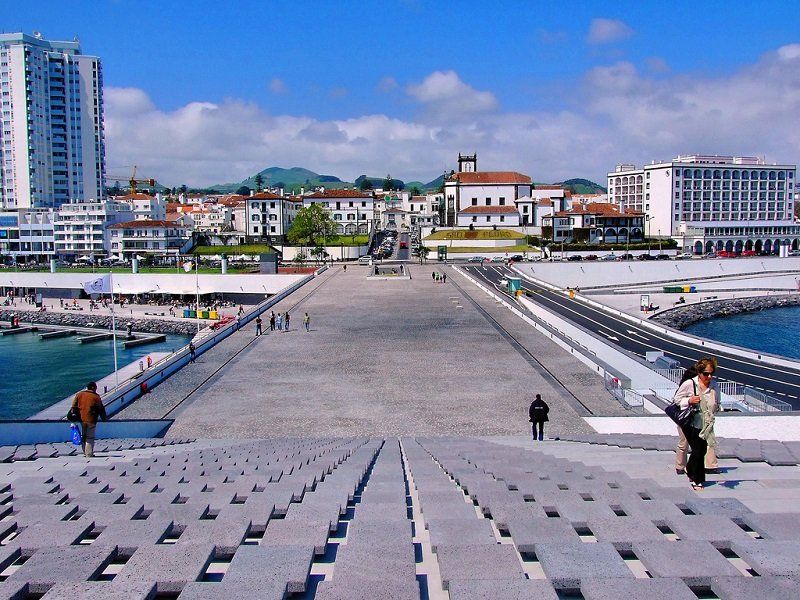
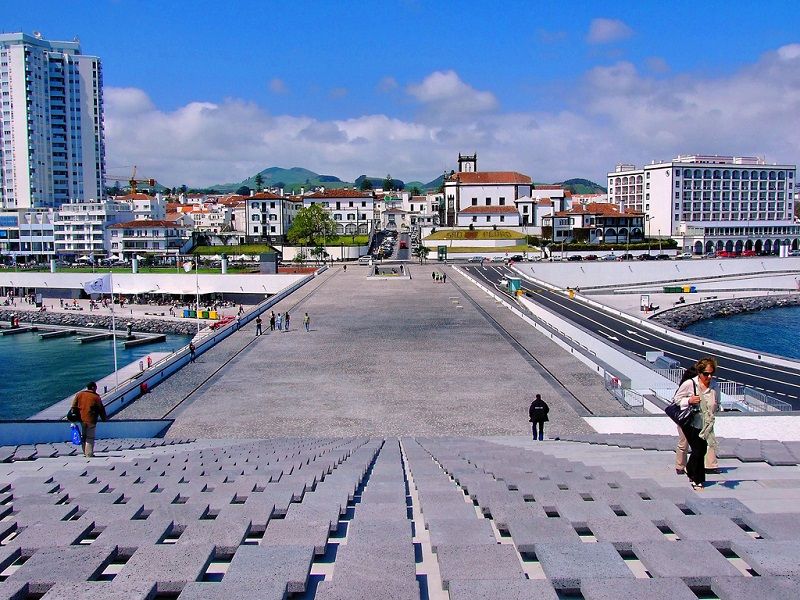
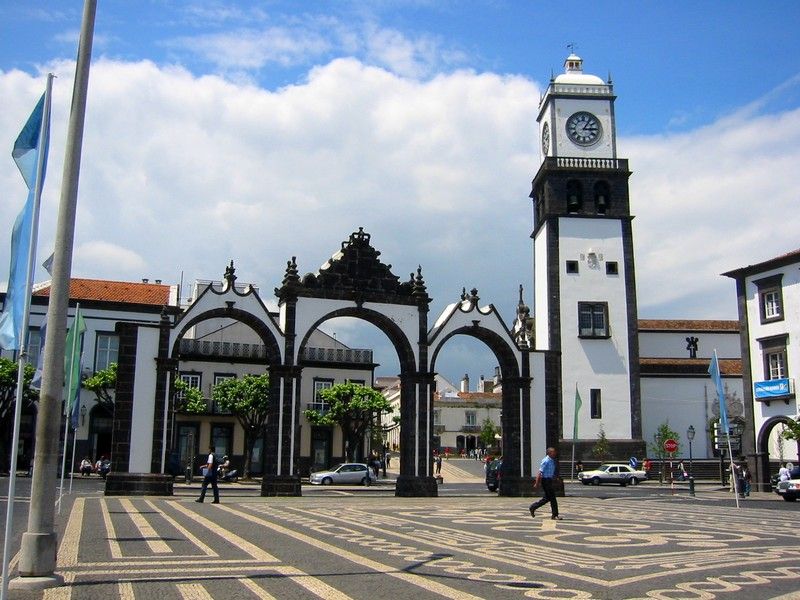
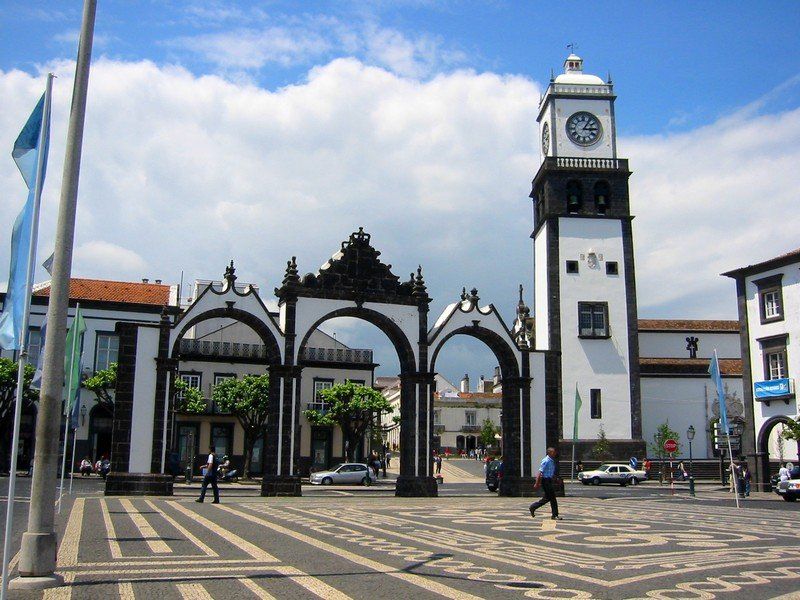
Ponta Delgada - a city and seaport in Portugal, the capital of the Azores. Located on the island of São Miguel. Population: 46.1 thousand residents (as of 2004). Area: 231.90 km².
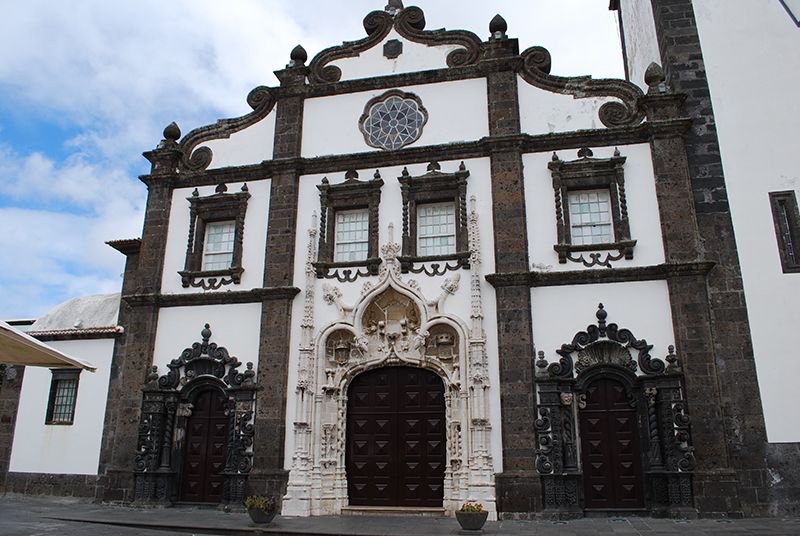
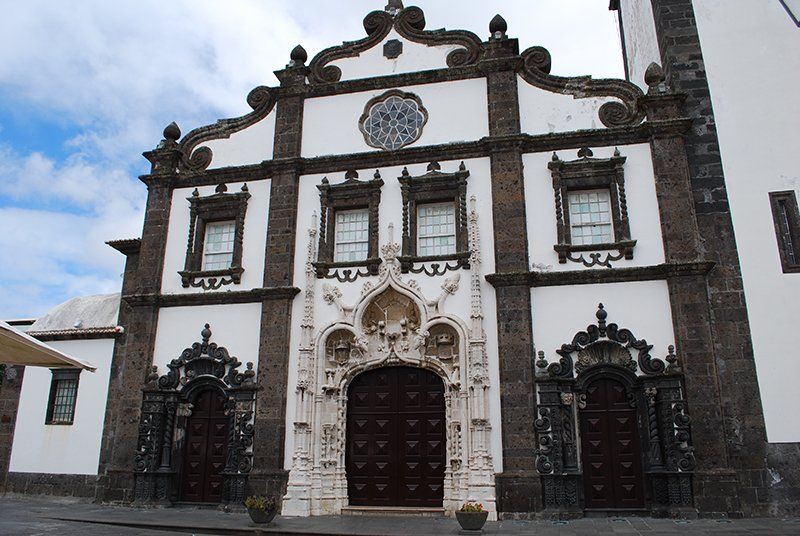
In its modern city form, Ponta Delgada appeared relatively recently. Originally, it was a small fishing village that did not immediately aspire to be the capital of the Azores. The city status of Ponta Delgada was granted in 1546, and at the same time it became the administrative center of the island of São Miguel. After Ponta Delgada was named the capital of the Azores, the local administration was based here; however, the judiciary and the Roman Catholic diocese are headquartered in Angra do Heroísmo, on the island of Terceira. The nineteenth century has been called the “golden” period in the city’s history. Precisely during this time, thanks to a well-established export of citrus fruits, the economy of Ponta Delgada flourished particularly well. Increased trade activity gave a significant boost to the city’s development, which undoubtedly affected both population size and prosperity. This period also marked the beginning of a construction boom-many mansions, estates, and churches were built then. Some of them have survived to this day and, undoubtedly, are of historical value.
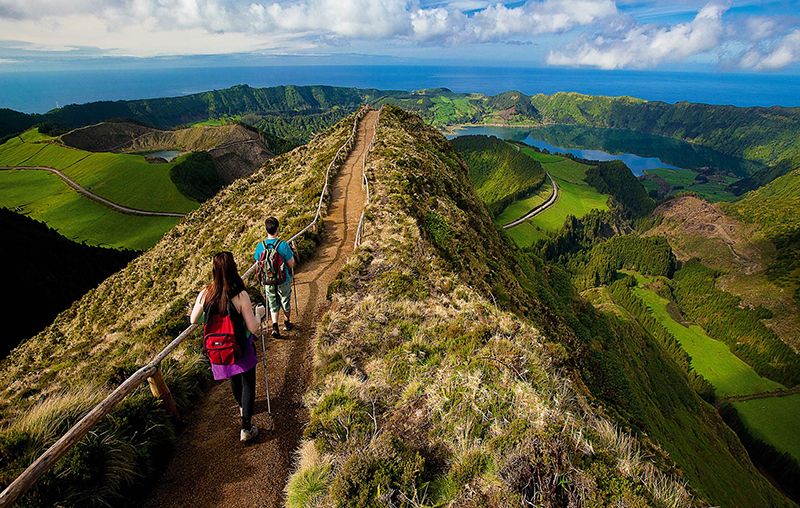
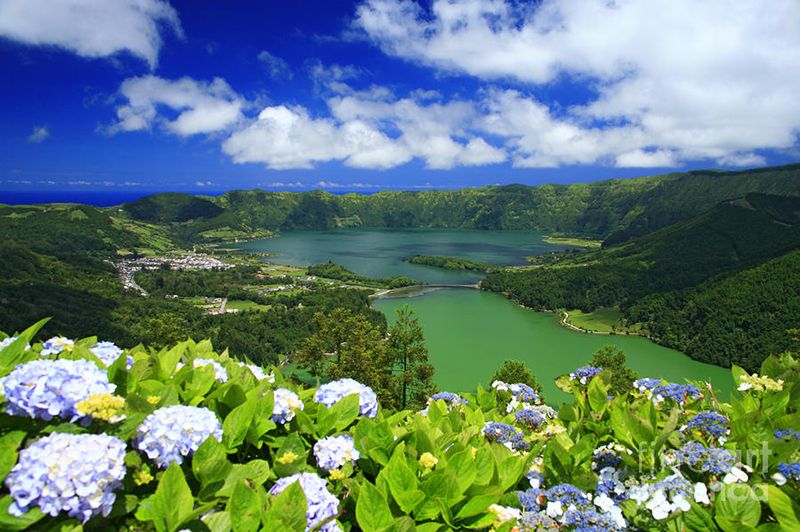
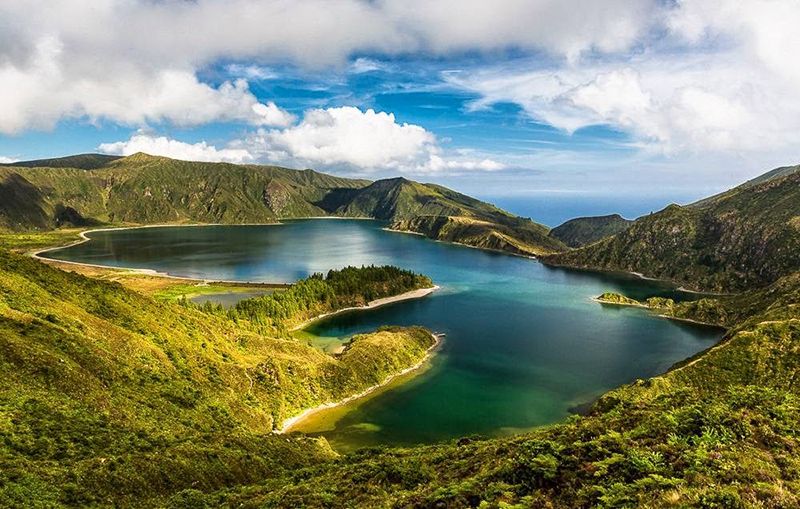
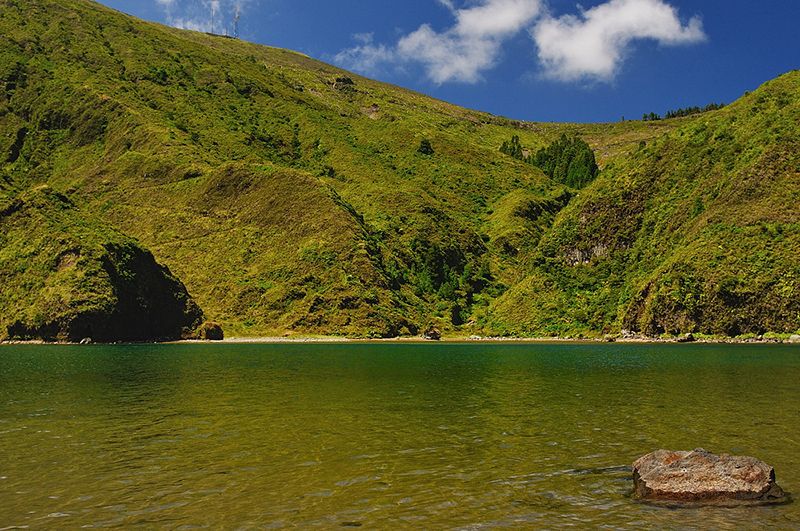
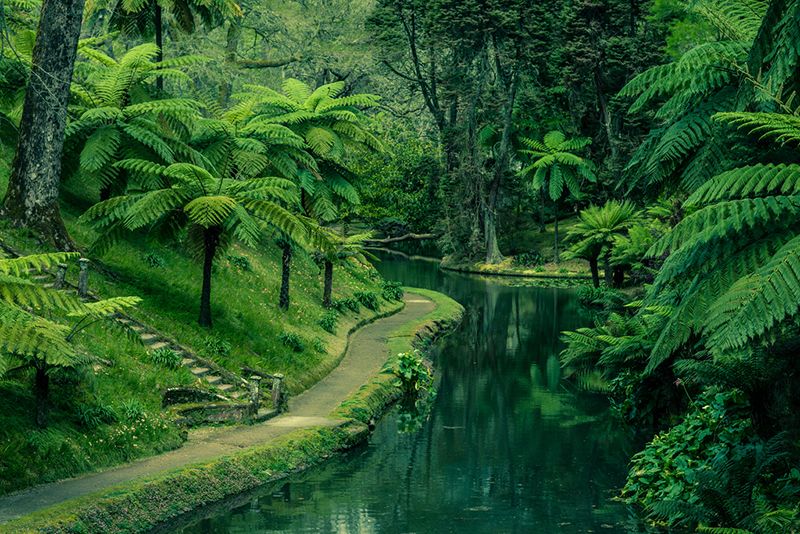
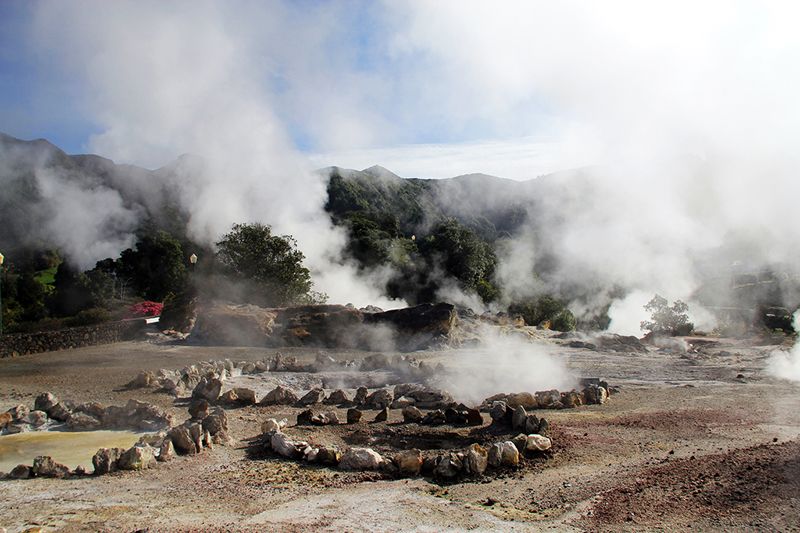
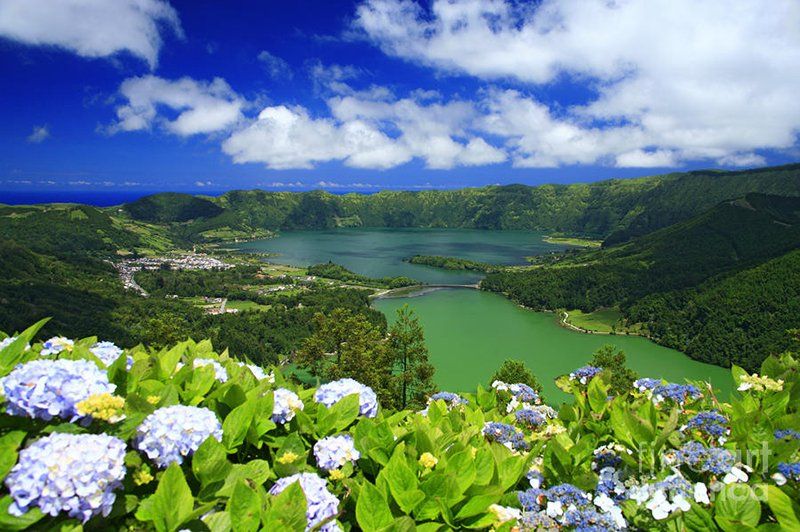
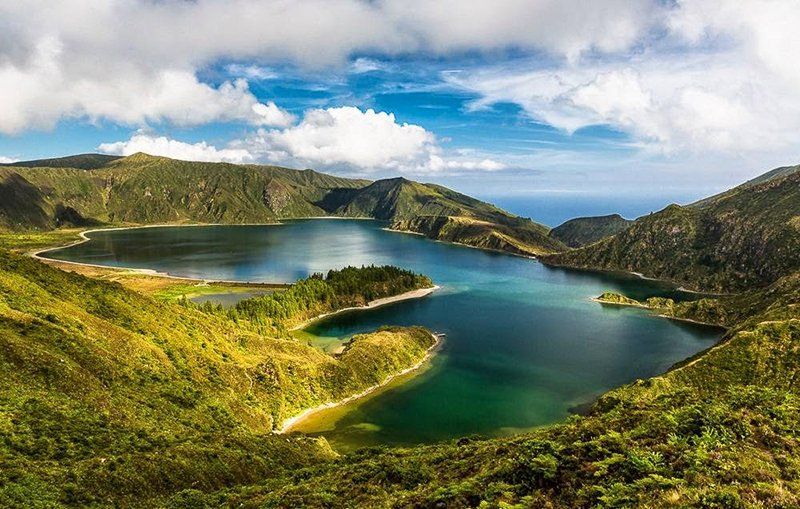
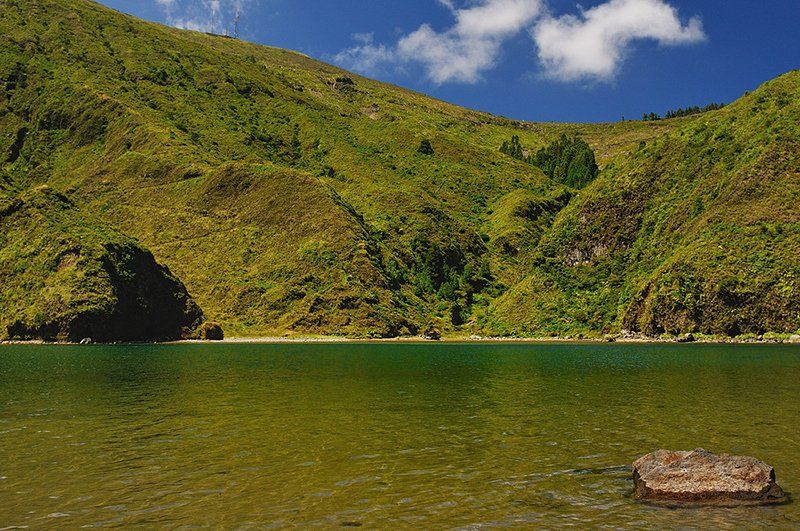
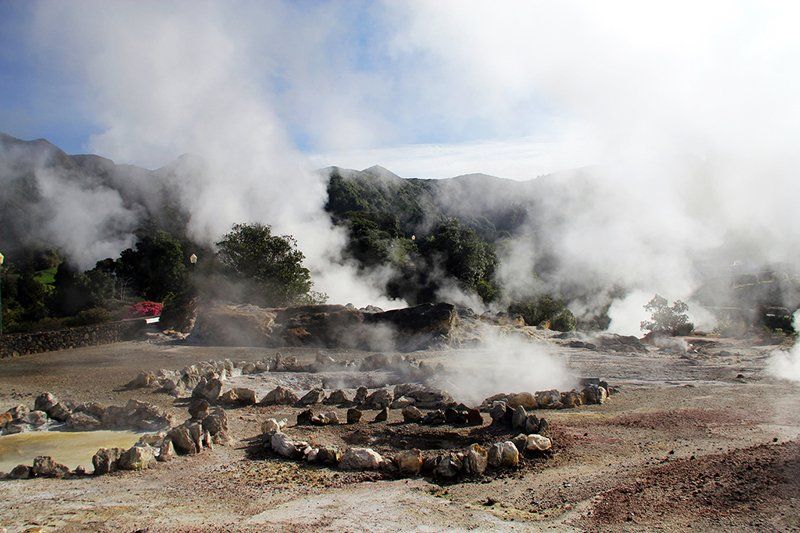
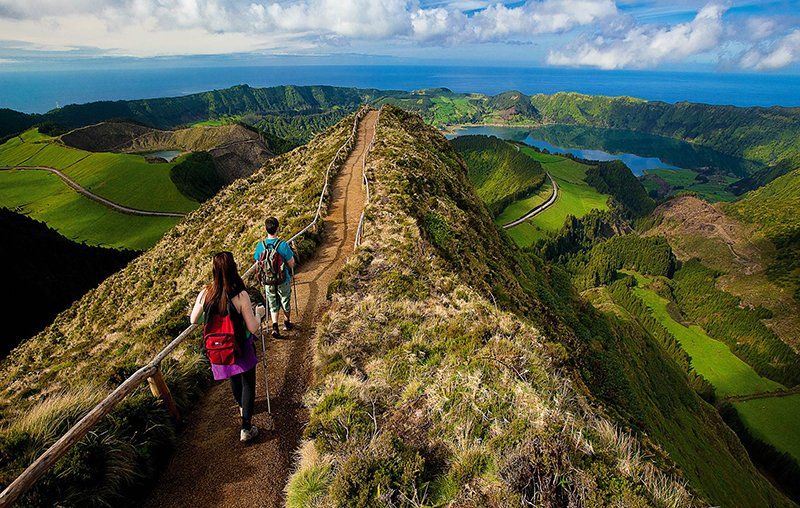
Ponta Delgada is famous for its natural beauty. The terrain here is rugged; the coastline is made up of cliffs and rocky shallows, but the north and south coasts are lowlands, where the main local settlements are located. Among this beauty, sandy beaches look especially picturesque. The city is in a volcanic zone consisting of two areas-the Sete Cidades massif and the Picos region. It is rich in mysterious caves and beautiful lakes. Such a landscape is undoubtedly impressive. On the northern side of the island of São Miguel lies the Lagoa do Fogo (Fiery Lake), and in the east are the highest mountains in the Azores. A magnificent panoramic view opens from the top of Bartolomew, and around the huge Caldeira das Sete Cidades crater, two turquoise twin lakes have spread out. Thousands of tourists from all over the world come here to see the hot springs and geysers, caves, and mountain lakes in the vicinity of the city, and to bathe in healing mud in Ponta Delgada.
The Azores are an archipelago in the Atlantic Ocean belonging to Portugal. The name of the islands most likely comes from the archaic Portuguese word “azures” (similar to the Russian “azure”), which literally means “blue.” The archipelago consists of volcanic islands. The active volcano Pico (2351 m) is Portugal’s highest peak. In 1995, the Azores received an EU award for preserving pristine nature and developing ecotourism.
ClimateAs across the entire territory of the Azores, Ponta Delgada has a favorable climate with only small fluctuations in above-zero temperatures. Rainfall is evenly distributed throughout the year, although in the autumn-winter period it falls somewhat more than usual. There are quite a lot of rainy days, but, as a rule, bad weather is very short-lived.
Strong winds are common. The capital is located in the path of hurricane cyclones; nevertheless, the days in the city are warm. The average daily temperature throughout the year is +17 °C. Ocean water is comfortable for swimming in the warm season-by summer it warms up to about +23 °C-and it never freezes along the coast in winter.