Visby, Sweden

Port of call

Visby, Sweden

Cruises to Northern Europe

Description — Visby, Sweden

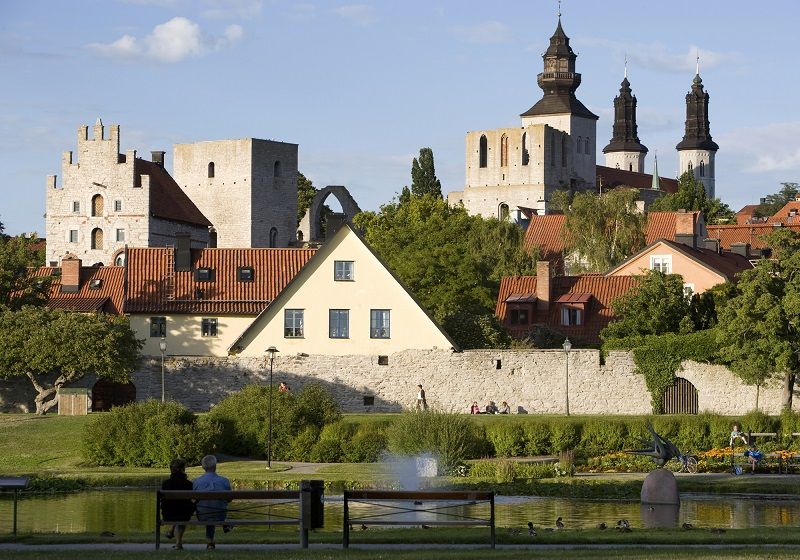
Visby is the main city of the Swedish island of Gotland, the administrative center of Gotland County. The best-preserved medieval city in Scandinavia, a tourist hub and a UNESCO World Heritage site, is located in the Baltic Sea.

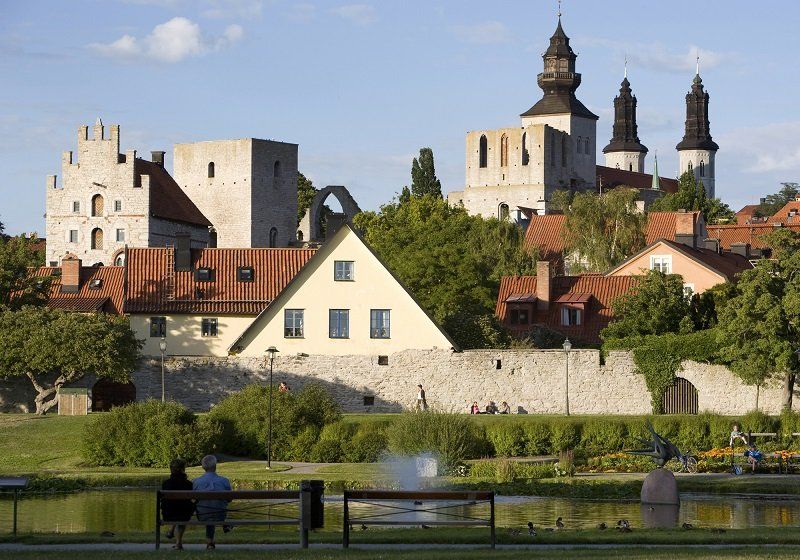
Unique and picturesque, Visby is known for its city wall, winding cobblestone streets, and numerous ancient buildings made of stone and wood, churches and ruins. The very look of the city testifies to its history as one of the main trading centers of the Hanseatic League in the Middle Ages.

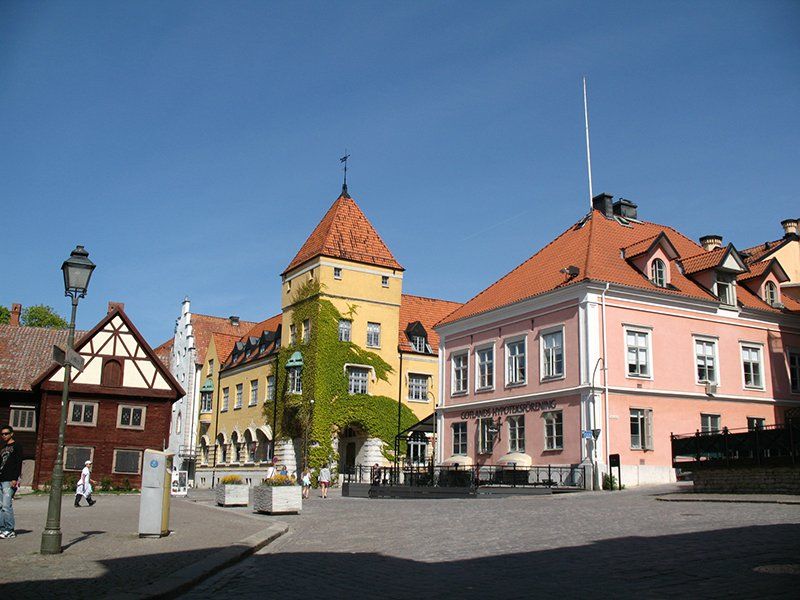
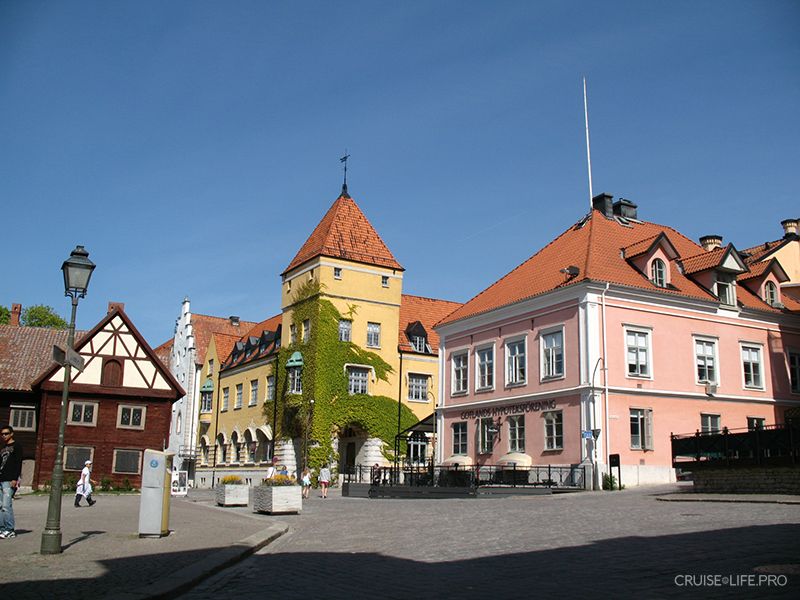
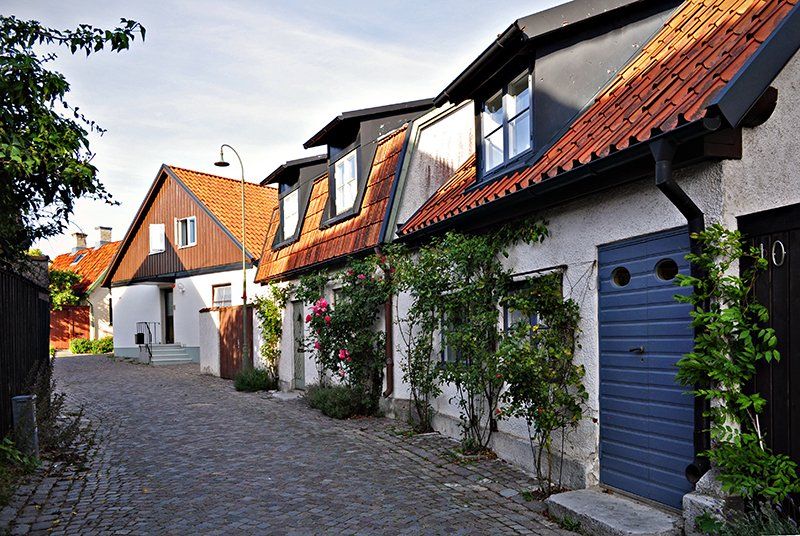
For a long time, the city was forgotten by everyone, but by the 19th century Visby began to revive. The reason was its centuries-old history-or rather, the interest in it shown by its descendants. Tourists started visiting the island of Gotland and its unofficial capital in large numbers, eager to see all the historic sights of the area. Visby became one of Sweden’s most visited tourist centers. One of the largest ports in the country was built here; a railway was laid on the island and an airport was opened. Today, tourism remains the main sphere of activity, with much of the population of Visby involved in it. Visby is called the city of ruins and roses, because besides the ruins of 23 churches, it is home to many gardens and parks. Pink rose bushes and flowerbeds growing on every street harmonize perfectly with the small, almost toy-like houses, whose walls are painted in muted shades of blue, pink, or yellow.

Climate

According to its climate characteristics, Visby and all of Gotland are dominated by a maritime type of temperate climate. Throughout the year there are quite a lot of cloudy days, but despite the high air humidity, rainfall is significantly less than on Sweden’s mainland. The highest precipitation occurs from September to December; in winter, snow is possible, but its amount is not very large.

The average temperature during winter months in Visby is -2 °C, but this is sometimes considered close to the average minimum, since even in winter, a temperature of +2 °C is regarded here as normal. In summer it is relatively warm, with an average temperature of +20 °C. Despite the frequent cloudy weather, in Visby you can also see completely clear skies in summer.

Location on the map

Sights

St. Mary’s Cathedral

St. Mary’s Cathedral

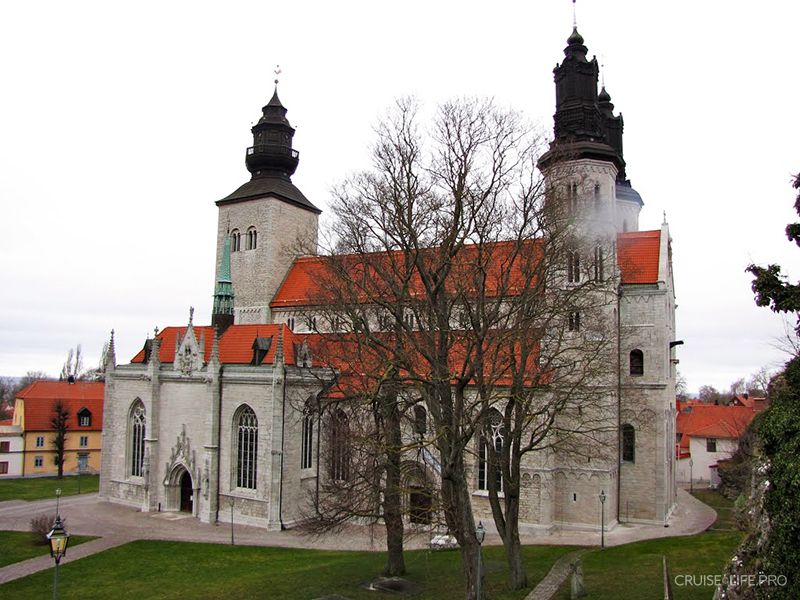
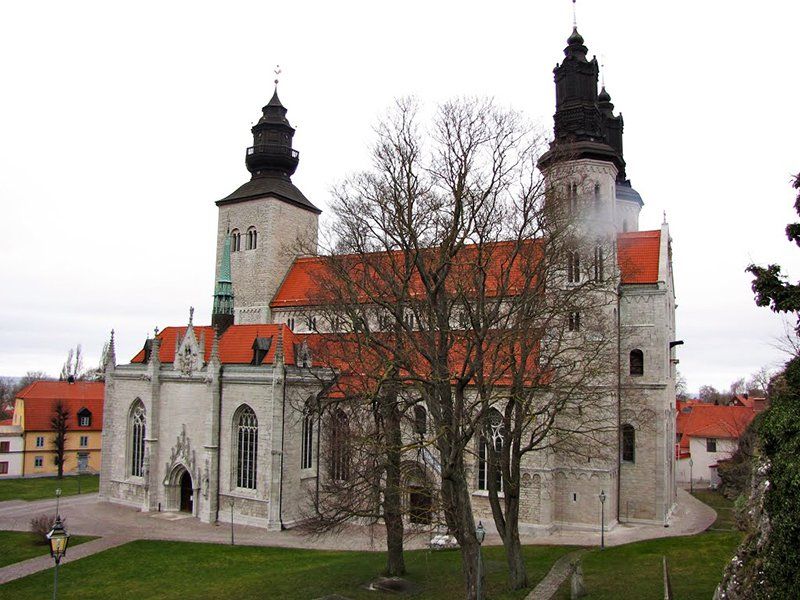
St. Mary’s Cathedral is the main parish church in the city of Visby. In the Middle Ages, it was known as the “Church of Our Dear Wives” and was built for German merchants. St. Mary’s Cathedral is the only surviving medieval church in all of Visby and one of the oldest buildings in the city. The church was commissioned on the initiative of a fairly large German Catholic community that lived in Visby at the time. Since the funds for its construction were collected from the German ships visiting the harbor, the process was not quick. Beneath the floor of St. Mary’s Cathedral there are about four hundred graves.
Medieval Walls and Towers

Medieval Walls and Towers

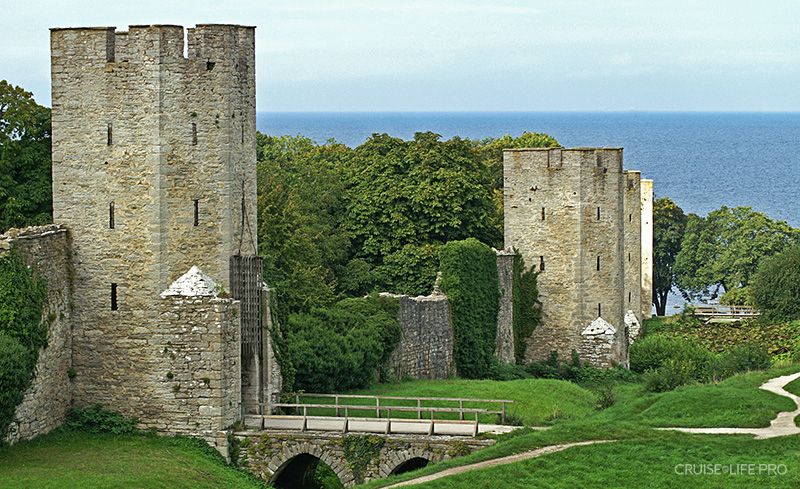
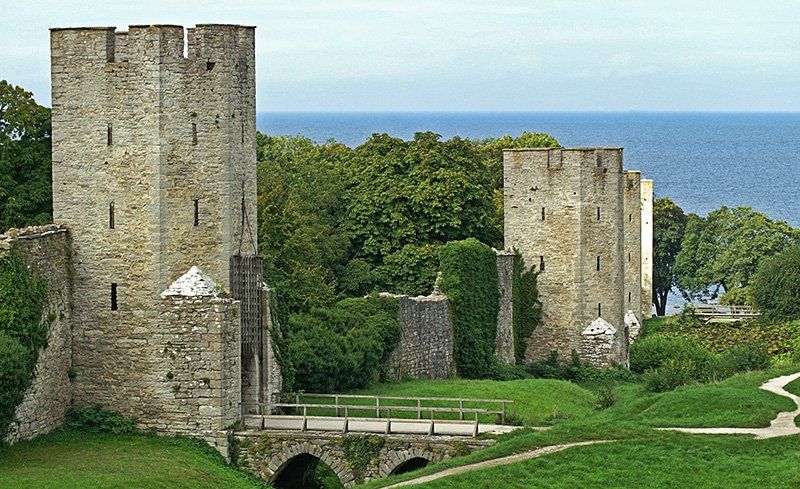
The medieval walls and towers of Visby are a city wall, surrounding the city center located on the island of Gotland. Its height is 11 feet (approximately 3.3 meters), and its total length reaches 3.44 km. Originally, 29 lower towers and 22 upper towers were built, but today only 27 towers remain. Thanks in large part to the existence of this city wall, the city of Visby was added to the UNESCO World Heritage List. The oldest part of the wall is a defensive tower that is now known as the Powder Tower. It was built at the entrance to the city harbor in the 1100s for its defense- from the top of the tower, it was convenient for crossbowmen to shoot down at boats entering the harbor in the event of an attack.
Ruins of the St. Nicholas Monastery

Ruins of the St. Nicholas Monastery

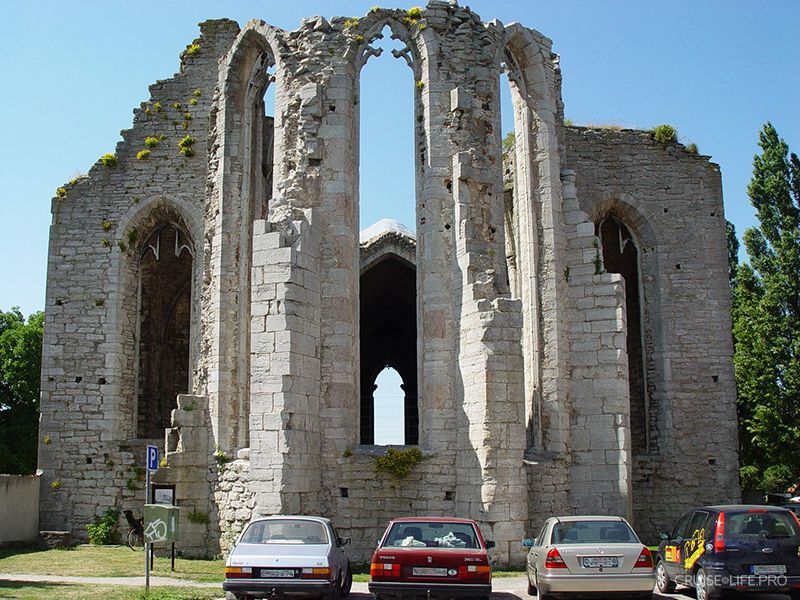
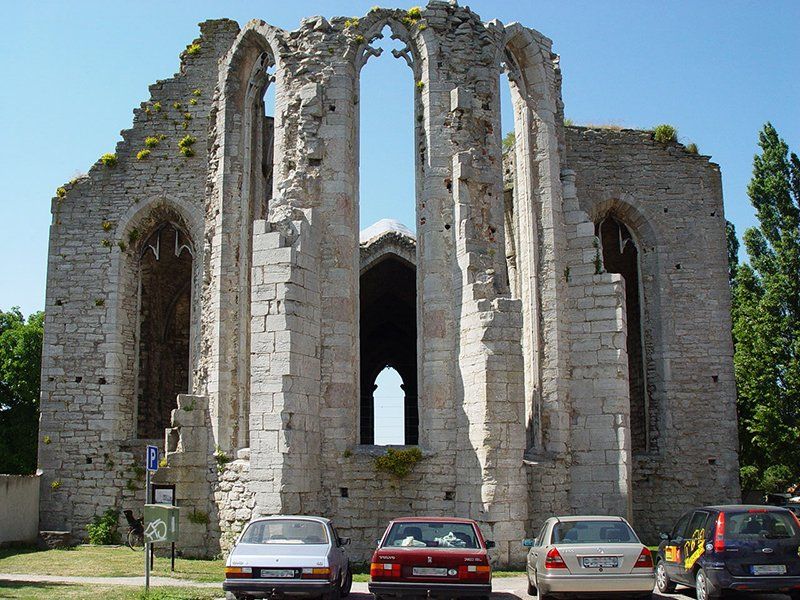
Ruins of the Monastery of St. Nicholas - all that remains of the Dominican monastery founded in Visby in 1228. The monks expanded it and built a Gothic cathedral in honor of St. Nicholas, the patron saint of sailors and merchants. Much of it was destroyed by the Lübeckers, who stormed Visby in 1525. During the period 1929-1990, mysteries of Petrus de Dacia were held here every summer. They were named after the famous Gotland writer and mystic who served as prior of the Dominican monastery in the late 13th century. Today, musical and theatrical productions are staged among the ruins, and each summer draws visitors to the Gotland Chamber Music Festival. The audience is sheltered from the weather by the remaining roof.
What to see

Old Town Cottages

Old Town Cottages

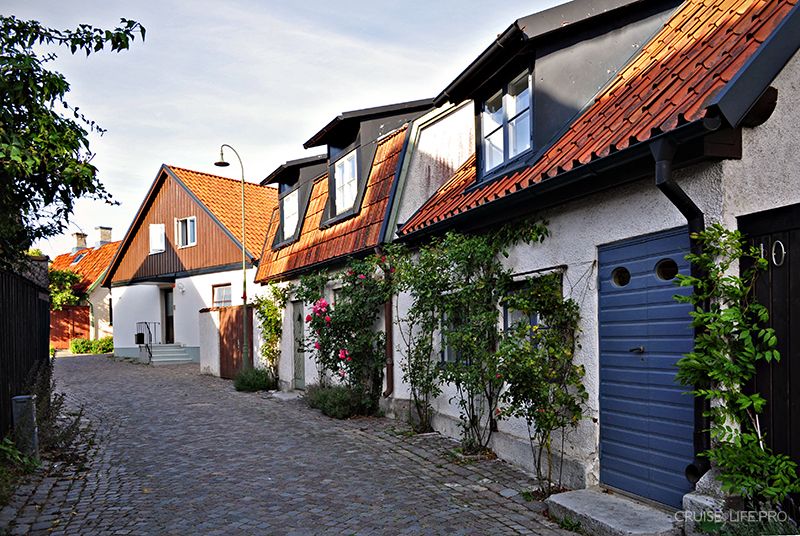
Visby is both a large medieval city and an idyllic little town. It is covered with the ruins of ancient buildings and churches, cobblestone paved streets, and colorful wooden and stone houses. And all this splendor has been preserved since the days of the Hanseatic League. In ancient times, Visby also served as the main Hanseatic trading center. Today, the city is an industrial hub and a popular resort with a modern port. Walking around it, you immediately feel an extraordinary atmosphere. It’s all thanks to the old-fashioned multicolored houses, historic churches, and numerous amazing flower gardens, pink flowerbeds.

Botanical Garden

Botanical Garden

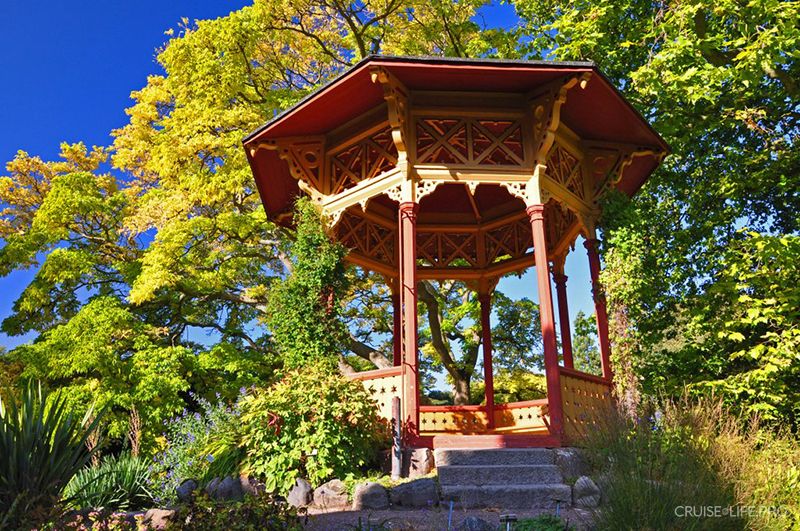
The Botanical Garden located right in the city center was established in 1856. Though small in area, it houses an enormous variety of plants, providing a touch of exoticism for the Scandinavian countries, such as walnut, mulberry and ginkgo, magnolia, and ivy, which picturesquely wraps the ruins of the St. Olaf temple, as well as a wonderful rose garden (its peak bloom period is July-August).

Lummellunda Cave

Lummellunda Cave

Lummelunda Cave (Lummelunda) - an amazing underwater world in which delightful underground passages, recesses and niches have been preserved in excellent condition. Lummelunda is not just one cave; it is a whole large complex-here you will find a museum, a sheepfold, gardens, and even an entire complex of waterfalls. The Lummelunda stalactite cave is located 13 km from the town of Visby.

Viking Village

Viking Village

If you want to make your journey even more unforgettable and eventful, you should visit the Viking Village. The village is located just a few minutes’ walk from the village of Tofte: the wooden gate to the estate of the Viking chieftain Erik Bloodaxe will be visible right away. Thanks to the smallest details of the meticulously recreated interior of the chieftain’s estate, you can easily “step into another era.” You will also have the opportunity to experience all aspects of the Vikings’ “everyday life,” including learning how to throw an axe and the basics of blacksmithing.

Recommended excursions

City sightseeing tour

City sightseeing tour

If you are looking for a paradise island, you don’t have to travel to the other end of the world. On the small Swedish island of Gotland, you will find not only unforgettable nature, but also wonderful architectural landmarks. During the excursion you will see the remains of a fortress wall (13th century), around 40 towers, the Domchurck church (1190-1255), the half-ruined churches of St. Nicholas, St. Lars and St. Karina, the Church of St. Mary, the ruins of Visborg Castle (15th century) and the “Gotland Fornsal” Archaeological Museum, where you can find treasures from the Viking Age. Today, the island has more than 90 medieval churches and many monuments of ancient culture dating back to the Viking era.

You can view a more detailed list of excursions and their prices in your “Client Personal Account” after booking your cruise.