Doge’s Palace
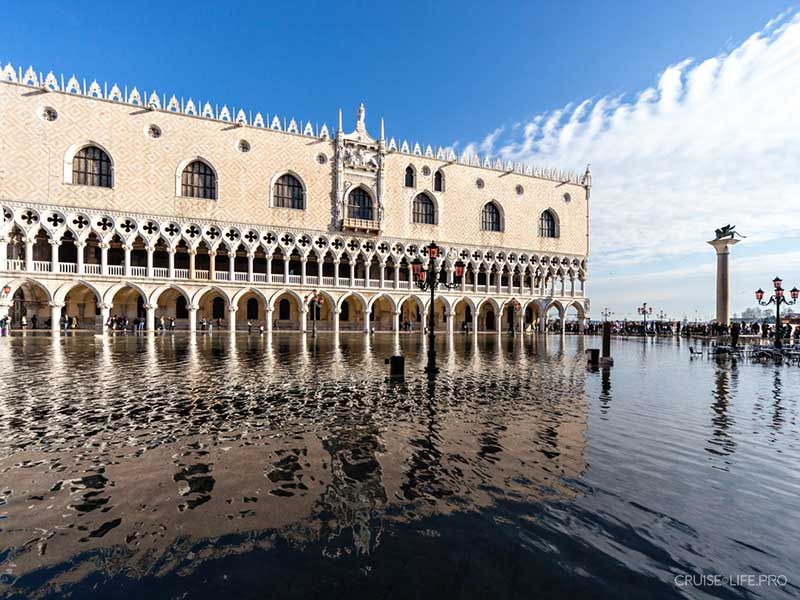
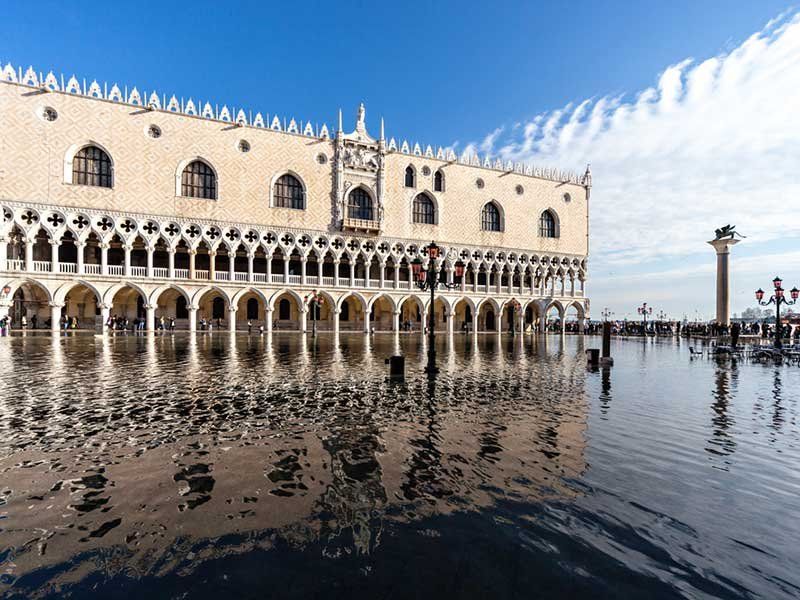
Doge’s Palace, also known as Palazzo Ducale, is Venice’s main architectural landmark and a monument of Gothic architecture. During the time of the Venetian Republic, it was the residence of the Doge-the supreme ruler. The Inquisition and the Republic’s secret police also carried out their activities here, and it was here that the court decided the fate of criminals. And they served their sentences there as well. At one time, one of the most famous Venetians was imprisoned in the dungeons of Palazzo Ducale-Giacomo Casanova. By the way, he was almost the only one who managed to escape.
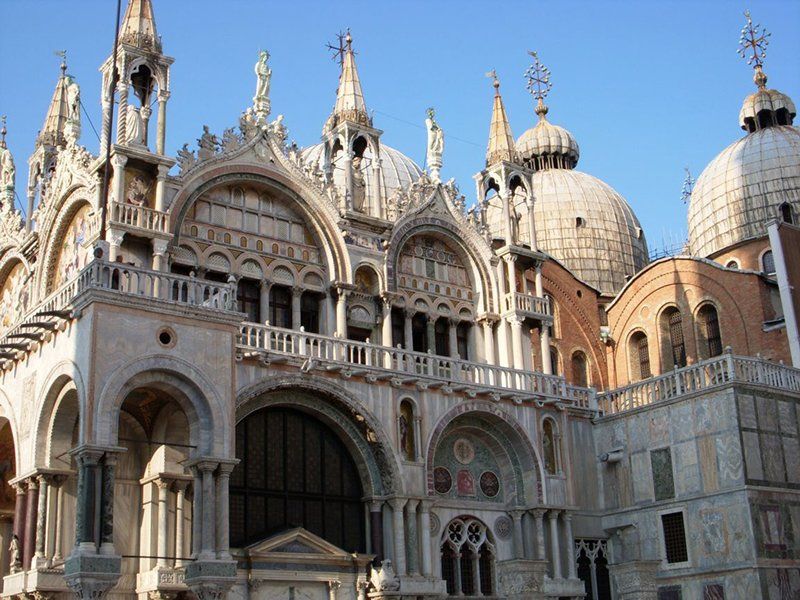
St. Mark's Cathedral
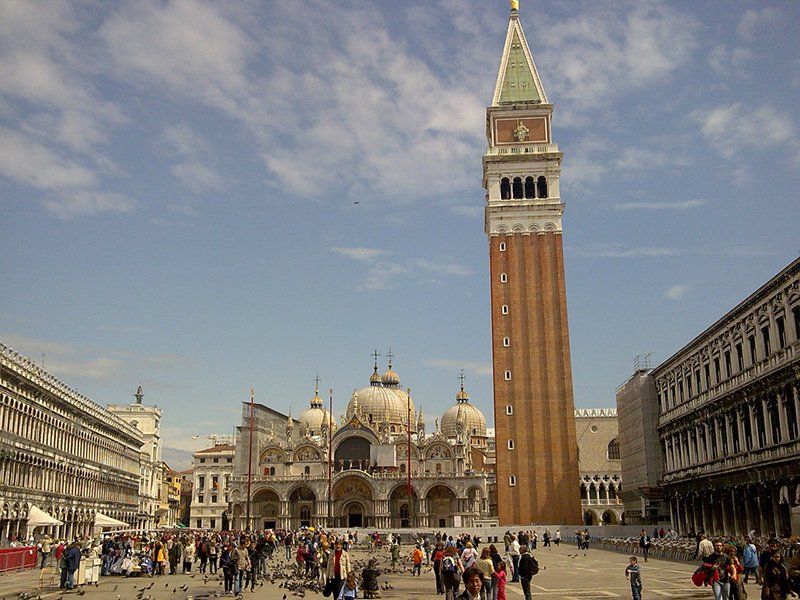
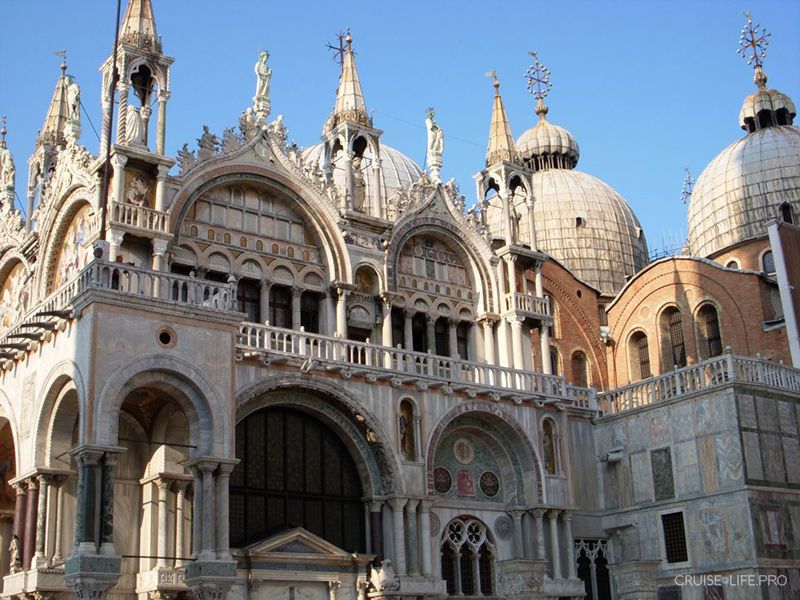
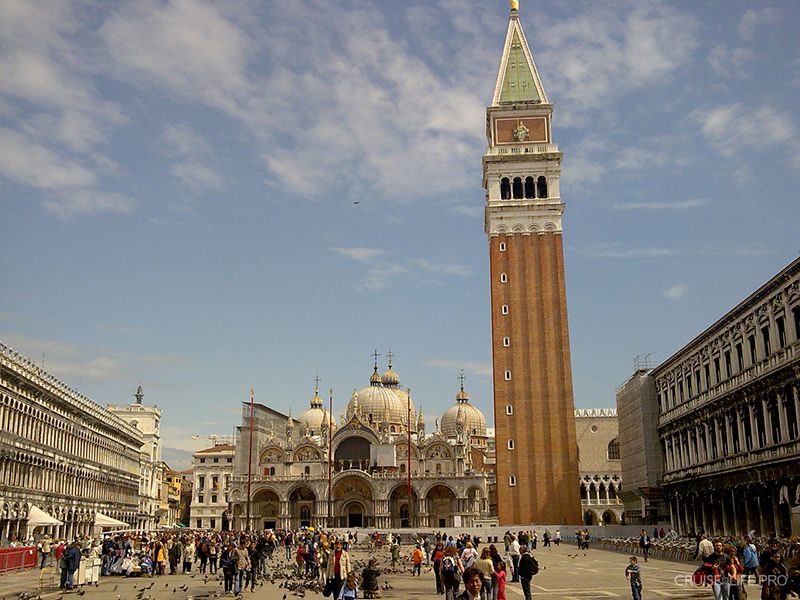
The mixing of styles, eras, and materials has made St. Mark’s Cathedral unique: there is no similar church anywhere in all of Italy, or anywhere on the entire planet. Here you can find both pink marble and columns of different orders, as well as statues and mosaics created by great masters, depicting scenes from the Bible and the lives of saints. The Crusades contributed to the cathedral’s enrichment-here are many treasures brought from faraway lands. The relics of the saint are also kept here, for which a basilica was once built (back in the 9th century). St. Mark’s Cathedral has always played a crucial role in the life of Venice. From among the cathedral’s procurators, the Doge-the head of the Venetian Republic-was usually chosen. And that means the state was entrusted to people who could be trusted with this temple.
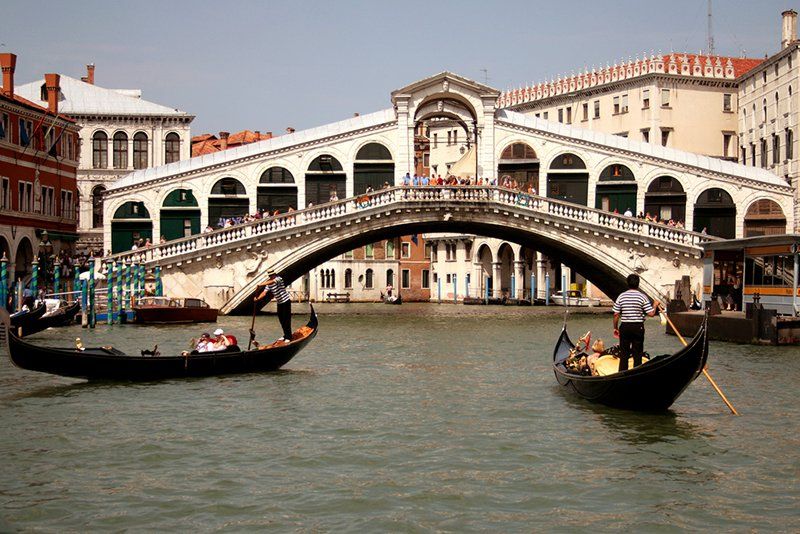
Rialto Bridge
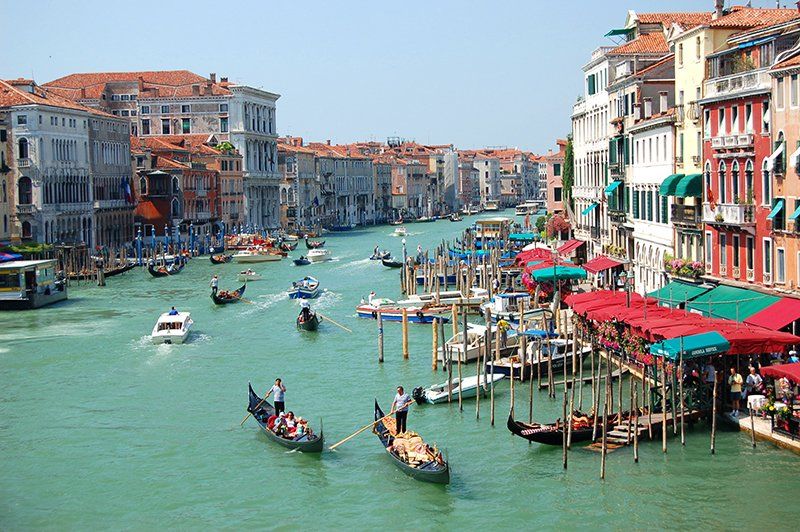
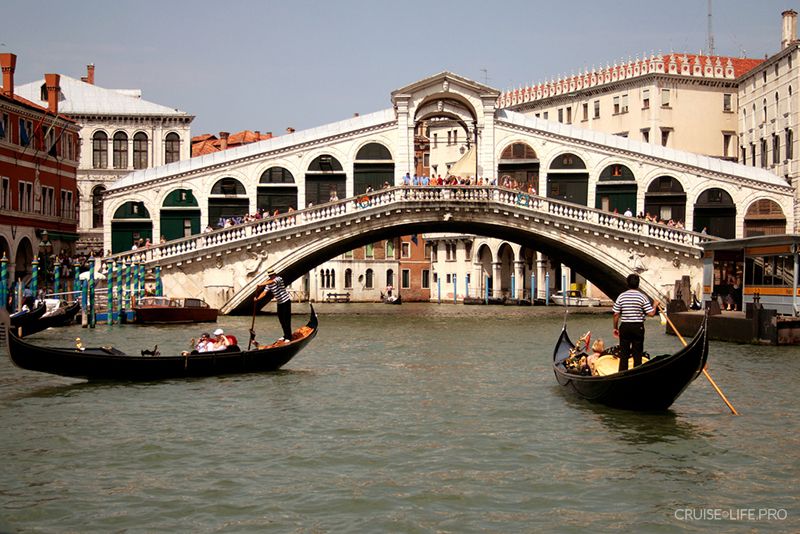
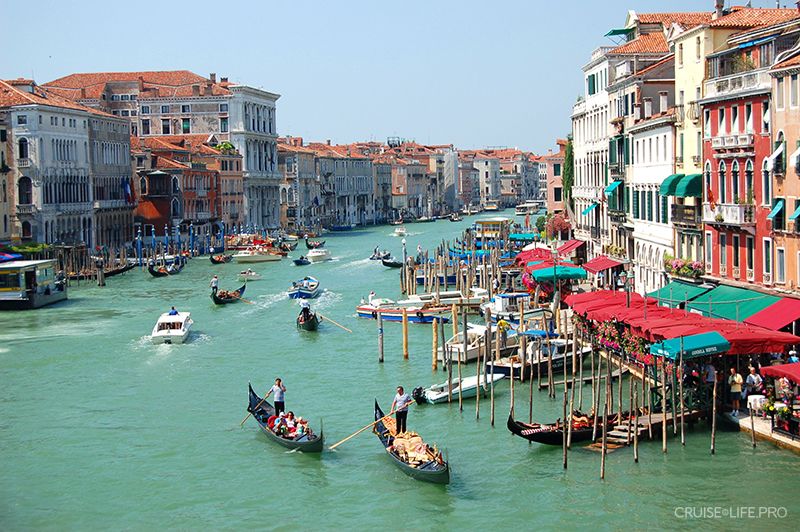
The most famous and oldest Venetian bridge, until the mid-19th century, was the only crossing over the Grand Canal. Its wooden predecessors were repeatedly destroyed and collapsed. And only at the end of the 16th century was the stone Rialto Bridge built, which has survived to this day. Its highlight is the covered shops, separated by elegant arches, where for the past five centuries people have been trading all kinds of goods: masks, Murano glass, sweets, and souvenirs. There is always a lot of people here: some are buying, some are selling, some are taking photos, and some are simply enjoying the view of the Grand Canal and gondoliers. The waterfront on both sides of the canal is lined with little restaurants offering a wonderful view of the Rialto.
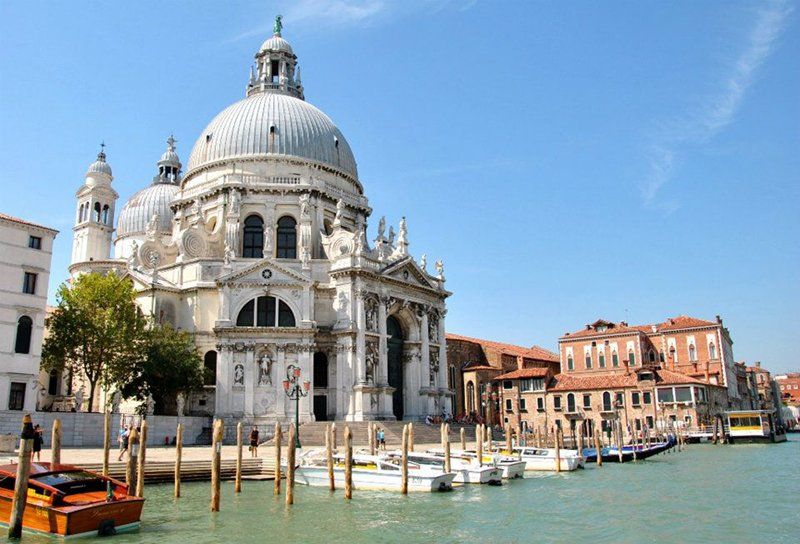
Basilica of Santa Maria della Salute
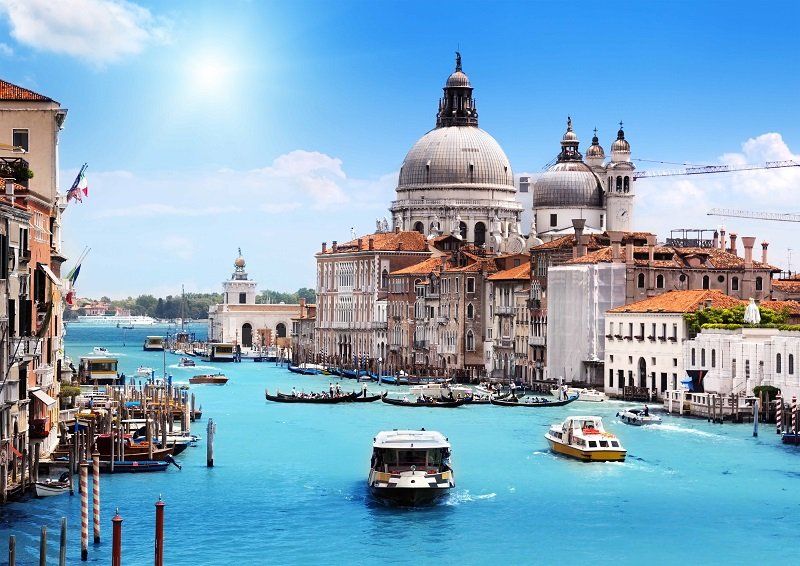
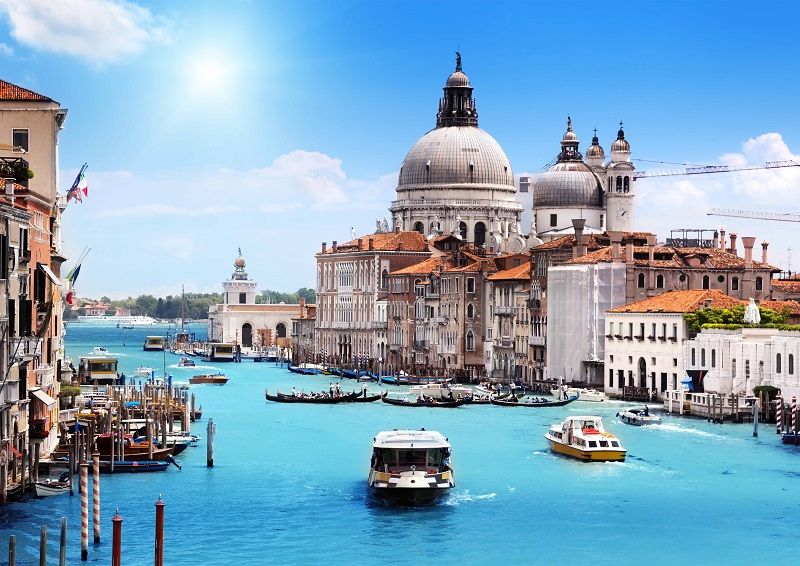
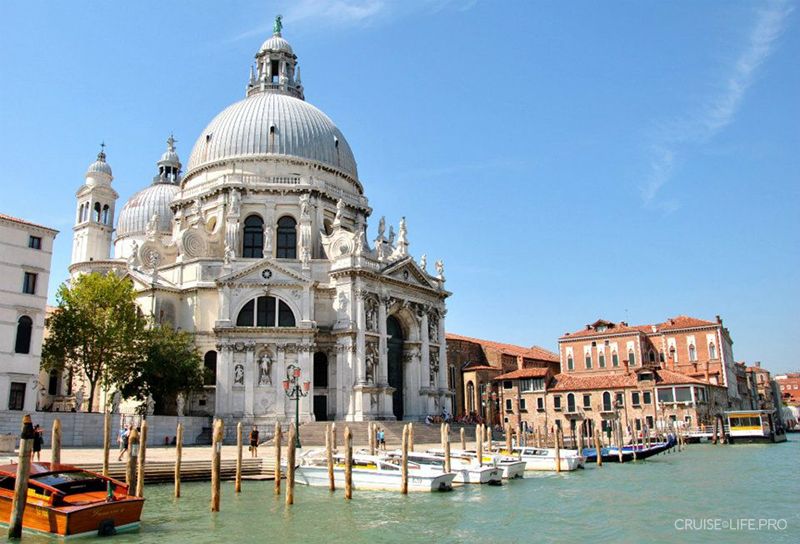
In the summer of 1630, an outbreak of the plague struck Venice. Faithful to the Catholic Church, the Italians held processions to ward off “the Black Death.” And the city authorities made a vow to the Virgin Mary, who is considered the patroness of Venice, that if the plague were lifted, they would build a magnificent temple in her honor. In 1631 the epidemic came to an end, and construction began on the Santa Maria della Salute cathedral (literally - “Our Lady the Healer”). Architect Baldassarre Longhena proposed a design for a splendid round cathedral with a crown-like shape inside. And within fifty years of construction, he managed to bring his outstanding vision to fruition completely. The cathedral’s interior is adorned with paintings and murals by Titian.
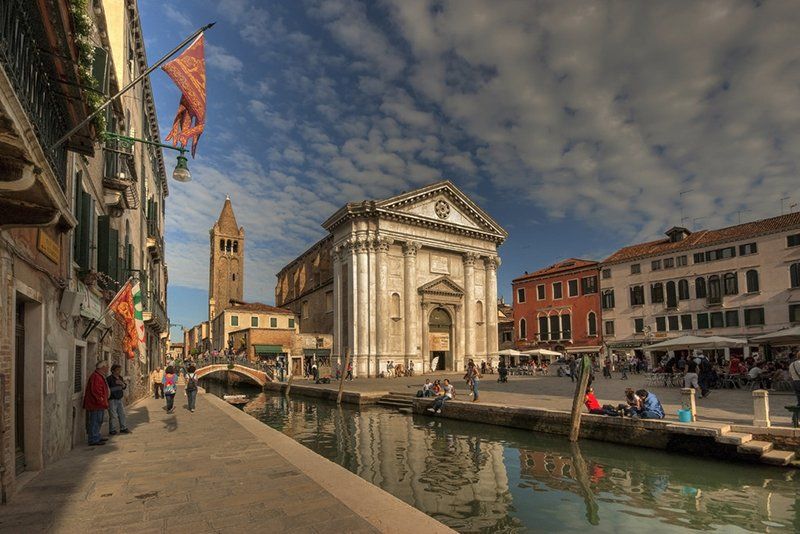
St. VarnaVa Church
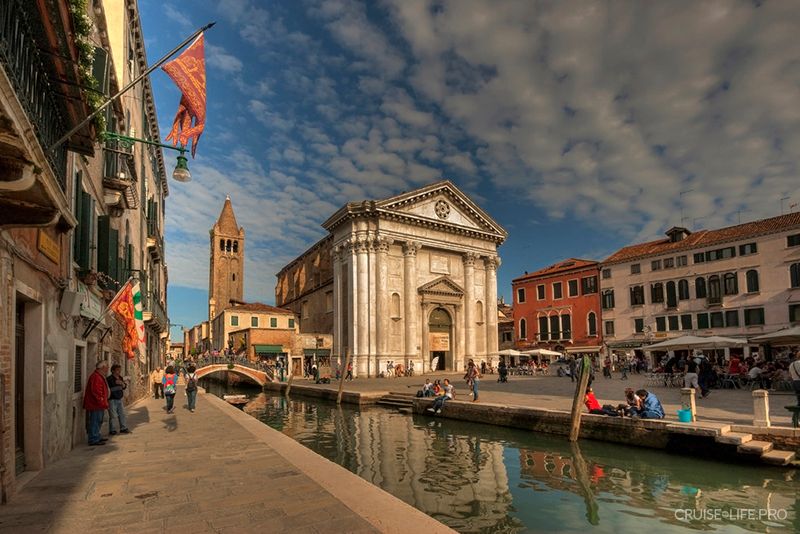
The first stone of this church was laid more than 10 centuries ago. But in its original form it did not survive to our times. It was destroyed more than once, and the current building was constructed in the 18th century. The church is very conveniently located, and it is often chosen by film directors for shooting. The “Star” role of “Saint Barnabas” is the mysterious library in the film “Indiana Jones and the Last Crusade”.
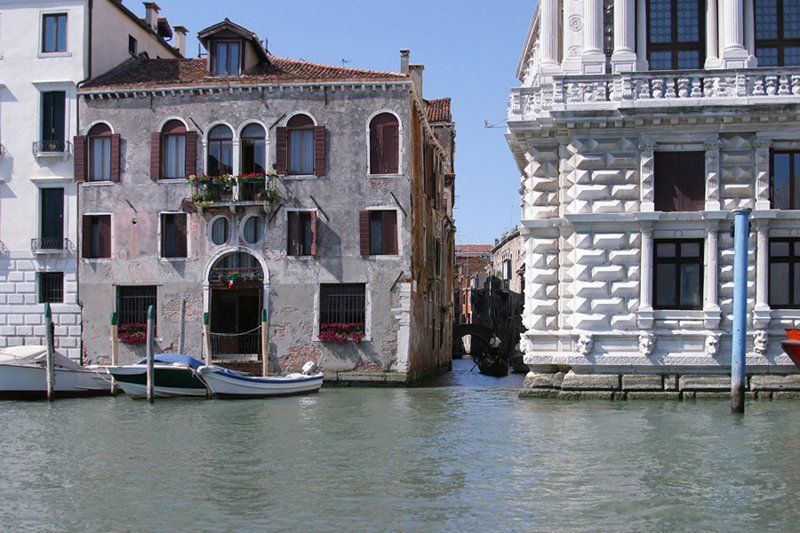
Palazzo of Johnny Depp
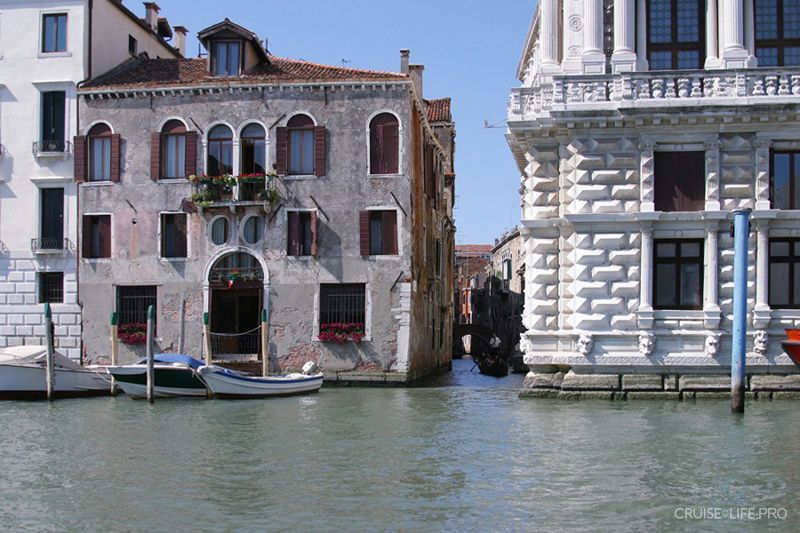
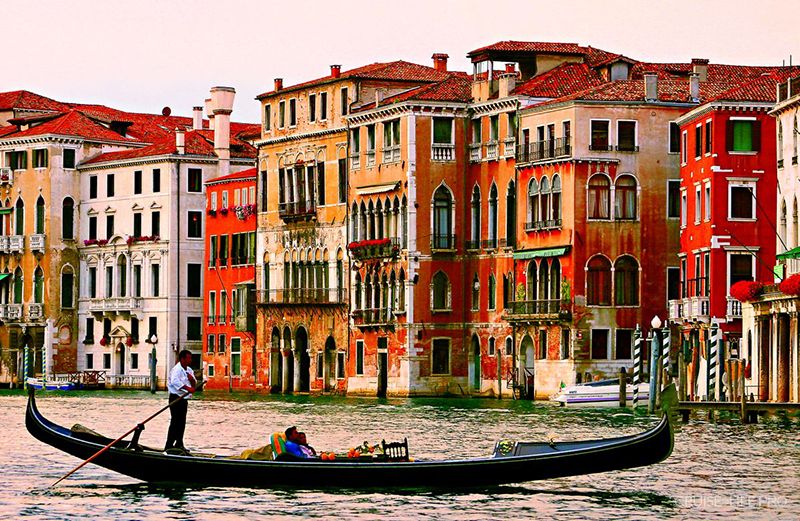
Palazzo Dona Sanguantofetti on the Grand Canal looks more than modest against the backdrop of the luxurious Ca’ Pesaro, home to works by Klimt and Rodin, and Ca’ Corner della Regina, where, not long ago, Miuccia Prada opened her contemporary art foundation. But now it’s no less of a sight than they are: last year it was bought by Johnny Depp, who fell in love with Venice after filming in the movie “The Tourist.” It’s frightening to think this little house costs $13 million!
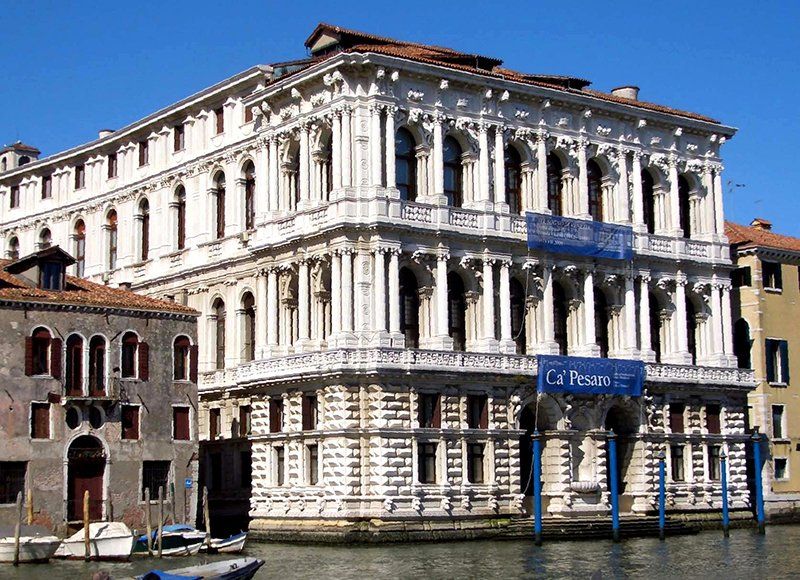
Ca' Pesaro Palace
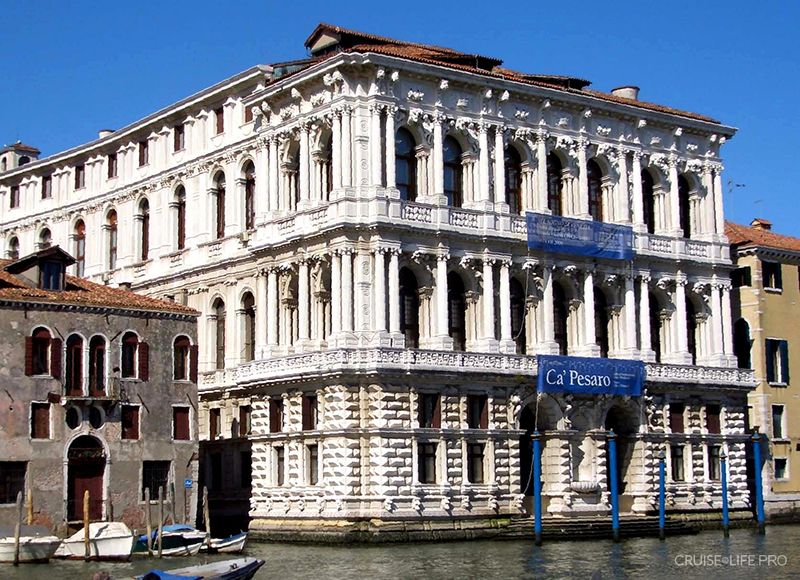
The marble façade of the Ca'Pesaro palace faces the Grand Canal, and its airy arches can be seen by anyone arriving in Venice by boat. This Baroque building was constructed in the mid-17th century for a noble Venetian family, the Pesaro. Later, the palace passed to different owners, and at the end of the 19th century its last owner, the Duchess La Masa, bequeathed the house to the city. Since then, the walls of Ca'Pesaro have housed a museum of modern art. There is plenty to see: Kandinsky, Chagall, Matisse, and the famous “Judith II” by Klimt. On the top floor is the Museum of Eastern Art, featuring a good collection of weapons, porcelain, paintings, and figurines from Japan, China, and Indonesia.