Roman Amphitheater
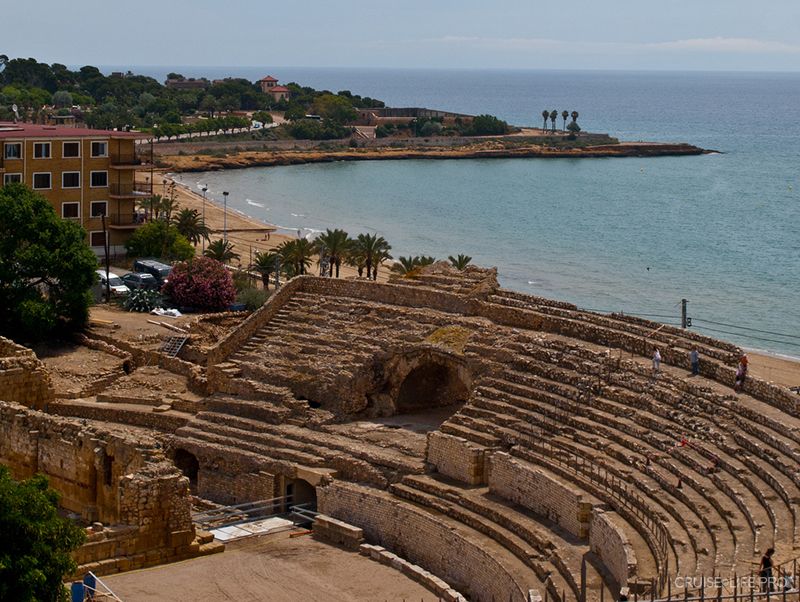
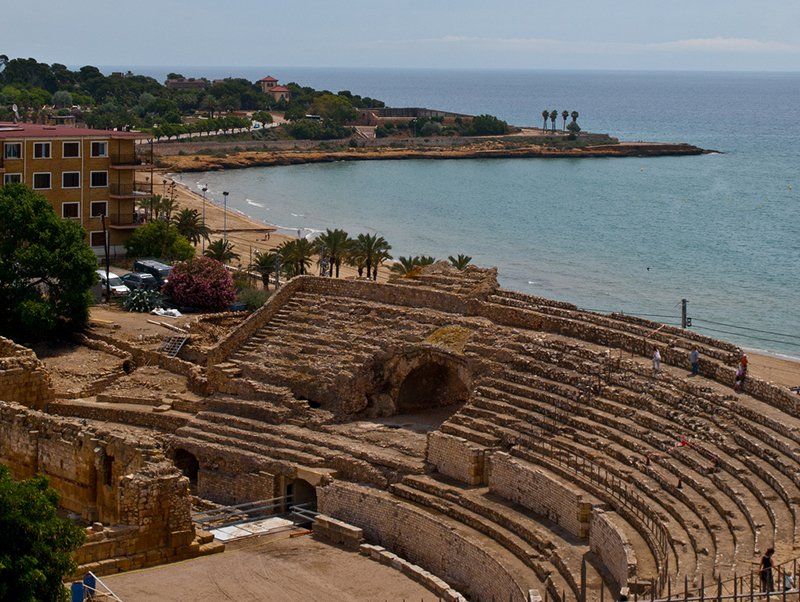
In Tarragona, the ancient residence of the emperors Augustus and Hadrian, literally a few hundred meters from the Mediterranean Sea, on the slope of a high hill, a famous open-air circular Roman theater was built in the 2nd century AD, with a capacity of 13,000 people! Archaeologists uncovered it only in the middle of the last century, but it has been preserved very well: the stands, the main gates, and a huge arena with an area of nearly two and a half thousand square meters have survived. This bloody stage recalls not only gladiators, but also martyr priests, who were executed here during the persecutions of Christians: in the winter of 259, a fire burned under the feet of Bishop Fructuosus, and that is why every year on January 21st the people of Tarragona light candles in churches in memory of this saint.
Cathedral (Cathedral Church)
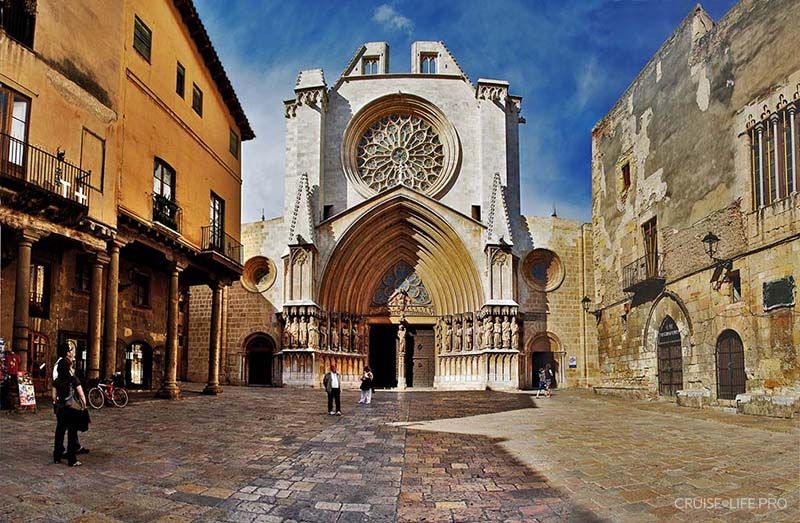
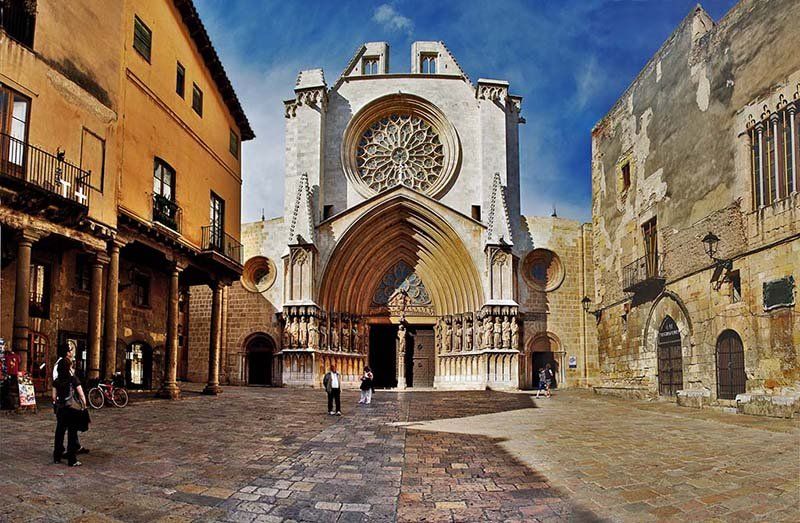
The most noticeable and most beautiful building in the historic center of Tarragona is the majestic Cathedral of Saint Mary from the 12th century. Inside, the main attraction is a fun sculpture of the smiling Archangel Michael, trampling the devil. The same composition can be seen in the cathedral’s treasury, only in an even more grotesque and satirical form. The cathedral was built over a full 150 years. During that time, architectural styles managed to change, and the cathedral’s appearance turned out to be ambiguous-Romanesque features combined with Gothic. By the way, it stands on land that has long been consecrated: in the time of the ancient Roman emperor Tiberius, a temple of Jupiter was here that absolved the sins of those praying, later it became a Visigoth church, and still later-an Arab mosque.
Damn Bridge (Roman aqueduct)
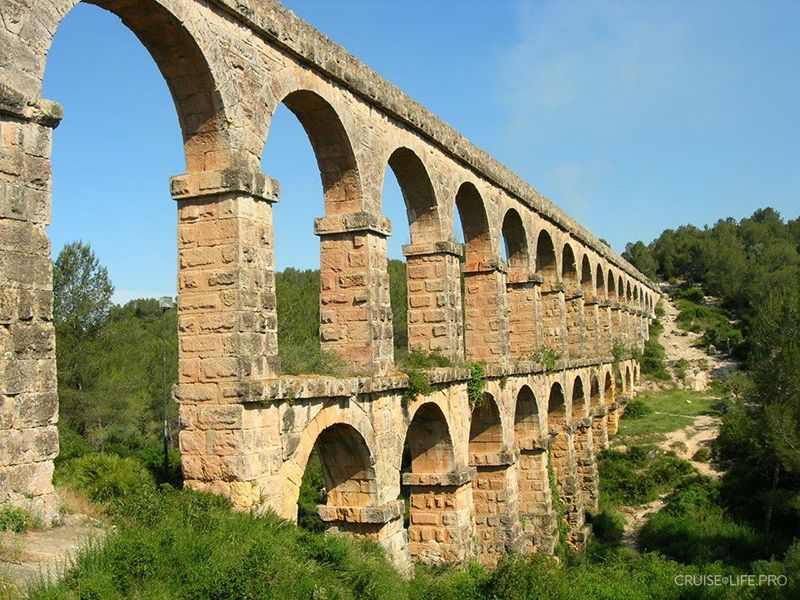
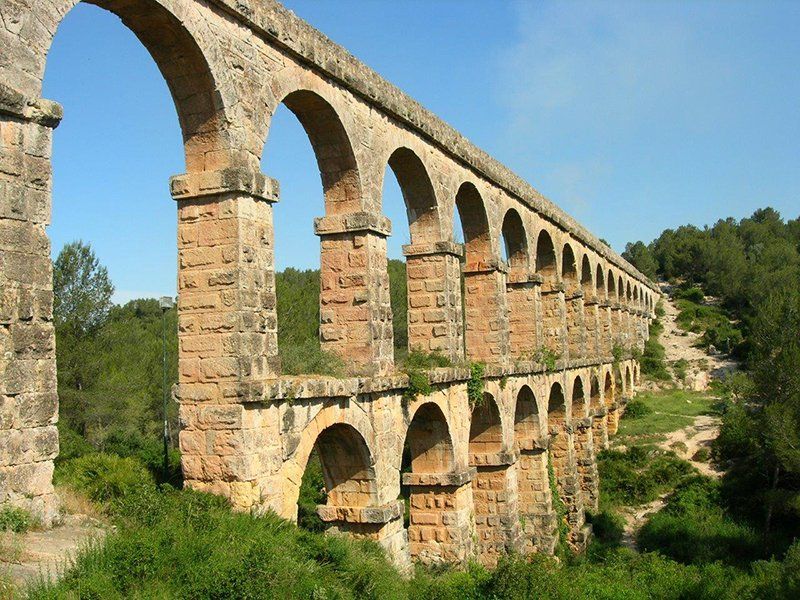
During the time of Roman rule, water to Tarragona was delivered by two aqueducts, one of which has survived to this day. There is a legend that the bridge over the deep ravine was built by the Devil himself in exchange for the soul of the first person in Tarragona to drink water here. That first resident was a donkey. Since then, the aqueduct has been called the Devil’s Bridge. Its height reaches 27 meters, and it stretches nearly 220 meters above the deep ravine. Today, around the aqueduct-recognized as a UNESCO World Heritage site-a cozy eco-historic park has been established. And you can also walk along the narrow channel above the abyss, where water used to flow, and take impressive photos.
Castelarnaus Palace
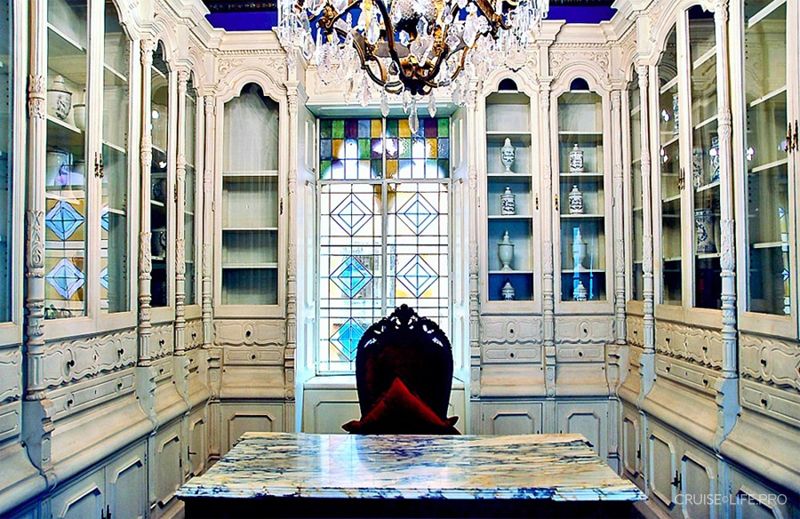
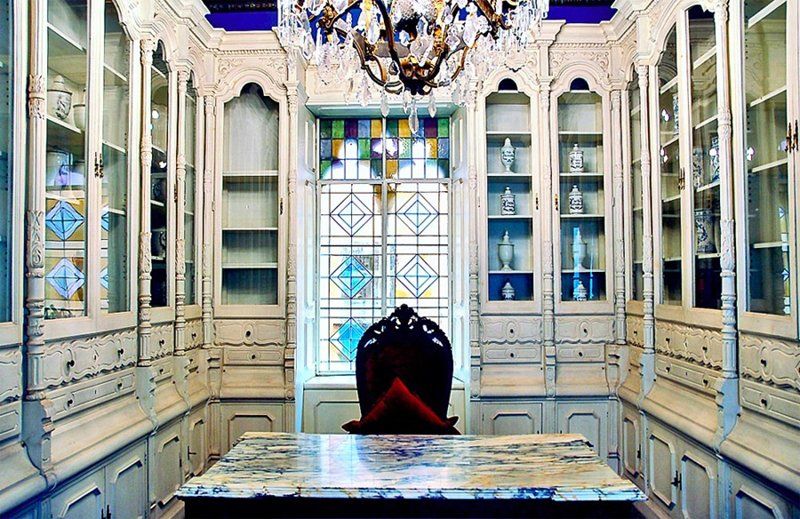
This manor house, built in the 15th century, was purchased in the 1760s by the Catalan aristocrat Carlos de Castelarnau and was expanded and restored in the spirit of Baroque. As a result, the palace interiors belong to different eras. For example, the inner courtyard patio retains elements of Gothic and the Renaissance, while the room interiors date to the 18th-19th centuries. On the upper floors, you can see how richly decorated the offices, the library, and the ballroom were-admire the frescoes and paintings on the walls, stained-glass windows with coats of arms, Renaissance furniture, and Chinese vases. On the lower floors, the old kitchen decor has been recreated with tiled stoves and ceramic tableware, and in the basement there is a cool wine cellar.
Villa Sant’Raffaele
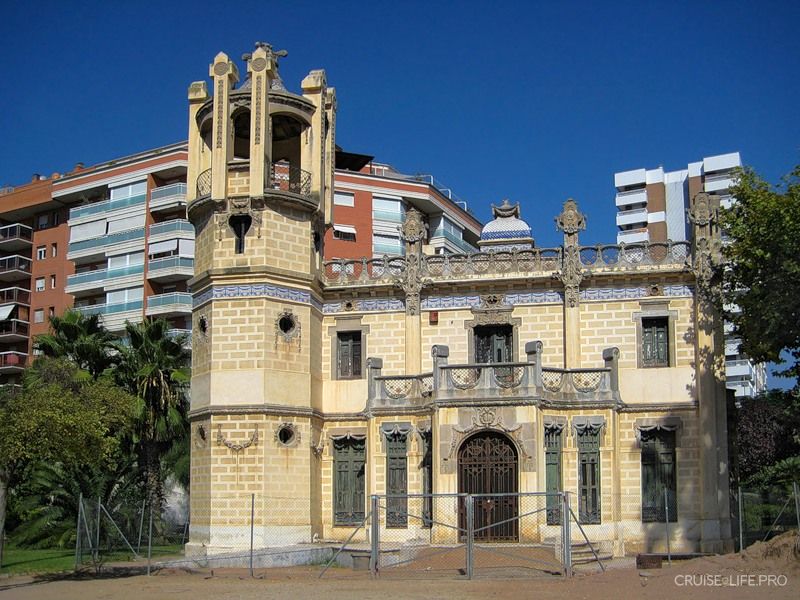
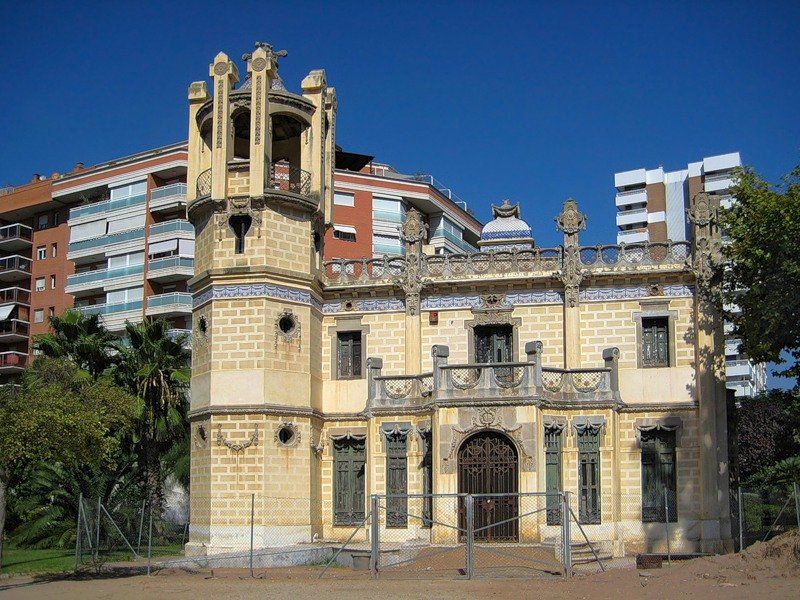
The villa was built at the beginning of the last century for the well-known Spanish engineer Rafael Puig i Valls at the request of his brother, Maria. At the time, Tarragona was significantly smaller, and the villa stood right on the edge of the city, in a picturesque garden: Maria believed that this kind of setting was exactly what Rafael needed to improve his fragile health. The villa is considered one of the most interesting examples of modernist architecture in Tarragona, and, externally, it resembles a small medieval castle. The building’s walls are covered with a variety of ornamentation, finished with ceramic tiles and adorned with bas-reliefs, while the house’s balustrades are made of delicate wrought-iron grilles with floral motifs.
House with a Fake Facade
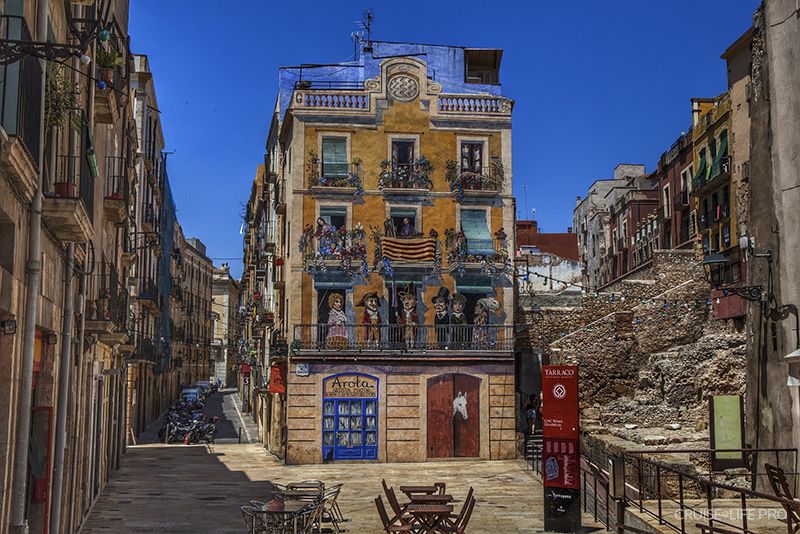
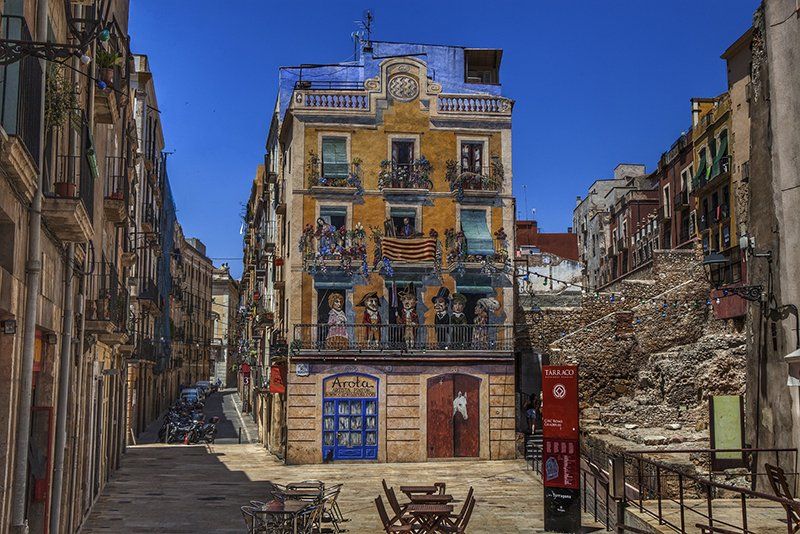
In the center of Tarragona, on Plaça dels Sedassos, stands one of the city’s most popular attractions today-a four-story building with a trompe-l’oeil facade. In 1995, a local artist, Carles Aróla, painted over the blank wall facing the square using a special technique. He depicted the facade of a typical 19th-century Tarragona house and placed on balconies overflowing with flowers the famous Spanish characters-an arlequin, a doctor, and a captain. On the third floor, the artist drew himself and his wife watering the flowers. If you look at the painted balconies from the center of the square, you get the complete illusion of a three-dimensional image: the drawing comes alive and seems to be raised.