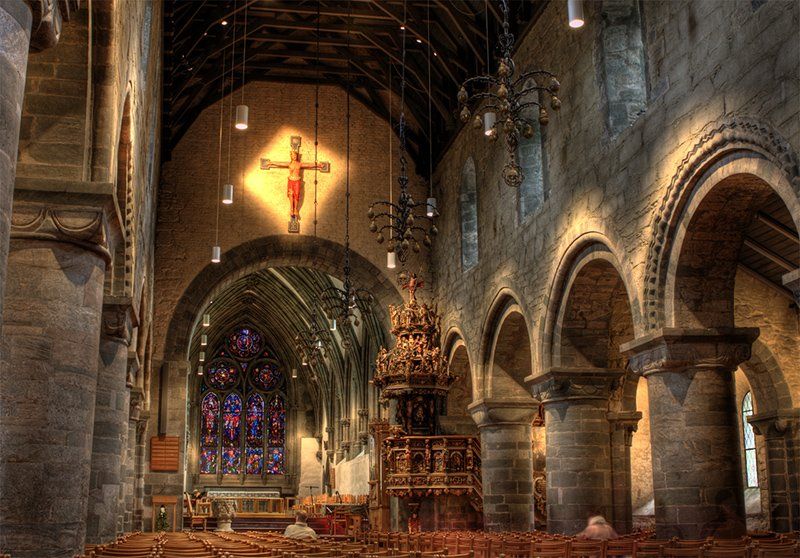
Cathedral
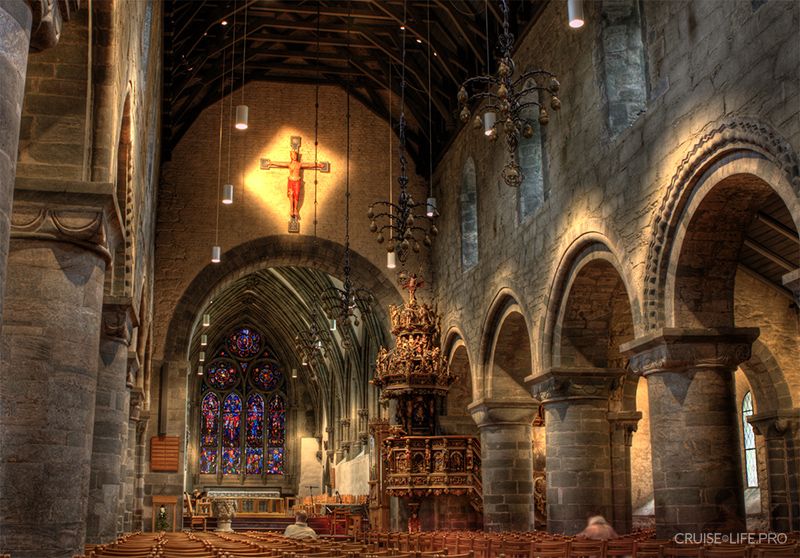
On the shore of the small lake Breiavannet stands the cathedral church-along with the Nidaros Cathedral in Trondheim, the most outstanding medieval sacred structure in Norway. A three-aisled basilica (late 11th century), it was built in the Anglo-Norman style. One of the main relics here is the relics of St. Swithun-patron of the cathedral. After the fire of 1272, a new chancel was built in the Gothic style. The church’s rich interior is a unique example of Norwegian Baroque; in the 19th and 20th centuries, the temple was carefully restored. Particular attention should be paid to the luxurious Baroque carved pulpit (1658) and the stone Gothic baptismal font. The stained-glass window in the eastern wall, depicting Gospel scenes, was created by Victor Sparre (1957).
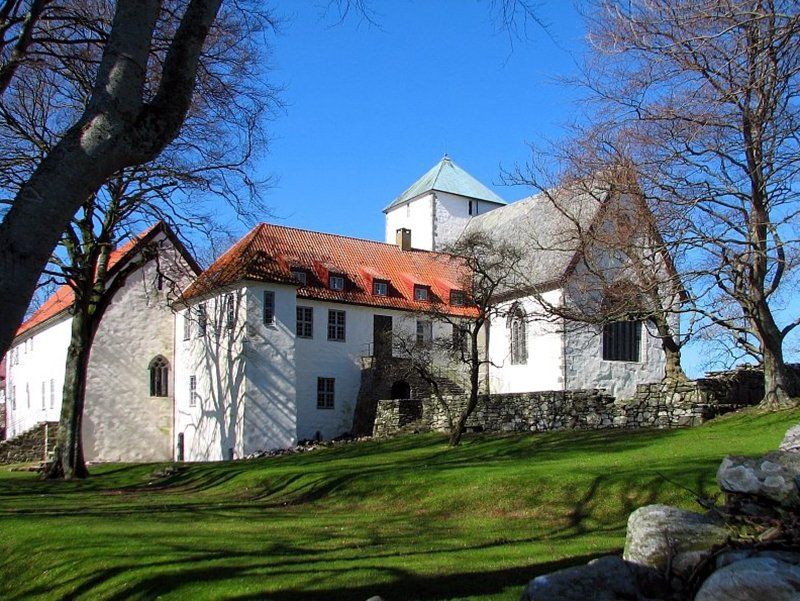
Ulstein Abbey Cloister
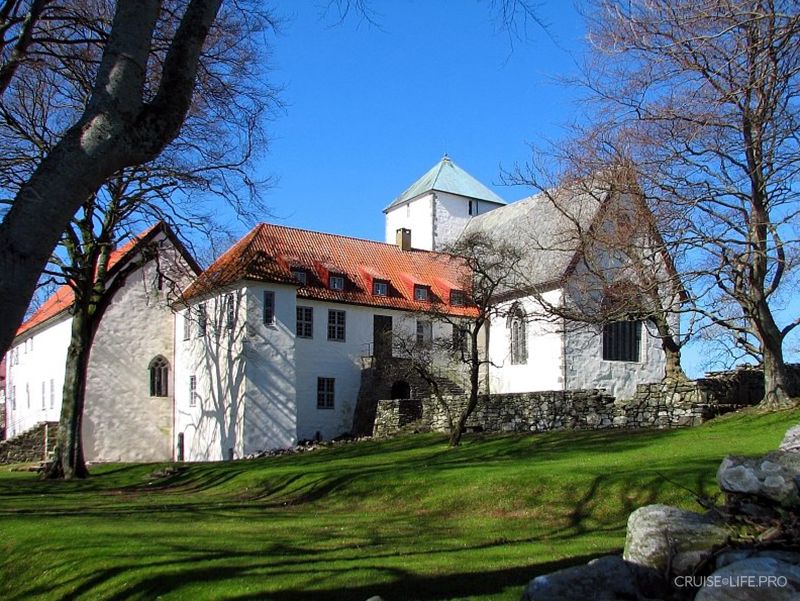
Ulstein Kloster, the only preserved medieval abbey in Norway. In the 9th century, Ulstein was one of the residences of King Harald Horfager (Harald Fairhair), the first monarch of Norway. In 1250, the abbey belonged to Magnus VI Håkonson Lagabøter (meaning “the law enforcer”), King of Norway, who drafted the first Constitution of Norway-the most democratic in the world. Magnus granted Ulstein to the Augustinian canons, who built the abbey around his fortress in the late 1200s. During the Reformation, to avoid losses, Ulstein became one of the largest private estates in Norway. Today, classical and jazz music concerts are held in the abbey chapel.
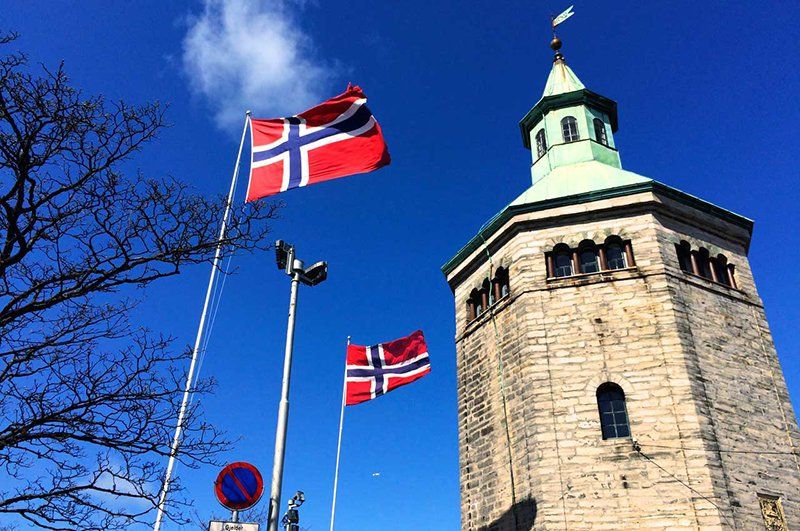
Walberg Tower
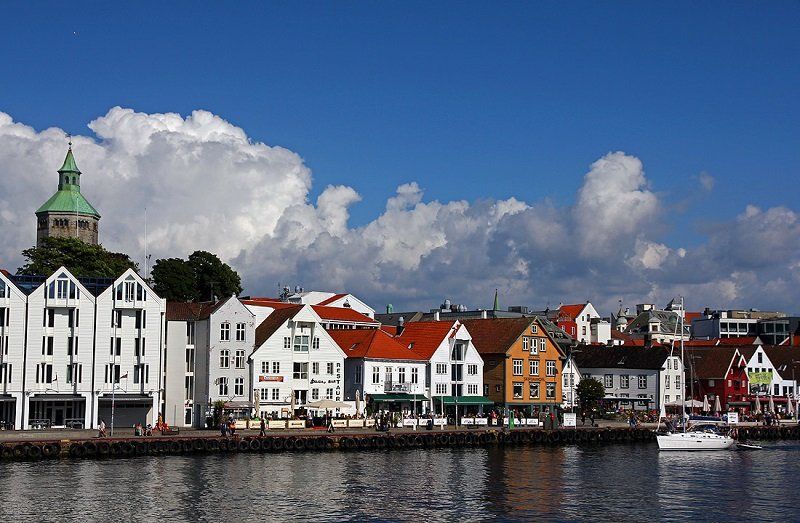
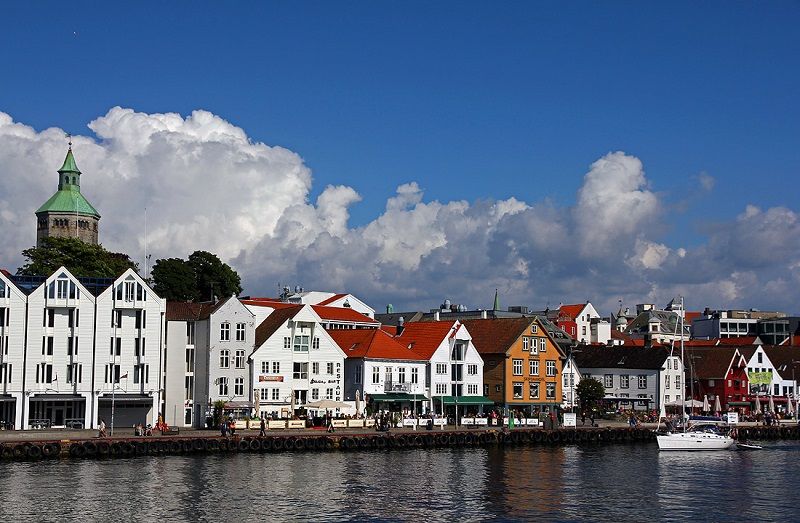
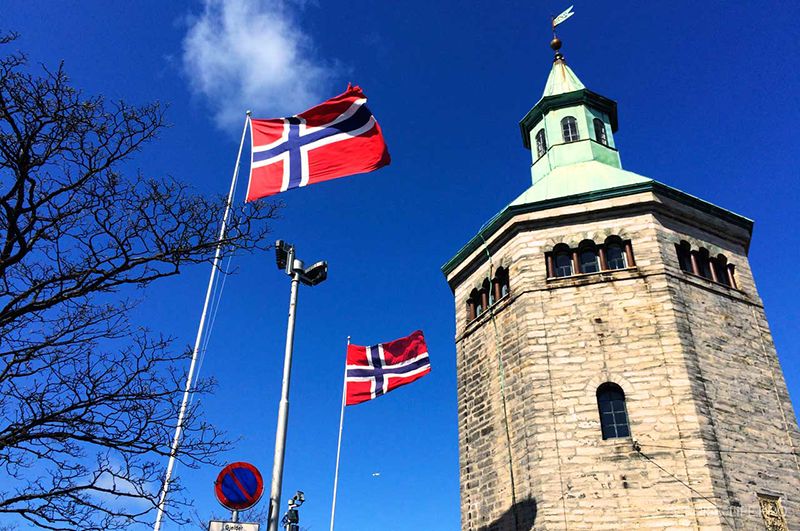
Living in the wooden city, which characterized all the cities of Norway, the residents of Stavanger were constantly afraid of fires. They decided to build the Valberget Tower (1850-1853), from which the entire city and harbor could be viewed in panorama. The guards were in the tower for all 24 hours, and by closely watching the city, they searched for even the smallest ember of a possible future fire. Today, the historic tower is visited to enjoy one of the unforgettable perspectives of the cityscape. There is also a small museum, the Museum of the Guards, focused on the duties of the guards-and, in general, on the guard as a symbol of safety.