Santander, Spain

Port of call

Santander, Spain

Description — Santander, Spain

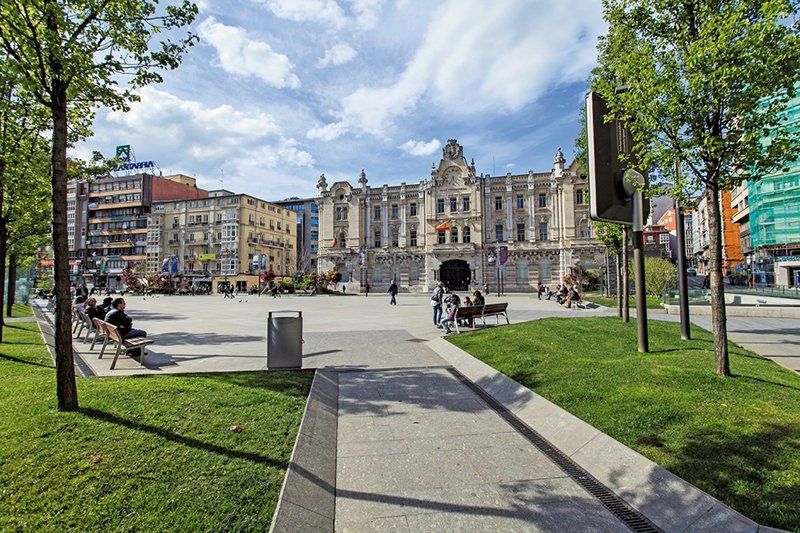
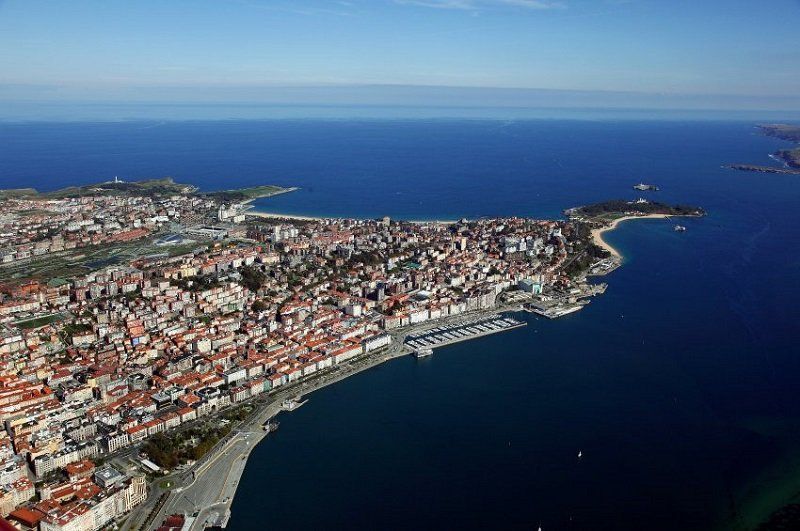
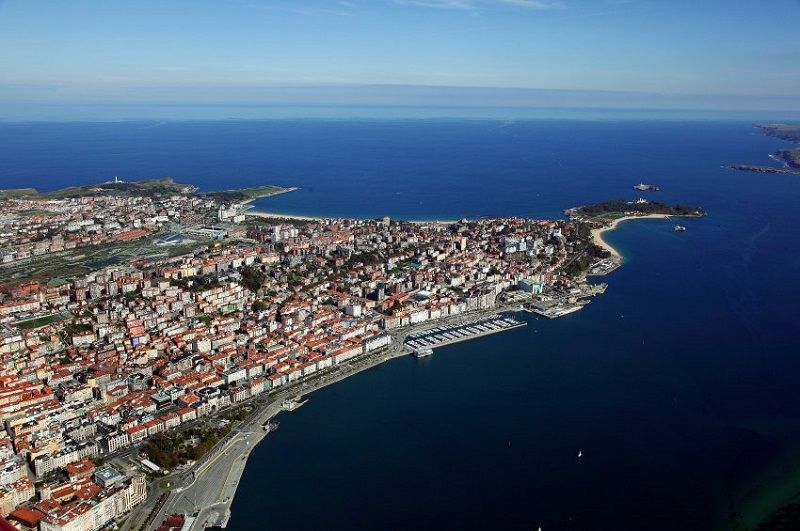
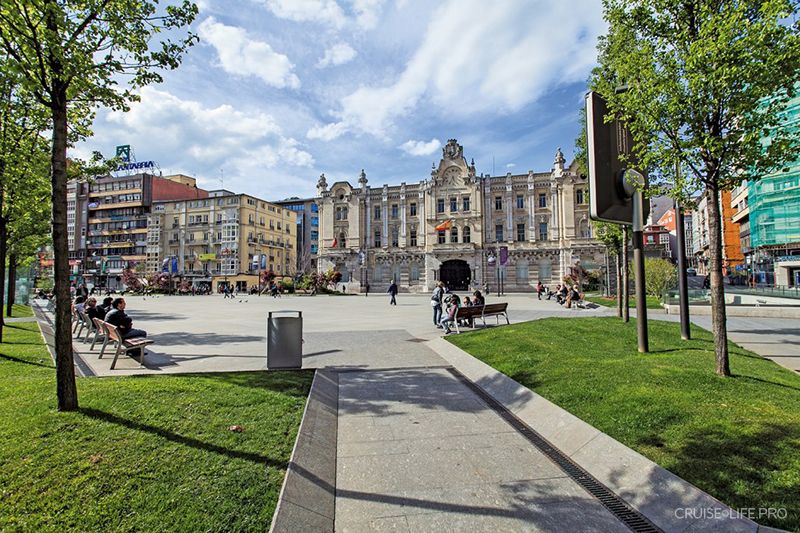
Santander is a city in Spain, the administrative center of the autonomous community of Cantabria, located on the shore of the Bay of Biscay. The municipality is part of the Santander district (comarca). The population is 179.9 thousand residents (2011). The municipality of Santander includes the territory of the city of Santander itself and its suburbs: Cueto, Monte, Peñacastillo, and San Román, which were once separate villages but have gradually been incorporated into the city limits. Santander is located on the Atlantic Ocean coast and, like a typical seaside city, stretches along the shoreline. After the catastrophic fire in 1941 that lasted two days, the city center was rebuilt.

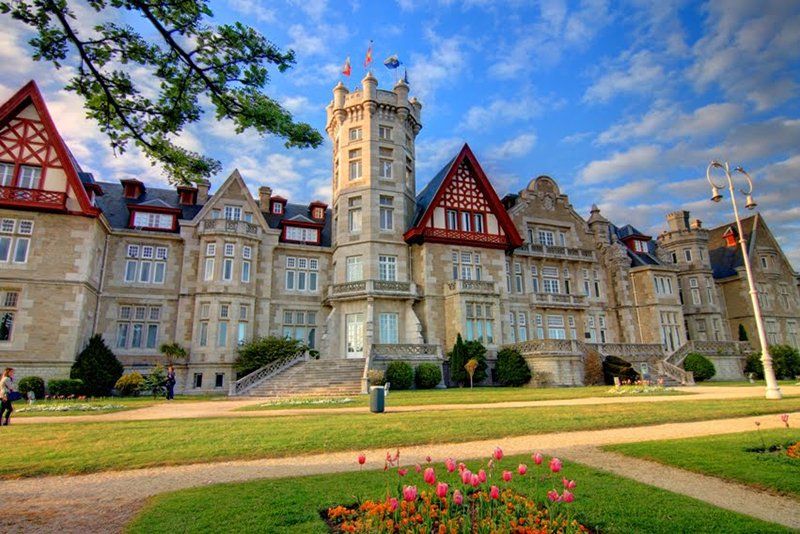
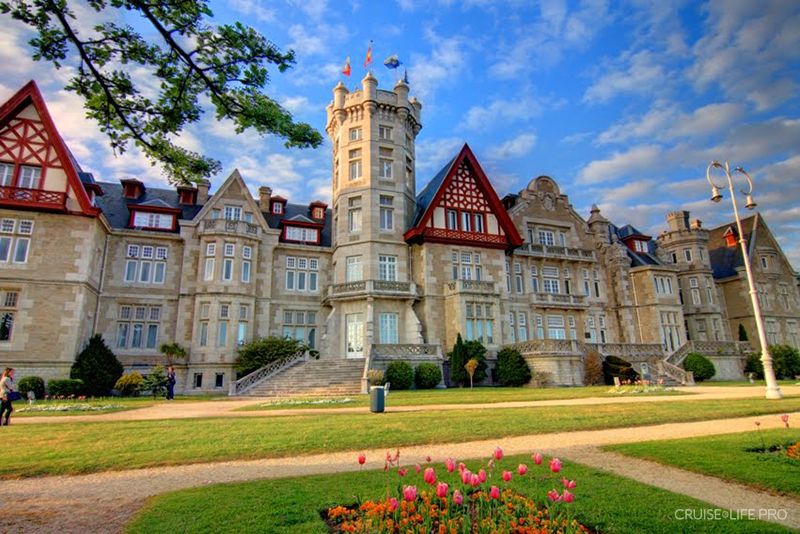
In the second half of the 19th century and the early 20th century, the city experiences a boom in tourism. Santander becomes the favorite resort of Spanish King Alfonso XIII. In 1912, a palace called La Magdalena was built for the king and his family. One of the city’s important attractions is the El Sardinero beaches, with a casino, hotels, parks, and squares built around them.

Santander cannot be called a city of large monuments and memorials; however, it is one of the most beautiful cities in Spain and Europe. Located on a vast peninsula jutting into the Atlantic Ocean, the city is washed on one side by the rough waves of the Atlantic, and on the other side by the gentle waves of the bay of the same name. To the south, the city is protected by the stunning mountains of Peña Cabarga, whose snow-covered peaks sometimes delight residents and tourists in winter. The city itself is simply steeped in numerous parks and squares of breathtaking beauty. In addition, for many decades now, Santander has held the top spot as the safest city in Spain.

Climate

In Santander, a humid maritime climate prevails. In summer, the temperature stays within +23-27 °C; in spring and autumn, it is +15-19 °C. At any time of year, it is warm enough here without being hot, which makes it possible to take long walks and explore the nature and attractions of the resort. Beach holidays in Santander are best from June to August, since at other times of the year the water in the ocean is too cold, and swimming in it will not be enjoyable.

Location on the map

Sights

Cathedral of the Assumption of the Blessed Virgin Mary

Cathedral of the Assumption of the Blessed Virgin Mary

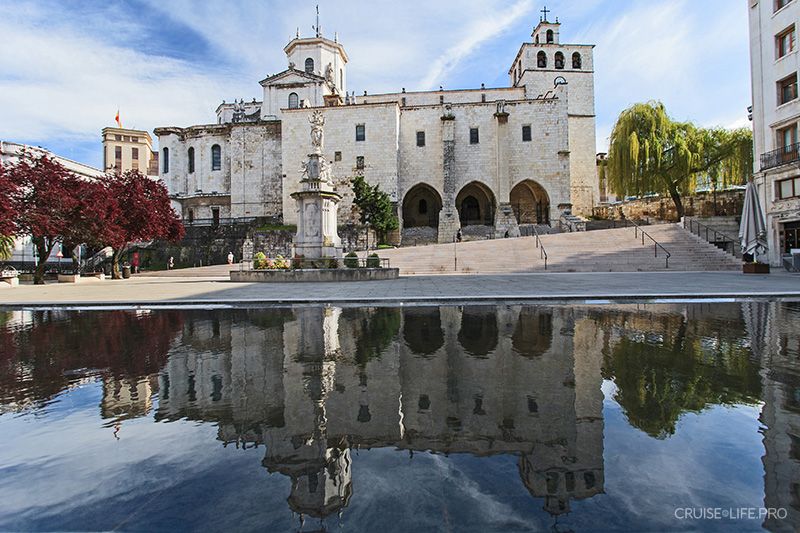
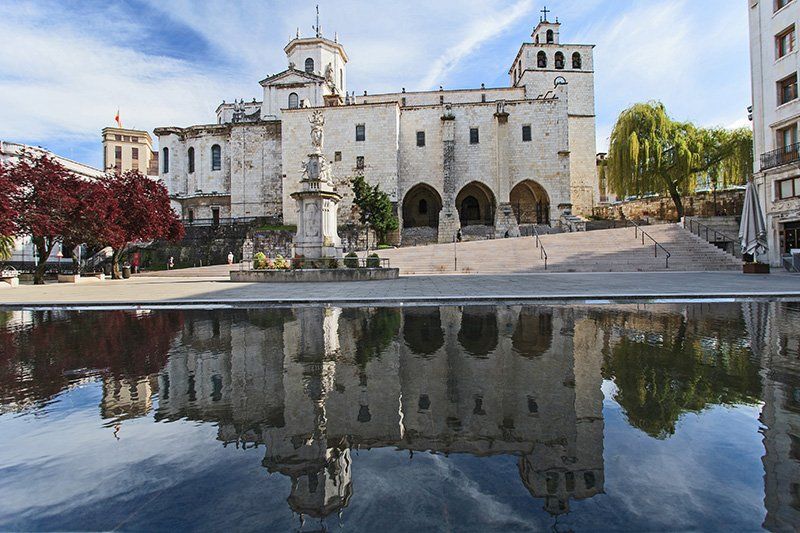
The church houses the relics of Saints Emeterius and Celedonius, the city’s patrons, and the tomb of Marcelino Menéndez y Pelayo. Built in the Gothic style. Construction of the lower church dates back to the 12th century. Work on the upper part of the Santander Cathedral began in the late 12th century and was completed in the early 14th century, when the cloister with the traditional well in the center was built. In the 16th and 17th centuries, the church was also expanded several times, during which numerous chapels were built. In the late 19th to mid-20th century, the cathedral was repeatedly destroyed: first by a dynamite explosion onboard the ship Cabo Machichaco (1983), then by a fire in 1941, when the church suffered such severe damage that it was restored for almost ten years-from 1942 to 1953.
Church of the Most Holy Heart of Jesus

Church of the Most Holy Heart of Jesus

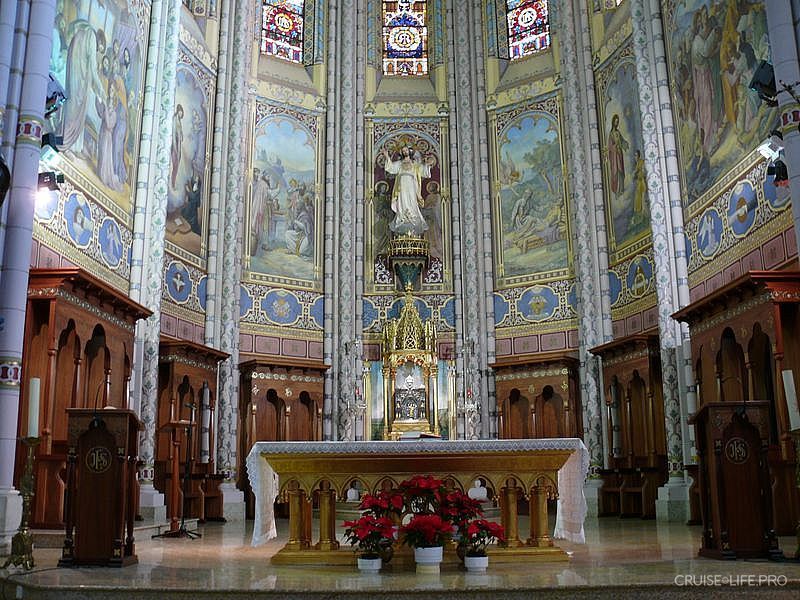
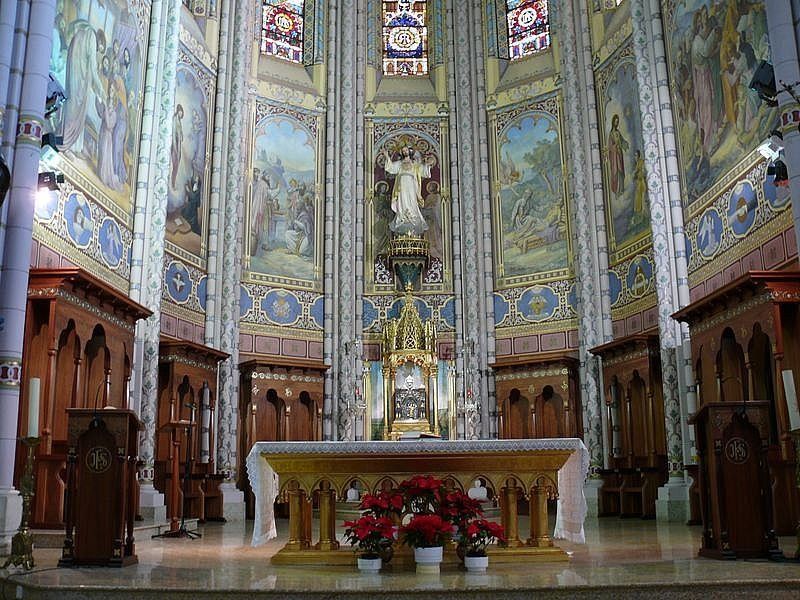
The church was opened on February 16, 1890, while the tower appeared a little later between 1901 and 1903. The temple was built according to a design by architect José María Basterra. The church is laid out in the form of a Latin cross, measuring 41 meters in length and 21 in width; the height of the central nave is 20 meters, and the side aisles are 12. The vaults are supported by twelve pillars, corresponding to the number of the apostles. The interior decoration of the church was supervised by Miguel Castellanos, the sculptor who is also the author of the monument to the Sacred Heart of Jesus located at the entrance to the temple. The church’s painting is equally remarkable; it was created by the German artist Enrique Immenkamp.
What to see

Beaches

Beaches

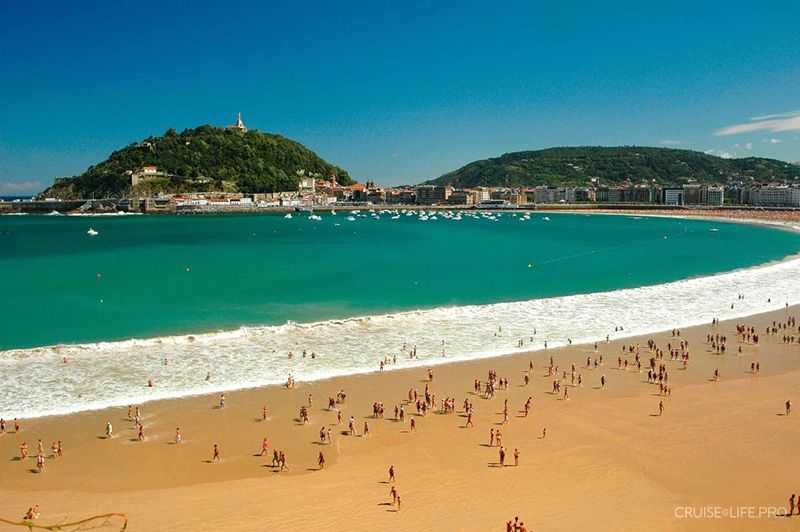
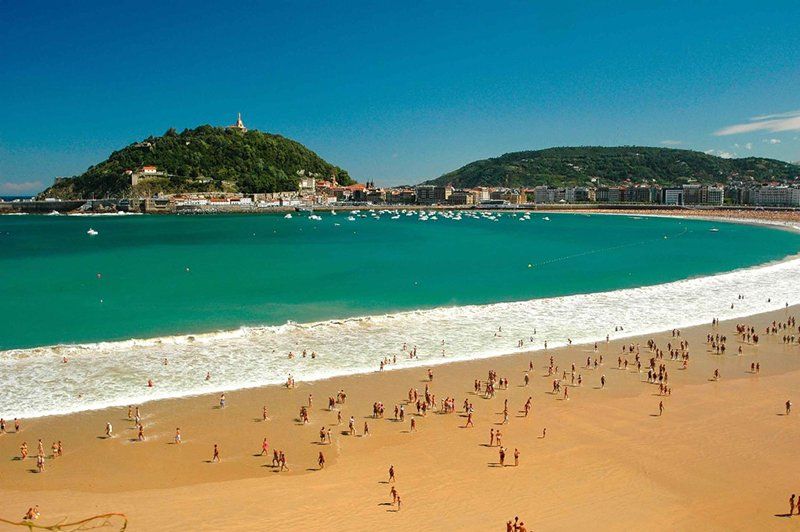
Santander has firmly established its reputation as a resort with the cleanest beaches in all of Spain. The water here is as clear as nowhere else; the seabed can be seen for many meters deep, and the sand is pristinely clean. These places draw divers from all over Europe. There are more than 10 beaches in Santander altogether. Within the city limits are the Sardinero and Magdalena beaches, and across the strait, near the Paseo de Pereda, lies the resort town of Puntal with beautifully equipped beaches. The Sardinero and Magdalena beaches are incredibly clean and quite long. The wonderful Puntal Beach can be reached by car in half an hour or in 15 minutes on a small boat. There are also regular routes by ship to Somo, where another excellent Pedreña Beach is located.

Altamira Cave

Altamira Cave

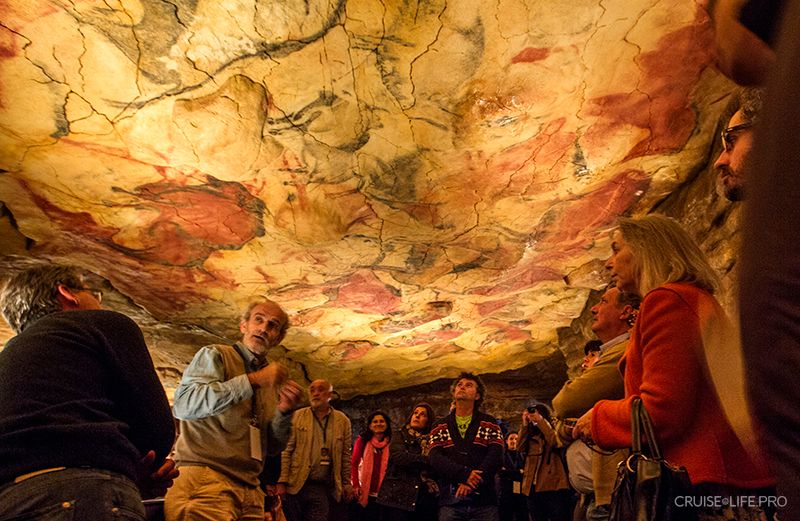
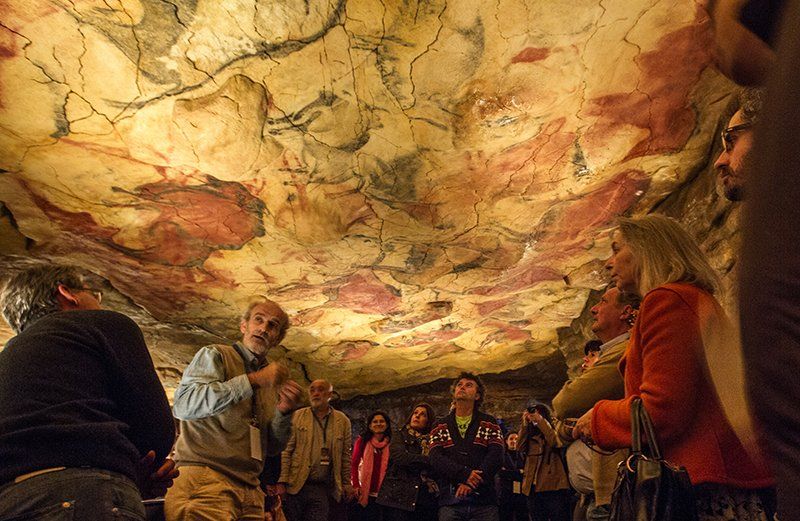
In the mountains near Santander, fascinating monuments of prehistoric art were found, providing an insight into the lives of people in Spain in ancient times. A special place among these discoveries is occupied by the Altamira Cave. It was discovered in 1875 by the archaeologist Marcelino Sanz de Sautuola near the sea in the Cantabrian mountains and is named after the scientist’s daughter. This cave is called the “Sistine Chapel” of prehistoric art. About ten to fifteen thousand years ago, the inhabitants of Santander painted the cave walls and ceiling with images of animals. By the way, there is a belief that the great Goya and Picasso, when depicting animals in paintings devoted to bullfighting (the art of bullfighting), were simply students of the Altamira artists.

Magdalena’s Palace and Park

Magdalena’s Palace and Park

Some consider the Palace of Magdalena, located on the peninsula in a vast park with the adjoining beaches of Los Bikinis, La Magdalena and Los Peligros, to be the pearl of Santander. This former summer residence of the Spanish monarchs. The monarchy still thrives in Spain to this day, but the Summer Palace is now visited by the king very rarely. These days, the building is used for courses and conferences by the Menéndez Pelayo University, and it hosts an incredible number of various congresses and even wedding ceremonies.

Santillana del Mar

Santillana del Mar

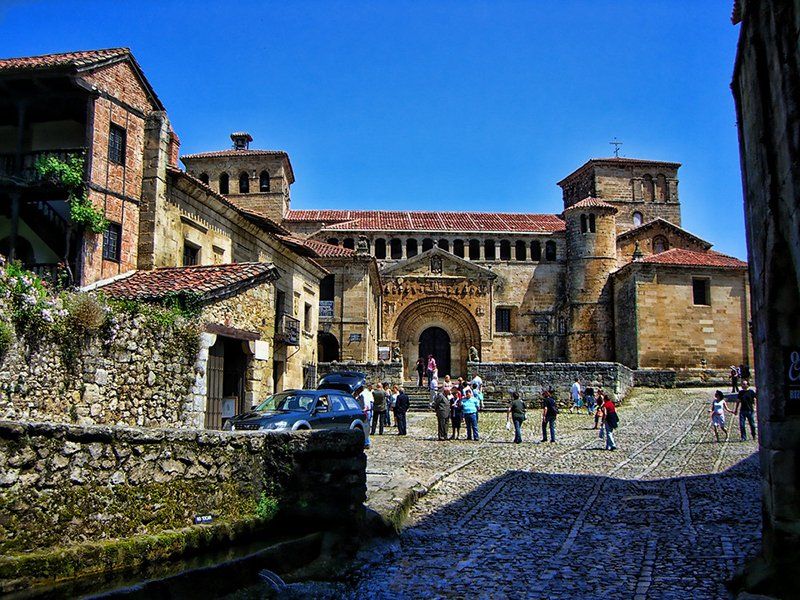
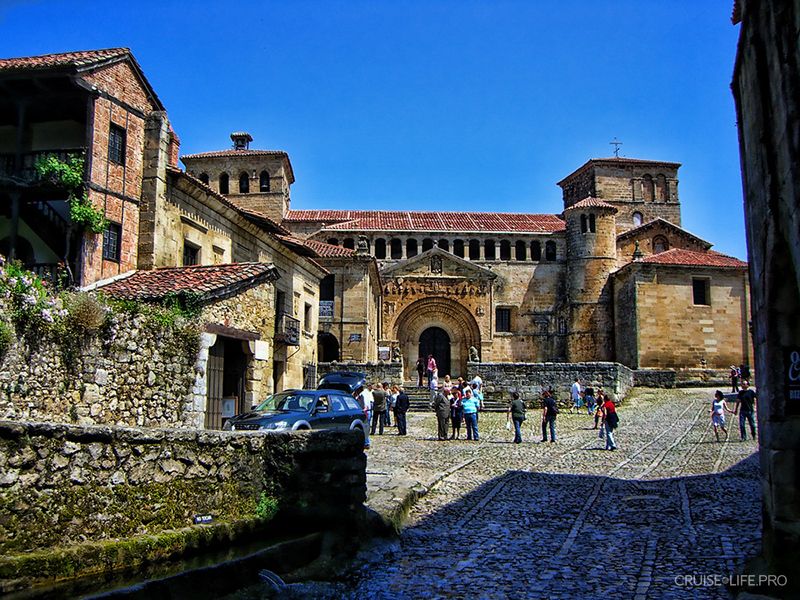
Santillana del Mar is perhaps the main jewel among the towns of Cantabria-a carefully restored place, and duly recognized by the Association of the Most Beautiful Towns and Villages in Spain as the most beautiful town in the north of the country. Despite its name, the town is not right on the coast; it lies a little inland from the ocean, 30 km from Santander, and has a population of just over 4,000 people. A visit to Santillana del Mar is an essential part of the cultural program when traveling to this region. The old town has a unique medieval charm created by cobbled streets with narrow lanes and ancient estates built between the 12th and 19th centuries, adorned with raised family coats of arms of Spanish conquistadors.

Recommended excursions

Santander Excursion

Santander Excursion

During your excursion in Santander, you will take a stroll through royal places and discover the rich history of Santander, enjoy the architecture of the Belle Époque, and immerse yourself in the atmosphere of the city-an atmosphere of carefree leisure, luxury, and enjoyment of life! The walk will begin in the Jardines de Pereda, a unique corner of nature in the very center of the city, then visit the Cathedral of the Assumption of the Virgin Mary, and learn the fascinating legend about the city’s patrons. Next, the excursion in Santander will continue in the park of the royal residence, La Magdalena, where you can enjoy magnificent views from the steep shores of the park, see the royal mini zoo, and stroll through the galleries of the Royal Palace itself.

Excursion to Oviedo

Excursion to Oviedo

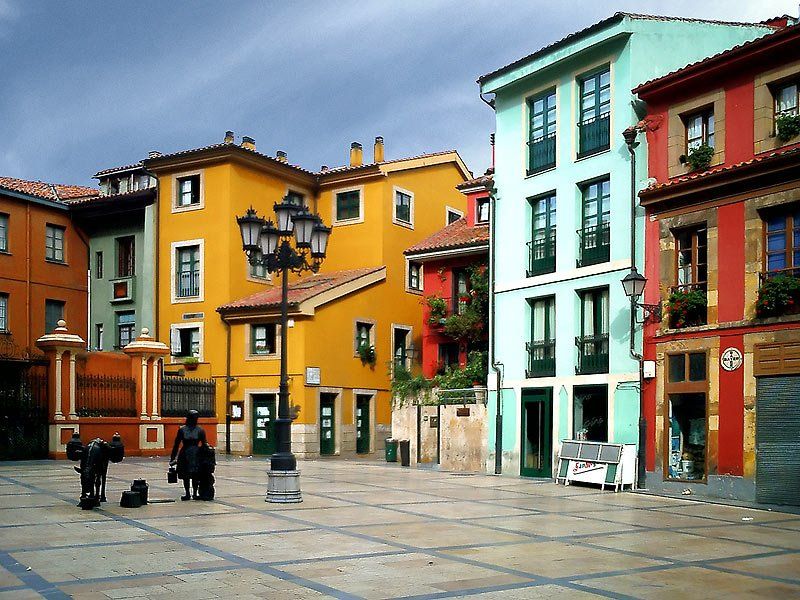
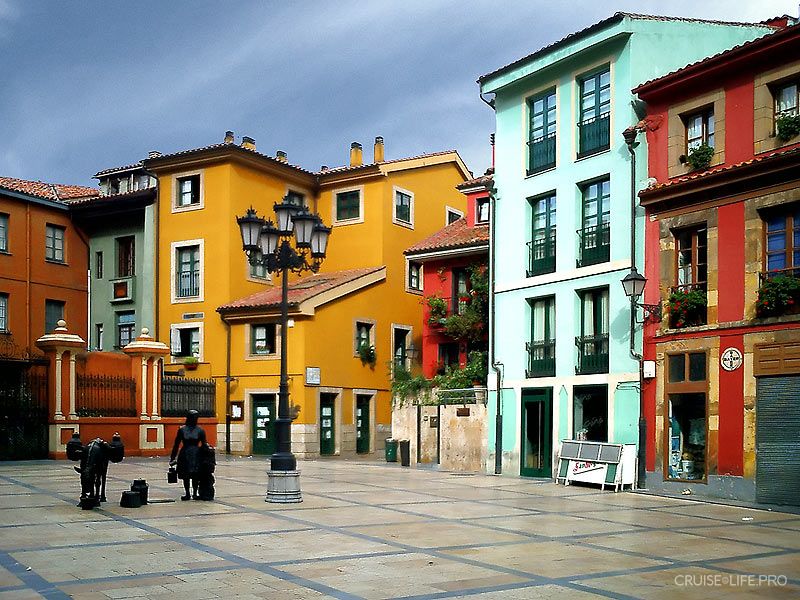
Oviedo is the former capital of the Spanish Kingdom, a noble city of high culture, a city that knows its own worth and its great role in shaping a mighty kingdom. A city that lives a modern, dynamic life, while never forgetting its traditions and its origins. During the excursion, you will learn about the city’s rich history, its festive architecture, and the magnificent Cathedral, in the Holy Chamber of which are the most valuable shrines of Christian Spain and the tombs of the Kings of Asturias. After strolling through the city’s charming streets, you will head to Mount Naranco, which is known as the Reserve of pre-Romanesque architecture. Here you will find architectural monuments with astonishing history: 14 buildings from the 9th-10th centuries! In conclusion, you will be able to sample traditional Asturian cuisine in one of the cider houses in the city.

For a more detailed list of excursions and their prices, you can view them after booking your cruise in your “Client Personal Account”.