Salerno, Italy

Port of call

Salerno, Italy

Description — Salerno, Italy

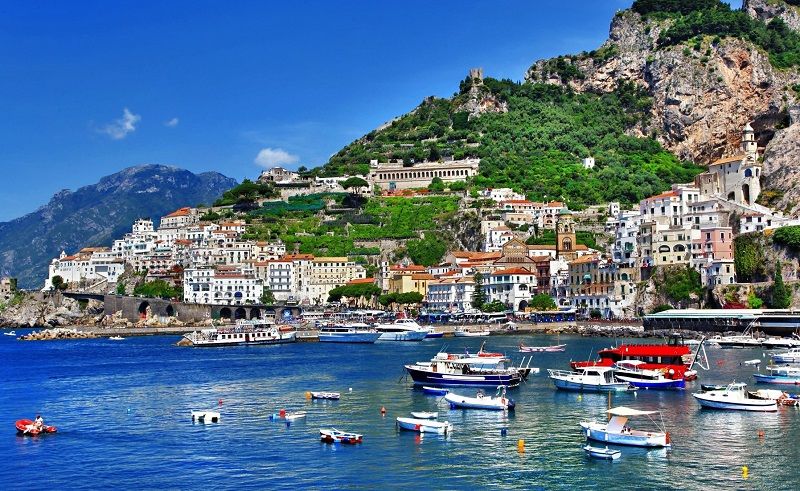
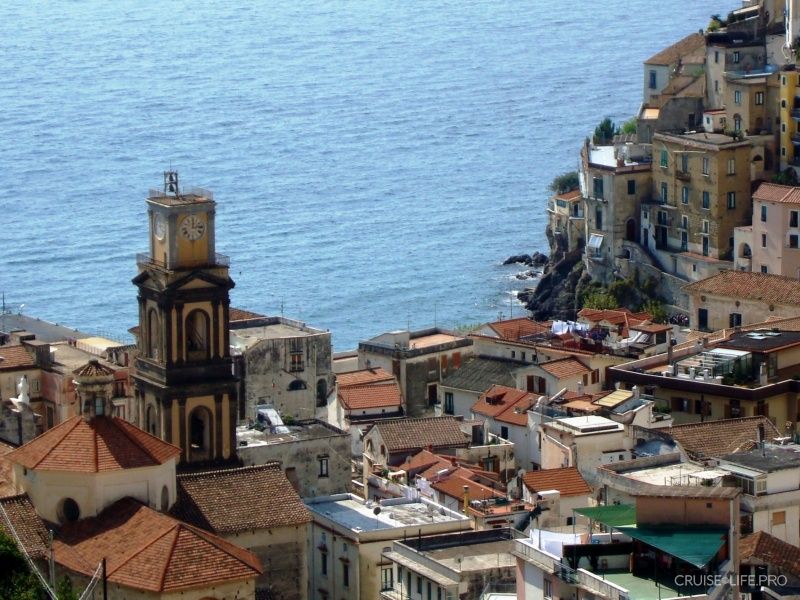
Salerno is a city and port on the Tyrrhenian Sea in Southern Italy, the administrative center of the Province of Salerno. The population is a little over 146 thousand residents (2009 figures). Salerno is famous above all for being an appealing seaside resort for tourists from all over the world. In the 11th-13th centuries, it was renowned for its medical school, whose president was the well-known doctor John of Milan. The patron saint of the city is said to be Matthew the Evangelist; his relics are housed in the local cathedral.

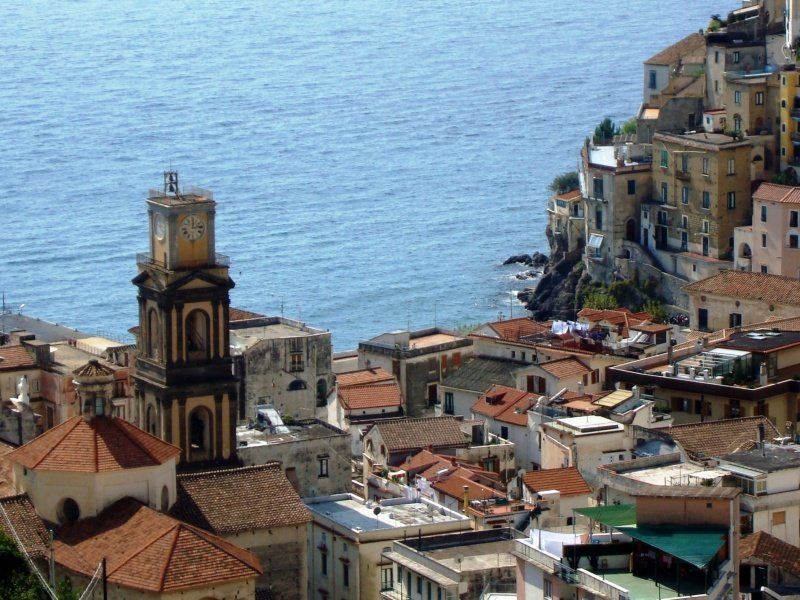
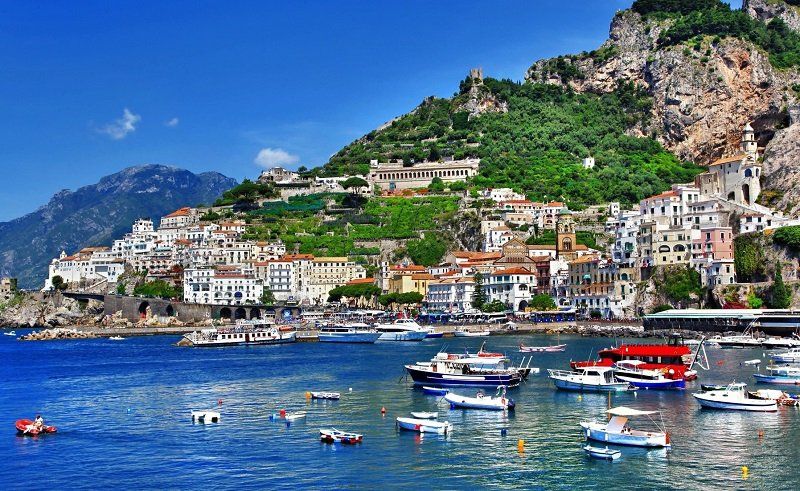
Salerno is one of the bright pearls of the Amalfi Coast. However, despite its status as a beauty resort, this little town is more or less like the real thing, compared to the gingerbread Amalfi or Positano, the views of which are equally “right,” whether on postcards or in real life. Centro storico (the historic center) of Salerno is a buzzing mass of resort-goers, weaving between medieval little churches, fragrant trattorias, or glowing neon shop windows of wine bars. The resort promenade is the perfect place for a pleasant evening stroll.

Climate

The climate in Salerno is Mediterranean, very mild, and is considered one of the most favorable in Italy. More than 280 days a year, sunny weather prevails in Salerno. In summer, the weather in Salerno is quite hot and dry. The average air temperature in Salerno in June is +24 C, in July +27 C, and in August +26 C. In spring and autumn, it is also fairly warm in Salerno. The average air temperature in April is +16C, in May +21C, and in September - October is about +22C; in November it gets colder. The sea water in April - May is still cool: +16C - +18C, while in September it is still quite warm: +22C, in October - +19C. The resort season runs from late May through October. The water temperature during this time ranges from +19C to +25C. In winter, the weather in Salerno is mild and warm; you could say that in Salerno there are no “winters” in the usual sense of our understanding.

The nature along the coast of Salerno is beautiful all the time; the air is clean and beneficial for health; the sea is clear year-round-so you can come to the sunny city of Salerno at any time of the year. In winter, you’ll have more time for excursions and for getting to know the rich history and many sights of Salerno and all of Southern Italy.

Location on the map

Sights

St. Matthew's Cathedral

St. Matthew's Cathedral

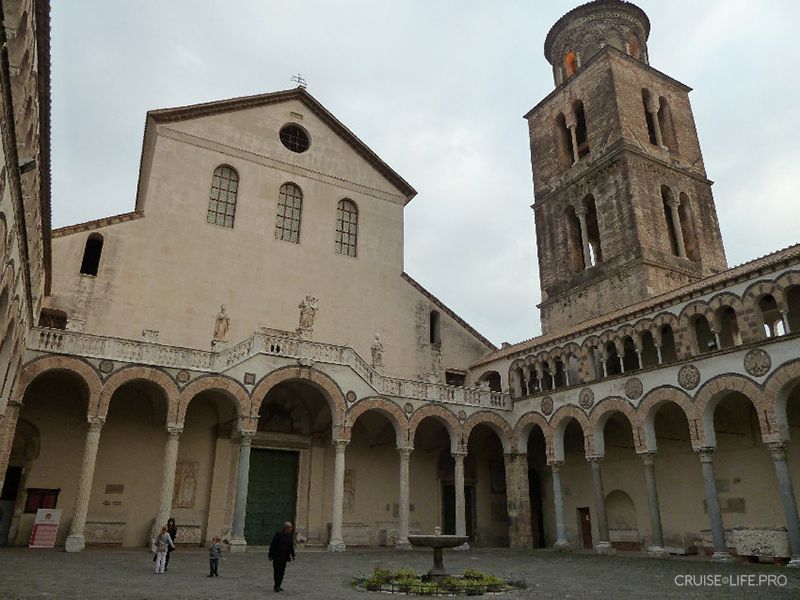
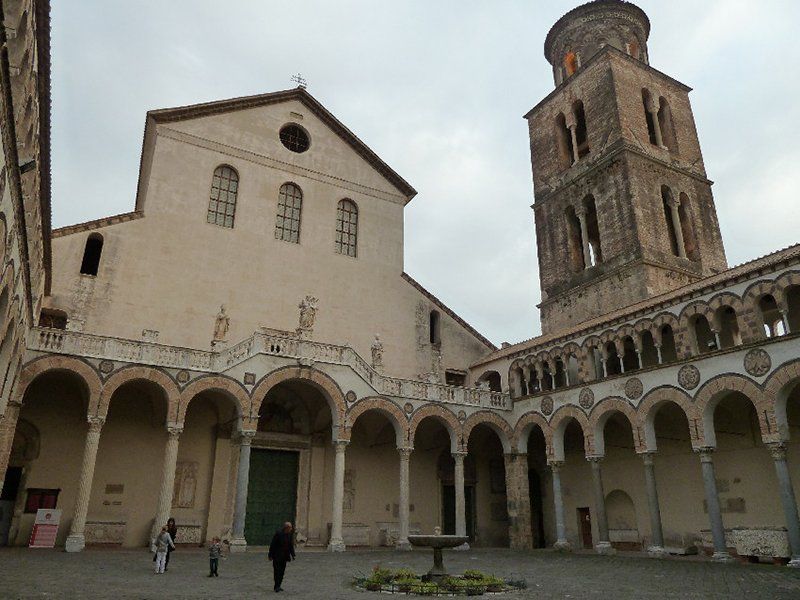
According to legend, during the construction of the cathedral, the relics of Saint Apostle Matthew were discovered again, so the entire church was dedicated to him. The apostle’s tomb is located in the cathedral’s underground crypt. The cathedral facade is adorned with unusual bronze doors made in Constantinople in 1099. On 54 plaques, various saints and scenes from the life of Christ are depicted. In front of the cathedral there is a quadriportico-a kind of inner courtyard framed by a colonnade. The columns in this colonnade are Roman, and the decor of the entire portico clearly shows the influence of Islamic art.
Salerno Aqueduct

Salerno Aqueduct

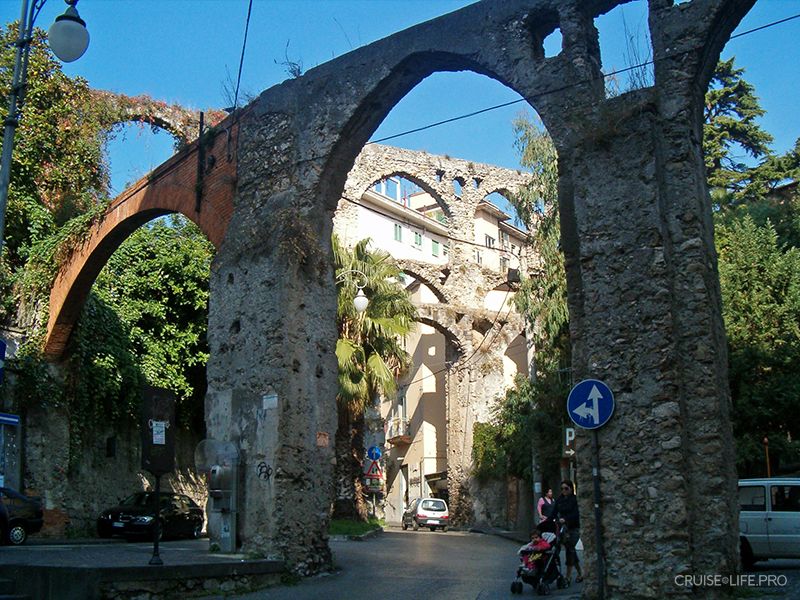
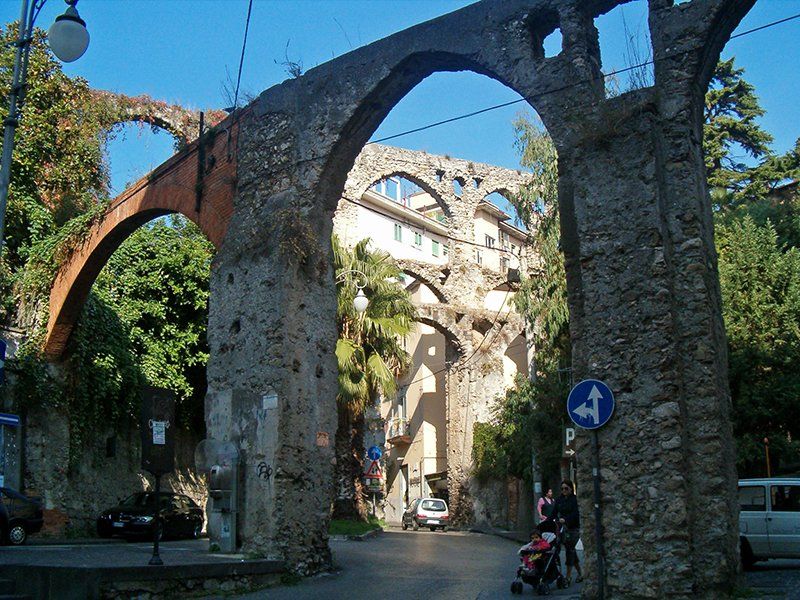
The aqueduct was built in the 7th - 9th centuries to supply water to the Benedictine monastery. Later, an underground drainage channel was made to the Piantanova monastery. In the people’s imagination, the lacy arches of the ancient aqueduct were called Ponti del Diavolo - “Devil’s bridges.” This name is associated with the name of the sorcerer Pietro Barliario, who, it is said, built the grand structure in just one night. Since then, superstitious townspeople have considered it a bad omen to walk under the arch in dark hours. The aqueduct was a source of pride for local engineers: in its arcade galleries, pointed arches were used for the first time, resting on massive pilasters. Today, only scattered remains of this structure are left-yet they are numerous and very picturesque.
Arequisa Castle

Arequisa Castle

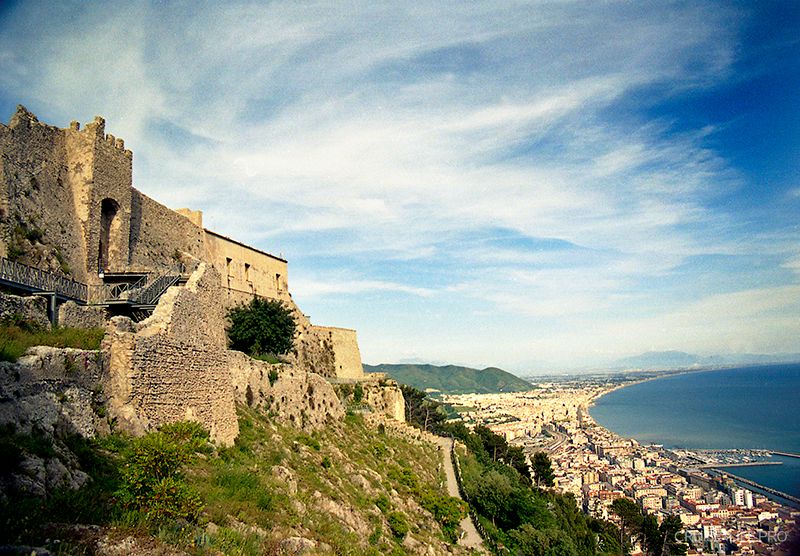
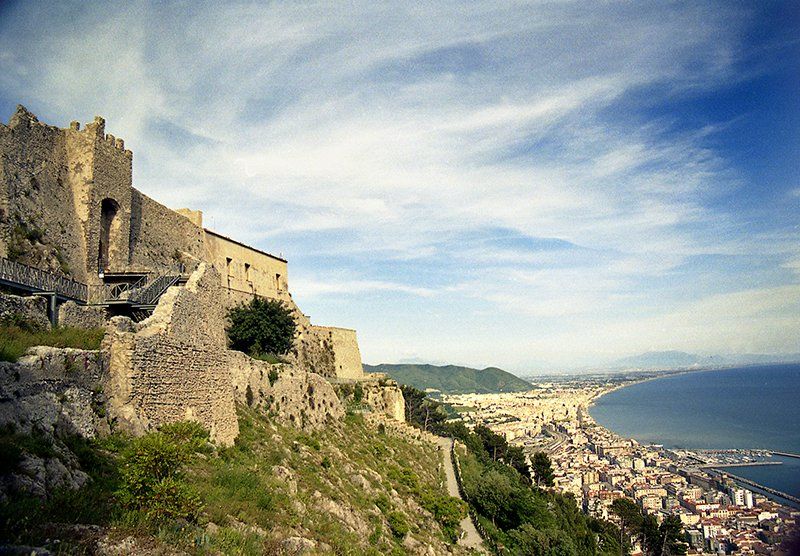
For almost one and a half thousand years, this impregnable fortress has protected the approaches to Salerno from the top of Monte Bonadi hill. The fortifications were built in the 8th century by the Lombard ruler Arechis II, after whom the castle was named. By the way, it was never conquered in the course of battles. Only once, in the 11th century, did one of the Lombard kings surrender it to the Normans after a long siege. In the 20th century, Arechis’s castle survived a devastating flood and a complete restoration, so today its halls house the Archaeological Museum, with a fairly good collection of medieval weapons and other artifacts. But mostly, visitors to Salerno come here for breathtaking views of the surrounding area.
What to see

Salerno Beaches

Salerno Beaches

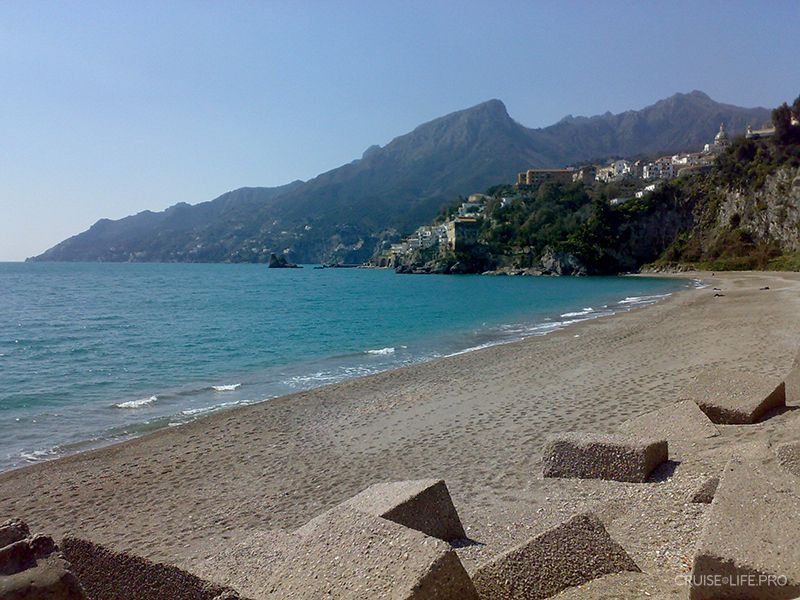
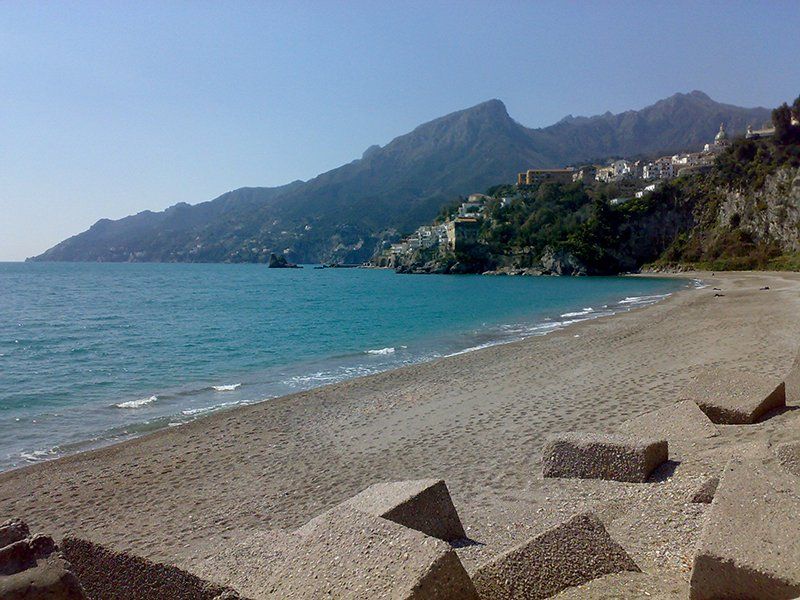
Sorrento can confidently boast of clean, well-kept beaches. Most of the beaches in Salerno are sandy; the free beach of Santa Teresa is especially popular with guests and local residents.

Via dei Mercanti

Via dei Mercanti

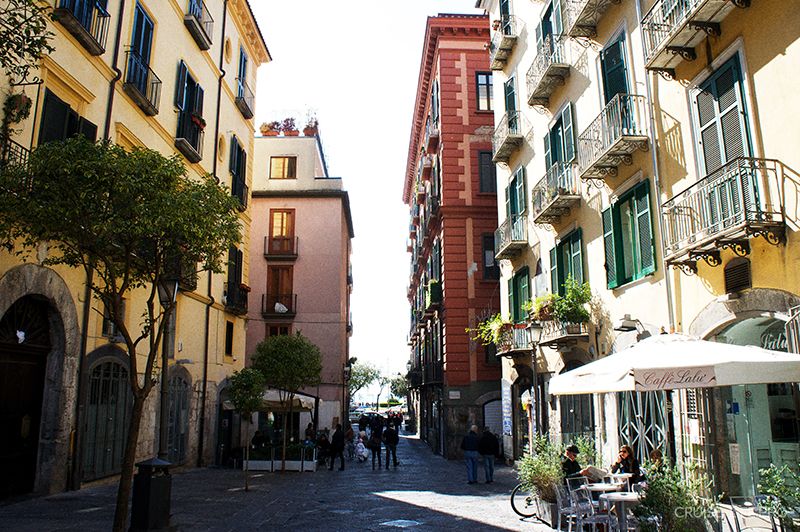
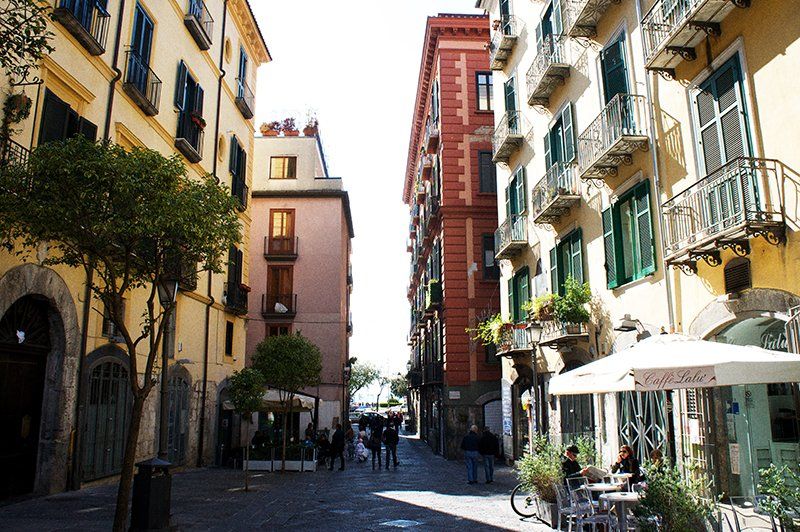
Via dei Mercanti, or the Street of Merchants, has always been the center of Salerno’s commercial and public life. And even today, it’s the best place to start getting to know the city. The blocks around Via dei Mercanti have come down to us in virtually unchanged form since the time of the Lombard duke Arechis. That’s why, to this day, the historic center of Salerno is considered one of the best-preserved in all of Italy. As for Via dei Mercanti itself, it is still full of souvenir shops, clothing stores, and cafés-as well as attractions such as Palazzo Pinto and numerous ancient churches.

The Garden of Minerva

The Garden of Minerva

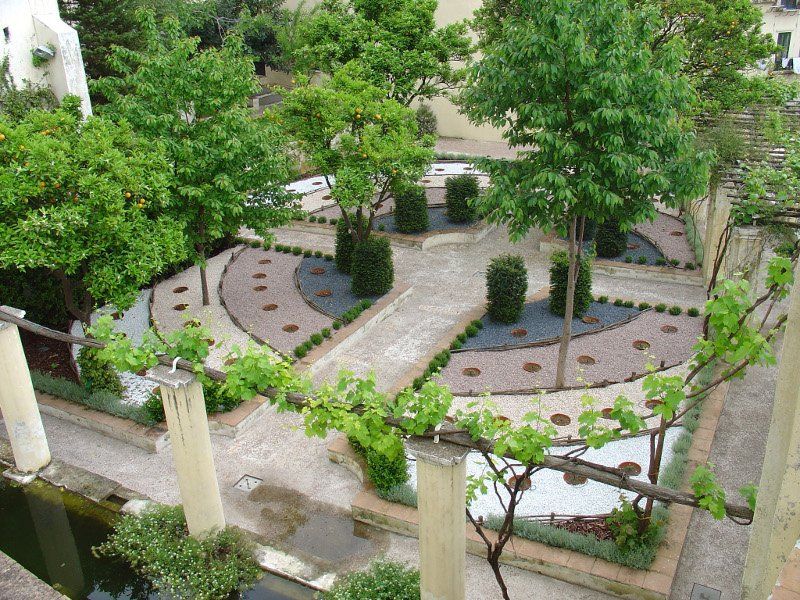
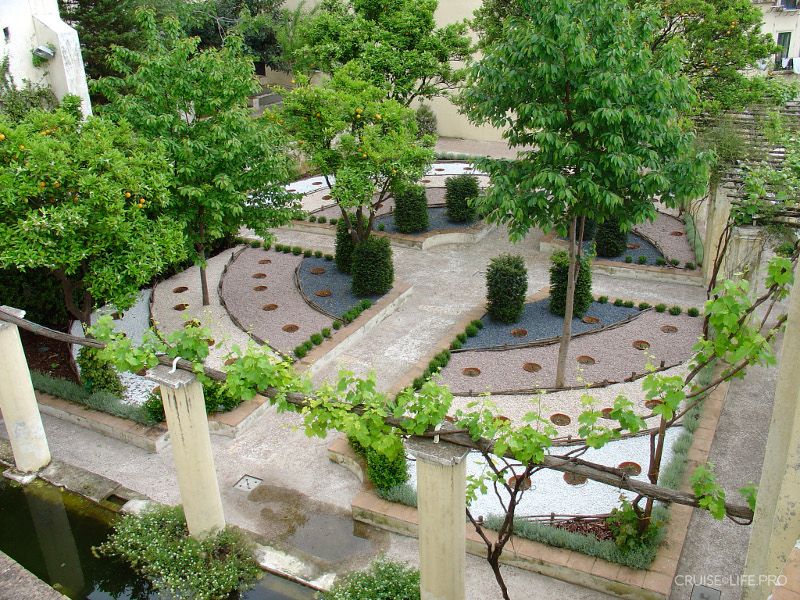
The Minerva Garden of Salerno is one of the oldest botanical gardens in the world. Its green terraces rise up the slope of the hill to the Arechi Castle. The garden was founded in the 14th century by Matteo Silvatico, a physician and one of the teachers at the famous Salerno Medical School. He complemented the beds with his own medicinal plants by adding picturesque water features and elegant fountains. There is a fountain on each terrace of the garden, and the system of water channels has remained unchanged since the 17th century. The Minerva Garden is an excellent alternative route to ascend to Arechi Castle. Along the way, you can take a break in the shade of various exotic plants and even sample infusions and tinctures made from them at the local café.

Lungomare Trieste Promenade

Lungomare Trieste Promenade

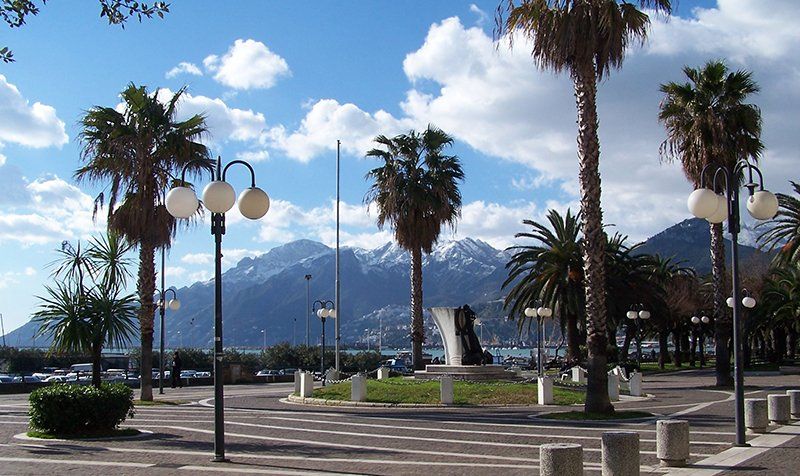
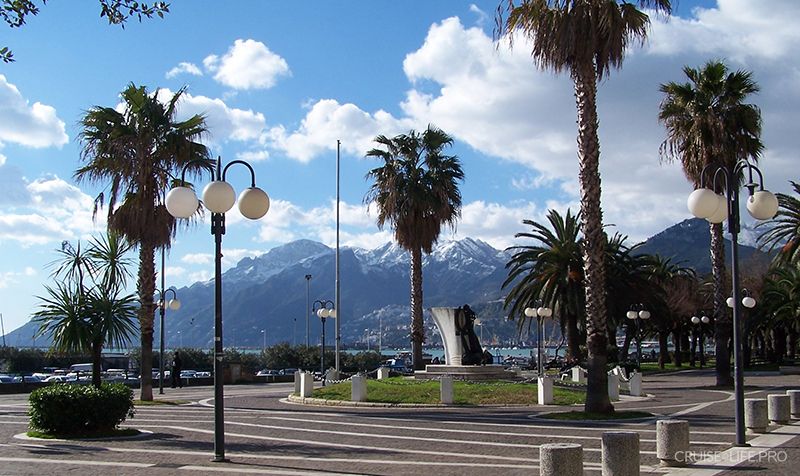
Residents of Salerno claim that their seafront promenade is the most beautiful in Italy. You can, of course, argue with them, but the 2-kilometer-long pedestrian promenade along the sea, called Lungomare Trieste, with its palm trees and majestic buildings, is indeed quite picturesque. Local people began beautifying the promenade in the first decade of the 20th century. In the 1940s, it had to be cleared of the ash scattered by Vesuvius. But by the 1950s, the promenade had become the main place for evening strolls for the residents of Salerno. It remains so to this day. What’s more, there are now even more attractions and hotels here. Very recently, Lungomare Trieste has been planted with new palm trees of different varieties. That’s why it has become even more like a botanical garden.

Recommended excursions

Salerno Sightseeing Tour

Salerno Sightseeing Tour

Salerno is a major city on the shores of the Tyrrhenian Sea, the brightest gem of the coastline. The city’s historic center is especially fascinating: despite the fact that crowds of tourists are always wandering the Old Town, there is always somewhere to be alone-for example, in a bar or a cozy trattoria, where there are always seafood dishes. The city is home to many small churches built in the Middle Ages, as well as beautiful buildings. But the main place for a stroll is the Salerno waterfront.

For a more detailed list of excursions and their prices, you can check it after booking your cruise in your “Client Personal Account”.