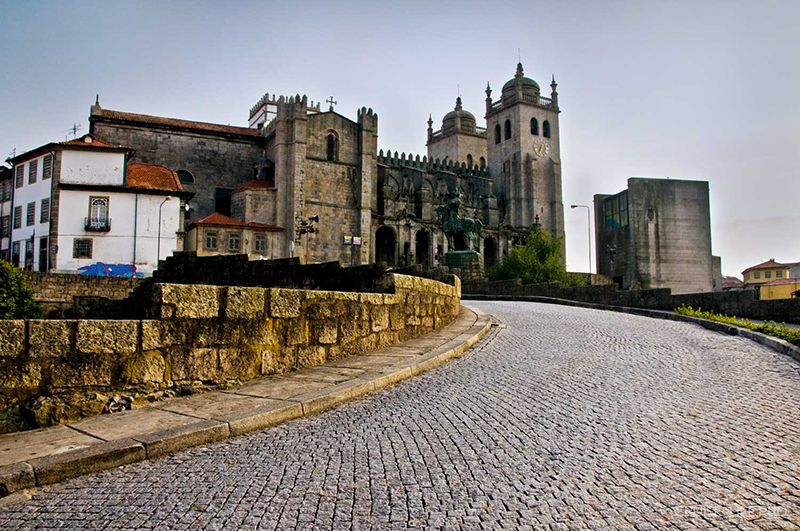
Cathedral of St.
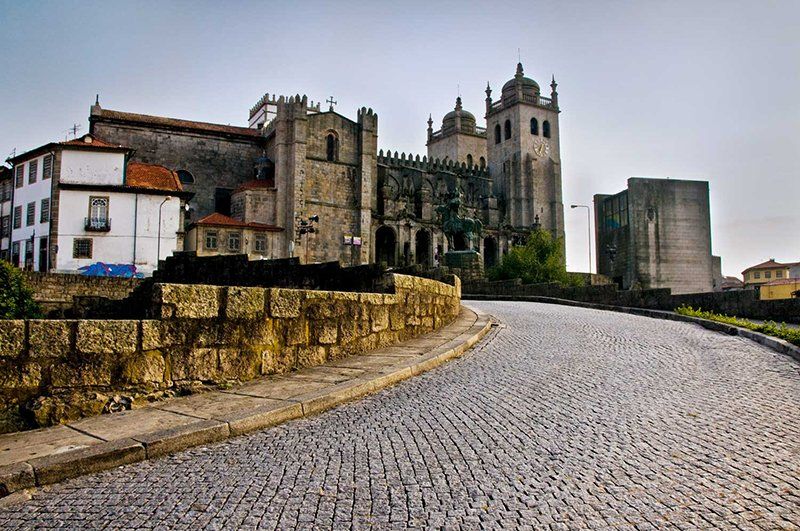
The majestic lead-gray cathedral-Se-is located right at the very top of the hill. It was built in the 12th century as a church-fortress. Then the cathedral was rebuilt so many times that it lost all traces of a single style. The cathedral’s age is evidenced by its bell towers, which give it the appearance of a fortress. A Romanesque rose window has been preserved on the façade, and the portal itself dates to the 18th century. The external covered gallery in the Baroque style is attributed to Nicolo Nasoni. The gloomy interior was modernized in the 17th-18th centuries. The most expensive feature of the cathedral is the Baroque altar of a small chapel, for which 800 kilograms of silver were used. Even more impressive is a small Gothic inner courtyard (cloister) from the 14th century, with beautiful azulejos in the Rococo style.
St. Francis Church
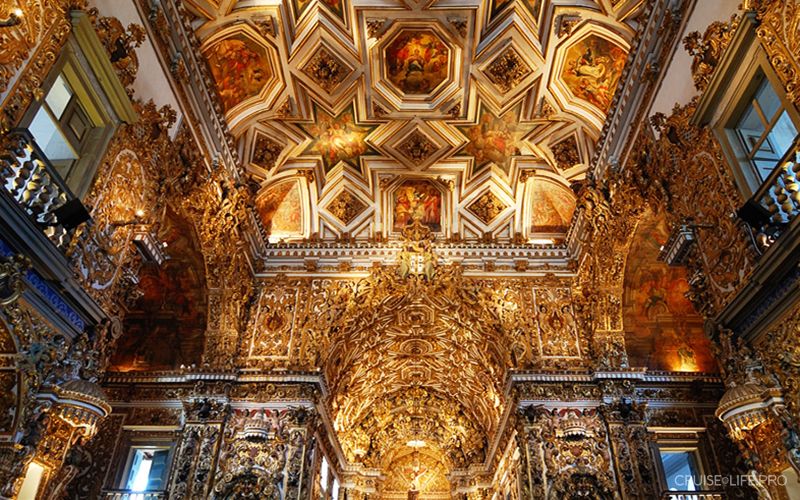
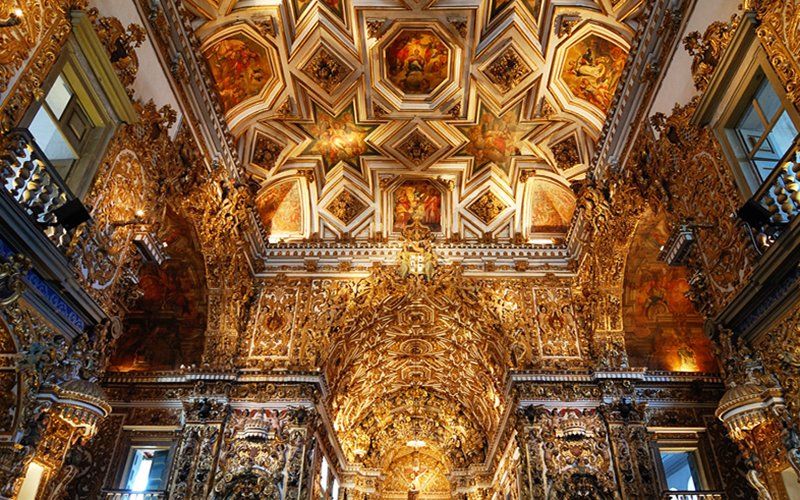
The Church of San-Fransishku was built around 1400 in the Gothic style. What impresses most is its Baroque interior from the 17th-18th centuries, and it is probably the most beautiful church in Porto: inside, it is richly adorned with gilded wooden carvings. For the gilding of the altar, columns, and carved decorations, 370 kilograms of gold were used. The altar is especially impressive, and in particular the famous “Tree of Jesse,” a sculpted genealogy of Christ. You can also visit the catacombs and view the treasures of the monastery, which was destroyed in 1832.
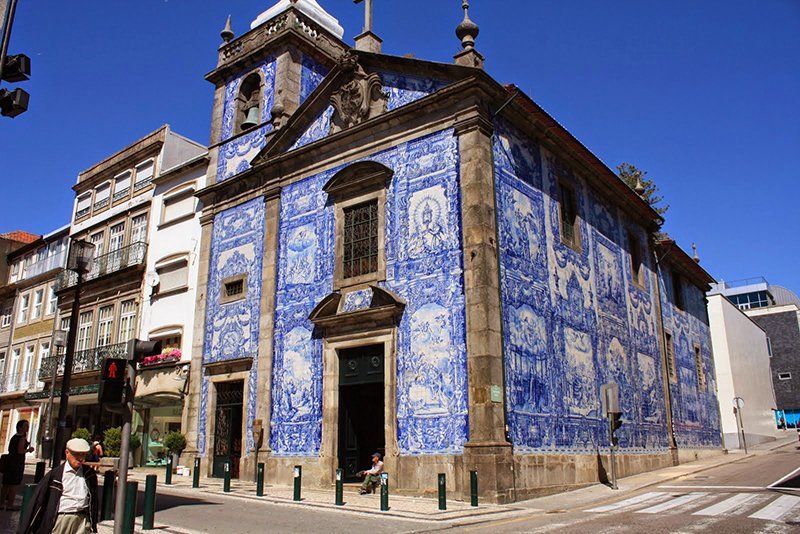
Almash Chapel
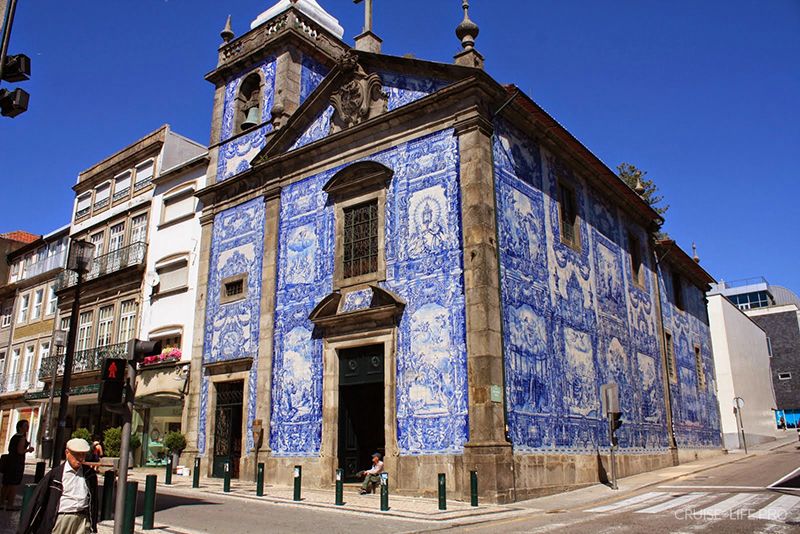
The most interesting thing about this chapel is the azulejos-ceramic tiles in a white-and-blue palette that cover its outer walls. On large tile panels, scenes from the lives of Saint Francis of Assisi and Saint Catherine are depicted-saints to whom this chapel is dedicated. Inside the chapel, be sure to look at the altar in the Neoclassical style, as well as the paintings with religious themes. The Almas Chapel was built in the 18th century. The azulejos were used to fully decorate its walls in 1929.
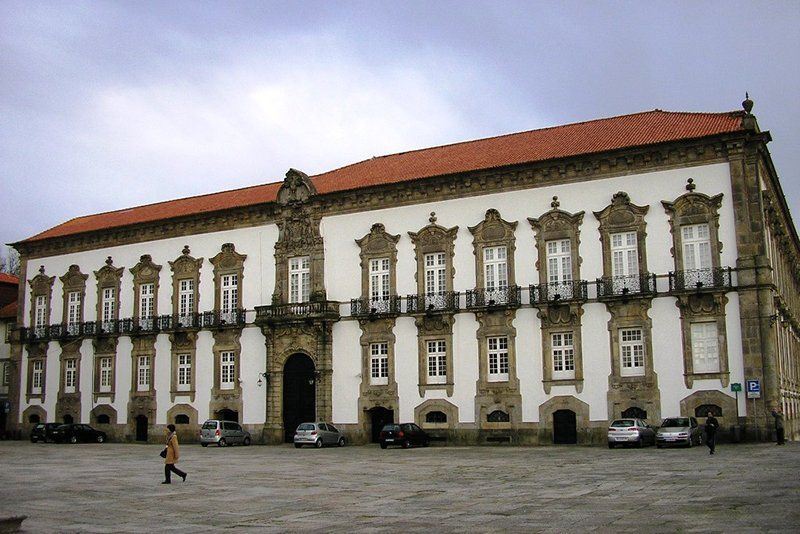
Bishop's Palace
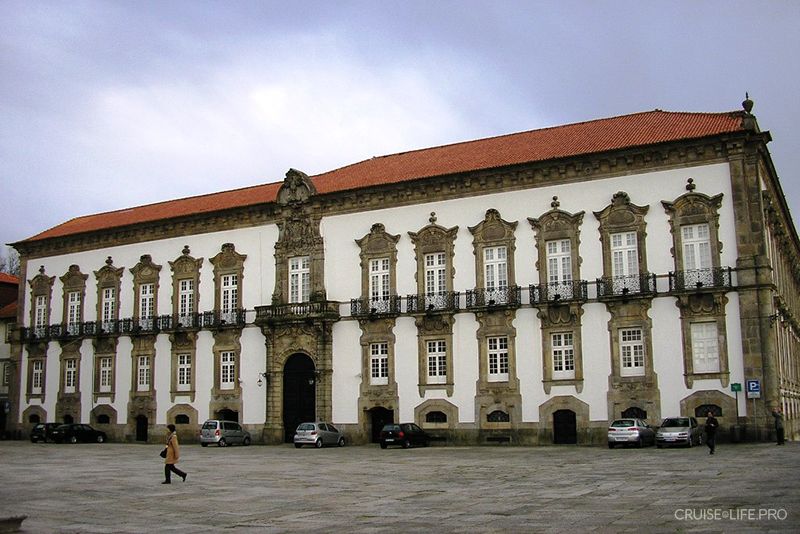
The Palace is located not far from the Cathedral and is interesting for its architectural features, which successfully combine two styles: Baroque and Rococo. Standing out with its sixty-meter façade and Baroque architecture, it seems to hover above the tiers of various houses and little homes. Like the cathedral, it was built in the 12th century, and its dimensions reflect the role of the bishop in the Porto of that time. Only reminders of the original Romanesque style have survived, in the styling of the windows and other elements of the façade. Then the palace was rebuilt and renovated many times, and the most extensive reconstruction was carried out under Bishop Luís Pires.
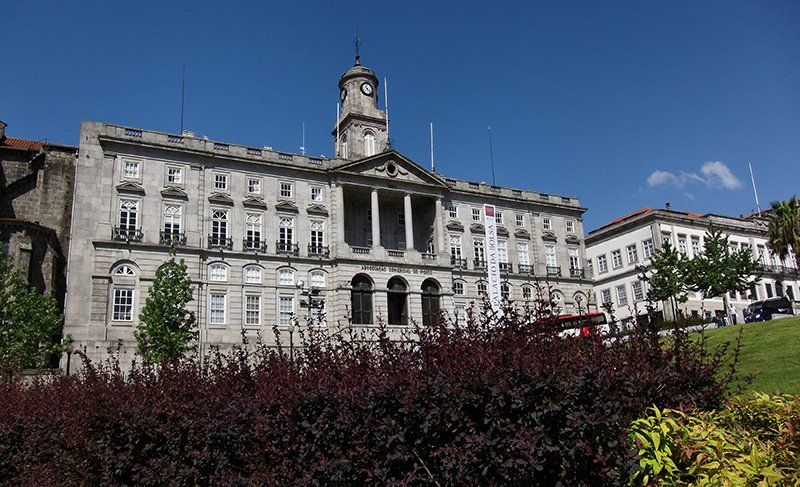
Bols Palace
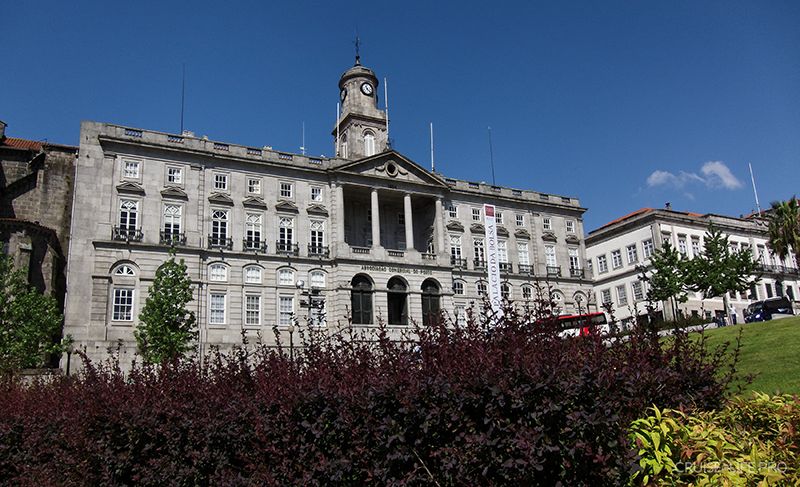
Bolsa Palace is a Stock Exchange, as well as a place you can visit to admire the palace interiors created by the local architect Joaquim da Costa Lima Júnior in the mid-19th century for ordinary merchants. Today, it is something of a museum, where the exhibits include various sculptures, frescoes, paintings, furniture, tableware, and other items specially selected and integrated into the hall interiors. Thus, the most appealing are the Arab Hall with its golden arabesques, the Courtyard of Nations beneath an octagonal glass dome, the Tribunal Hall, the Meeting Hall, the Golden Hall, and the staircase made of granite and marble.