Portland, USA

Port of call

Portland, USA

Description — Portland, USA

Portland is the largest city in the state of Maine, the administrative center of Cumberland County, located in the northeastern United States. The population within the city limits is 66,194 (2010), while within the metropolitan area 518,117 people live (ranked 104th by population), which is about one-third of the population of the state of Maine. As of 2013, it is among the top five most attractive cities to live in America. The city seal depicts a phoenix rising from the ashes and the motto of Portland, Resurgam (Latin-“I shall arise again”), referring to the city’s history (Portland was rebuilt after four devastating fires).

Portland is the economic center of Maine thanks to the state’s largest port, the largest population, and its proximity to Boston (185 km to the south).

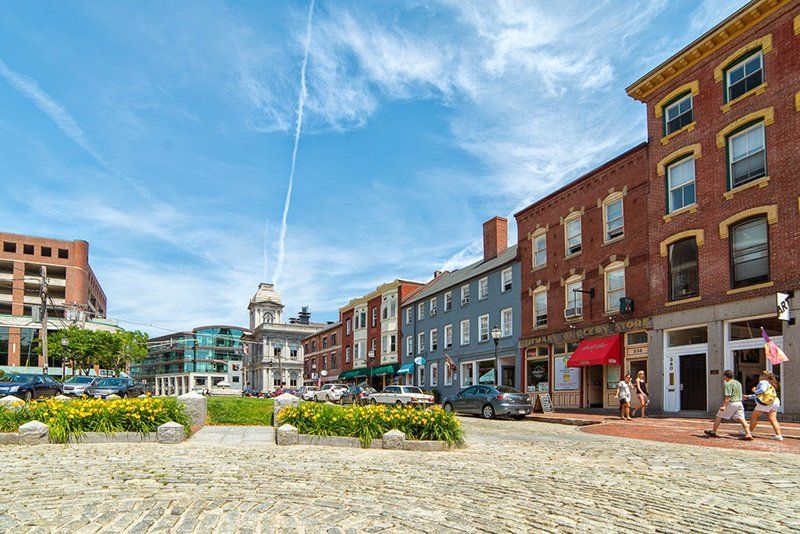
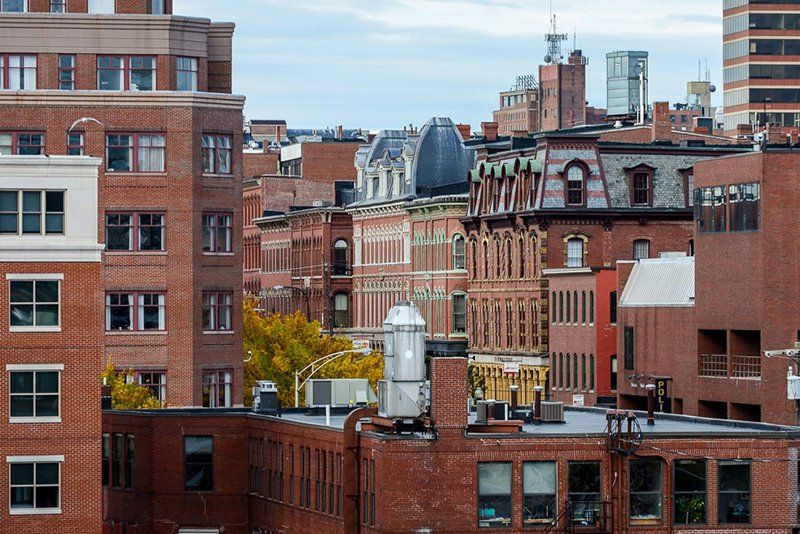
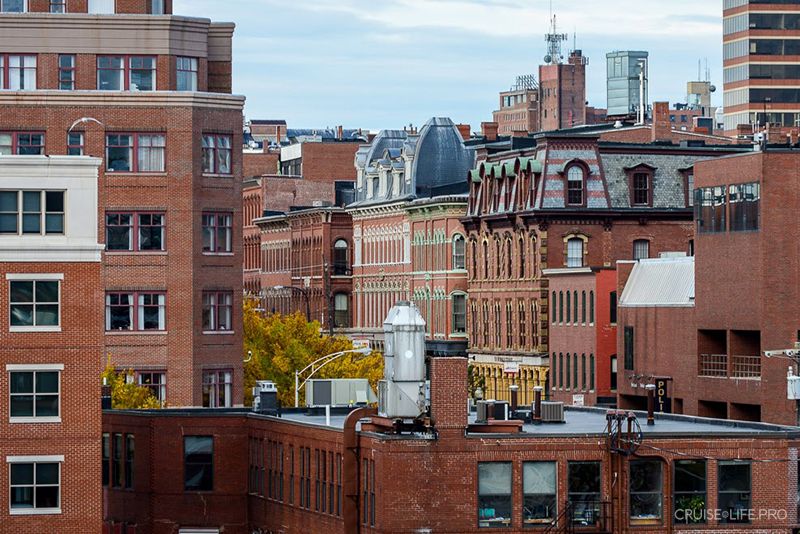
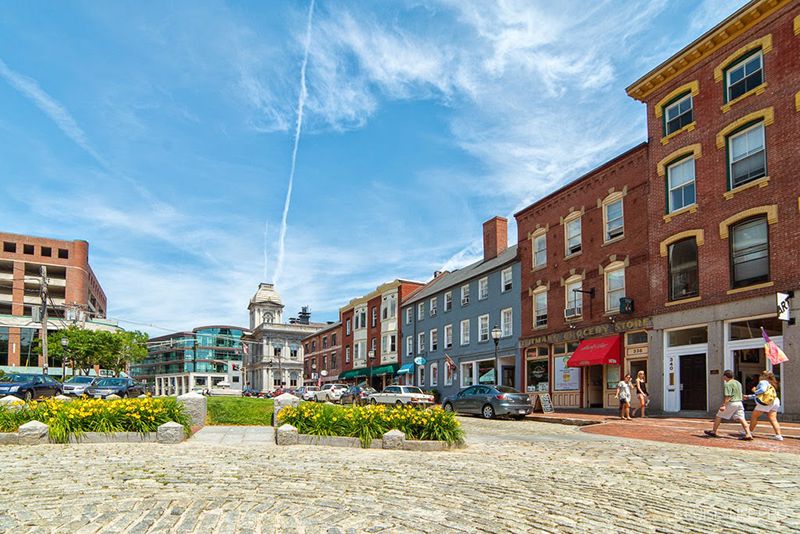
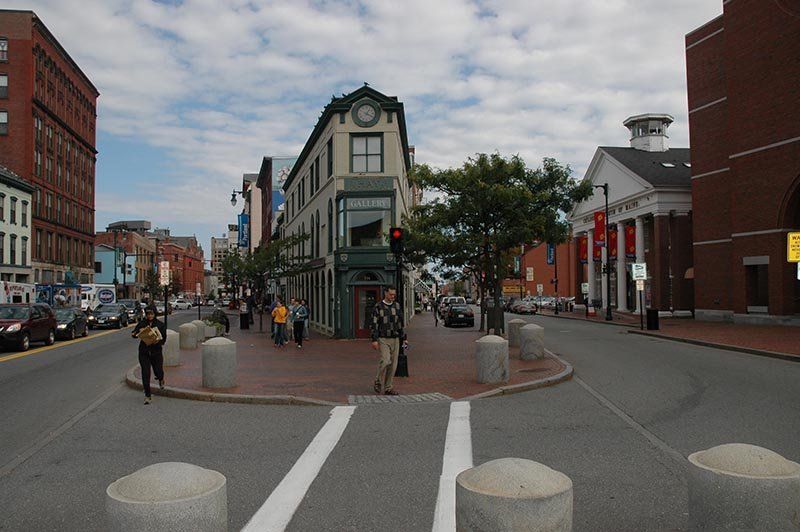
As a tourist city, Portland combines the vibrant life of a big city with the charm of narrow streets, old houses, beautiful squares, and cozy restaurants. There are many historic buildings, art galleries and museums, parks, waterfronts, and shopping centers. The city also offers a wide variety of tours and excursions to suit every taste.

Climate

The climate in the city is temperate, transitional from continental to maritime. The features of a continental climate are provided by a freezing winter, despite the fact that the city lies at the same latitude as Sochi, Rome, and Barcelona. The features of a maritime climate are provided by abundant precipitation throughout the year, with the maximum precipitation occurring in winter-typically a maritime sign of the climate. January temperatures are −5.7°C, July +20.3°C. Precipitation totals 1163 mm, ranging from 77 to 120 mm per month; in summer it falls as rain, and in winter as snow or rain.

Location on the map

Sights

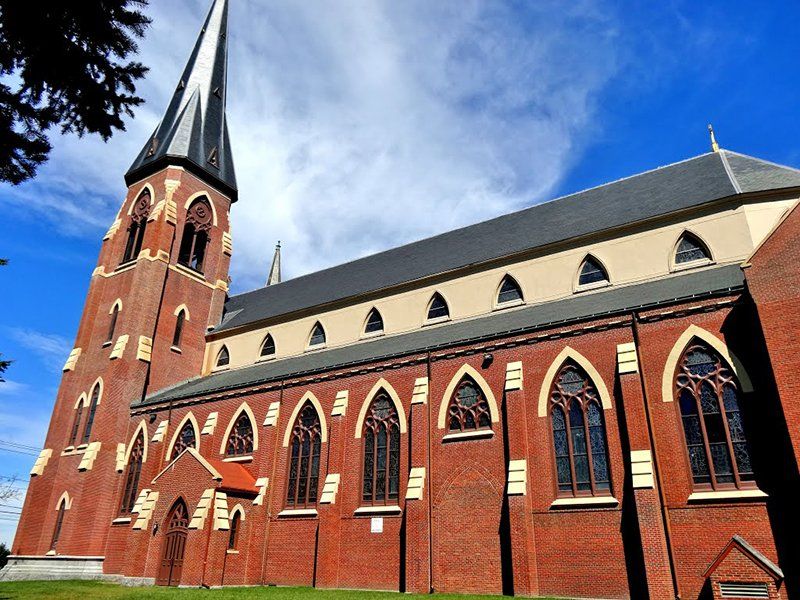
Cathedral of the Immaculate Conception

Cathedral of the Immaculate Conception

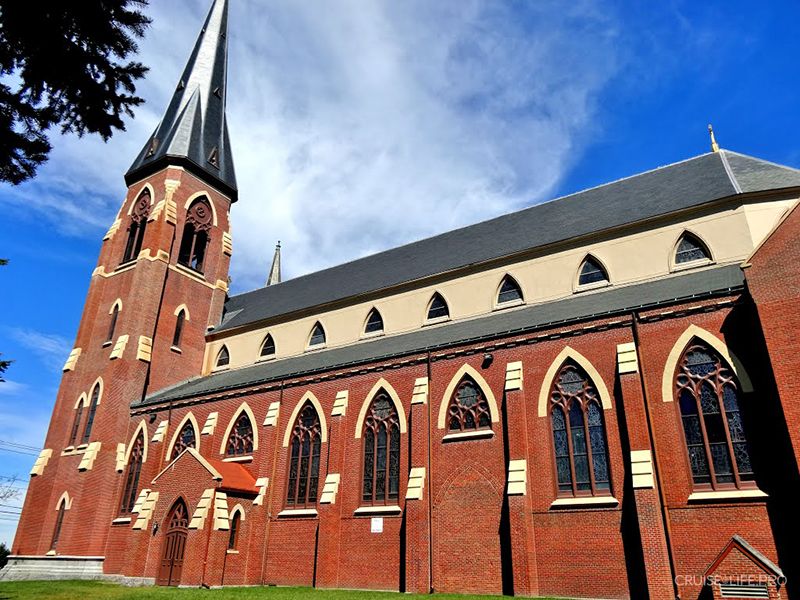
One of the impressive old buildings in the city is the Roman Catholic Cathedral of the Immaculate Conception, built in 1869 on Cumberland Avenue. This neo-Gothic building features a sharp spire about 60 m tall, which for a very long time was the tallest structure in the city. The cathedral was restored in 1921, 1969 and 2000. And in 1985, it was added to the U.S. National Register of Historic Places. The cathedral can accommodate nearly 1,000 worshippers.
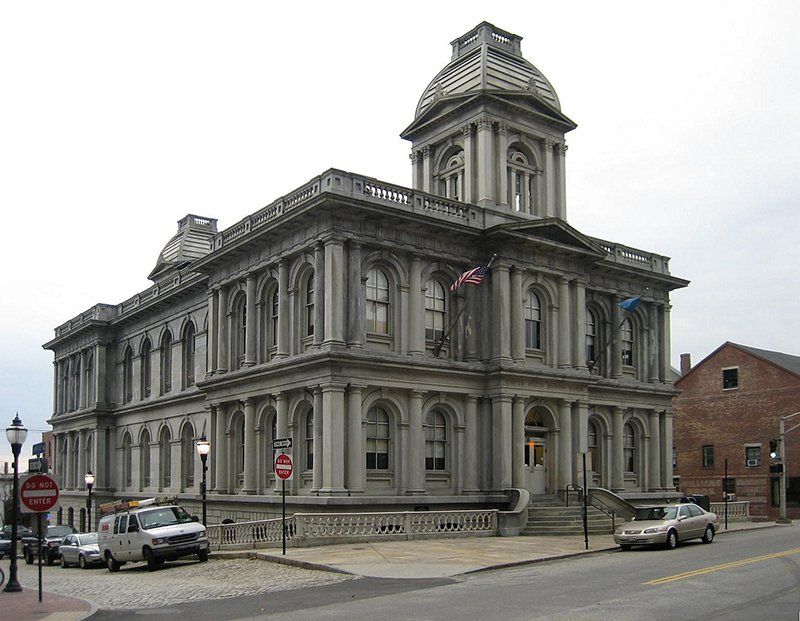
Old Customs House

Old Customs House

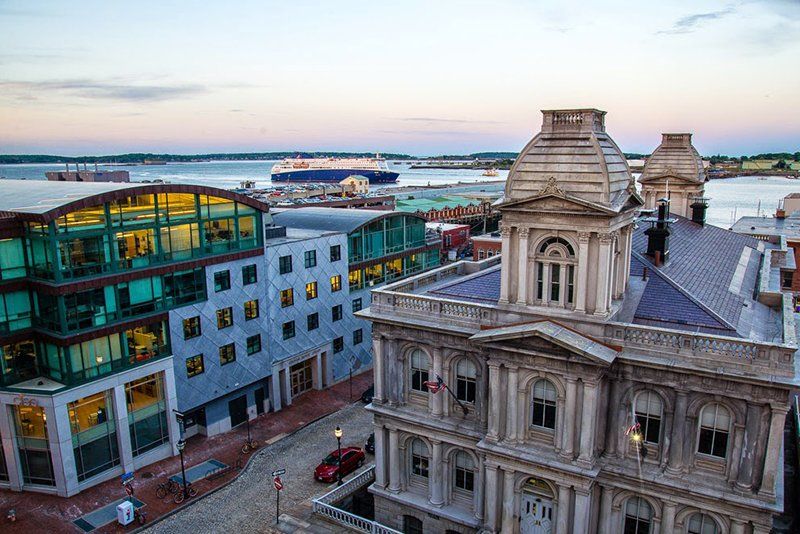
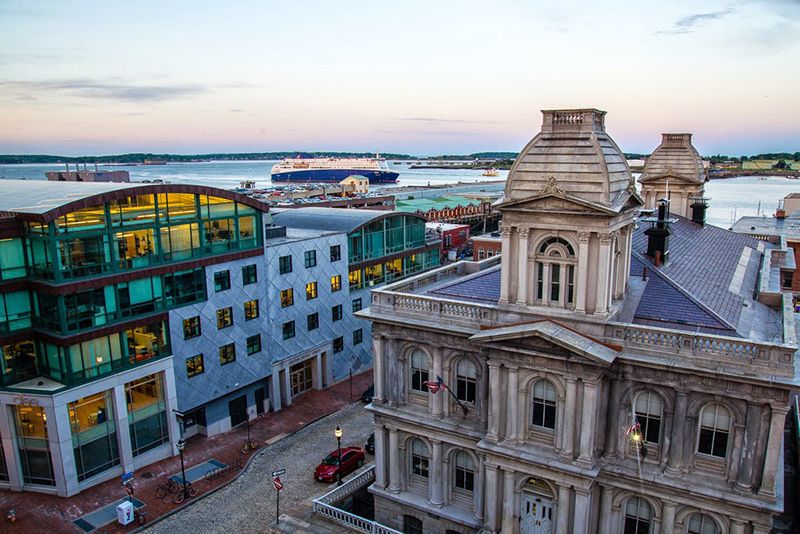
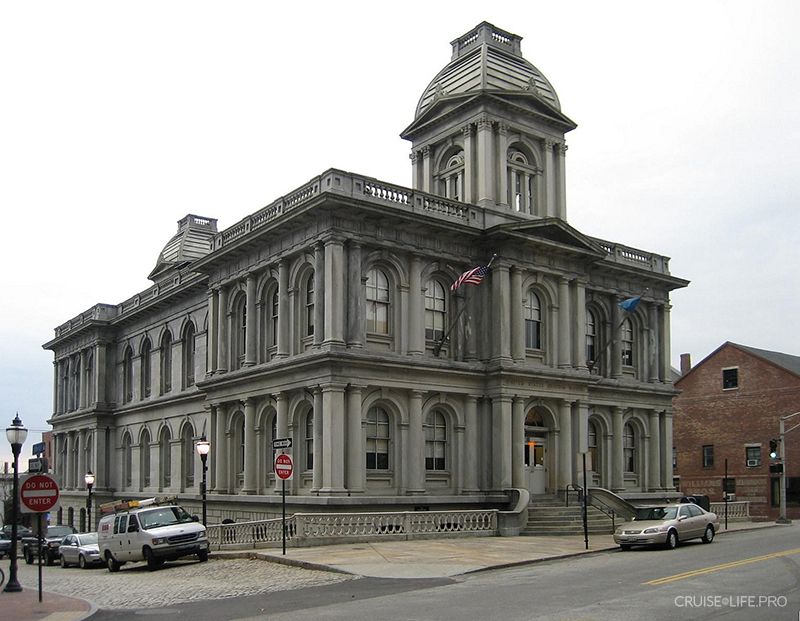
The Old Customs House building, located not far from the city port in Portland, represents one of the most important milestones in the maritime history of Portland. The building was constructed to house the customs service, whose importance was steadily increasing. Only in 1866, $900,000 in customs duties were collected-which made Portland one of the largest ports in the region. The need for the construction of the Customs House was also prompted by the major fire of 1866, which destroyed the Exchange where the customs service had previously been located, as well as 1,800 other buildings in the city center. In the architecture of the Old Customs House, Neorenaissance and Second Empire styles harmoniously blend-styles that were popular in the United States in the second half of the 19th century. The original design of the building has remained largely untouched since it was built.
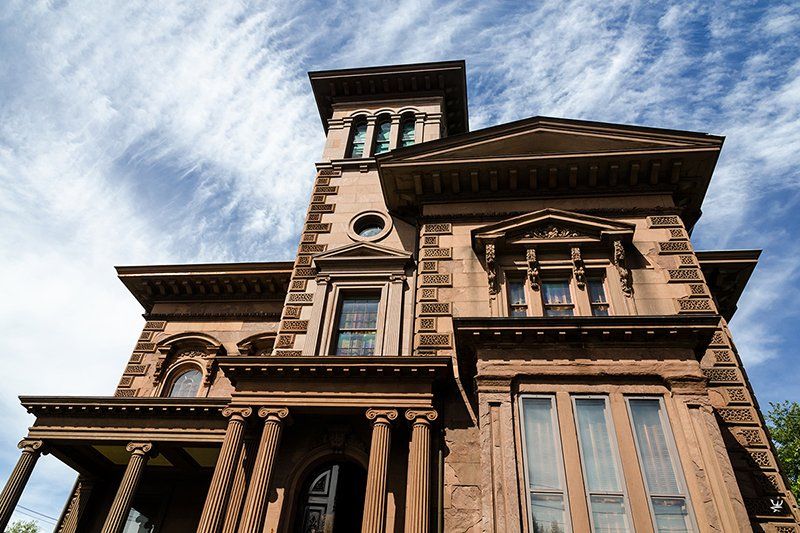
Victoria Mansion

Victoria Mansion

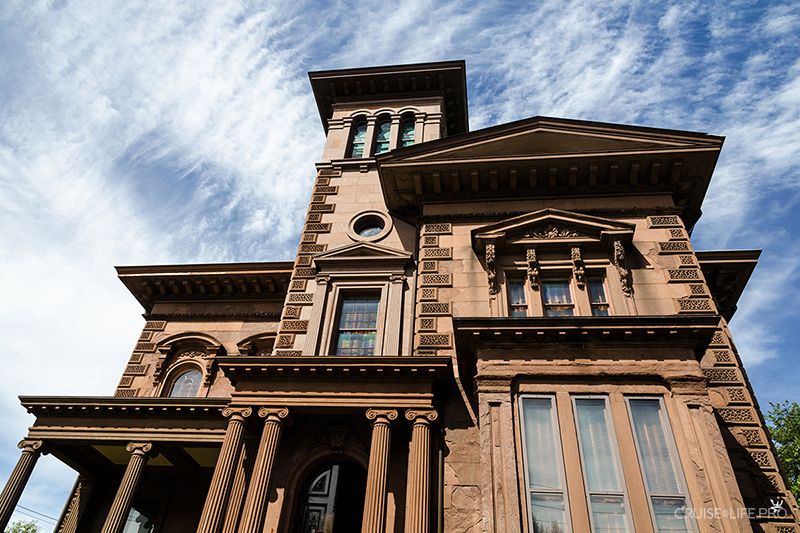
Victoria Mansion, also known as the Morse-Libby Mansion, is a highly remarkable example of American residential architecture. The preserved vibrant exterior, original interior design, luxurious furnishings, and even the mansion’s rather modern amenities together create a detailed portrait of the lives of affluent Americans in the 19th century. Construction of the mansion was completed in 1860: it was the summer residence of the wealthy hotel owner Sylvester Morse. More than 90% of the house’s original decor and furnishings have been preserved, including furniture, wall paintings, carpets, light fixtures, paintings, and even porcelain, glass, and silver. The home was surprisingly advanced for its time-with central heating, gas lighting, hot and cold running water, and a servant call system.
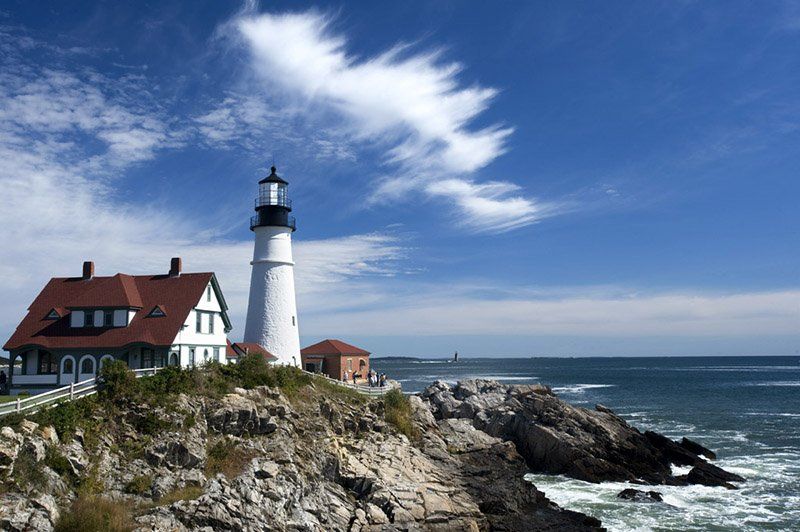
Portland Head Lighthouse

Portland Head Lighthouse

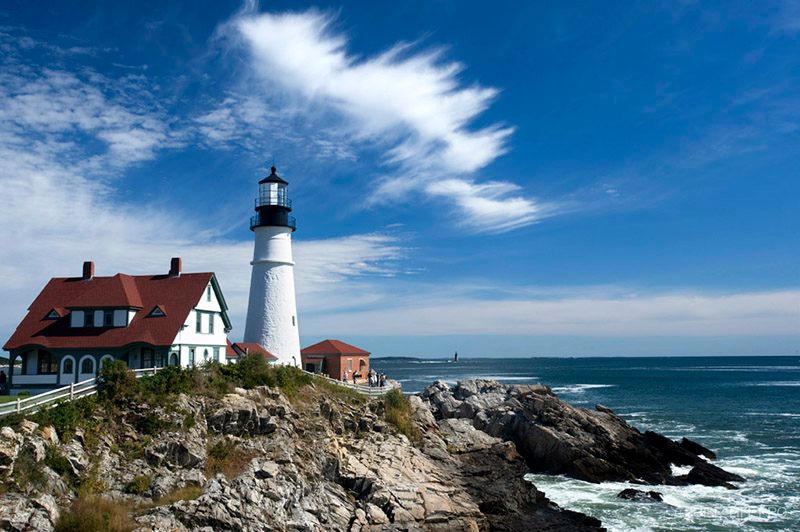
Portland Head Light is one of the oldest architectural landmarks of its kind in the USA. It was built more than 200 years ago; at first, it used a lantern burning whale oil. Notably, much of the lighthouse’s original exterior and interior has been preserved. During the Civil War, its height was increased by 6 meters. The lighthouse was restored after a hurricane in 1970. The residence of the first lighthouse keeper is now a maritime museum. By climbing to the top of the lighthouse, you can enjoy one of the most beautiful coastal landscapes in northern New England. A stroll around the lighthouse surroundings will bring you unparalleled pleasure.
What to see

Arts District

Arts District

The Portland Museum of Art was founded in 1882 and is located in the district of the city known as the Arts District - “the Arts District”. This is the area around Congress Street, specifically the part closer to the West End. The museum’s collection includes more than 17,000 works of decorative and fine arts from the 18th century to the present day. In addition to this largest museum in the Arts District, the area also features the Museum of History and Community Life of the state, the State Children’s Museum, the non-profit contemporary gallery “SPACE”, and the Merrill Auditorium dating back to 1911 with a large memorial organ by Kottechmar. On the first Friday of each month, from 17:00 to 20:00, the Arts District hosts an open-house day with free admission to all cultural venues.

International Museum of Cryptozoology

International Museum of Cryptozoology

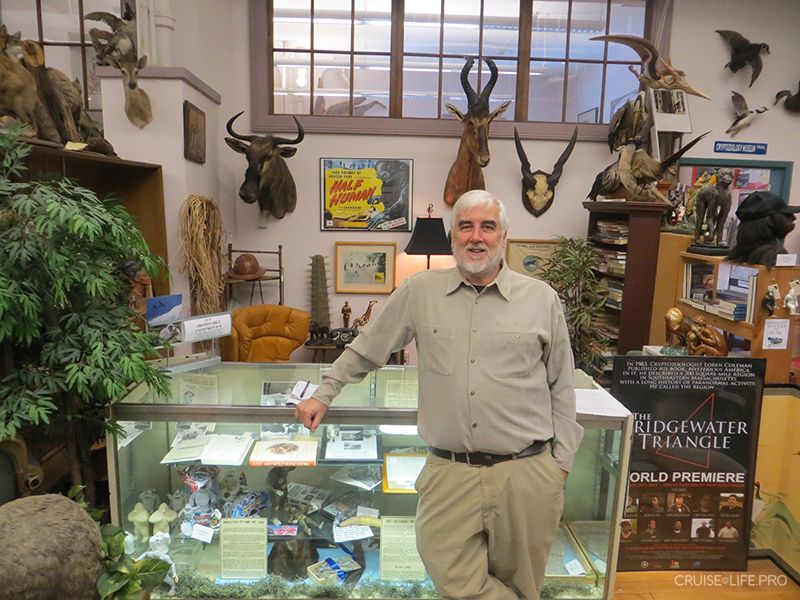
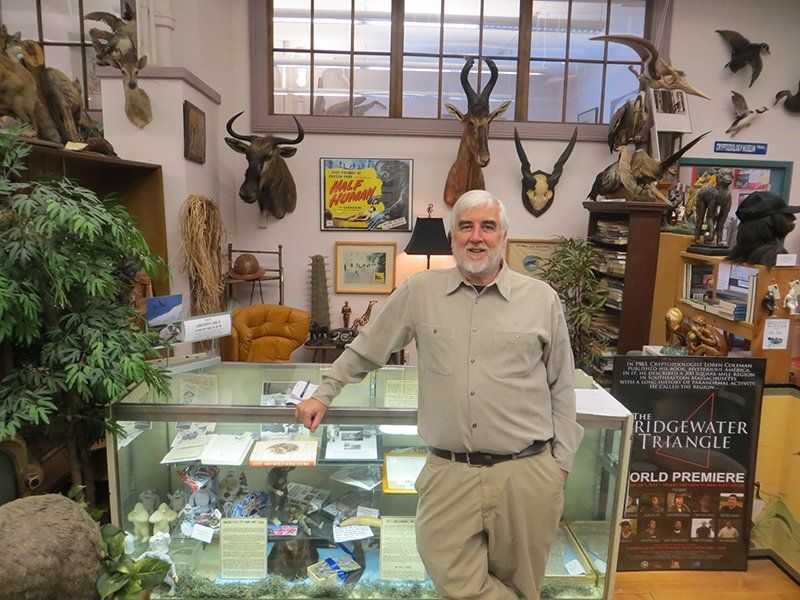
The International Cryptozoology Museum, dedicated to all kinds of mysterious creatures, opened on November 6, 2009. Its founder is the well-known American cryptozoologist Loren Coleman. Coleman has devoted more than 50 years to cryptozoology and is a recognized expert in the field, the author of 17 scientific papers, and a consultant for popular science TV channels. Coleman likes to start the tour at the “Identified Animals” display. These are legends that became true-such as the giant squid, whose existence was confirmed in 1865. Or the mountain gorilla, which led such a secretive life that it was not identified by European science until as late as 1902. In this museum, you’ll see a great deal of the unusual and the mysterious.

Old Town

Old Town

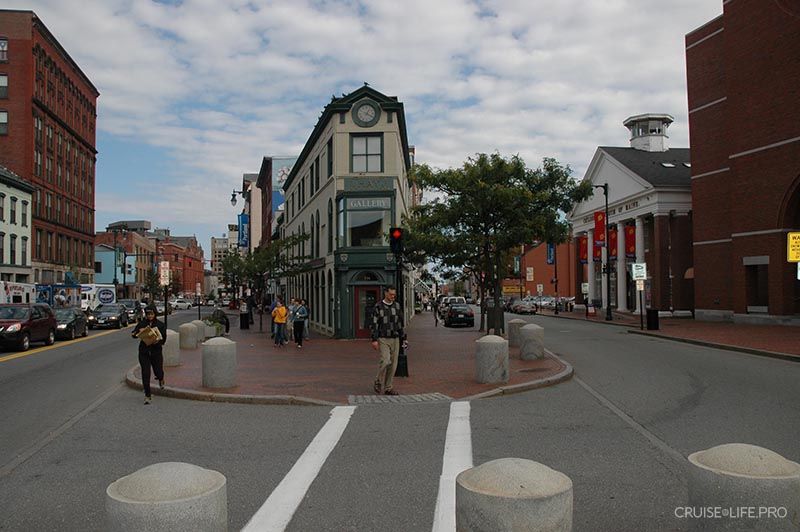
For walking around the city, the long historic Baxter Boulevard is ideal around Back Cove Bay, the Deering Oaks Park with a pond, tennis courts, and playgrounds, the East and West promenades, Lincoln Park, opened in 1866. Along Forest Avenue you can get to the Baxter Woods Nature Preserve, where on an area of 130,000 sq. m untouched forests grow. The historic Evergreen Cemetery adjoins the preserve. A stroll along Park Street will also be enjoyable, where townhouses from the first half of the 19th century still stand. This green, shady street recalls the lanes of old, good England.

Recommended excursions

City sightseeing tour

City sightseeing tour

The excursion includes a tour of the old Port of Portland and the buildings adjacent to this historic district-elegant mansions and residences from the Gilded Age, as well as grand yet graceful Italian-style buildings listed on the National Register of Historic Places. You will walk along Congress Street, the street where you can trace the entire history of Portland’s urban development from the 1780s to the present day, see examples of Art Deco architecture, Victorian houses, Queen Anne-style homes, Gothic and Renaissance structures, and visit the majestic Portland Lighthouse.

For a more detailed list of excursions and their prices, you can review them after booking your cruise in your “Client Personal Account”.