Sam Sharp Square
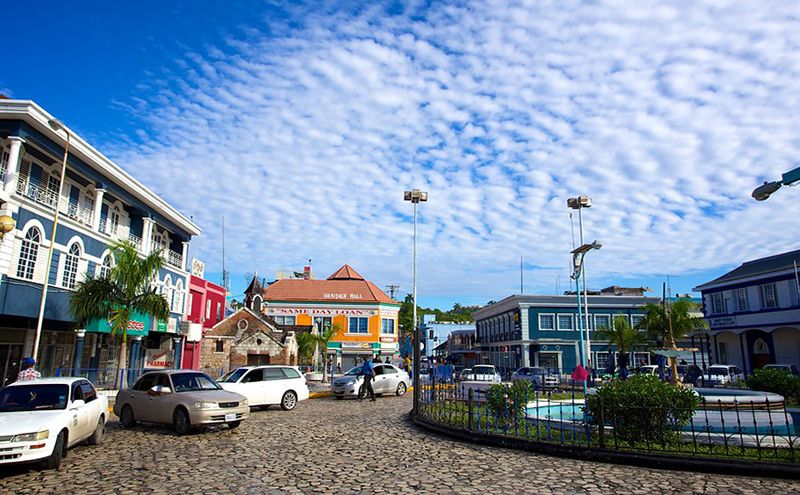
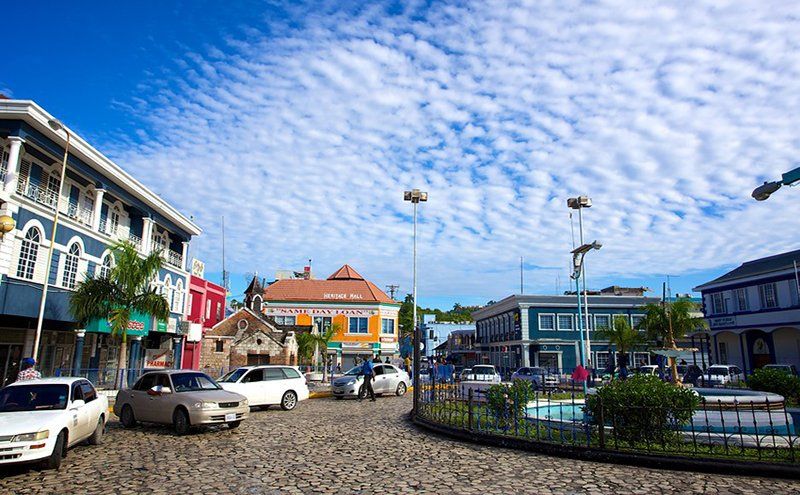
In the very heart of the tourist capital lies the cobblestone square of Sam Sharp. The square is named after the Baptist deacon Sam Sharp, known for the “Christmas rebellion” in 1834. On the square there are the ruins of a prison building erected as early as 1804. The prison was originally intended to house runaway slaves and was used until 1906. Indeed, after the Spaniards nearly completely wiped out the local population, they began importing slaves from Africa. Here you can find a memorial to the national hero Sam Sharp and statues of enslaved people.
Rose Hall Mansion
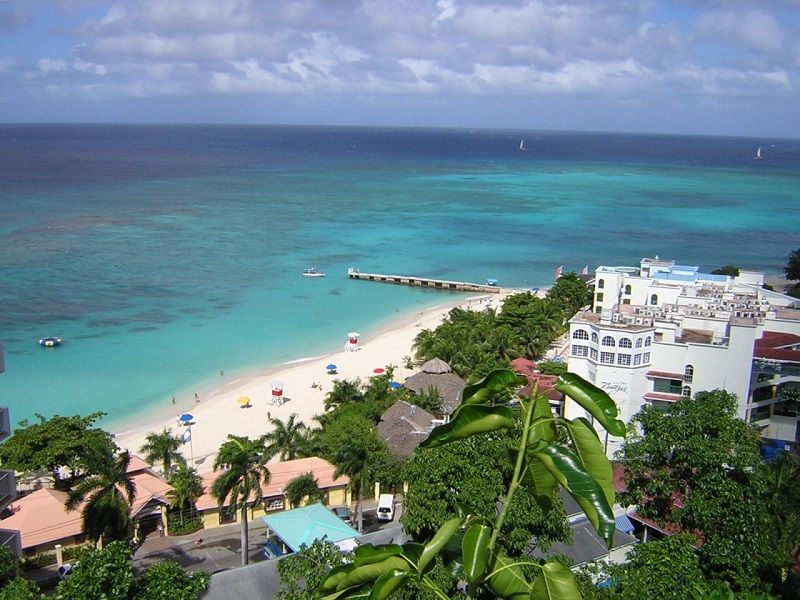
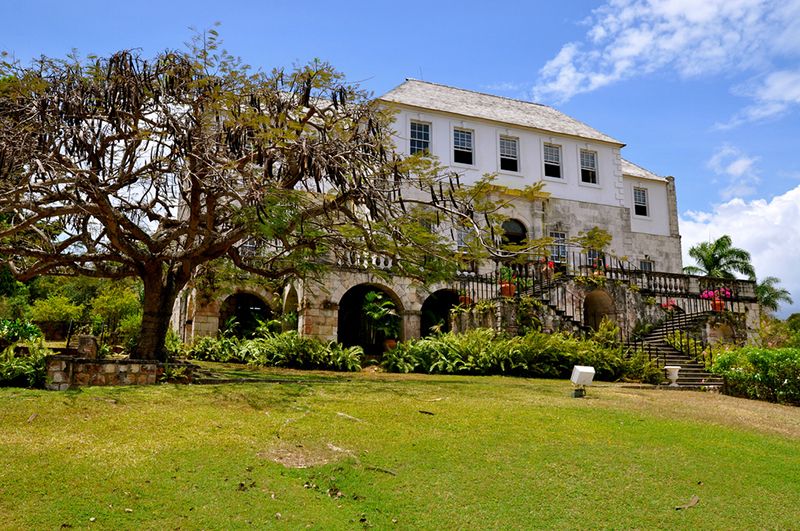
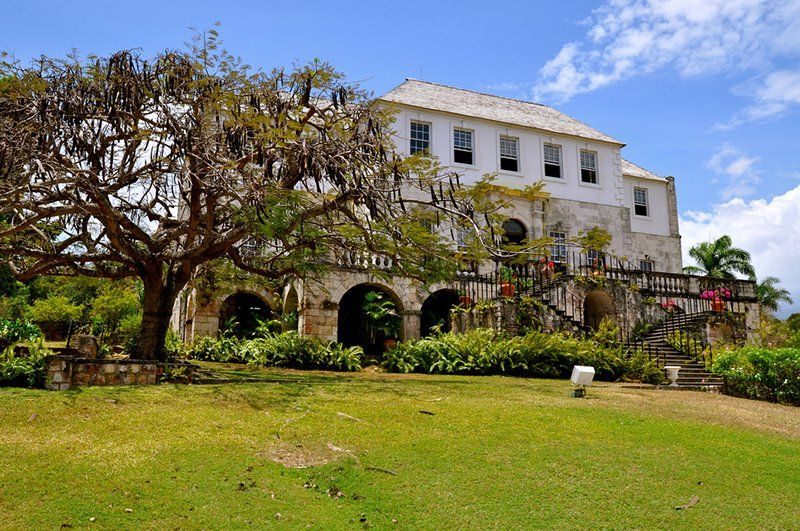
In the very heart of Montego Bay, remarkable plantation mansions have survived to this day. One of the best-known is Rose Hall, built by a British slaveholder in 1721. During its heyday, the estate covered 2,600 hectares, where more than 2,000 enslaved people worked. The manor house has preserved many details and items that keep the history of colonial West Indies alive. In this home, everything is steeped in history, and even the surrounding trees serve as reminders of its former grandeur-such as the mahogany tree planted in front of the house in 1953 by Sir Winston Churchill. Rose Hall has been restored; today, there is a bar on the ground floor of the building. The mansion offers a wonderful view of the bay and its picturesque surroundings.
Belfield Great House
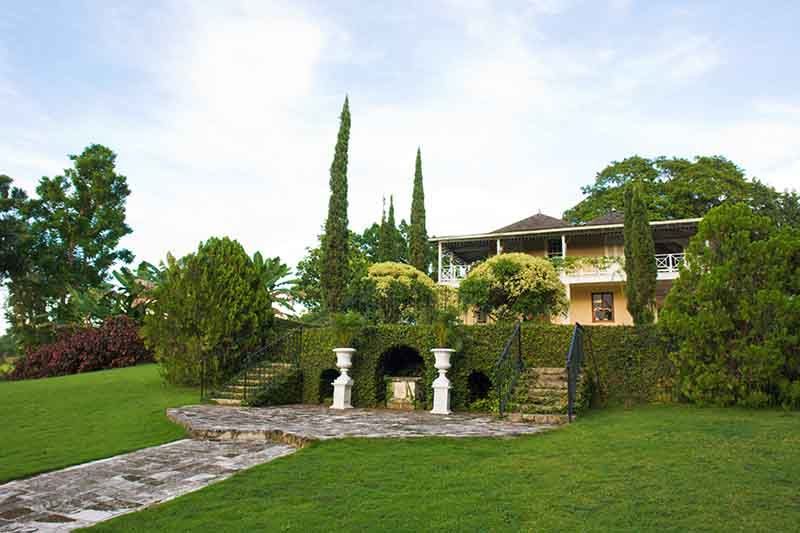
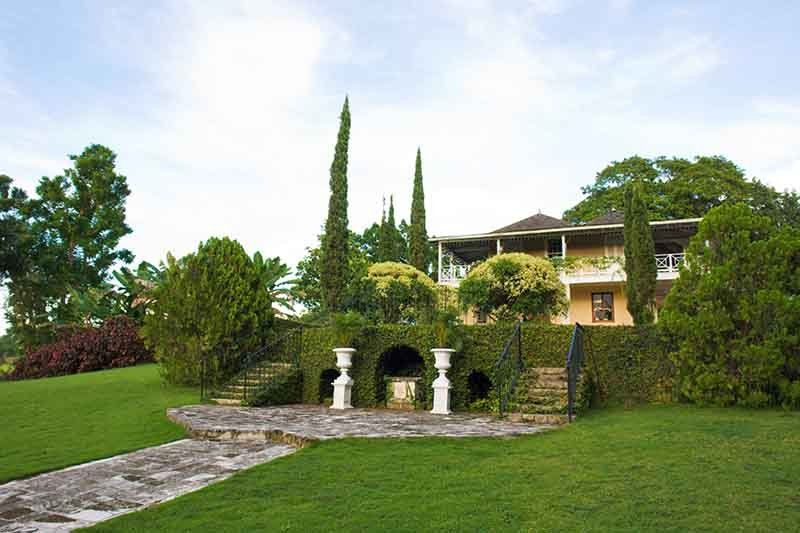
Belfield House and its estate are considered one of the oldest sugar plantations in Jamaica. Both the house itself and the sugar factory, owned by the Ker-Gerret family, were built in 1794. The Ker-Gerret family played a key role in the development of Montego Bay. This was a vivid and interesting period in Jamaica’s history. The story of this particular family begins in 1655, when the control gained by Great Britain over the island of Jamaica displaced the Spanish, who had been in Jamaica for more than 150 years. From ancient family records, it was established that the first member of the family line to arrive in Jamaica was from the Scottish Clan Kerr, which came to Jamaica with the British fleet in 1655.