Description — Milford Sound, New Zealand
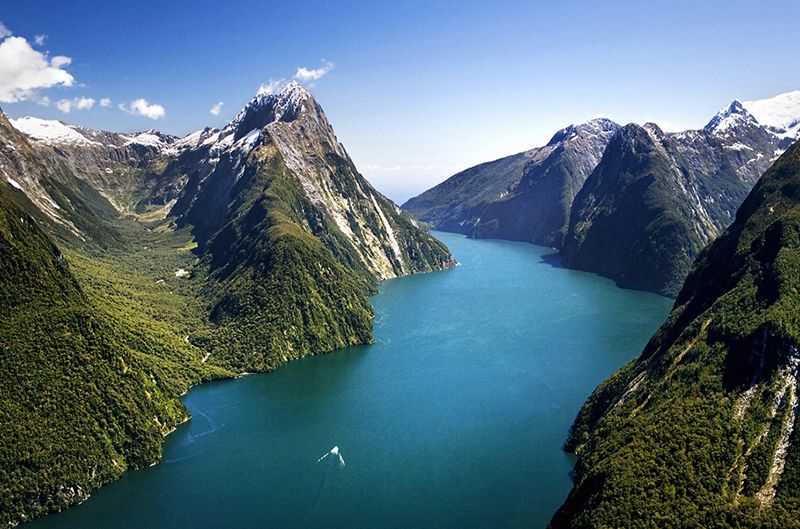
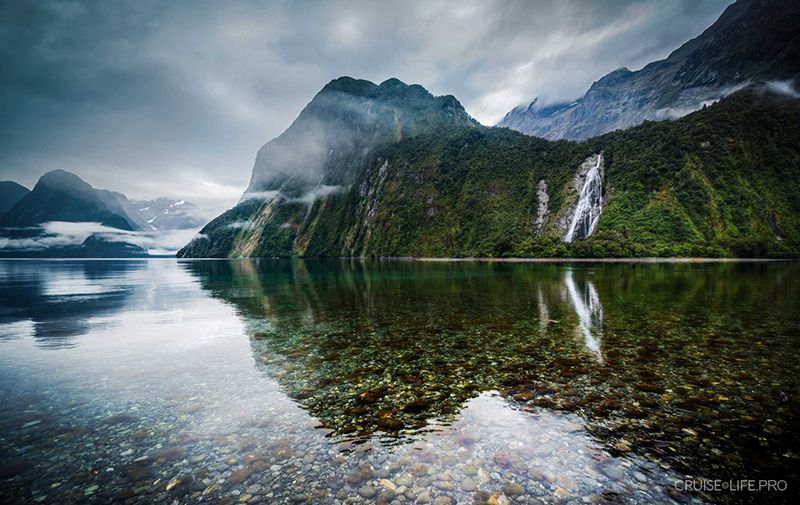
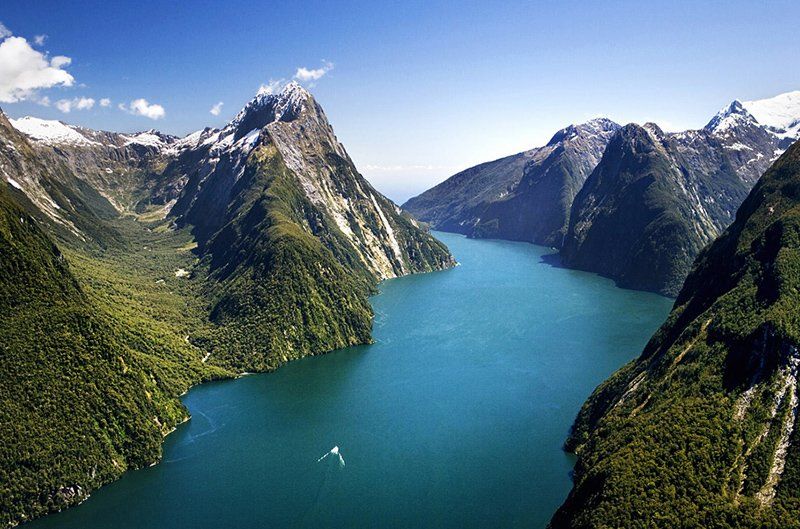
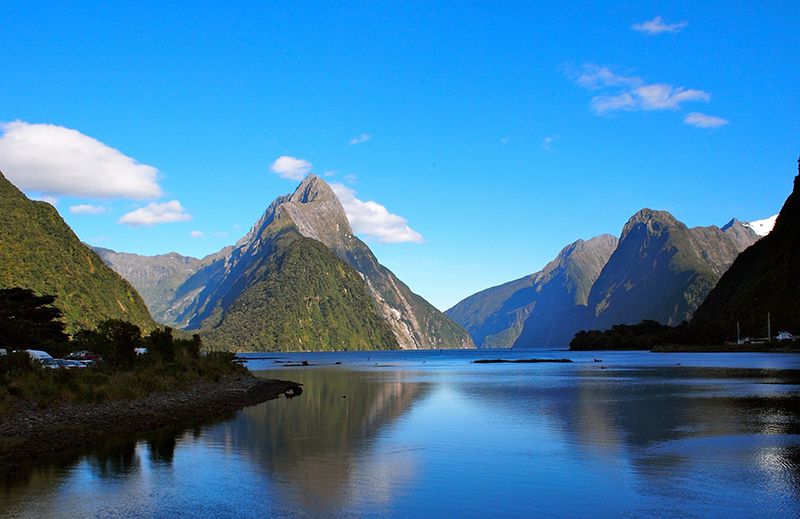
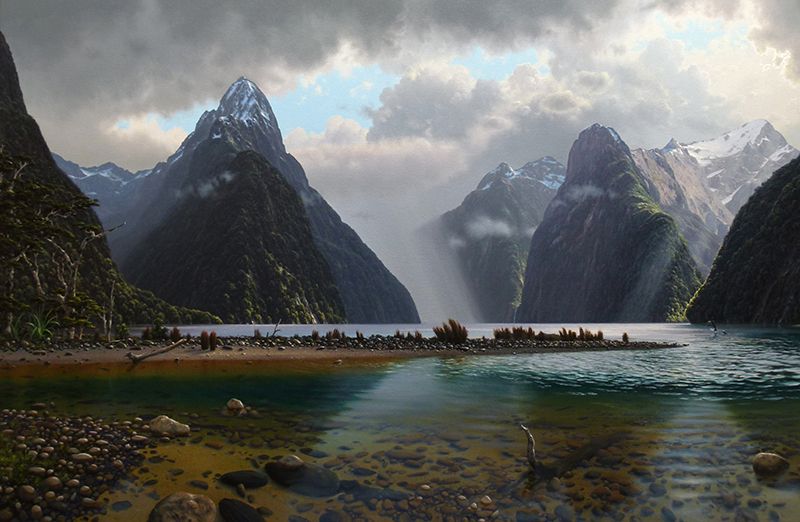
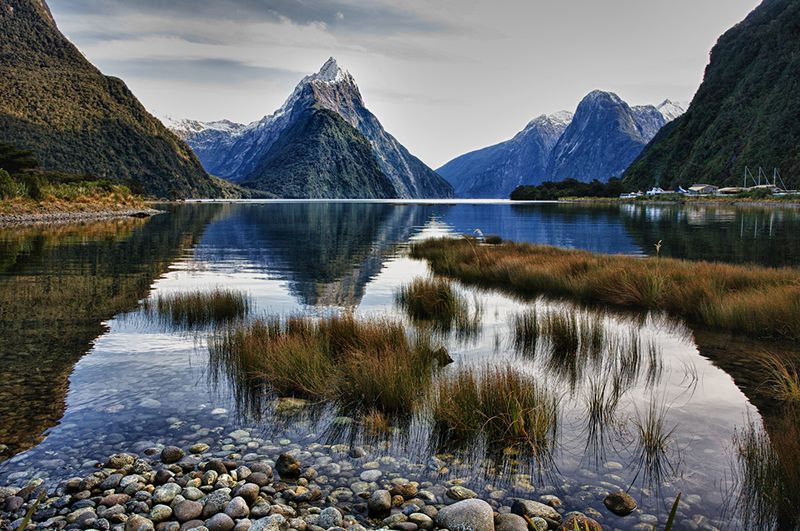
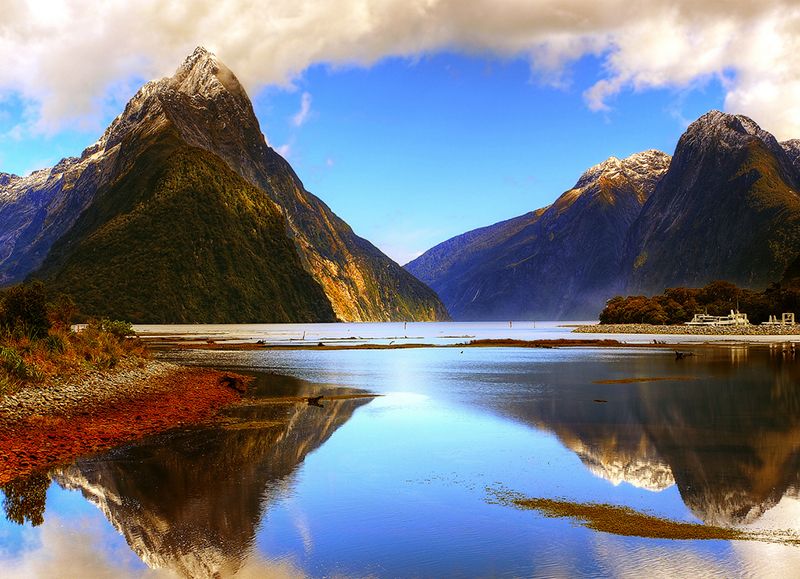
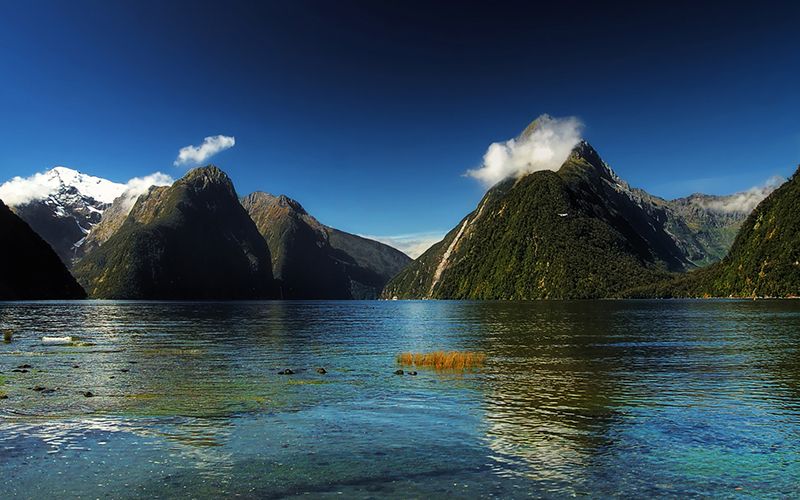
Milford Sound - a fjord in the south-western part of New Zealand’s South Island, within Fiordland National Park and the UNESCO World Heritage site Te Wahipounamu. It was called “the eighth wonder of the world” by Rudyard Kipling.
The formation of the bay began during the last Ice Age, when a glacier, moving toward the sea, gouged out a deep basin in the rocky ground. As a result of erosion caused by the movement of glaciers, a basin was formed. 10,000 years ago, the glacier retreated, and the Tasman Sea flooded the resulting valley, forming the modern Milford Sound.
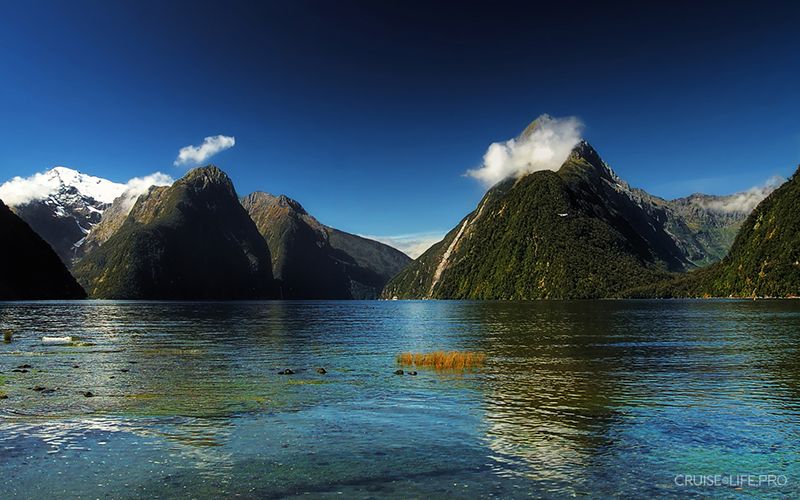
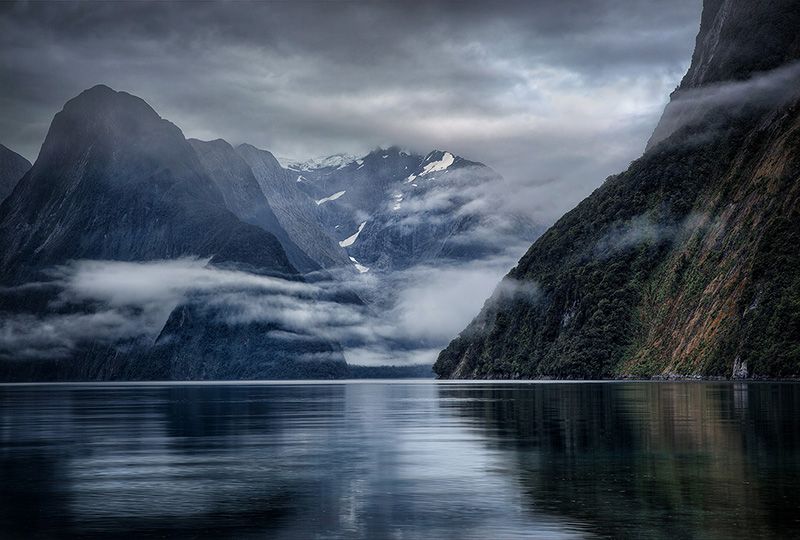
The bay, surrounded by mountainous terrain with peaks reaching 1200 m, stretches 19 km from the point where it meets the Tasman Sea further into the South Island. Milford Sound is 3 km wide and has a maximum depth of 512 m. Several rivers flow into the bay, the largest of which are the Arthur and the Cleddau. The coastline is covered with dense forests. Black corals are especially well known-they can be seen in the underwater observatory at a depth of 10.4 m.
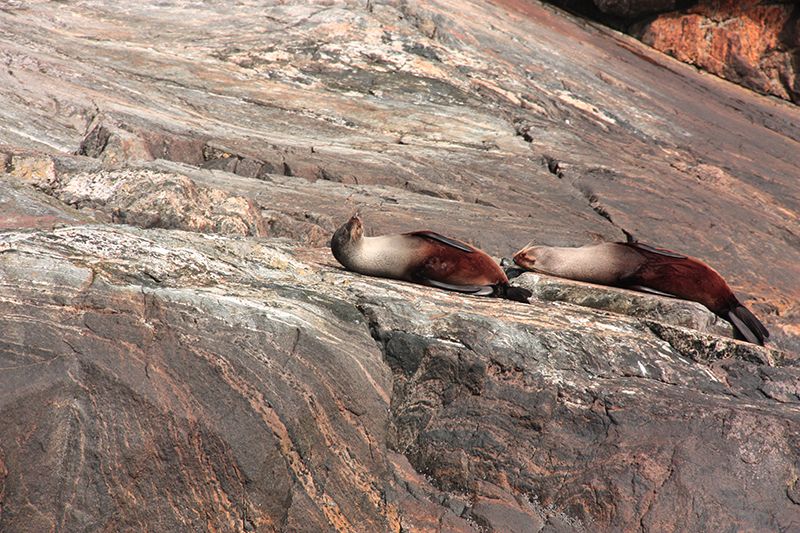
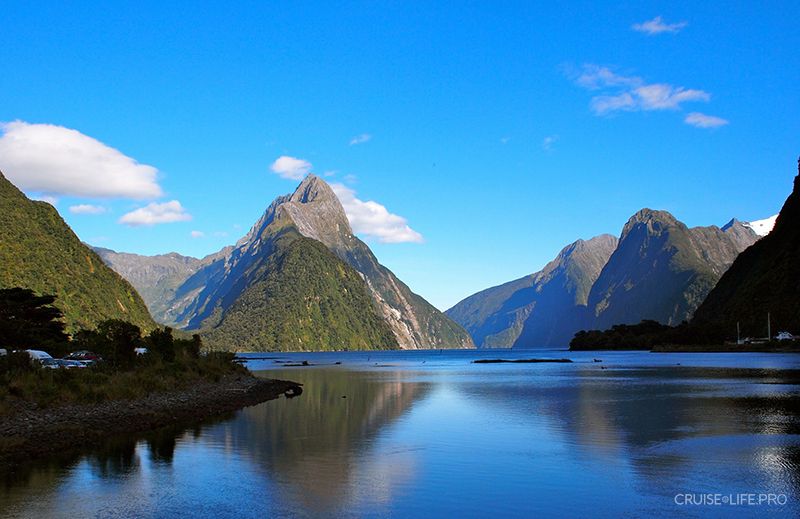
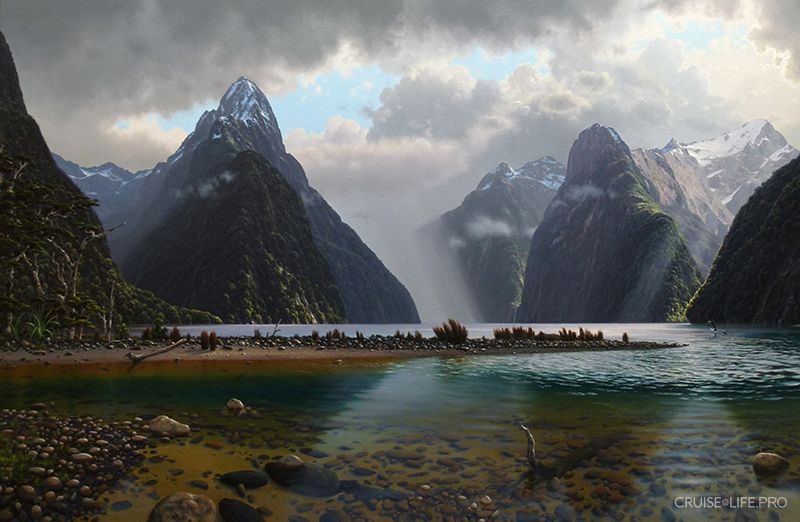
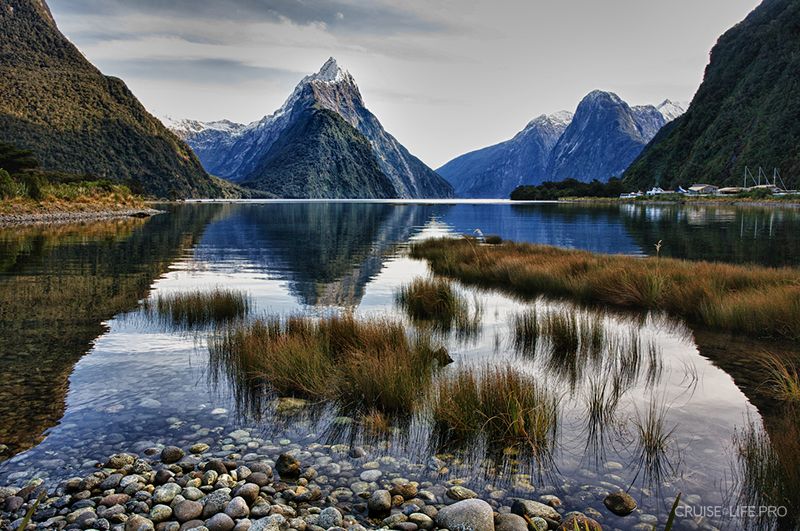
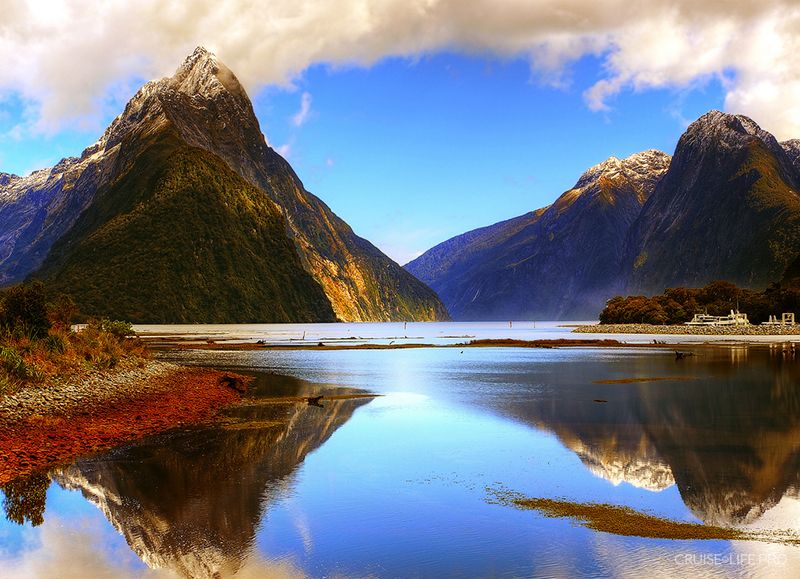
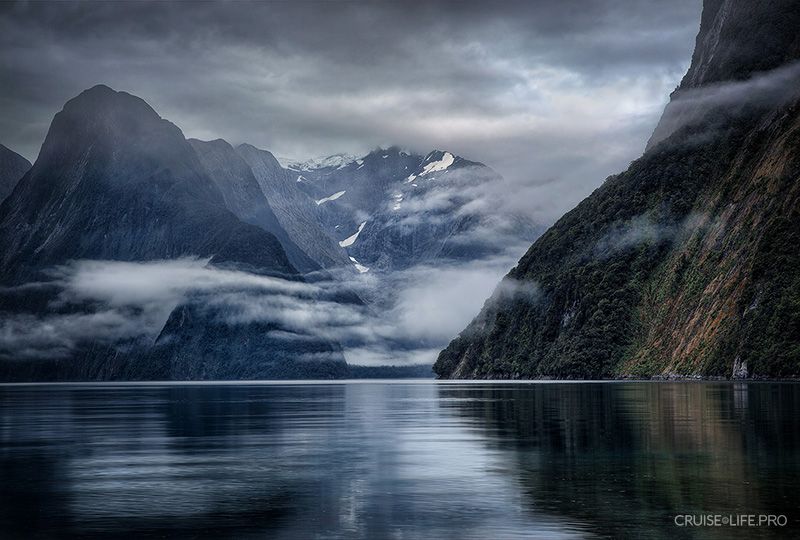
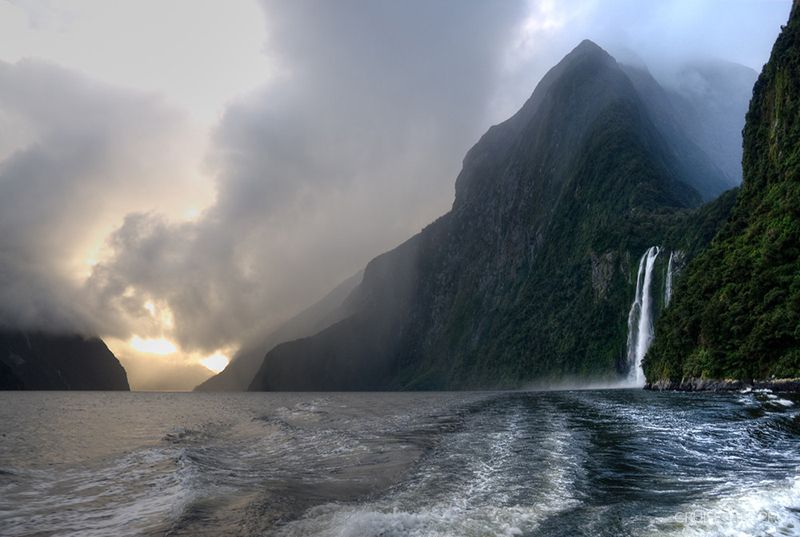
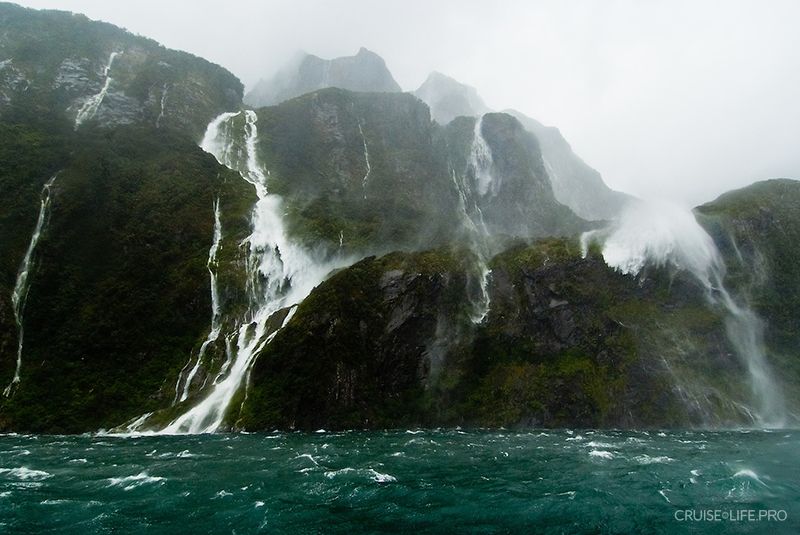
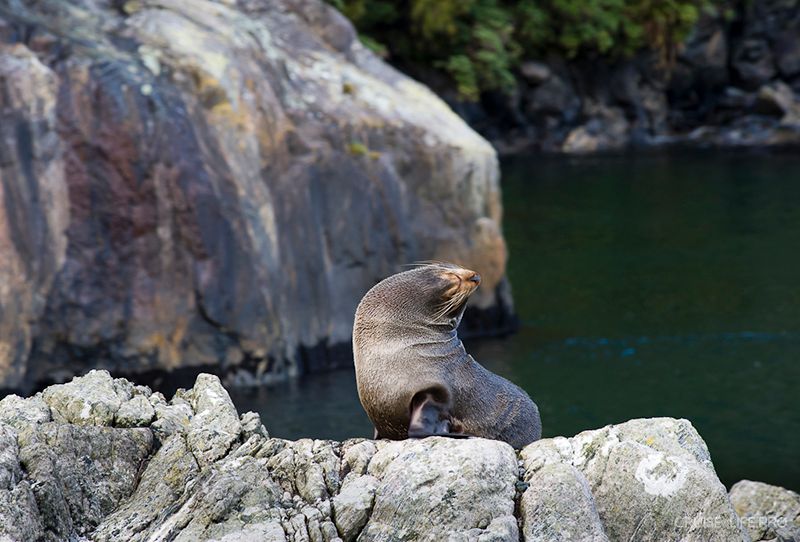
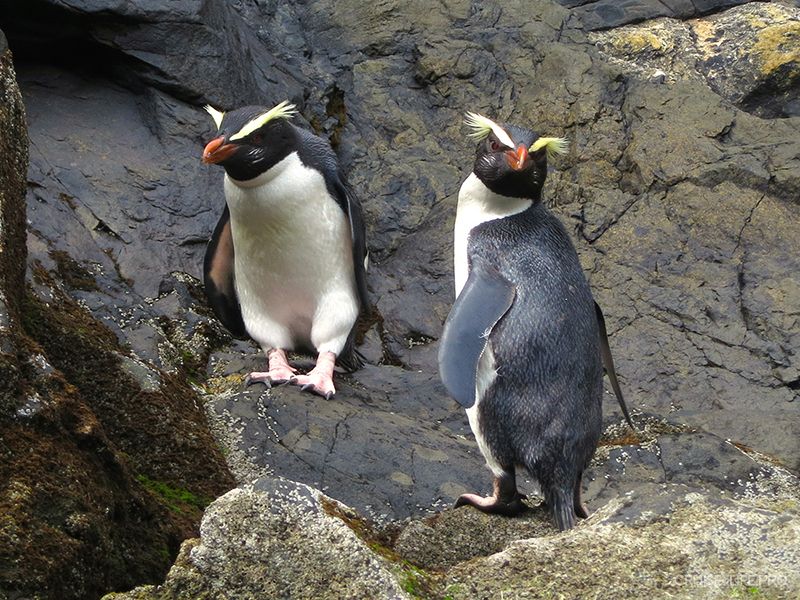
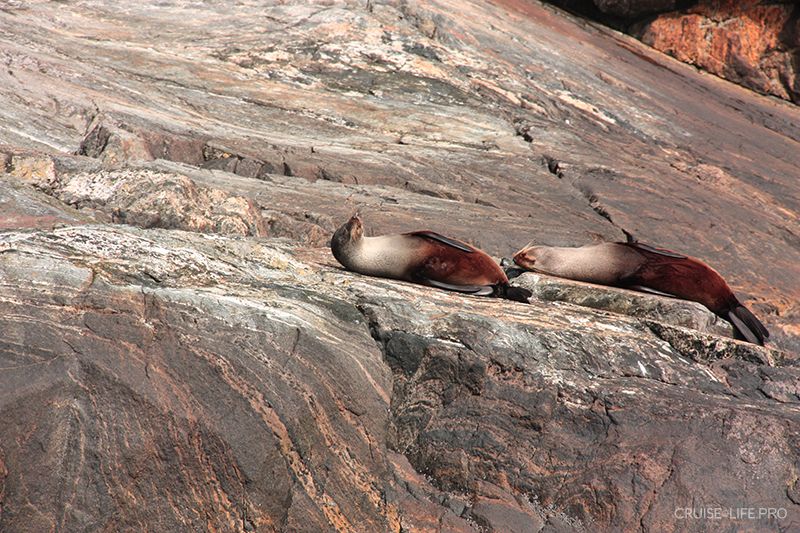
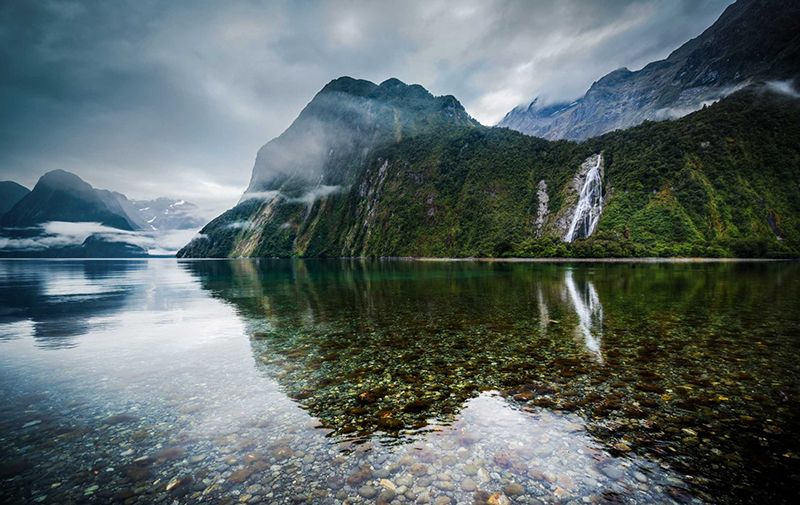
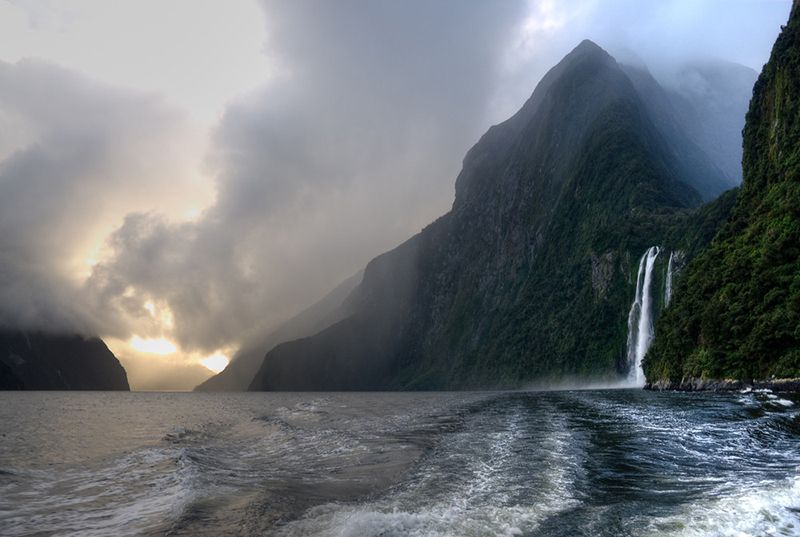
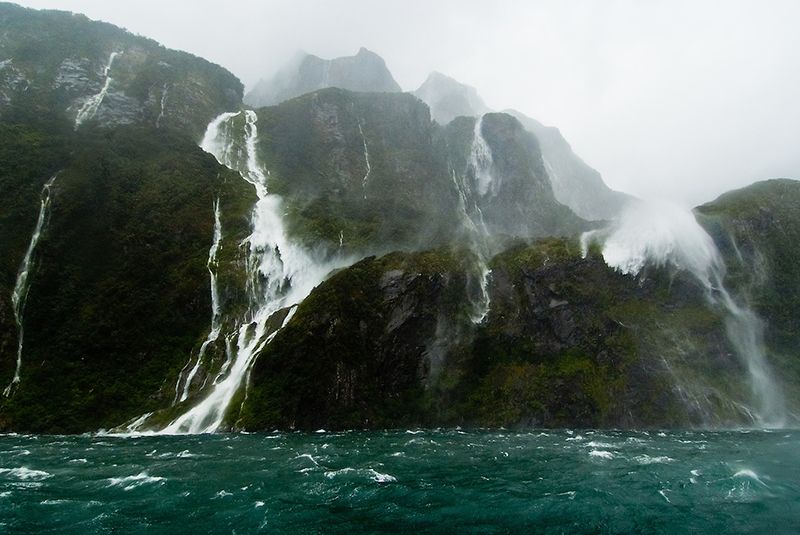
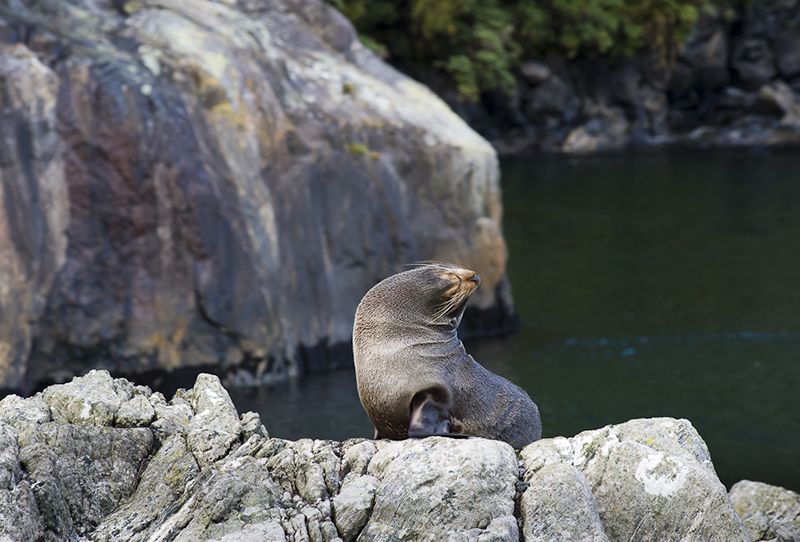
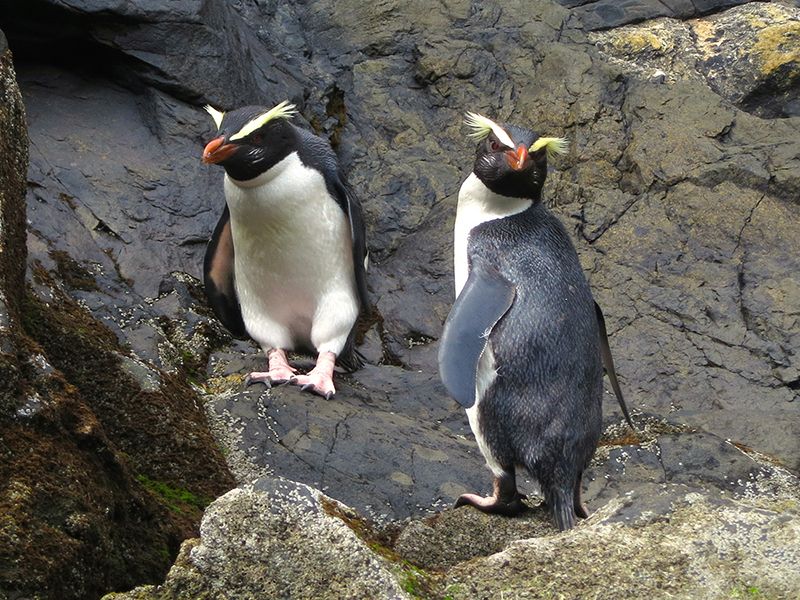
Milford Sound has become one of New Zealand’s most popular tourist destinations, despite its initial inaccessibility; already by 1914. At the far end of the sound, Mount Mitre rises to 1692 m, named for its shape, which resembles the headdress of a Catholic bishop-its reflection is mirrored in crystal-clear water. Large and small waterfalls cascade down from granite cliffs: the result of the abundant rains that have recently fallen. Around Milford Sound, you can find no fewer than a thousand of the most diverse waterfalls. This picturesque place is made especially beautiful by the constantly changing light, passing clouds, shifting rays of sunlight, sudden rains, and unexpected rainbows. The waters of Milford Sound are home to many seals, penguins, and dolphins.
ClimateThe climate here is cool and temperate. The average annual precipitation in Milford Sound is 6813 mm, making it one of the wettest inhabited places not only in New Zealand, but in the entire world. The average annual temperature ranges from +10 °C. The coldest month is July, and the warmest months are January and February.
-
-
-
-
-
-
-
-
-
-
-
-
-