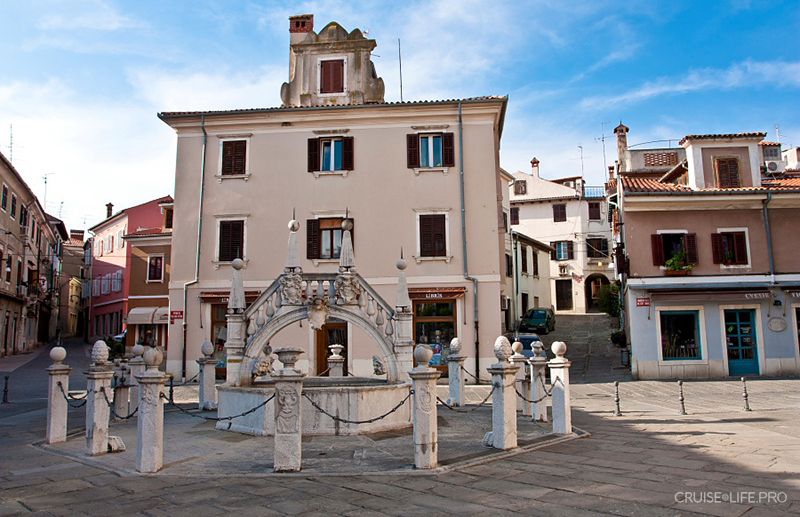

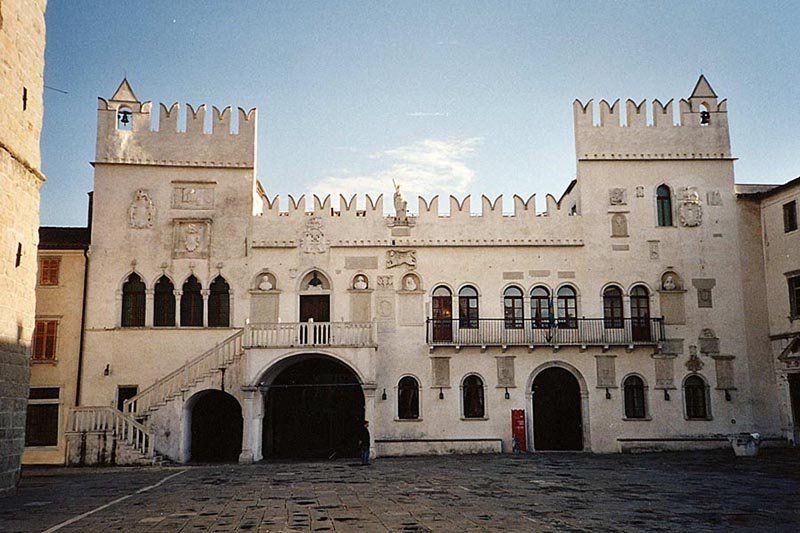
Pretorium Palace
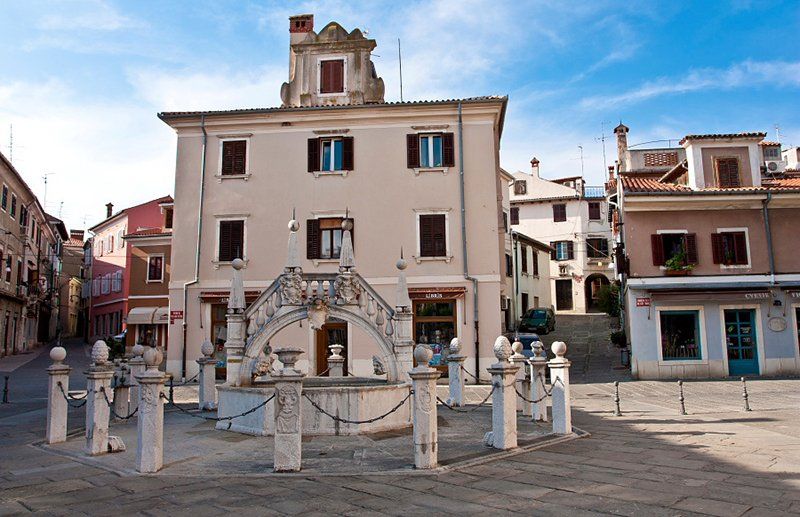
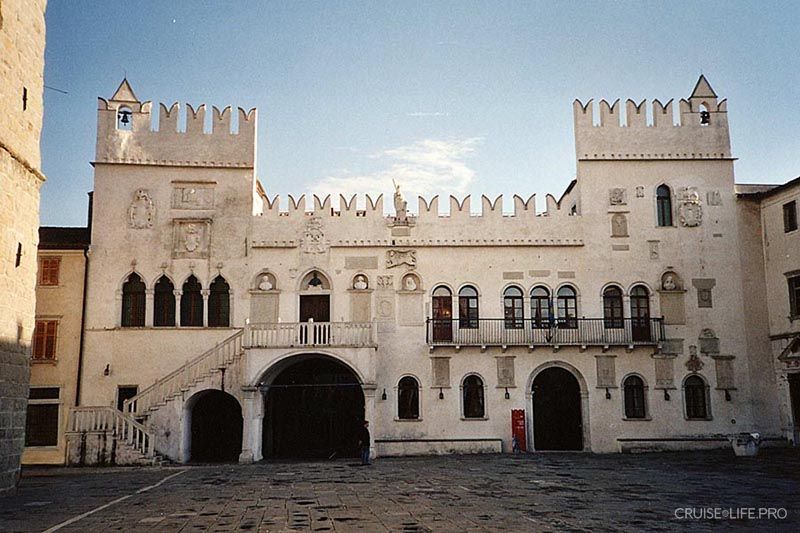
A multi-storey palace with an external staircase run and two wings, resembling towers in their appearance, is the most significant secular building in the city. The building’s façade in the late Gothic style and the unique décor of its interior rooms place the palace among the best examples of secular architecture in Slovenia from that period. The palace was built from two ancient houses in the mid-13th century. In the second half of the 13th century, the houses were connected by a loggia and then rebuilt several times, so that the final version of the structure differed in style as Venetian Gothic. Between the two tower-like wings, there is a powerful façade with a large amount of, a staircase run, and a balcony located above the arch.
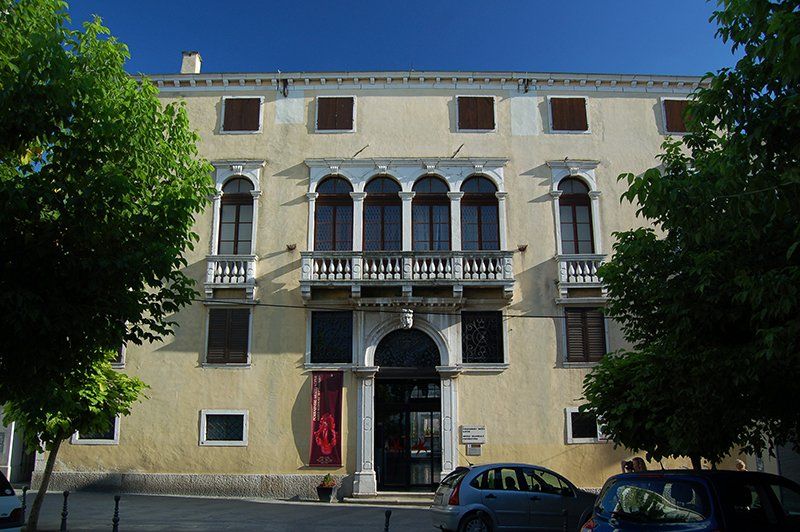
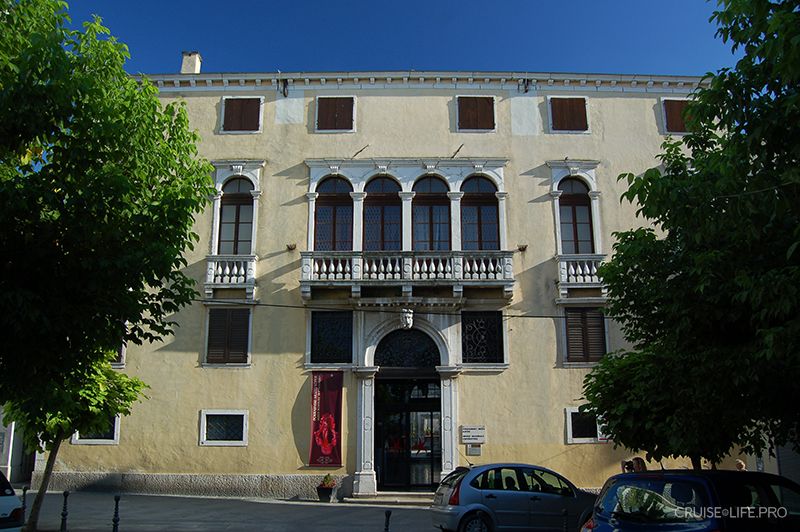
Belgramoni-Tacco Palace
Belgramoni-Tacco Palace was built in the 17th century and is considered one of the most beautiful Baroque palaces in Koper. After the First World War, a city museum of history and art was located here. Today, it houses a regional museum whose collection is devoted to the valuable cultural heritage of North Istria from the earliest times to the present day. The palace’s name is two-part because, at one time, the palace was lost in a game of chance by a member of the Belgramoni family and passed into the ownership of the Tacco family. After the last member of the Tacco family died without leaving an heir, the building began to be used by the municipality for cultural events.
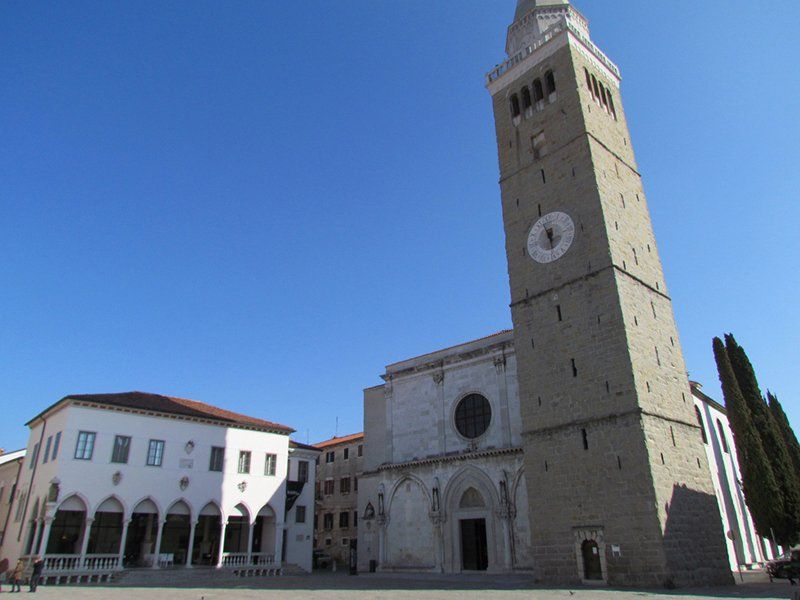
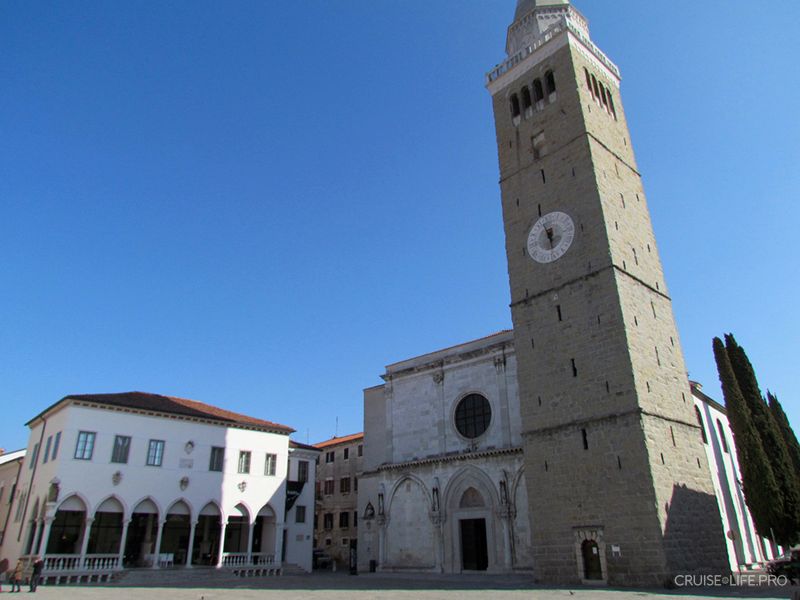
City bell tower
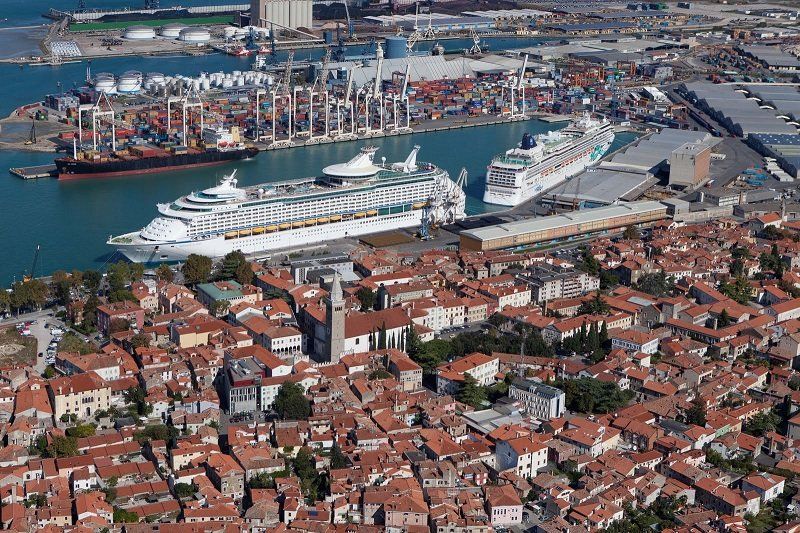
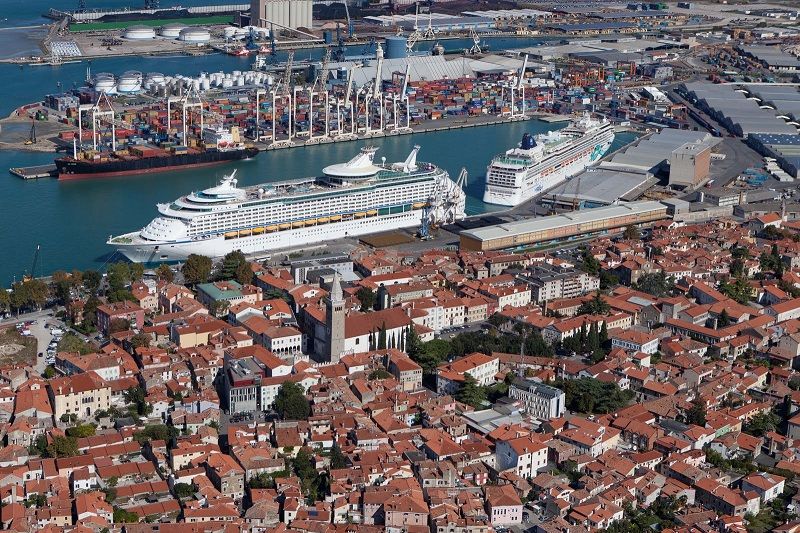
If you climb a flight of stairs with 204 steps, you can enjoy a magnificent view of the city and its surroundings from the top of the bell tower. The total height of the tower is 54 meters, and the viewing platform is located at a height of 43 meters. Once, the bell tower was part of the Roman fortification structures. In the 15th-17th centuries, the tower was rebuilt into a bell tower used for liturgical processions.
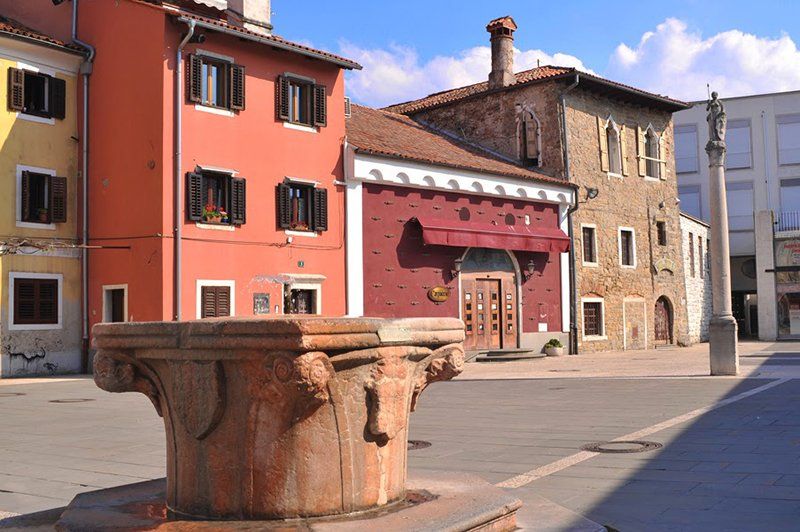
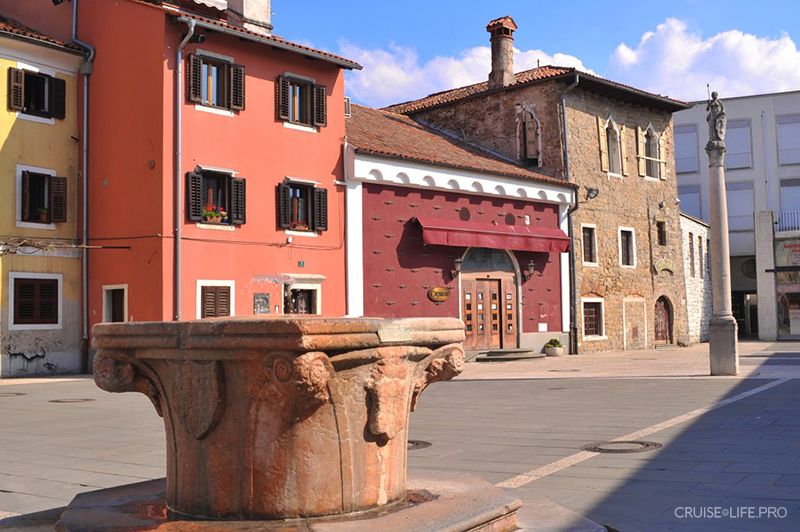
Carpaccio Mansion
Legend has it that a famous Venetian artist, Vittore Carpaccio, once lived here, but in reality, only his son Benedetto lived here in the first half of the 16th century. The Carpaccio mansion is an exceptionally beautiful example of 14th-century Gothic architecture. The building’s current appearance was shaped during restoration works in 1935 and 1955.