Kizhi, Russia

Port of call

Kizhi, Russia

Description — Kizhi, Russia

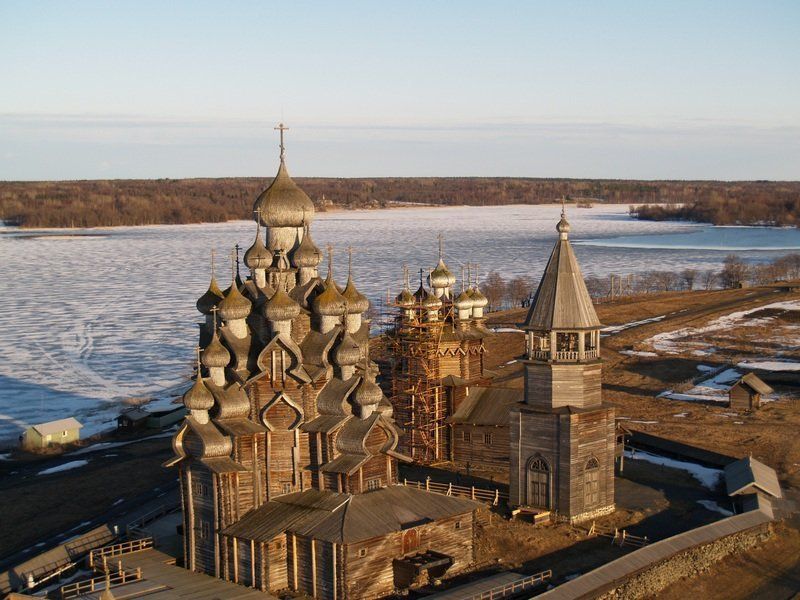
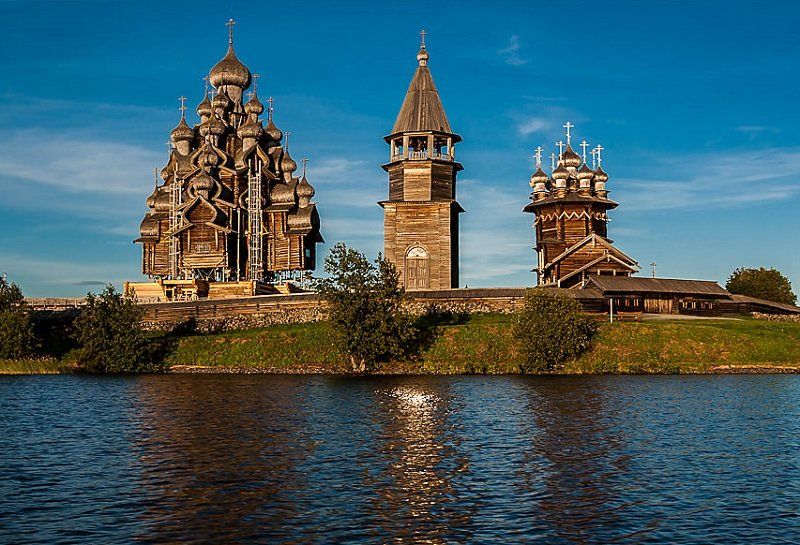
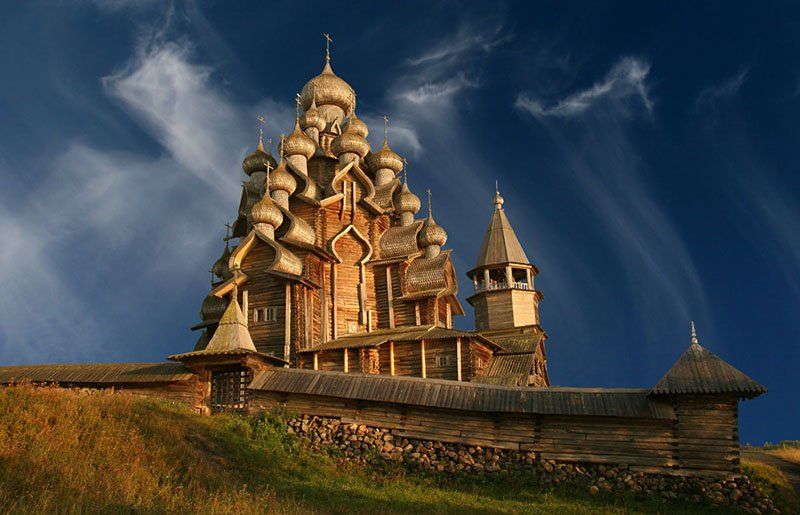
Kizhi is a world-famous architectural ensemble located on the island of Kizhi in Lake Onega. It consists of two churches and a bell tower of the 18th-19th centuries, surrounded by a single fence- a reconstruction of the traditional fences of pogosts (historic parish church grounds). In 1990, the Kizhi Pogost was included in the UNESCO World Heritage List. In 1993, by decree of the President of the Russian Federation, the architectural collection of the open-air museum was added to the State Register of especially valuable cultural heritage sites of the peoples of the Russian Federation. All churches located on the territory of the museum-reserve “Kizhi” are part of the Spaso-Kizhi Patriarchal Compound.

”...Kizhi is a time capsule that takes us to Russia’s past“

”...The island is truly unique!“

”...The highlight of my trip across Russia“

”...Peace on Earth!“

”...Kizhi is the soul of Karelia“

”...No nails and 22 domes“

It is precisely these impressions of a visit to the island of Kizhi that tourists from Belgium, Canada, Australia, Finland, the USA and other foreign countries have shared. Let’s be honest-it's pleasant to know that you have a unique opportunity to enjoy all the splendor of the architecture, nature, and everyday life of Northern Russia without leaving the country, by visiting the island of Kizhi near the capital of Karelia-Petrozavodsk.

Climate

The climate of the Kizhi island is determined by its location in the waters of Lake Onega. It is transitional from a maritime to a moderately continental climate.

Winter is characterized by many overcast days and winds. The second half of winter is fairly cold; snowstorms and blizzards are not uncommon. The average temperature is -13°C. The coldest month is February. The recorded minimum temperature is -42°C (Petrozavodsk). Spring begins in March and lasts until the end of May. Weather during this time is unstable; thaws alternate with frosts. Fog is also common. Summer arrives in June and lasts until mid-August. Thunderstorms are frequent during this period. The average temperature is +18°C. The maximum recorded temperature is +34°C.

From the second half of August, autumn begins and continues until the end of October. This is the season of rains and heavy fog.

Location on the map

Sights

Church of the Transfiguration of the Lord

Church of the Transfiguration of the Lord

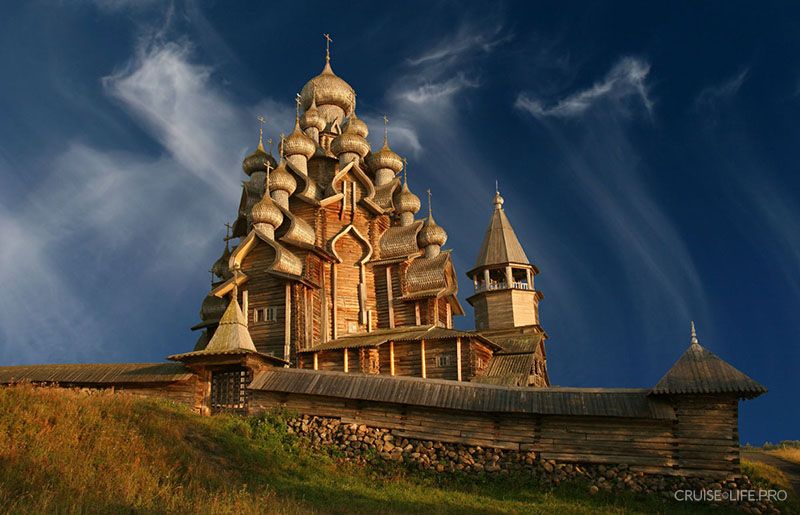
The main “highlight” of the Church of the Transfiguration is the ring of choir that encircles it, made up of twenty-two differently sized domes-these are what create the instantly recognizable look of Kizhi worldwide. Legend credits the authorship of the Church of the Transfiguration to a certain master, Nestor, who, after building it, threw his axe into the waters of Lake Onega with the words “Never was, never will be.” Another common myth says that the Church of the Transfiguration was erected without a single nail. There is some truth to this: the church’s log structure indeed has no nails-nails were used only in the famous domes. Thanks to the properties of aspen, depending on the lighting, the “scaly” domes can turn silvery, steel-gray, and even pink.
Chapel of Archangel Michael

Chapel of Archangel Michael

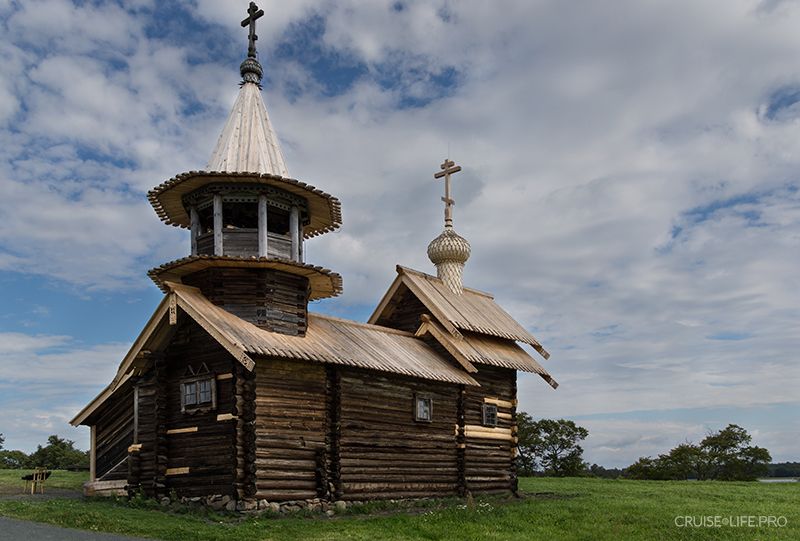
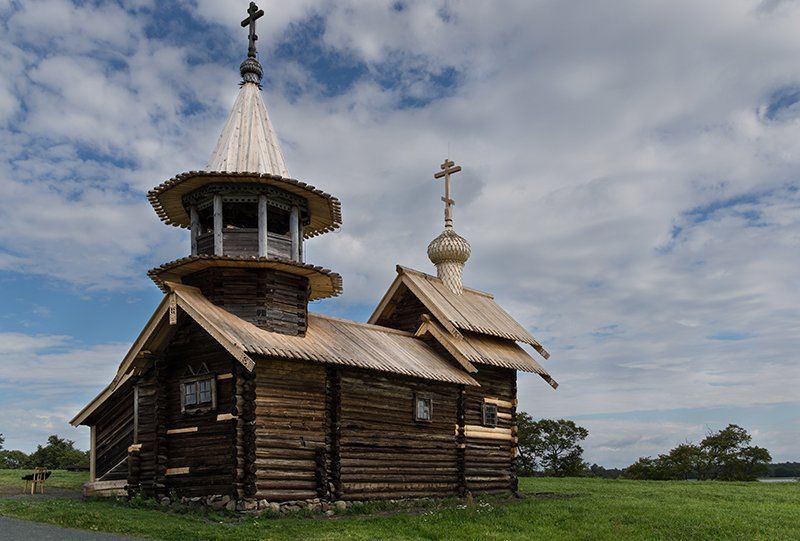
A chapel of Archangel Michael appeared at the end of the 17th century in the village of Lelikozero, of the Spaso-Kizhi parish, and in 1961 it was moved to Kizhi Island. This is not just an ordinary place of worship from a small northern village: the creators of the chapel clearly tried to make it not only functionally suitable, but also externally attractive and elegant. Inside the chapel of Archangel Michael, the iconostasis and a painted ceiling covering-so-called “the sky,” which is quite common in the Russian North-have miraculously been preserved. Unique ceiling icons, like the iconostasis, are contemporaries of the chapel itself. You will also be drawn to the bell tower here, because it is in the chapel of Archangel Michael that tourists are shown the sound of the bells.
Church of the Resurrection of Lazarus

Church of the Resurrection of Lazarus

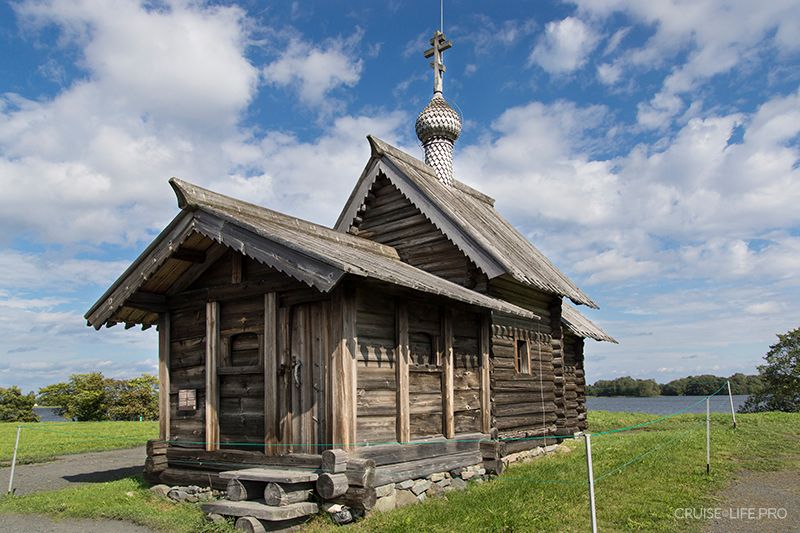
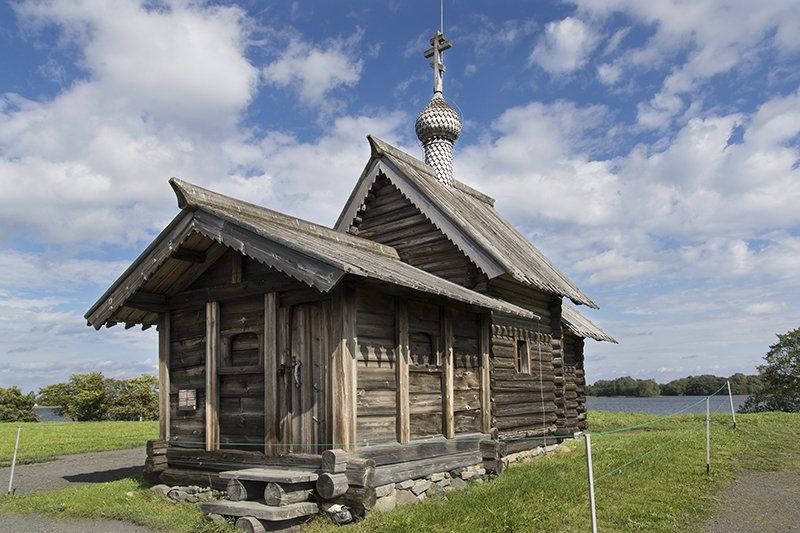
Church of the Resurrection of Lazarus - the oldest of the surviving wooden churches and one of the most revered shrines of the Russian North. The church is over six centuries old. Founded in the second half of the 14th century as part of the Murom Monastery, the Church of the Resurrection of Lazarus has witnessed many fateful moments for our country, survived the period of the monastery’s flourishing, the agricultural workers’ commune, and complete neglect, until it was transported to Kizhi Island in the middle of the last century. According to tradition, it was built by Saint Lazarus of Murom, a revered holy man, and very quickly the church gained a reputation as a “miraculous healer of ailments.”
Church of the Intercession of the Mother of God

Church of the Intercession of the Mother of God

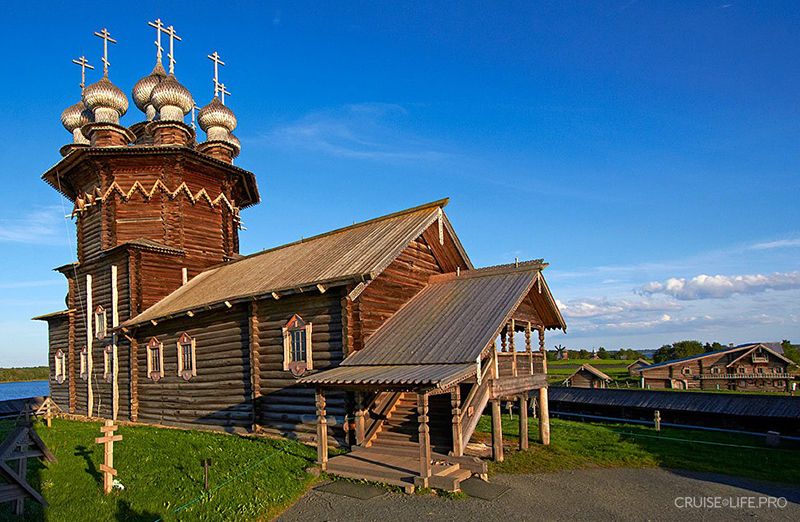
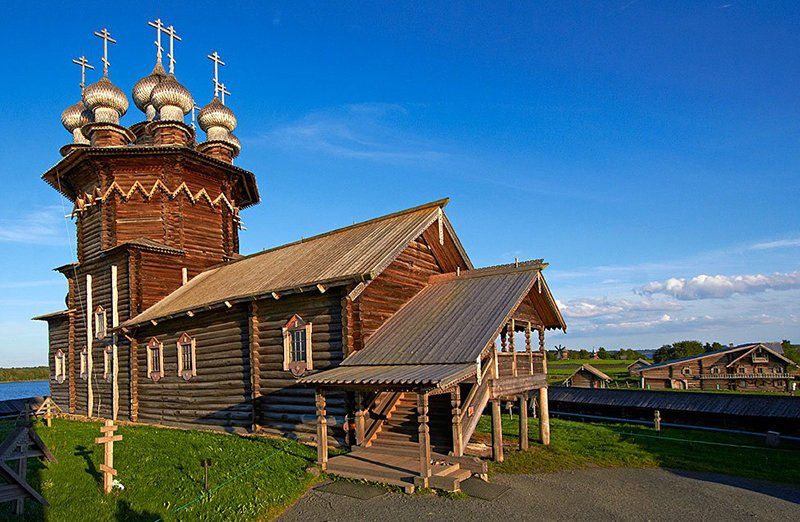
Church of the Intercession of the Mother of God is the only functioning church and the “architectural echo” of the Kizhi Pogost. For the creators of the Intercession Church, there was a challenging task: the new temple had to be no less perfect than the nearby beauty, the Church of the Transfiguration, but at the same time not overshadow it. And the architect managed it: for all its magnificence, the Intercession Church has a clearly subordinate character and echoes its famous neighbor. It is also many-domed-the “crown” of nine domes crowns it. So why were two churches built side by side? The answer is simple: the Transfiguration Church is a summer, unheated church, while the Intercession Church is a winter, warm one. The creators of the latter had to think about preserving heat, so the Intercession Church is lower and smaller.
Windmill

Windmill

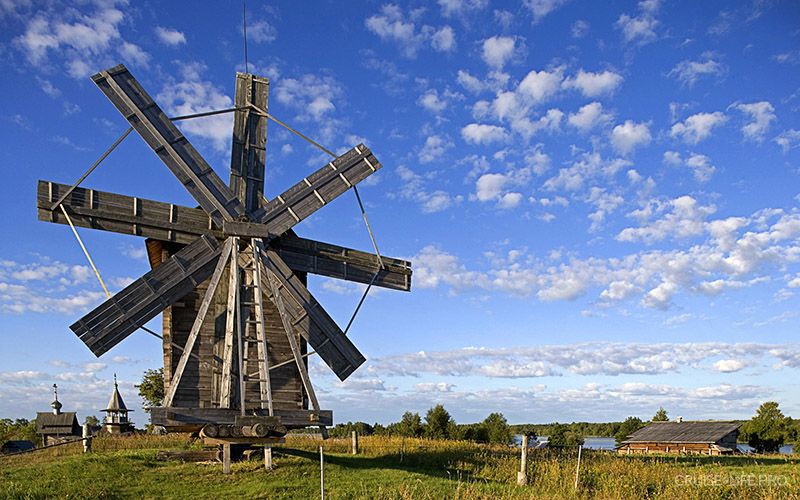
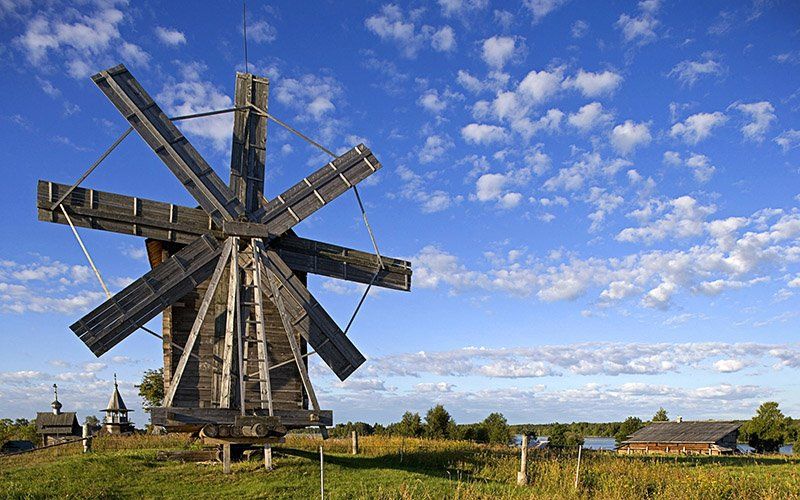
It’s hard not to notice this eight-winged beauty on the island - it acts like a magnet, attracting the youngest visitors to the Kizhi Museum-Reserve, most of whom had previously seen wooden windmills only in pictures in books. Despite its fairy-tale appearance, the windmill is one of the newest exhibits in the Kizhi collection - it was built in 1928. By the way, even today it not only helps create the legendary atmosphere of Kizhi, but can also be used for its original purpose. The windmill is by no means the only outbuilding in Kizhi (nearby there are racks, barns, and bathhouses), but, perhaps, it is the most popular and most photogenic object.
What to see

Oshevnev House

Oshevnev House

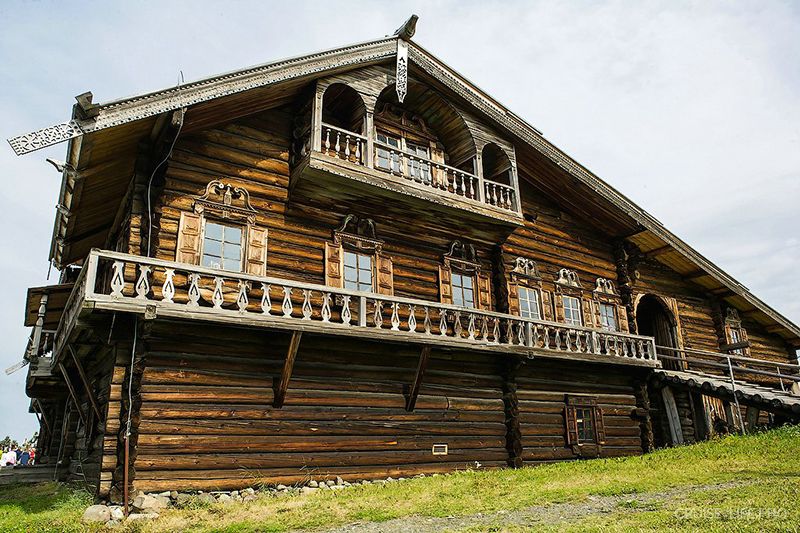
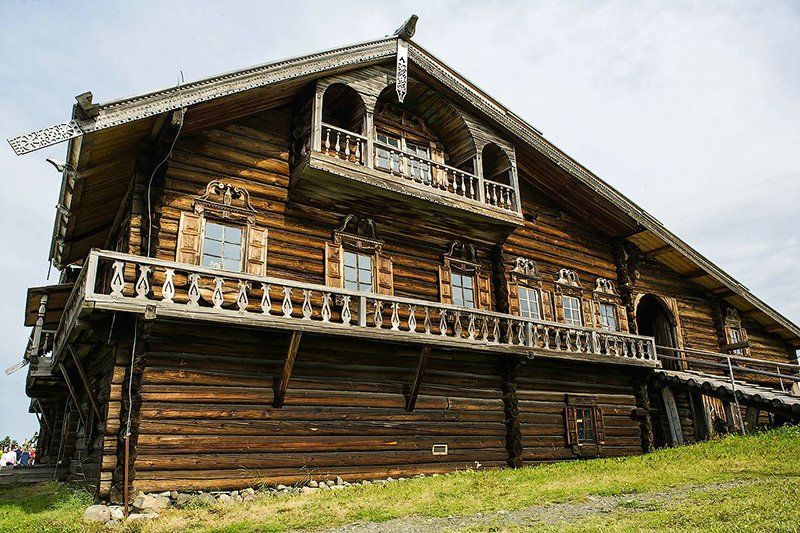
Osheven’s House is an unusual house-complex that invites you to immerse yourself in the life of a prosperous peasant of the 19th century. Built by the peasant family of Osheven in 1876, this house showcases the distinctive type of building typical of the Russian North (and unusual for the rest of Russia) that combines residential and farm structures. This is a so-called “house-wallet,” or a house-complex, where household members did not need to go out into the street to take care of their chores: under one roof there were both the izba (peasant cottage) and the barns and sheds. Be sure to visit the demonstration of traditional peasant crafts of Zaonezhye, organized by the staff of the Kizhi Museum-Reserve at Osheven’s House: here you will learn, for example, how beaded cord necklaces are made or how aspen shingles are crafted.

Yamka Village

Yamka Village

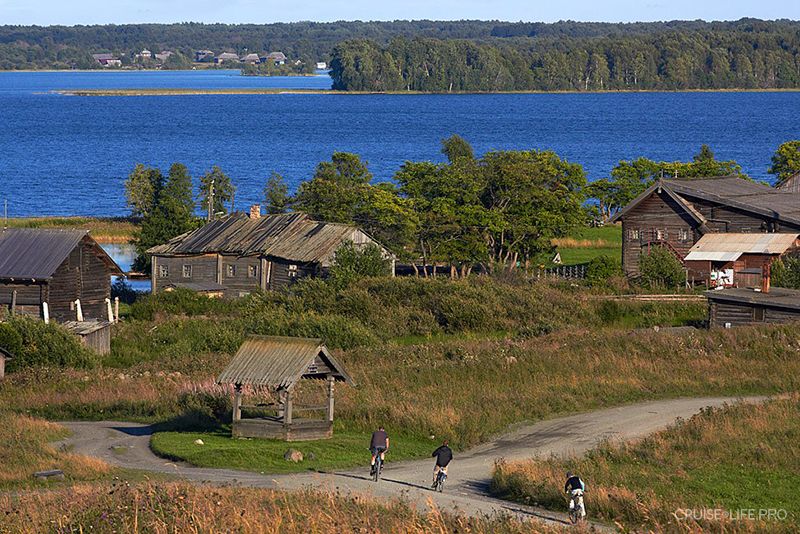
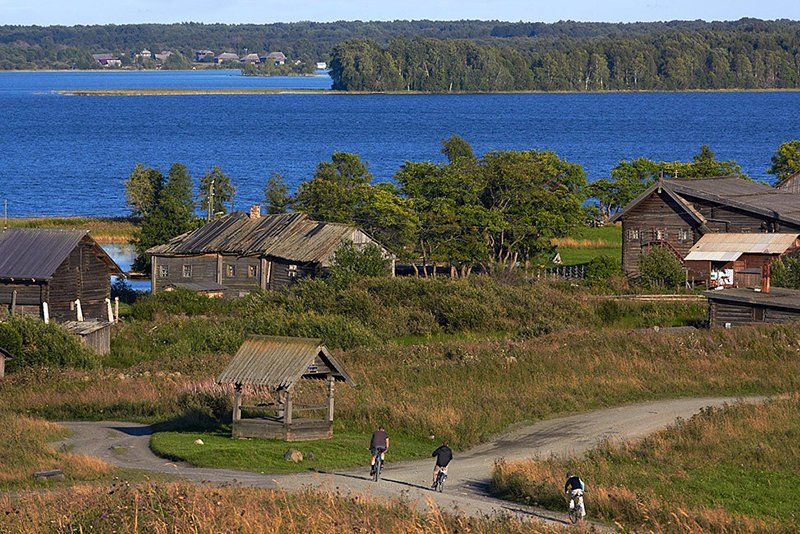
Yamka Village is one of the two historical villages on Kizhi Island that have survived to our day. In the past, there were as many as 14 villages on this small island. One of them was Yamka. The village gradually lost its population until it became a museum exhibit. In addition to the “indigenous” houses, numerous residential and farm buildings were brought here from various villages of Zaonezhye, including barns, threshing sheds, stables, blacksmith shops, and mills. Together, they create a one-of-a-kind look that is typical of a Zaonezhye village. The uniqueness of this museum collection is that its buildings are not preserved as static ethnographic exhibits, but are used for their intended purpose. People live in the houses here.

Recommended excursions

Kizhi Island Museum

Kizhi Island Museum

On January 1, 1966, based on the architectural ensemble of the Kizhi Pogost, the State Historical and Architectural Museum “Kizhi” was established. In addition to the existing buildings in their original locations, a large number of chapels, houses, and outbuildings were brought here from Zaonezhye and other regions of Karelia. The Russian North is rightfully called a treasure trove of wooden architecture. Nowhere else can you see such a scale of building imagination and such a wealth of forms. And when, from afar, a fairy-tale city-temple rises above the gray expanse of the northern waters, the legendary Kitezh comes to mind. This is architecture, and poetry, and music fused together. You can warm up and enjoy hot tea with pies in the “tea room-reading room,” where you will be introduced to the traditions of afternoon tea.

For a more detailed list of excursions and their prices, you can view them after booking the cruise in your “Client Personal Account.”