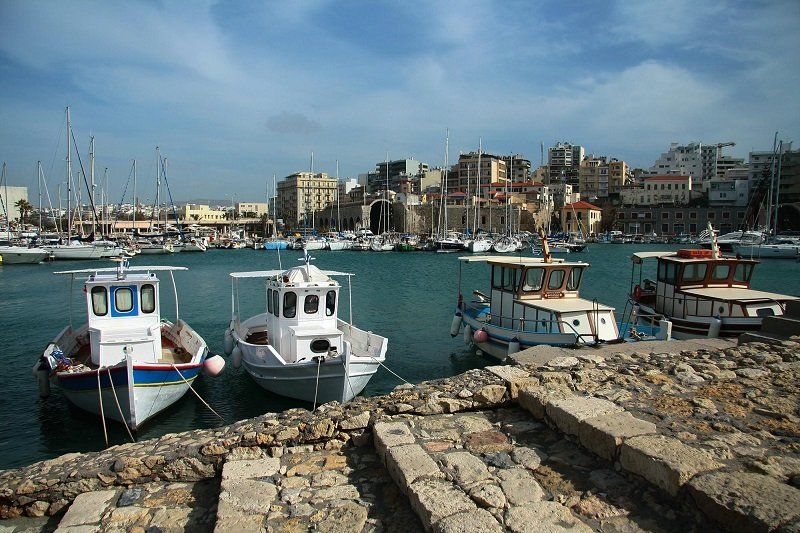
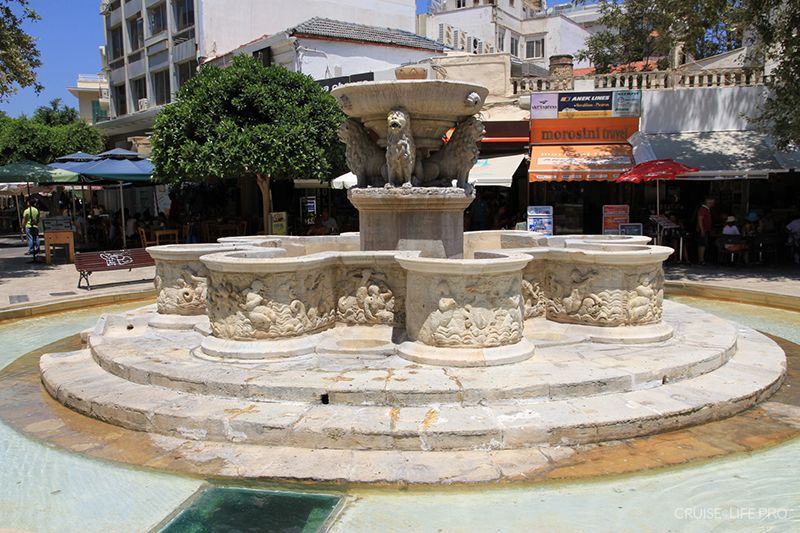
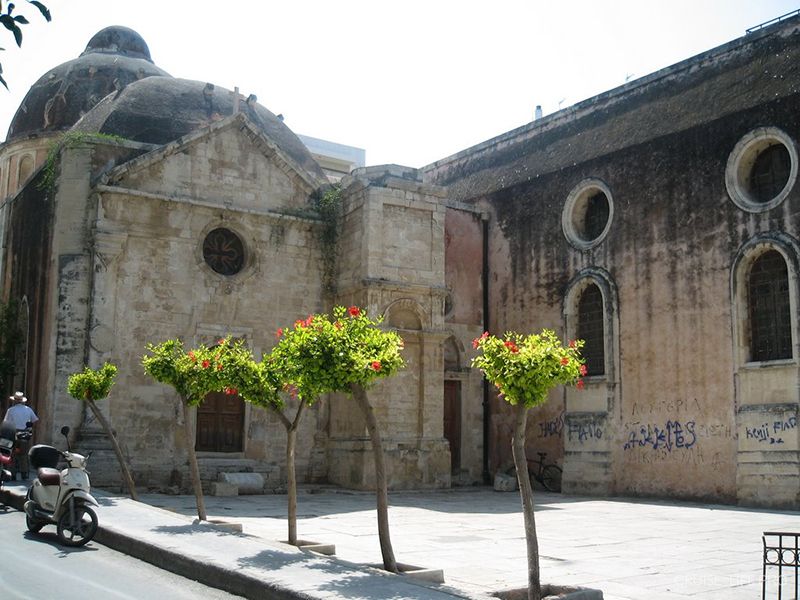
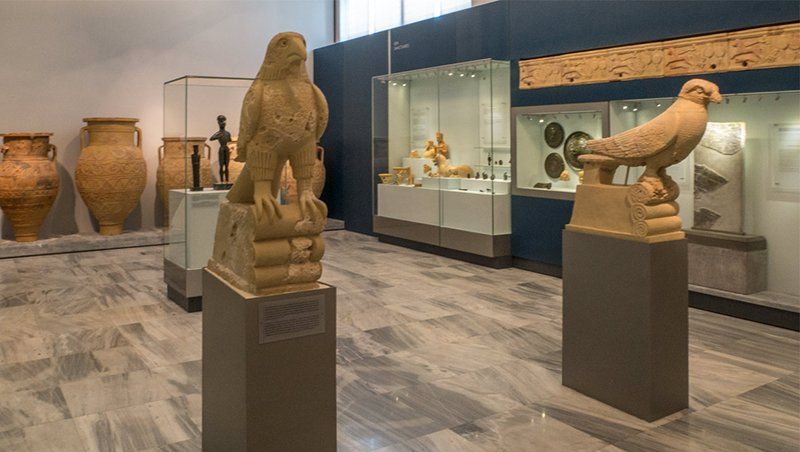
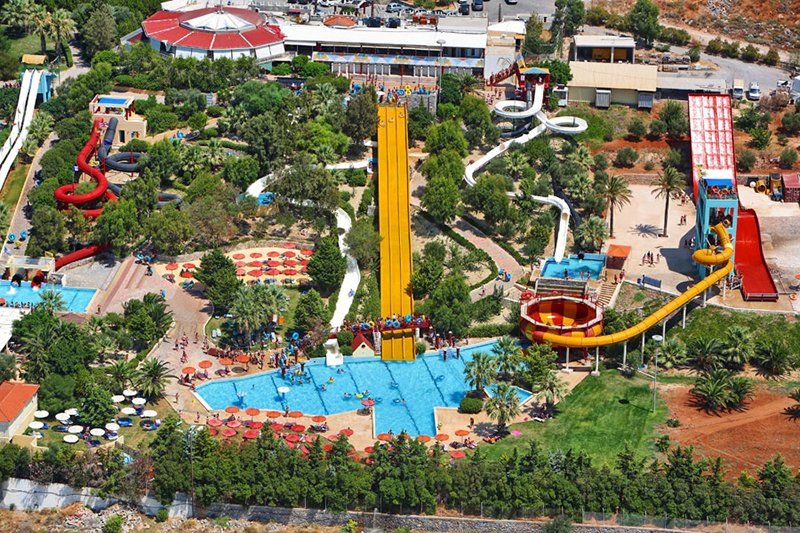
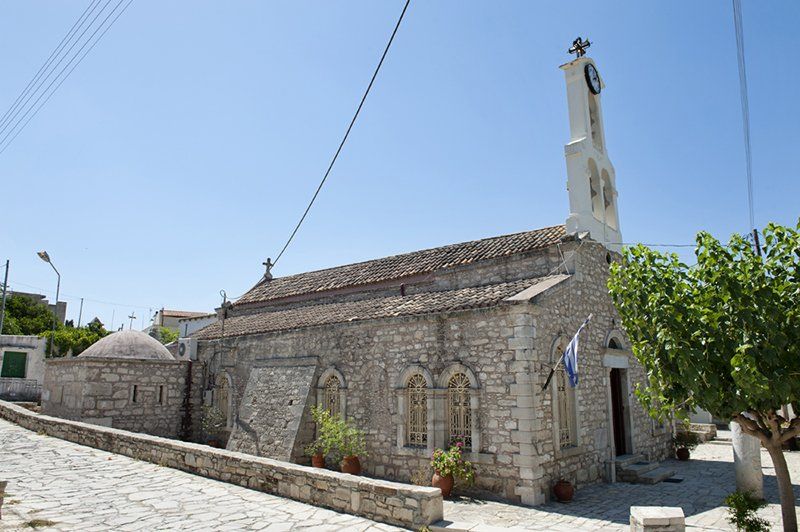
Heraklion is the historic capital of Crete, the jewel of the Cretan region. It is the commercial and tourist hub of an unforgettable island, with its own history and traditions. During the period of conquest, the Turks renamed the city of Heraklion to Chandakas; however, in the 19th century it was restored to its legendary name-Heraclea-later called Heraklion. It got its name in honor of the great hero Heracles, who performed his feat on this island. It is the largest city on Crete, holding a well-deserved first place with a population of over 120,000 people.
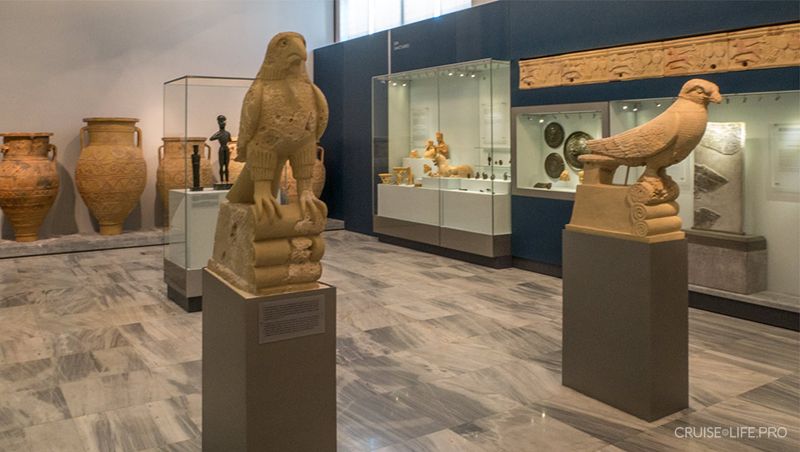
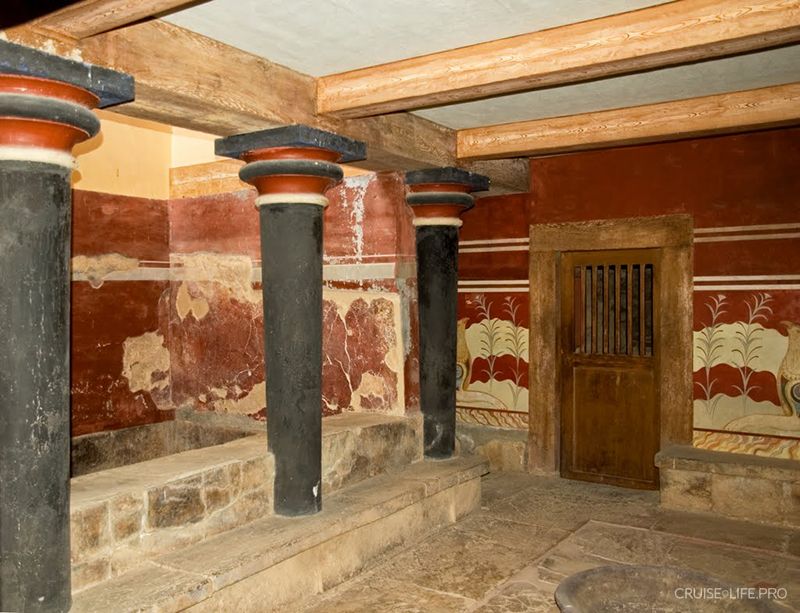
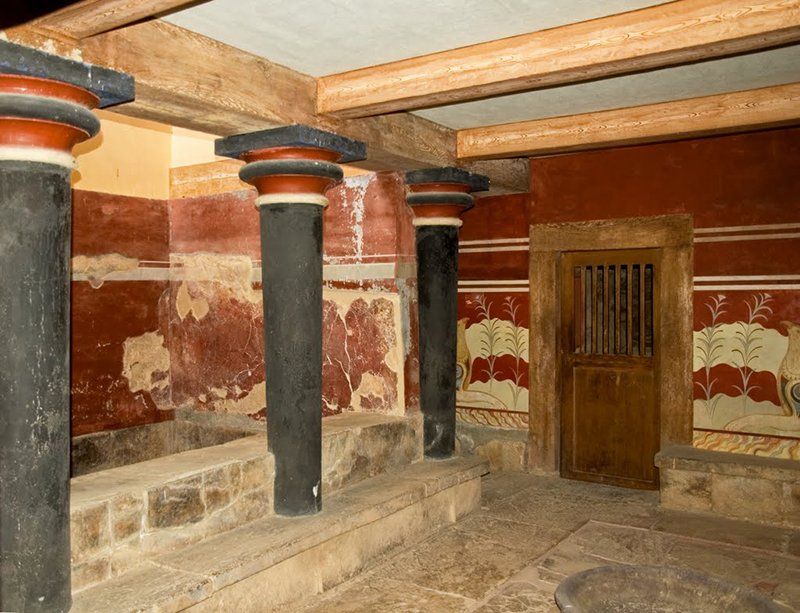
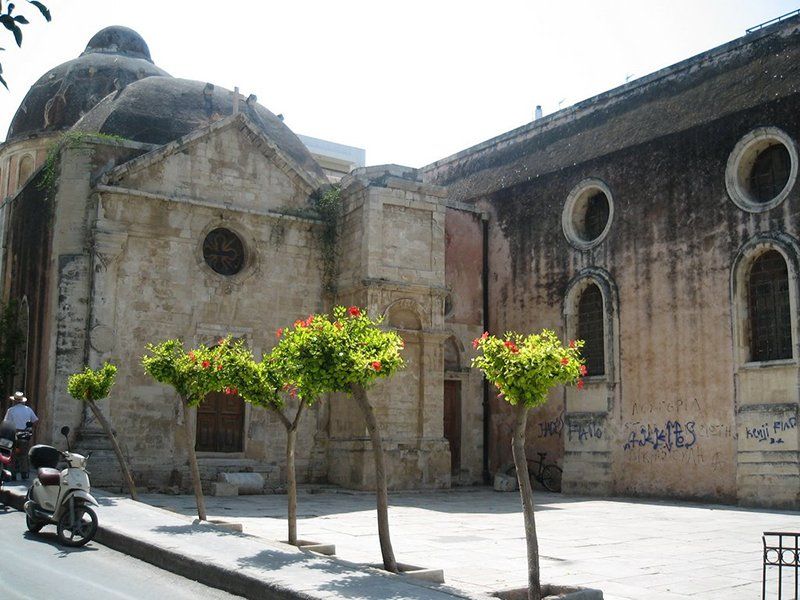
Growing up on the site of the port that served the ancient center of the Mycenaean civilization-Knossos-the city was subsequently heavily rebuilt by the Arabs, and then destroyed by the Byzantines, who also rebuilt it almost from scratch under the name Megalo-Kastro (“Great Fortress”). During the Venetian rule, the city grew significantly, gained numerous new fortifications, and was called Candia (Candia). This is still what it is often called, but the Cretans themselves prefer the ancient name Heraklion-meaning “city of Heracles.” In 1645, the Turks began the siege of the city, which lasted nearly a quarter of a century-an unimaginable length of time for the rapidly expanding Ottoman Empire of those days. In 1898, Crete won independence separately from mainland Greece; and, incidentally, only 15 years later it joined the country itself, with Heraklion becoming its main sea gateway.
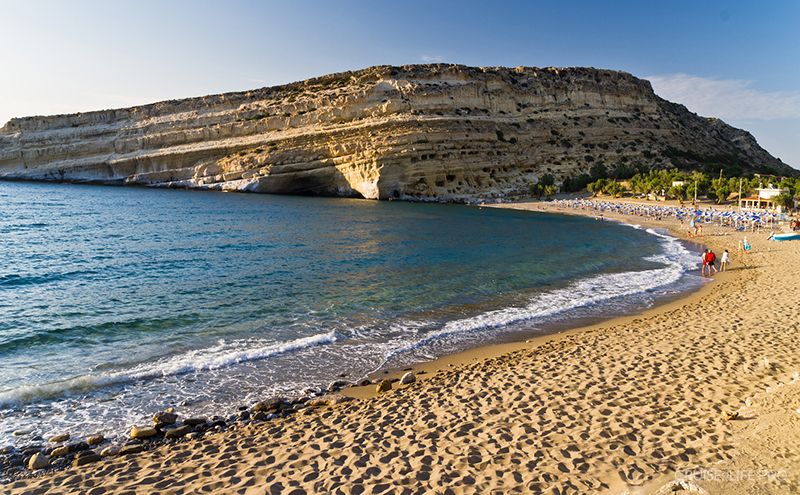
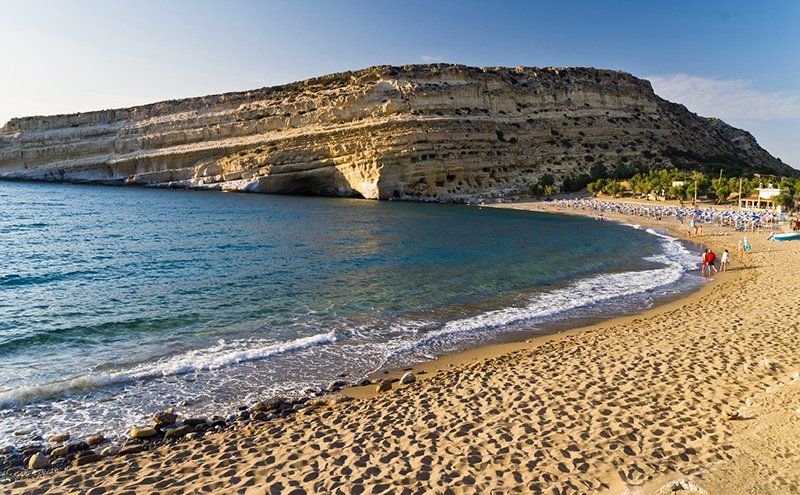
Only in 1971 did it become the island’s capital, and it immediately turned into one of the most popular tourist destinations in the country. This is hardly surprising-within the city and around it there is an enormous concentration of historical monuments, and the city itself serves as the island’s main gateway, having not only an excellent port but also a closely located (just 4 km east of the city limits) international airport, as well as a multitude of decent (by local standards) beaches.
Crete is the largest Greek island and the fifth-largest island in the Mediterranean Sea. It is located 110 km from Europe, 175 km from Asia, and 300 km from Africa. Geographically, it belongs to Europe. Crete is washed by three seas-on the north by the Cretan Sea, on the south by the Libyan Sea, and on the west by the Ionian Sea. The island’s area is 8261 km² (together with the Gavdos and Dia islands-8336 km²), and the length of the coastline is 1046 km. Modern Crete makes up one of the thirteen peripheral units (regions) of the Hellenic Republic and is one of the largest economic and cultural centers of the country. Crete’s tourism infrastructure is better than on other islands-the island is considered one of Europe’s most popular resorts.
ClimateHeraklion has a Mediterranean climate. In the summer season, dry and hot weather predominates, so from May to October you can enjoy wonderful beaches and the city’s magnificent natural beauty. In summer, temperatures range from +23° C in May and October to +38° C in July and August. The swimming season in Heraklion’s Aegean Sea waters starts already in mid-May, when the water temperature reaches +20° C. Winter is relatively warm: the average temperature of the coldest winter month, January, reaches +16° C. This period is ideal for trips to the many attractions of this legendary city.