“A piece of France that broke away from it, fell into the water and was picked up by the English,” - this is how Victor Hugo, the greatest French writer who lived there in exile for three years, wrote about the island of Guernsey.
The island of Guernsey (Sarnia) is located in the picturesque English Channel strait between France and England. Its area is 65 km2. It ranks second in size among all the Channel Islands. Guernsey forms part of the British Crown possessions (the so-called Bailiwick of Guernsey), which also includes the islands of Alderney, Sark, Jethou, Lihou and Herm. The total area of these amazing islands is 78 km2.
Guernsey is officially recognized as an offshore zone. This implies partial or complete exemption from paying taxes for organizations registered in this state, which makes Guernsey a rather attractive country for doing business.
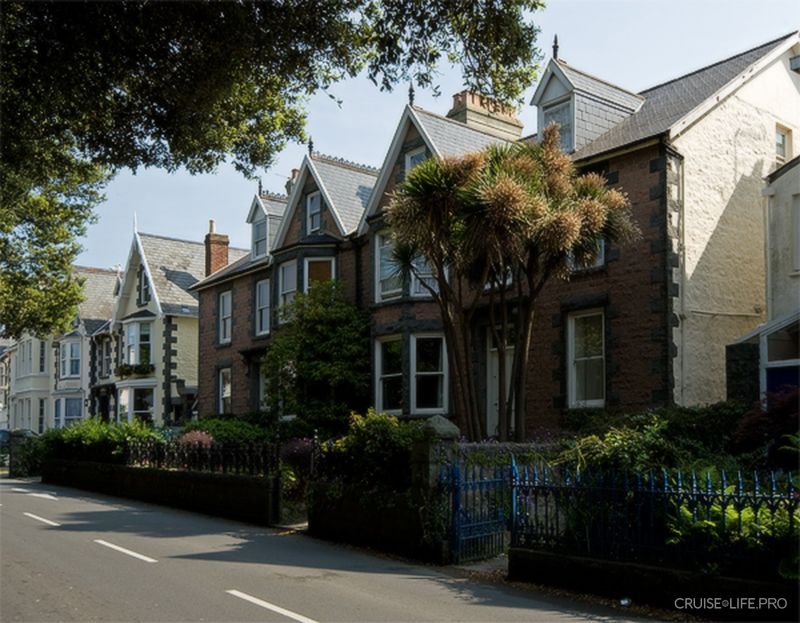
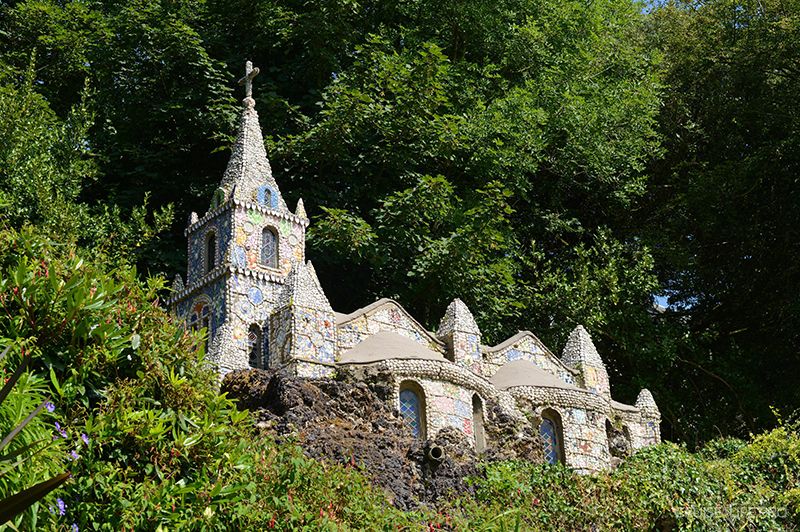
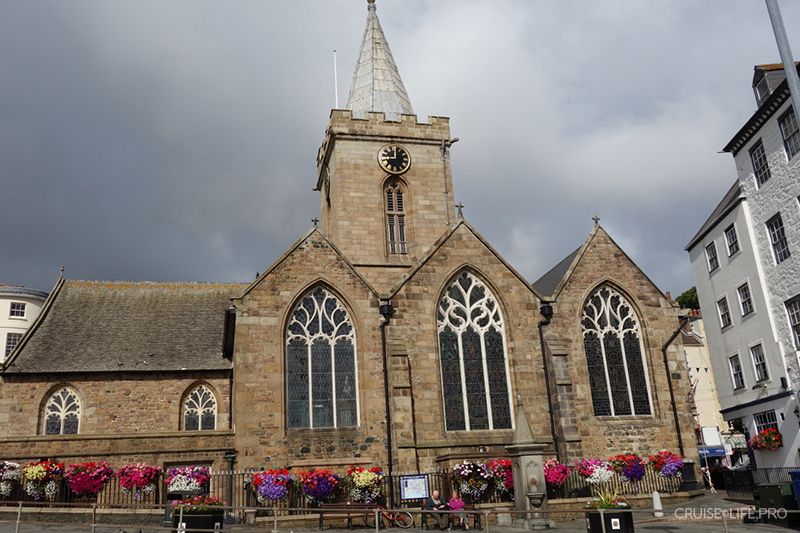
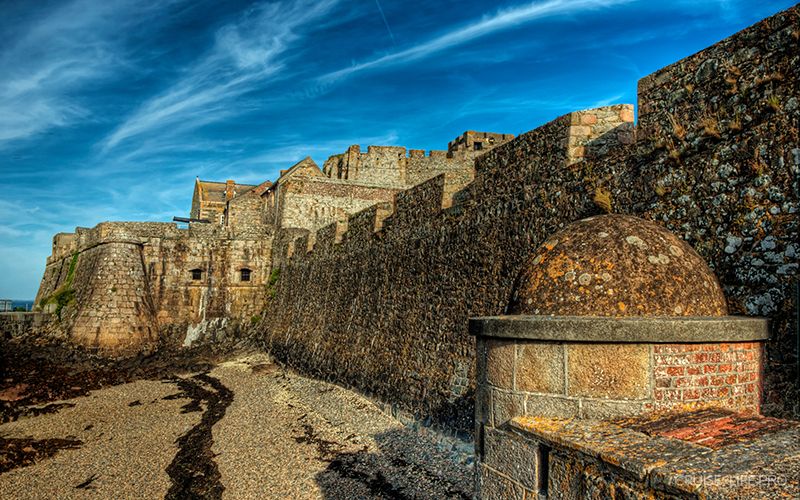
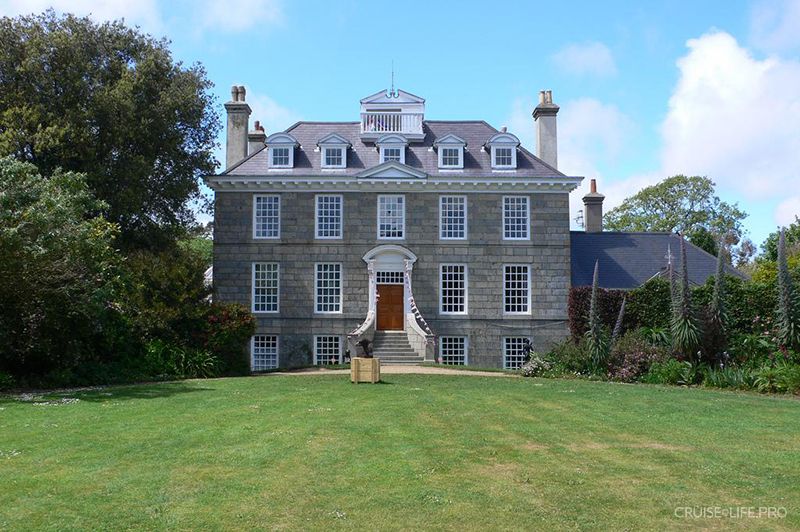
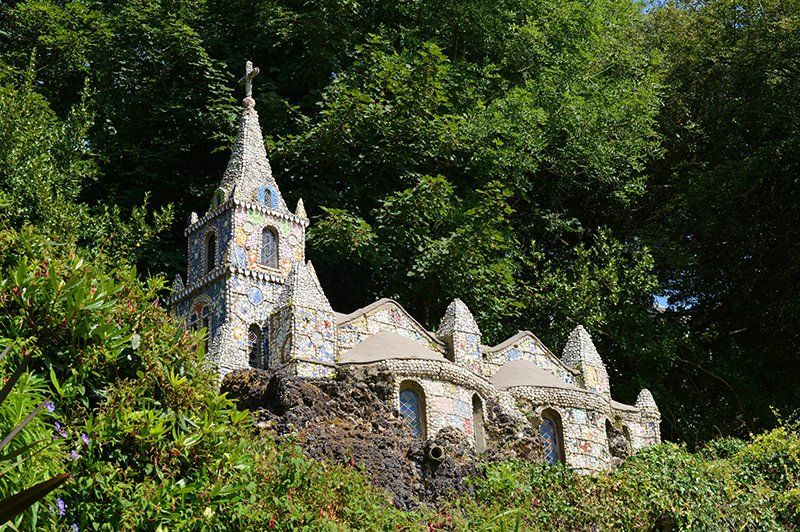
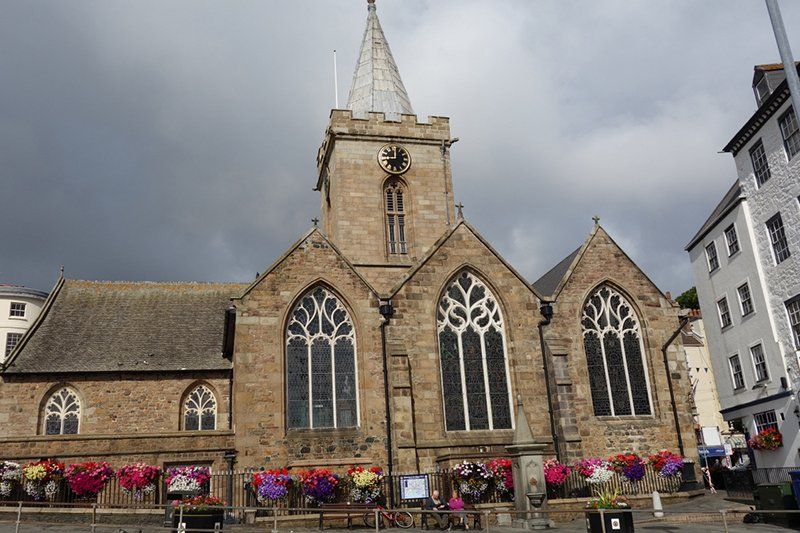
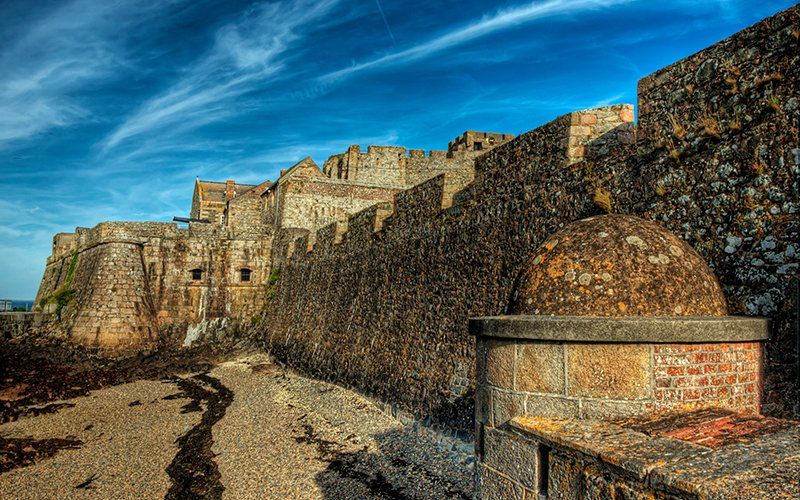
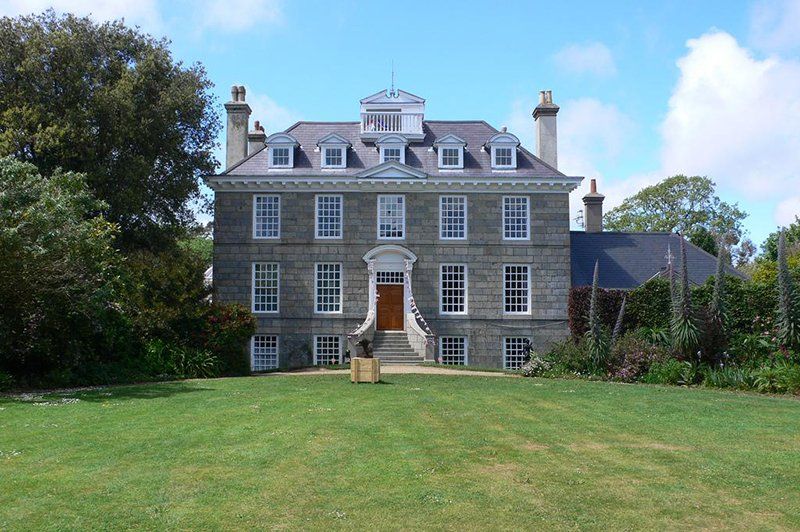
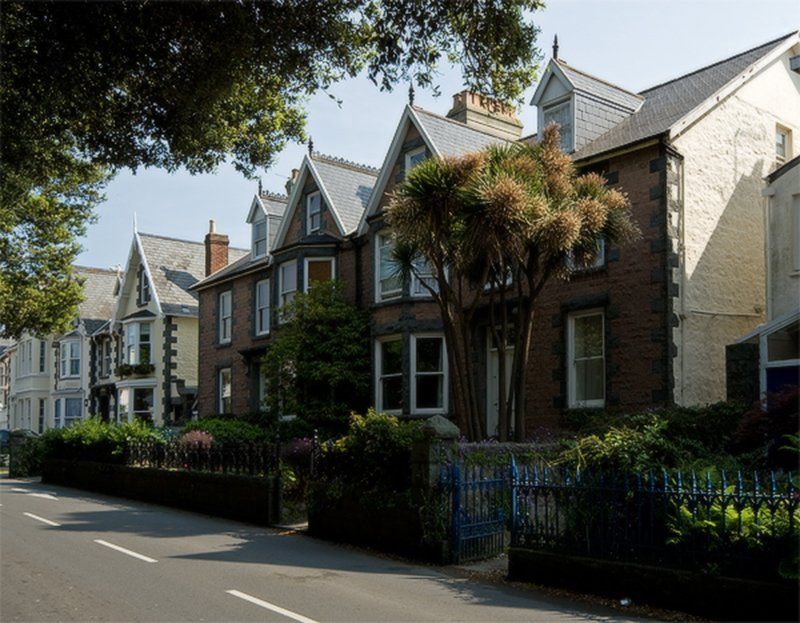
Guernsey is one of the Channel Islands and the last stronghold of Norman culture in its true form. It has the most ancient history. Guernsey’s architecture is a blend of several historical eras at once. Old churches and houses from the 12th-13th centuries coexist with modern buildings and structures. Since 1993, a program has been in place on the island aimed at protecting the island’s cultural and historical monuments and values, as well as its lands. The official languages of Guernsey are English and French. In some parts of the country, you can also hear the Norman dialect spoken by 2% of the population.
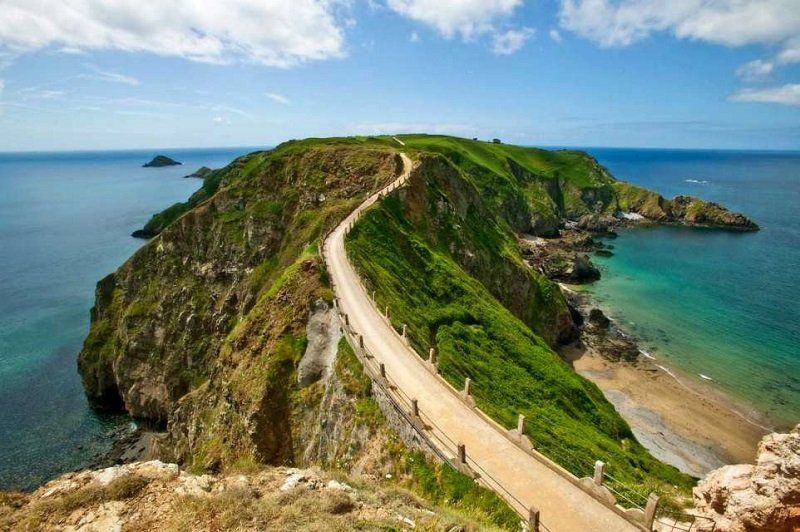
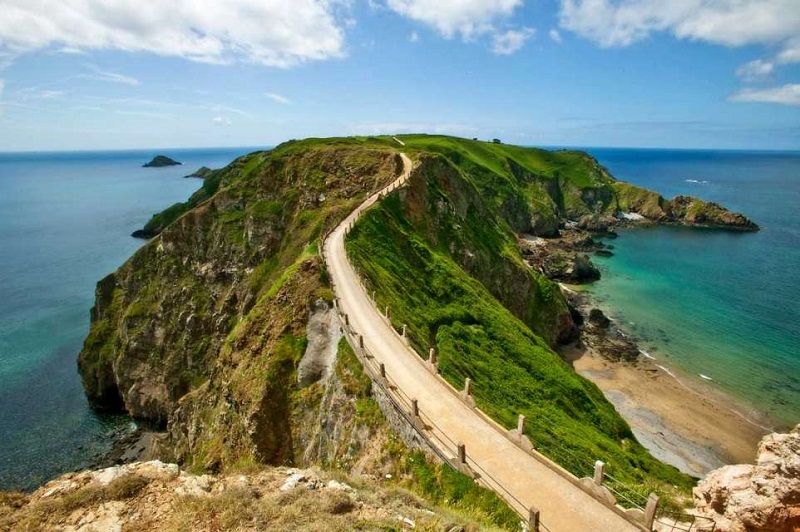
The island of Guernsey boasts abundant flora and fauna. It’s as if you’ve been transported into another world! Giant cliffs and intricate caves, mountain passes and breathtaking bays, sandy beaches and rocky shores amaze with their beauty. It’s impossible to take your eyes off such splendor! Lush vegetation with a multitude of exotic species has turned this island into one fragrant garden, offering tranquility and peace. Flowering plants delight tourists all year long with their beauty and incredible fragrance. Thanks to the mild climate on the island of Guernsey, more than 449 species of plants grow there, including more than 100 types of flowers, various trees and shrubs. The island is involved in the commercial cultivation of flowers. A special pride for the islanders is a flower called the Lily of Guernsey, symbolizing this unusual and picturesque island.
The island’s animal life is impressive. Here you can find fanihas or flying foxes, sea swallows, huge lizards up to 1 meter long, Philippine deer, coconut crabs, and more. In the bay, there are more than a thousand fish species: barracuda, swordfish, parrotfish, clownfish, and many others. Rays and sharks also live there, along with sea turtles and dolphins, whales and seals. Coastal waters are rich in coral reefs, captivating with their beauty.
ClimateThe island of Guernsey is characterized by a mild temperate climate. Winters here are warm, and summer is a bit cool but sunny. The warmest period is from July to September, when temperatures average around +20 ºC. July is the sunniest month. The most precipitation falls in December - February. Temperatures on the island of Guernsey rarely drop below zero. Usually the coolest month is February, when the temperature on Guernsey averages +6 ºC.