Goretsitsy, Russia

Port of call

Goretsitsy, Russia

Description — Goretsitsy, Russia

Goritsy is a village in the Kirillovsky District of Vologda Oblast, the administrative center of the Goritsky rural settlement. It is located 130 kilometers north-west of the city of Vologda and 7 km from the city of Kirillov.

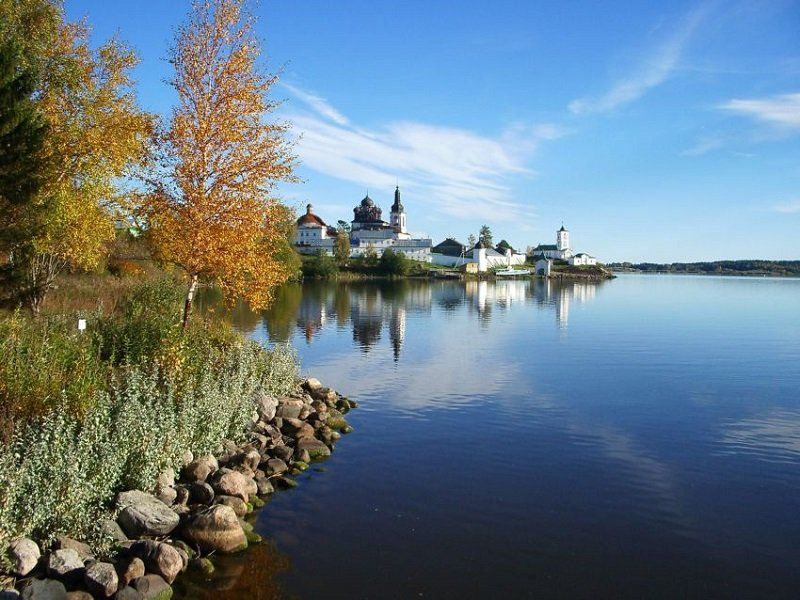
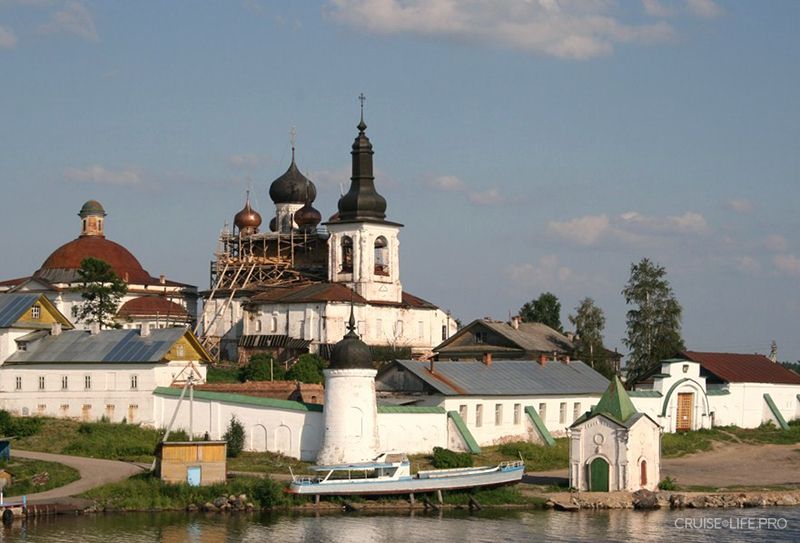
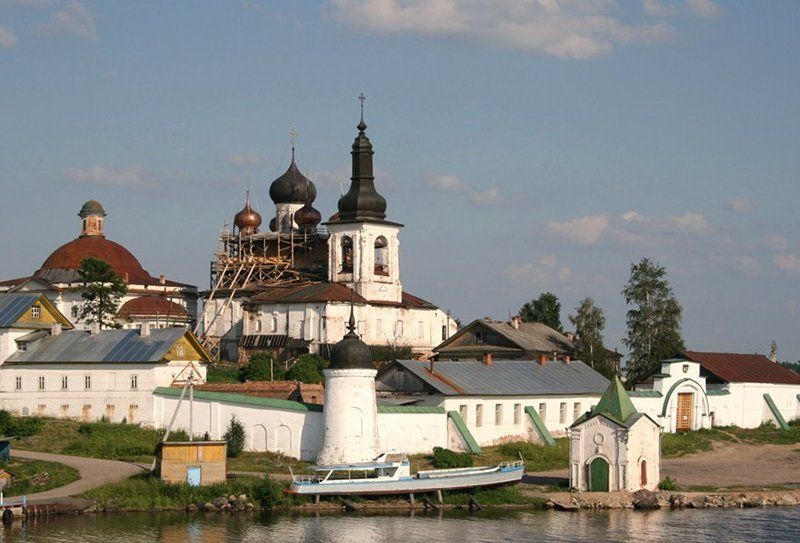
The Goritsy pier is situated on the left bank of the Sheksna River. From afar, the white walls of the monastery near the dock can be seen. The picturesque setting of the village of Goritsy is ideal for green moorings. Tourist steamers dock side by side.

In 1905, a pier was built at the monastery. In 1963, during the construction of the Volga-Baltic Route, the old wooden pier was dismantled and replaced with a floating landing stage (debarcader). In 1964, a new Goritsy pier was built, which began to receive passenger “Meteor” and “Rocket” hydrofoils, as well as tourist steamers. At present, passenger navigation has been discontinued. The pier operates only for the arrival of tourist steamers. After the construction of two new berths in Goritsy, 10−15 steamers can stop in a day. In the 2007 navigation season, the pier received 812 steamers-more than all three piers of Saint Petersburg.

Over the season, Goritsy is visited by more than 100 thousand tourists from both Russia and other countries.

Climate

The climate is moderately continental, with a long, moderately cold winter and a relatively short, warm summer. The severity of the climate increases from west to east. The average temperature in January ranges from −11 °C in the west of the oblast to −14 °C in the east, while the average temperature in July ranges from +16 °C to +18 °C, respectively. Precipitation is fairly high-500-650 mm per year (with a maximum in the summer months); evaporation is much lower, so the oblast is rich in rivers, lakes, and swamps. Snow cover lasts 165-170 days.

Location on the map

Sights

St. Goritsky Convent (Women’s)

St. Goritsky Convent (Women’s)

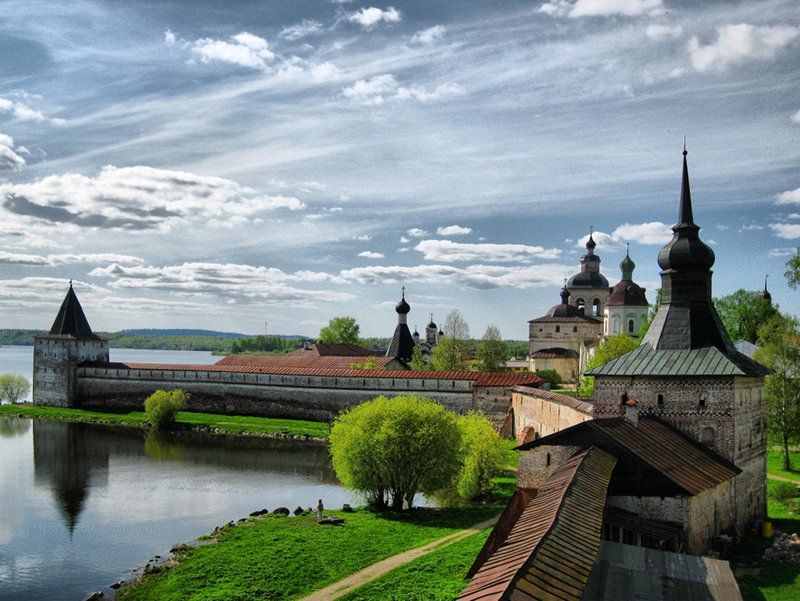
The monastery was founded in 1544 by Grand Duchess Euphrosyne Andreevna Staritskaya, the widow of the appanage prince Andrei Ivanovich Staritsky, the maternal uncle of Tsar Ivan IV the Terrible. Euphrosyne replaced the wooden Resurrection Church of the village with a stone one and built a new warm church in honor of the Mother of God of Odigitria, with a refectory. In the past, the monastery was unofficially called the “Monastery of the Disgraced Princesses.” Wives and other close female relatives of people who had fallen out of favor with the authorities were exiled here. The monastery was home to Ivan IV’s fourth widow, the wife of Ivan the Terrible, and the daughter of Boris Godunov. The monastery is included in the Russian North National Park and is a monument of federal significance.
What to see

Linen and Birchbark Museum

Linen and Birchbark Museum

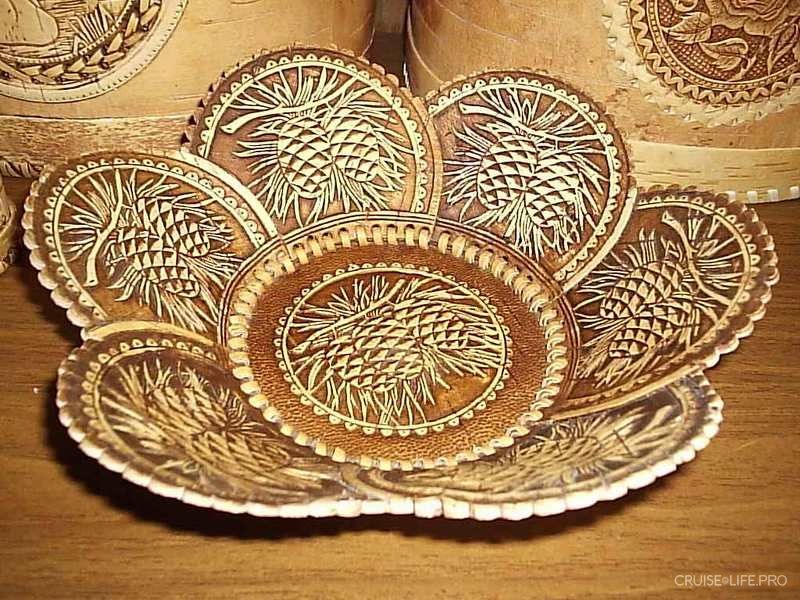
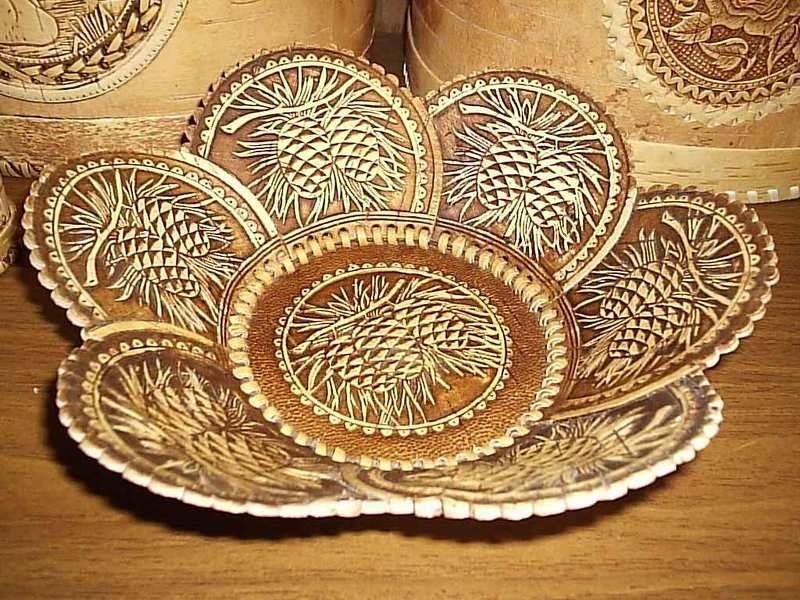
During a stroll around Gorytsy, be sure to visit the interactive Linen and Birch Bark Museum. You’ll discover a fascinating exhibition and learn a lot about the folk crafts of the Vologda Oblast. Those who wish can also take part in workshops in birch-bark weaving, wood painting, and painting on birch bark.

Recommended excursions

Kirillo-Belozersky Monastery

Kirillo-Belozersky Monastery

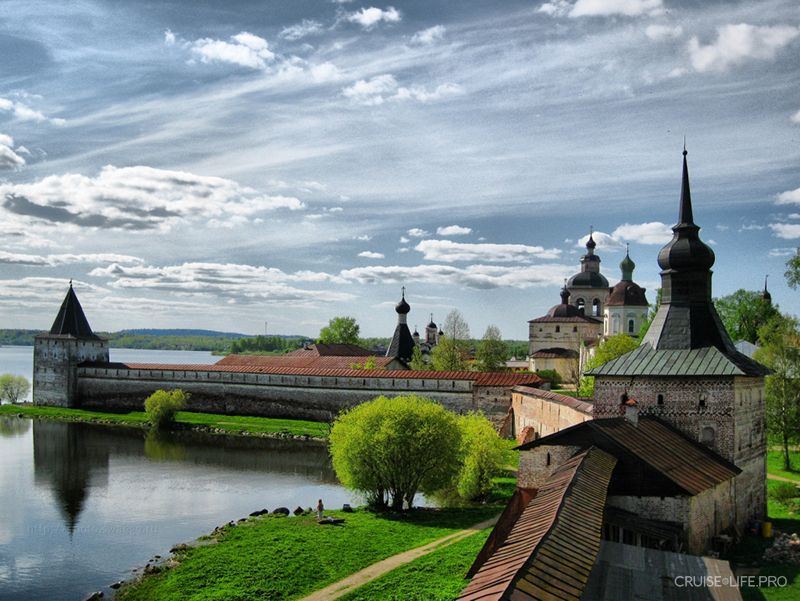
The Kirillo-Belozersky Monastery, located on the shore of Lake Siverskoye, was founded in the late 14th century. Its founder, Saint Cyril, came from the noble Moscow boyar family of Velyaminov. He rose from a tonsured monk to become an archimandrite at the Moscow Simonov Monastery, but declined a high office and, at the age of 60, set out for Belozerye, where he established the monastery. Already by the end of the 16th century, one of the largest architectural complexes of its time arose on the site of the wooden monastic buildings, with more churches than even the Trinity-Sergius Monastery. Isolated from the capital and enclosed by sturdy walls, the Kirillo Monastery was for centuries one of the main places of exile, yet at the same time it was the most significant spiritual, economic, and cultural center in the North. In 1924, a historical and local history museum was established at the Kirillo-Belozersky Monastery, later transformed into a historical and art museum, and in 1968 it was designated a protected area. In 1998, the Kirillo-Belozersky Museum-Reserve was included in the Register of Particularly Valuable Cultural Heritage Objects of the Peoples of Russia.

Ferapontov Monastery

Ferapontov Monastery

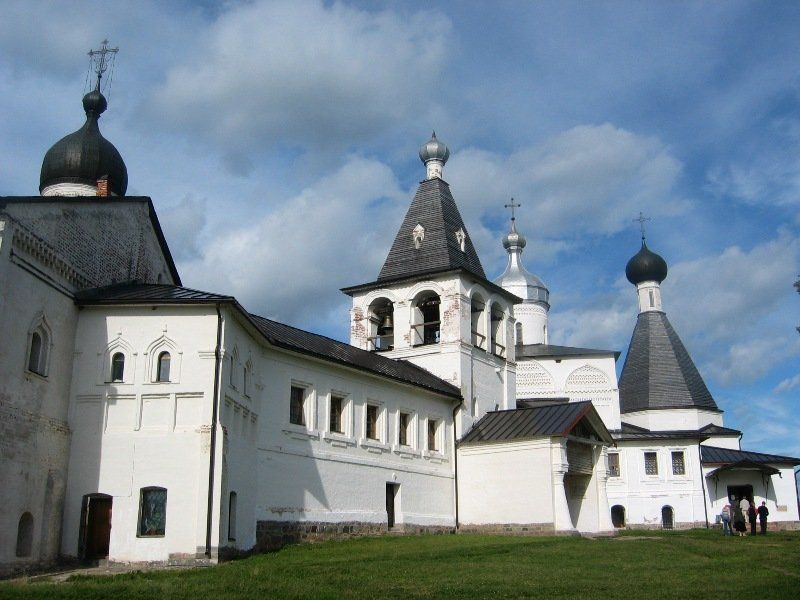
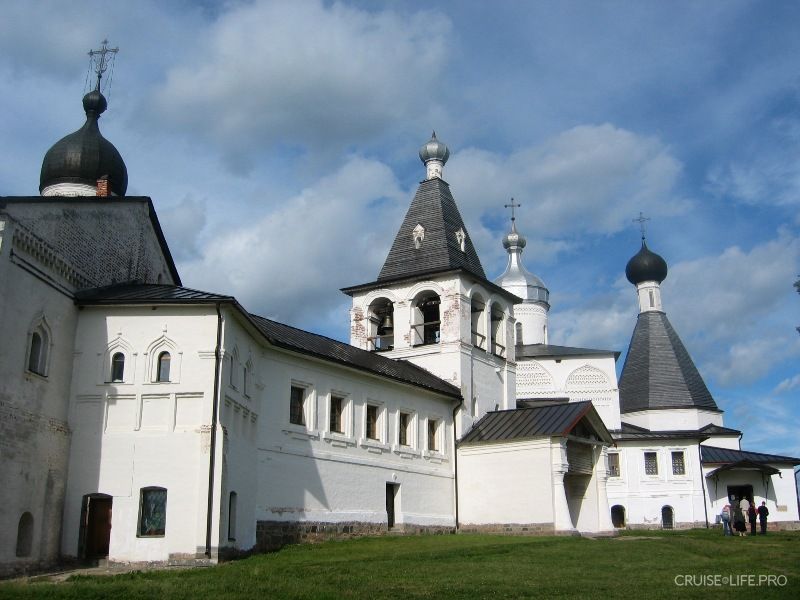
Traditionally, 1398 is considered the founding date of the Ferapontov Monastery. At this time, on the hill between two lakes, Borodaevsky and Pasky, Ferapont, a follower of Saint Cyril of Beloozero, settles separately. The Ferapontov Monastery gained wide renown thanks to the activities of Martinian, a disciple of Cyril of Beloozero and the spiritual confessor of Vasily II. In the second half of the 15th century and the beginning of the 16th century, the Ferapontov Monastery became a significant spiritual, cultural, and ideological center of Belozerye-one of the famous Trans-Volga monasteries, whose elders exerted a serious influence on Moscow’s politics. Today, the monuments of the Ferapontov Monastery house the Museum of Dionysius’ Frescoes, which has the status of a historical-architectural and art museum-reserve. At the end of 2000, the ensemble of the Ferapontov Monastery with Dionysius’ murals was included in the UNESCO World Heritage List.

For a more detailed list of excursions and their prices, you can view them after booking your cruise in your “Client Personal Account”.