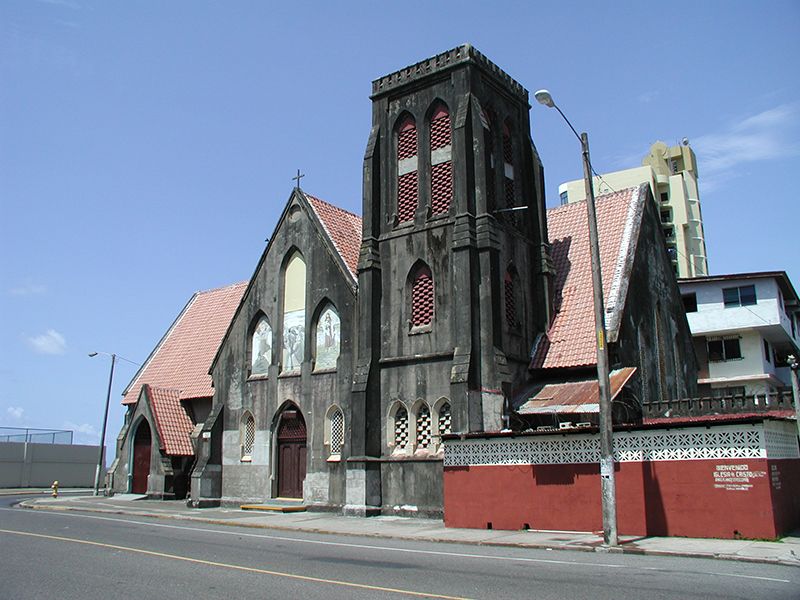

Episcopal Church of Christ
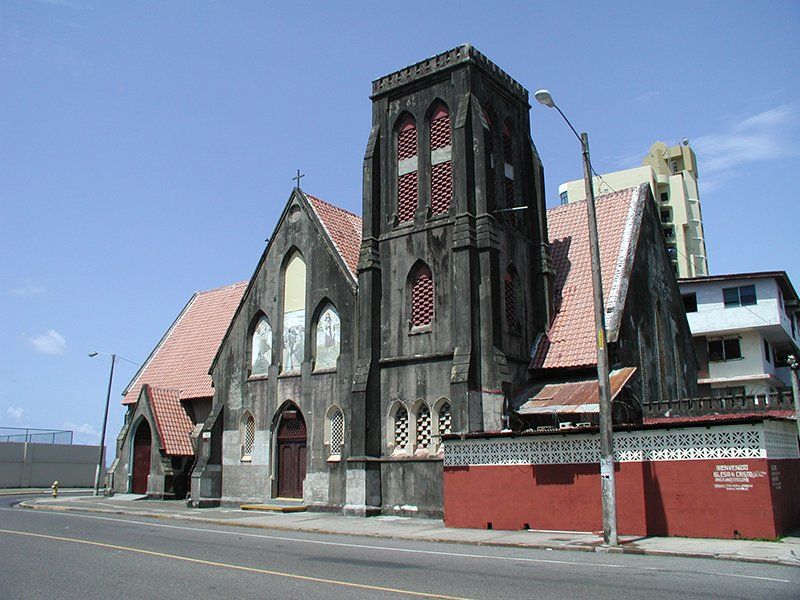
The Episcopal Church of Christ in the city of Colón was built in the second half of the 19th century. It became the first Anglican church in the history of the Panamanian isthmus. The church was constructed according to a design by engineer James Renwick from New York and under the patronage of the Panama Railroad Company. However, in 1885, during the anti-Colombian uprising, Colón was destroyed and set on fire. Only the Church of Christ building survived, along with a few neighboring structures. At that moment, the temple became a refuge for hundreds of people of questionable reputation, who looted it and defiled it. Only in October 1885, after the rebellion was put down, was it possible to return to normal church life. Very recently, the Episcopal Church of Christ in Colón has been restored.
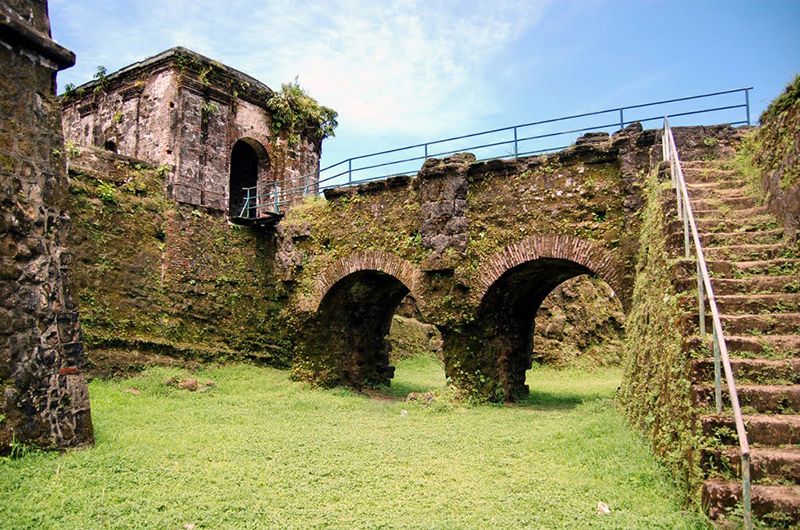
Fort San Lorenzo
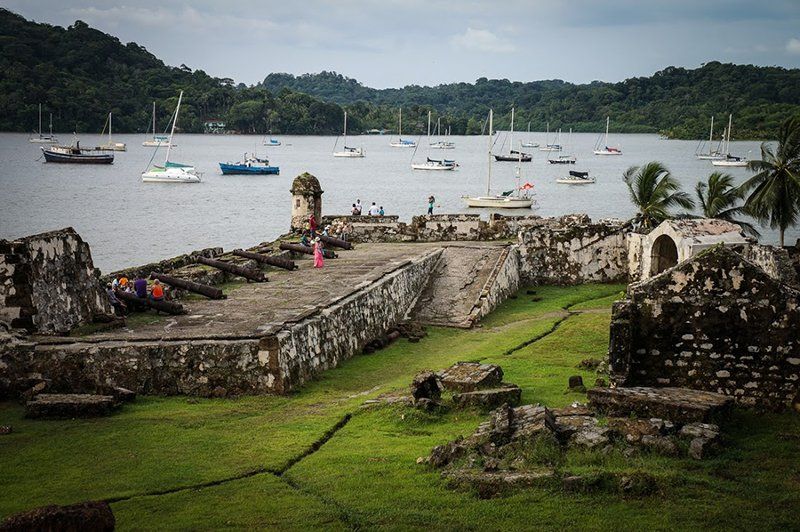
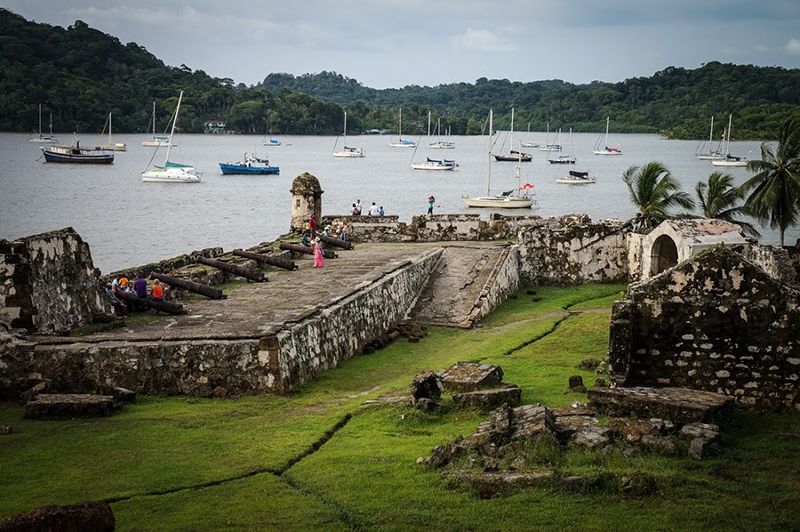
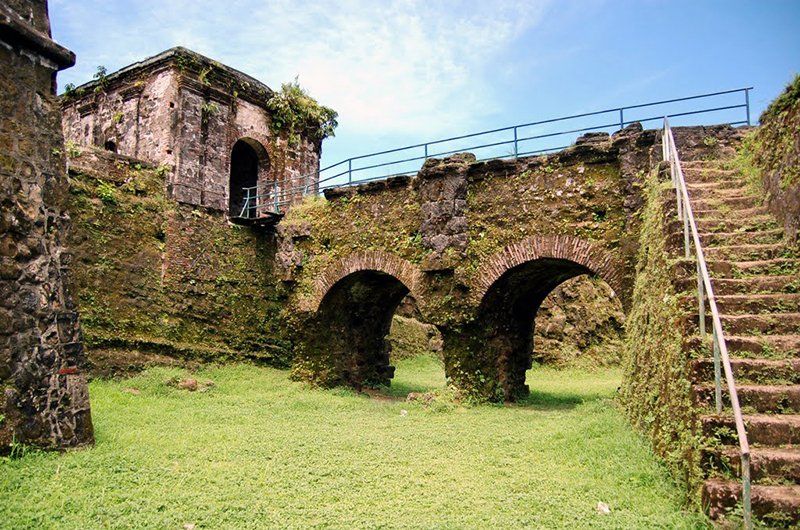
The conquest of the American continent allowed the Spanish crown to seize untold riches, which were transported to Europe by ships. Pirates did not sleep-they attacked merchant vessels often and with great success. King Philip II ordered the construction of a coastal fortress to repel pirate attacks. Between 1587 and 1599, walls and bastions were built that stood for more than seventy years. In 1670, a pirate squadron led by Henry Morgan managed to approach the shore and take the fortress, later using it as a springboard for the conquest of Panama City. In the 1680s, on a narrow cliff right at the entrance to the Chagres River, the Spanish built a new fort, raising it 24 meters above the water. In 1980, UNESCO designated Fort San Lorenzo a World Heritage site.
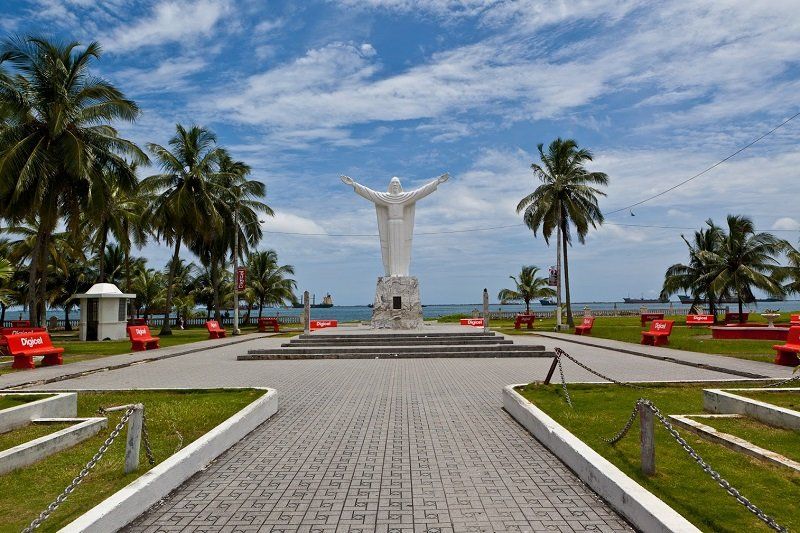
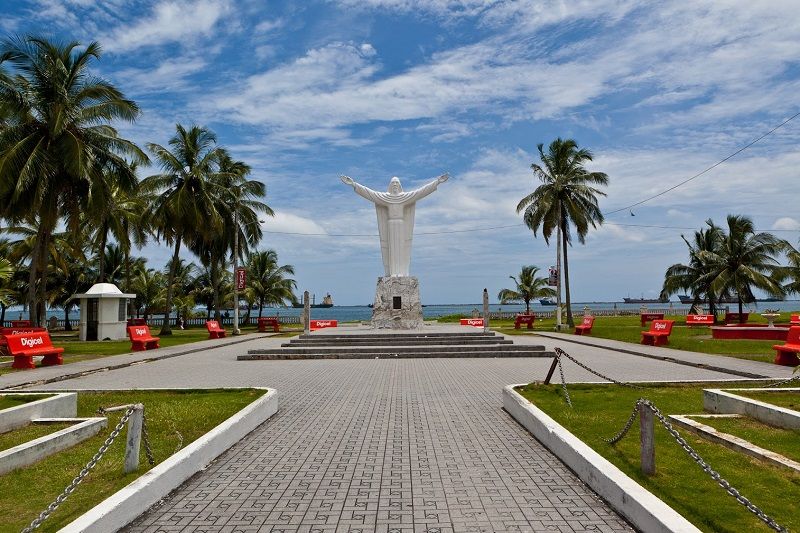
Statue of Christopher Columbus
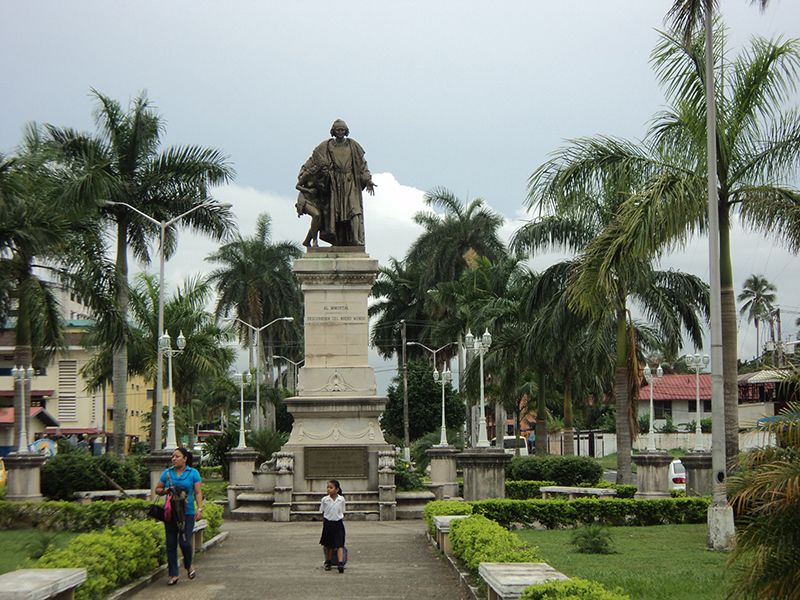
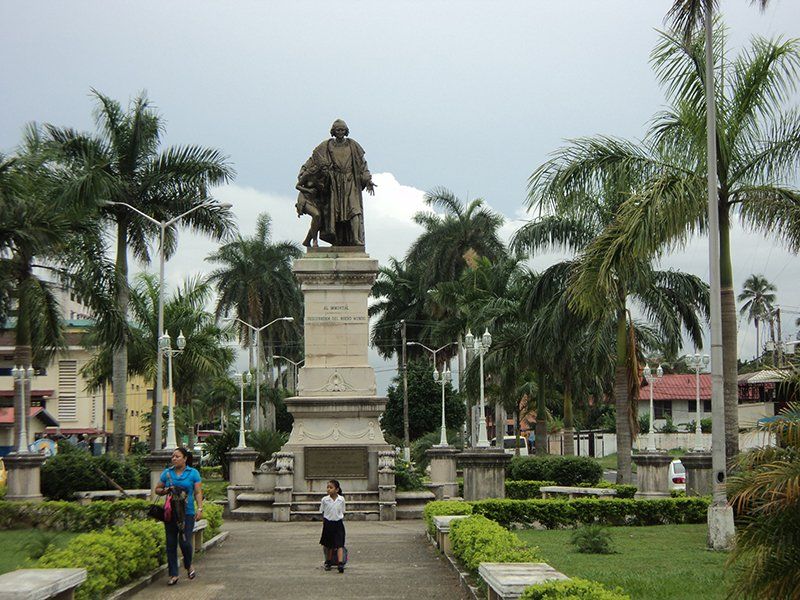
The sculpture became a gift from the French queen Eugénie to the indigenous people of Central America. In early April 1870, accompanied by a special royal envoy, Captain Ferres of the Navy, it was loaded onto a ship bound for the shores of Panama. It arrived at its destination almost a month later, after which it stood unpacked for a long time. The first attempt to ceremonially unveil the monument took place in October 1870, but it failed due to a catastrophic downpour that struck the city that day. The monument was then moved four times until, on December 21, 1930, it took its current place in the center of the city. Marble benches have been installed around the monument, where tourists love to rest and take photos.