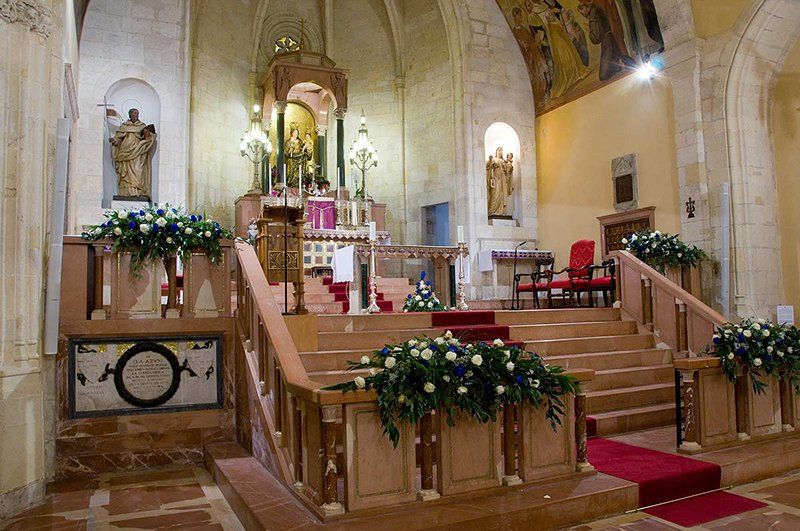
Shrine and Basilica of Our Lady of Bonaria
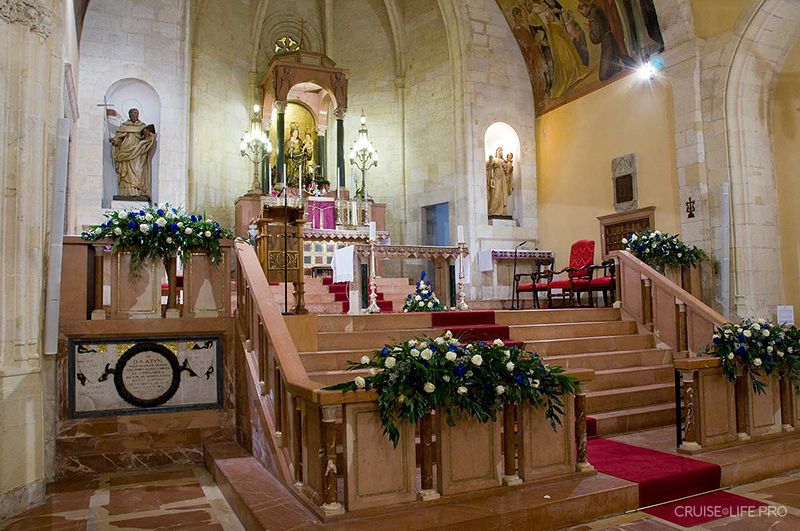
When Alfonso of Aragon arrived at the shores of Sardinia in 1323, it became clear that taking Cagliari at first attempt would not be possible. He then set up camp on a hill, which was named “Bonaria” (“good air” in Italian). The siege lasted three years; during that time, the camp grew into a fortress with its own church, and later-into a monastery. For centuries, the monks of the Bonaria monastery were renowned for ransoming Christian slaves from Muslim pirates. But this hill has become a true place of international pilgrimage thanks to a simple wooden statue of the Virgin Mary and Christ, which is kept in the church in a niche behind the altar. According to legend, in the 14th century the statue saved Spanish sailors who had been shipwrecked, and since then it has been asked for protection at sea.
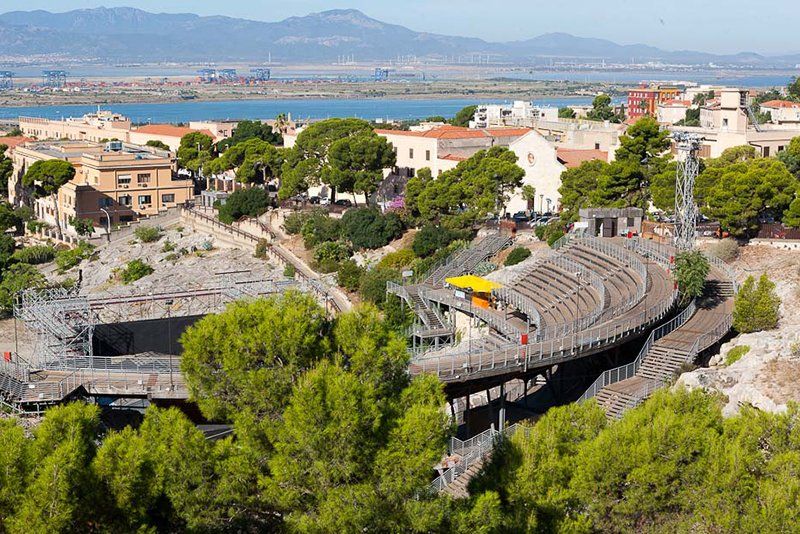
Cagliari Amphitheatre
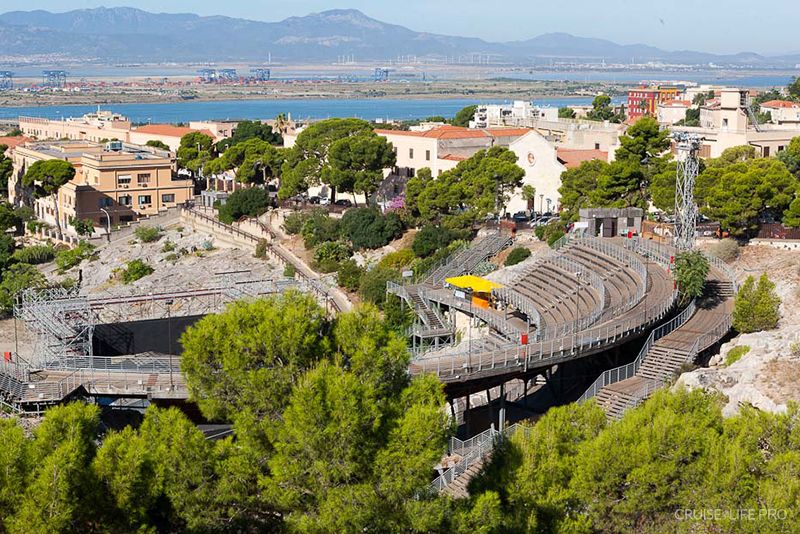
An ancient Roman theatre with an arena for gladiator fights, horse races, and hunting down enraged wild beasts, carved directly into the rock, has adorned Sardinia’s capital for almost 20 centuries. The famous destroyer called Time has scarcely affected either its majestic beauty (only the marble that covered the staircases is gone, and among the stone tribunes, a seating area of blue plastic chairs has appeared) or the impressive size of the amphitheatre (its area is over 6000 sq m, and it can accommodate more than 10,000 people), or its wonderful acoustics. Therefore, besides its museum function, this ancient structure still serves a cultural purpose: concerts, festivals, and open-air performances are held here on a regular basis.
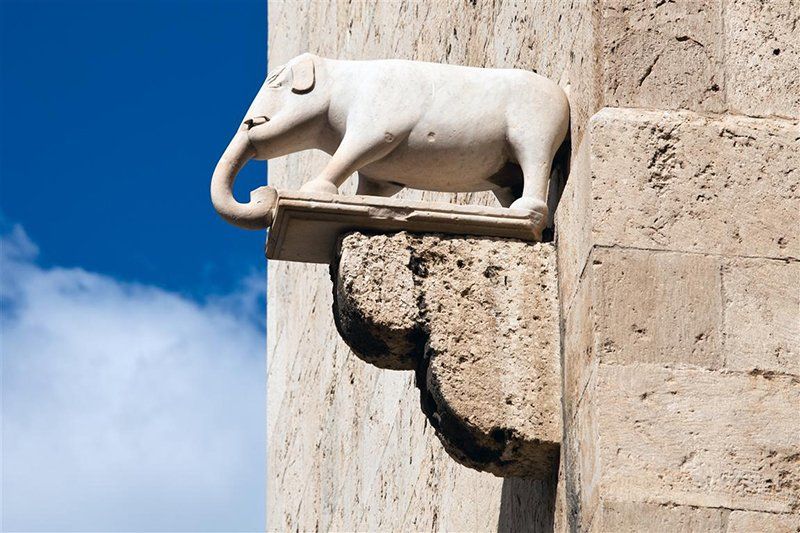
Torre del Elefante Tower
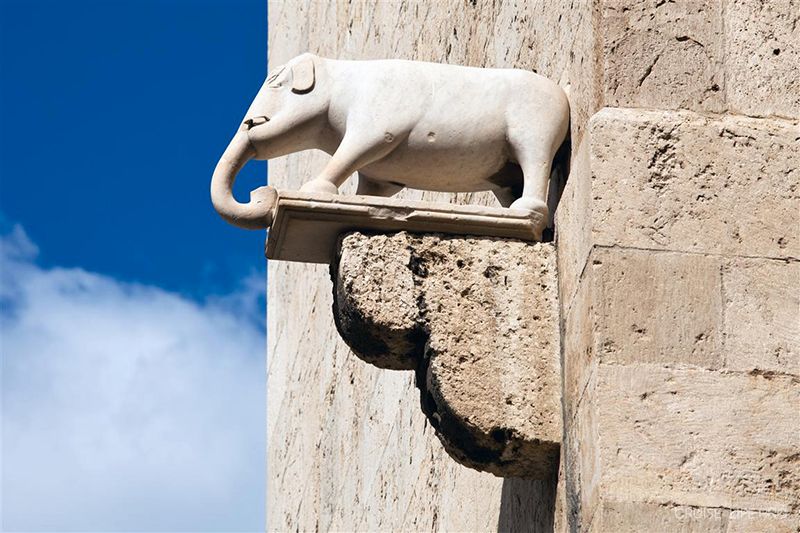
One of two towers from the period of Pisan rule over Cagliari that have survived to this day, the Torre del Elefante (that is, literally, “Elephant Tower”) was built in 1307 as part of defensive fortifications against the military threat posed by the Genoese and the Moors. Named for the sculptures on the portico, this 42-meter-high tower became a true embodiment of terror for the city’s residents: the Spaniards, decapitating Marquis Sea, left his severed head here for 17 years, from time to time “decorating” the porticos with garlands of cages containing the heads of other executed prisoners. Despite its dreadful history, the tower is considered one of the best viewpoints in Cagliari.
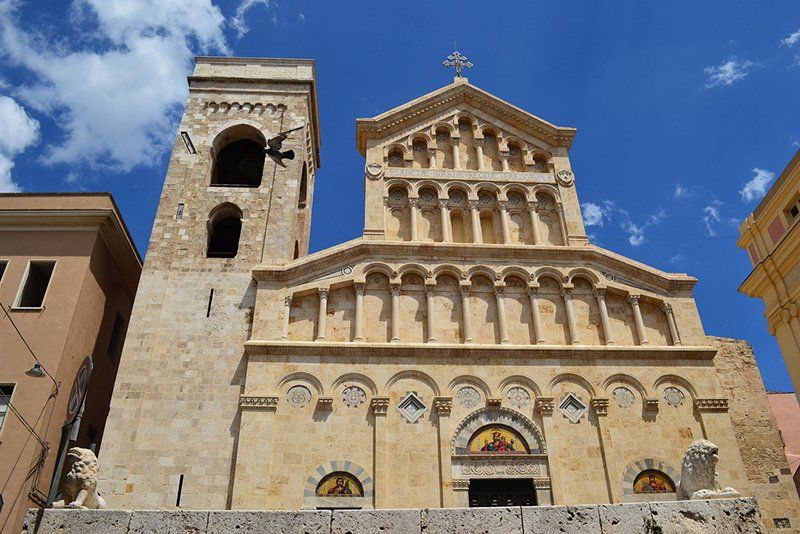
Cathedral of the Holy Name
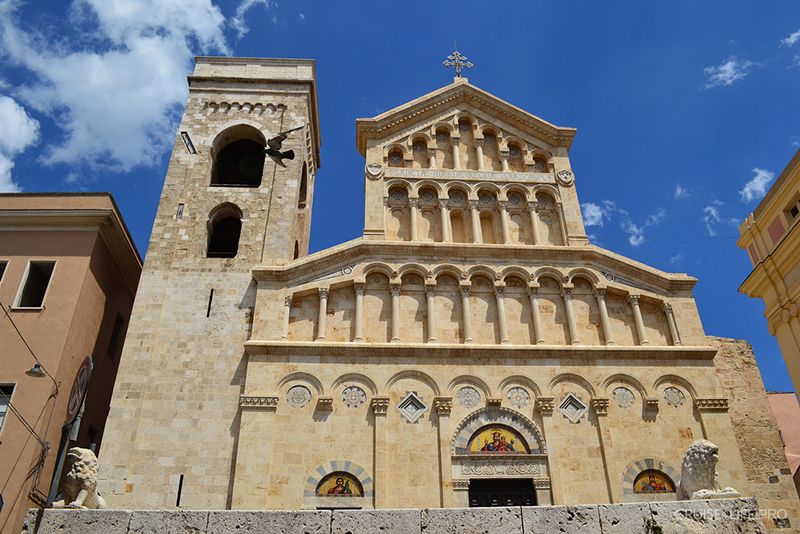
Four centuries of building the Cathedral of Saint Mary in Cagliari were not in vain: the temple turned out beautiful and sturdy. It has been wonderfully preserved to this day and still delights the eye with its ancient wall paintings, elegant columns, painted ceilings and golden candlesticks, as well as with picture and sculpture masterpieces of Romanesque and Flemish art. The cathedral has excellent acoustics: every Saturday at 20.30 concerts of classical and religious music are held here. The temple is located in the upper district of Cagliari - Castello, in Palace Square.
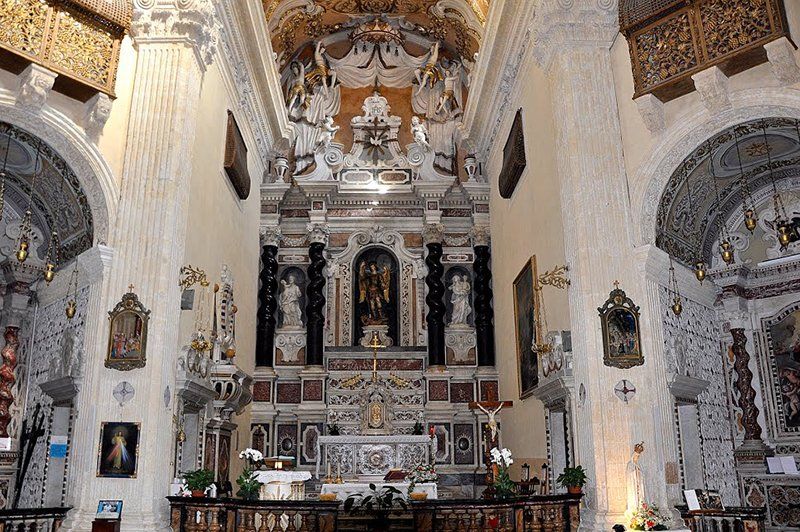
St. Michael’s Church
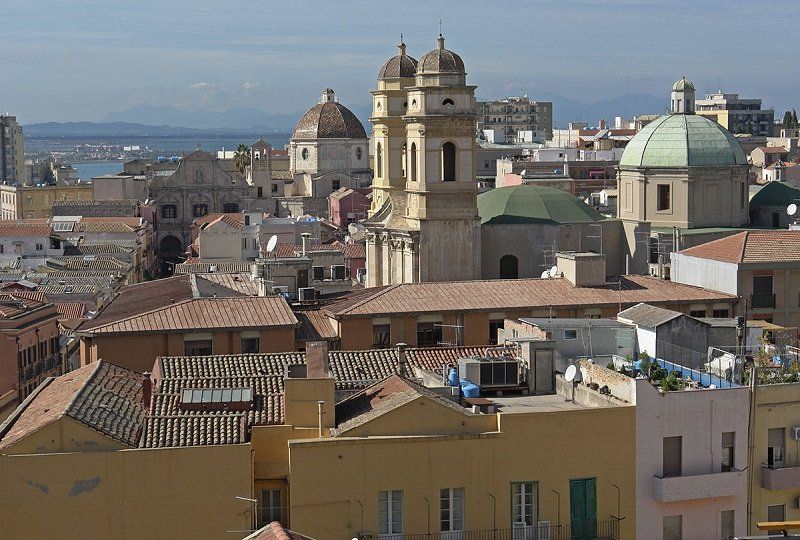
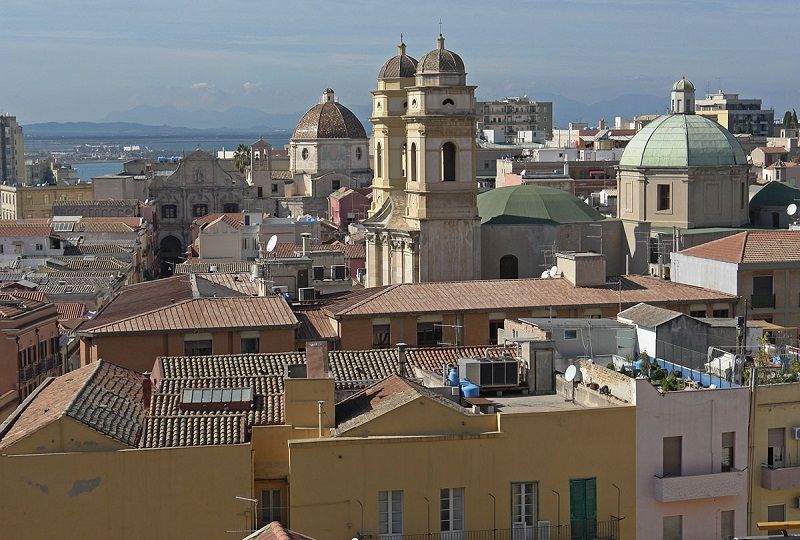
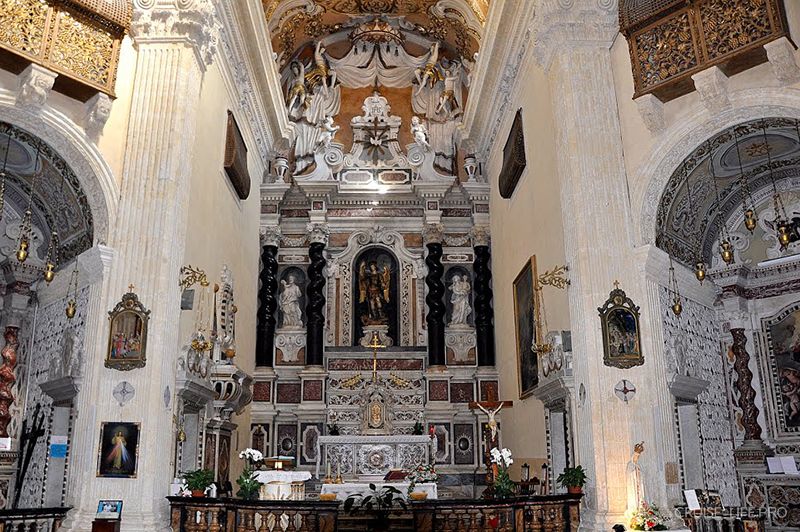
At first, the church was part of a monastery complex, and in the 18th century its interior decoration was enriched with Jesuit traditions-so generously that today it is considered the finest example of Rococo style throughout all of Sardinia. The spectacle begins with a triple-arched Baroque façade, continues with the atrium’s columns, and culminates in a luxurious interior. Before stepping inside the building, it’s worth lingering in the atrium to admire the massive pulpit supported by four columns. The octagonal interior space, with six richly decorated chapels, is crowned by a magnificent dome adorned with vivid frescoes. The sacristy in the last chapel on the left deserves special mention-it features intriguing paintings and intricate wooden inlay.