Brussels, Belgium

Port of call

Brussels, Belgium

Cruises from Brussels, Belgium

5 cruises, from €6,317

View cruises

Description — Brussels, Belgium

Brussels is the capital of Belgium and of the Brussels-Capital Region. In Brussels are located the institutions of the French and Flemish Communities and of Flanders, the headquarters of the European Union, the NATO office, and the Secretariat of the Benelux countries.

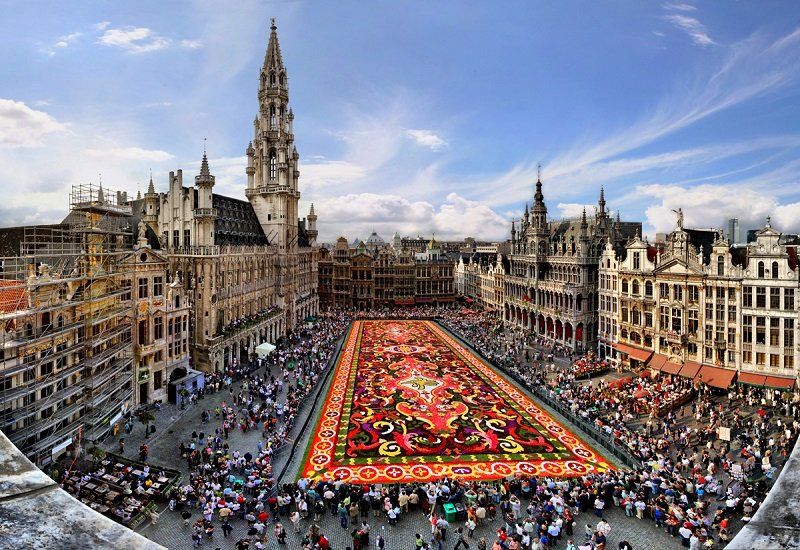
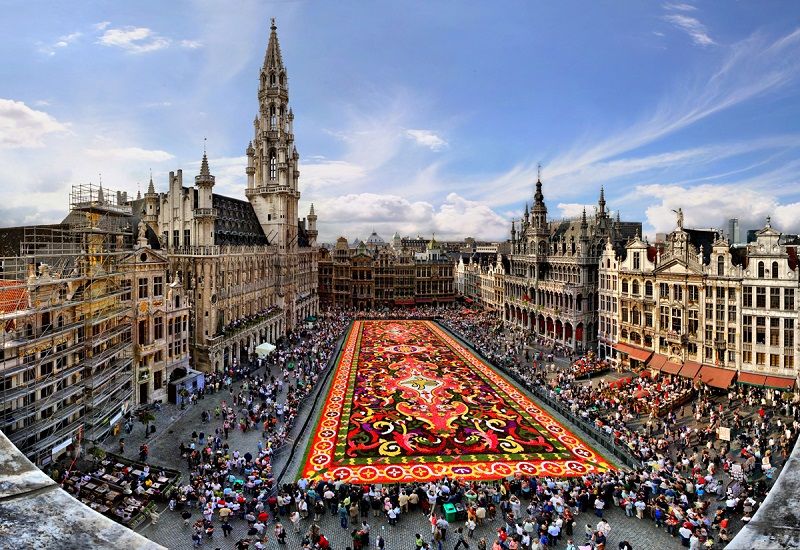
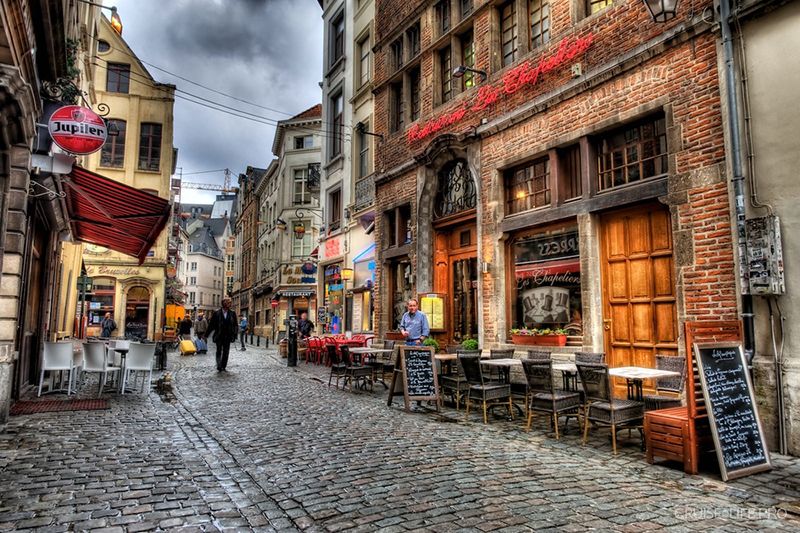
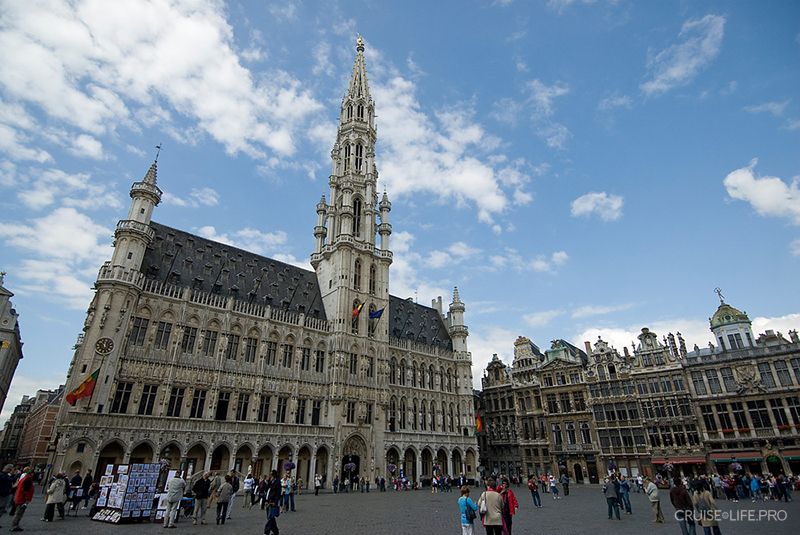
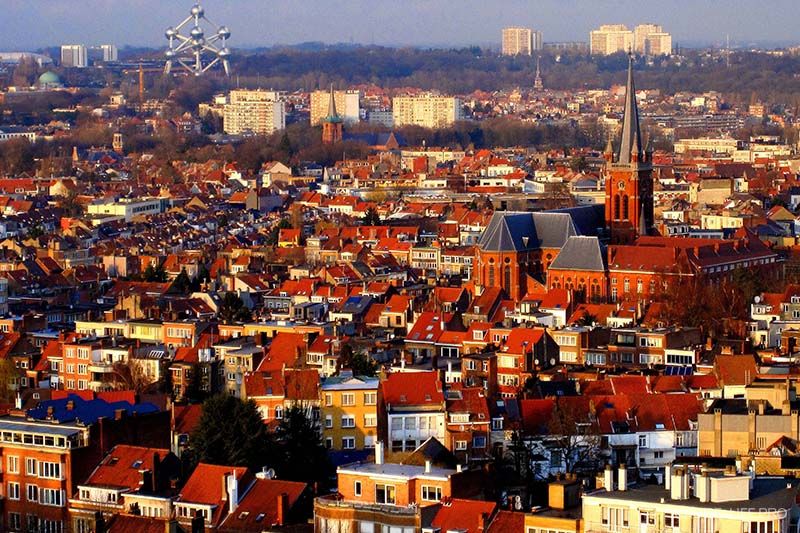
Initially, Brussels’ appearance was formed by monumental buildings surrounding the King’s House, erected by successful merchants and craftsmen. The European Economic Community (the predecessor of the EU) and NATO, which established themselves here in 1958 and 1967 respectively, triggered a surge of high-rise construction around the city. And the former affluent merchant town of Brussels turned into Europe’s administrative capital. Today, the tourist feels very comfortable in the city: English is spoken everywhere, the city is full of democratic cafés and splendid restaurants, and its convenient location makes it possible to get to Paris in an hour and to Amsterdam and Cologne in two hours. Also, by the amount of park space per capita, Brussels ranks second in the world (after Washington). And while the famous boy doing-well, you know what-disappoints most tourists, that can’t be said about other attractions of Belgium’s capital: the architectural ensemble of the Grand-Place, the old narrow streets, the chocolate boutiques in the Royal Galleries of Saint Hubert… Every even year, the Grand-Place is adorned with a floral carpet-a magnificent spectacle that draws tens of thousands of tourists. Here, baroque, Gothic, and Art Nouveau are combined in an astonishing way, reflecting perhaps one of the main principles of modern Europe-unceasing progress with careful preservation of historical heritage.

Climate

Brussels has a temperate maritime climate. Maritime air masses, formed over the North Sea located relatively close by, account for small variations in daily and annual temperatures and for a high relative humidity.

The hottest months are July and August, with an average temperature of 17,0 °C, and the coldest is January, with an average minimum of 2,5 °C. The average annual temperature is 9,7 °C. The number of hours of sunshine per year is 1585. A maritime climate is characterized by a large amount of precipitation. For example, in Brussels, 821 mm of precipitation fall per year, with the largest amount (79 mm) - in November and December.

Location on the map

Sights

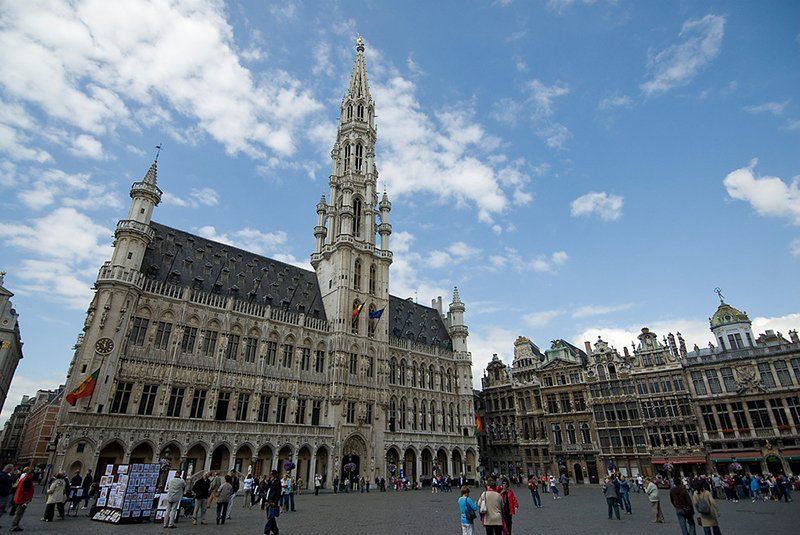
Grand Place

Grand Place

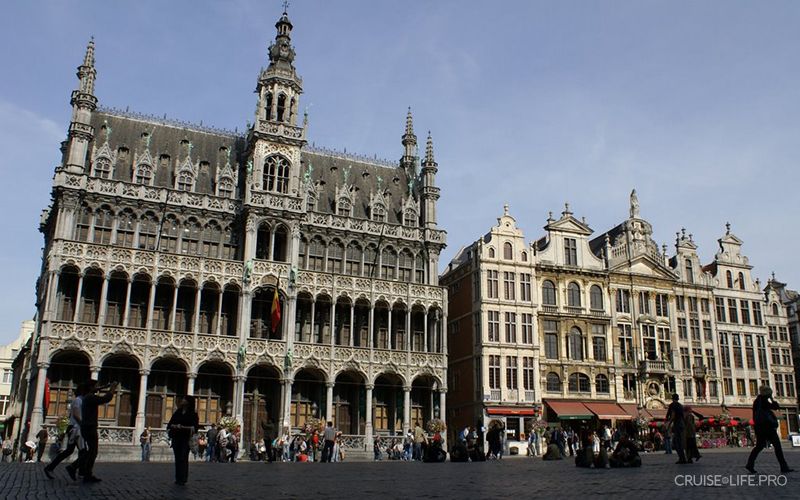
Grand-Place is the central square of medieval Brussels, so every house is here for a reason. The main building is the Town Hall. It is also the oldest surviving building from the 15th century. In the Middle Ages, all guilds and trade organizations sought to place their offices close to the city’s ruling class-so the Bakers’ House, the Sacks’ House, the Swan House, and the Star House were formed. Each house has a symbol indicating which craft was carried out there. Opposite the Town Hall, there used to be the King’s House. Today, that spot is home to the Brussels City Museum, telling the story of the city.
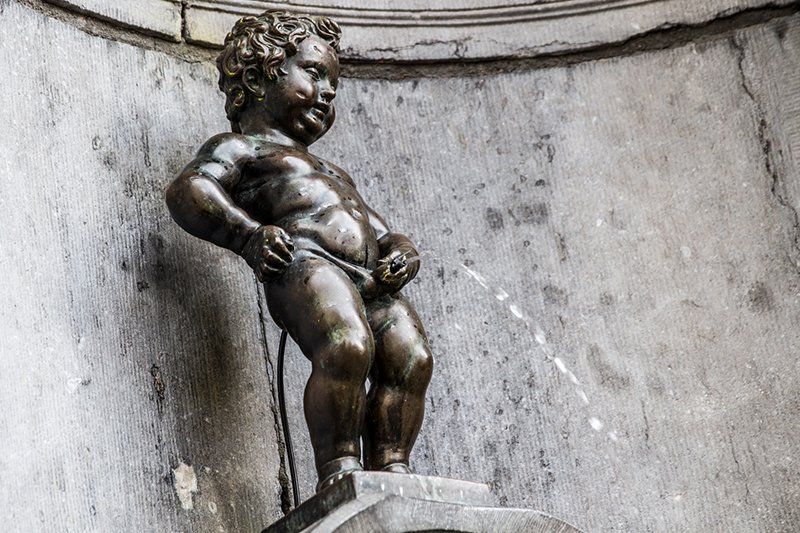
Statue of the Peeing Boy

Statue of the Peeing Boy

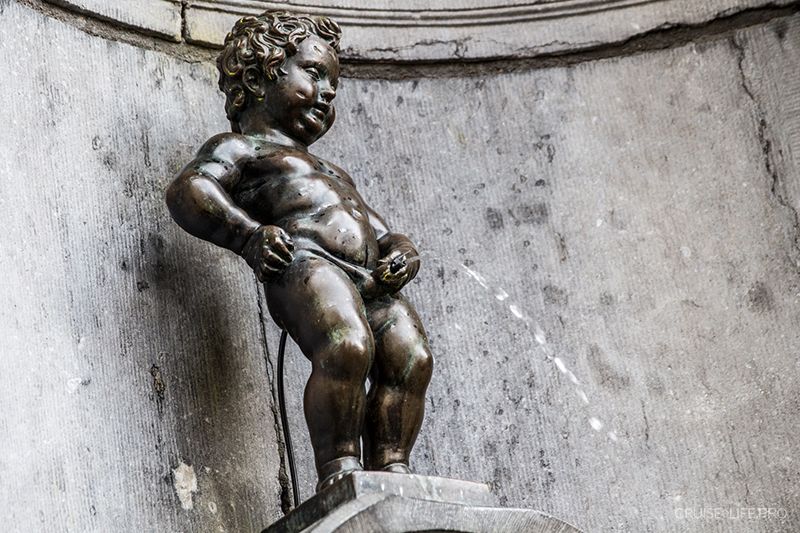
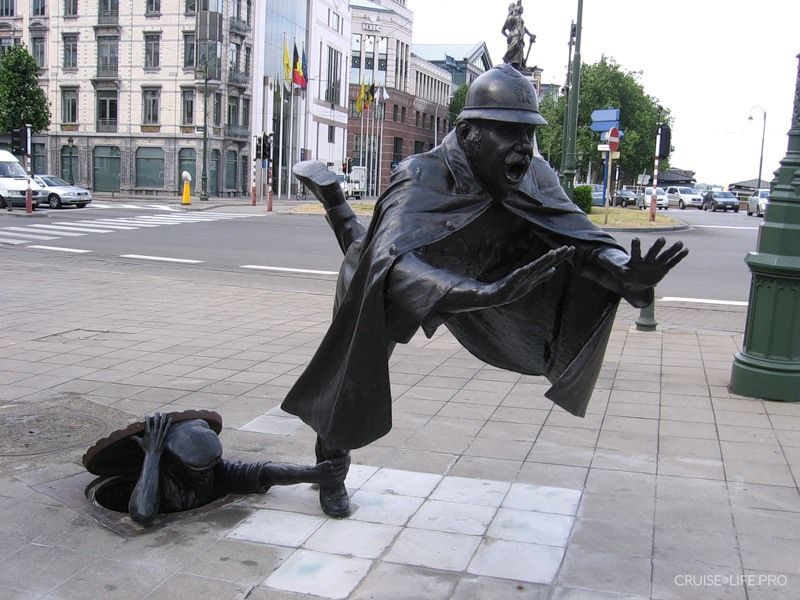
There are several versions of the answer to the question of why the boy was given such an honor. The best-known one says that, in this way, the child saved the city from a fire. The most touching story tells of a father who lost his son. After a long search, he found him peeing right in the spot where the fountain is located today. Its erection was a sign of gratitude to fate for saving his son. And where there is a boy, there is also a girl-peeing too-a symbol of female equality (appeared nearby in 1985). If there aren’t enough children for you, there’s also a peeing dog. A mixed-breed dog, according to the sculptor Tom Franzen’s idea, is a symbol of bringing together different cultures in Brussels. In short, now everyone is equal and happy.
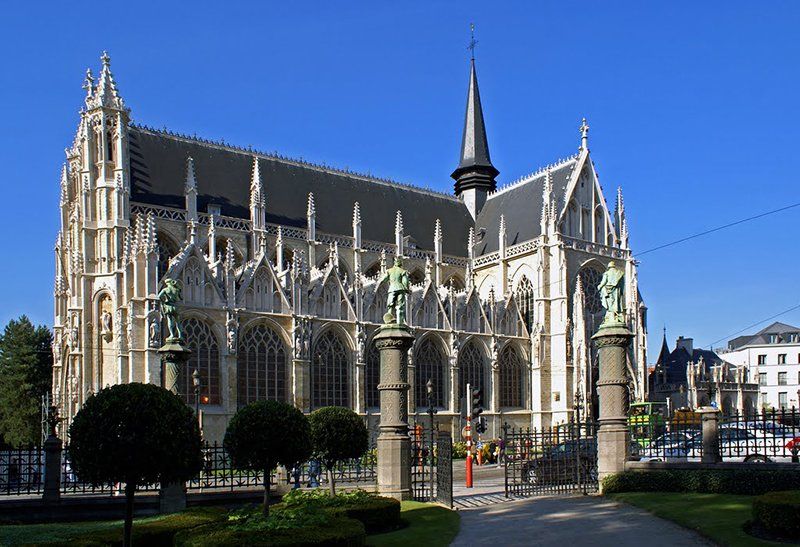
Church of Our Lady of Sablon

Church of Our Lady of Sablon

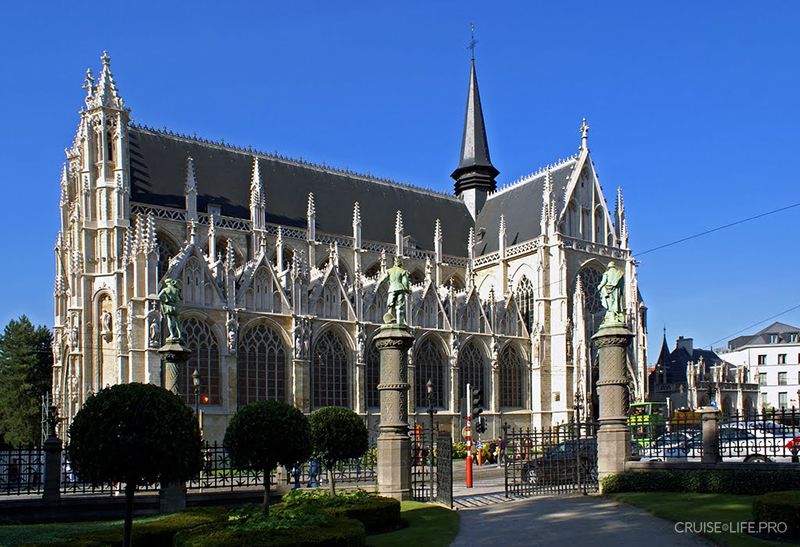
The first chapel on this site appeared in 1304. The Arbaletiers Guild was the initiator of its construction, having donated funds for it. The chapel’s popularity grew many times after the devout lady Beatrice Sotnicks stole, from one of the churches in Antwerp, a statue of the Madonna and brought it to this chapel. Because she did all this at the command of the Virgin Mary, who appeared to her, interest in the stolen statue surged, and countless pilgrims walked a well-trodden path to the modest little church. As a result, the Arbaletiers Guild decided to build, instead of the chapel, a beautiful Gothic temple. The church at Sablon is one of the most beautiful and cozy Gothic churches in Brussels and a true example of Brabant Gothic.
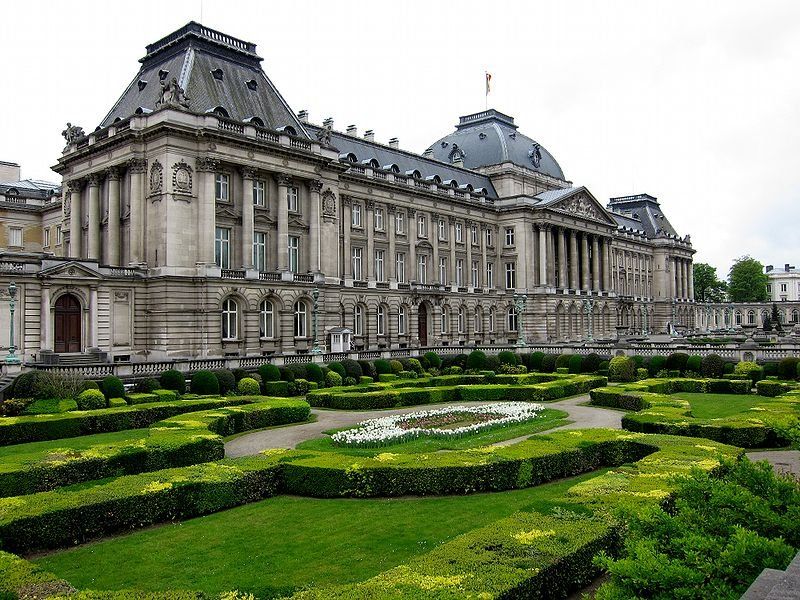
Laken Palace

Laken Palace

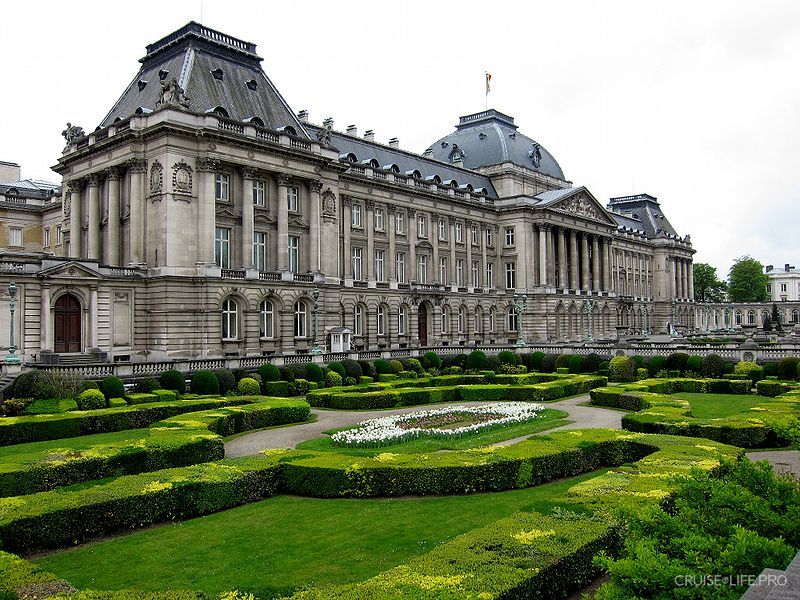
Laken Palace is a true residence of the Belgian monarchs. In the palace at Laken, the royal family lives all year round, except for those weeks when they travel on visits to neighboring countries. The palace in Laken is considered a unique architectural landmark. Built at the end of the 18th century, it changed hands many times. Power in Belgium shifted constantly. But when, at last, it ended up in the hands of the Belgian monarchs, they gladly settled in Laken. The palace only received its official status as a residence in the early 20th century. Around the same time, magnificent greenhouses of extraordinary beauty were laid out in the park. It’s best to come here as early in the morning as possible, when the paths are not yet crowded with tourists with cameras.
King’s House

King’s House

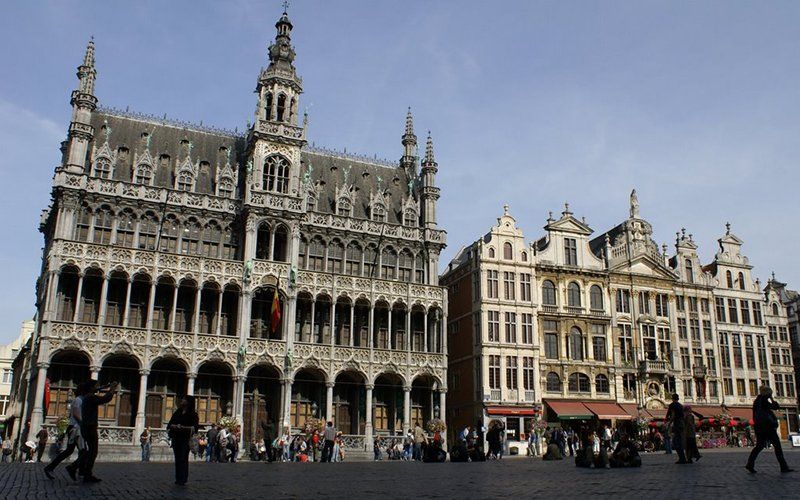
It’s as if the building on the Grand-Place is woven from lace, and it holds the record for changing its appearances and purposes. Originally built in the 13th century, it served as a storage facility for bakers. From a bread warehouse known as “Bread Rows,” the house turned into a prison, then into the tax office of the Duke of Brabant. Later, it became the residence of the Dukes, the rulers of Brabant. And it began to be called the Duke’s House. When the French, led by Napoleon, conquered Brussels, the Duke’s House was renamed the House of the People. And since the governors-foreigners-who led the Belgian capital often used royal privileges while carrying out their official functions, the House of the People became the King’s House, even though there was no king here, not in the slightest.
What to see

René Magritte Museum

René Magritte Museum

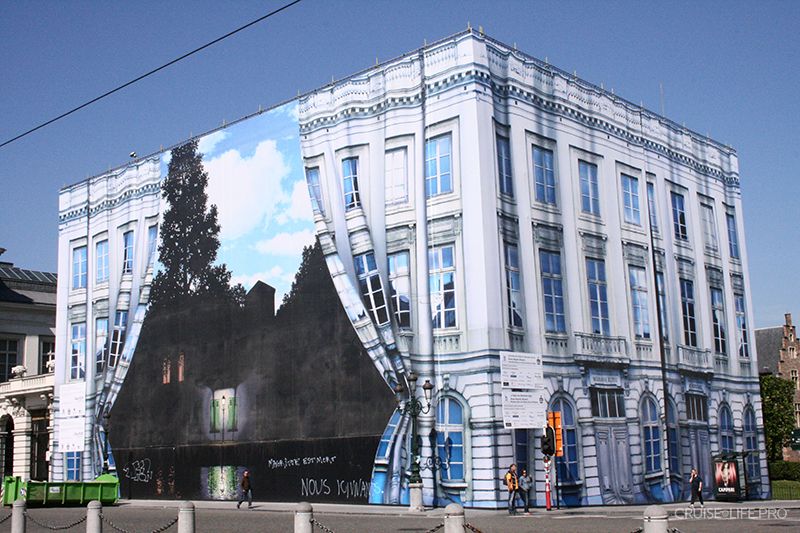
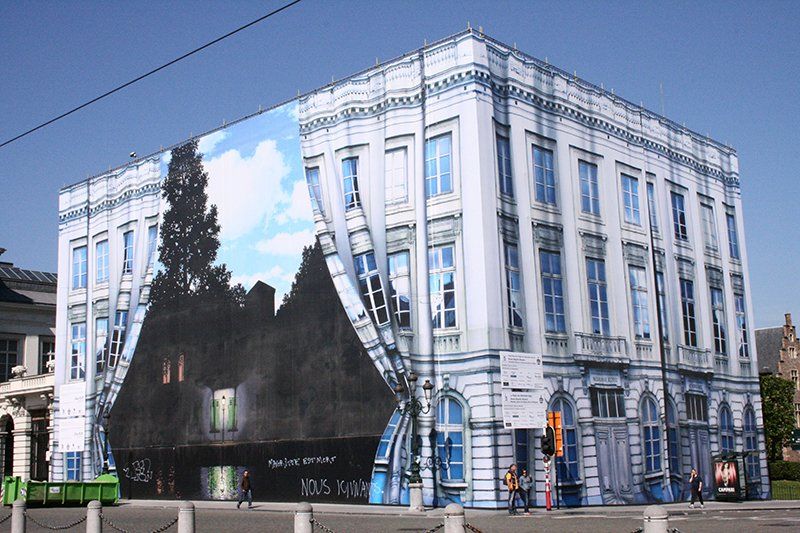
The museum of the famous surrealist artist René Magritte is located in the very center of Brussels. Here you can see the largest collection in the world of exhibits dedicated to the master. The main goal of René Magritte’s work is to encourage you to reflect on the essence of existence, on the contradictory and deceptive nature of what is visible, and on the hidden mysteriousness. The museum building perfectly matches the character of the artist’s works-the exterior of the structure is designed like a curtain slightly drawn back, as if inviting you into a world that is mysterious and deceptive. Inside the museum, which covers 2,500 square meters, you can view more than 200 works by Magritte, including paintings, photographs and video reels, posters, musical scores, and drawings.

Cocoa and Chocolate Museum

Cocoa and Chocolate Museum

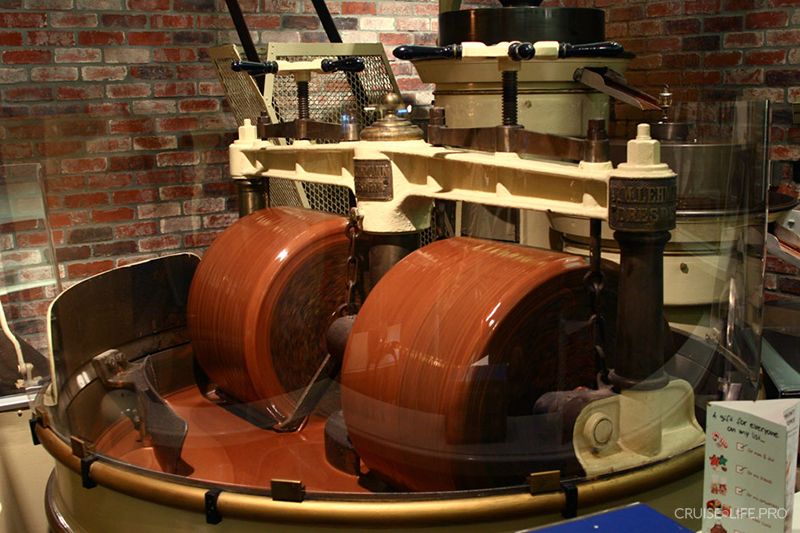
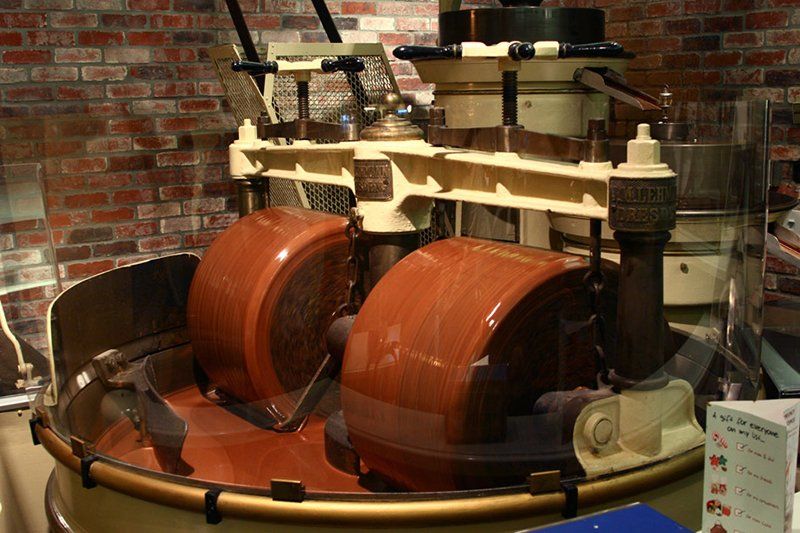
If you’re not just a sweet tooth, but a curious sweet tooth, you’ll be interested in the story and the process of making pralines, truffles, bars, and other sweets. You’ll be told about all of this and shown it at the Cocoa and Chocolate Museum in Brussels, the capital of Europe’s “most chocolate” country. The museum is located right in the heart of the capital on the Grand Place. You’ll be offered the chance to try your hand as a pastry chef, followed by a tasting of the delicious results. And if you don’t have time to go to the museum, don’t worry: any display case in any pastry shop is better than any museum.

50th Anniversary Park

50th Anniversary Park

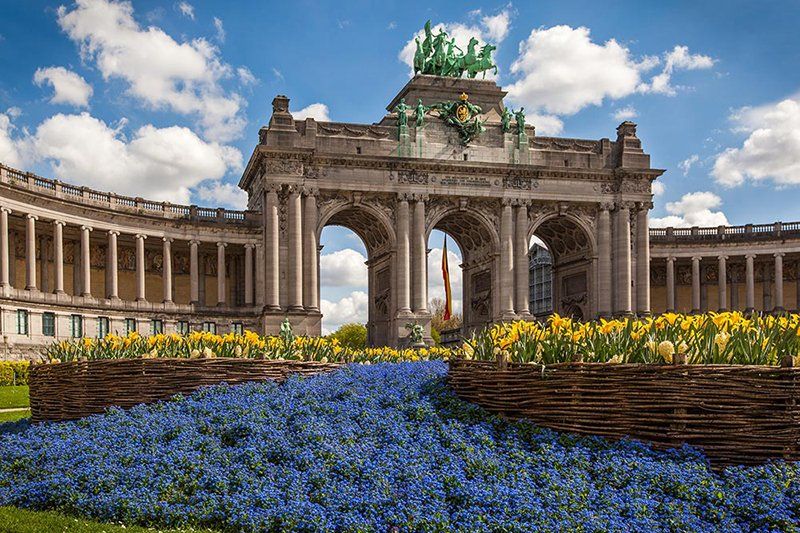
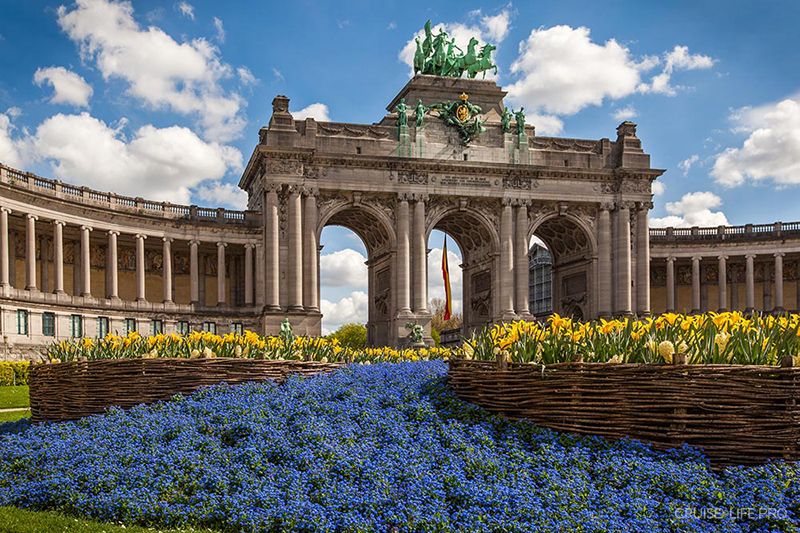
The idea to create the park belonged to King Leopold II of Belgium. He also ordered the construction of a Triumphal Arch within it, almost completely copying the famous Parisian Arc de triomphe de l’Étoile. The park turned out quite nice. Here you can take a break from the city bustle and, at the same time, visit the Royal Museum of Art and History, the Museum of the Army, and the Automobile Museum. Also located here is the most unusual restaurant in Brussels-The Cube-offering its dishes. Its dining room with white plastic chairs and tables with chrome legs is situated on top of the Triumphal Arch, inside a glass-and-chrome cube in a hi-tech style. Everything about it looks somewhat strange. The situation is nicely smoothed out by the wonderful view of the park that opens from the restaurant.

Mini-Europe Park

Mini-Europe Park

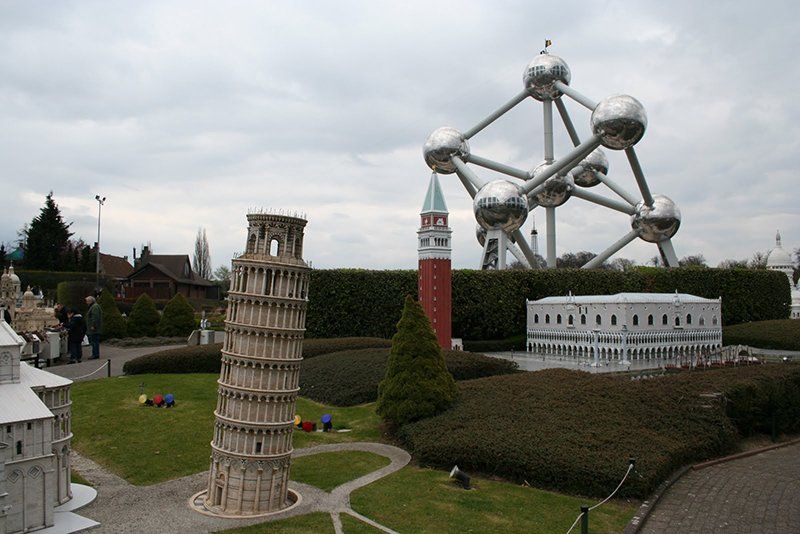
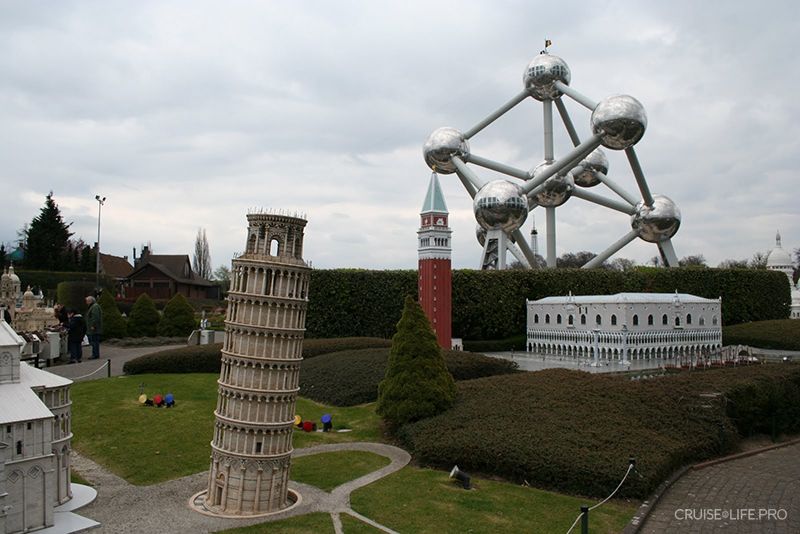
A park near the famous Atomium, where all of Europe’s main attractions are presented in miniature. In Brussels, they say it’s the only place in the world where, in just a few hours, you can discover such a large number of outstanding sights. In Mini Europe you can see London’s Big Ben, the European Commission building in Brussels, Venetian canals and gondolas, the Eiffel Tower, the bullfights in Seville, and much more. A total of around 300 exhibits are featured at a scale of 1/25 of their original size. Some of them took up to 300,000 euros to create. In addition to models of historic buildings, the park also features scaled-down copies of cars, airplanes, people, etc., which are constantly in motion.

Royal Galleries of Saint Hubert

Royal Galleries of Saint Hubert

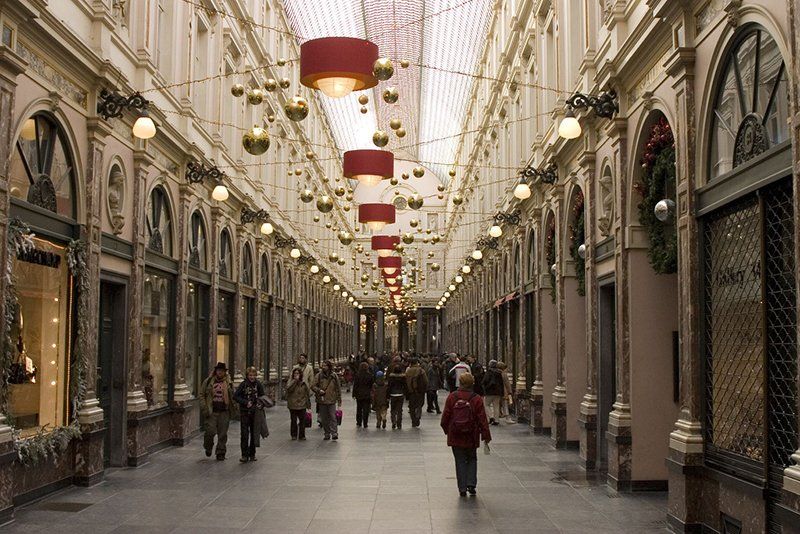
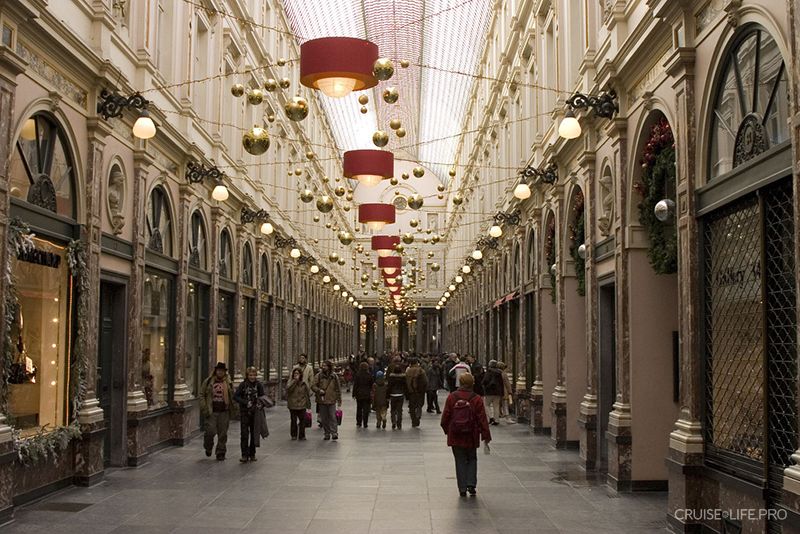
Mecca of Brussels shopaholics - Royales Saint-Hubert Galleries - the first and one of the most beautiful galleries in Europe. Older than St. Petersburg’s Passage and the famous Vittorio Emanuele in Milan. Three galleries (of the King, Queen and Princes), united by a project by architect Jean-Pierre Cluysenaar and a transparent dome 18 meters high, opened in 1847. “Everything for everyone” (“Omnia Omnibus”) is inscribed on the building’s façade. For one and a half centuries, the Brussels arcade has been standing at the very height: around fifty brands, antiques, chocolate, jewelry, and also cafés, restaurants, art showrooms, cinemas and theatre stages.

Brussels Belly

Brussels Belly

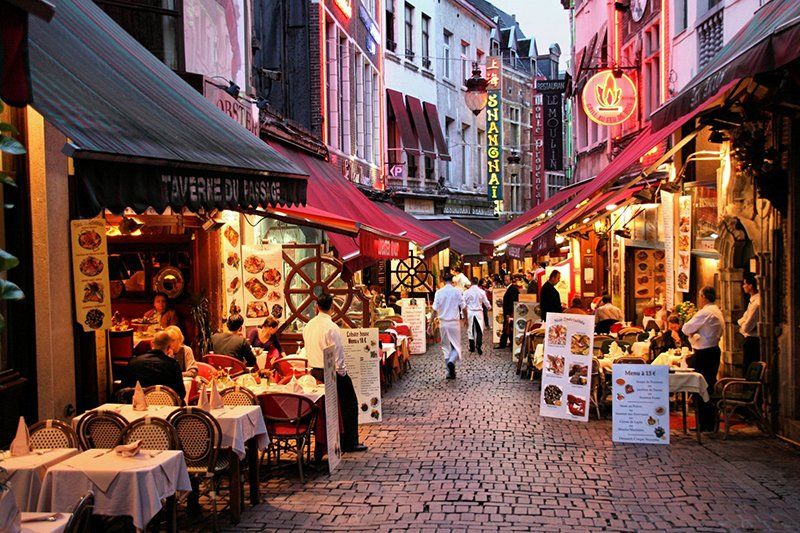
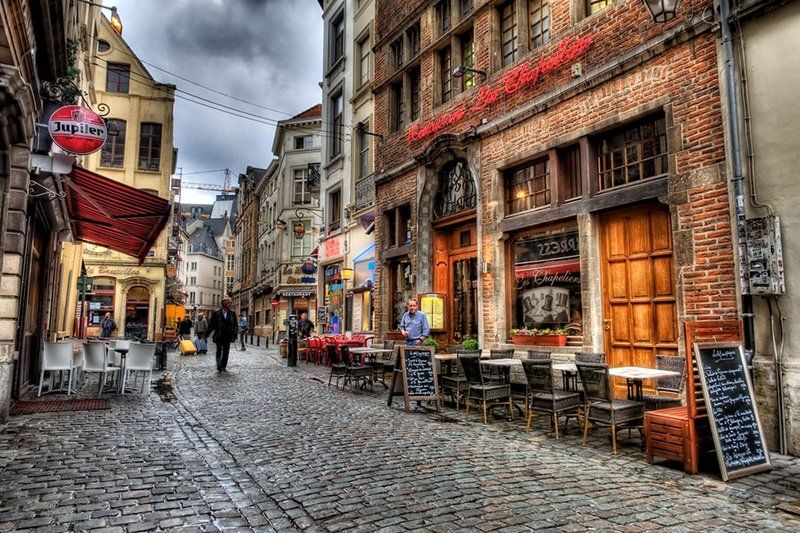
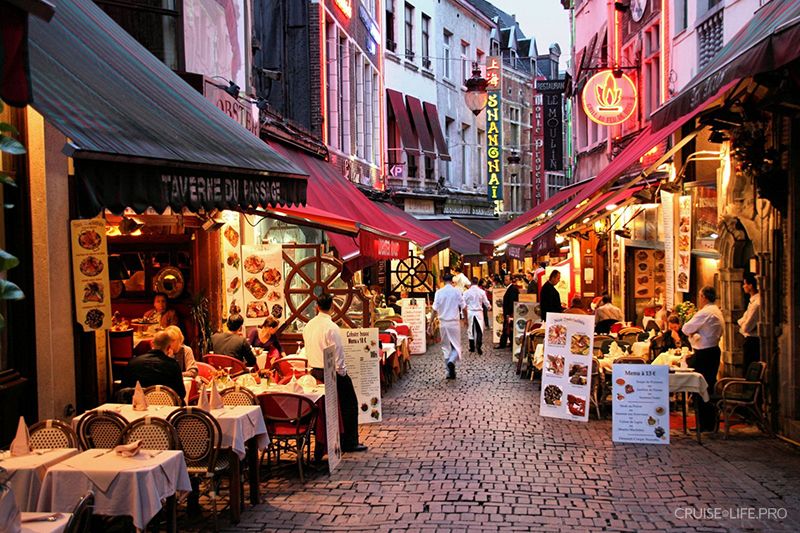
Once you’re in Brussels, you’ll certainly find yourself at least once in the “Guts of Brussels” - the city’s gastronomic hub, located right behind Grand Place. Here, it’s hard to tell which tables belong to which establishment. Next to each restaurant, there are touts ready in any language in the world to share all the details of the menu being offered. Even though Brussels is far from the sea, restaurant windows display fresh lobsters, langoustines, and mussels. One of the most famous places here is the Armes de Bruxelles restaurant. Nowhere else will you be offered such sea snails in fish broth and mussels in white wine. That said, it’s worth keeping in mind that prices in Brussels restaurants are far from democratic.

Bar Moeder Lambic Fontainas

Bar Moeder Lambic Fontainas

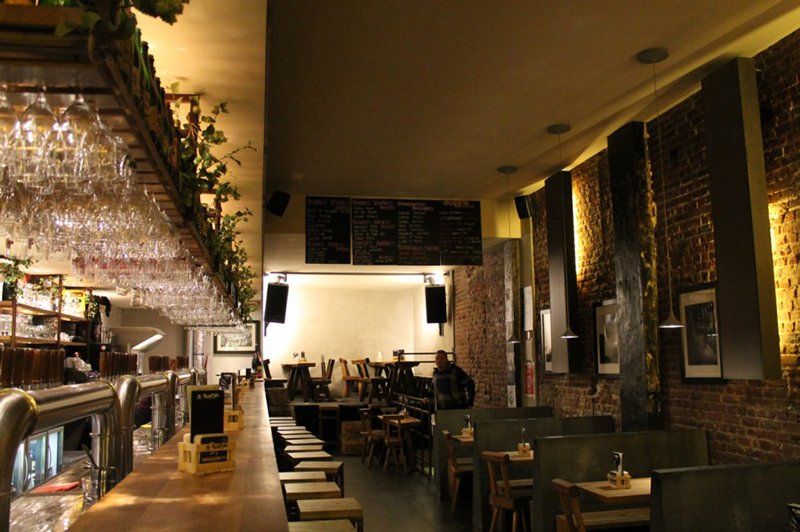
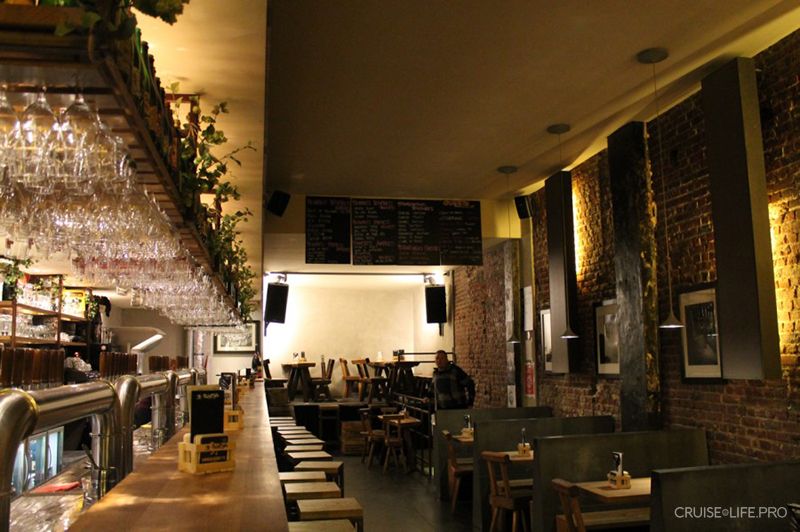
A popular bar offering around 150-200 varieties of bottled beer (depending on supplies; some styles are very rare and produced in small batches) and 46 varieties on tap. Beer lovers can go there for a tasting-different varieties are served to sample, and as a snack they offer local cheeses and meat delicacies. The owner himself explains how the beer is brewed and shows his cellars with barrels and bottles.

Recommended excursions

Brussels City Tour

Brussels City Tour

During the panoramic excursion, you will see Brussels’ main square, the Grand-Place, about which Jean Cocteau said: “One of the few squares in the world that unfolds like a theater around you.” Three sacred elements of Brussels at once: the Manneken Pis, the Jeanneke Pis, and the Zinneke Pis. Would you like to visit the café that all Russian revolutionaries used to love, where nothing has changed since 1899? It’s the perfect time to skip a glass of “halif and khalif,” the favorite drink of Krupskaya in exile. The shops of Belgian designers on the Dansaert street will bring you into a state of ecstasy not only with their collections but also with their prices. The René Magritte Museum, from whose windows you can enjoy an unforgettable view of the city. And much, much more.

For a more detailed list of excursions and their prices, you can review them after booking your cruise in your “Client Personal Account”.