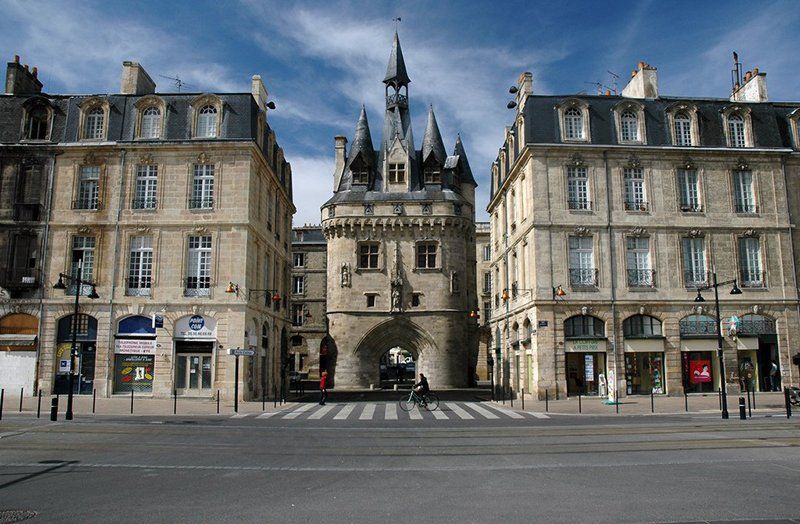
Kayo Gates
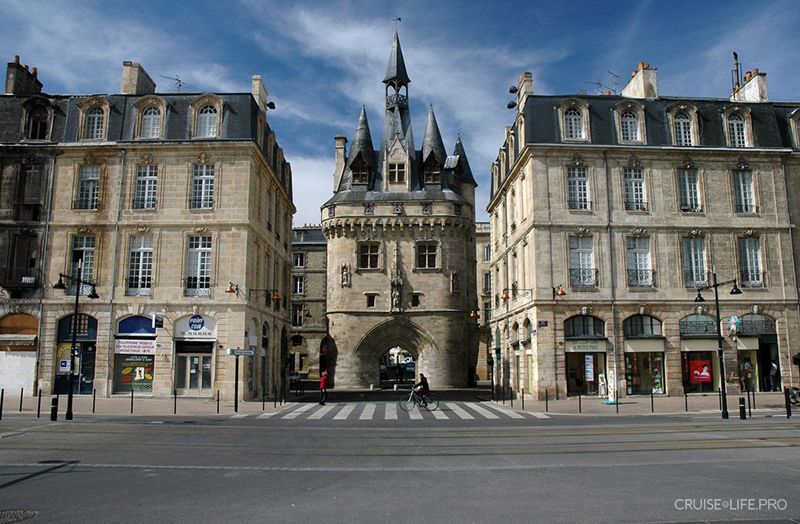
The gates of Cayo served as the main entrance to the city from the 15th century. At one time, they led to the palace where a parliament was located. In the 19th century, the building-which could not be restored after a series of fires-was dismantled, and the Palace Square was created in its place. The gates were built to commemorate the victory that Charles VIII won over the Italians at the Battle of Fornovo. From an architectural standpoint, they are a monument to the transitional period from Gothic to the Renaissance. The crenellations around the entire perimeter of the structure, the grilles, dormer windows, and arrow slits reveal its defensive character inherited from the Middle Ages. At the same time, decorative arches above the windows, a roof with elegant turrets, as well as the canopy over the niches point to a style characteristic of the Renaissance.
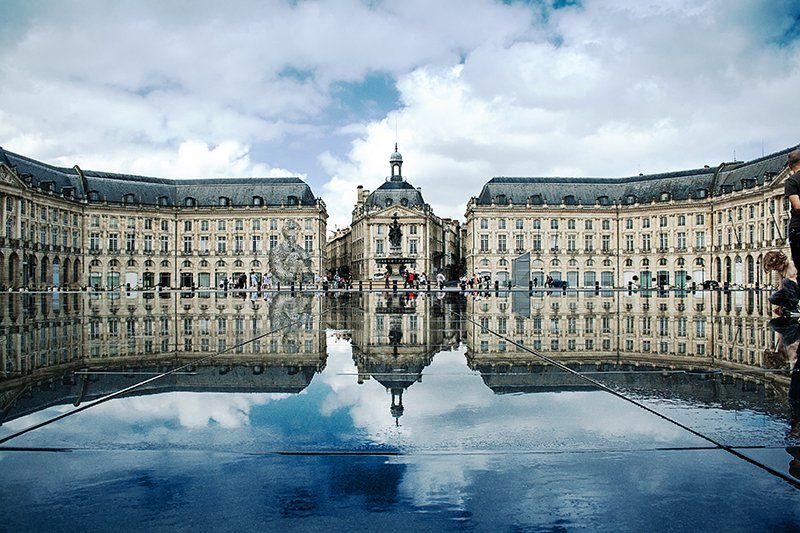
Stock Exchange Square
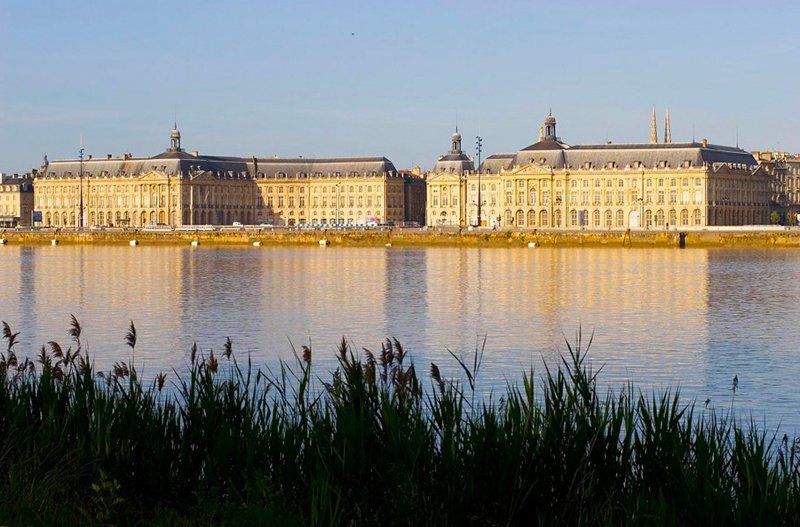
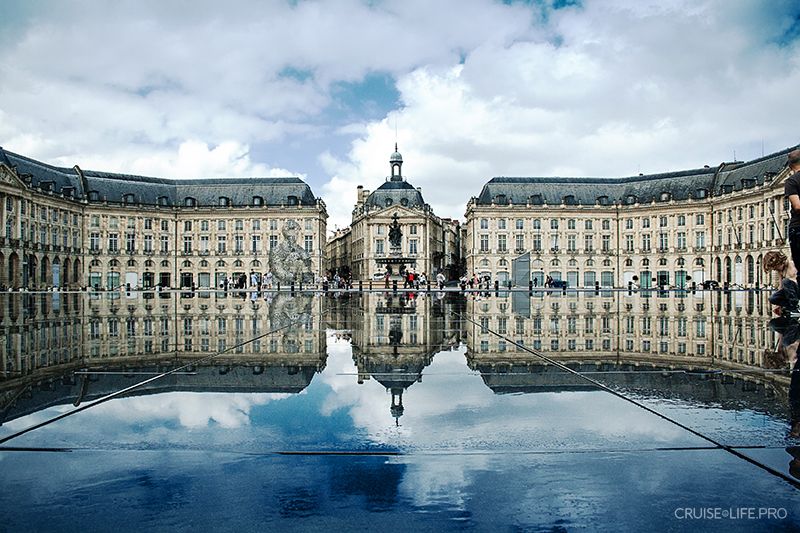
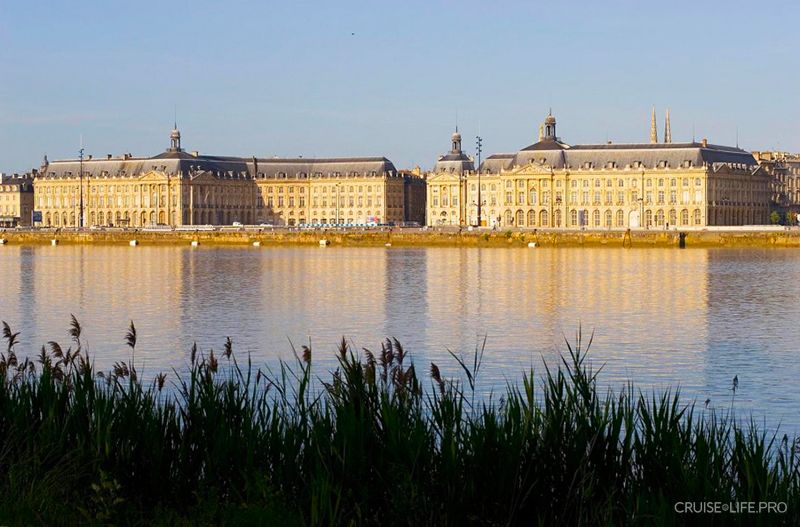
Solemnly opened in 1749, the square is considered a symbol of the city’s prosperity. Originally, serving as a kind of luxurious setting for an equestrian statue of Louis XV, it was Royal. During the French Revolution, the monument disappeared, and the square proudly took the name of Freedom. Under Napoleon I, it became Imperial, and during the Restoration it once again became Royal. In 1848, with the fall of Louis-Philippe I, the square received its present name-the Exchange Square. The most vivid impression on tourists is made by the so-called water mirror. On the square’s flat surface, water is spread out, and if you stand with your back to the river and look at the square, it is reflected on the water’s surface as in a mirror.
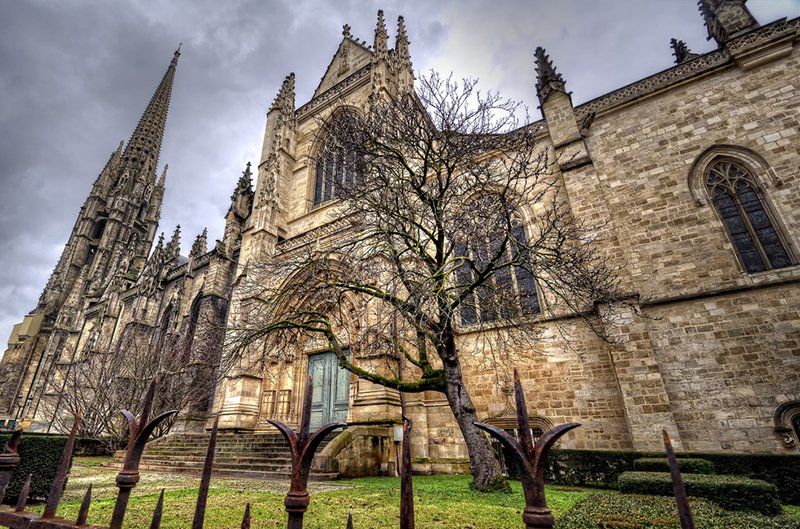
St. Michael’s Basilica
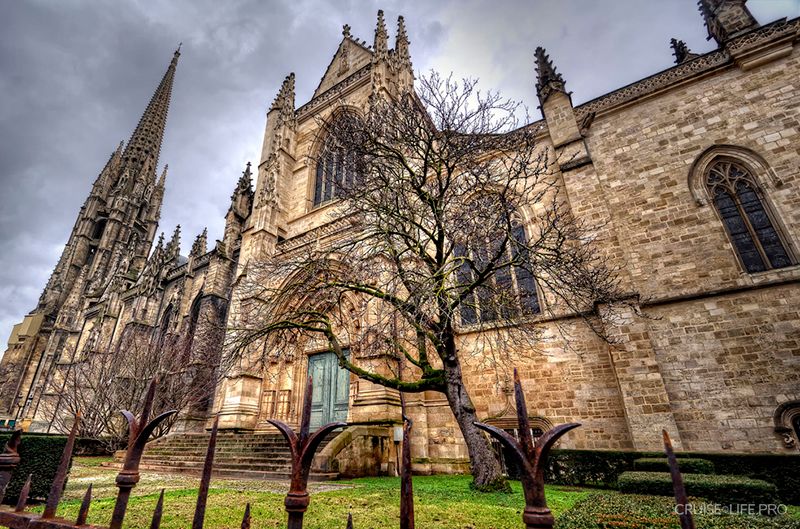
Basilica of Saint-Michel is one of the main Catholic shrines of Bordeaux. Built from the 14th to the 16th century in the Flamboyant Gothic style, it features 17 chapels in the side aisles, each dedicated to a particular fraternity or guild organization. Most of the basilica’s stained-glass windows date back to the 16th, 19th and 20th centuries. The oldest among them is “The Tree of Jesse”. The church’s 115-meter bell tower is considered the highest in the south of France. It stands separately from the church, framed by buttresses and small towers. Since 1846, the church has been recognized as a historical monument, and in 1998 it was added to the UNESCO World Heritage List as a landmark on the Santiago de Compostela Pilgrimage Route.
St. Andrew's Cathedral
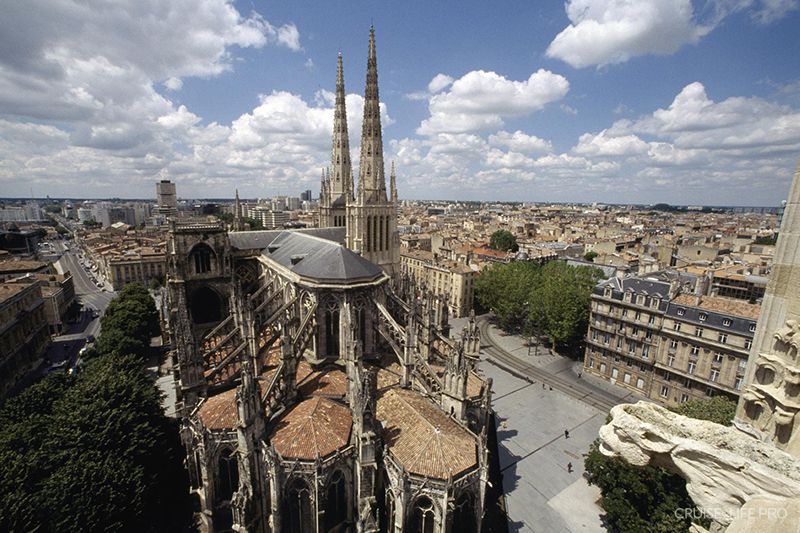
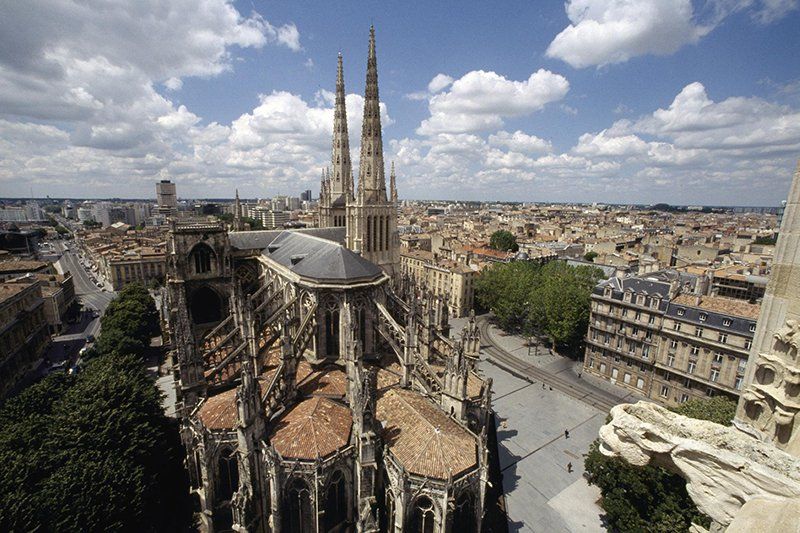
Cathedral of Saint Andrew the First-Called, located on Place Pey-Berland, is the main Christian shrine in Bordeaux. It was built on the site of early Christian temples. Between the 12th and 16th centuries, the church was repeatedly rebuilt and ultimately became Gothic. In 1137, a marriage was concluded here between the fifteen-year-old Eleanor of Aquitaine and the future Frankish king Louis VII. Since 1998, the cathedral has been included in the UNESCO World Heritage List as a church on the pilgrimage route to Santiago de Compostela. Inside there is a wealth of works of art, including paintings from the 14th-17th centuries, sculpture from the 14th-20th centuries, and astronomical clock from 1782.
Kincons Square
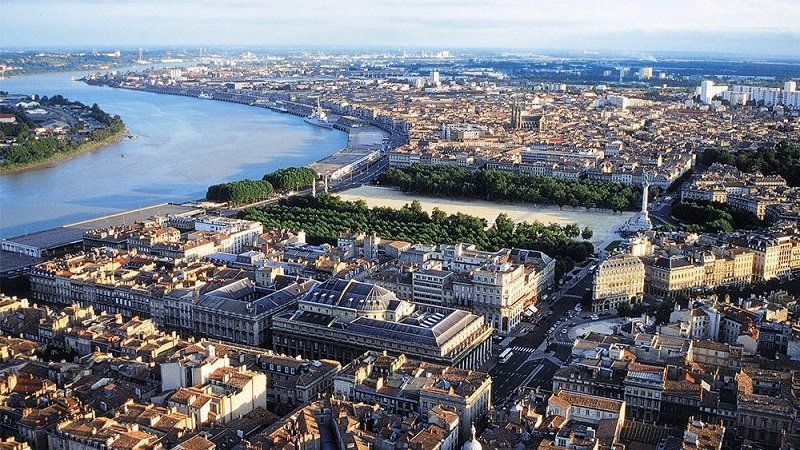
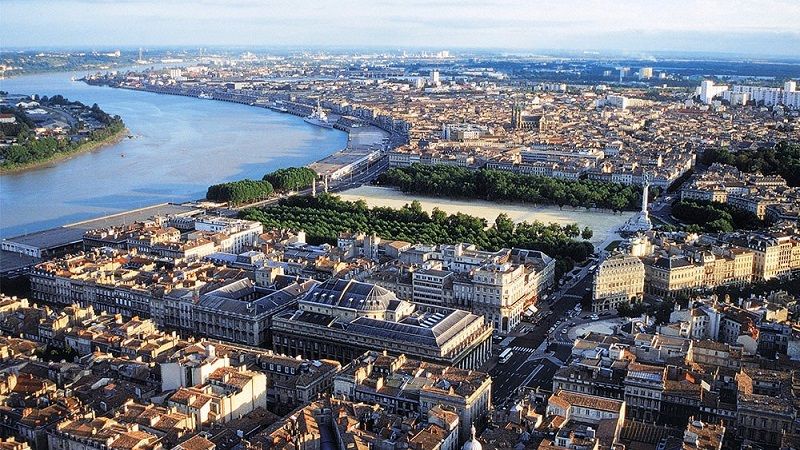
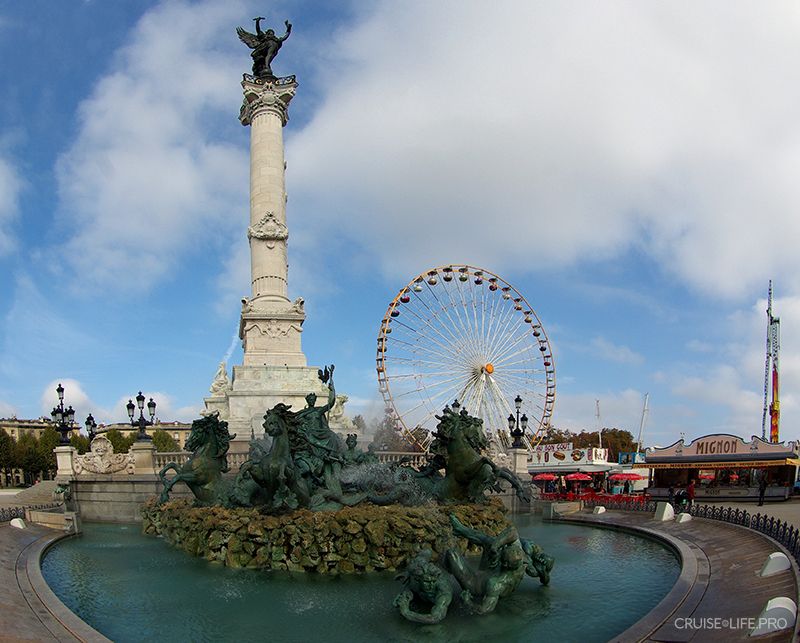
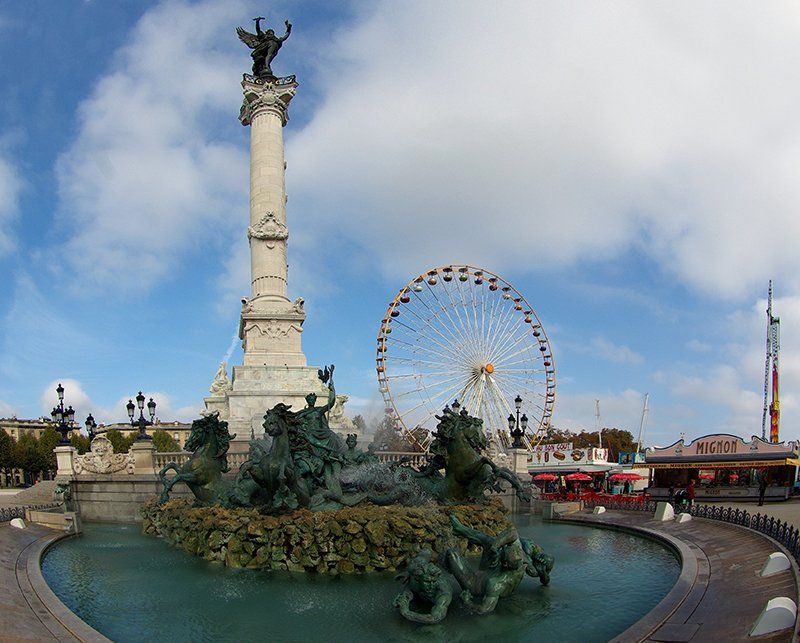
The Place de la Bourse in Bordeaux appeared in the city at the beginning of the 19th century on the site of the Château Trompette, built in the 15th century by Charles VII. Originally it was named Place Louis XVI, then Place Louis-Philippe, and after the French Revolution it received its current name, which comes from the trees planted around it in a checkerboard pattern («en quinconces» in French means «in a checkerboard pattern»). Place des Quinconces is considered the largest square in France. Since 1854, it has regularly hosted carnivals, concerts, and other entertainment events. Twice a year (the last three weeks of October and the first three weeks of March) a fair is held here.