Historic Centre of Alghero
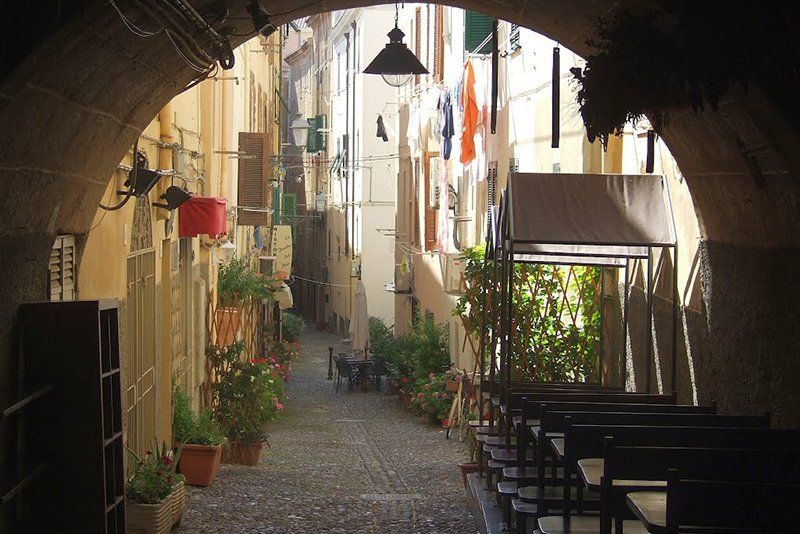
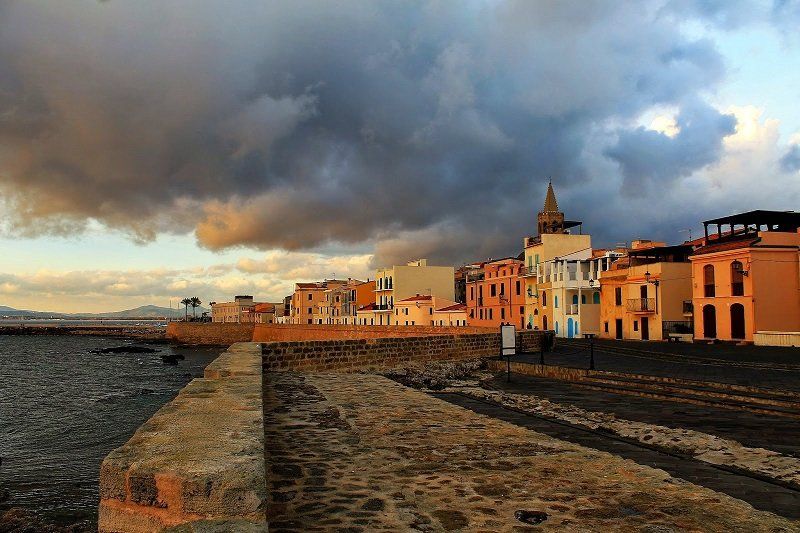
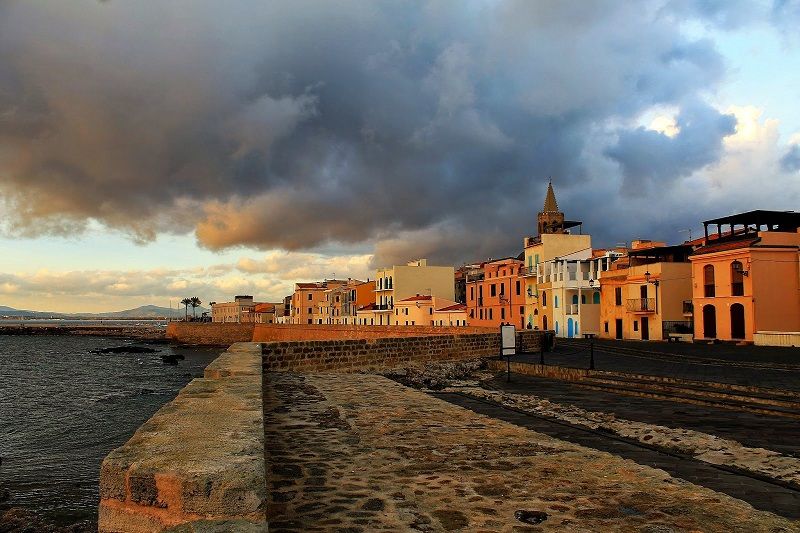
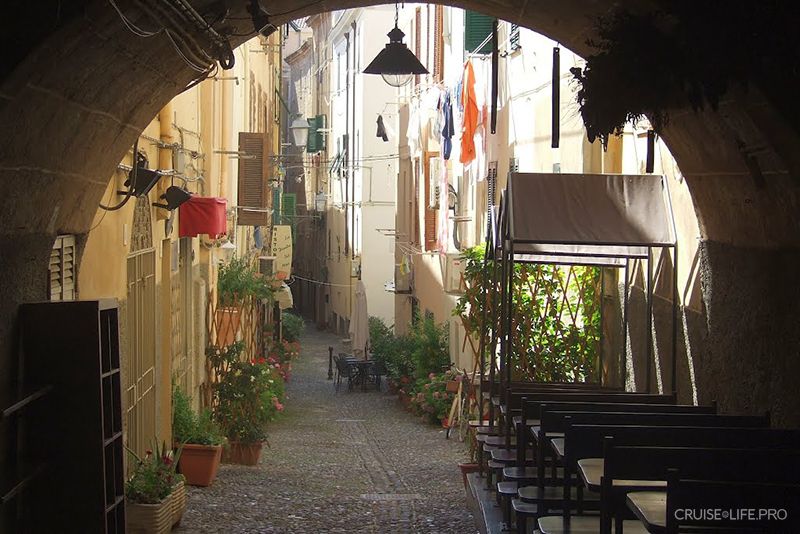
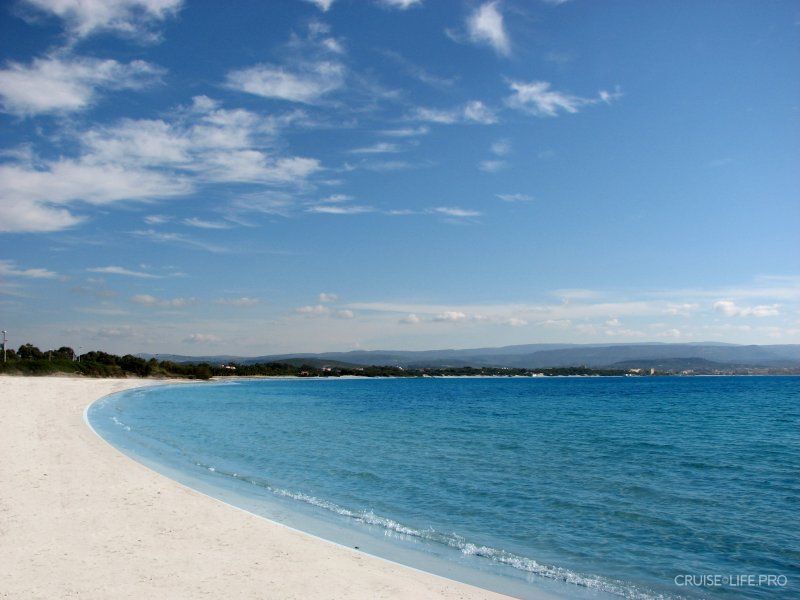
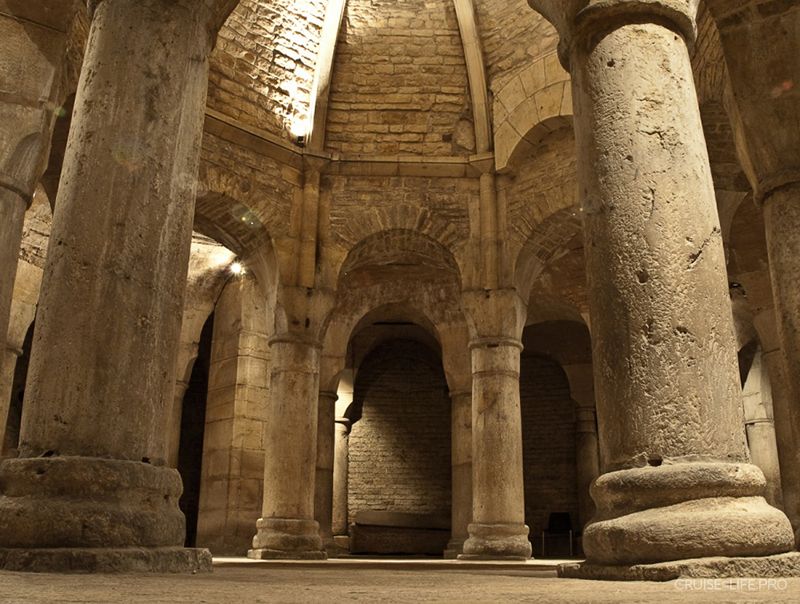
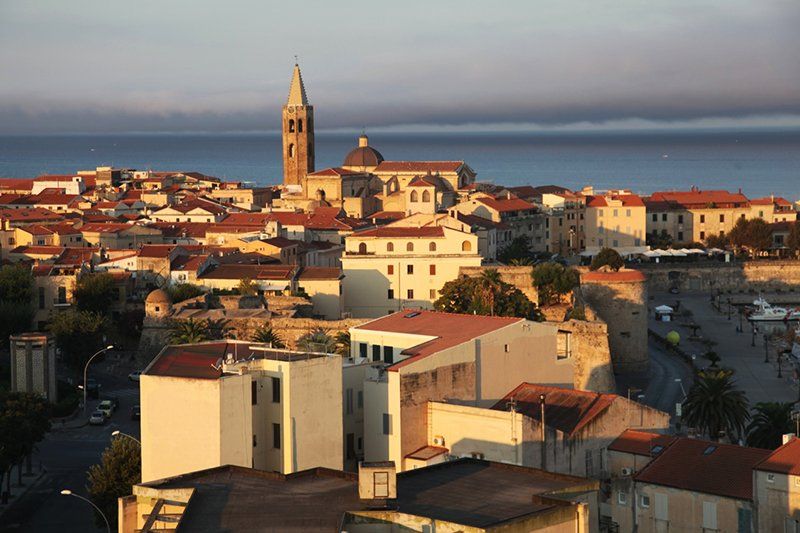
Among the cobbled streets of the old town with its majestic bastion, medieval towers and palaces, the echoes of Alghero’s Catalan past can clearly be heard, along with signals from the dazzling present of a fashionable seaside resort. The ancient fortress walls, from which there is a wonderful view of the sea and the port, today have turned into one of the city’s most popular places for strolling and entertainment. The central Piazza Sulis - a historic meeting place for lovers of Alghero’s nightlife. Nearby Piazza Civica, among old palaces in the labyrinth of lanes of the historic center, are the most exclusive boutiques and shops in Alghero.
Fortress Walls and Towers
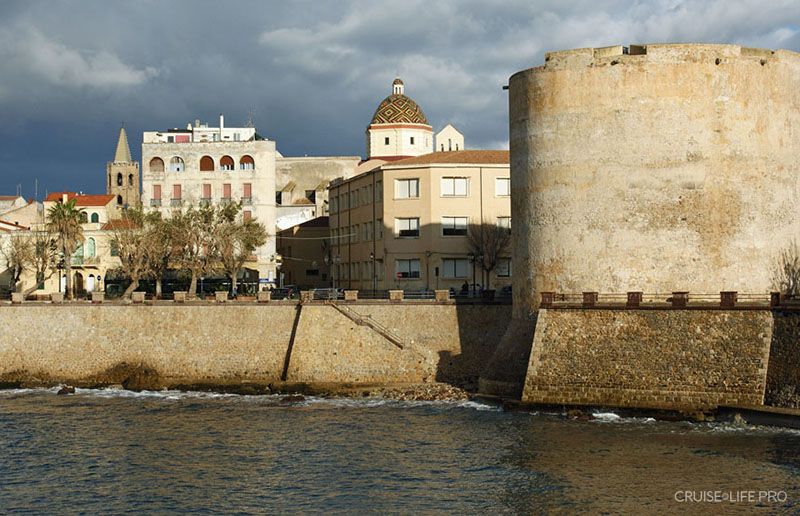
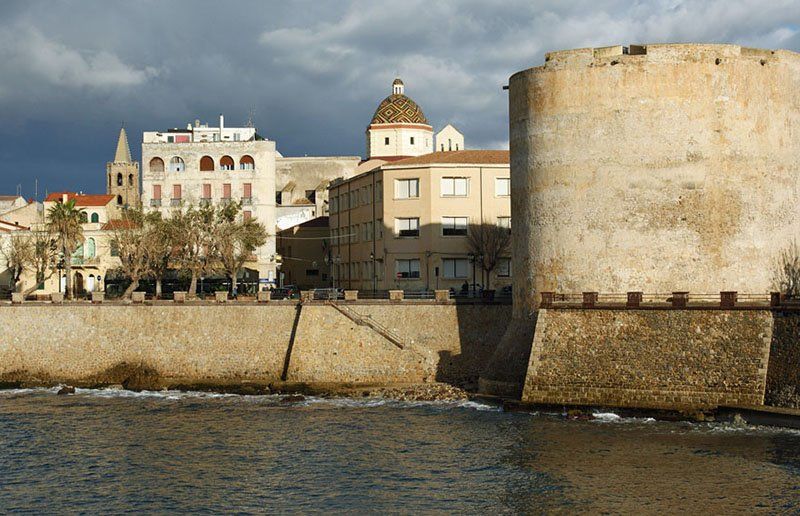
The fortress walls of Alghero were built in 1102 by order of the rulers of Genoa, the Doria family, which captured this city in Sardinia. The walls protected the city from the sea and the land. In 1353, the fortress together with the city passed into the hands of the Aragonese kings, who strengthened their new acquisition and did so for the glory of it. As proof, the walls still stand here to this day, right at the edge of the sea. Besides the walls, many towers have been preserved: the Tower of San Giovanni, the Tower of Sulis, Torre di Porta Terra, and others. You can also view the walls and towers by taking a stroll along the Alghero promenade.
Cathedral
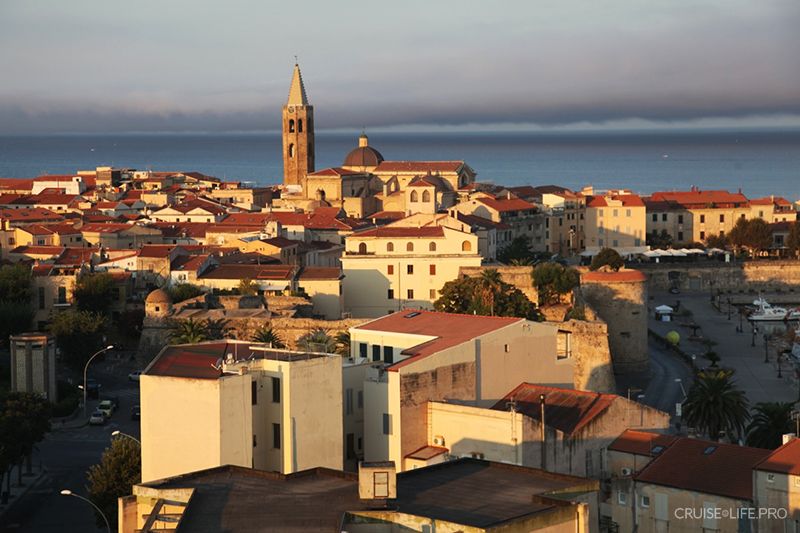
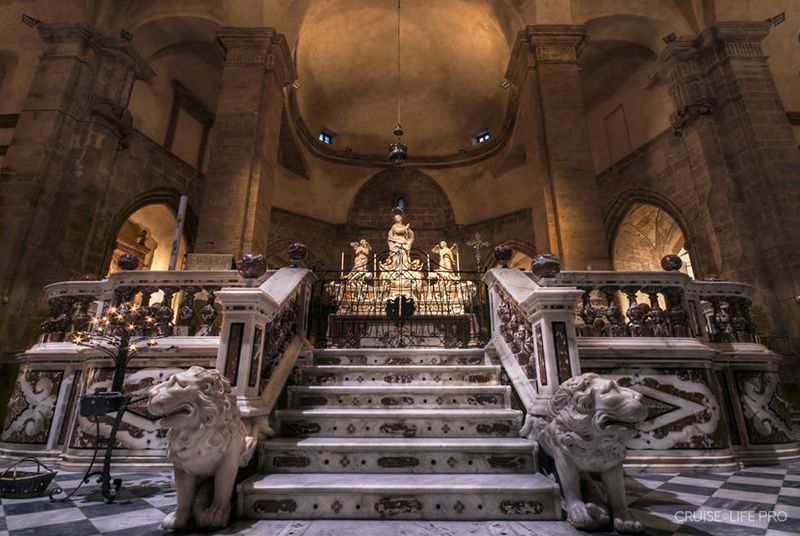
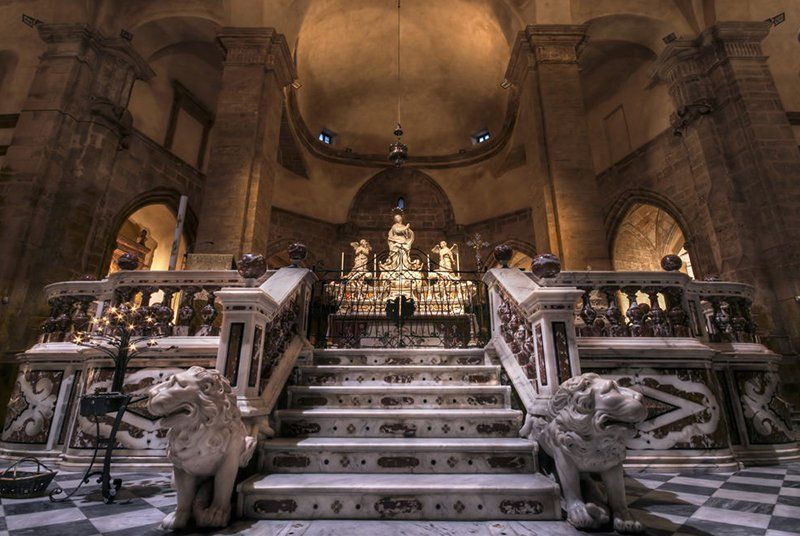
Dedicated to the Virgin Mary, the main cathedral of Alghero was built in 1567 on the site of an old church known as del Vergine (that is, dedicated to the Virgin), referring, once again, to the Mother of God. The cathedral is notable for its architectural style-Late Gothic. The bell tower is also of interest; it was built in the Catalan Gothic style. During the summer months, you can climb the bell tower and take in the picturesque surroundings and the terracotta-tiled roofs of the historic city center.
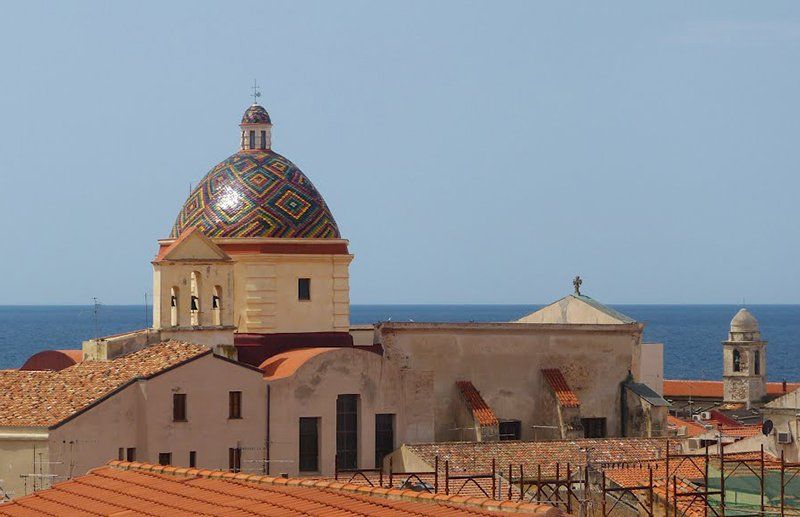
St. Michael’s Church
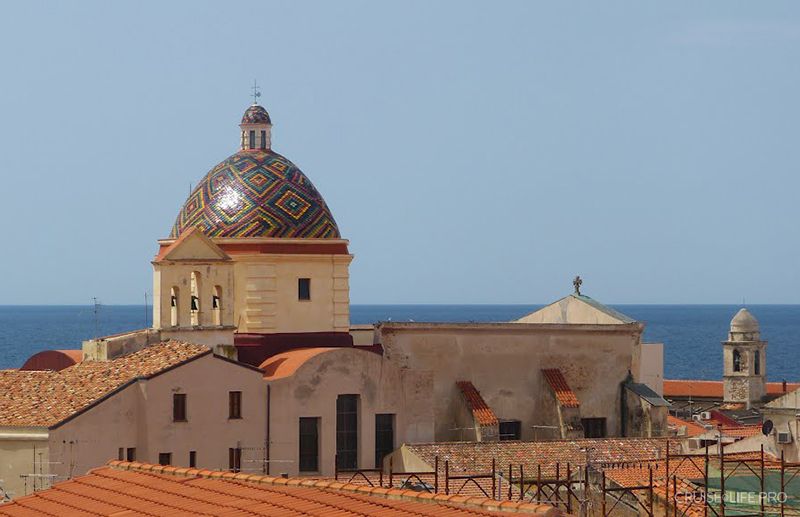
St. Michele Church was built in 1364. Renovation began as early as 1612 in the Baroque style, in which it has survived to this day. Inside, there is quite a lavish Baroque interior. One of the church’s chapels is dedicated to the Mother of God, another to Saint Father Ignatius Loyola, the chief inquisitor of the world. The main highlight of the church is its dome, which made it almost the city’s first landmark. It is incredibly vivid and colorful, but it was not always like that. In 1950, according to the design by Antonio-Simone Mossa and Filippo Figari, the dome was decorated with multicolored polychrome mosaic tiles in the shape of scales. Today, it can be said with confidence that the church dome is the most photographed spot by visitors in Alghero.
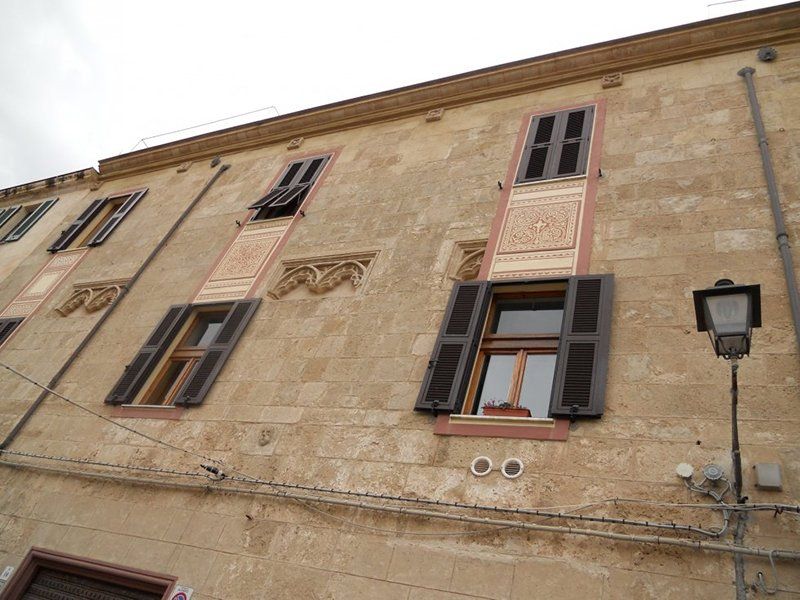
Palazzo Carcassona
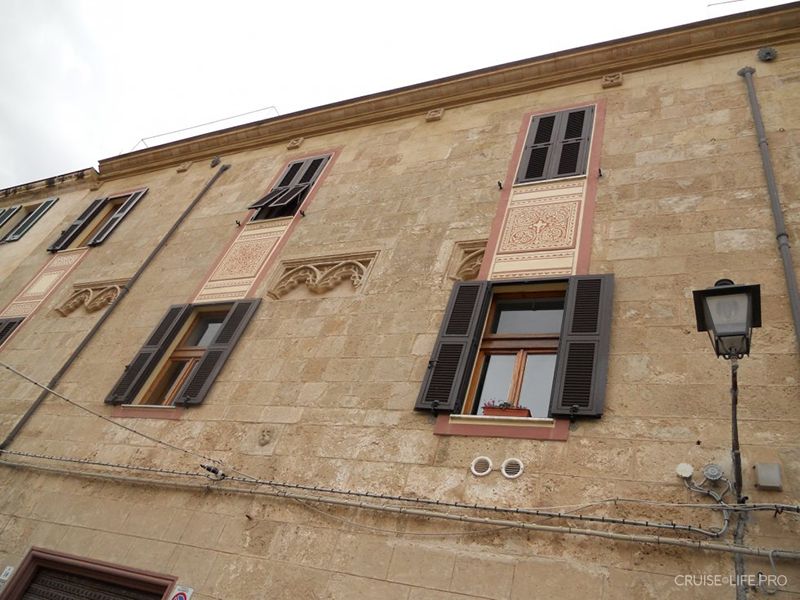
This palace was built in the 15th century with money from a wealthy Jewish family of Carcassonne. In order to avoid being evicted from Alghero, they were forced to convert to Catholicism. However, this didn’t help- in 1492, at the will of the Holy Inquisition that arrived here together with the Aragonese authorities, all the wealthy Jews were expelled anyway, while at the same time destroying the traces of life of the entire Alghero ghetto, which was located right here, on Via Sant’Erasmo and the adjacent streets of today’s Old Town. The palace remained, and an Aragonese vice-regent took up residence there. It has been well preserved-even the plasterwork and other decorative touches are still in place. Today, on the first floor of the palazzo, there is a decent restaurant, Il Vicerè, where traditional regional dishes are served, such as Lucian-style octopuses.