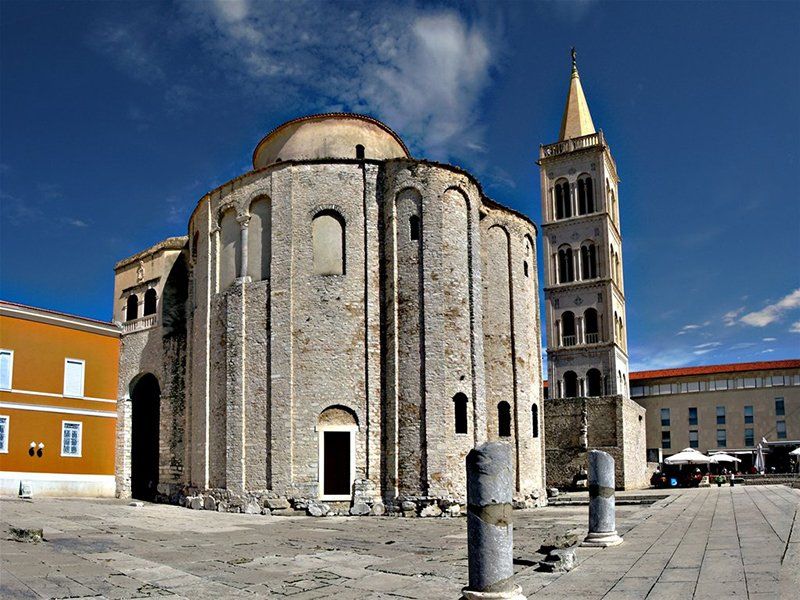
St. Donat’s Church
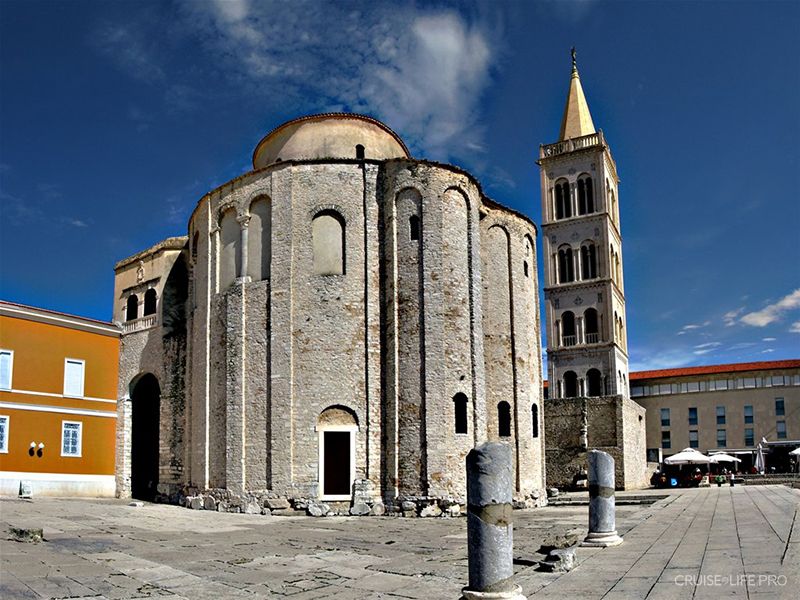
The Church of St. Donatus was built in the 9th century on the site of a former Roman palace by order of Bishop Donatus of Zadar. It is located near the Roman Forum, the ruins of which have been preserved to this day. Originally, the church was consecrated under the name of the Holy Trinity, but in the 15th century it received its current name. The Church of St. Donatus is in the Byzantine style and is the largest church of the Proto-Romanesque period in Croatia. Thanks to its excellent acoustics, it has become a favorite venue for musicians playing medieval music-they hold their concerts from March to October. You can visit the Church of St. Donatus any day.
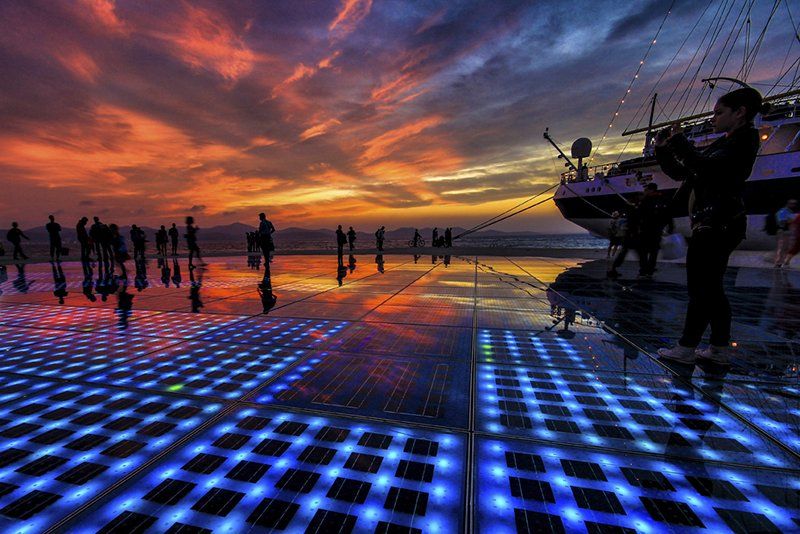
Hi, Sun
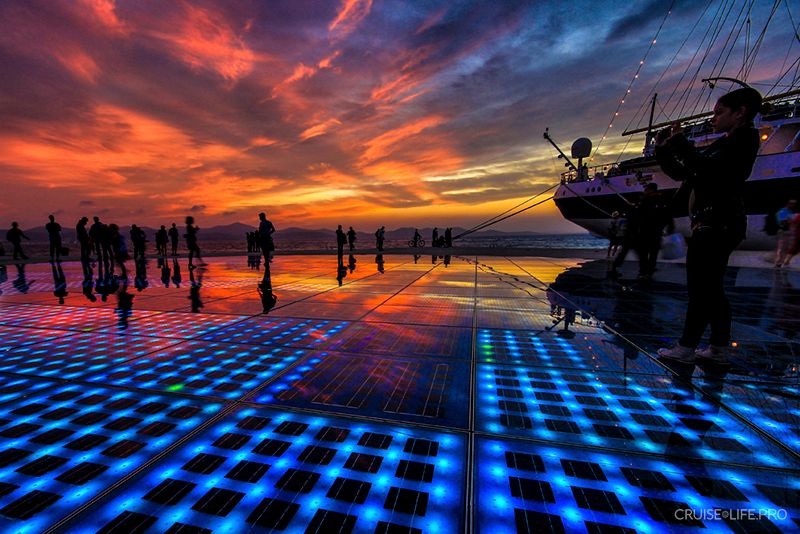
Hello Sun - three hundred glass tiles with built-in photoelements that store the Sun’s energy during the day and convert it into a multicolored glow at night. Something akin to a disk of huge diameter (22 meters). Smaller disks symbolize the planets of the Solar System. The view is stunning. At night, the magical structure reproduces not only the parade of planets, but also the calendar created in Zadar in the 13th century. Everything that happens inside this enormous solar battery is accompanied by an exquisite melody produced by the Sea Organ. This unusual monument was erected in 2007.
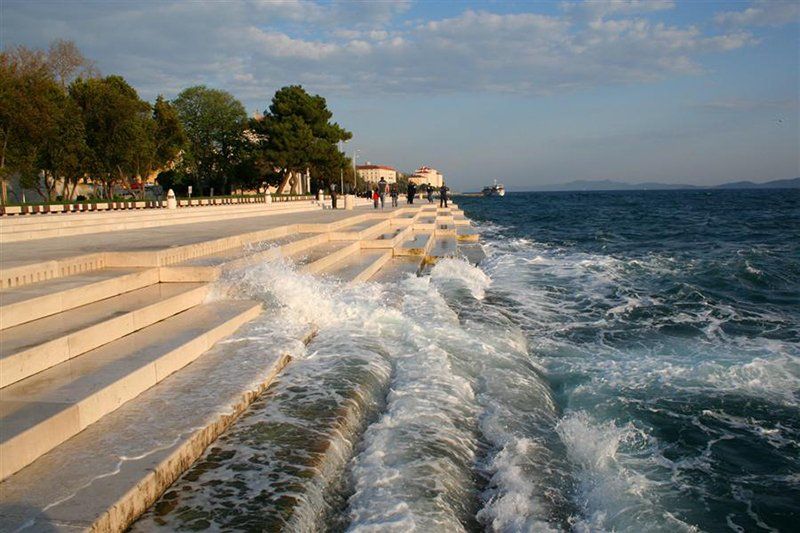
Sea Organ
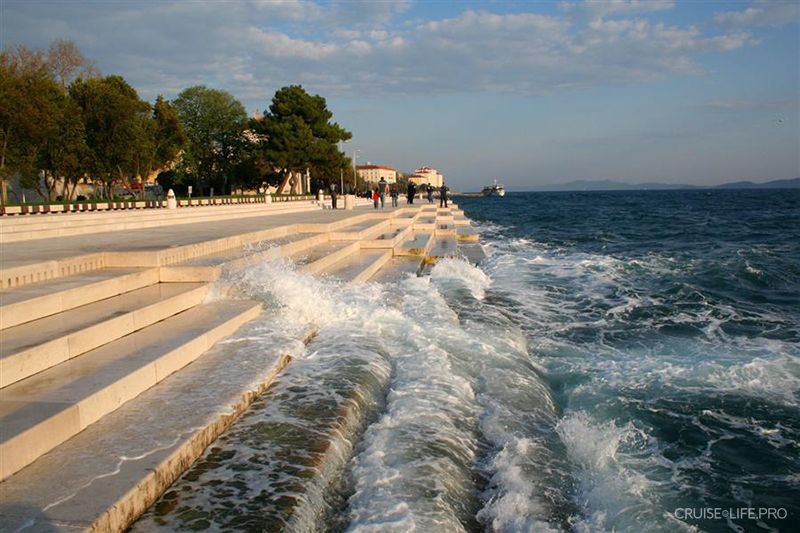
The Sea Organ is an architectural structure created by engineer Nikola Bašić in 2005. The organ is a system of 35 tuned pipes, similar to a real organ system. The pipes are located beneath the steps of the city waterfront, and holes have been made in them to carry sound onto the sidewalk. The movement of water caused by the tide and sea waves pushes air through the pipes, producing sounds of varying length, pitch, and intensity. A remarkable musical instrument played not by a person, but by nature itself-sure to delight lovers of curiosities.
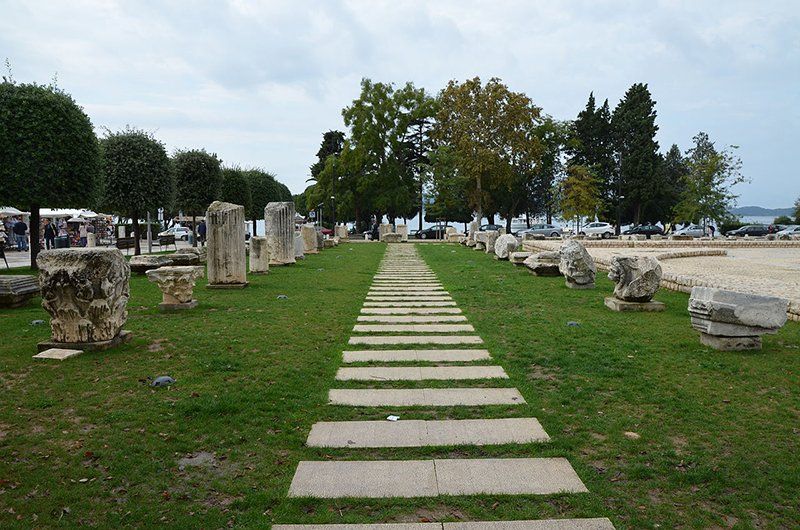
Roman Forum
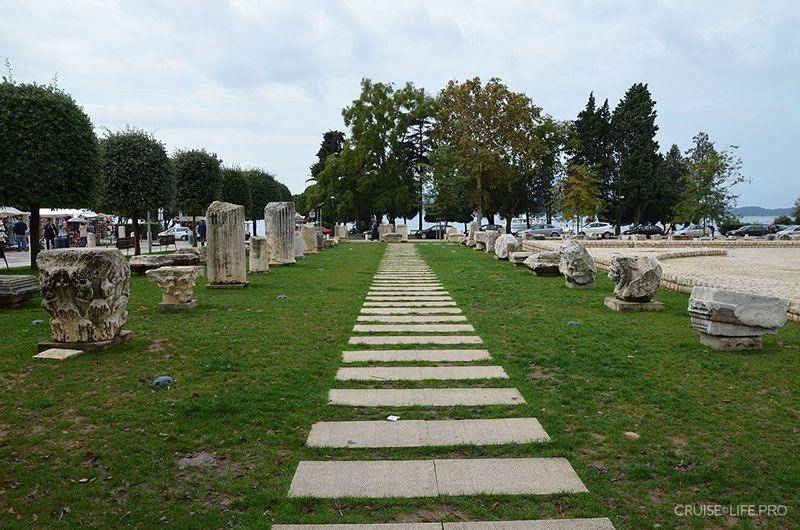
The greatest mark on the history of Zadar was left by the Romans, who captured the city in the first century BC. Around this time, the Roman Forum named after Augustus was built. Unfortunately, little has survived to the present day. At the same time, the Roman Forum was harmed not so much by wars as by the hands of Christians, who dismantled the earliest structures to use the materials obtained in the construction of churches and temples. An ancient tower measuring 14 meters in height has survived, as well as the ruins of a street paving, and fragments of a triumphal arch that was built during the reign of Emperor Trajan.
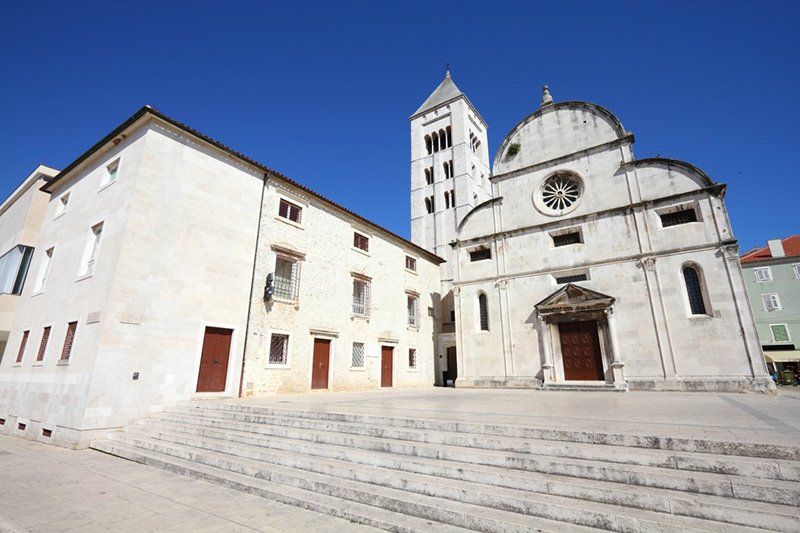
Monastery of Saint Mary
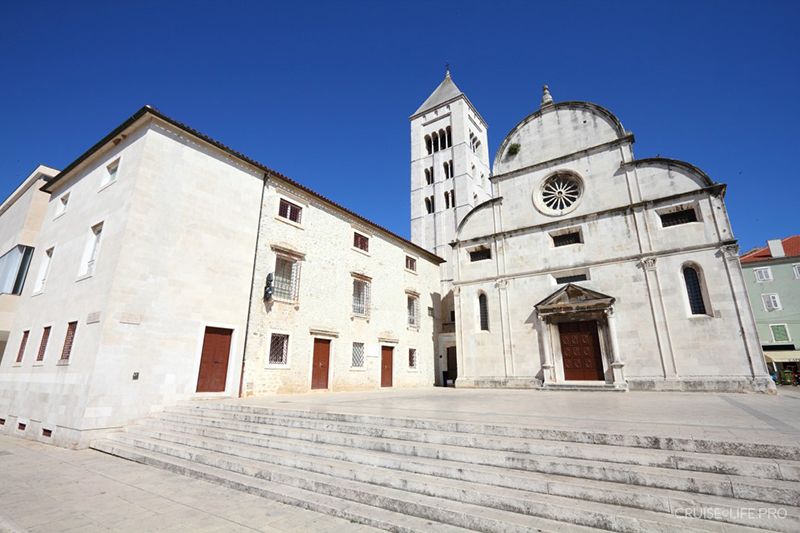
The Monastery of Saint Mary is almost a thousand years old-it was created by the personal order of the Croatian king in 1066. And although the original monastery building has not survived, the monastery church and its bell tower have nevertheless been meticulously restored by the authorities. The building is best viewed from several angles, and it’s a good idea to start from a distance, because the building’s proportions and style are better seen from afar. Only then can you come closer to appreciate how harmoniously and symmetrically the façade looks. As for the bell tower, by its size it can very well rival the nearby tower of the Church of Saint Donatus. The monastery houses an excellent collection of works of art known as “Gold and Silver of Zadar.”
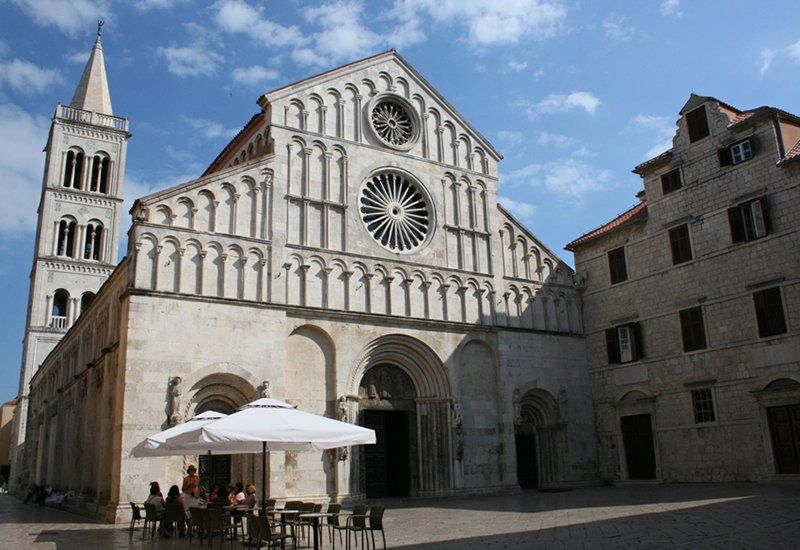
St. Anastasia Church
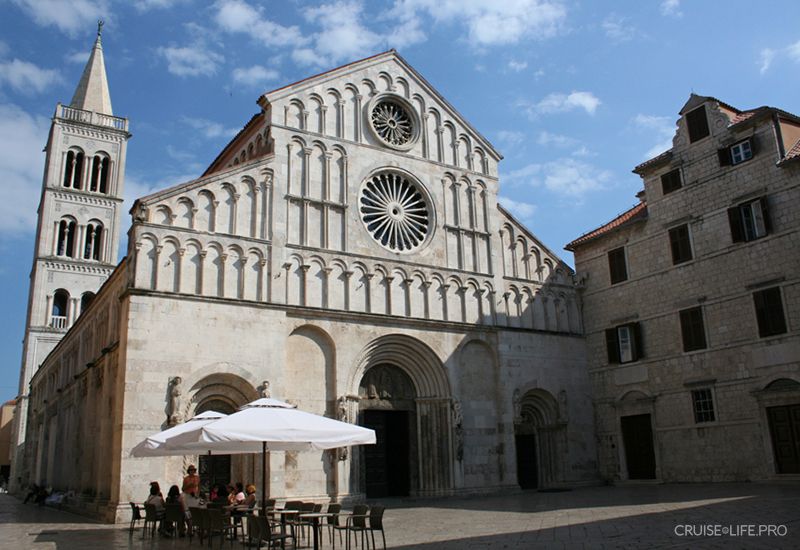
The Church of St. Anastasia, built in Romanesque style in the 12th-13th centuries on the site of an older church, is located not far from the Church of St. Donatus. The church is famous for its richly decorated façade, well-preserved interior frescoes, and carved choir loft. In the church’s altar, a marble sarcophagus with the relics of St. Anastasia is kept. The cathedral was severely damaged during the Second World War, but was fully restored.