Xiamen, China

Port of call

Xiamen, China

Cruises in Asia (Southeast Asia)

Description — Xiamen, China

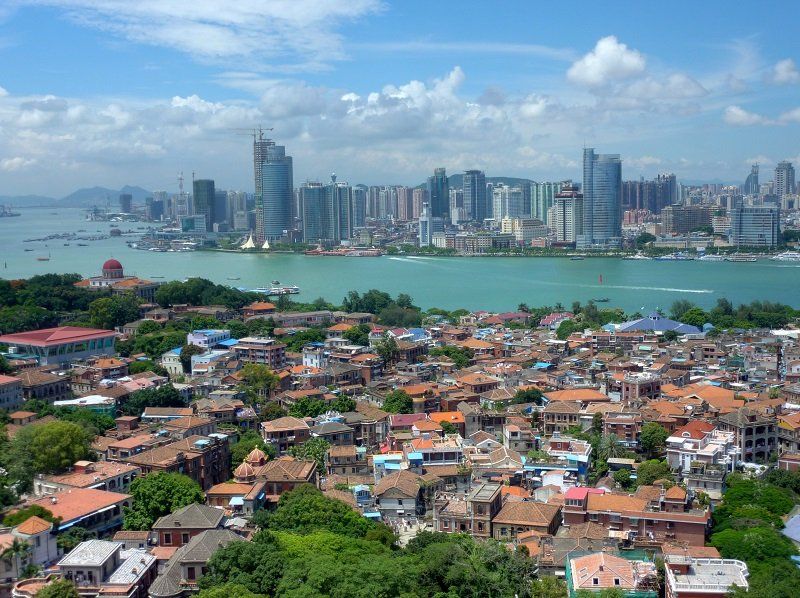
Xiamen is a city of sub-provincial status in Fujian Province (China), the largest port in the province on the Taiwan Strait coast. It is located on islands and the adjacent mainland coast between Quanzhou (to the north) and Zhangzhou (to the south). In the sea, about ten kilometers from the city, there is a group of Jinmen islands, which belong to Taiwan and remain a subject of dispute.

This ancient city was first mentioned in 282. During the Yuan dynasty, the beautiful harbor of Xiamen served as a refuge for local pirates. In the era of the Ming dynasty, in 1387, General Zhou built fortifications here to protect against local and Japanese pirates. Up until the 15th century, active trade was carried out from here with India, Arabia and Western Asia; the port was one of the greatest trading centers in the world. The policy of reforms and openness led to Xiamen becoming a free economic zone. Today, it is considered one of the most well-equipped and well-maintained cities in China.

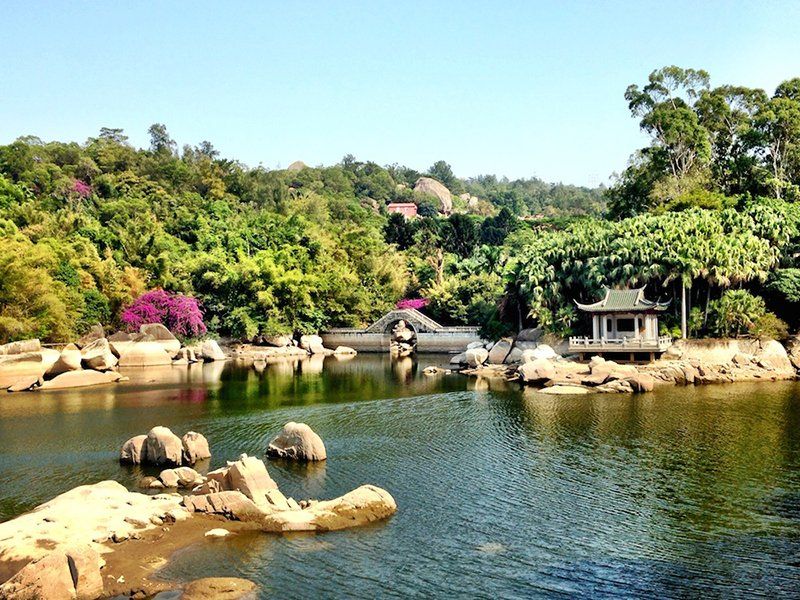
Xiamen is one of the most pleasant places along the entire coast of China. The city is interesting for both its ancient and modern architecture. The charm of colonial times still lends the city a special allure, despite its “ultra-modernity” of the skyscrapers that every future-oriented port megacity should have.

Climate

Xiamen lies in the monsoon humid subtropical climate zone, so rain is very frequent here, and when it isn’t raining, the sky is hazy. The most “dry” time is winter. Summer is hot and humid, with temperatures sometimes rising to +40, and typhoons occur in late summer. Winter is warm, short, with an average temperature of +15-18*, the coldest month is February. Spring is rainy, and autumn is dry and sunny.

Location on the map

Sights

Nanputuo Buddhist Temple

Nanputuo Buddhist Temple

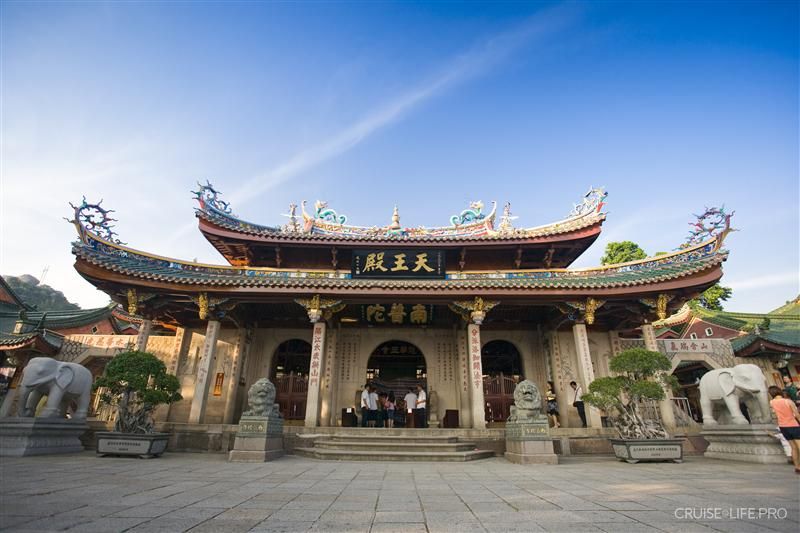
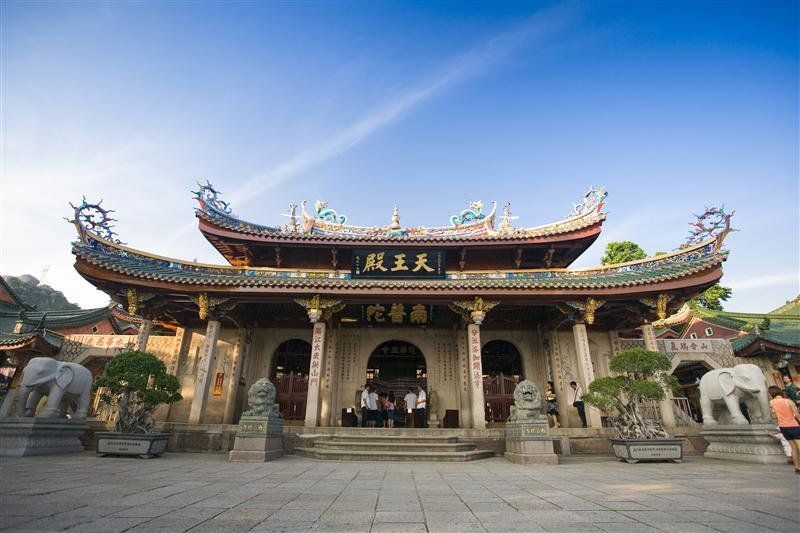
The Buddhist temple of Nánpútō was built over 1000 years ago during the Tang dynasty. Visitors enter the temple through the Hall of the Heavenly King, Tiān Wáng, where those arriving are greeted by Maitreya Buddha. Behind him stands Wei Tuo, the guardian and protector of Buddhist doctrine. Beyond this hall lies an inner courtyard with the Drum Tower and the Bell Tower. On the other side of the courtyard is the Hall of Heroic Treasure, where statues of three Buddhas are kept. On the lotus-shaped pedestal of the statues, the biography of the Buddha is carved. The next hall is the Hall of Great Compassion. It contains the figures of four bodhisattvas. At the rear of the temple complex there is a pavilion built in 1936, which houses a collection of Buddhist manuscripts, calligraphy, ivory sculptures, and other works of art.

What to see

Gulangyu Island

Gulangyu Island

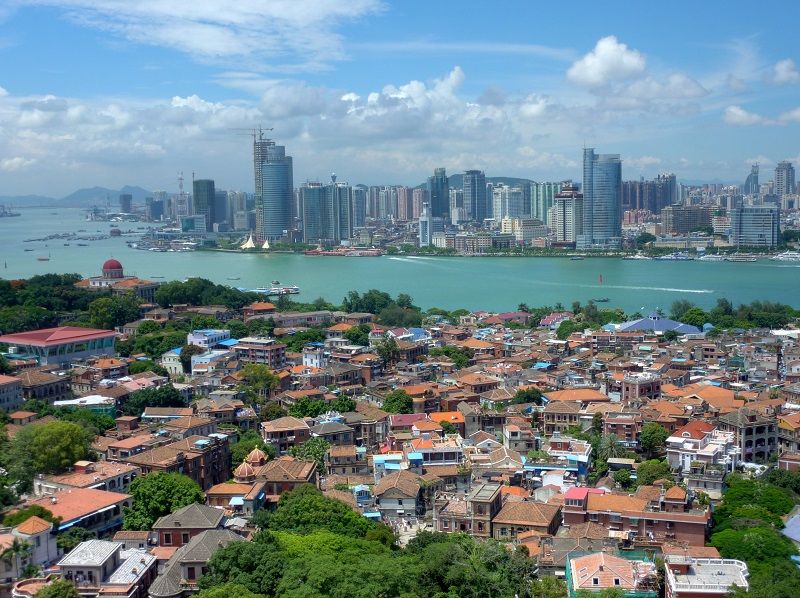
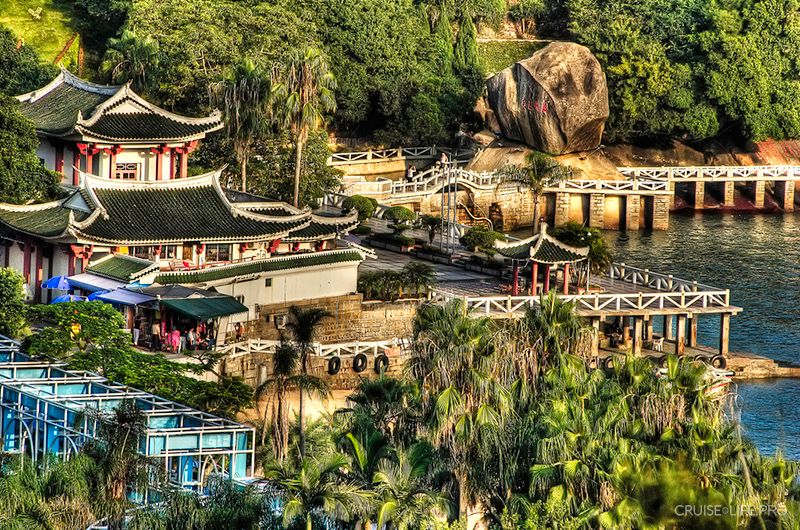
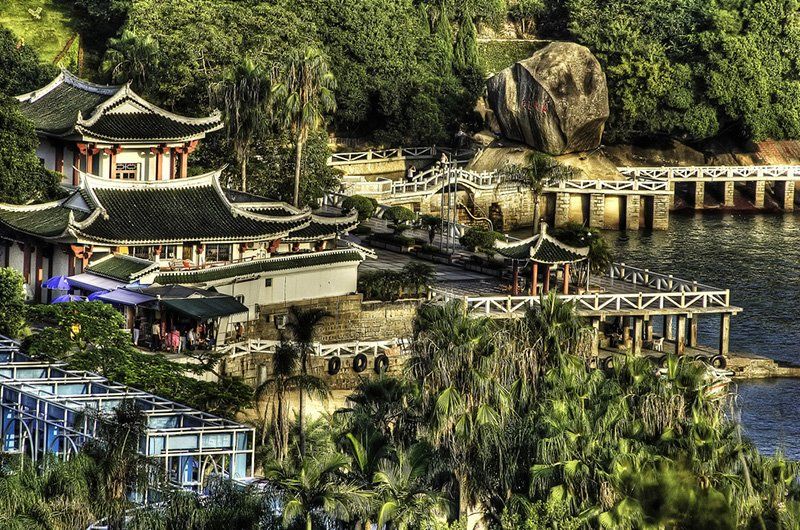
One of the main sights of the city is Gulangyu Island, where in the 19th century an international settlement of numerous European merchants was established. This small stretch of land is breathtaking. The island is covered with dense forests, among which are scattered buildings from the 18th century in European and American styles. In the city there are two natural beaches-the West Beach and the East Beach. Only the East Beach is open to all vacationers. From the highest point on the island, the Mountain of Sunlight, a beautiful panoramic view of the surroundings opens up. There are many interesting places on the island-the Organ Museum and the Piano Museum, the Haue Garden, the Bird Park, the Shujua Garden, and other attractions.

Vườn Bách Thảo Vạn Thị

Vườn Bách Thảo Vạn Thị

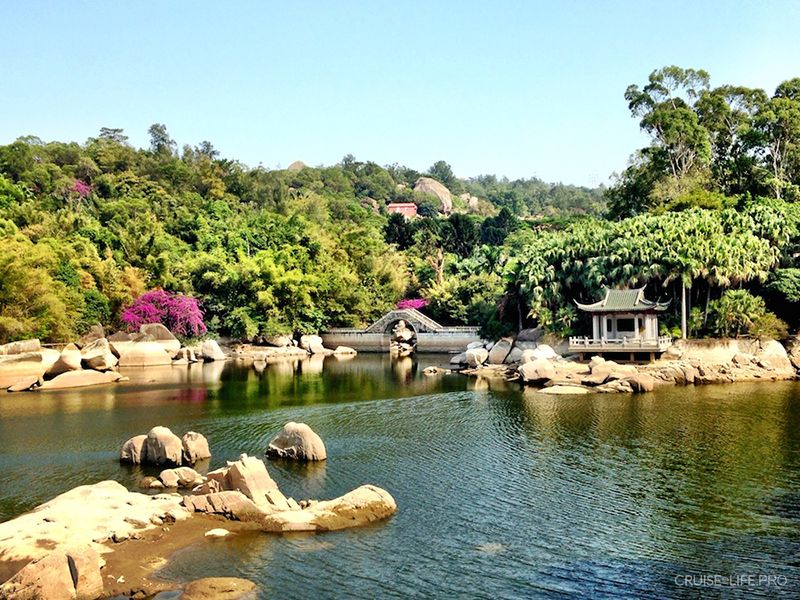
The garden was built in 1952 near the Wan Shi Yan reservoir. Today, it is home to palm trees, bamboo, orchids, bonsai, medicinal plants, as well as thousands of green tropical and subtropical plants from China and other regions. The garden consists of twenty-nine smaller gardens, including the Chinese Garden of Rare Plants, the Bamboo Forest, the Orchid Garden, the Rose Garden, and others. The Chinese Garden of Rare Plants boasts a vast collection of different trees, including “living fossils” - metasequoia and ginkgo. Also here, in a large pond, the Amazonian Victoria and the giant water lily grow - its leaves weigh about as much as a child. This garden is a many-faced place full of charm, where the fragrances of all four seasons can be felt.

Recommended excursions

Sāmynē Sightseeing Tour

Sāmynē Sightseeing Tour

Natural beauty, wonderful sea views, and ancient and cultural attractions make the city one of the most enticing destinations for travelers in China. During the excursion, you’ll learn many interesting facts about the city and see the Nánputo Temple and Huli shan Fort, stroll along Huandàolu Street and Bai lù zhou Park, admire the statue of the heron goddess, charming buildings of the Jimei University campus, Guilai Park and the Tortoise Park.

For a more detailed list of excursions and their prices, you can check after booking your cruise in your “Personal Client Account”.