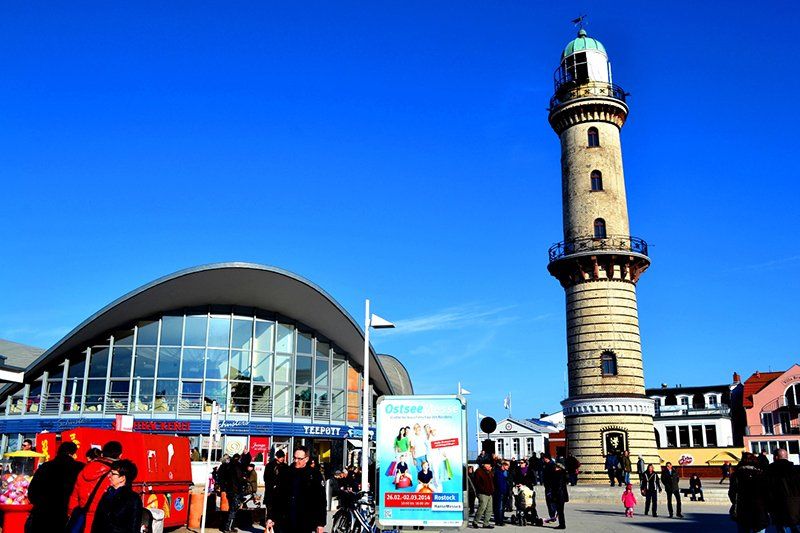
Lighthouse and Teapot
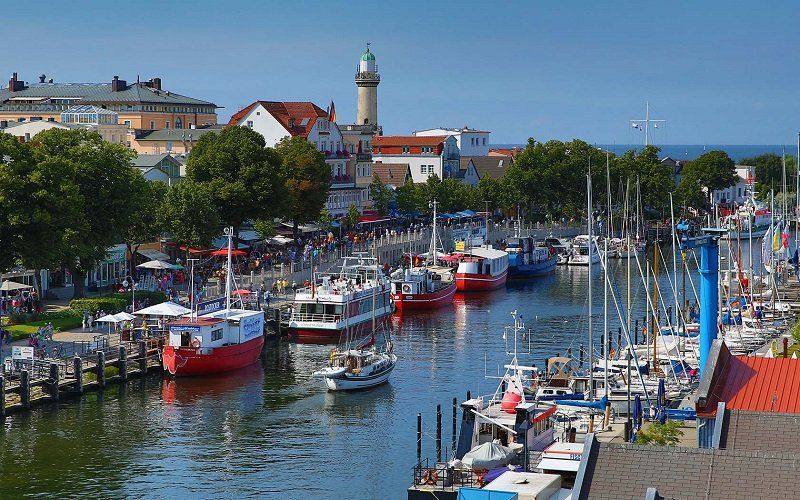
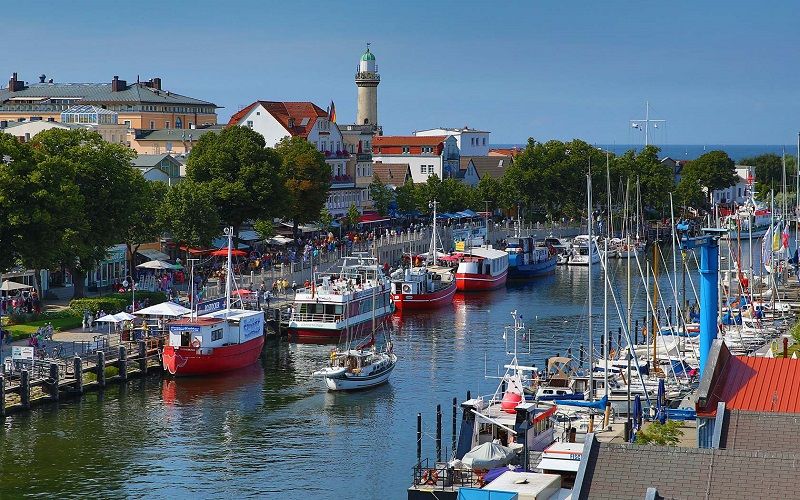
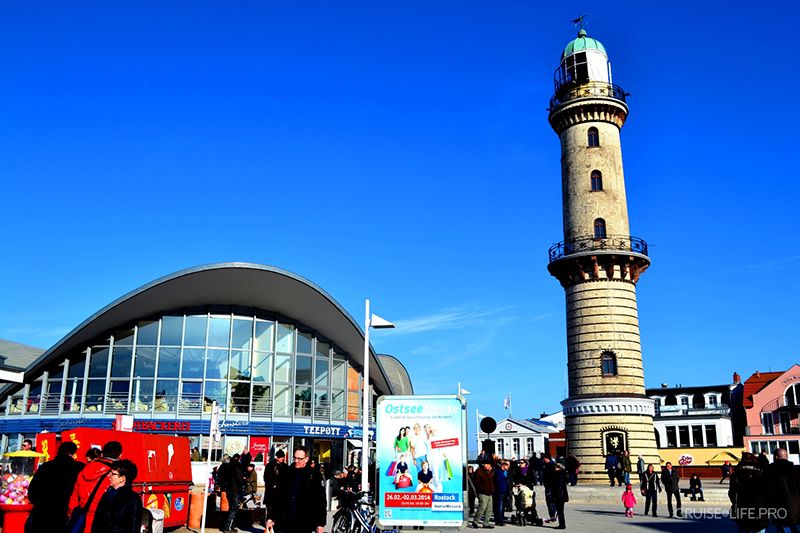
On the eastern edge of the promenade stands a lighthouse built in 1897 and the so-called “Teepott” (Teapot) with its unusual roof. The Teepot is one of the symbols of Warnemünde. Before that, from 1927/28 to 1945, a round tea pavilion of Warnemünde stood on the site of today’s Teepott, hence the name. The building, beloved by many, is now home to restaurants, souvenir shops, and around 8,000 exhibits by Reinhold Kasten-one of the last major enthusiasts of adventures and the world’s sailors of the 20th century. The height of the lighthouse is 31 meters. By the way, it is still in use today: its lantern disperses light up to 20 miles (37 km). From the lighthouse tower, which anyone can climb (from May to September), you can enjoy a magnificent view of the Baltic Sea, Warnemünde, and even Rostock.
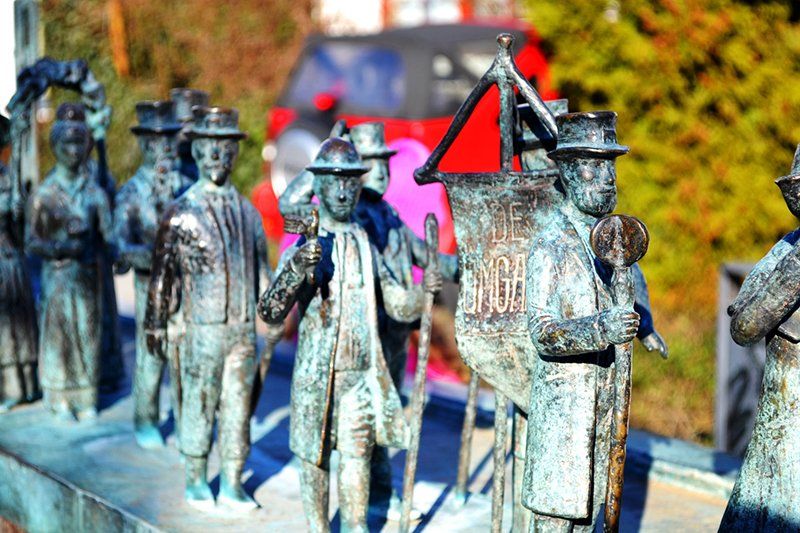
Sculpture by Wolfgang Friedrich
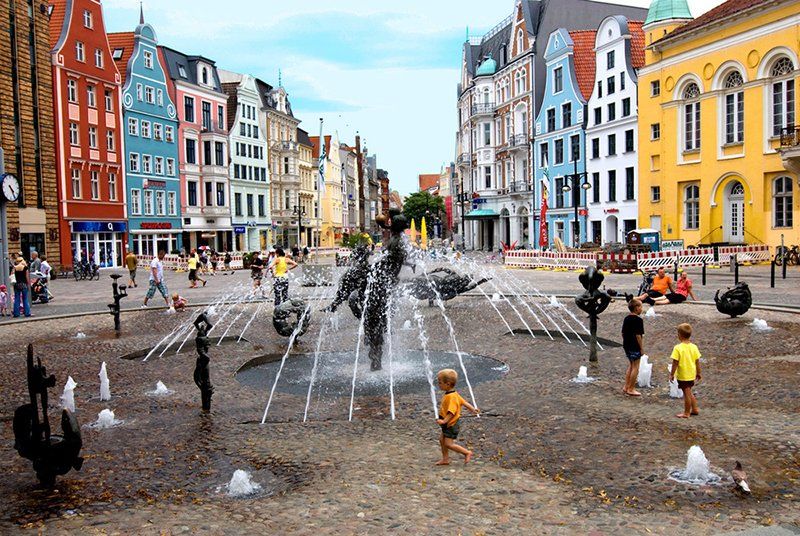
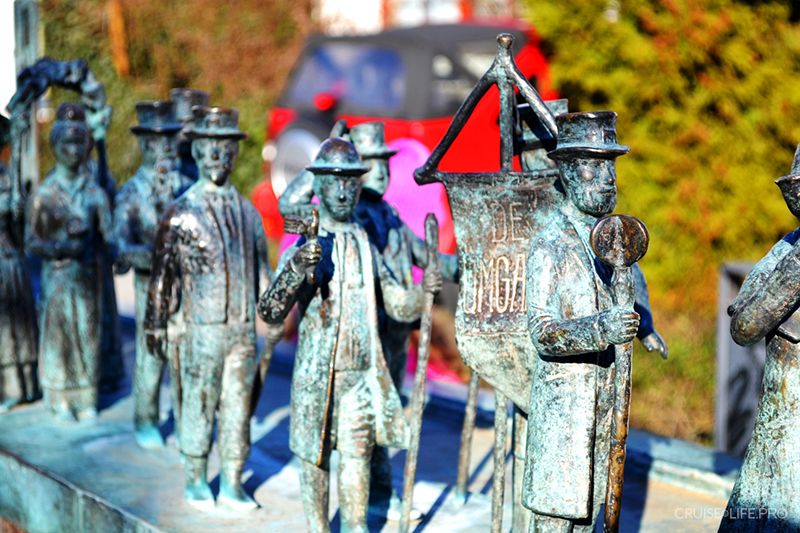
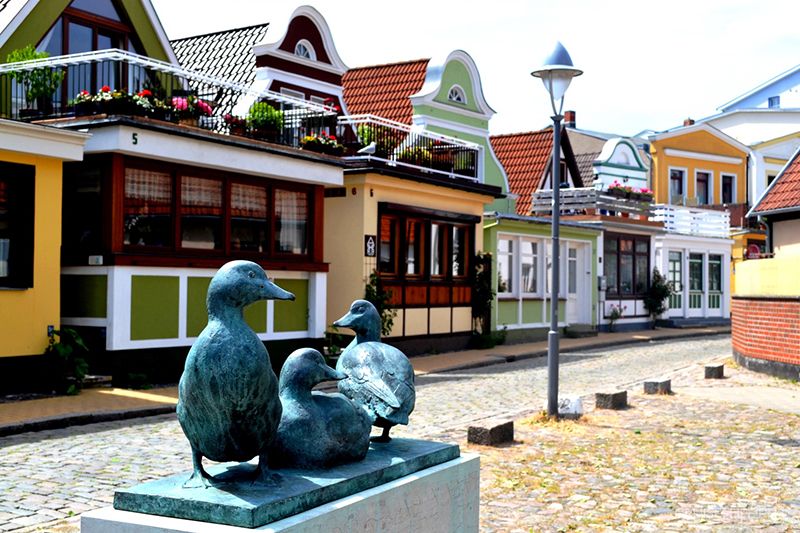
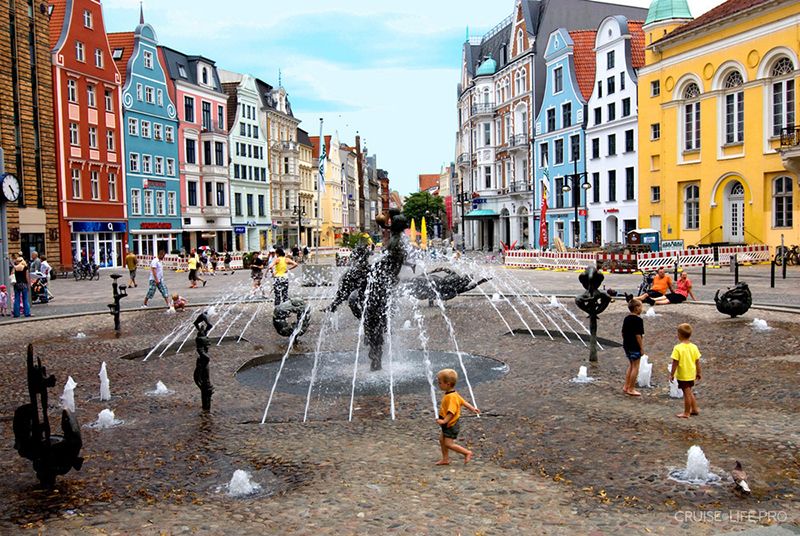
On Alexandrinenstraße you can see an unusual composition by the Wismar-born sculptor Wolfgang Friedrich: a series of 19 bronze figures making their rounds through the city. This used to be a very important Eastern tradition, especially when the city of Rostock appointed its representative to Warnemünde. And although representatives are no longer appointed today, the tradition is still kept. Each year on the first weekends of July, the bronze figures seem to come to life, and a real costumed procession moves through the city, featuring numerous historical figures and artists, accompanied by performances and large crowds of spectators.
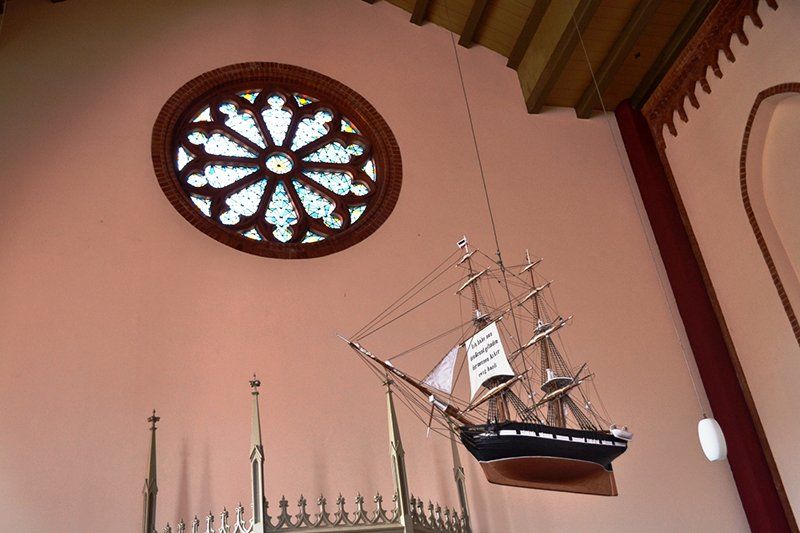
Evangelical Church
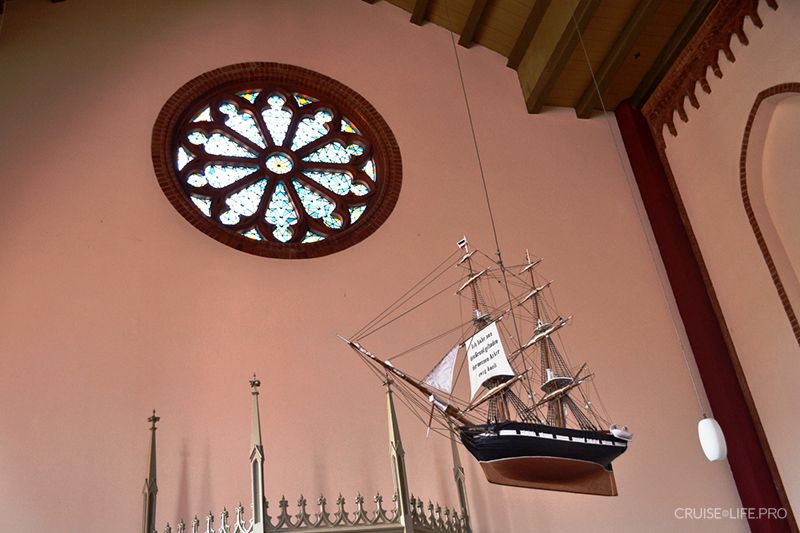
The Evangelical church was built in 1866-71 in the Neo-Gothic style, on the site of the old Gothic church, which had become too small for Warnemünde. Today, this church still preserves a Gothic altar that has been carefully moved from the previous building, as well as a figure of Saint Christopher. You can also see hanging ships like these here. For visitors, the church is open on Saturday and Sunday from 12:00 to 15:00. On Saturday at 12:00, organ music can be heard during the service.
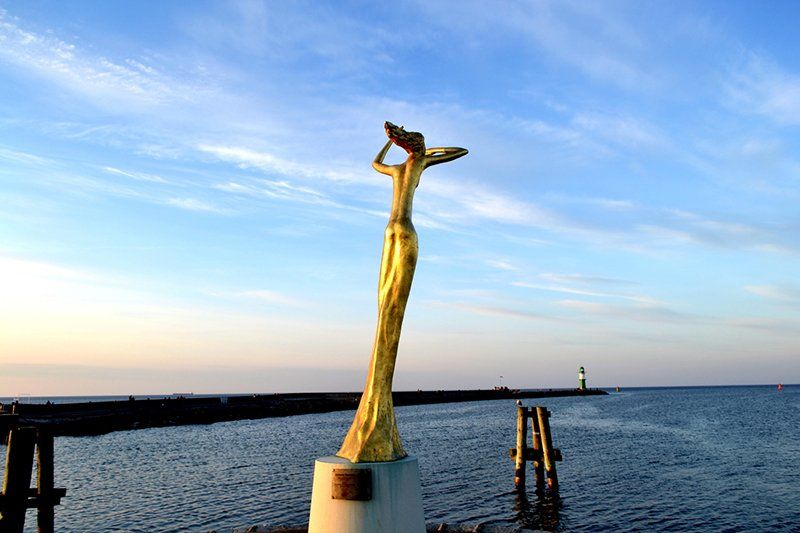
Esperanza
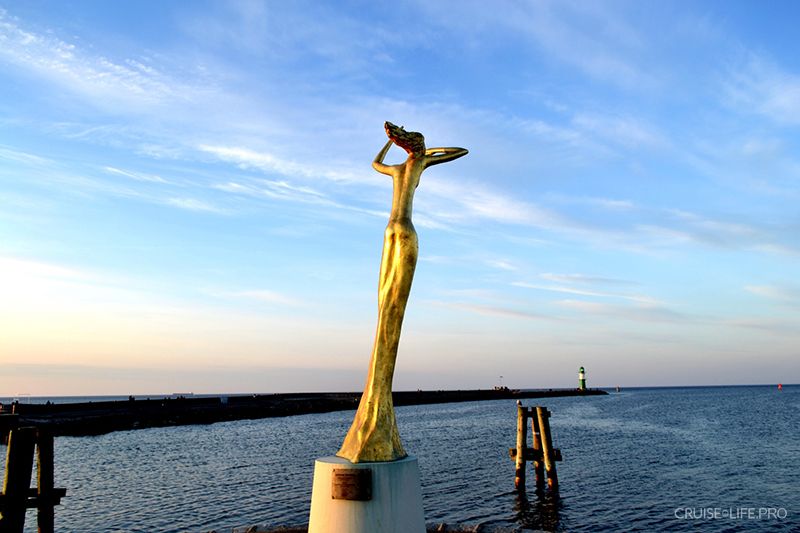
A golden four-meter figure of a woman waiting for a ship appeared in Warnemünde recently, in 2012, but it has already won over guests and local residents. Its creator is the Rostock sculptor Enne Slavov. The sculpture is called “Esperanza”, and in our language, “Hope”.
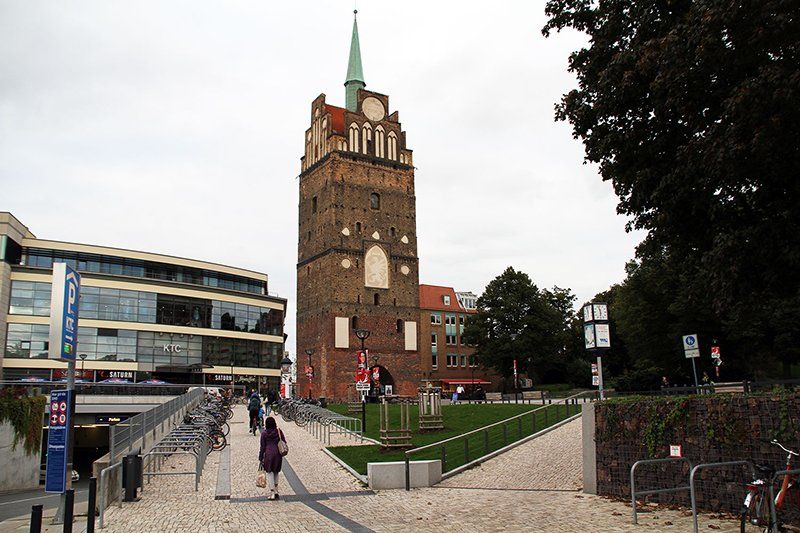
Kroepeliner Gate in Rostock
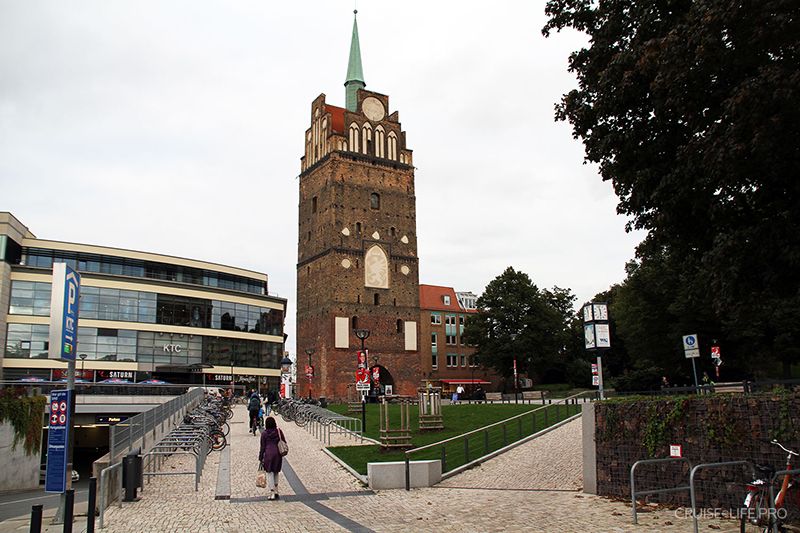
The medieval gates of Kröpelin at the western entrance to the city are the best preserved of all Rostock’s city fortifications. They are a massive structure in brick Gothic style, 54 meters high. Originally, the building was erected as a two-story structure, as suggested by the different color of the stones on the lower and upper floors, which were added at a later time. Today, the building houses a permanent exhibition dedicated to the city’s fortification structures.
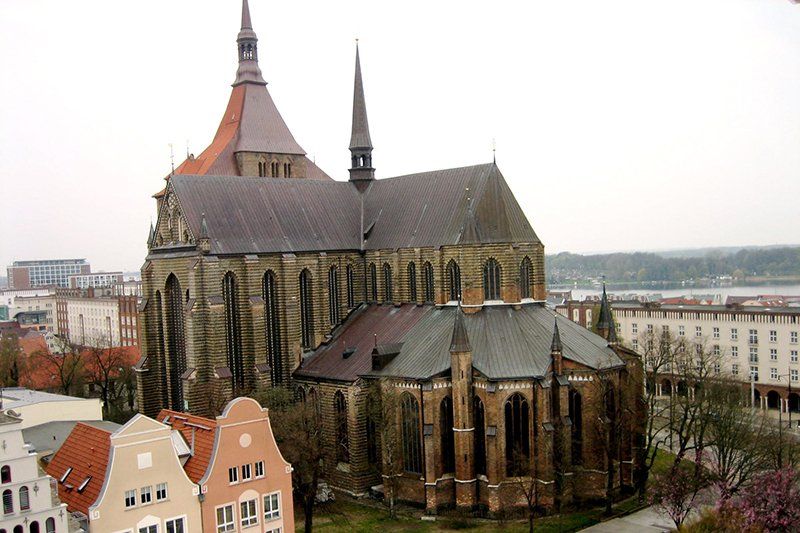
St. Mary’s Church in Rostock
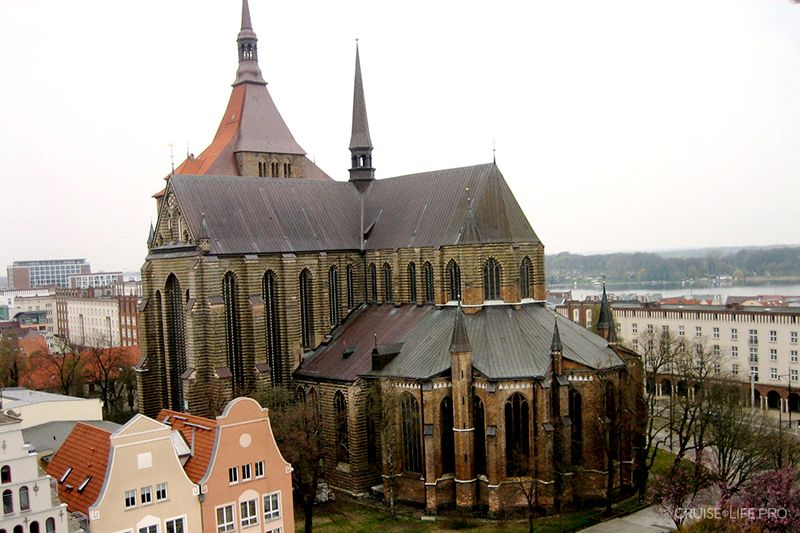
In 1472, in this medieval Gothic church of St. Mary, astronomical clocks were installed that will indicate the exact time up to 2017. Every day at noon, the clock mechanism sets in motion figures of the apostles, who move around the figure of Christ in a circle at the top of the clock, to the door (the gates of paradise), while Judas remains outside. In addition to the clocks, the church is notable for its starry vault, a 17th-century Baroque organ, an elaborately decorated pulpit, and intricately carved wooden altars-all of which survived World War II, when much of Rostock’s historic buildings were badly damaged.