
Vytegra, Russia

Port of call

Vytegra, Russia

Description — Vytegra, Russia

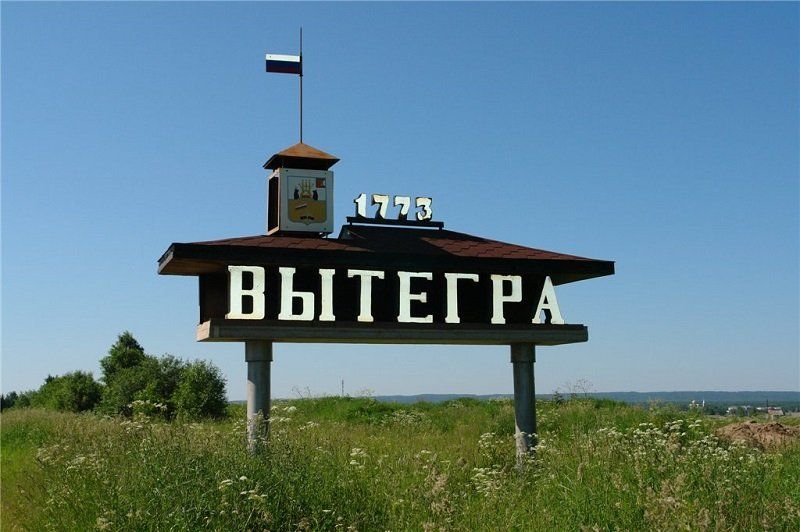
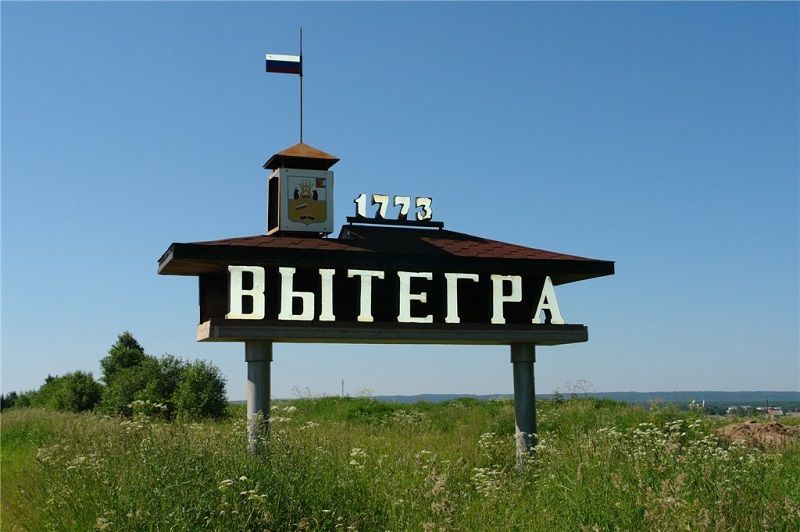
Vytegra is a city (since 1773) in Russia, the administrative center of Vytegorsky District in Vologda Oblast. The city is located on the Vytegra River (a pier is 15 km from Lake Onega), on the Volga-Baltic Waterway, 198 km from the Lodeynoe Pole railway station, and 337 km northwest of Vologda.

Vytegra has been known since 1710 as the village of Vyangi and its Vyangi pier, located at the confluence into the Vytegra River of the Vyangi River (Karelian vengi “stream, small river, channel”). The trading route from Arkhangelsk to Saint Petersburg passed through the pier. In 1773 the settlement was transformed into the city of Vytegra along the more significant (receiving) Vytegra River. The etymology of the hydronym Vytegra has not been established, but the “-egra” form allows it to be classified among ancient Finno-Ugric names typical of the North of the European part of Russia.

In 1776, Vytegra became the administrative center of Vytegorsky Uyezd of Olonets Oblast of the Novgorod Governorate. A revival of economic and cultural life in the first half of the 19th century is associated with the opening (1810) of the Mariinsky Canal of the Mariinsky Water System with a system of locks.

Climate

The climate is moderately continental, with a long, moderately cold winter and a relatively short warm summer. The severity of the climate increases from west to east. The average January temperature ranges from −11 °C in the western part of the oblast to −14 °C in the east, while the average July temperature correspondingly ranges from +16 °C to +18 °C. Precipitation is fairly high-500–650 mm per year (with a maximum in the summer months). Evaporation is much lower, so the oblast is rich in rivers, lakes, and swamps. The snow cover lasts 165–170 days.

Location on the map

Sights

Church of the Presentation of the Lord

Church of the Presentation of the Lord

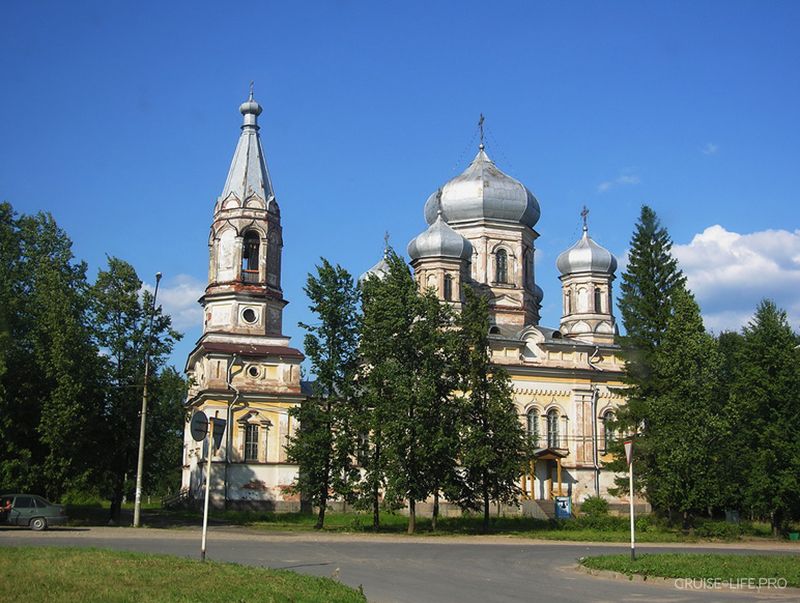
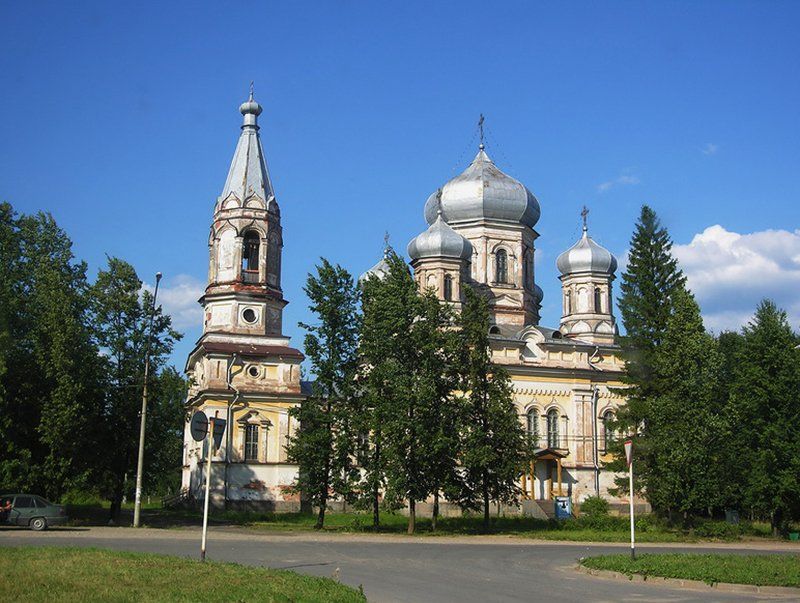
Church of the Presentation of the Lord (1869-73) - a beautiful five-domed church with a bell tower - one of the tallest buildings in the city. The church is ideally located - at the top of a hill. If you climb the bell tower (you only need to buy a ticket to visit the bell tower), you’ll be able to see the entire city and its surroundings.
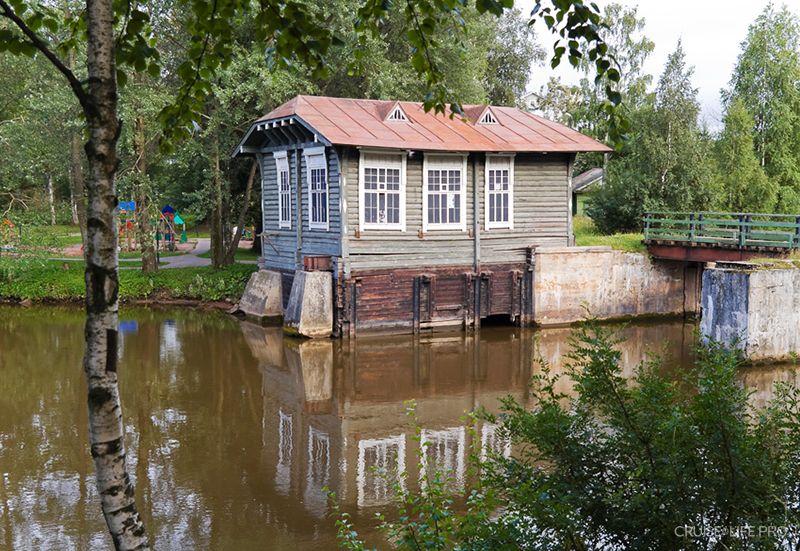
Old Gateway

Old Gateway

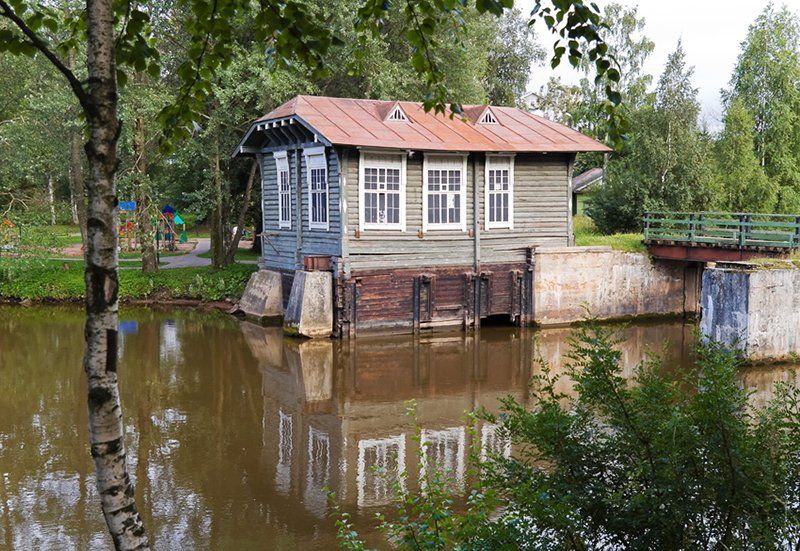
A wooden sluice preserved since 1810, when the rivers of Kovzha and Vytegra were connected. Near the sluice there is the Museum of Northern Waterways-a branch of the Vytegra Local History Museum. It is located within the city limits, on the Vytegra River. At present, it has fallen into disrepair despite the reconstruction carried out in the 1990s. In addition to the sluice, of interest is a commemorative obelisk dedicated to the Mariinsky Water System, installed at the beginning of the chamber of the structure.
What to see

Lake Onega

Lake Onega

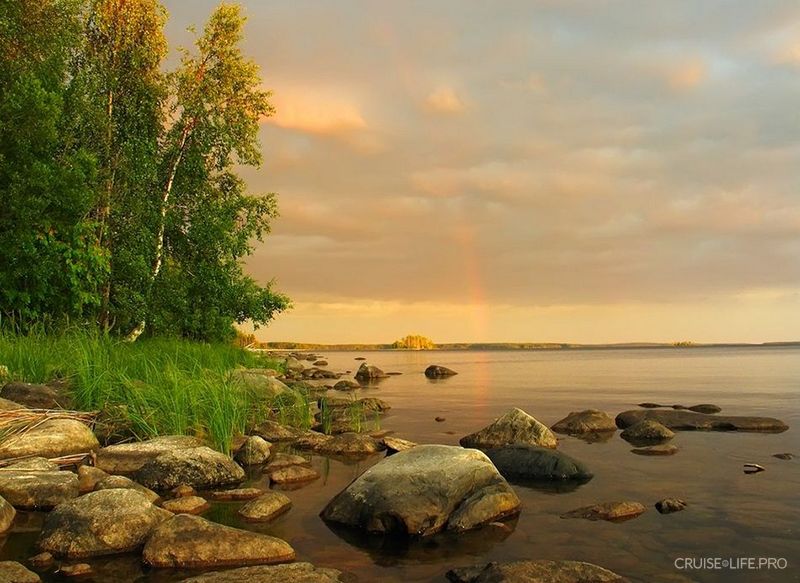
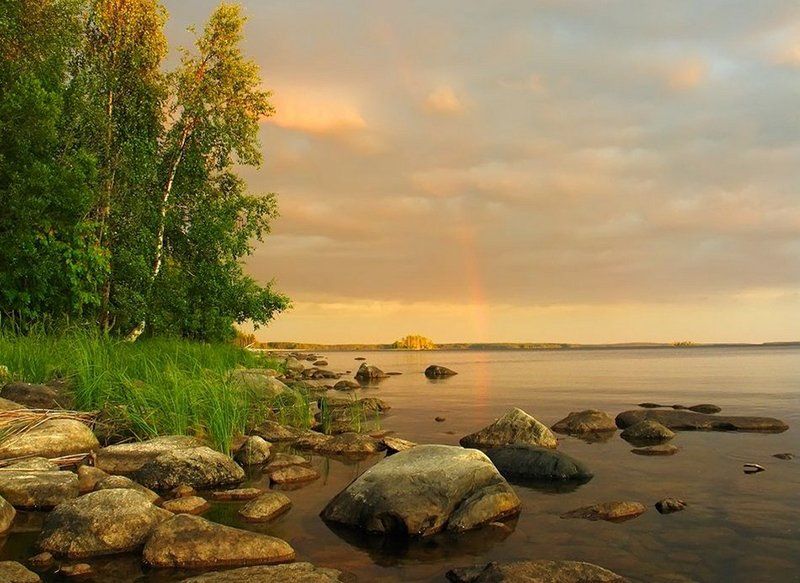
Tourists come to this region for the purest of all lakes in European Russia-the Onega Lake, whose sandy beaches are considered among the best. By the way, fishing on the lake is also very popular with tourists. Thanks to the good ecological condition of the water, there are many large fish there; for example, grayling, bream, and perch are found, so in summer and winter many anglers specifically come to Vytegra to relax by the lake.

Recommended excursions

Submarine Museum B-440

Submarine Museum B-440

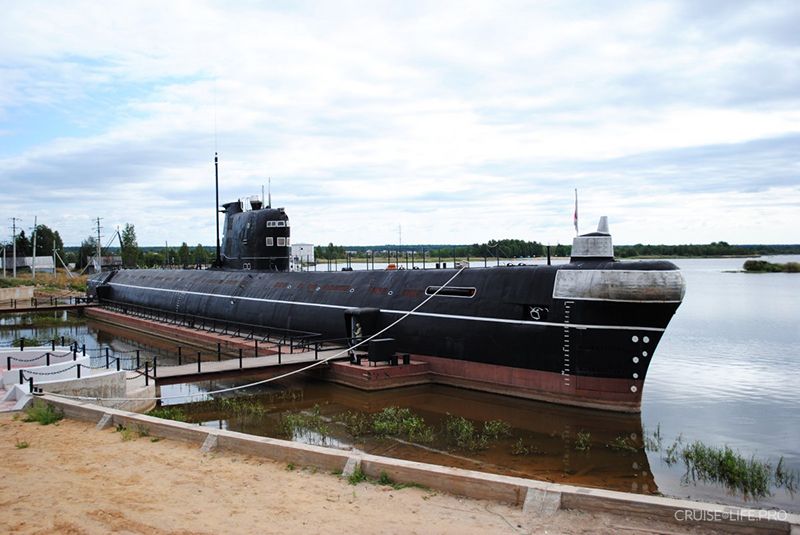
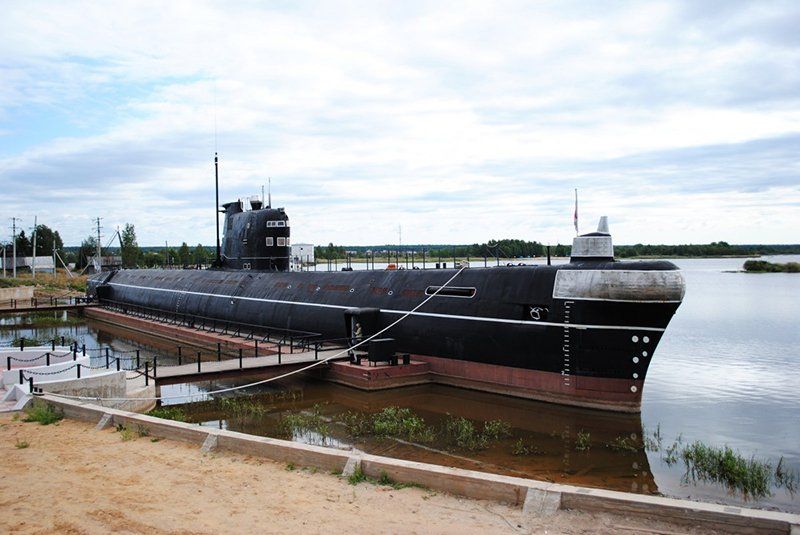
The large ocean-going diesel submarine B-440, converted into a museum, - one of the main attractions of the city of Vytegra. The large ocean-going diesel submarine B-440, built in 1970, still carries a combat set of mechanisms, systems and weapons; the crew posts are also preserved. The exhibition also features elements of life for submariners (living quarters, galley, head compartments, sleeping berths for sailors, and the wardroom). In the central compartment of the submarine, an operational periscope is installed. During the tour, you can inspect all compartments of the submarine, the torpedo tubes, racks for torpedoes, control instruments, look through the periscope, and even lie down on a sailor’s bunk. You can take a unique excursion along the top deck of the submarine and into the combat operations room. The excursions are accompanied by sound effects imitating a torpedo attack, the submarine’s submerging, and the operation of the diesel units.

You can find out about a more detailed list of excursions and their prices after booking your cruise in your «Client Personal Account».