Volgograd, Russia

Port of call

Volgograd, Russia

Description — Volgograd, Russia

Volgograd is a city in the south-east of the European part of Russia. A Hero City and the site of the Battle of Stalingrad. It is the administrative center of Volgograd Oblast. From 1589 to 1925, it was called Tsaritsyn, and from 1925 to 1961 - Stalingrad. It is located on the west bank of the Volga River in its lower course. The city stretches for approximately 60 km along the Volga and is one of the longest cities in Russia. The city’s territory includes the river islands of the Volga: the inhabited Sarpinsky, Kirit (connected to the city by a bridge in the vicinity of Bakuinskaya St.), and the uninhabited Golodny, Denezhny, as well as smaller Zaytsevsky and Sporny islands. Across the Volga, it is connected to its satellite city of Volzhsky by road and rail via a dam. The northern part of the city lies on the west bank of the Volgograd Reservoir, which has a water level 15 meters above sea level; the rest of the city lies on the right bank of the Volga and the islands of the Volga-Akhtuba floodplain.

Climate

The climate is moderately continental. Average annual precipitation is 347 mm. Average temperatures: February −6.6 °C, July +23.6 °C. Sharp temperature changes are possible. From the end of April to October, the climate is similar to that of Central Asia and the Middle East. Winters are mild, with frequent thaws and cold spells. The coldest month of the year is February. Summers are hot and long; air temperatures may reach up to 40 degrees. September in Volgograd is a hot month, while October is slightly cooler than September in Moscow. In early October, temperatures sometimes rise above 30 degrees.

Location on the map

Sights

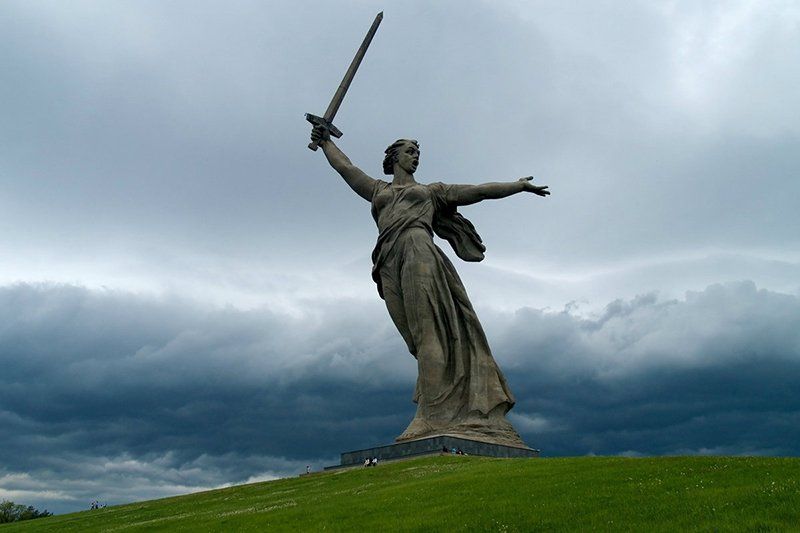
The Motherland Calls! Sculpture

The Motherland Calls! Sculpture

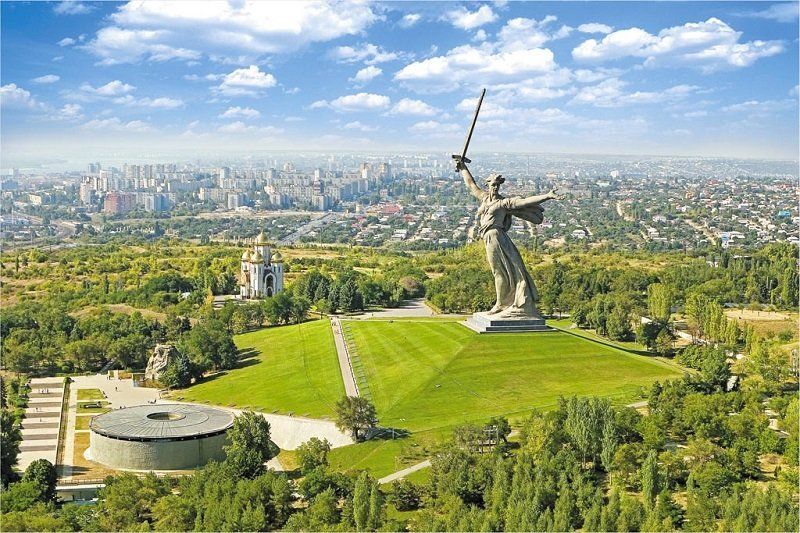
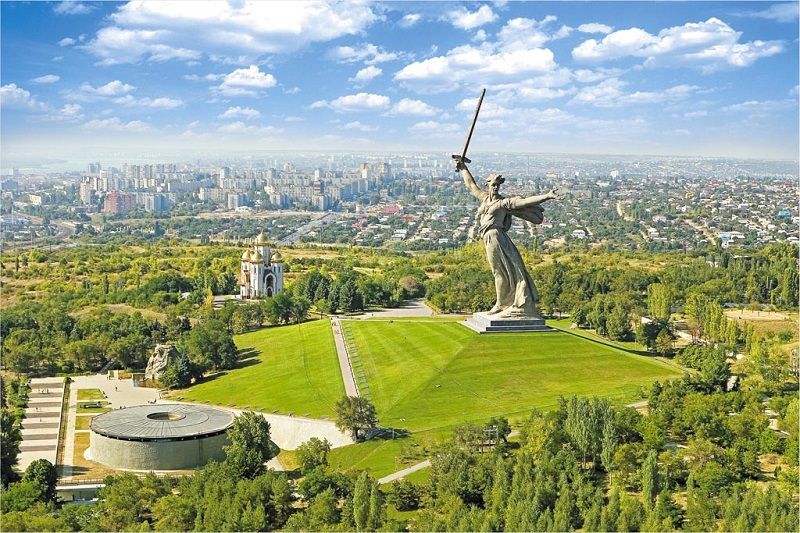
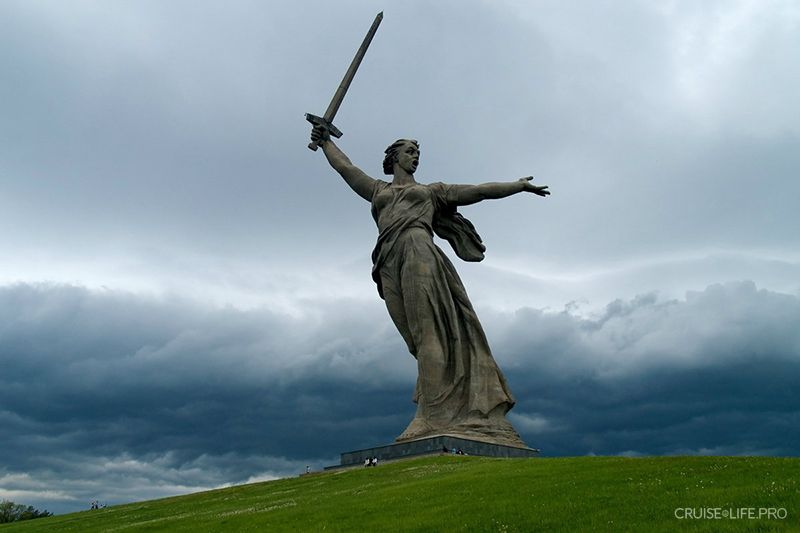
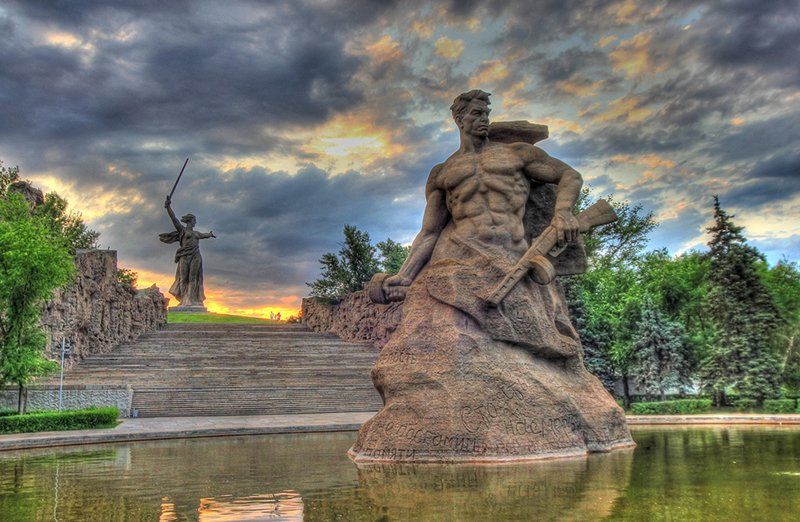
The 85-meter monument is awe-inspiring. It is one of the tallest (at the time of construction- the tallest) statues in the world. It took 5500 tons of concrete and 2400 tons of iron structures to build it. The statue stands on a pedestal foundation, but most of it is hidden underground, which gives the impression that “Motherland Calls” is standing barefoot on a hill. From the base of the monument, you can enjoy a beautiful view of the entire Mamayev Kurgan, the Volga, and even Volgograd itself.
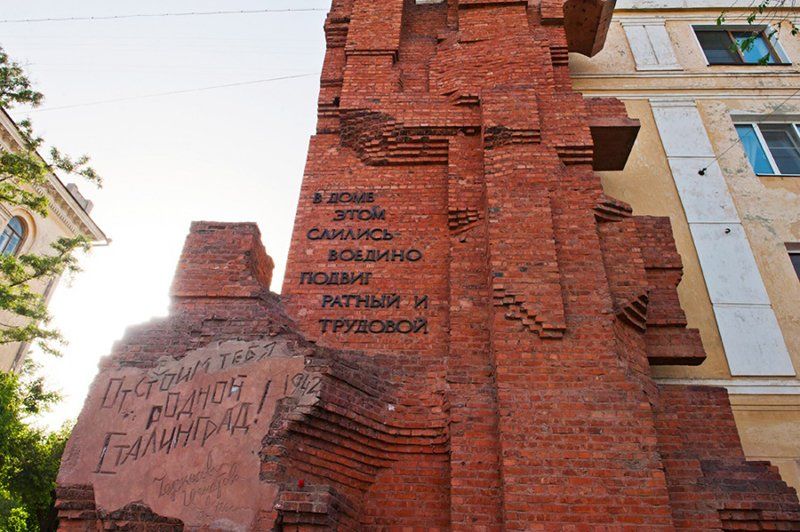
House of Pavlov

House of Pavlov

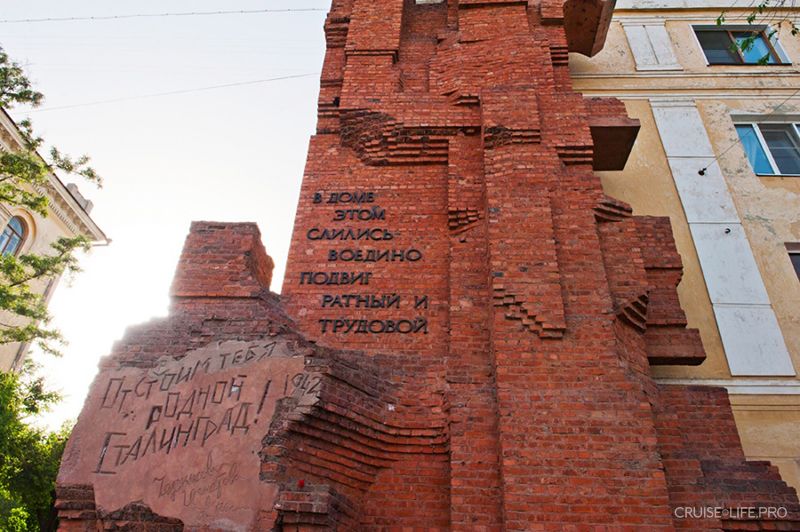
A 4-storey house in the center of Volgograd is one of the most important monuments dedicated to victory in the bloody Battle of Stalingrad. During the fighting on the Volga, the Germans themselves called this residential building a fortress-because it was utterly impossible to capture. The Germans attacked the house several times a day, but each time retreated under withering fire. Even fascist tanks could not get past the fortress-like building. The defense of the house lasted for two months. How many Germans died during the two-month assault on Pavlov’s House is unknown. Marshal Vasily Chuikov noted that the losses of the Hitlerites were comparable to their losses during the advance on Paris.
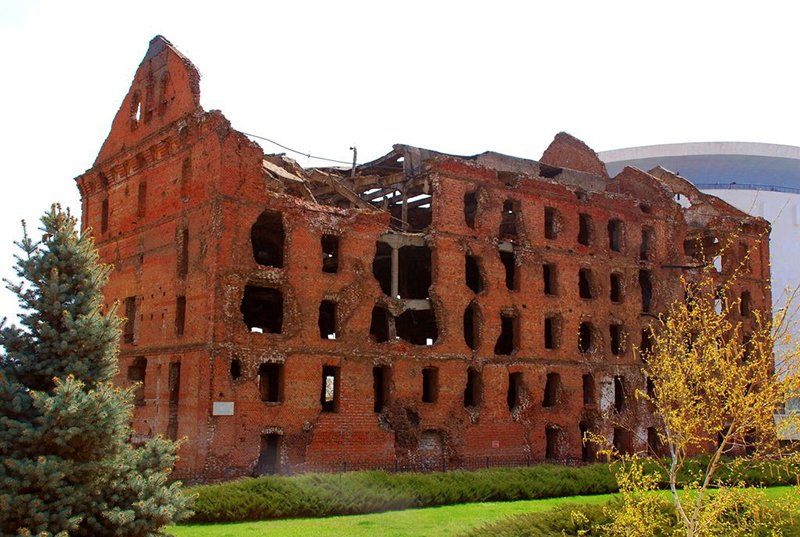
Gerhardt’s Mill

Gerhardt’s Mill

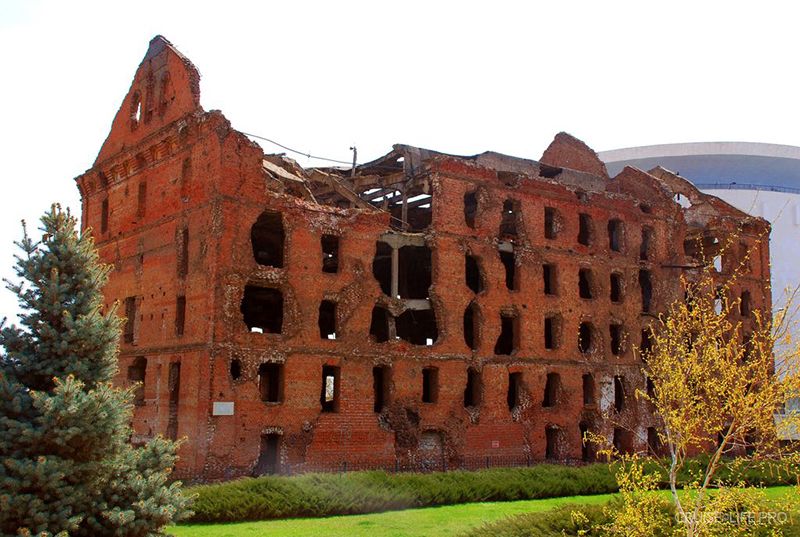
Gergardt’s Mill (another name - Grudinin’s Mill) is one of the few buildings in Volgograd that were not restored after the Great Patriotic War. In 1903, by ironic fate, the mill was built by Germans. After the revolution, the mill was nationalized by its former worker-a turner named Grudinin, whose surname became the new name of the structure. The grain at the mill was ground until 14 September 1942, when it was hit by high-explosive bombs. The building’s roof was breached, the walls were shot through and scorched by fires, but the mill did not collapse and has remained in exactly that condition to this day, serving as a monument to the destructive war.
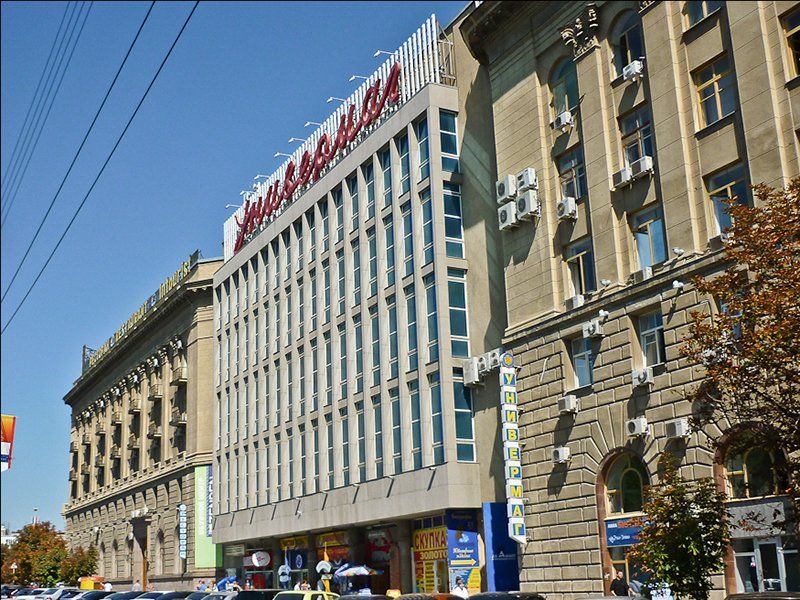
Central Department Store

Central Department Store

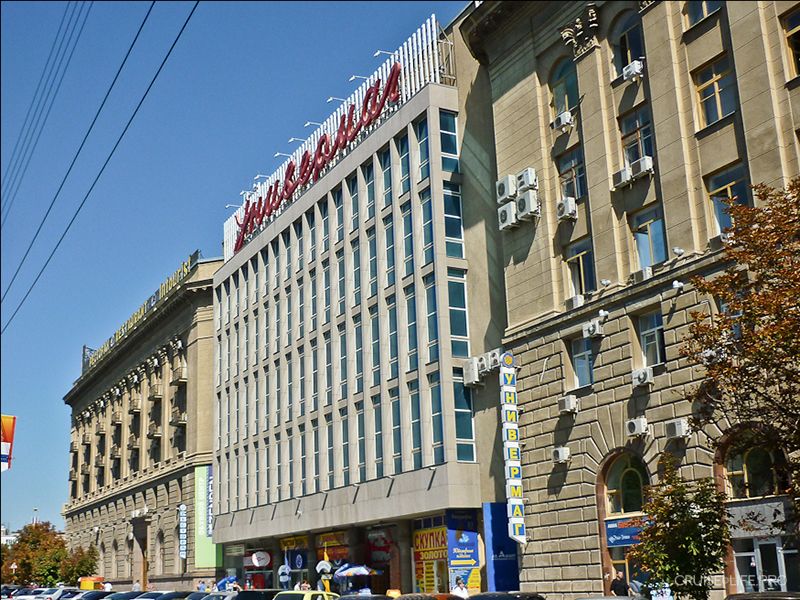
Not many department stores in the world can boast such an interesting history as the Central Department Store in Volgograd. It was here, in the basement, that the headquarters of the German commander Friedrich Paulus-the commander of the 6th Army on the Eastern Front-was located. It was in this very basement that Paulus surrendered to Soviet soldiers when the defeat of the German army at the Battle of Stalingrad was already a foregone conclusion. Today, stores operate on all four floors of the Central Department Store, while the basement houses the “Memory” museum. The museum was opened in 2003 to mark the 60th anniversary of the victory near Stalingrad. Of particular interest are the personal items of the German soldiers and the room where Paulus was taken into custody. The staff of “Memory” have worked to recreate the interior of January 1943 down to the smallest details.
What to see

Mamayev Kurgan

Mamayev Kurgan

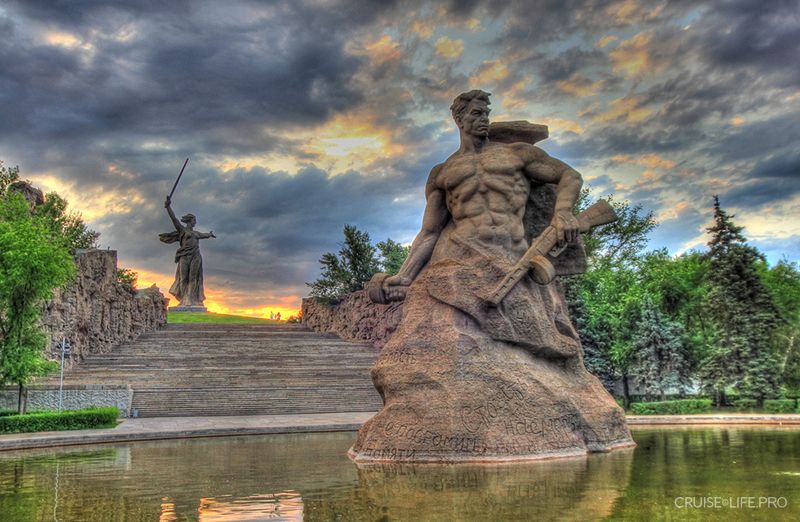
The main symbol of the victory at Stalingrad was “Height 102” - Mamayev Kurgan, which during the battle repeatedly changed hands from Soviet forces to the Germans and back again. It’s no surprise that the memorial complex in memory of the fallen soldiers was decided to be built precisely on this hill. Construction of the memorial began in 1959 under the direction of the architect Vuchetich and was completed in 1967. However, the famous monument ensemble continues to be built up and expanded every year. All elements of the memorial - the square, sculptures, bas-reliefs, monuments - are deeply symbolic. Including the path leading to the main monument of the memorial - the statue “The Motherland Calls!”. Along it there are exactly two hundred steps - just as exactly two hundred days the Battle of Stalingrad lasted.

Stalingrad Battle Panorama Museum

Stalingrad Battle Panorama Museum

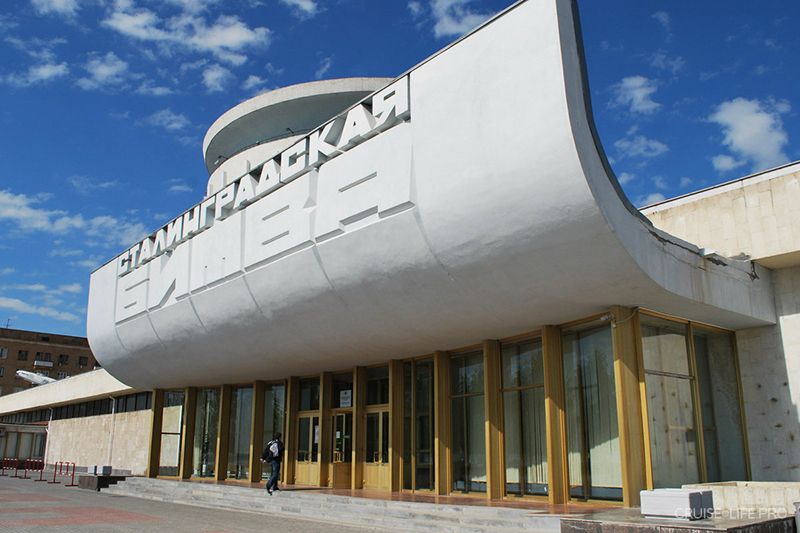
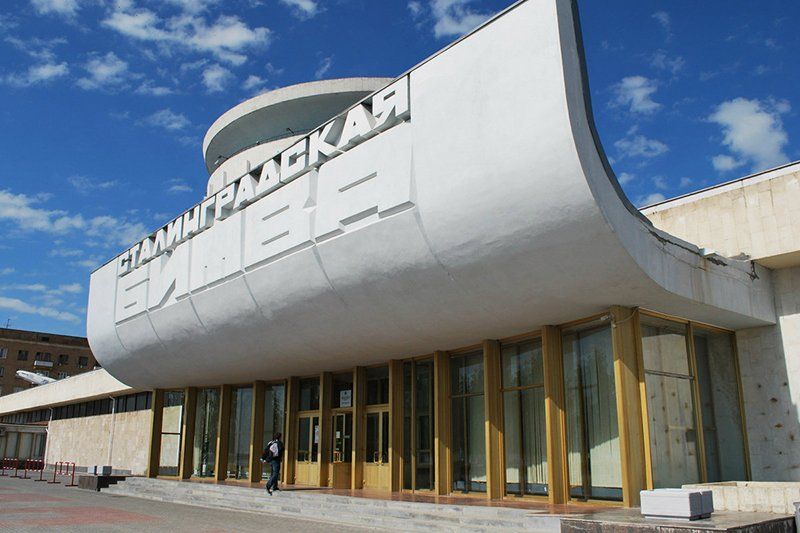
This is the largest panoramic painting in Russia (height - 16 meters, length - 120). It depicts the final stage of the Battle of Stalingrad in January 1943, specifically an operation called “Ring”. While studying the panorama, it seems as if you are standing atop the famous Mamayev Kurgan. Around you - snow-covered trenches, bomb craters, and squads of fighters; above - dive-bombing aircraft, and in the distance - the Volga. Artists from the Grekov studio included in the painting tightly packed and legendary moments of the battle - for example, the feats of infantryman Mikhail Panikakha, who, engulfed in flames, rushed at a German tank, and the sniper Vasily Zaitsev, who, throughout the entire Battle of Stalingrad, destroyed more than two enemy soldiers’ units.

Planetarium

Planetarium

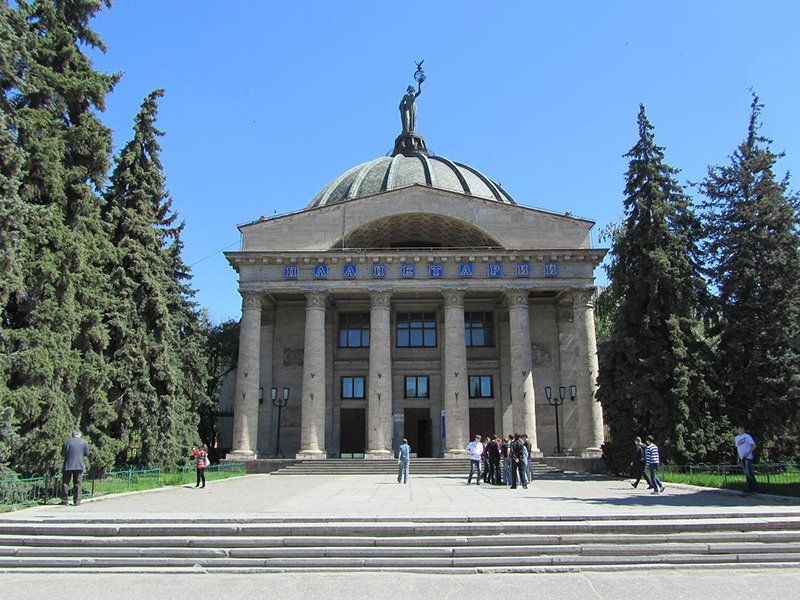
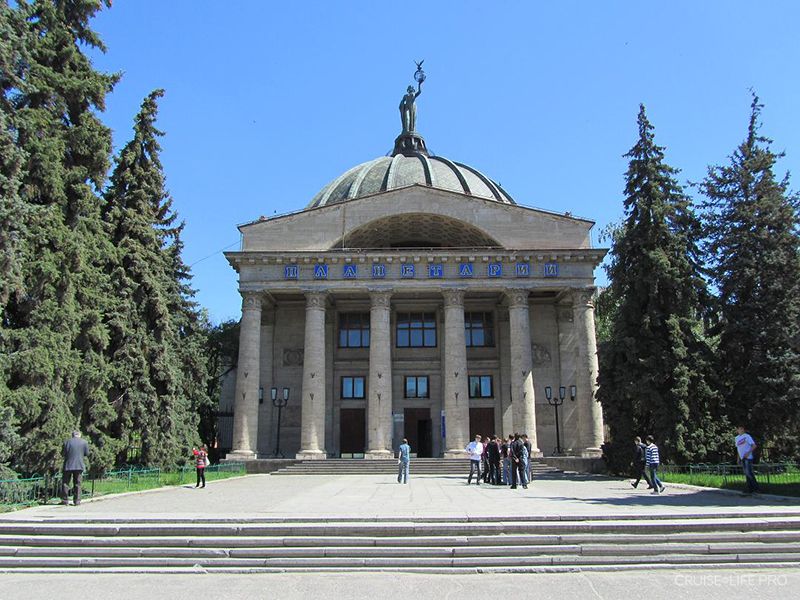
The Volgograd Planetarium became one of the most valuable gifts that Joseph Stalin received for his 70th birthday. The present for the leader was prepared by Germans from the GDR: they designed a building layout, purchased the materials and, most importantly, manufactured modern equipment that allowed the planetarium in Stalingrad to become the best in the entire Soviet Union. The telescope installed in the planetarium’s observatory is also completely unique: only 2 such telescopes were made. The antique device is still in operation today. At the Planetarium’s cinema hall, you can watch a popular science film and enjoy an engaging lecture. You can visit the planetarium and observe the Universe daily from 9:00 to 18:00, provided there is a group of at least ten people.

Recommended excursions

Volgograd City Overview Tour

Volgograd City Overview Tour

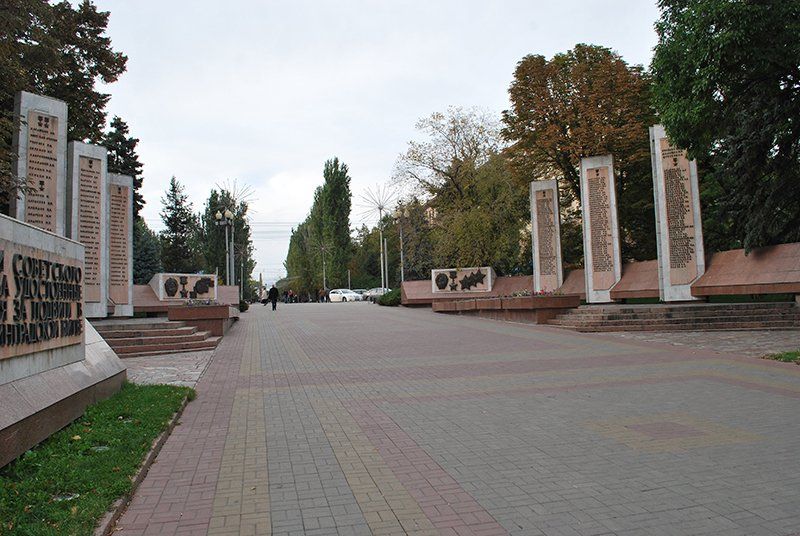
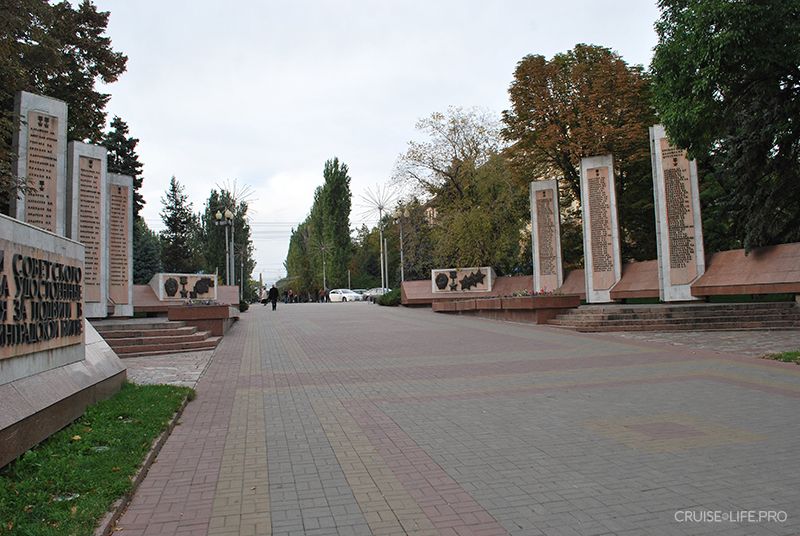
During the excursion you will see the Alley of Heroes, the memorial park, the Eternal Flame, the restored fountain “Children’s Choir,” the Central Embankment of Volgograd, the ruins of the old mill, the museum-panorama “Stalingrad Battle,” and you will visit Pavlov’s House, which is one of the main attractions of our city.

For a more detailed list of excursions and their prices, you can check them after booking the cruise in your “Client’s Personal Account”.