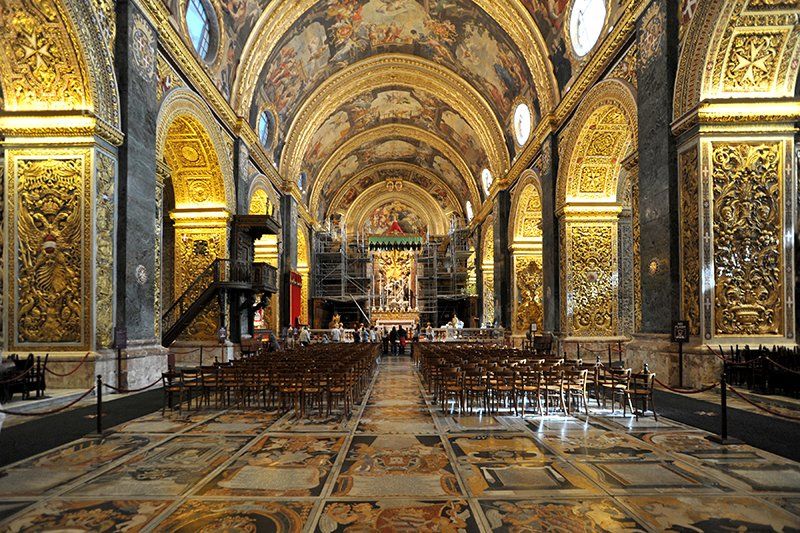
Cathedral and Museum of Saint John
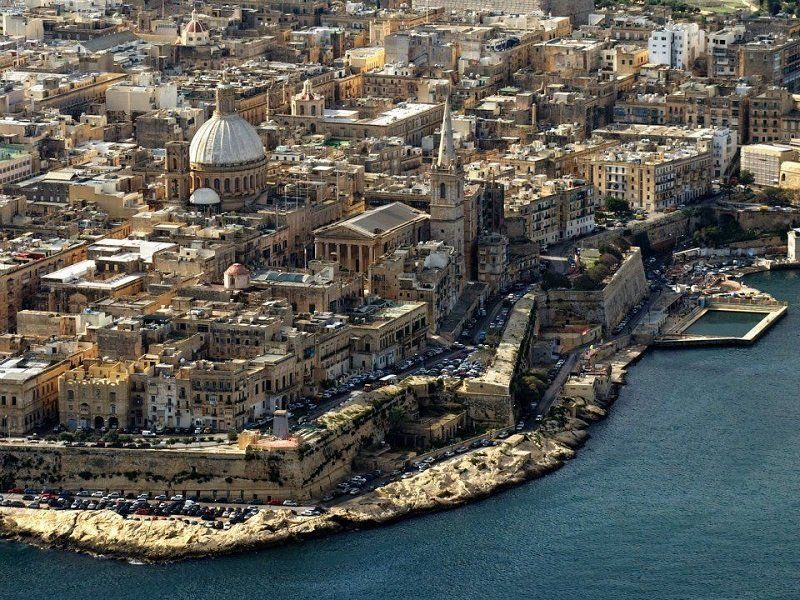
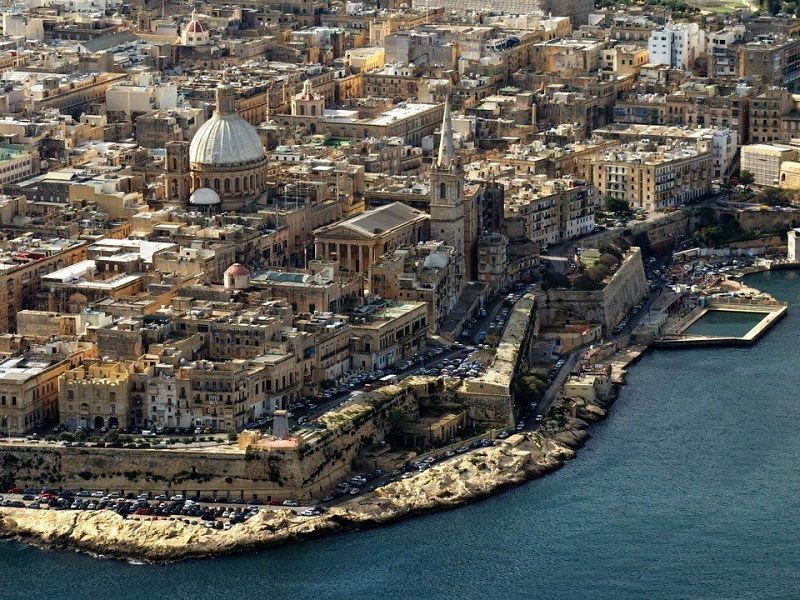
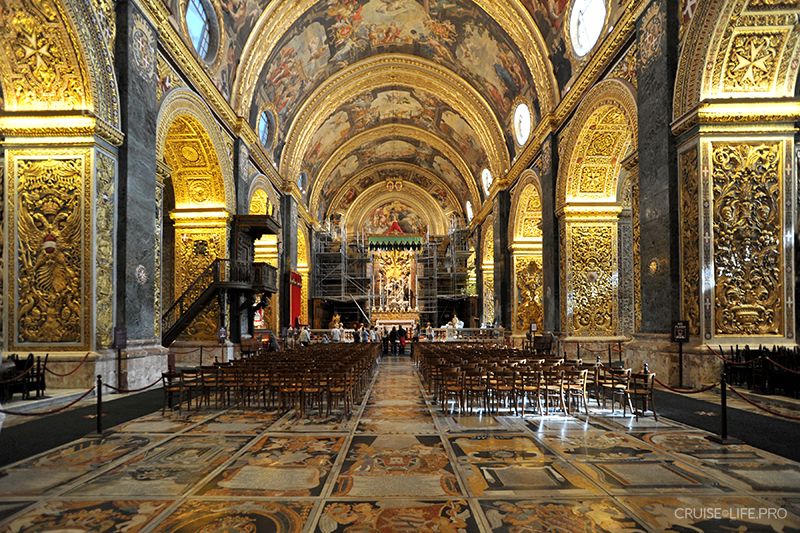
Outside, the Cathedral of St. John in Malta looks like an ordinary fortress. So simple and unremarkable is it. But inside-there is a true palace. People come here to walk across the floor, which is, in essence, a beautiful mosaic made of marble tombstones. Beneath the floor lies the burial ground of the Knights of the Order of Malta. The second thing that deserves no less respect is the painting by Michelangelo da Caravaggio, “The Beheading of John the Baptist,” painted in 1608. Many experts call this painting the most tragic in the history of art and point to the fact that Caravaggio created it based on what he saw with his own eyes.
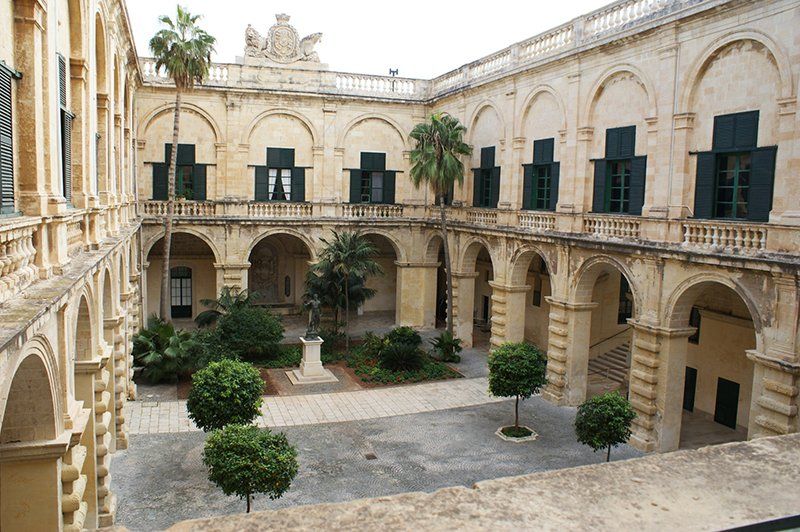
Palace of the Grand Master
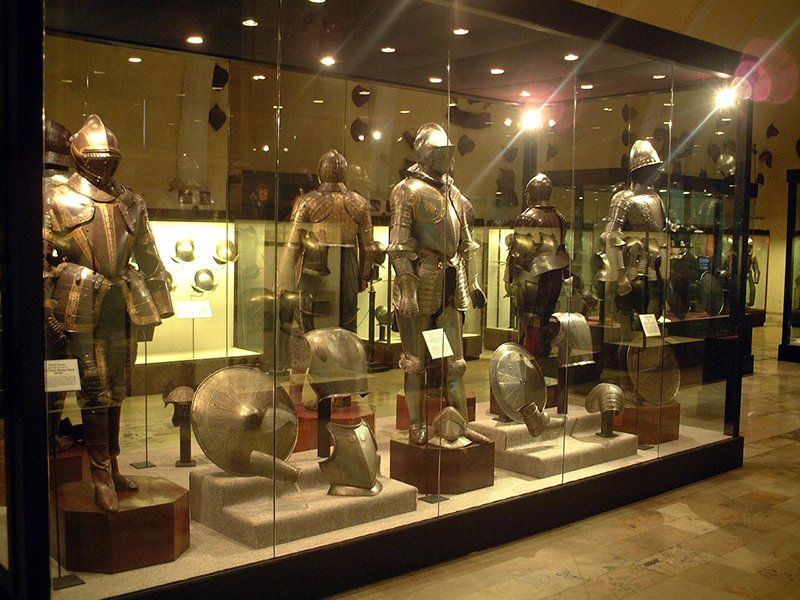
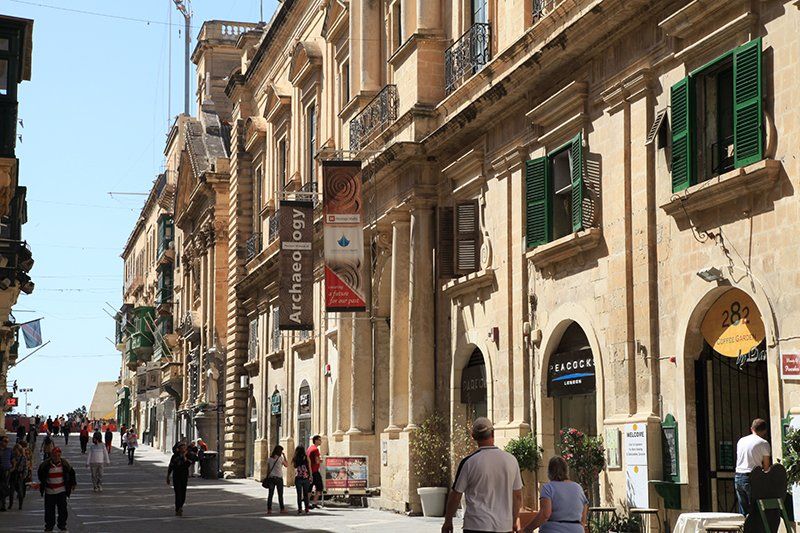
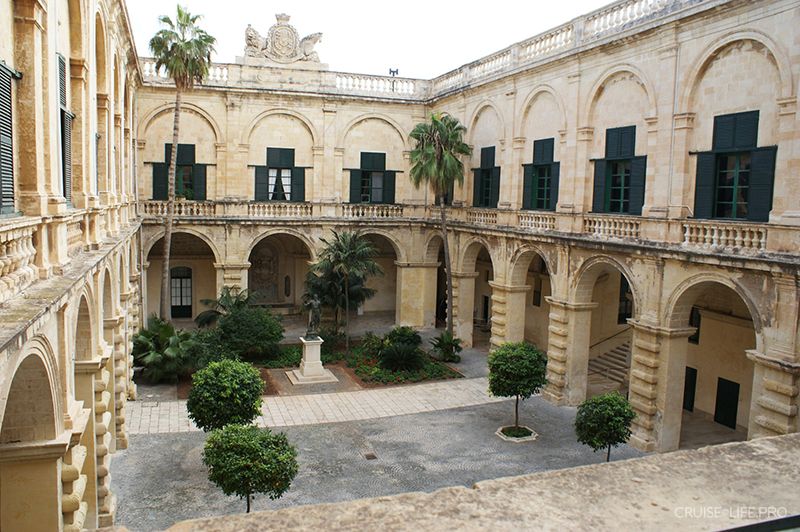
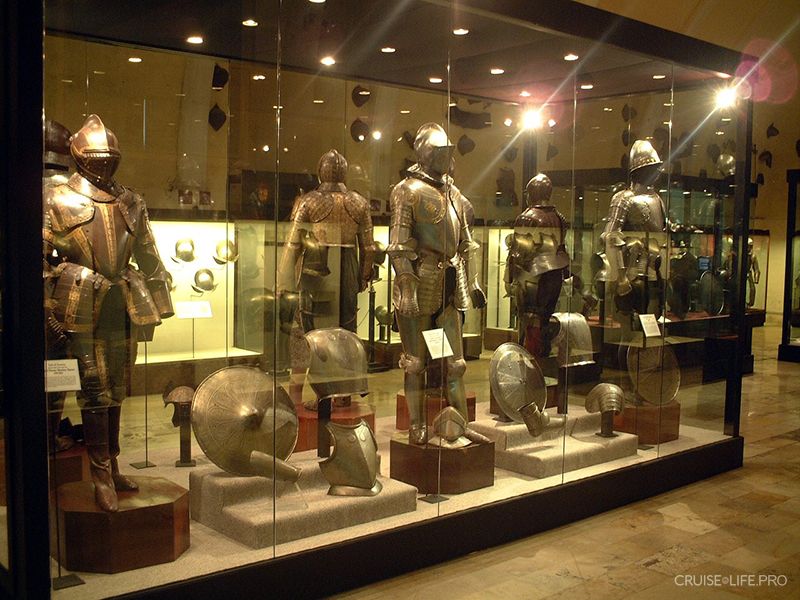
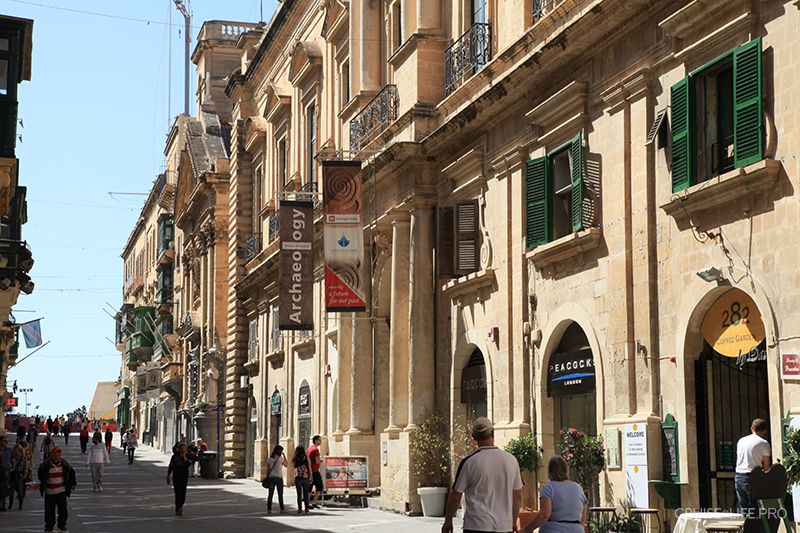
The Palace of the Grand Master is the main building of Palace Square, once belonging to the knights, then to the English, and today serving as the residence of the President and Parliament of Malta. This centuries-old palace, which served as a residence for 21 Grand Masters, was built in 1571-1575 to a design by the Maltese architect Girolamo Cassar. The palace’s exterior is in the style of the 16th century, while the interior paintings were done by none other than Nicolau Nasoni. You will be able to visit the famous Council Chamber, adorned with valuable tapestries woven in France for one of the Grand Masters, Ramon Roccafulla, see exquisite frescoes and portraits of European rulers in the Ambassadors’ Hall, and also visit the Arms Museum.
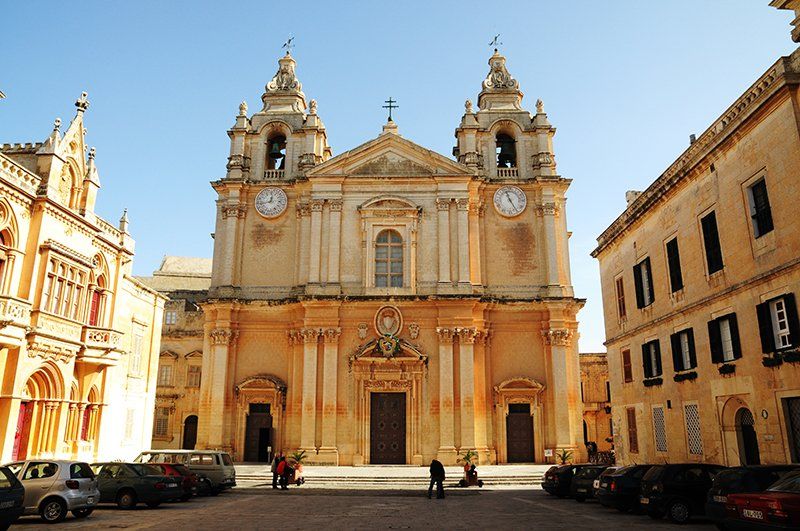
St. Paul's Cathedral
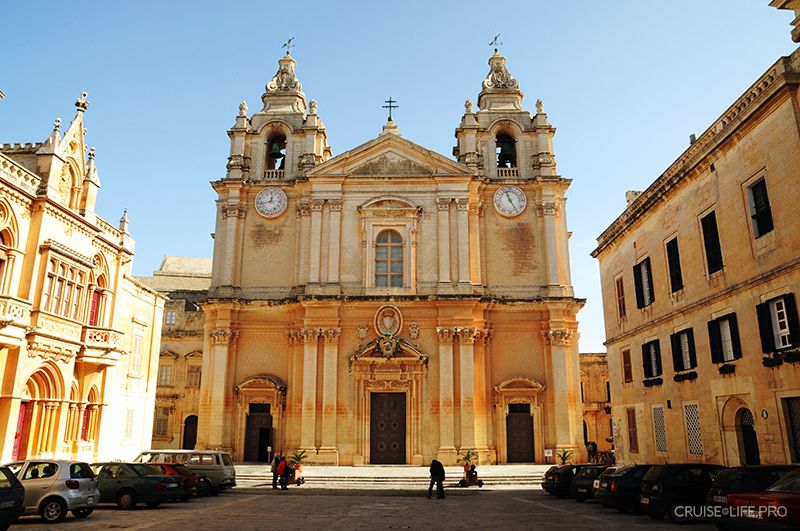
The history of the Church of St. Paul dates back to ancient times. The Apostle Paul embarked on a round-the-world journey. He traveled through cities and countries, preaching the Christian faith. In Jerusalem, Paul was not received as warmly as he would have hoped. A riot broke out, and the apostle was imprisoned. After that, it was decided to send him to Rome for trial. A ship was chosen for him, and he was put aboard in chains. But apparently it was not meant for Paul to reach Rome, as the ship wrecked off the shores of Malta. The Apostle survived the disaster and found himself on an island, where he began preaching the Christian faith again. There is also a story that the Apostle Paul miraculously cured the island’s ruler of a terrible illness. In gratitude, the ruler built a church for the saint.
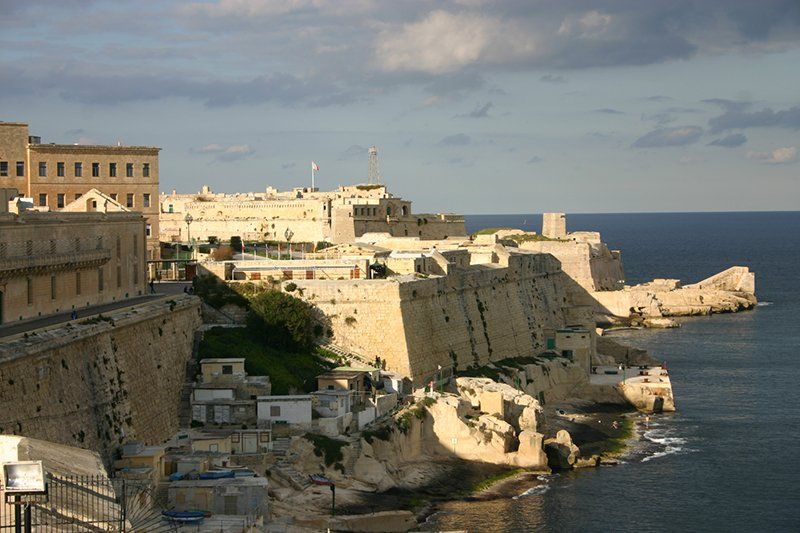
Fort St. Elmo
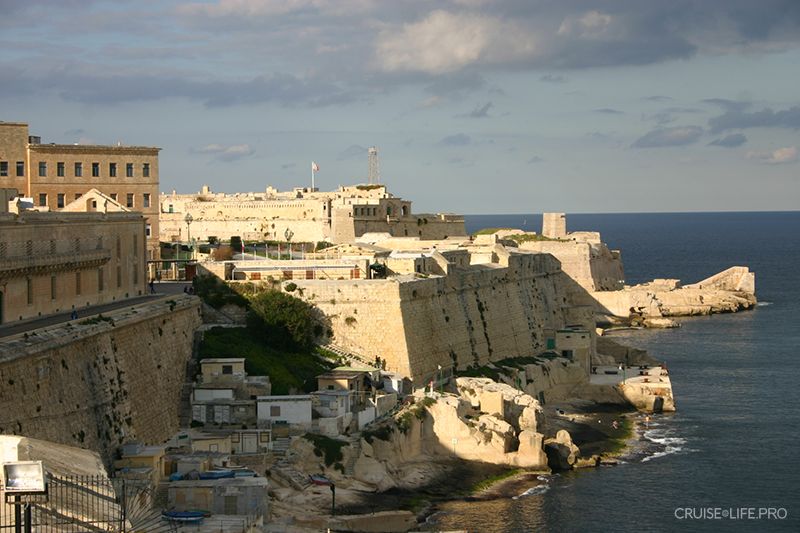
On the outskirts of Valletta stands the Fort Saint Elmo, built in 1488, which was intended to guard the approaches to the Grand Harbour and the Marsamxett Harbour. Throughout its history, the fortress was heavily damaged several times, so it had to be rebuilt almost from scratch each time. Today, the fortress houses the National War Museum of Malta and a police academy. Tourist access to the academy is closed for safety reasons, but everyone is welcome to take an exciting walk among the museum exhibits. In addition to unique collections, you can also watch a theatrical performance depicting medieval knightly drills.