Valencia Cathedral
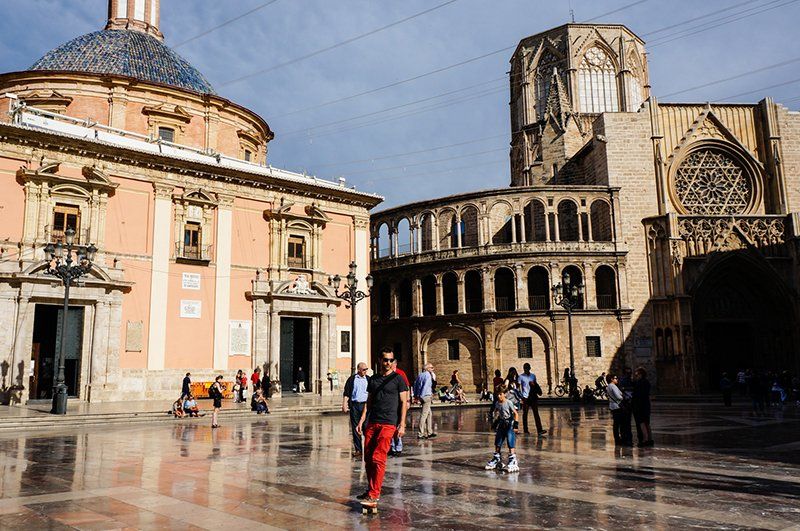
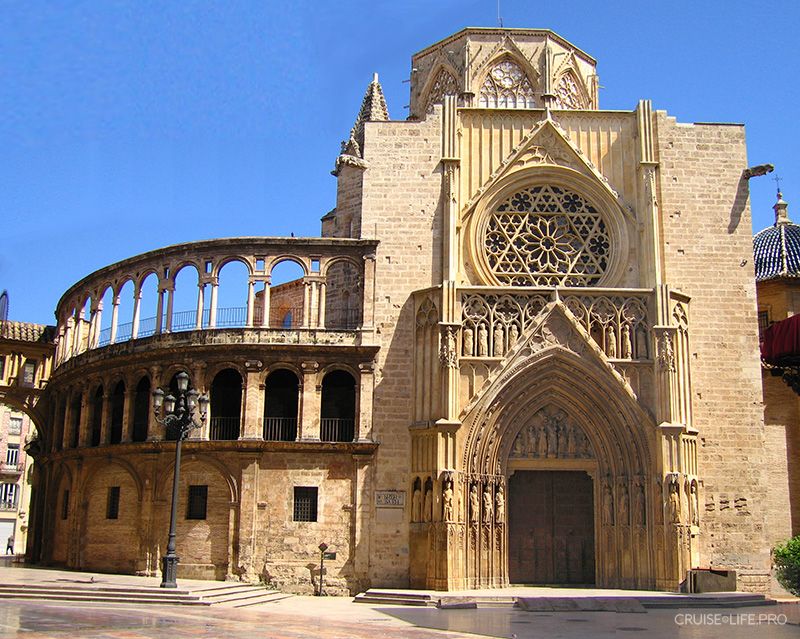
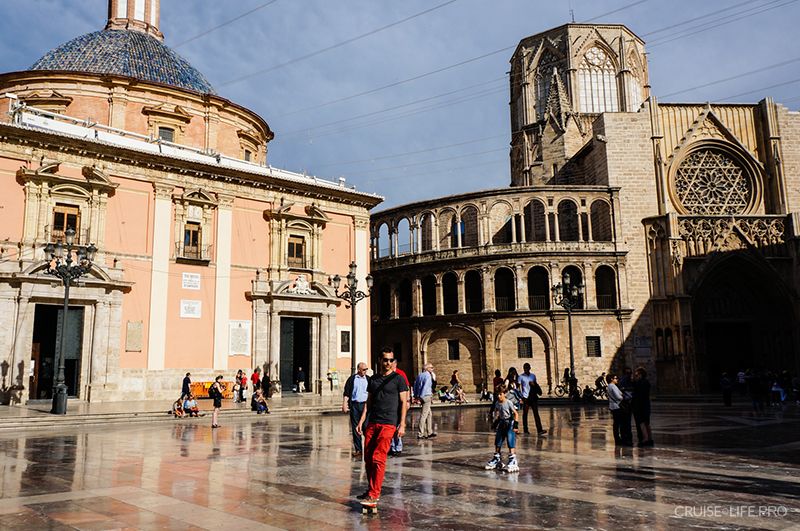
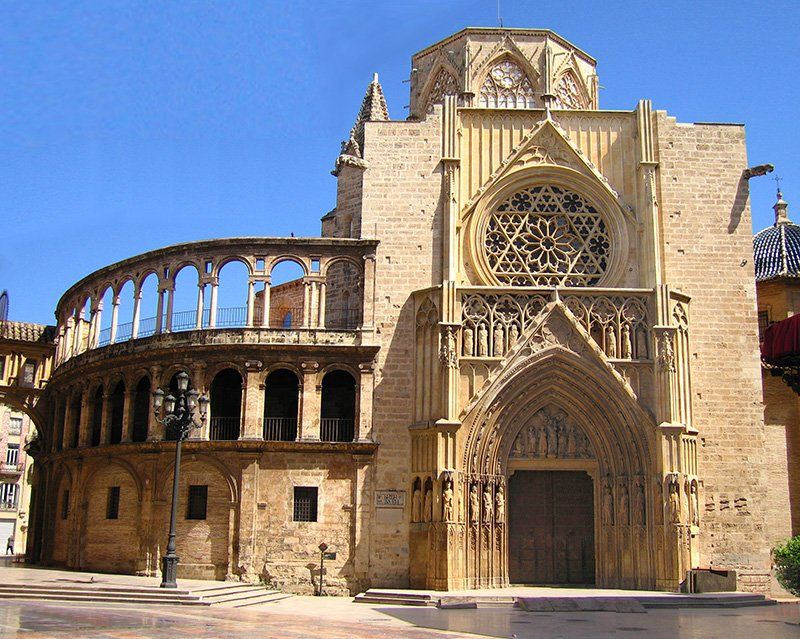
Cathedral of Valencia (built in 1238) is one of the most fascinating religious landmarks in the city. Gothic architecture blends with elements of the Renaissance and classicism, as well as with the Moorish Micalet tower, which was later renamed in Christian traditions in honor of the Archangel Michael. A spiral staircase leads to the 68-meter Micalet tower (for a long time it was the tallest structure in the city). At the top there is an observation deck with nice views. Valencians believe that it is here, in the cathedral, that the agate Grail cup is kept-the cup from which Jesus Christ was given communion at the Last Supper.
Quart Watchtowers
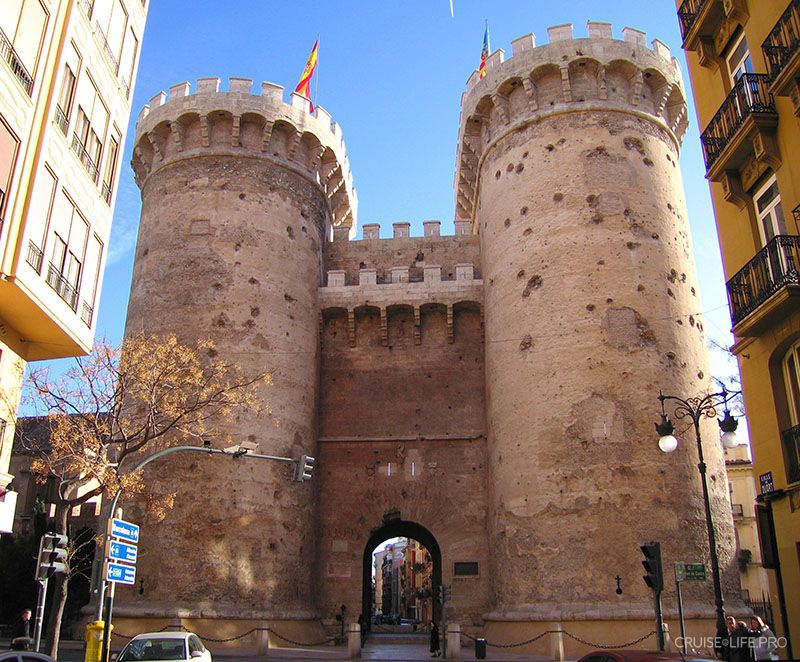
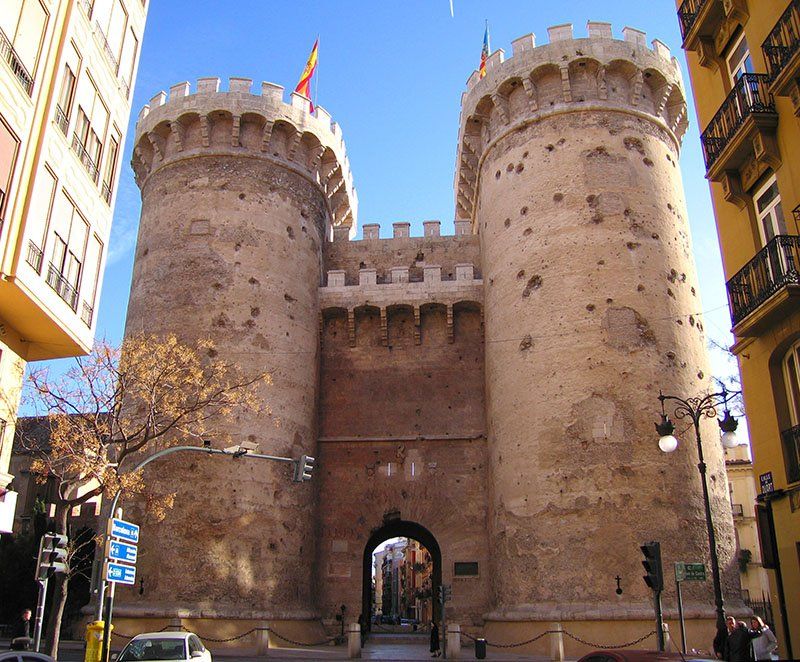
Two powerful towers of Quart form the gateway to the central part of the city. They were created under the guidance of architect Pere Bonfill in 1441-1460 and have witnessed many historical events. The walls of this monument are pocked with impacts from French shells from the War of Independence. And now, birds build their nests in these pockmarks-among them you can even see parrots. In the 17th-18th centuries, a women’s prison was located inside the towers. In 1931, the Quart towers were declared a national treasure, and a few decades later they were added to Spain’s Cultural Heritage List.
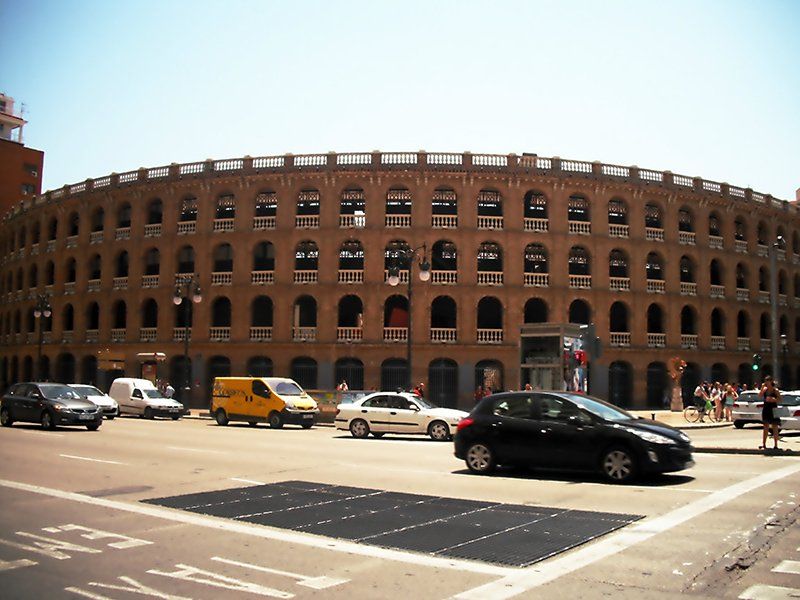
Bullfighting arena
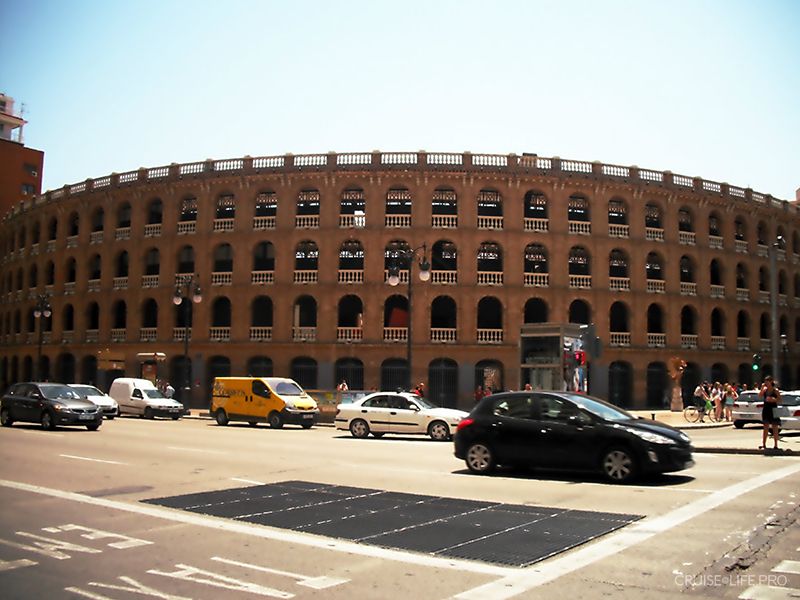
The bullfighting arena in Valencia was built between 1850 and 1860 by the famous Valencian architect Sebastián Monleón Estellés. According to historians, he was inspired by the Colosseum in Rome, after which he designed the structure. The arena is 17 meters high and 52 meters in diameter. Decorated with beautiful prehistoric ornaments, the square has been the main bullfighting arena for one and a half centuries. This giant bullring for corridas is one of the most popular places to visit for tourists. As a rule, the corrida season starts in spring during Holy Week. To visit such a momentous place, it is recommended to order tickets in advance online.
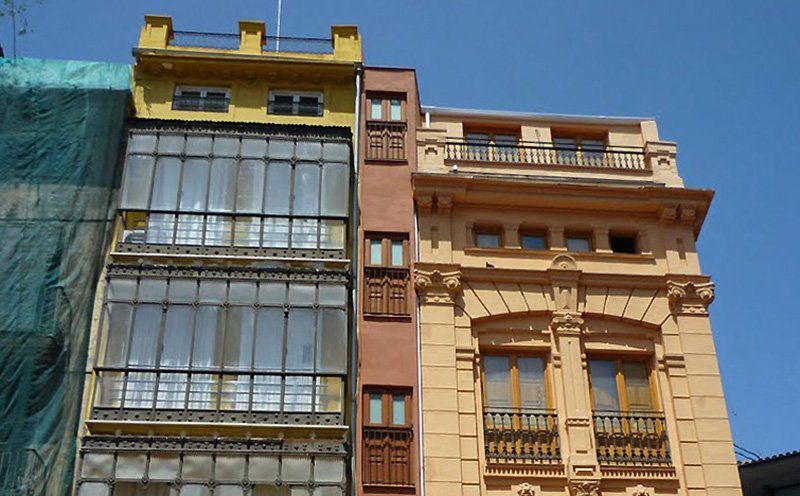
The narrowest house in Europe
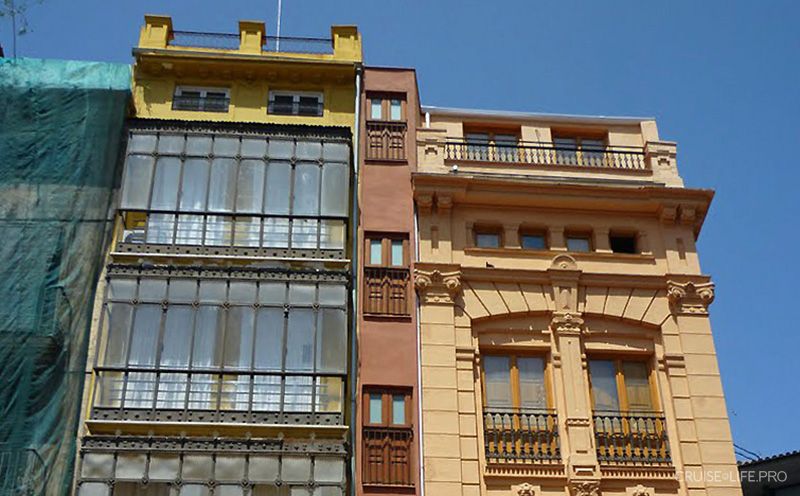
The narrowest house in Europe is located in Plaza de Lope de Vega just behind the Santa Catalina tower. To find it, you need to make quite an effort. The little house is so narrow-only 105 centimeters-that many people very often walk past it without noticing. Not long ago, the owner of the building painted its façade a bright color so it would be easier to spot and see more clearly. Many architects from Scotland, the Netherlands, Poland, and even Ukraine have tried to outdo the author of this house. Not long ago, a Polish architect designed a building of roughly the same size, but the house in Valencia still remains the narrowest in the world-one where you can also practically live a full life.