Valaam Stauropegic Men’s Monastery
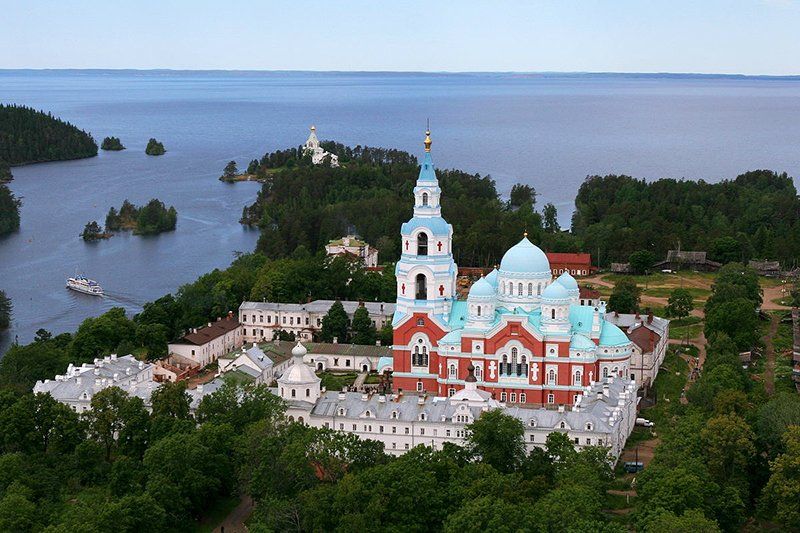
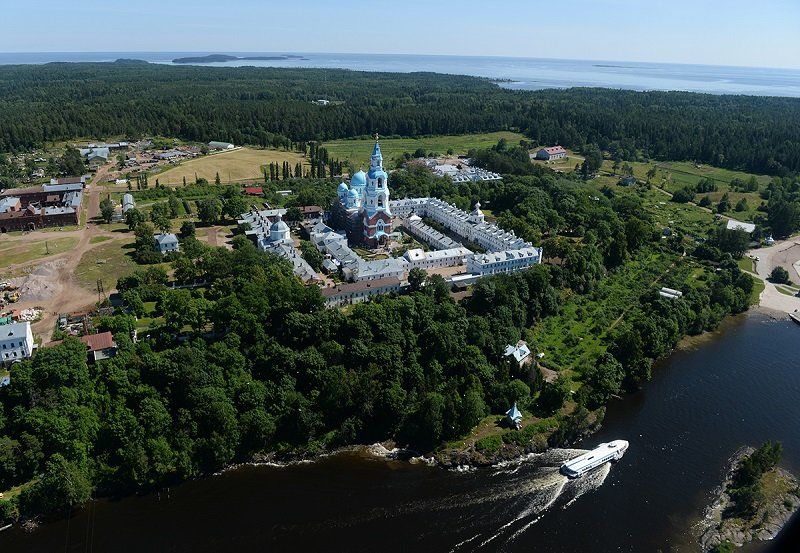
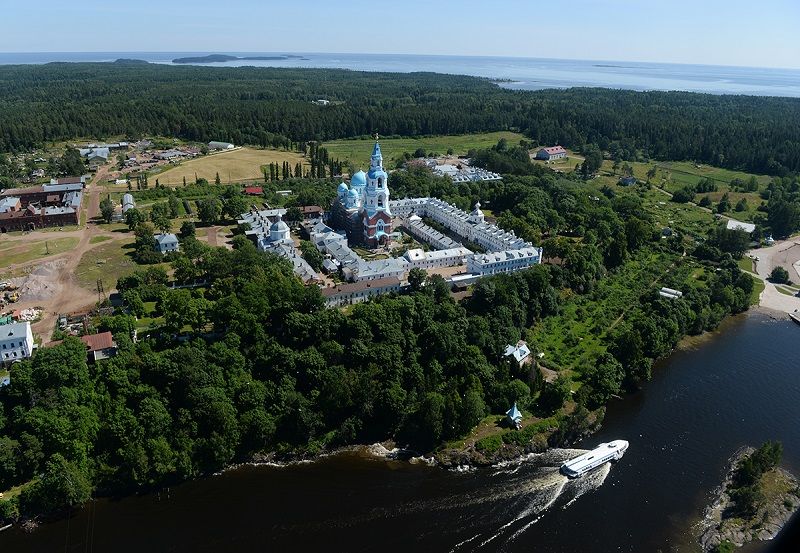
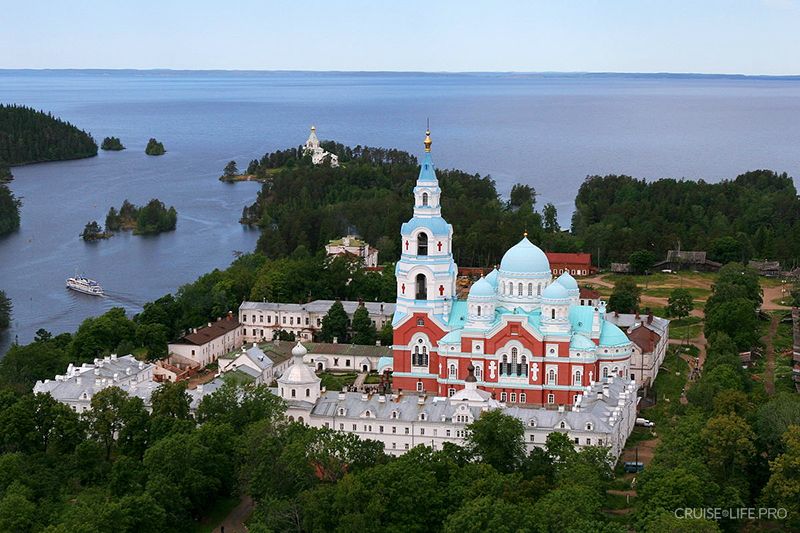
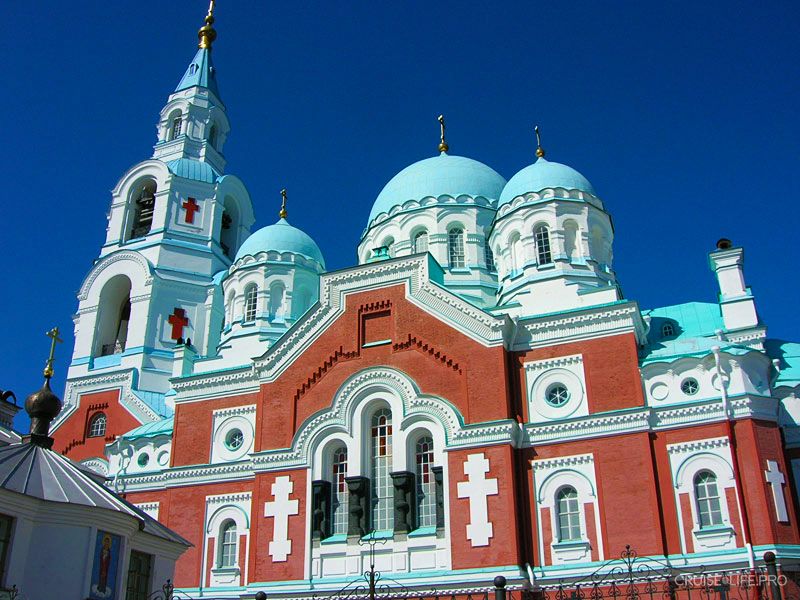
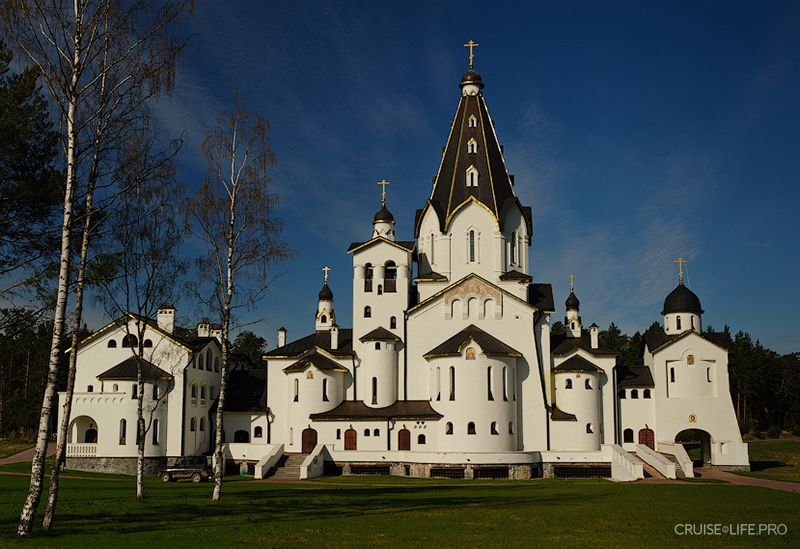
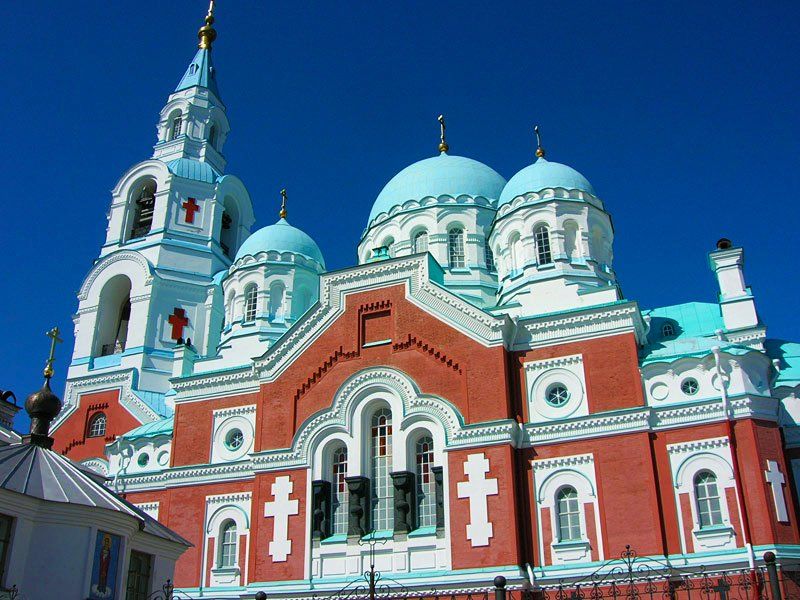
The main attraction of Valaam Island, and of the archipelago as a whole, is the Valaam Stauropegial Male Monastery. The monastery was restored in the early 18th century under Peter the Great. The monastery complex is located in the northern part of Valaam Island, on the hilltop near Monastery Bay. It was finally formed by 1862. The complex buildings were constructed from brick that was made here on the island as well. A granite staircase and a larch alley lead to the monastery from the bay. First, you enter the Holy Gates, above which stands the Church of Peter and Paul. Through them, you proceed to the monastery’s main cathedral-the five-domed Transfiguration Cathedral of the Savior. On the lower level of the cathedral, there is the Church of Sergius and Herman.
Voskresensky Skete
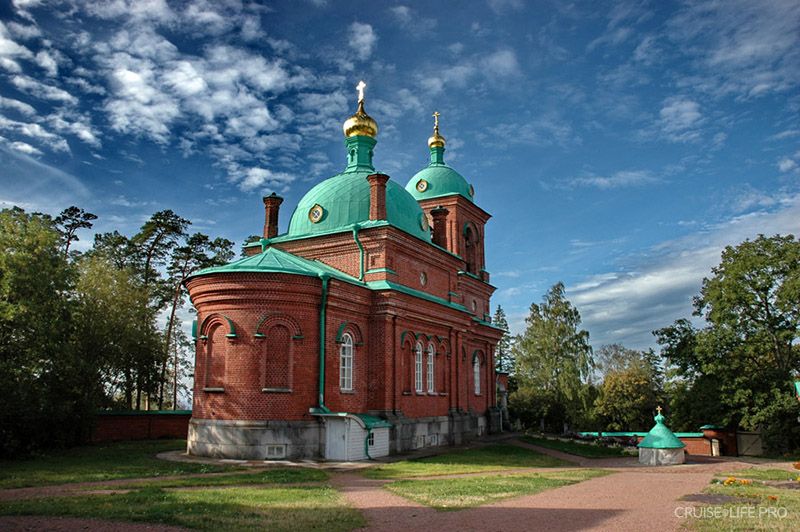
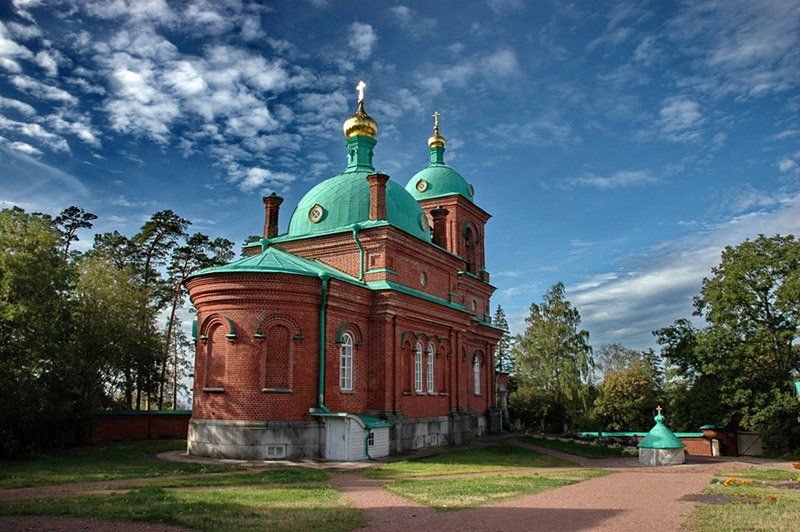
Voskresensky Skete is a landmark place on Valaam: it is here, according to tradition, that many centuries ago the Apostle Andrew the First-Called erected a stone cross, pointing to the holiness of this land and marking the beginning of the monastery’s history. In honor of the apostle, a wooden chapel was built on this site in 1846; in the early 20th century it was replaced by a two-story Voskresensky Church. Its bright and light-filled upper church was consecrated in honor of the Resurrection of Christ, while the lower church, dedicated to Andrew the First-Called, reproduces the layout of the cave of the Church of the Holy Sepulchre in Jerusalem. The Voskresensky Church is built of red Valaam brick, which is why the skete came to be called the Red one.
Gethsemane Skete
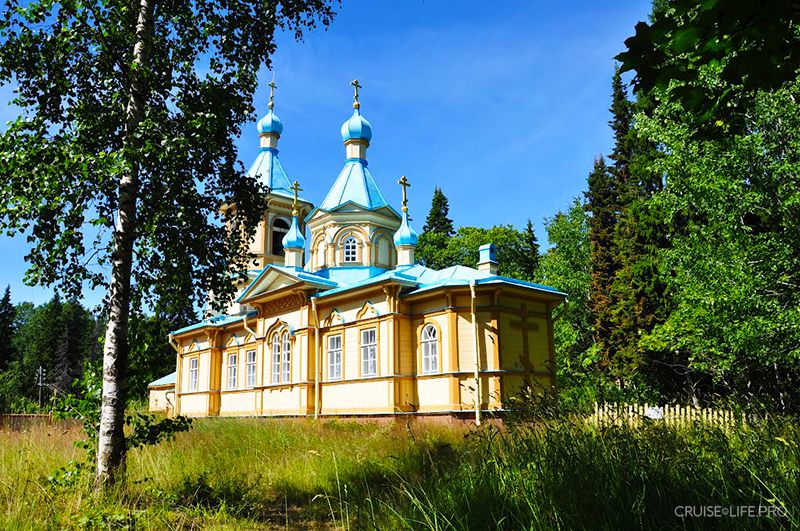
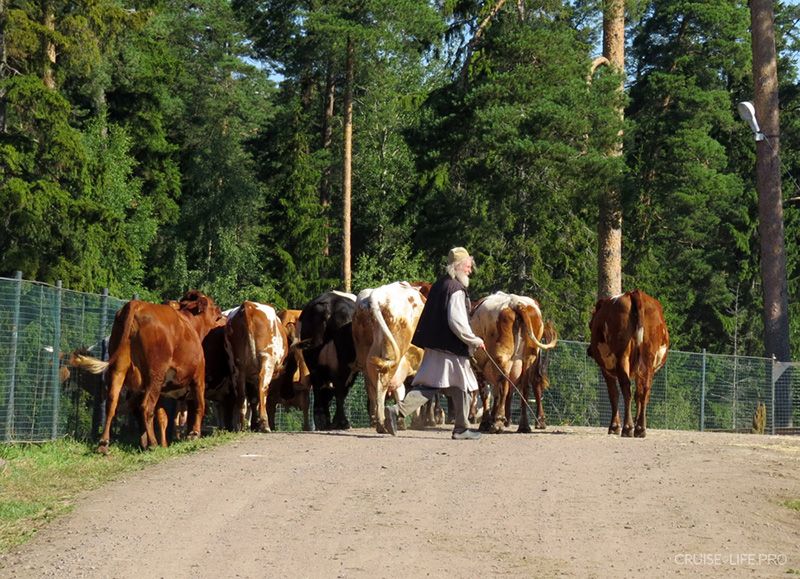
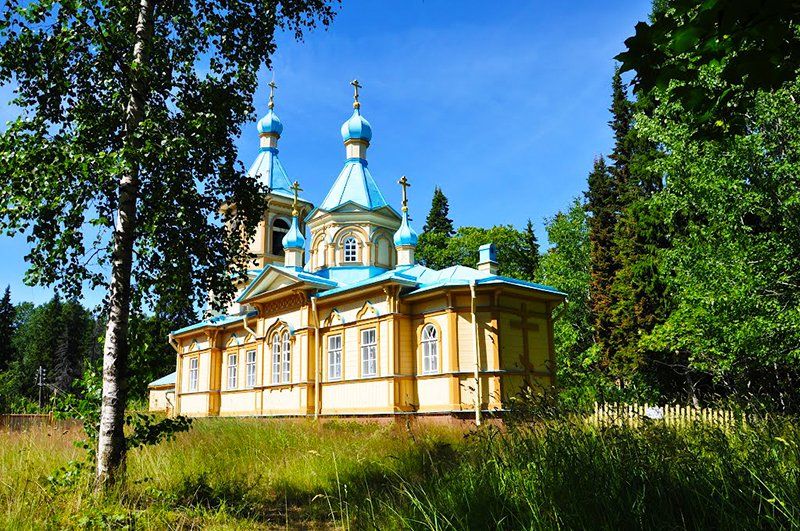
At the foot of Mount Eleon, the Gethsemane Skete was founded, which also completed the creation of the “Russian Jerusalem.” Once, there was only a chapel here, but in 1911 an altar was added, and the resulting church was consecrated in the name of the Dormition of the Mother of God. Due to the color of this church, the Gethsemane Skete received its second name-the Yellow one. The Gethsemane Skete is very conveniently located at the intersection of the Main Monastery Road and the path leading to the Konevsky Skete and the local farm, so it is visited very often by tourists. Once you’re here, don’t forget to climb the nearby Mount Eleon-it offers the best view of the bay and Lake Ladoga.
Konevsky Skete
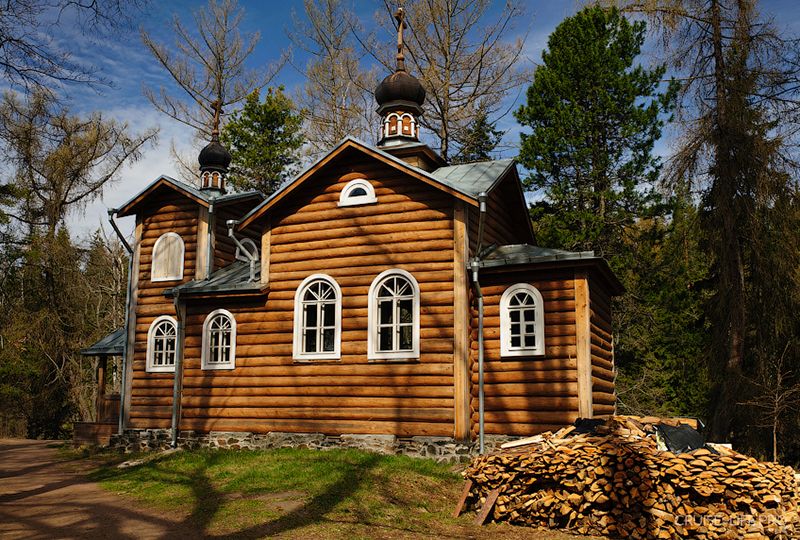
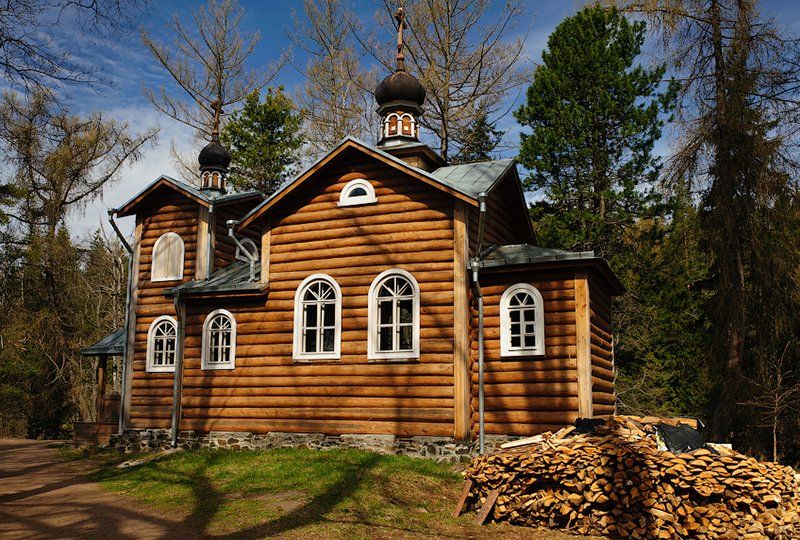
The most secluded, quiet and, perhaps, picturesque skete of Valaam is located away from the Main Monastery road, deep in the woods by the shores of the lakes. The history of this skete began in the 1830s, when on the shores of Konevsky, or Igumen Lakes, in a solitary cell, the future Valaam igumen, Father Damasquin, lived as a hermit. A few decades later, already as igumen, he established a skete here in honor of the Konevskaya Icon of the Mother of God, which housed the smallest church on all of Valaam. The center of the Konevsky skete and its adornment is a modest, almost toy-like church. In the vicinity of the skete, along the lakes, there is a walking excursion route-one of the most beautiful and memorable in Valaam.
A Pilgrimage in the Name of All Saints
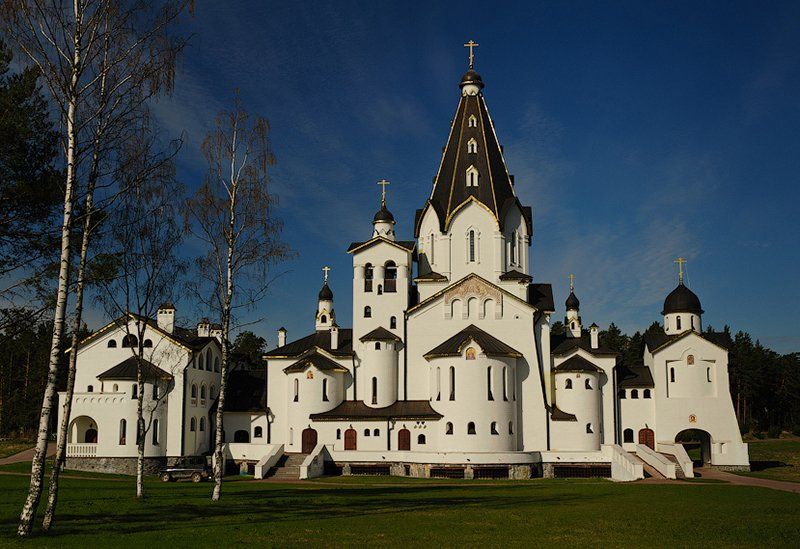
This skete can be called the most outstanding one in the Valaam archipelago: it is the oldest by date of establishment, the largest, and one of the strictest in terms of its rules. The Skete of All Saints was founded by Abbot Nazariy back in 1789-1793-at that time, a wooden church appeared here, along with separate cottages where 20 monks lived. In the mid-19th century, the skete underwent a major redevelopment, and on the site of the wooden settlement there emerged something like a fortress with imposing walls, towers, and gates. You should take a walk to the skete at least because of the most interesting road on Valaam: along the picturesque Vladimir Bridge, past a stone memorial cross and a “Shishkin” pine, the Chapels of the Passion of the Cross, and a commemorative roadside sign.