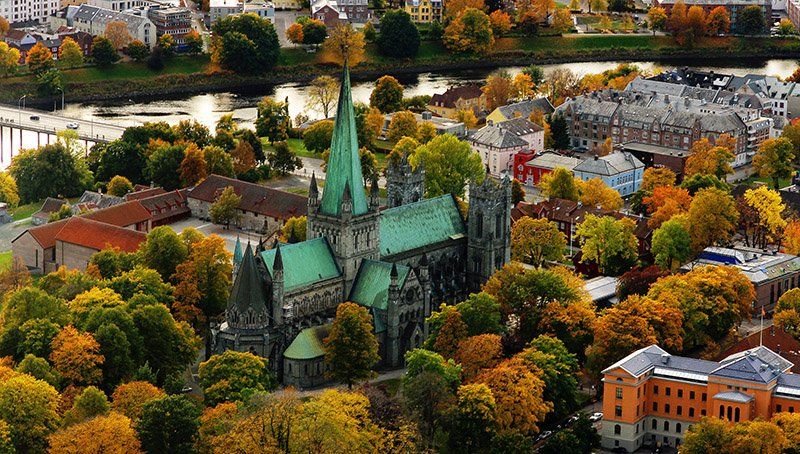
Nidaros Cathedral
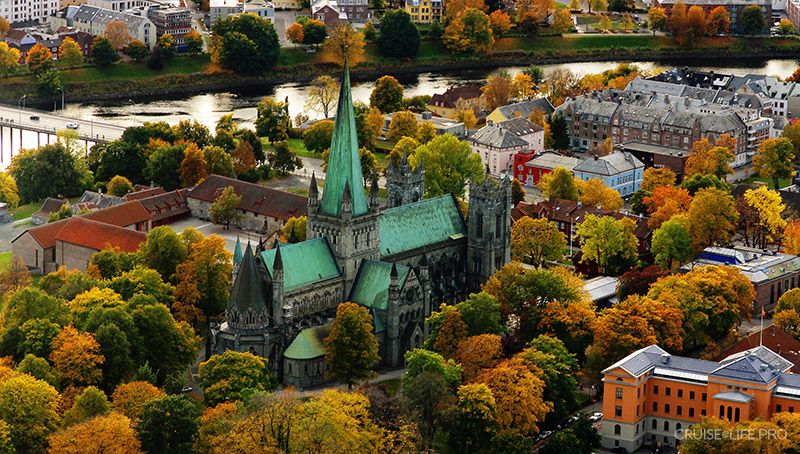
It was precisely in this cathedral that all Norwegian kings were crowned, starting with the first Olaf Haraldsson, who later became the patron saint of Norway-Saint Olaf-and ending with the coronation of the last Haakon VII in 1905. This beautiful Gothic structure attracts tourists from all over the world. It makes a special impression at night, when the lighting comes on. Inside, you’ll find an entire labyrinth of elegant columns leading all the way to the nave, carved arches, and breathtakingly beautiful stained-glass windows. Illuminated by the morning light, they fill the cathedral with a unique play of shadows, giving the stone depth and mystery. The two ancient organs installed inside are a highlight of the cathedral, and their inspired music leaves an impression even on skeptical tourists.
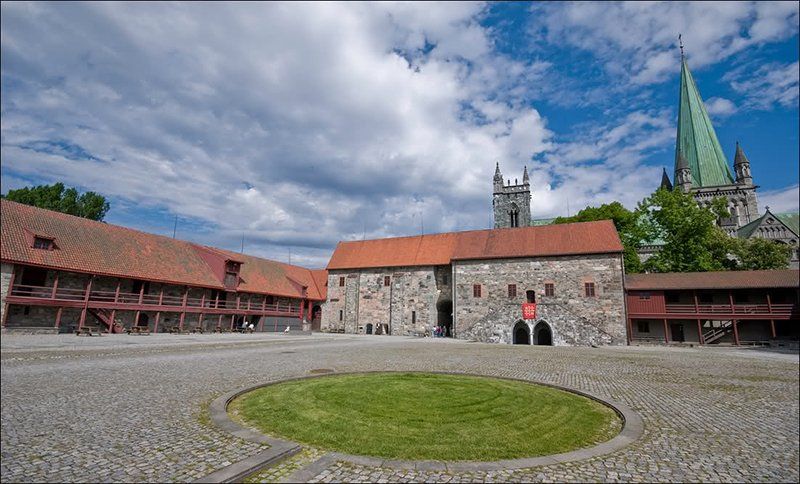
Archbishop’s Palace Museum
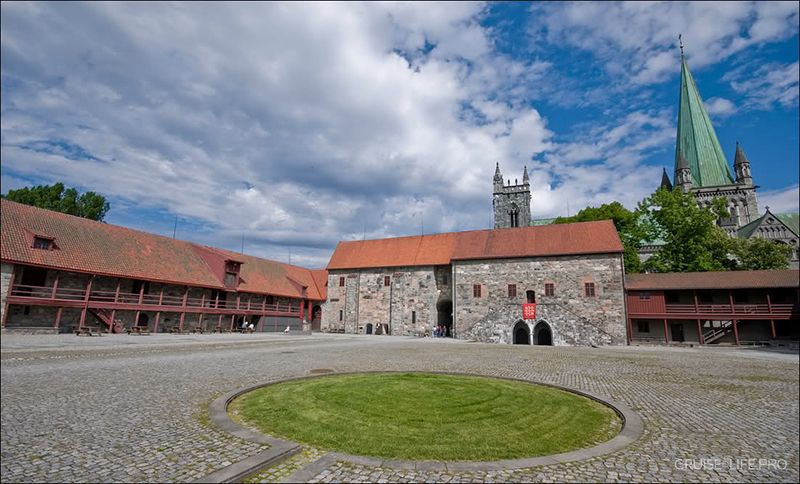
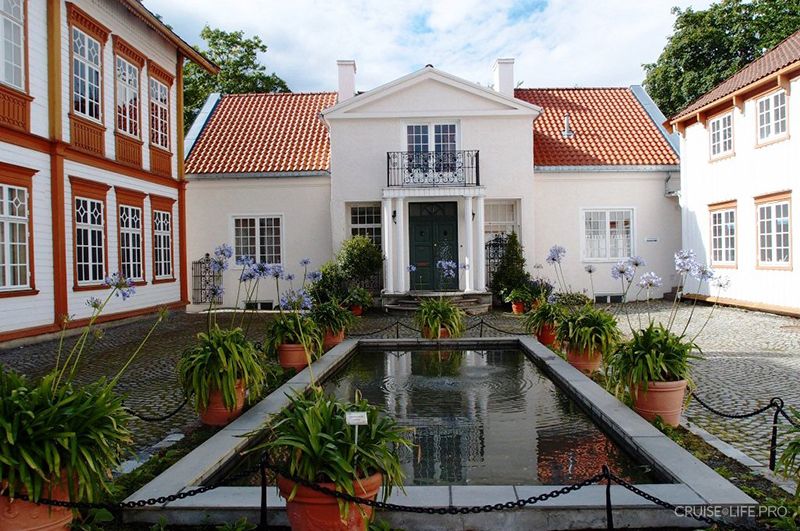
The Archbishop’s Residence in Trondheim is one of the best-preserved complexes of its kind in Europe. It is the oldest secular building in Scandinavia. Construction began in the second half of the 12th century, and until the Reformation in 1537, it housed the Archbishop’s residence. The West Wing of the Residence is dedicated to an exhibition of the royal regalia, the Military Museum, and the Resistance Museum. The Museum of the Archbishop’s Residence is located in the South Wing. In this museum, visitors can see original sculptures from the Nidaros Cathedral, as well as archaeological finds that tell its dramatic history. Tourists can also visit the Archbishop’s Mint, where coins were minted-it has been preserved in the form in which it was found by archaeologists.
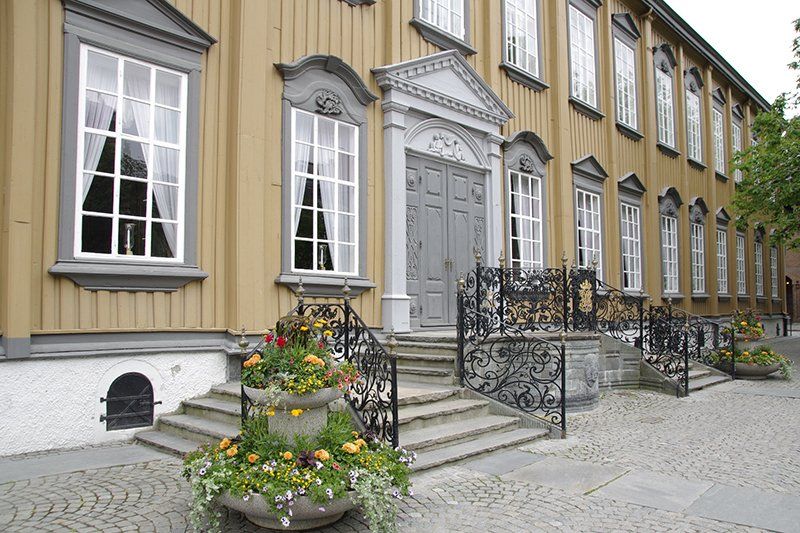
Stiftsgården Royal Residence
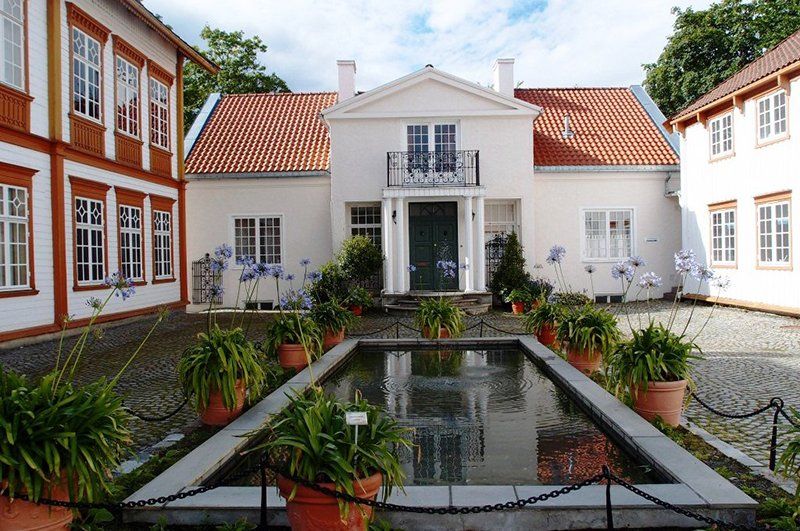
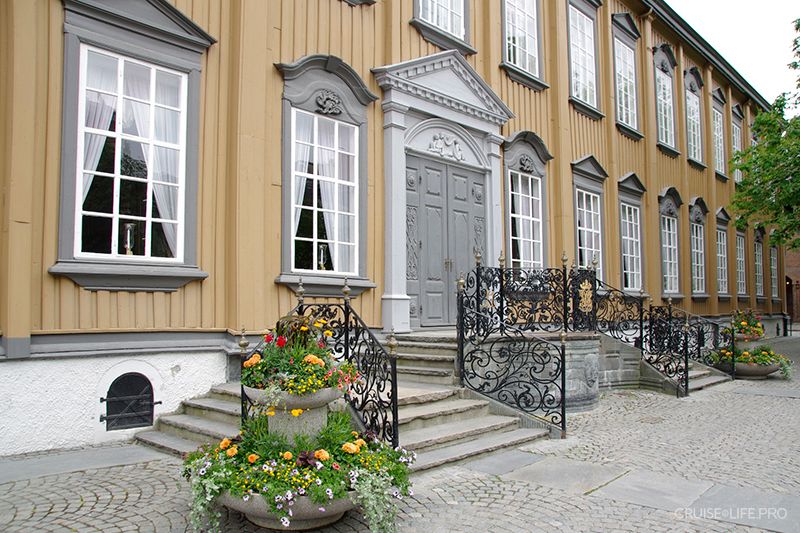
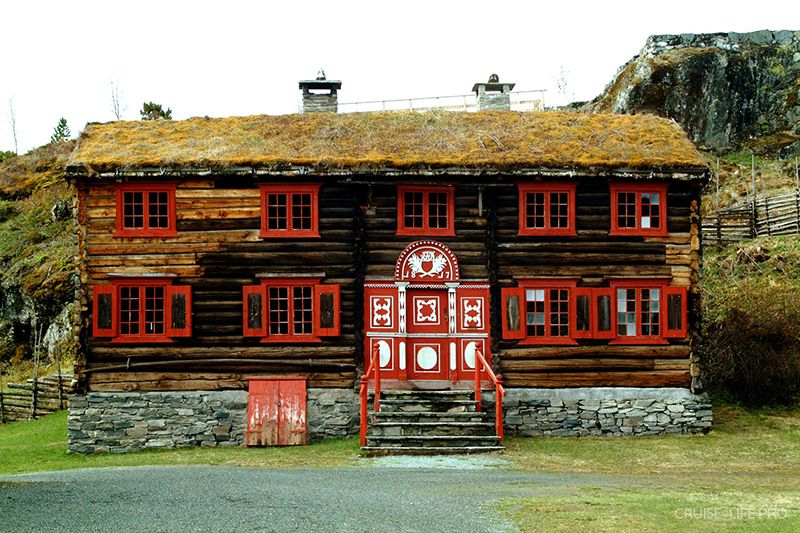
Stiftsgården Manor, built in 1774-78 by the widow of a member of the Privy Council, is the largest wooden palace in Scandinavia. In 1800 it was sold to the State of Norway and today it is the official Royal Residence in Trondheim.
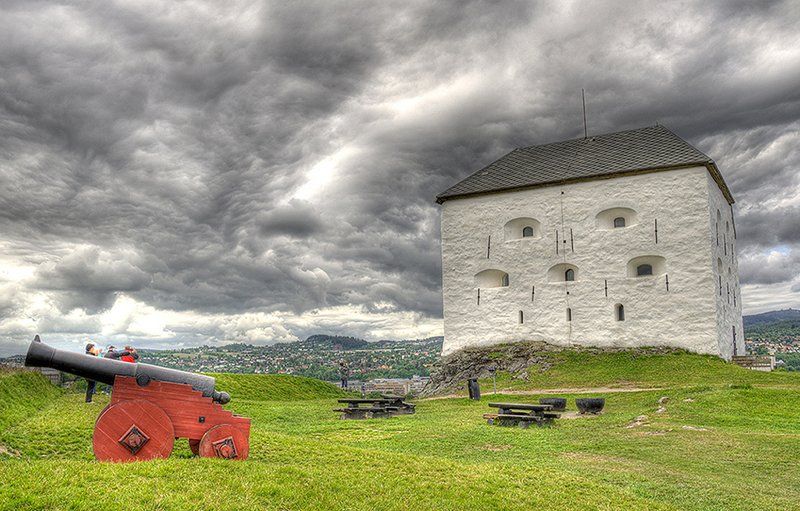
Christiansten Fortress
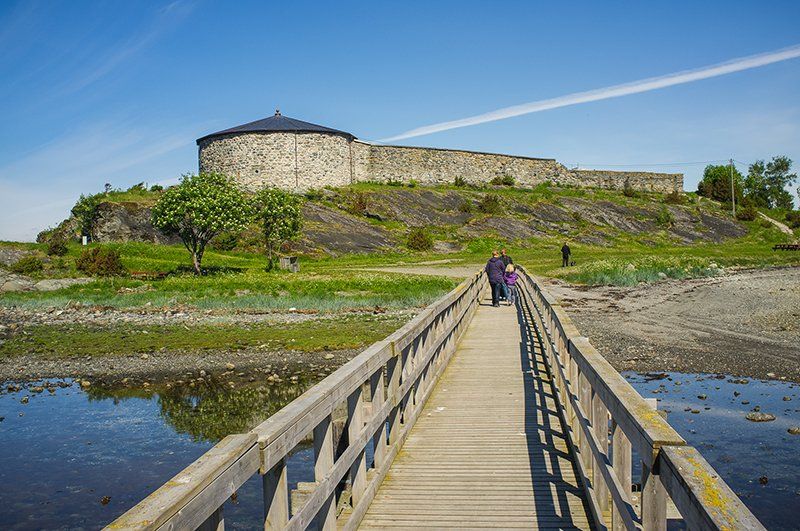
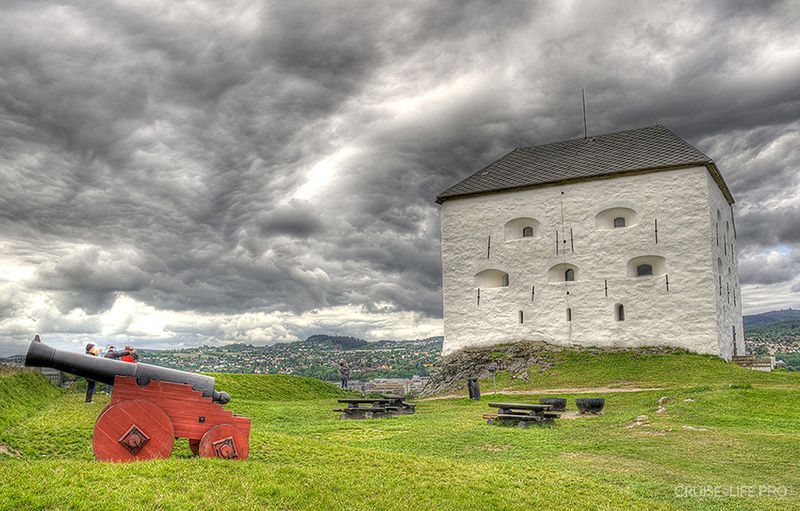
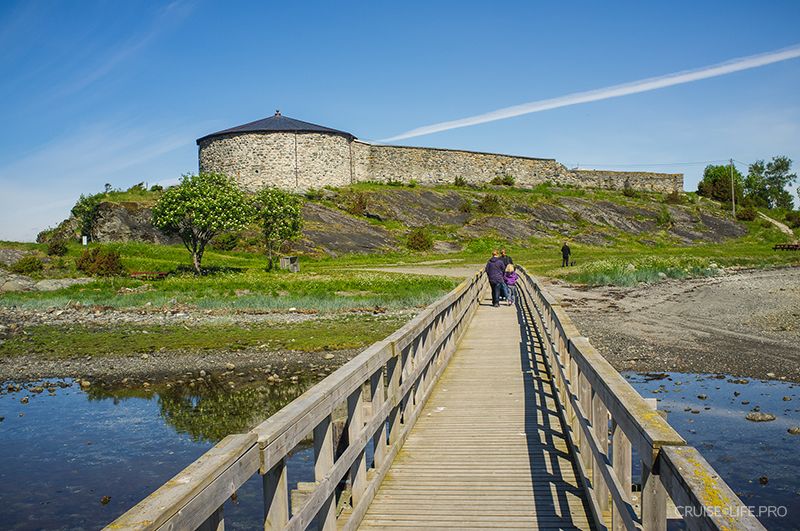
Christiansten Fortress rises above the center of Trondheim and is an important part of the city’s leisure area. The central tower-four floors with embrasures-is open to visitors, as is the Armoury. Many cultural events are held at the Fortress. The castle sits on a hill, 15 minutes on foot from the city center. Construction of the stronghold began in 1682 by order of King Christian V. Its purpose was determined from the outset as defensive; in essence, it blocked the enemy’s access to the city, which was considered a stronghold in the northern mountains. Around 1740, the castle took on the form it has today. In addition to the museum, it is also a large theater venue. Performances are often staged here based on the rich history of the city and the fortress.
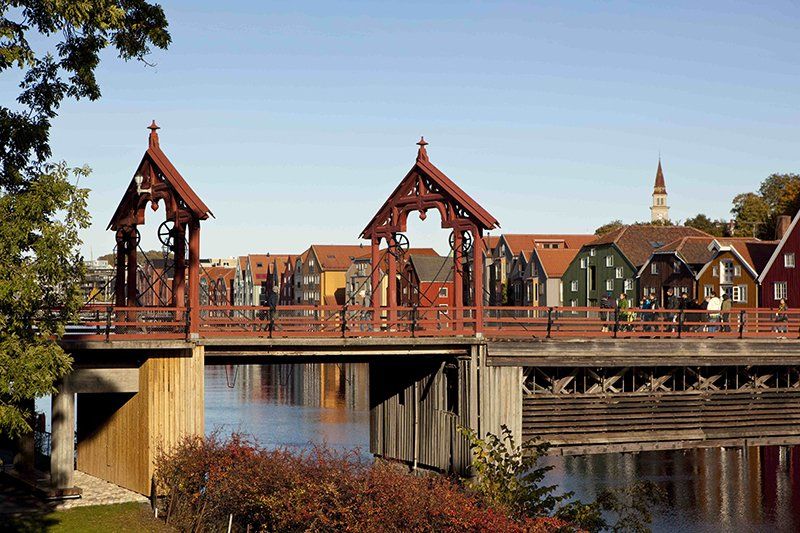
Gates of Happiness
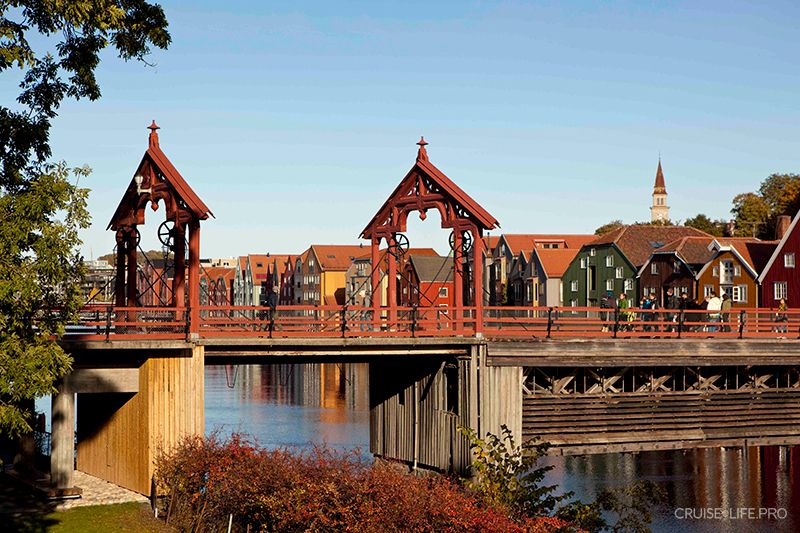
One of the trademarks of Trondheim is Gamle Bybro, a name that translates from Norwegian simply as “old city bridge.” Its construction became necessary with the building of the fortress of Christiansen on the right bank of the River Nidelva. Originally, it was a wooden bridge on three stone supports. At both ends of the bridge there were guard booths. Today, this bridge is no longer the main transport artery connecting the two banks of the River Nidelva. But it is loved by the residents of Trondheim, who have given it an unofficial name of “Lykkens portal” - “Gates of Happiness.”