Trogir, Croatia

Port of call

Trogir, Croatia

Description — Trogir, Croatia

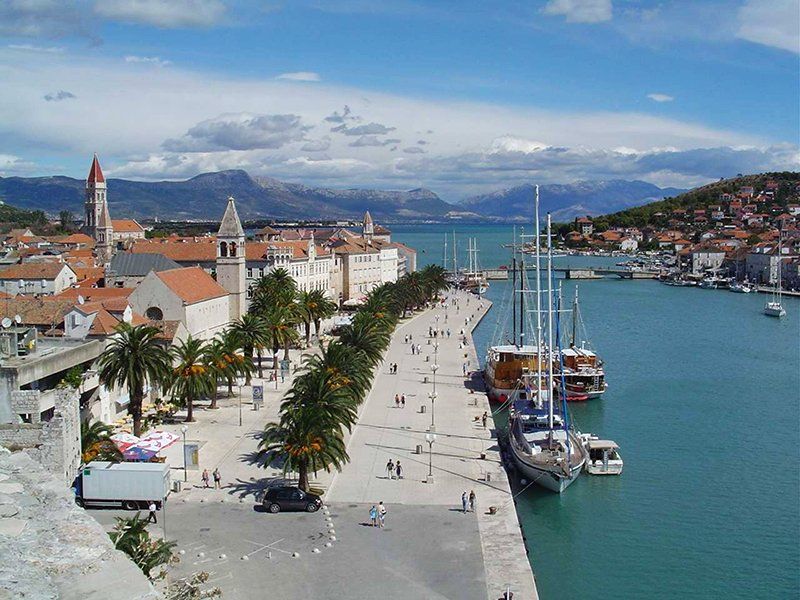
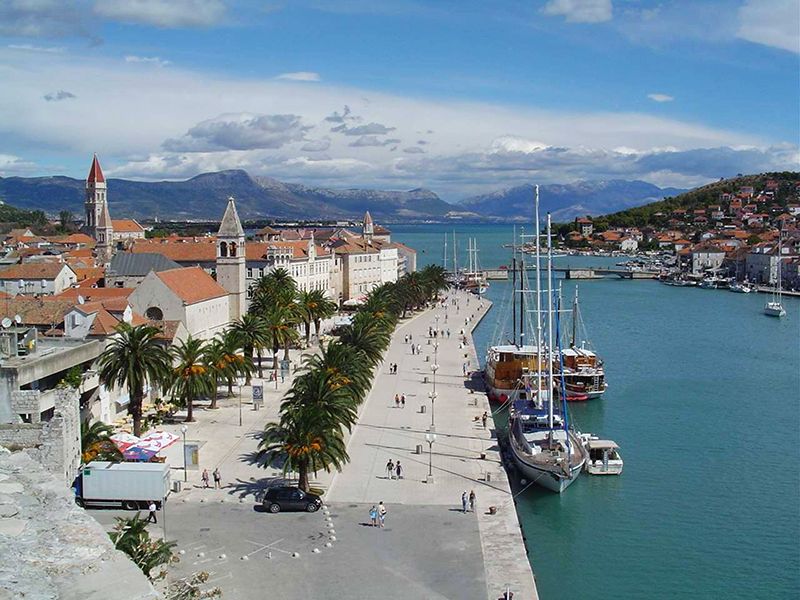
Trogir is a city in Croatia, in Dalmatia. It is located in the central part of the Adriatic coast, 27 km northwest of the city center of Split. The population is 10 907 (2001). The central historic part of Trogir is included in the UNESCO World Heritage List. Trogir is connected to Split by an urban bus route and has regular intercity bus services to other major Croatian cities. The Split airport is located 7 km from Trogir. The historic old town is situated on a small island separated from the mainland by a narrow strait and from the larger island of Čiovo by a wider channel. The majority of Trogir’s residents live on the mainland and on Čiovo. Tourism brings more than half of the city’s income.

Trogir (Traugurion) was founded in the 3rd century BC by Greek colonists from the island of Vis. The city developed successfully, but during the Roman period it was overshadowed by the nearby thriving city of Salona (Split). In the 7th century, Slavs arrived on the Dalmatian coast, and soon the city came under the rule of Croatian kings. In the 11th century, a diocese was established in the city. In 1123, the city was seized and completely destroyed by the Saracens, but it was quickly rebuilt, reaching its peak of prosperity in the 13th century. In 1420, together with a significant part of the Dalmatian coastal towns and islands, Trogir came under Venetian control. After the fall of the Venetian Republic in 1797, the city became part of Austria. During the First and Second World Wars, the city was occupied by the Italians; after both wars, Trogir became part of Yugoslavia. After the dissolution of the latter in 1990, the city became part of independent Croatia.

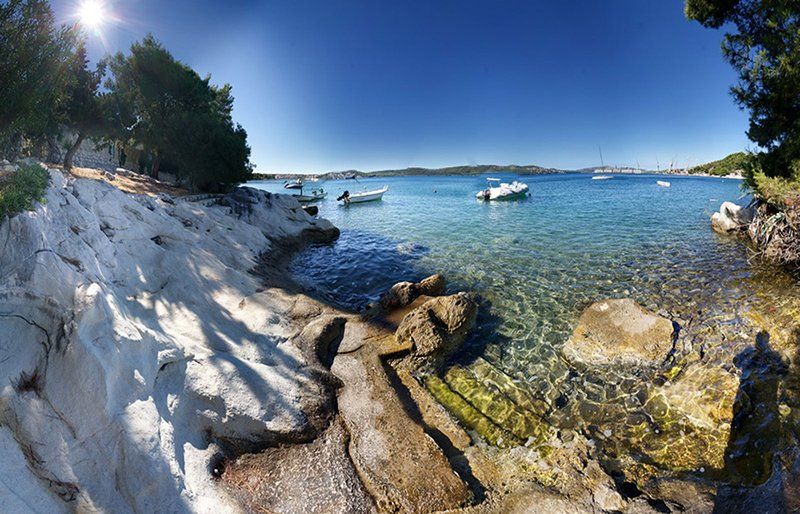
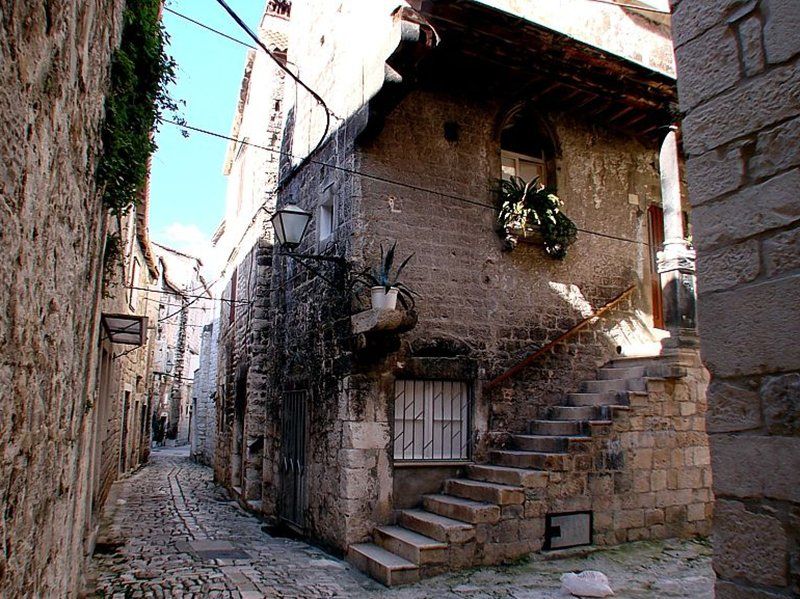
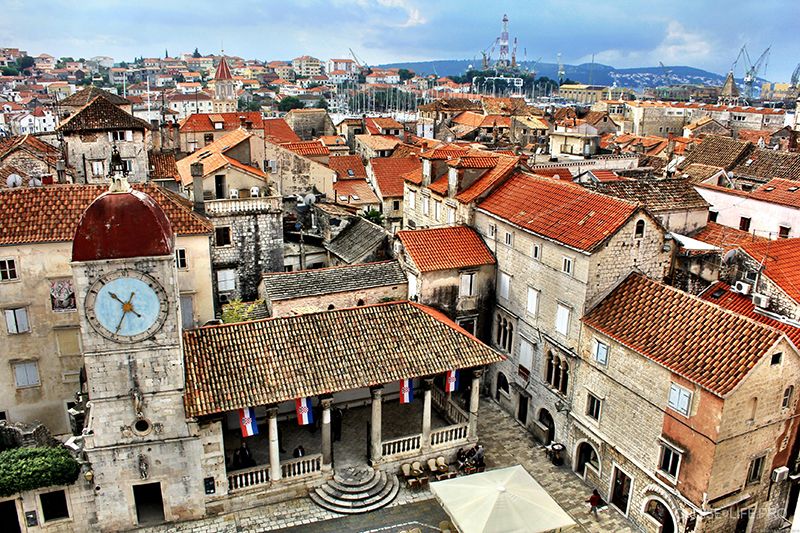
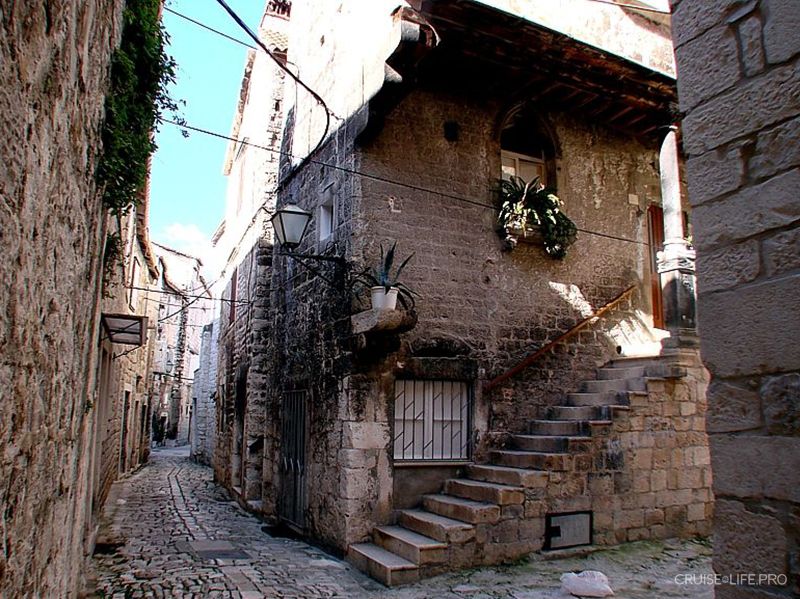
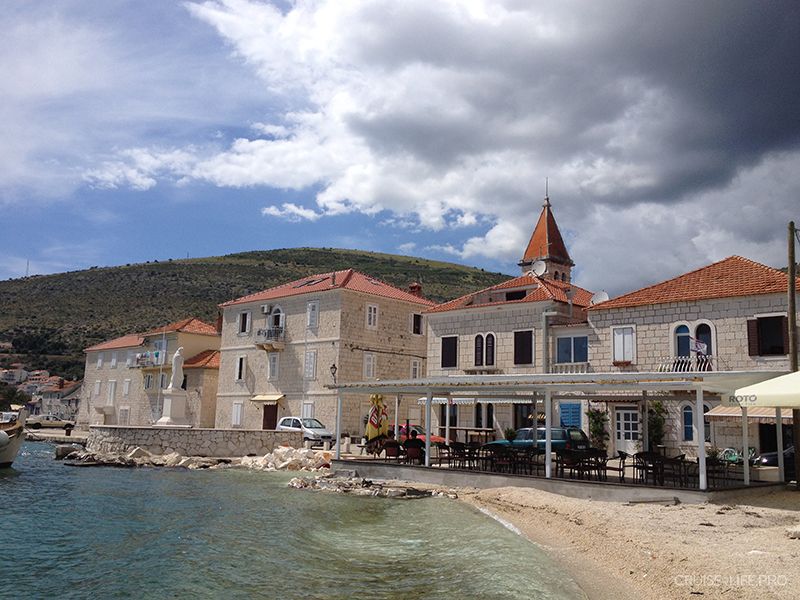
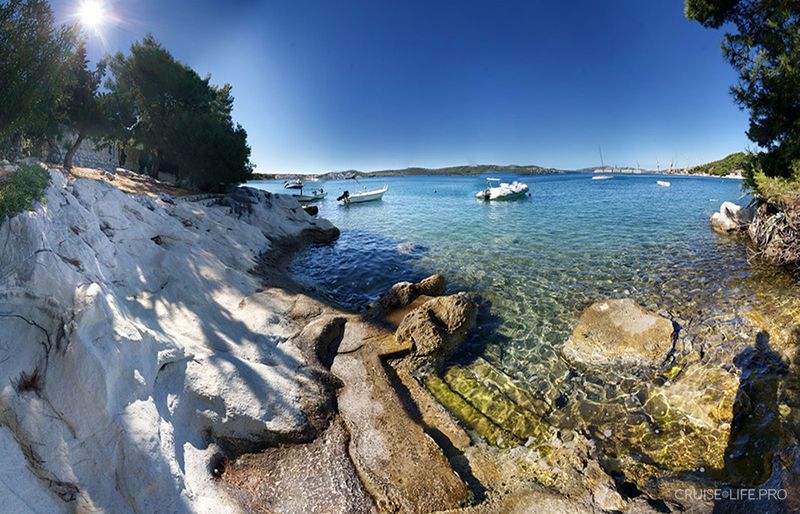
The historic part of Trogir impresses with a unique collection of palaces, temples, towers, and ancient buildings, while the winding “old town” lanes forming a labyrinth make Trogir unlike any other city on the Croatian coast. The surrounding area of the city (Trogir - Seget - Riviera) is characterized by abundant greenery, many islands and islets, as well as beautiful rocky and pebble beaches.

Climate

Mediterranean climate with temperatures of about 30 degrees in summer; at night the thermometer does not fall below 20 degrees. The best time to rest and travel to Trogir is July and August, when the water at the beaches warms up to a comfortable temperature.

Location on the map

Sights

St. Lawrence Cathedral

St. Lawrence Cathedral

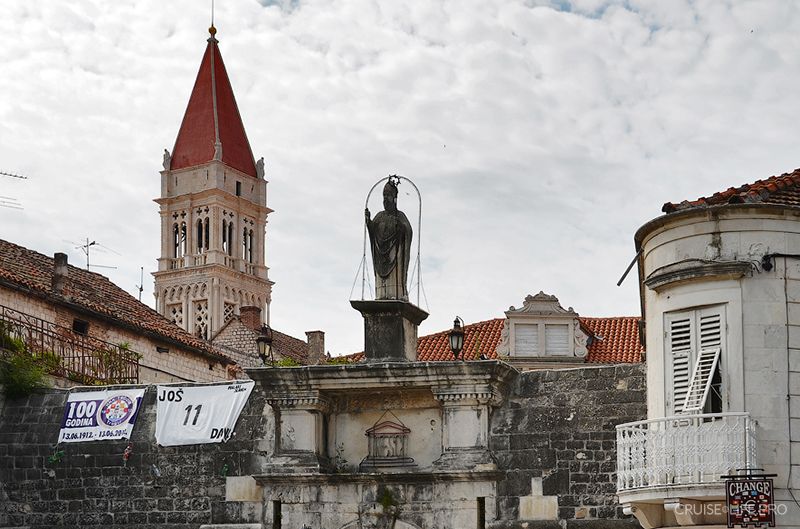
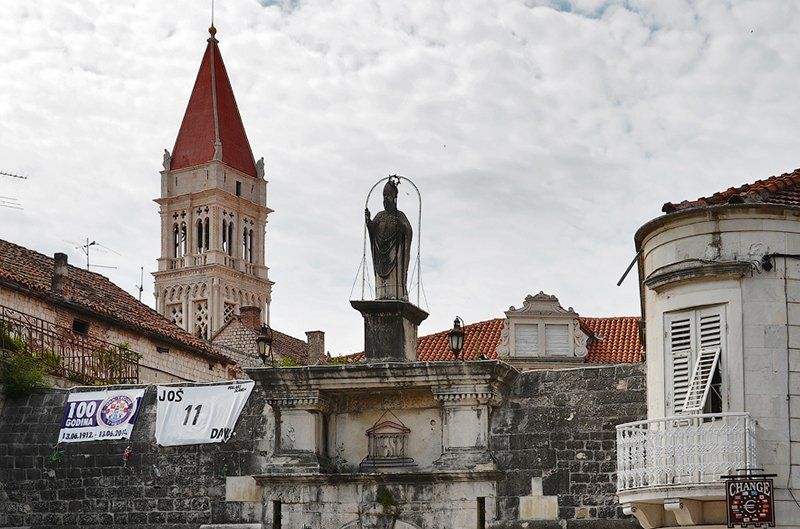
The Cathedral of St. Lawrence (Lovro) is the largest building in the city, and its bell tower can be seen from any street. The cathedral’s history dates back to the 11th century-at that time, a foundation was laid on the site of a destroyed basilica. The cathedral can truly be called a “long-term construction project”-construction lasted over four centuries. During that time, the cathedral was altered many times-many craftsmen contributed to creating the cathedral’s final appearance. In its composition, four styles can be observed, the most important of which are Romanticism and Venetian Gothic. The cathedral impresses with its interior decoration. The greatest work on the cathedral’s design was done by Radovan and his students-by their hands were created the western portal, as well as magnificent relief sculptures and paintings.
Fortress of Camerlengo

Fortress of Camerlengo

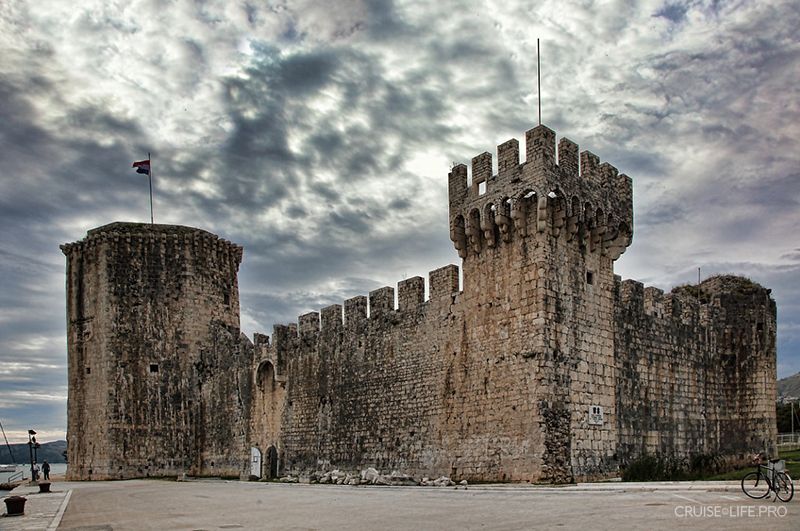
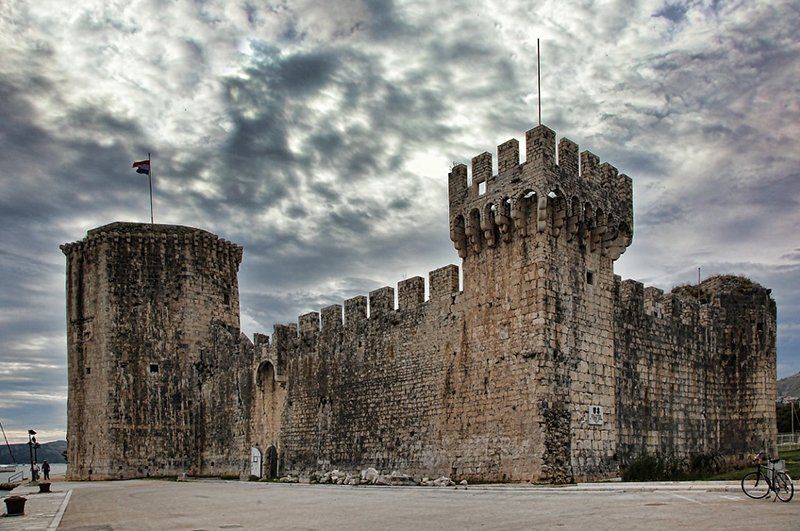
Kamerlengo is a powerful fortress that, in the 13th-15th centuries, served as a naval base for the naval forces in the Adriatic. Today, it is a kind of open-air museum and a multimedia center, with an open-air area for filming historical movies. Once, the fortress-surrounded by a moat-was connected to a round tower named after Saint Mark. During the Venetian rule, behind the sturdy fortress walls stood the consul’s palace-the ruler’s residence. The fortress faces the sea and has tall walls connecting three towers. In summer, theatrical performances take place in the fortress courtyard. From the top of the fortress, you can take great photos of the picturesque view of the old town, especially at sunset.
What to see

Old Town

Old Town

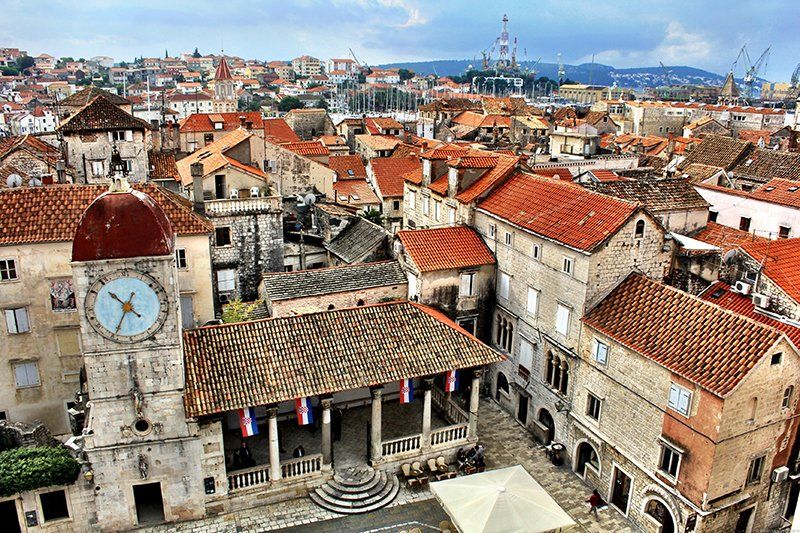
The first mentions of the Croatian city of Trogir date back to the third century BC. Back then, it was one of the central trading hubs of the Dorian Greeks. In the early stages of its development, Trogir grew rapidly, but then, quite suddenly, it found itself in the economic shadow of the neighboring city of Salona (Split). In the sixth century, war raged in the territory of today’s Croatia, and many cities were practically destroyed. Thanks to its fortunate island setting, Trogir managed to avoid the fate of other cities- from that moment on, Trogir only prospered. Today, the entire old center of Trogir is included in the UNESCO World Heritage List. To this day, many temples, palaces, towers, and other historic buildings have been preserved here.

City museum

City museum

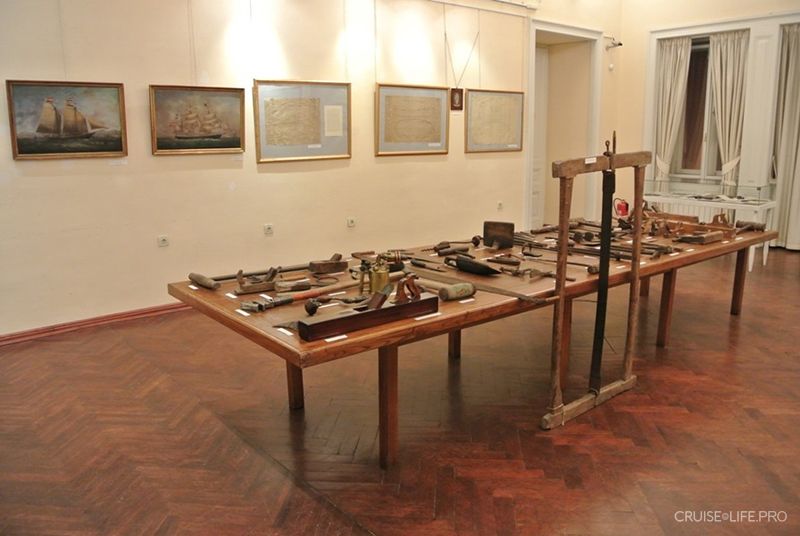
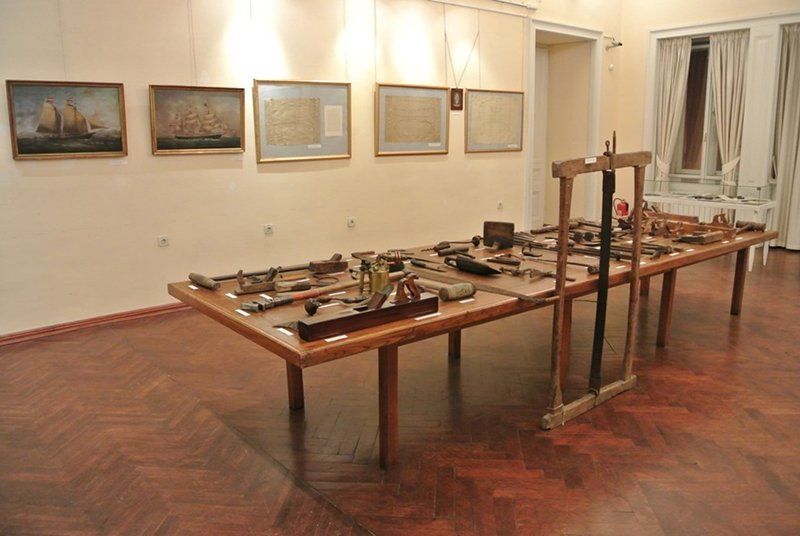
In the historic center of the wonderful Croatian town of Trogir, the City Museum is located. The exhibition is housed in an old palace built in the Baroque style. Long ago, the palace belonged to the Garanjin-Fanfogni family. Behind the museum walls lie truly priceless treasures: a large number of Greek artifacts, as well as objects of Ancient Roman culture. There are many ancient manuscripts, drawings, documents, books, and items of clothing. For special connoisseurs, the museum has assembled a collection of 18th-century furniture. In other words, the City Museum has everything you need to immerse yourself in studying the history of Trogir.

Sheget Village

Sheget Village

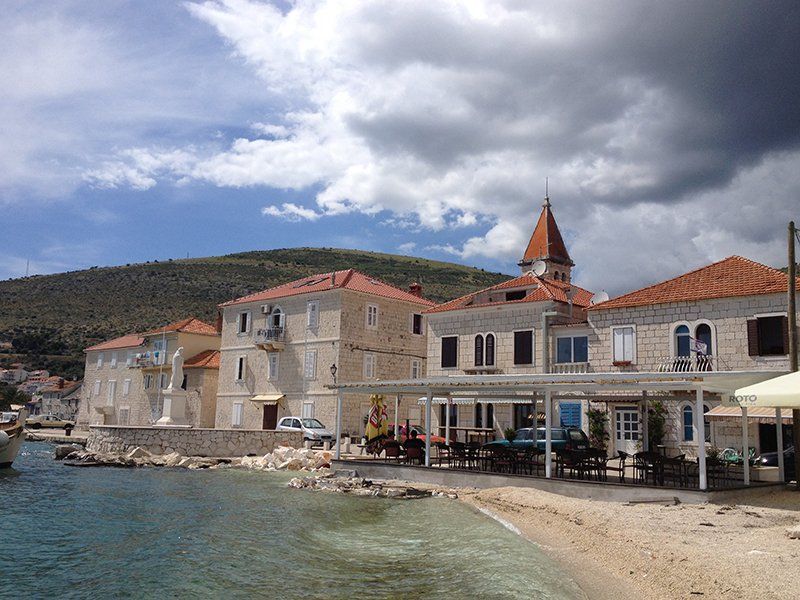
Šeget is a small fishing village located on the shores of the Mediterranean Sea, four kilometers west of Trogir. It still has old development with narrow streets and small houses that come right up to the water. Today, Šeget has become one of the favorite holiday spots for foreign tourists. The old architecture, good sandy beaches, and numerous cottages, camping sites, hotels, and private apartments, as well as many cafés and restaurants, make the village as popular as the city of Trogir just nearby.

Beaches of Trogir

Beaches of Trogir

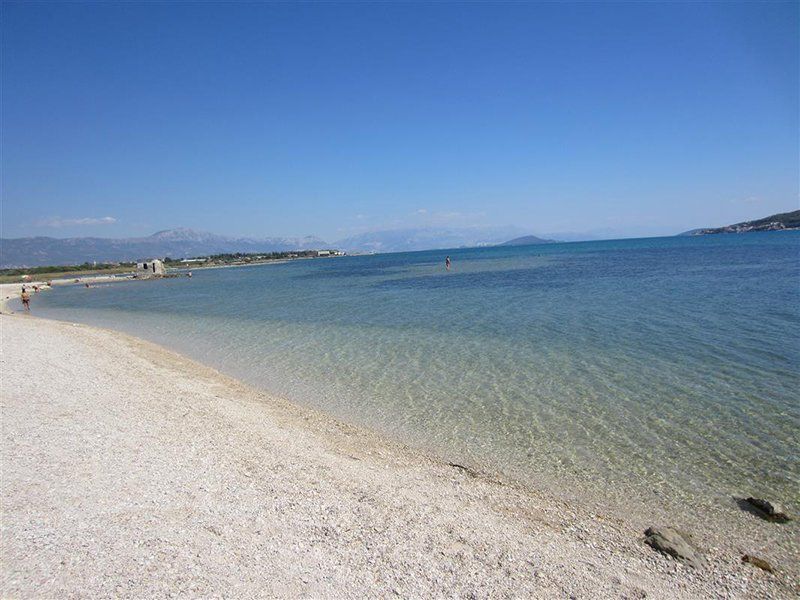
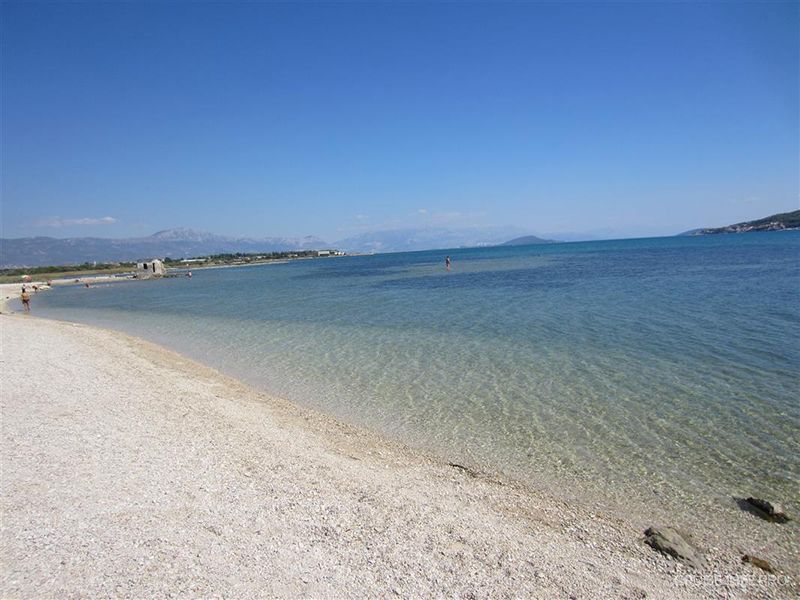
Beach holidays in Trogir are simply magnificent. Most of the beaches in the area are pebbly, but there are also sandy beaches and rocky platforms. One of the most popular is the Pantan beach, 500 meters long. Okrug and Medena beaches are famous for their entertainment. The picturesque Kava beach on Čiovo Island is known for its natural beauty; there are no cafés or restaurants here, so if you plan to stay for the whole day, it’s best to bring drinks and snacks with you.

Čiovo Island

Čiovo Island

The Green Island of Ciovo in Croatia was originally planned and developed as a resort area. Ciovo attracts vacationers with its unspoiled nature, crystal-clear sea, absence of industries and high-rise buildings, well-developed tourist and entertainment infrastructure, and excellent shingle beaches. Almost all of the island is covered with olive trees, oaks, cypresses, myrtles, pines, vineyards, fig orchards, and meadows where medicinal herbs grow. For Ciovo’s northern coastline, pebble and sandy beaches are typical, the most popular of which are concentrated in the Saldun Bay. You can enjoy the wonderful views of the neighboring rocky islands of Galeria, Kraljevac, and St. Fumio from Ciovo’s west coast.

Recommended excursions

Trogir Sightseeing Tour

Trogir Sightseeing Tour

The excursion will start from the Northern Gate. During the walk you will see the City Museum, also known as the medieval palace, the city square with the preserved St. Lawrence Cathedral from the 13th-15th centuries, the old city Town Hall, the Loggia, and the Palazzo of the ancient Trogir family Cippico. Next, through the Southern Sea Gate, you will reach the waterfront, along which you will walk all the way to the Fort of Kamerlengo and the Fort of St. Mark. In conclusion, you will be able to buy souvenirs near the city park.

You can find a more detailed list of excursions and their prices after booking the cruise in your “Client Personal Account”.