Trapani, Sicily, Italy

Port of call

Trapani, Sicily, Italy

Description — Trapani, Sicily, Italy

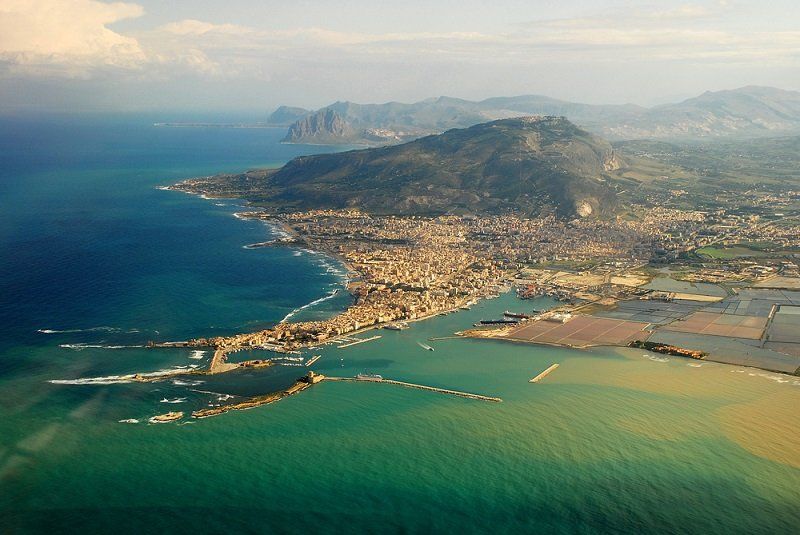
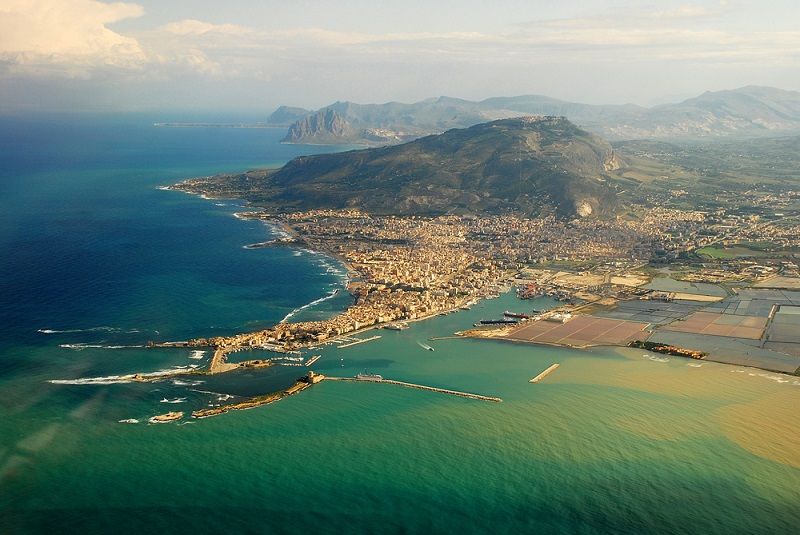
Trapani is a commune in Italy, the administrative center of the eponymous province of Sicily. The population is 70 654 (2010), and the population density is 260 people/km². It covers an area of 272 km².

The ancient name of the city of Trapani was Drepanon (Drepanon). Originally, the city was inhabited by the Elymians, the ancestors of today’s Sicilians, who used the city as a trading center and port. Then Trapani was conquered by the Greeks, who, by leveraging its important geographic position, made it the empire’s foremost and most efficient seaport and commercial port.

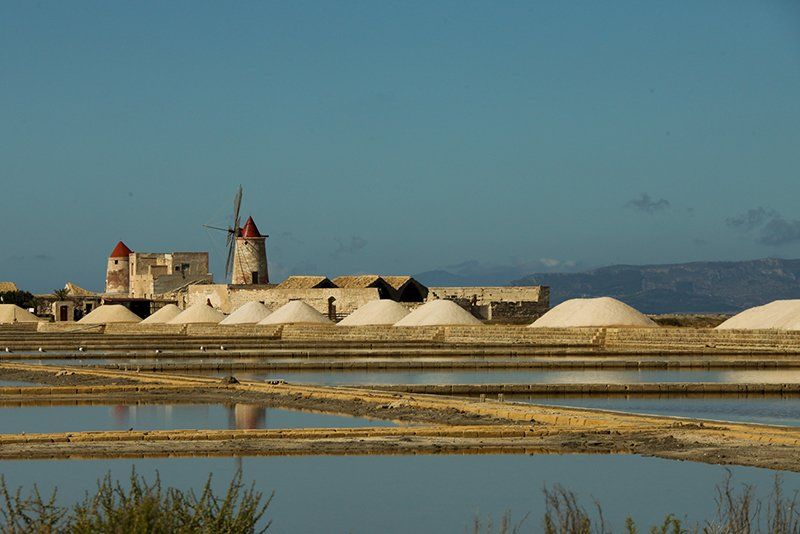
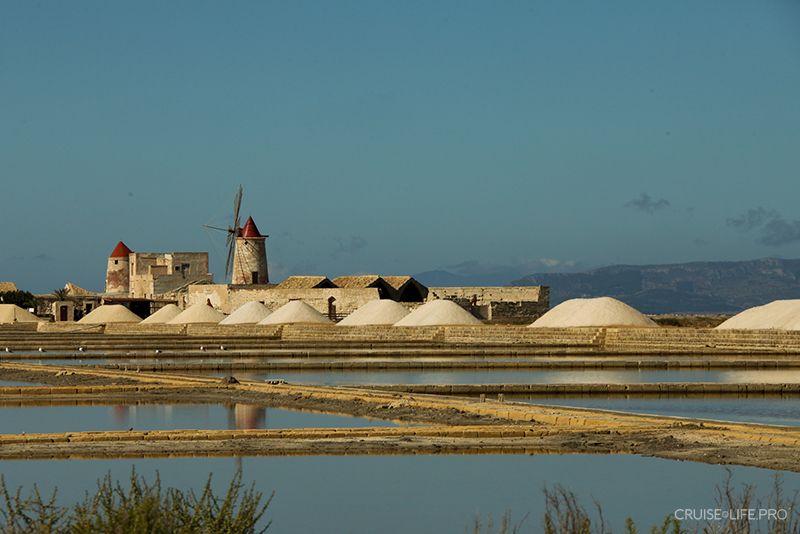
According to legend, the Greek goddess of fertility Demeter, searching all over the world for her abducted daughter Persephone, dropped her sickle into the Mediterranean Sea. Carried by the waves to the Sicilian shores, the sickle formed a promontory on which the city of Trapani later grew-famous for its castles and medieval villas, olives and tuna, and also for Phoenician methods of extracting sea salt. The city’s symbol is the windmills, which have been preserved in large numbers along the coastline near the salt pans. And the most famous local drink is Marsala, a strong sweet wine. By the way, winemaking here is so well developed that the noble drinks produced in small Trapani are made in several times greater quantities than in all of Austria, Chile, or even throughout Tuscany.

Sicily is the largest region by area among Italy’s regions. The entire territory consists of islands, with 98% belonging to the island of Sicily, which is separated from mainland Italy by the Strait of Messina. On the island of Sicily there is an active volcano, Mount Etna, with a height of about 3329 meters. On the same island there are also several inactive volcanoes. On the nearby Aeolian Islands, located to the northeast of Sicily, there is the active volcano Stromboli.

On the island of Sicily, a mountainous and hilly landscape predominates, with several mountain ranges, the largest of which are the Sicilian Apennines. Plateaus and plains make up only 14% of the island’s total area. The island’s coastline, which is predominantly rocky in the north and sandy in the south, stretches for about 1000 km. The central part of Sicily is characterized by a hilly relief.

Climate

The climate of Trapani is Mediterranean, characterized by a mild winter and a hot summer. High temperatures are easy to bear here thanks to the proximity of the sea. In summer, the average temperature is typically above +30°C. In winter, the average figure fluctuates around +15°C; in autumn it is hotter than in spring. In May, the swimming season already begins in Trapani and lasts until the end of October. Summer is the dry season, with practically no rain. The maximum amount of precipitation falls in autumn.

Location on the map

Sights

St. Lawrence Cathedral

St. Lawrence Cathedral

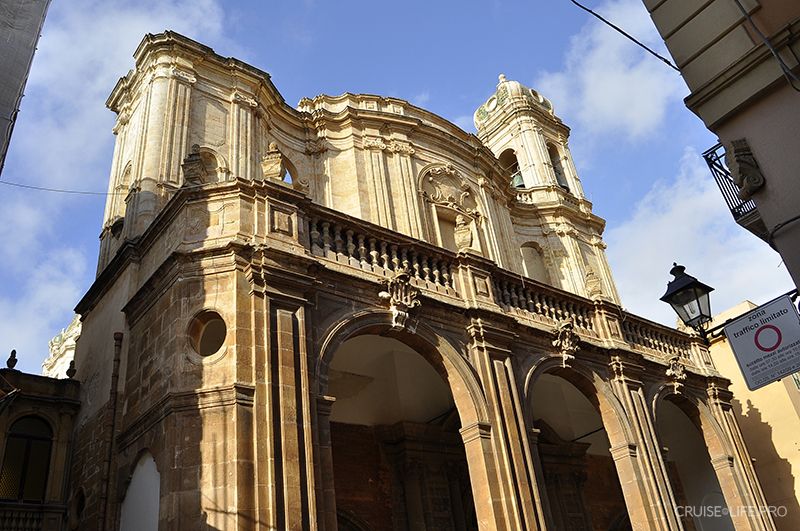
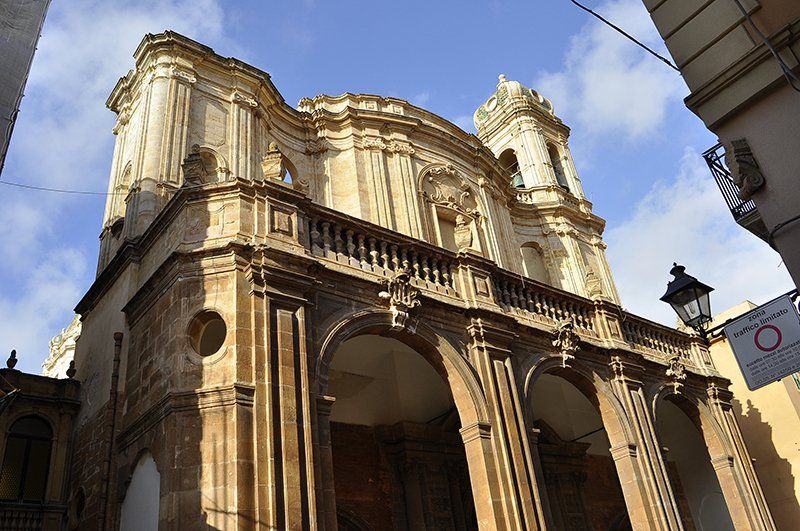
A small church on the site of the modern San Lorenzo Cathedral was built back in the 15th century. However, some time later the church’s façade was significantly redesigned: it was complemented with side chapels, neoclassical-style stucco work, and a bell tower. People come under the cathedral’s lofty vaults mainly to see the painting “Crucifixion,” which is said to have been worked on by the famous Flemish master Antoon van Dyck. In addition to this masterpiece, the church’s vaults are adorned with ancient frescoes by Italian painters-Domenico la Bruna and Giacomo Tartaglia-and in the side chapels you can also see impressive columns made of Sicilian jasper.
Annunciation Cathedral

Annunciation Cathedral

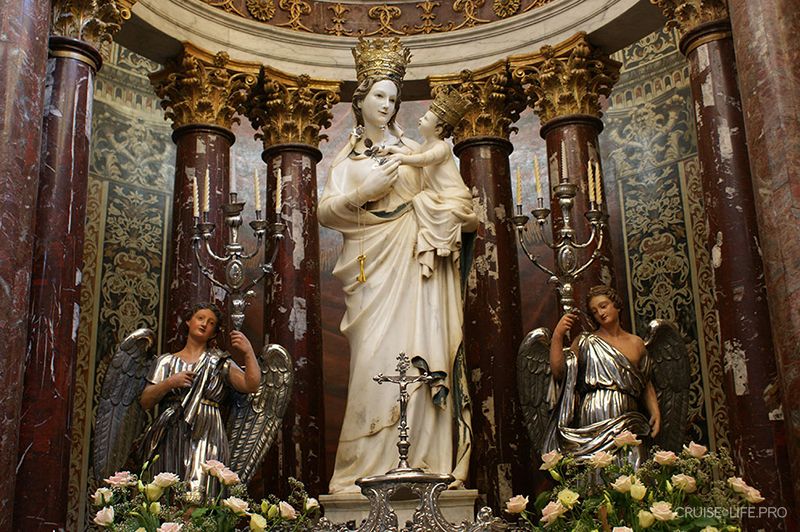
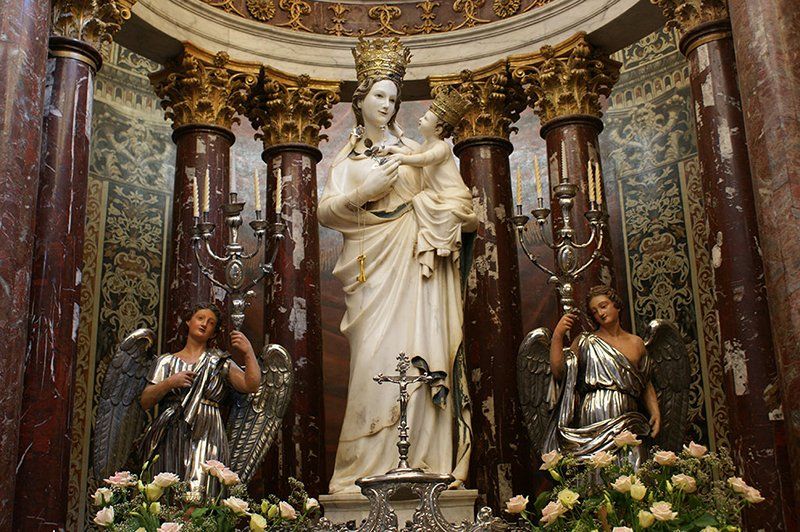
The Cathedral of the Annunciation (of the Most Holy Virgin Mary) was built in 1315-1332, during the reign of the Aragonese dynasty. In the church, following a purely Sicilian tradition, styles from different eras are brought together: Gothic and Renaissance, with elements of the East. In the 14th century, the priceless statue of the Madonna with the Christ Child, by the famous sculptor and artist Nino Pisano, was placed in the church’s altar. This relic is a gift from a Pisano knight to the city of Trapani: fleeing persecution by the Saracens in a storm at sea, he did not die and made a vow to give the statue to the land where he would find shelter.
Linières Tower

Linières Tower

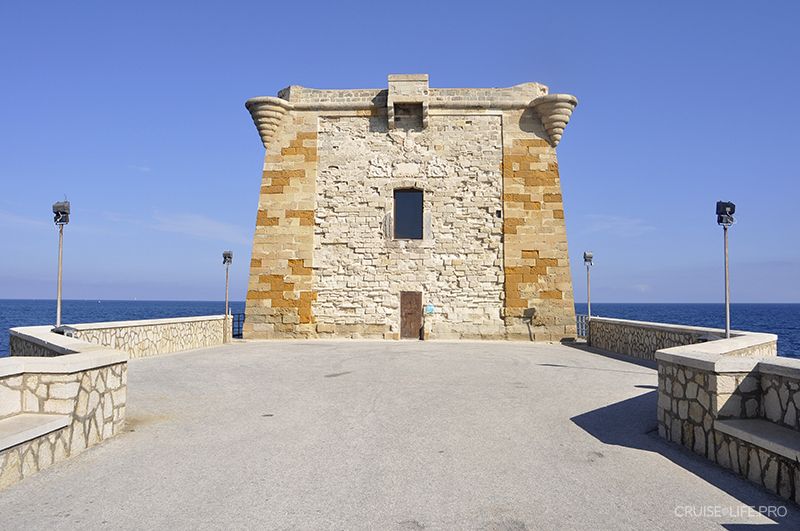
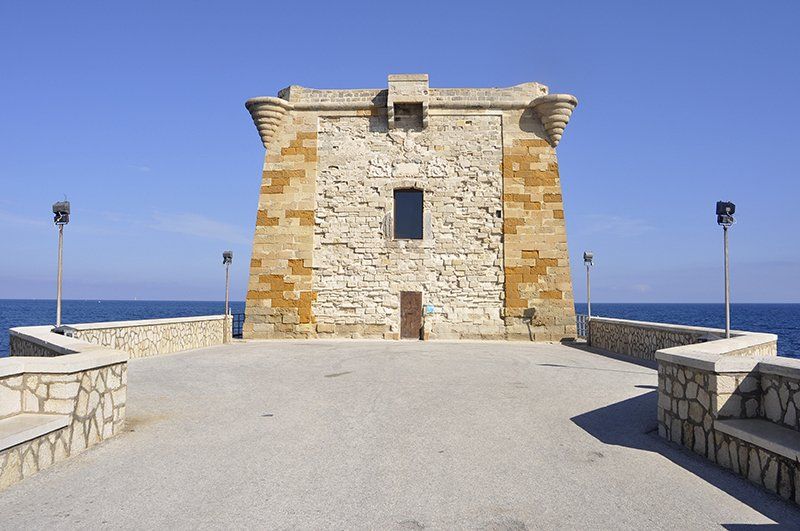
The Torre di Ligny is considered an unofficial symbol of the city of Trapani. This square fortress with turrets was built in the late 17th century directly on the ruins of an ancient city, and it was used to protect against Berber pirates, who often attacked the coast of Sicily. Today, the tower has been connected to the island by a pedestrian bridge, and within the citadel a museum of prehistoric times has been opened, featuring ancient artifacts as well as finds from underwater maritime archaeology-amphorae, anchors, and the ornaments of ancient Greeks and Phoenicians, discovered underwater. At the very top of the Torre di Ligny, there is an observation deck, and the views from there are simply magical.
What to see

Agostino Peoli Museum

Agostino Peoli Museum

The Agostino Pepoli Museum, which has chosen the premises of a former 14th-century Carmelite monastery, has amassed a wealth of valuable painting works over its century-long history. Here you can admire masterpieces by Titian and Giacomo Balla. But the museum’s true gems are its jewels and objects of worship made from coral. The Trapani craftsmen who processed this natural material have long been famous throughout Europe. The museum’s collection features such breathtaking exhibits as a Crucifix by Matteo Baviera, carved from a single piece of coral, and a large lamp, made using a unique technique dating back to the 17th century.

Marsala town

Marsala town

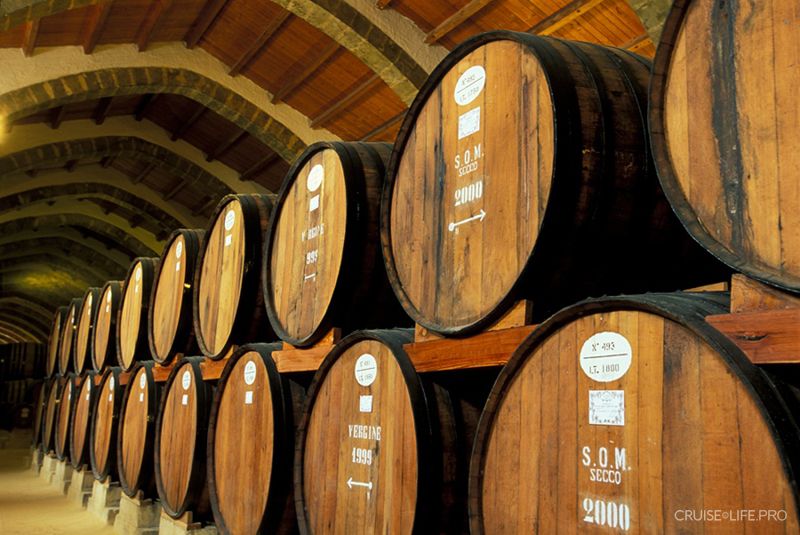
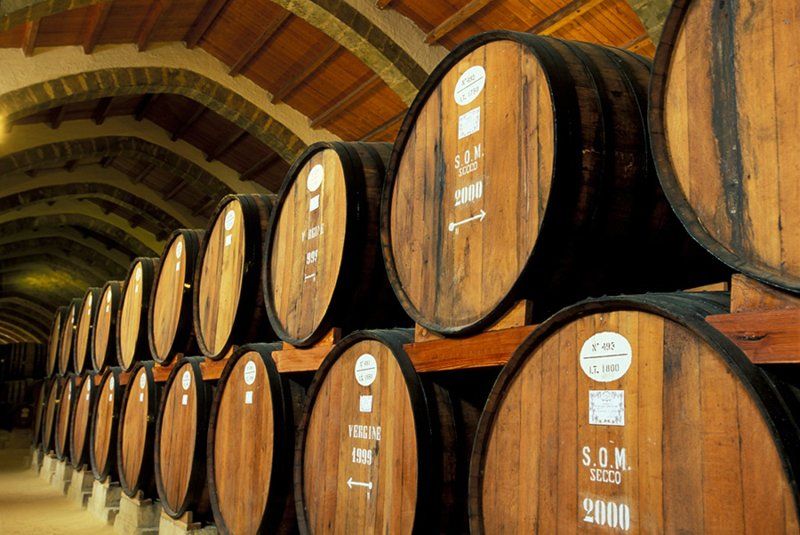
In the vicinity of Trapani lies the legendary town of Marsala-the birthplace of robust dessert wine that Italians call “the largest pearl” in Italy’s winemaking necklace. This region is packed with small distilleries and large factories, which you can freely visit on an excursion: tour the cellars where collectible wine is stored and sample golden, amber, or ruby Marsala. This exquisite drink is everywhere paired with delicious rich and savory cheeses, as well as sweet treats like a poppy-seed roll or a cake.

Saltworks of Trapani

Saltworks of Trapani

Perhaps the most interesting place in Trapani is its local salt pans, whose history dates back to Phoenician times. Since then, the salt-extraction methods have not changed: along the seashore, shallow basins still exist, into which water from the sea is pumped using an Archimedes' screw. With the same device, the water is transferred from one basin to another-shallower one-while it evaporates, leaving a layer of salt along the edges of the reservoirs. When such a salt layer builds up (about 10 centimeters), it is carefully scraped off. The water is then pumped in this way several times until it has completely turned into salt. Windmills scattered along the coast were previously used to grind the salt and to pump water out of the basins.

San Vito Lo Capo Beach

San Vito Lo Capo Beach

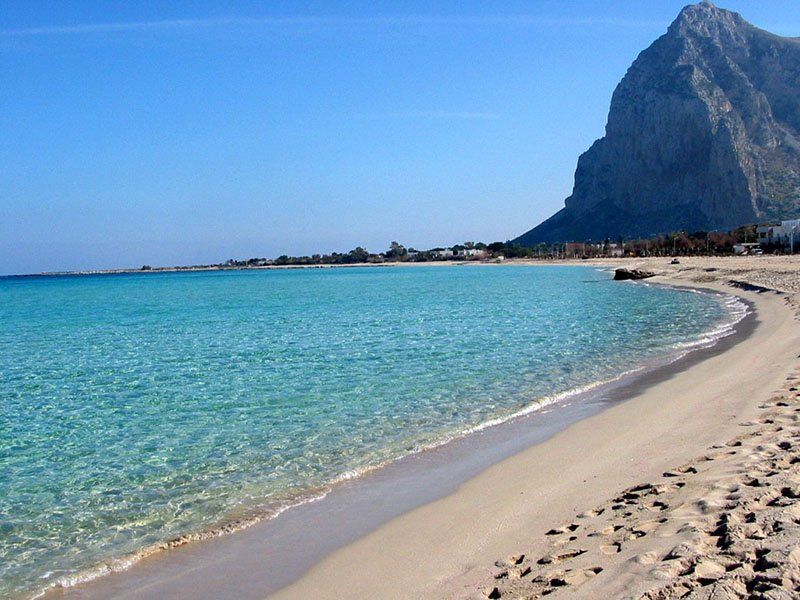
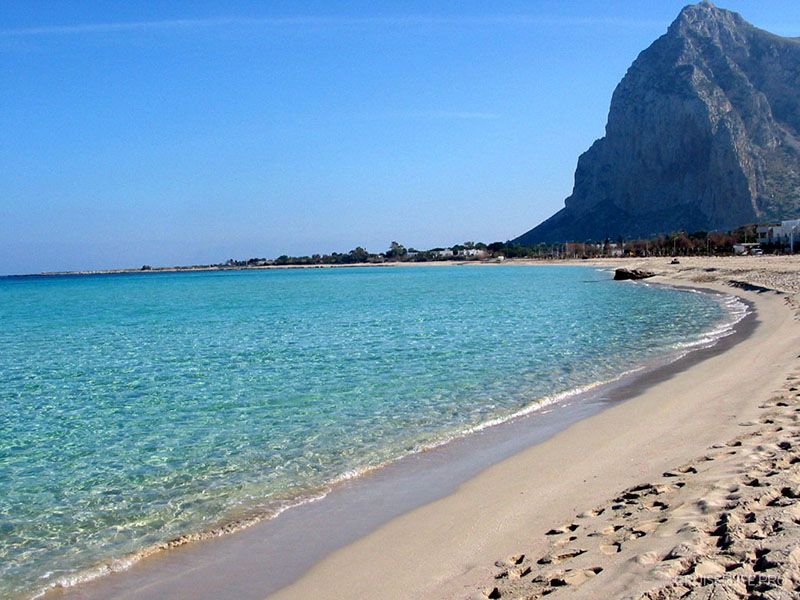
This three-kilometer strip of golden sand, separating the crystal-clear waters of Sicily from the island’s scorching depths, may prompt a traveler to recall the tales of Sinbad the Sailor and imagine that in this world there is still room created “for you.” The seabed slopes gently down at distances of dozens of meters from the shore, and underwater currents barely reach this part of the bay-making it very convenient for families with small children. For lovers of reefs and rocks, the eastern and western sections of the coastline offer scenic stretches where, in seclusion, you can read, take photos of the landscape, and make some decent underwater shots.

Recommended excursions

Trapani and Erice

Trapani and Erice

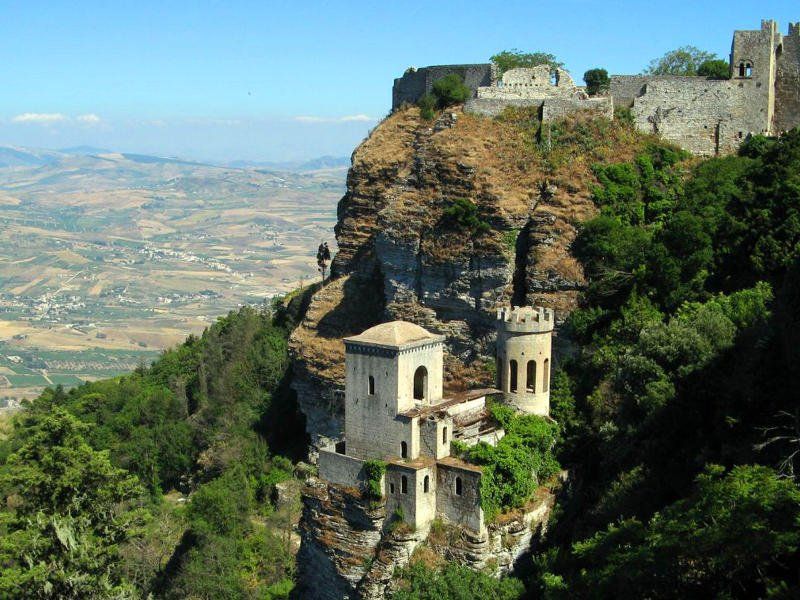
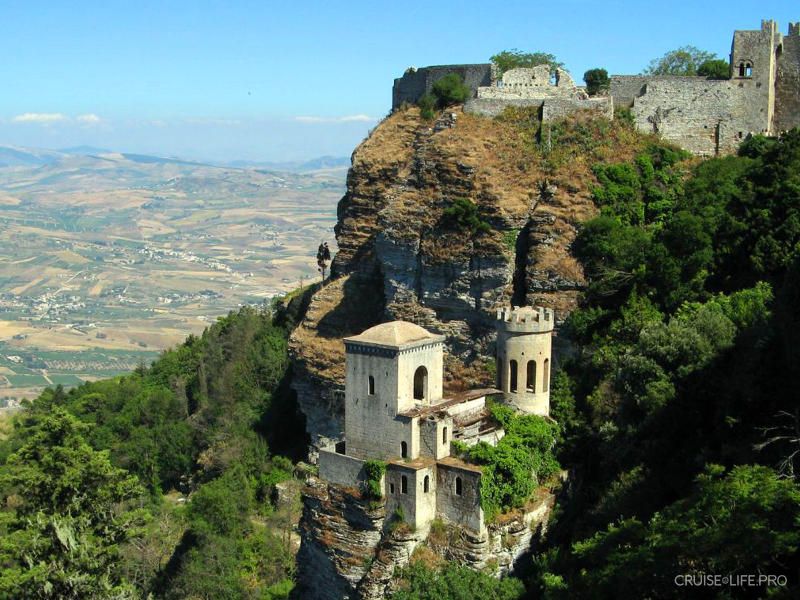
There really are many monuments of history and art in the city. The city’s many cathedrals and churches have been best preserved. In the eastern part of Trapani, the magnificent Cathedral of the Annunciation rises- the city’s main attraction, where behind the high altar there is a beautiful chapel of Our Lady. You will see Trapani’s symbol-the Torre di Ligny-enjoy impressive views, and stroll along the city’s most beautiful streets. Very close to Trapani, as if suspended in the air, is the rock city of Erice, whose medieval lanes are more like the Labyrinth of the Minotaur. In this part of Sicily, medieval military architecture has been wonderfully preserved. Erice’s fortified military structure is a place full of mysteries and legends.

For a more detailed list of excursions and their prices, you can view them after booking the cruise in your “Client Personal Account”.