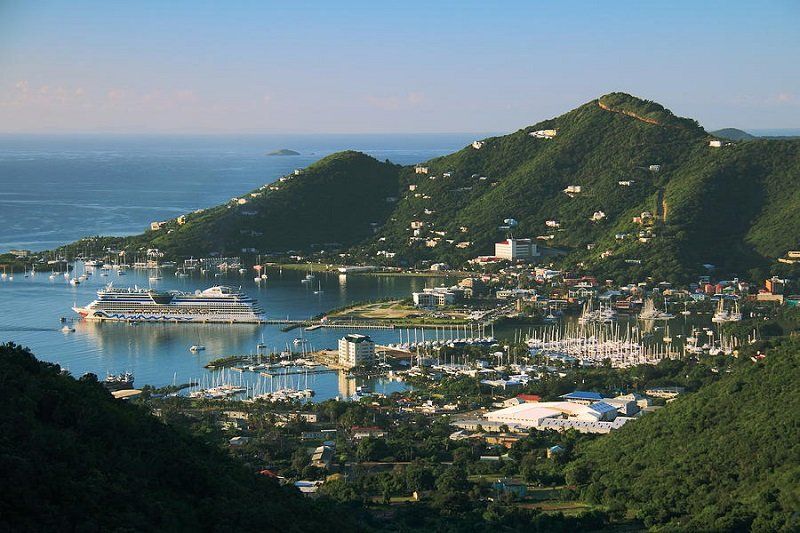
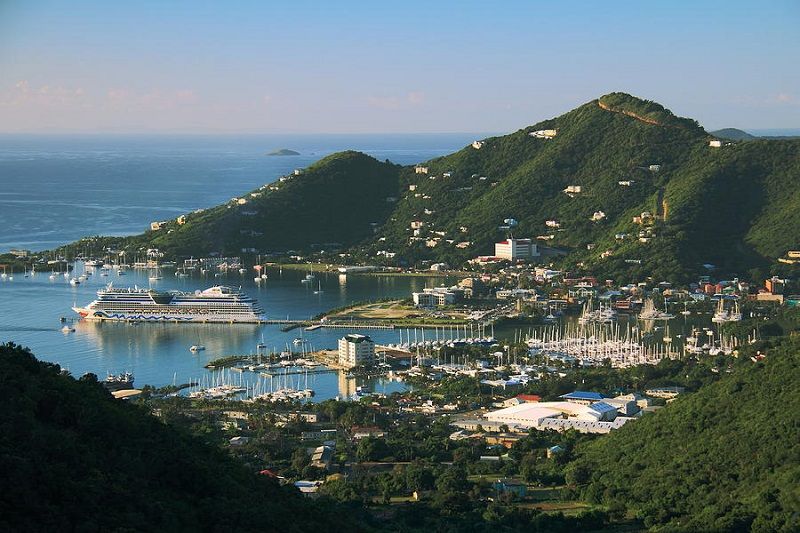
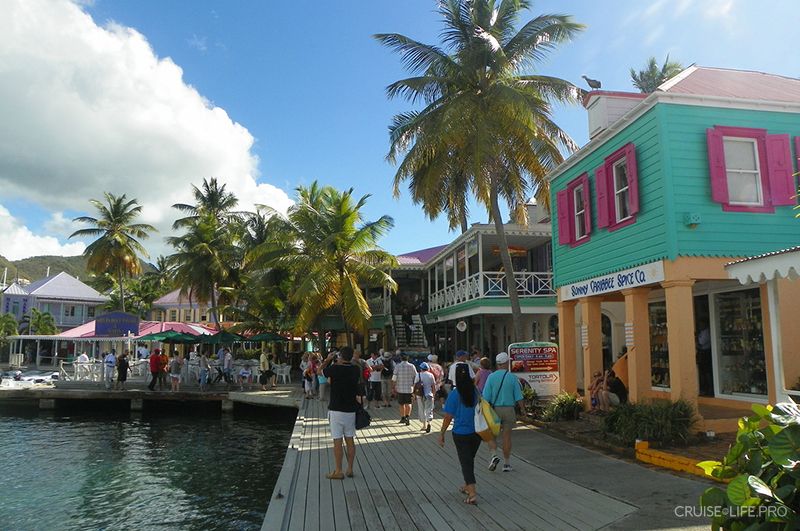
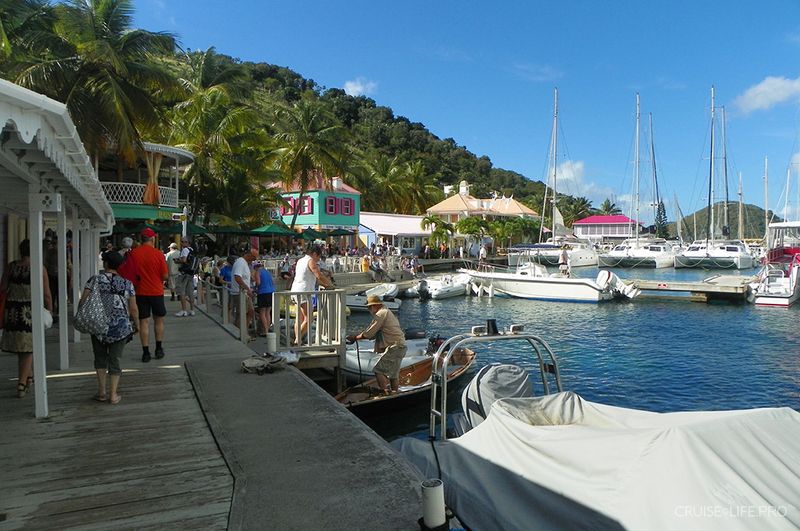
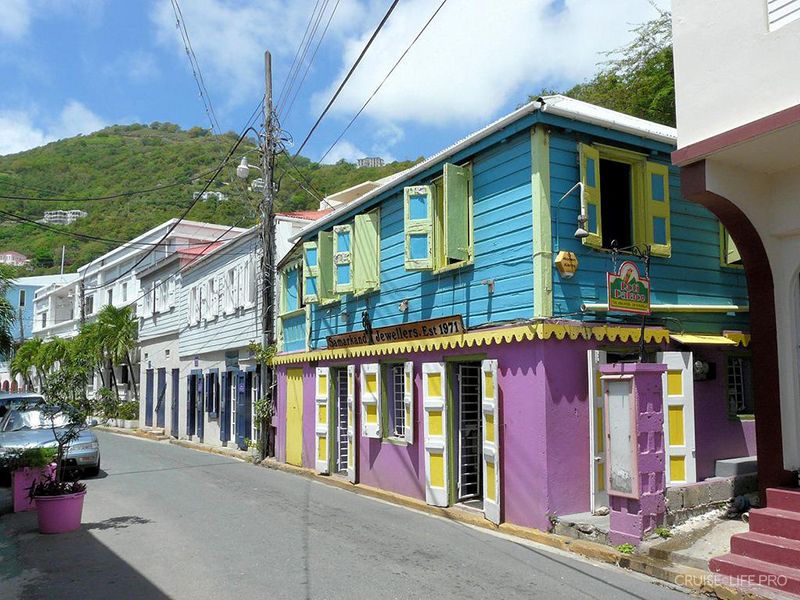
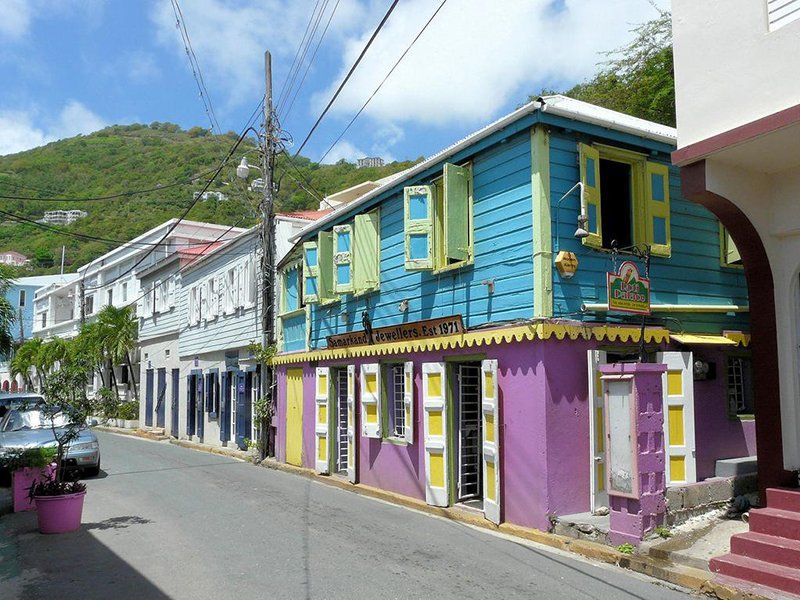
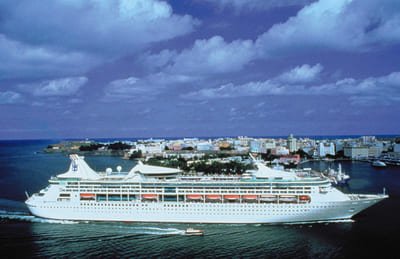
Road Town - the capital of the British Virgin Islands, a town
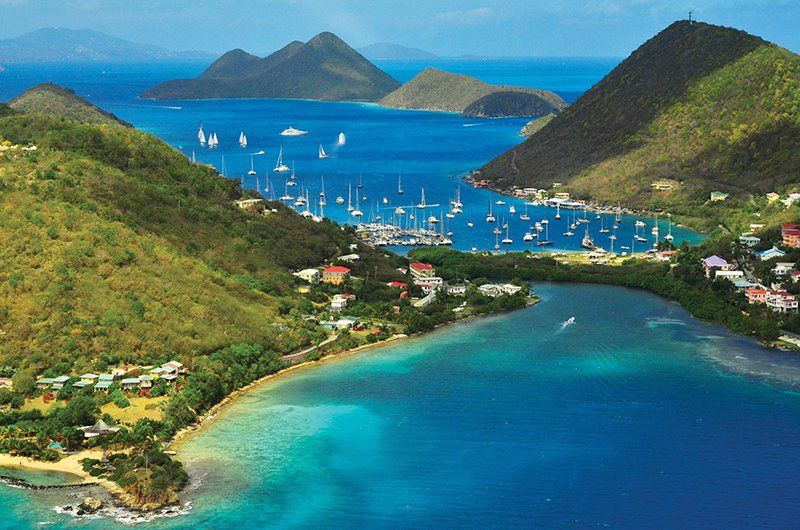
located on the island of Tortola. The town lies at the crescent-shaped harbor of
Road Harbour in the middle of the island’s south coast. The town’s population is about
9,400 people (2004). The name comes from the maritime term “Engl. the
roads” - an anchorage, where ships can anchor near the shore. Streets
squeezed between the shore and the slopes of Fort Hill,
Leonard Joss Hill and Fehi Hill frame the western
shore of the bay, while its northern and
eastern parts are occupied by port facilities and commercial districts
(though there are plenty of them on the western side as well).
Tortola (“Land of the Turtle Doves” in Spanish) - the largest and most
populous of the British Virgin Islands, a group of islands that forms part of
the Virgin Islands archipelago. Tortola is a mountainous island 19 km
long and 5 km wide, formed as a result of volcanic activity;
the island’s highest point is Mount Sage (530 m). Tortola lies near a
seismic fault, so small earthquakes are often observed here.
The island’s area is 55 km², and the Tortola District is 59.2 km² (include
small islands around Tortola).
Stretching across the entire island, the mountain range is not high, but it is
precisely it that creates the noticeable differences between Tortola’s
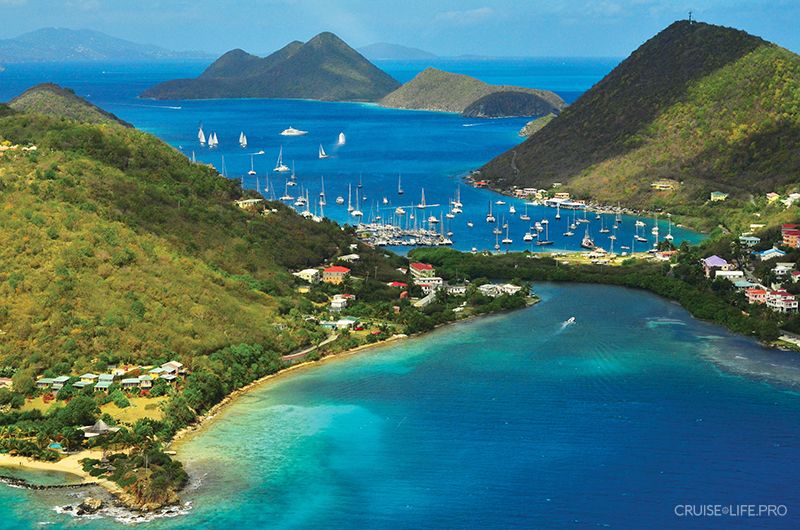
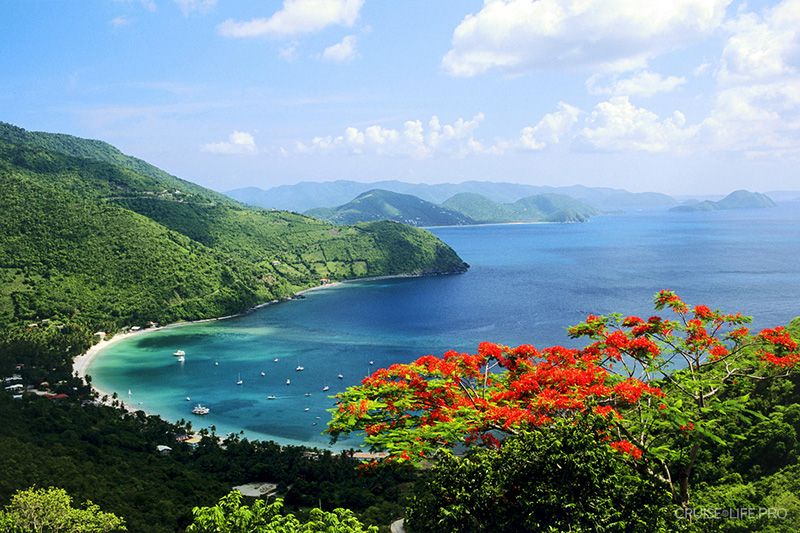
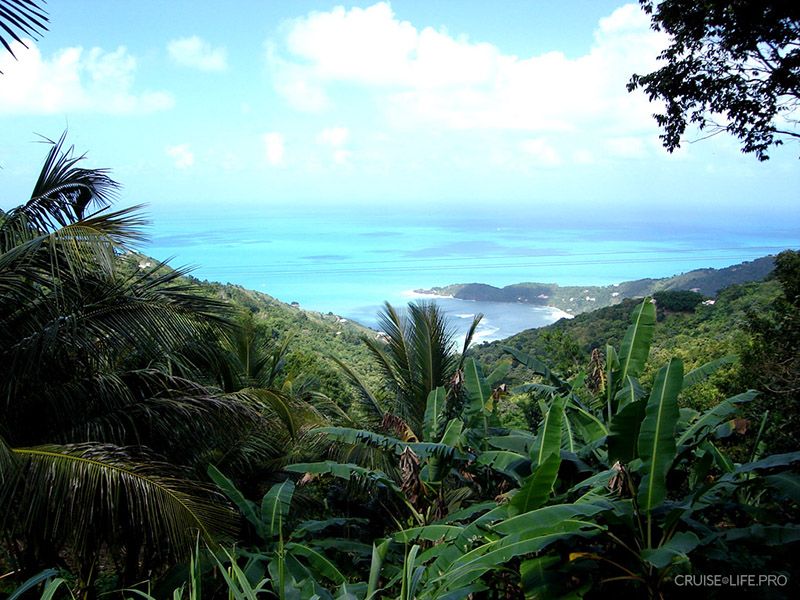
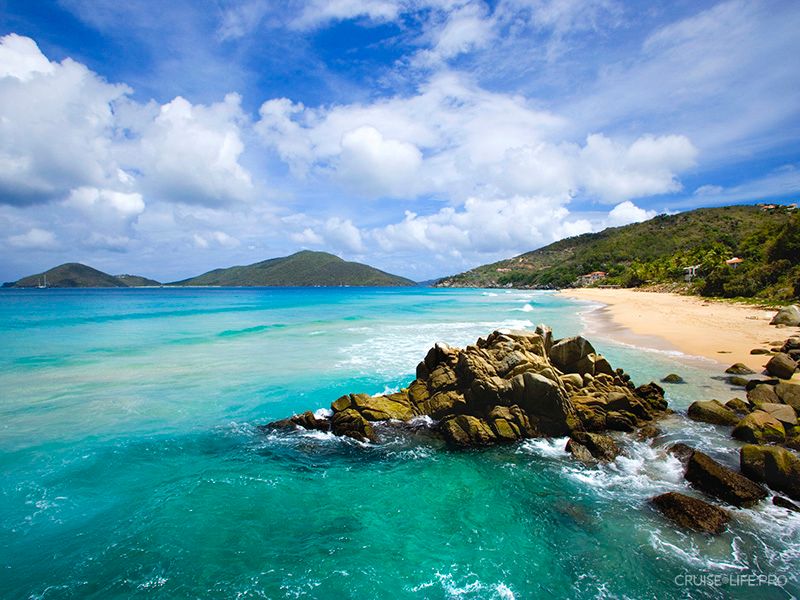
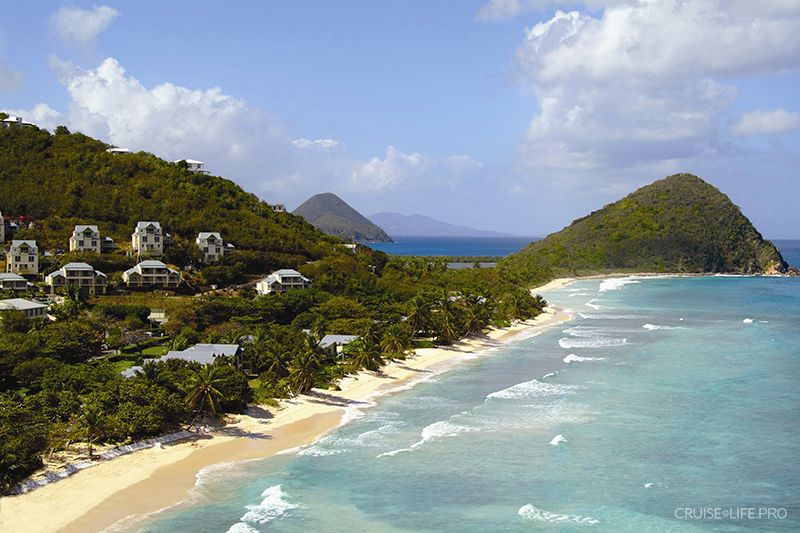
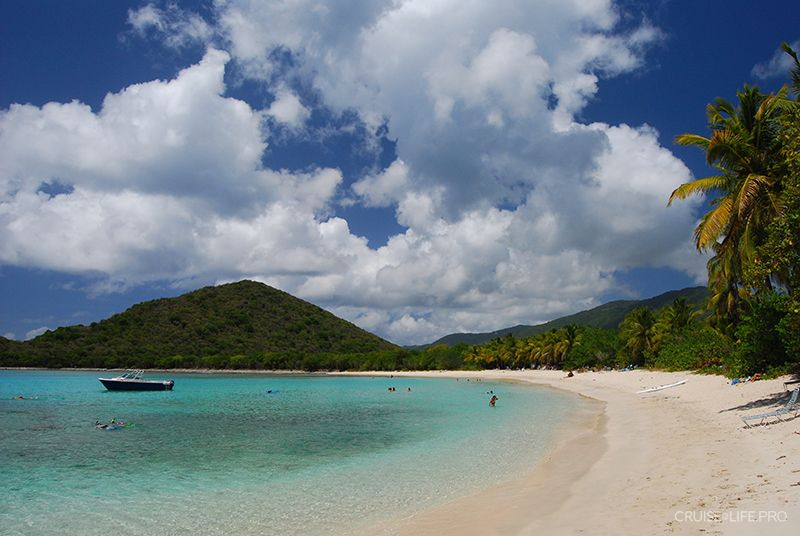
north and south coasts. The northern coast is a relatively gently sloping strip of
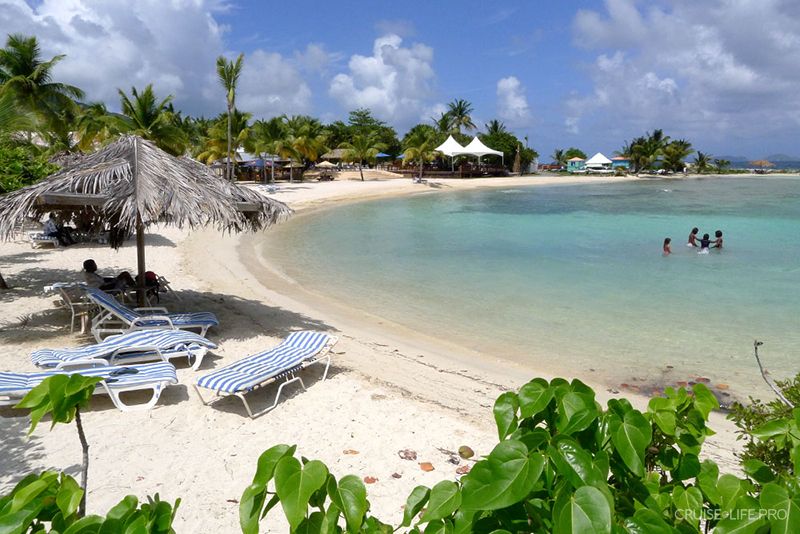
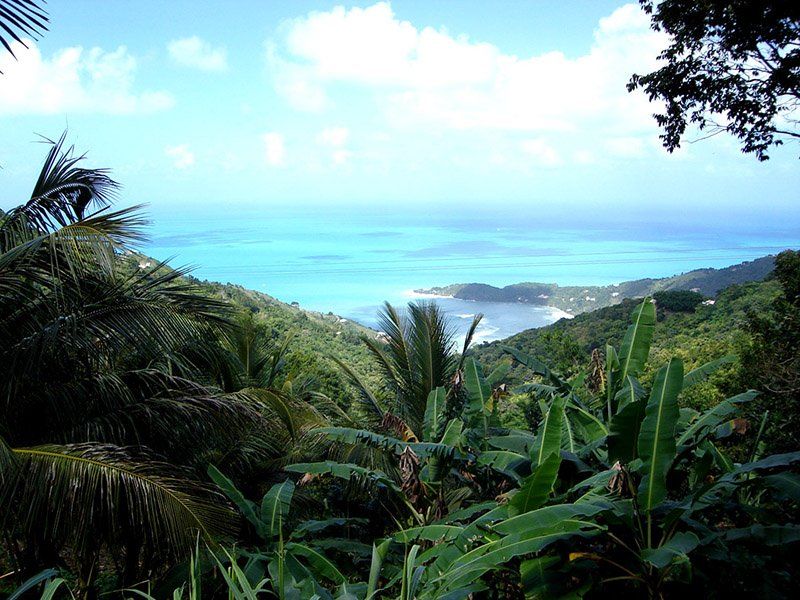
beautiful beaches with soft white sand. The south coast runs down to the sea through
numerous valleys, forming many bays and coves, whose shores are partly rocky and
partly covered with small beaches with coarse volcanic and coral sand.
Of all the British overseas colonies, Tortola attracts the greatest
interest among tourists. Firstly, the very high
standard of living and low crime rate on the island are
a kind of guarantee of safe travel. Secondly, the
many attractions, magnificent scenery and a vibrant blend of British traditions
with a West Indies touch ensure unforgettable and fantastic
impressions. And thirdly, the Caribbean-more precisely, the
vacation there-is always quality, romance, and energy.
ClimateTropical maritime, trade-wind, warm and very steady. The average monthly
temperature throughout the year changes slightly, ranging from +22-24 C in winter
to +28-29 C in summer. Day-to-day temperature variations are also
barely noticeable.
Precipitation reaches up to 1,300 mm per year, with
two dry (winter and
summer) and two rainy (spring and autumn) seasons. The
maximum rainfall occurs between September and November-December,
although even at this time it is rainy for no more than five
to six days a month. From July to
October there is a high likelihood of tropical hurricanes
passing over the islands, though they are recorded significantly
less frequently here than over the nearby Windward Islands.