Imperial Palace
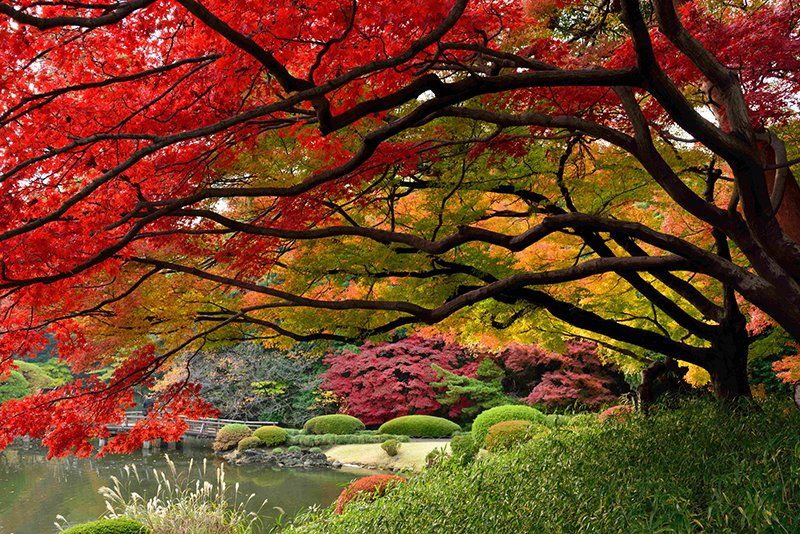
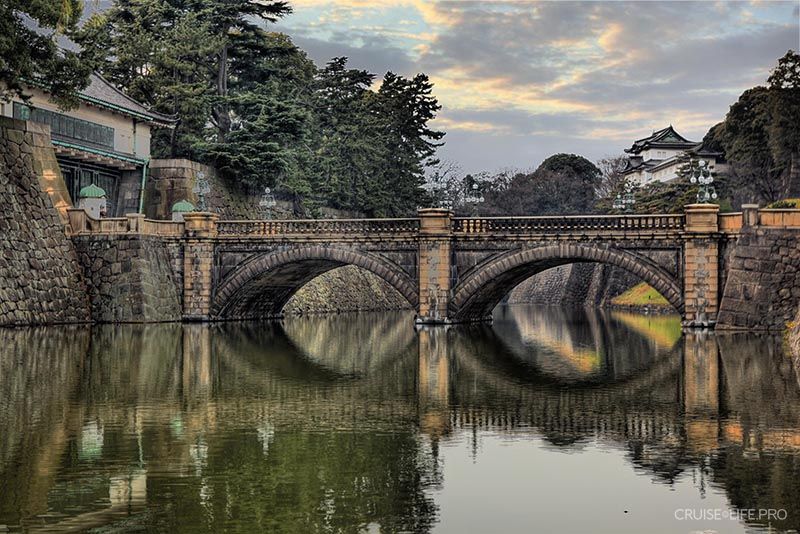
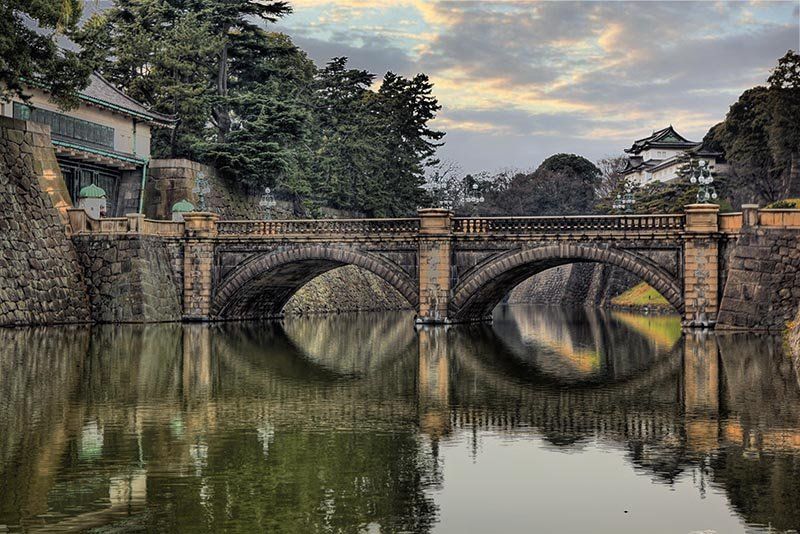
The Tokyo Imperial Palace, founded in the 15th century, has survived dozens of fires, World War II bombardments, and even several revolutions. And so little remains of the original architectural complex-except for the foundations and a deep moat. Many of the buildings within the palace grounds are built in a modern European style. Most of the structures, including the audience hall, the imperial family’s living quarters, and the treasury where the symbols of Japanese power are kept, are closed to visitors. Only the East Garden is accessible, with the Museum of Imperial Collections, the Togogakudo Music Hall, wonderful clusters of cherry and cedar trees, and other Japanese landscape tricks.
Hachiko Statue
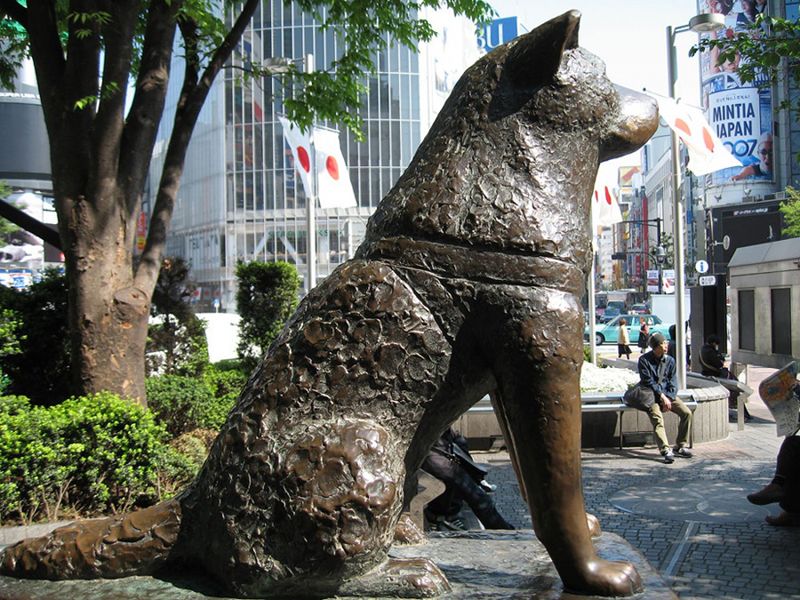
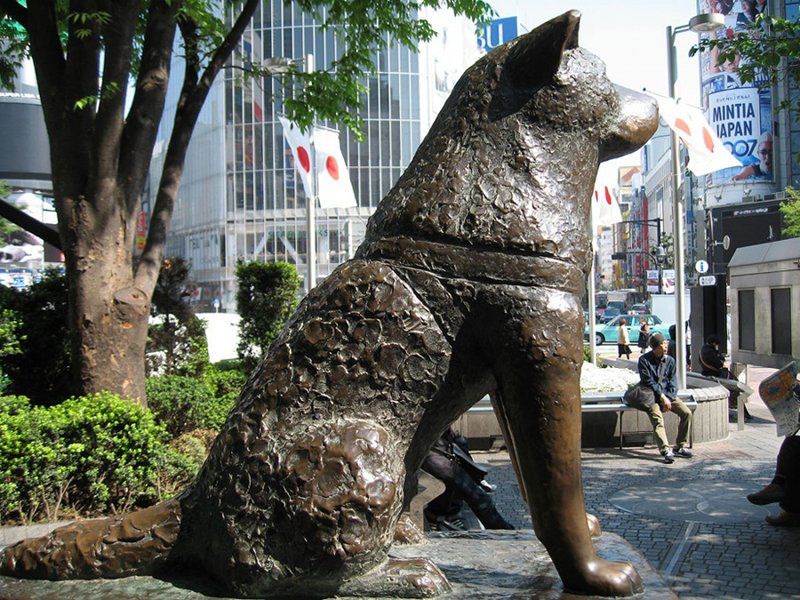
A bronze monument to the world’s most famous dog, Hachiko, was erected in 1934, even while he was still alive. By then, Hachiko had already become a national treasure: the entire country was proud of him and admired his loyalty. And it all began when a local farmer gave a professor at the University of Tokyo an Akita Inu dog, which the professor named Hachiko (“Eighth”). Every day, Hachiko came to Shibuya Station-both to see off and to welcome his owner. When the professor suddenly passed away, the dog still kept coming and waiting for him at the old place. This continued until the dog’s death in 1935. This story of unmatched devotion is reflected in film: in 1987, the Japanese made “Hachiko’s Story,” and in 2009 a Hollywood remake was released.
Tokyo Sky Tree
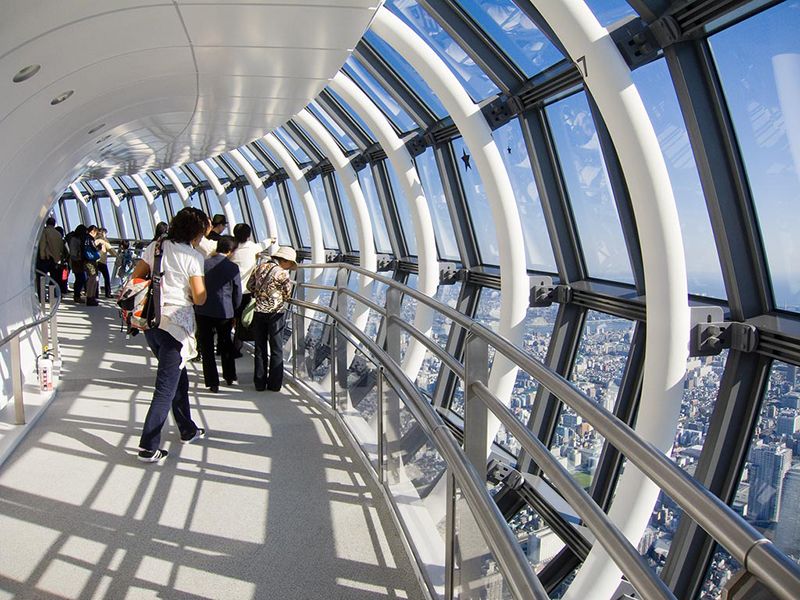
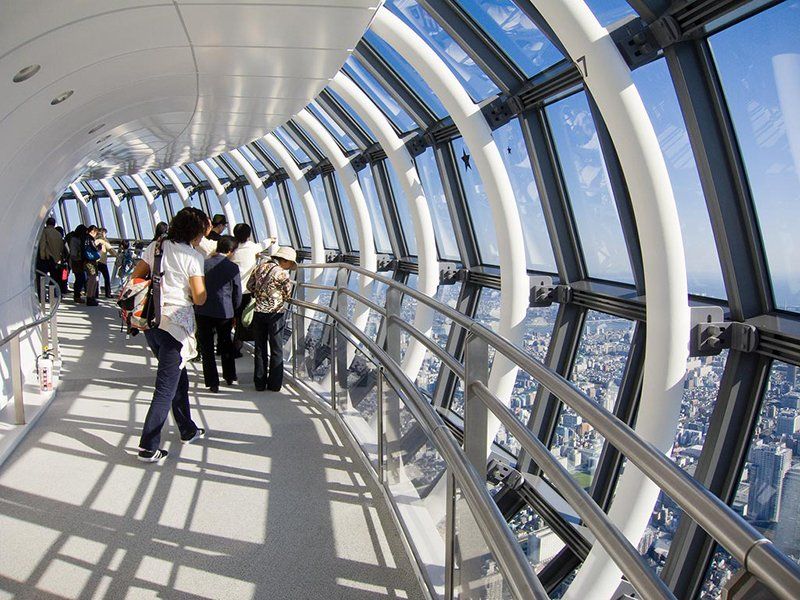
Tokyo Sky Tree - the world’s tallest TV tower, built in the Sumida area to replace the old television tower, whose height was almost twice as small. Construction of the tower took almost four years and was completed in February 2012. The tower’s structure has a cylindrical shape and is designed in such a way that it can withstand even very strong gusts of wind. The height of the tower together with the huge antenna is 634 meters. With the construction of the new tower, high-quality digital television and radio broadcasting, mobile phone communications, and the operation of navigation systems have been ensured. For visitors, there are several hundred trendy shops, restaurants, a planetarium, an aquarium, and even its own theater.
Jōdō-ji Temple
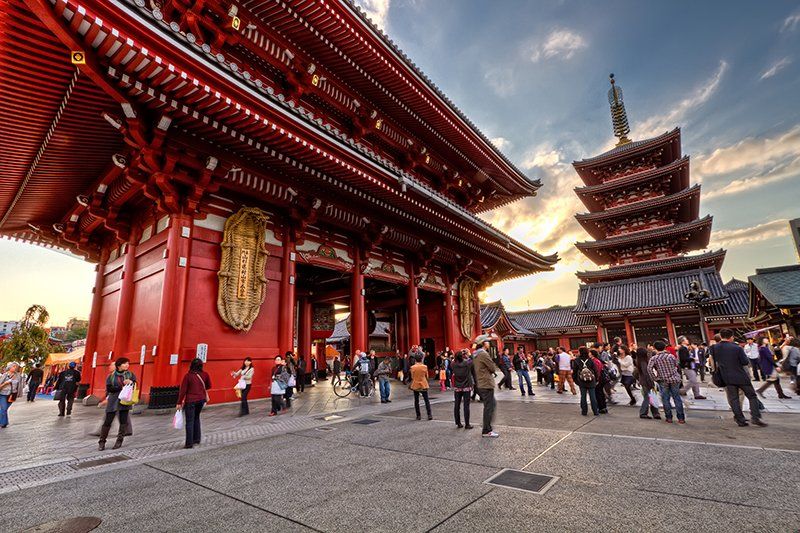
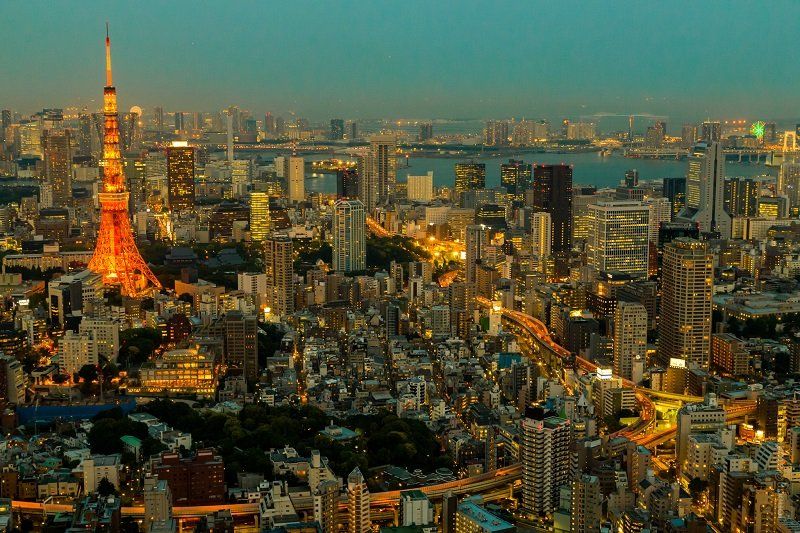
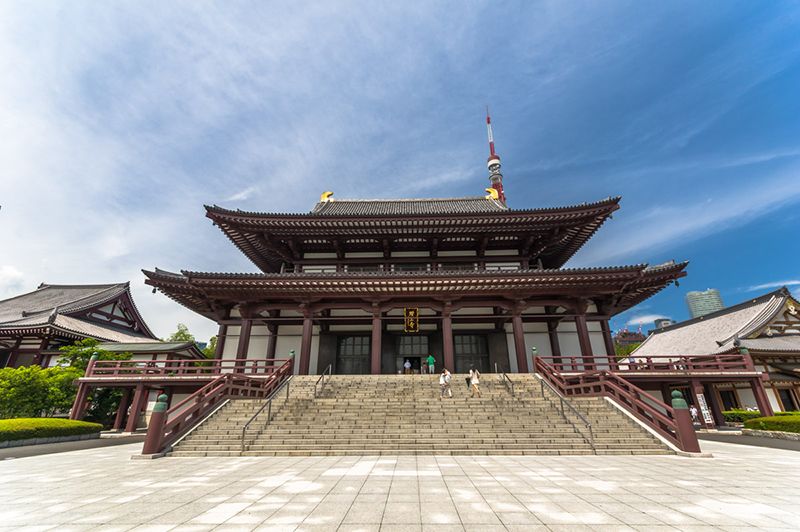
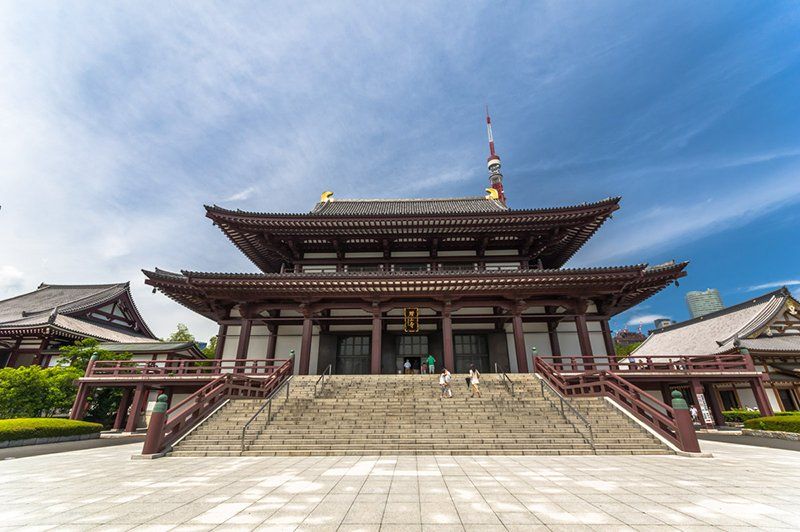
In the heart of Japan’s capital, not far from Tokyo Tower, stands one of the most revered temples in the country, Zōjō-ji. Built in 1393, it served for many years as the family temple of the Tokugawa clan. The ornate pagoda has been restored and moved from place to place more than once, while the entrance gate, Sangedatsu-mon, dating from the early 17th century, has been preserved in its original form. Behind the gate, crowned with dragon figures that look rather eerie, you can find the tombs of six shoguns of the Tokugawa clan, as well as the wives and children of the rulers. Around the temple there is an amazing garden in true Japanese style: with tall cedars, stone lanterns, and small pagodas.
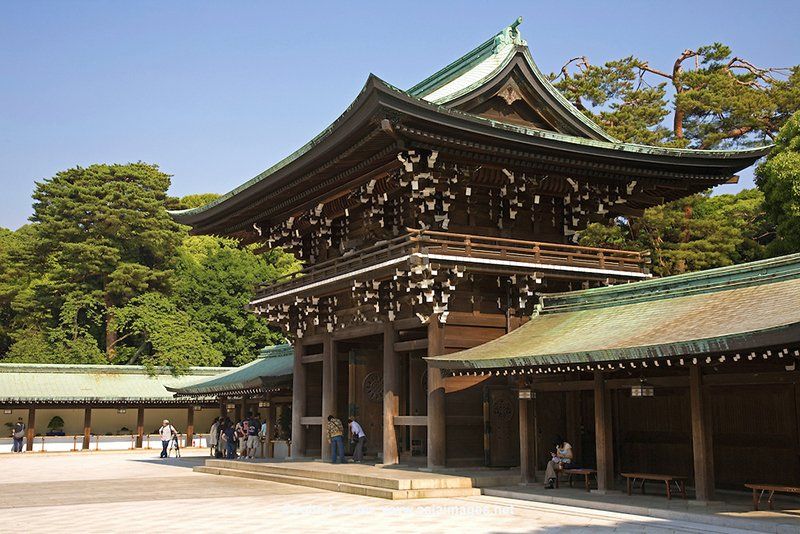
Meiji Jingu Shrine
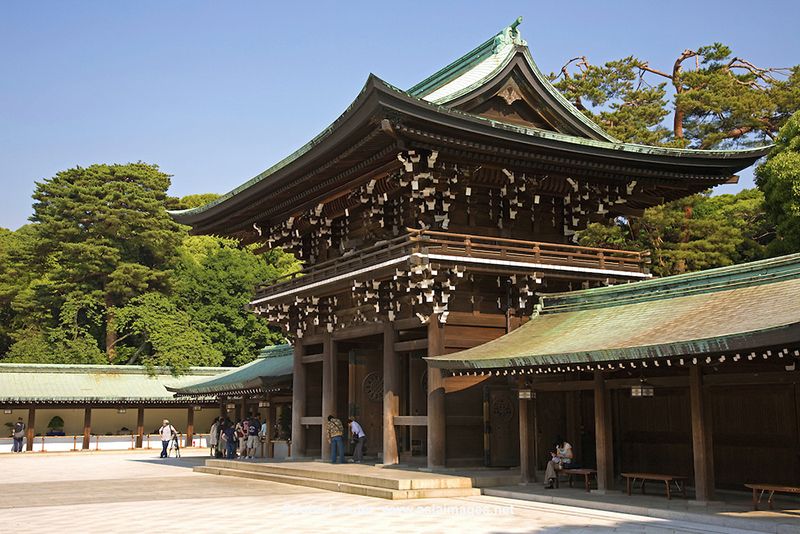
Japan's largest Shinto temple, hidden deep within Yoyogi Park, was built in 1920 in honor of the great Emperor Meiji, who raised the country from its knees. The Japanese were so grateful to this ruler that, after his death, they organized an entire movement to commemorate the emperor’s memory. The Meiji-jingu Shrine, built in a typically Japanese style, became the pinnacle of efforts by ordinary people. Around the sanctuary, there is a park where trees from all over Japan grow: from ginkgo to cypress trees and cherry blossoms. Behind the temple is a museum-treasure house, where works of art and items belonging to the imperial couple are collected. Here visitors can also see 80 large frescoes depicting important events from the emperor’s life and that of his family.