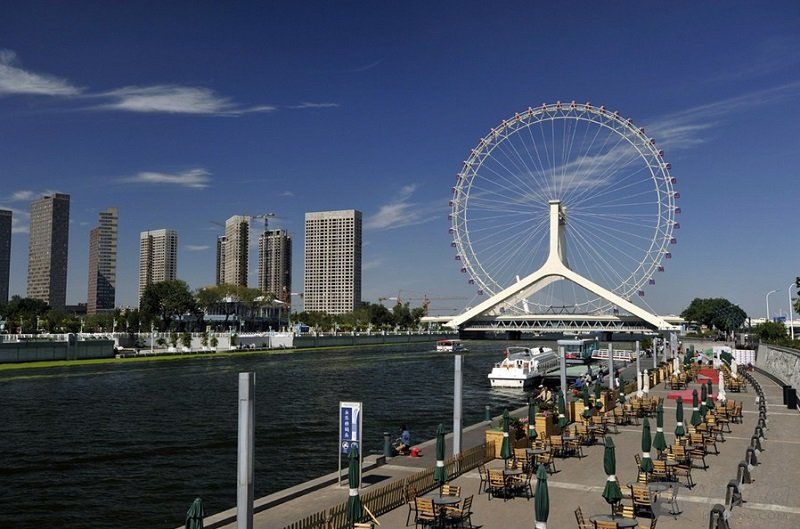
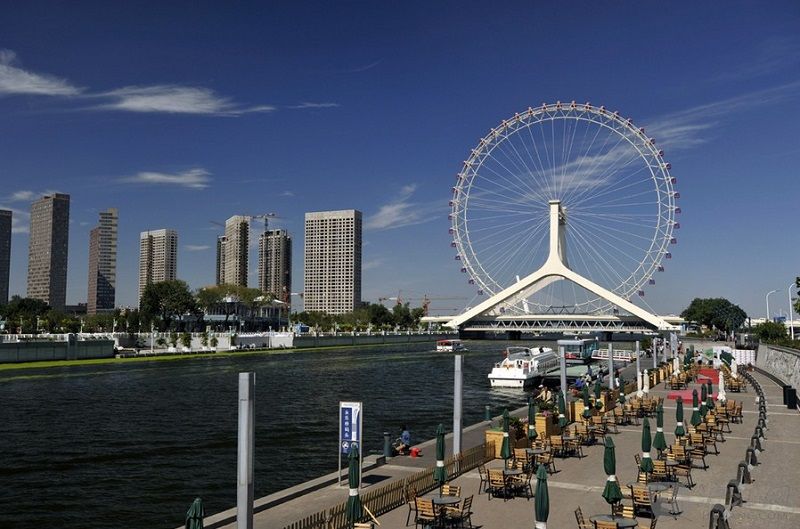
Tianjin is one of the four centrally administered municipalities of the People’s Republic of China. The urban area of Tianjin is the third largest in mainland China. Population - 14,425,000 people (as of 2009), area 11,943 sq. km. Tianjin belongs to North China and is located along the Bohai Gulf, at the northern end of the Grand Canal of China, which is connected with the Yellow River and the Yangtze River. To the north, south, and west, Tianjin borders Hebei Province, with the territory of Beijing to the northwest. To the east, Tianjin’s territory is washed by the Bohai Gulf. With Beijing, located 96 km to the northwest, Tianjin is connected by a high-speed railway. Tianjin’s ports are situated some distance from the urban area, on the shore of the Pacific Ocean along the Bohai Gulf.
The transfer of the capital from Nanjing to Beijing led to the rapid growth of the settlement, which was fortified and in 1368 was given the name “the guardian of the heavenly crossing” (Tianjinwei). The city became the gateway to Beijing for all the population of southern and central China. With each year, the city’s importance as a major port continued to increase. Today, Tianjin is China’s largest center for heavy and light industry.
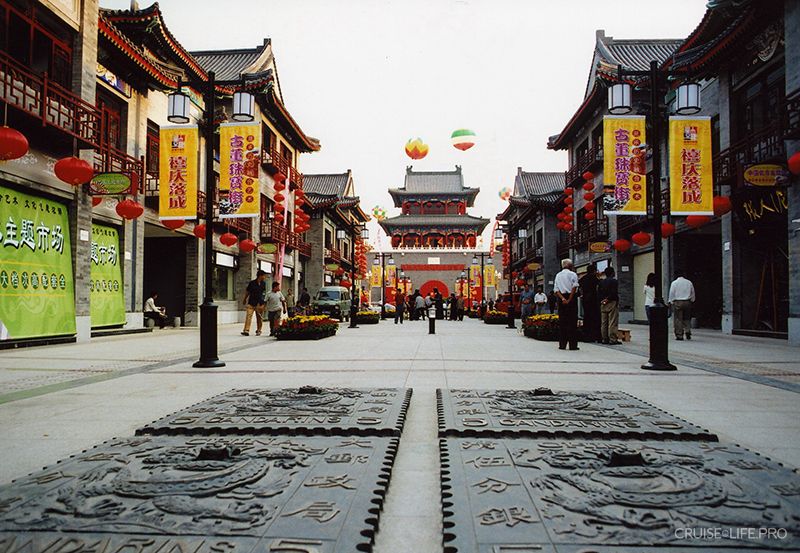
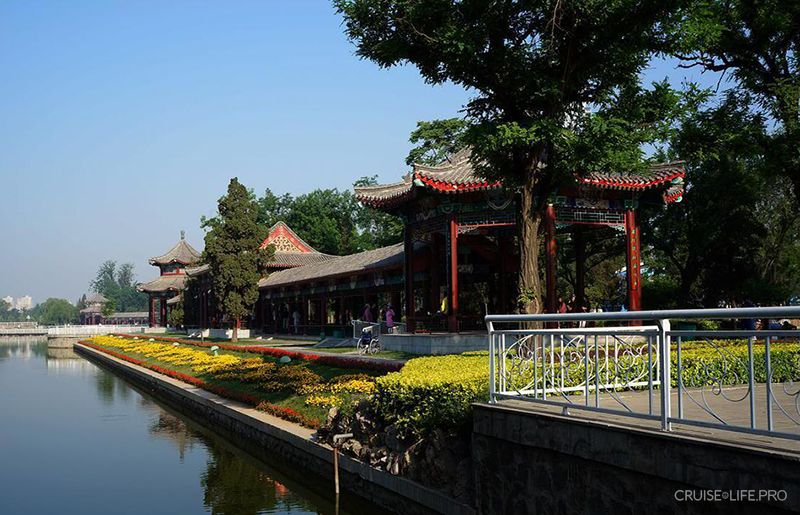
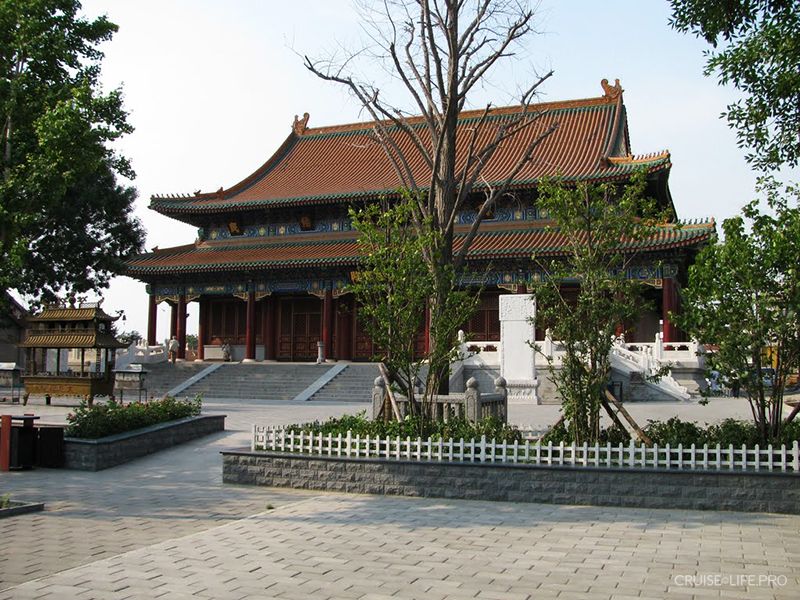
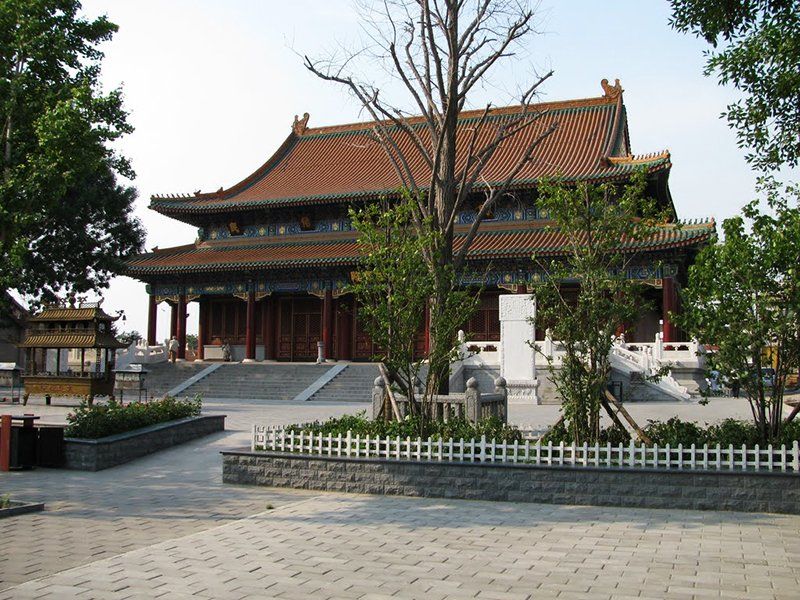
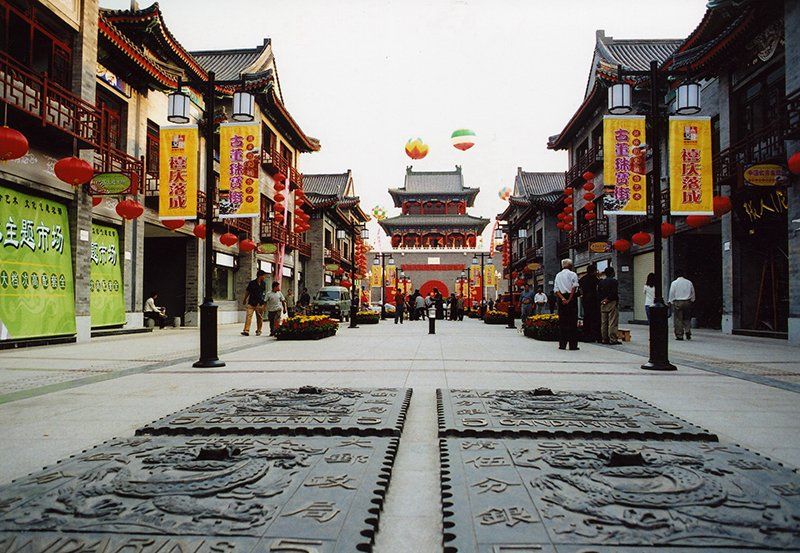
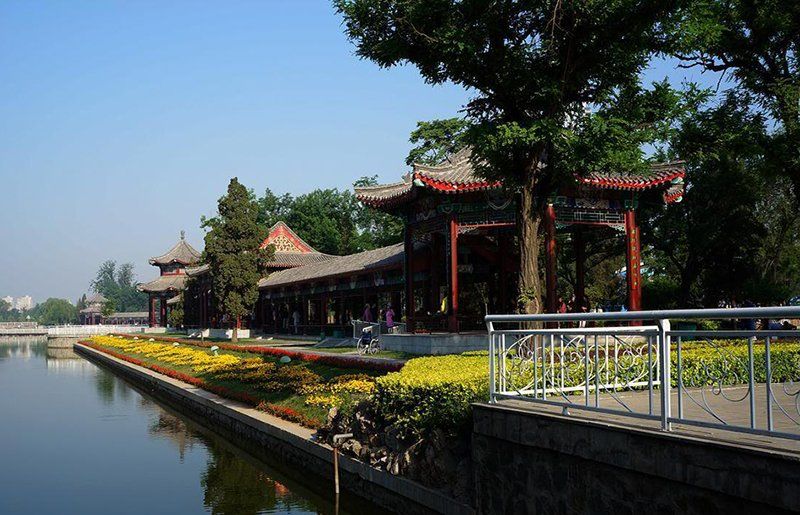
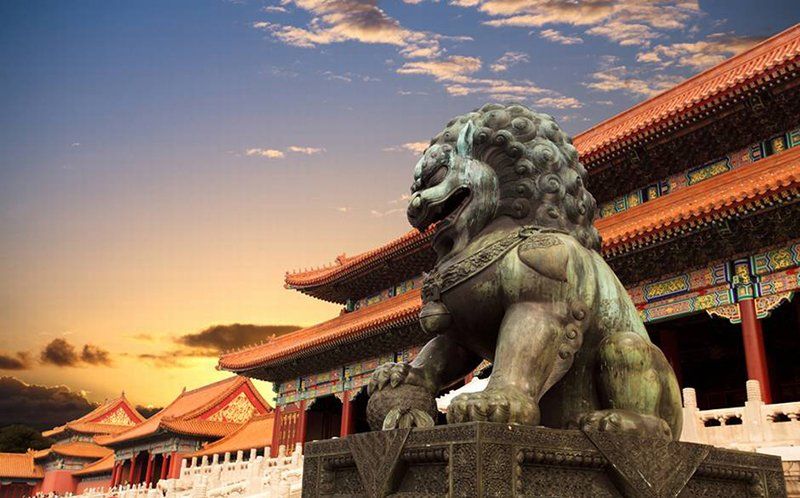
Over the 600 years of its history, Tianjin, like all of China, has been able to preserve ancient architecture, traditions, and the way of life in its appearance. The water-based city park, Tianhou Palace, Dayabanyuan, and the Great Mosque, the Panshan Mountains, the Dulesi Temple, and the White Pagoda are only a small part of Tianjin’s and its surrounding areas’ wealth.
ClimateThe climate of Tianjin has a clearly defined monsoon character. In winter, cold northern winds blow from Siberia; in summer, southern winds blow from the South China Sea, bringing hot, stuffy weather with an disproportionate amount of precipitation.
All four seasons are clearly present in Tianjin. Winter in Tianjin is short and dry; the coldest months are December and January. The average temperature in January is -3.3 °C. However, snow is very rare and winter is practically always snowless. Spring begins in late February and lasts until the end of April. It is also dry and sometimes accompanied by a return of cold weather or summer heat. A sharp change in weather occurs in May, when the monsoon arrives. A damp, stuffy and hot summer follows-due to extremely high temperatures and humidity, it is very difficult to tolerate. The hottest month is July. In July and August, an abnormally high amount of precipitation occurs. In September, rainfall gradually begins to decrease, and summer lasts until the end of the first decade of October. Autumn sometimes brings dry and warm weather, but on average it is short and quickly turns into winter.