White Tower
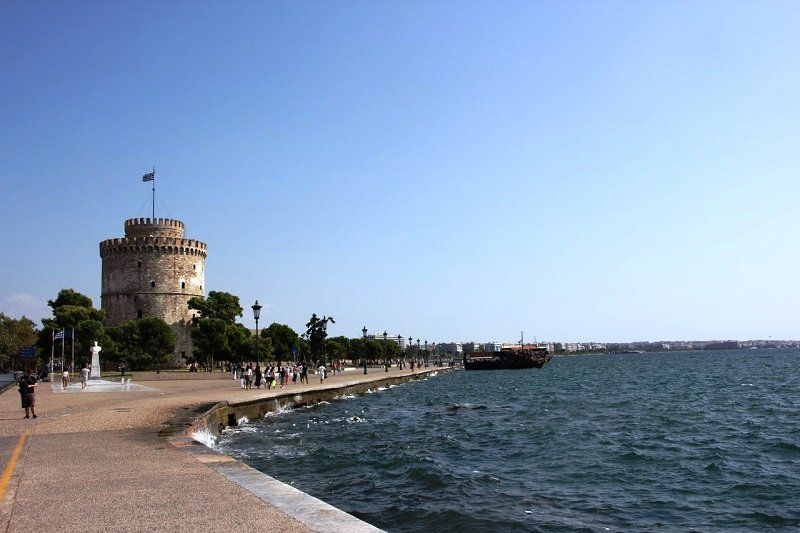
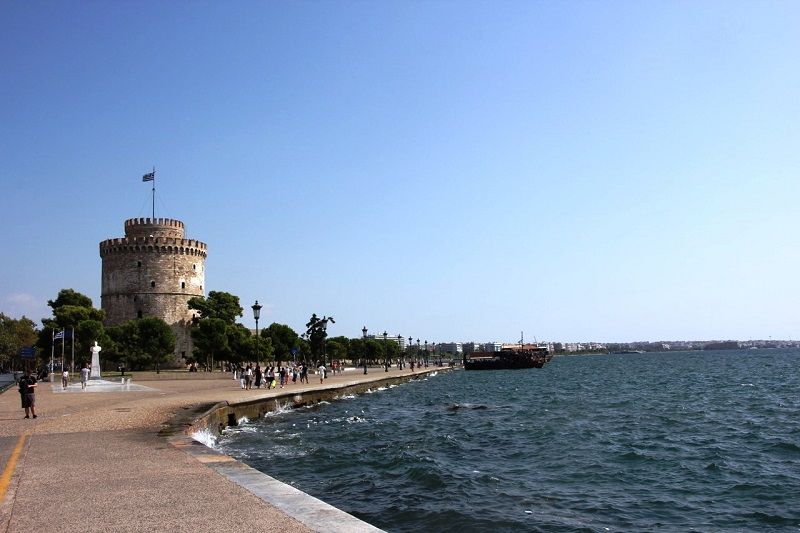
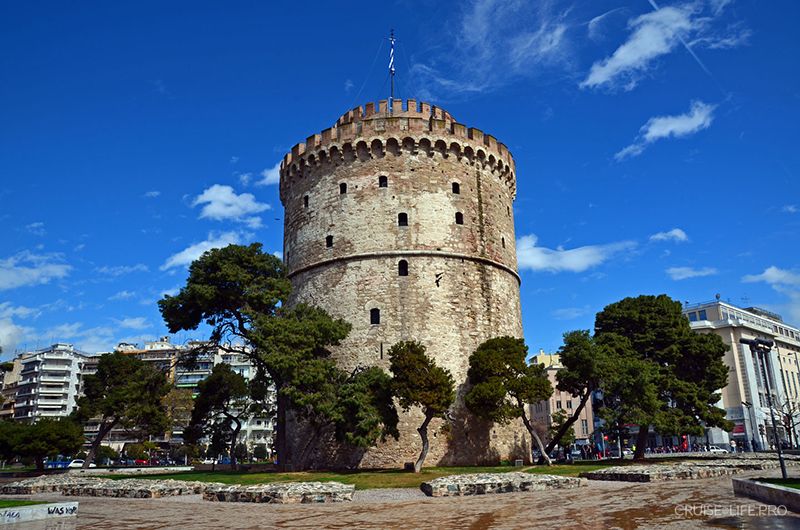
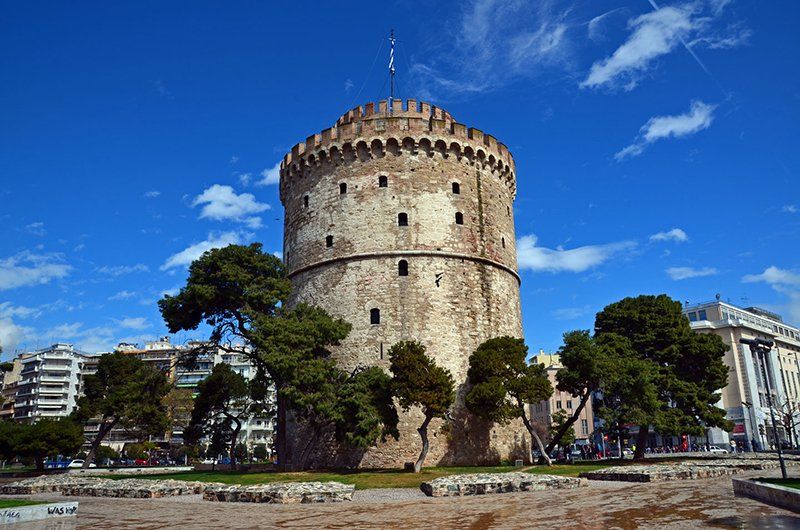
White Tower on the waterfront is the city’s strangest symbol. Because it was built by Turkish enemies-completely unremarkable, not very tall (just 27 meters) and not white! In 1430, the Turks captured Thessaloniki and built the tower as a defensive structure. Later, when the tower was turned into a prison and a site for public executions, it was nicknamed the “Bloody” tower. When the city passed into Greek hands, they painted the symbol of tyranny white (the whitewash was later washed off) and created here a most fascinating Byzantine museum: all the artifacts in this museum were created before the fateful year 1430 for the city. The most incredible sight in the museum is a stereophonic sound video projection of the horrific fire of 1917, which burned down several city blocks.
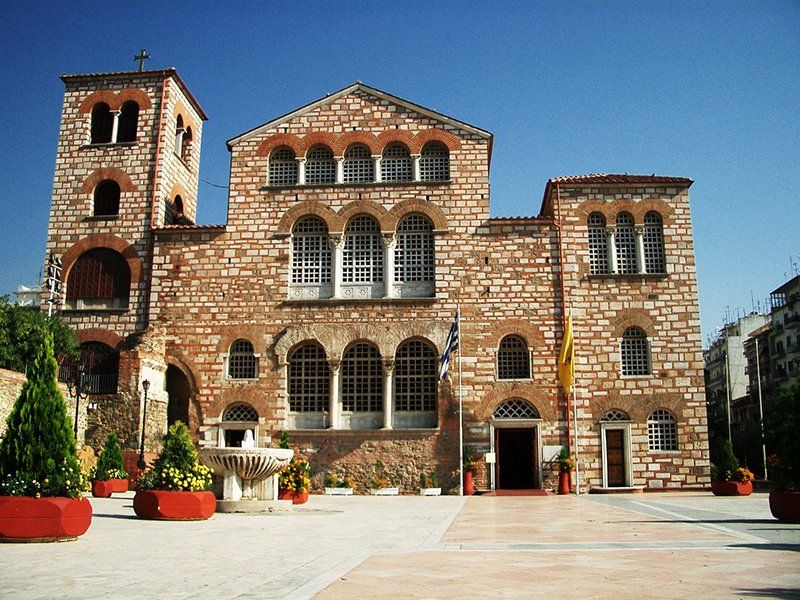
Basilica of Saint Demetrius
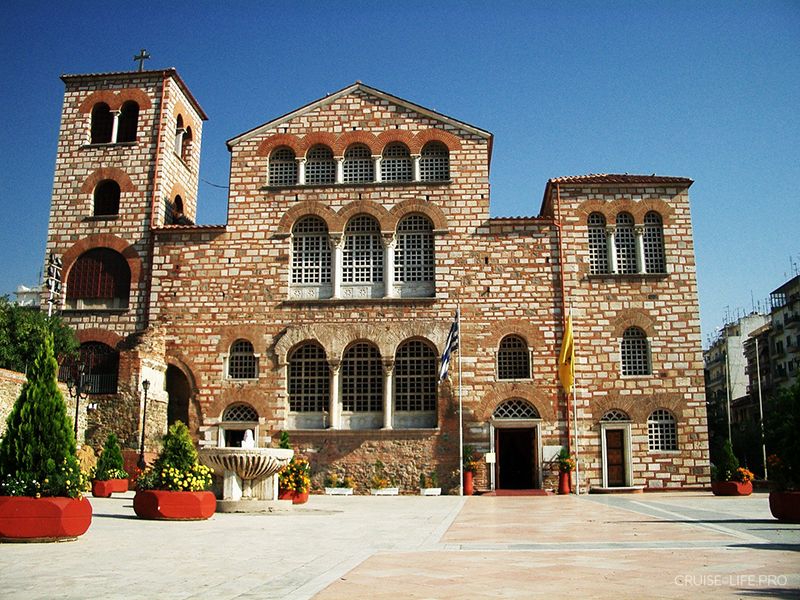
Dmitry, after whom the church is named, is Saint Demetrius of Thessaloniki, the saint and the main heavenly patron of Thessaloniki. The place where the church stands is one of the most sacred in the city. Most of the church, along with its ancient mosaics, burned in a major fire in 1917; only the façade remained. When the fire debris was being cleared in the Basilica, they discovered an entrance to an ancient crypt. It was exactly there that it was built on the site of the Saint’s killing; previously (before they were taken to Italy) his relics were kept here, and there was a bowl for collecting myrrh. The relics themselves were returned to their “historic homeland” - to the crypt - only in 1978 and 1980. And the Basilica itself was restored: the surviving ancient frescoes and parts of the walls were preserved, and now this church is included in UNESCO’s World Heritage list.
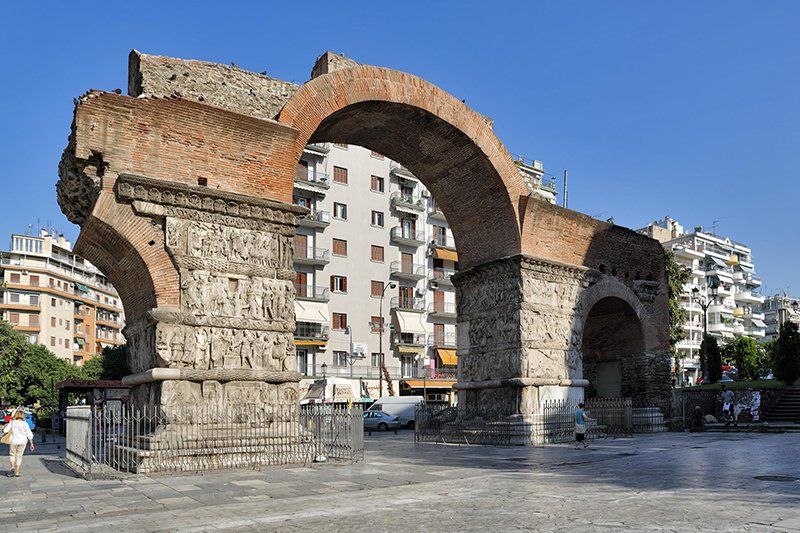
Rotunda and Gallery Arch
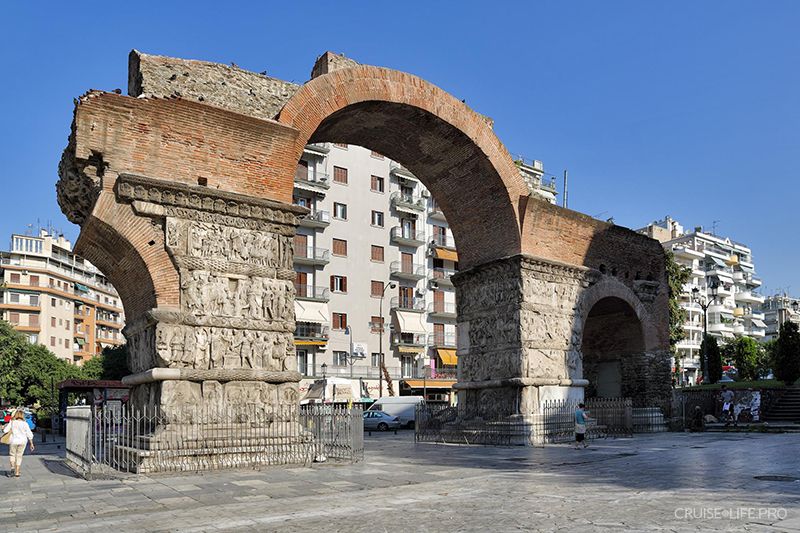
To commemorate the victory of the Galerius (the tetrarch of that time) over the Sasanian kingdom in 298-299, the Triumphal Arch was erected. It was not an independent structure; it was connected to galleries that led to the palace and the mausoleum. The construction of the Rotunda can be attributed to the year 306. There are several versions regarding what this structure was intended for: a part of the palace complex for official receptions, the mausoleum of Galerius, which was then used as intended, the Temple of the Invincible Sun, as well as a temple for the imperial cult. After the Turks conquered Thessaloniki, the church was converted into a mosque, and a minaret was added to it, which has survived to the present day. It is the only minaret of Thessaloniki that remained after the city’s other minarets were demolished.
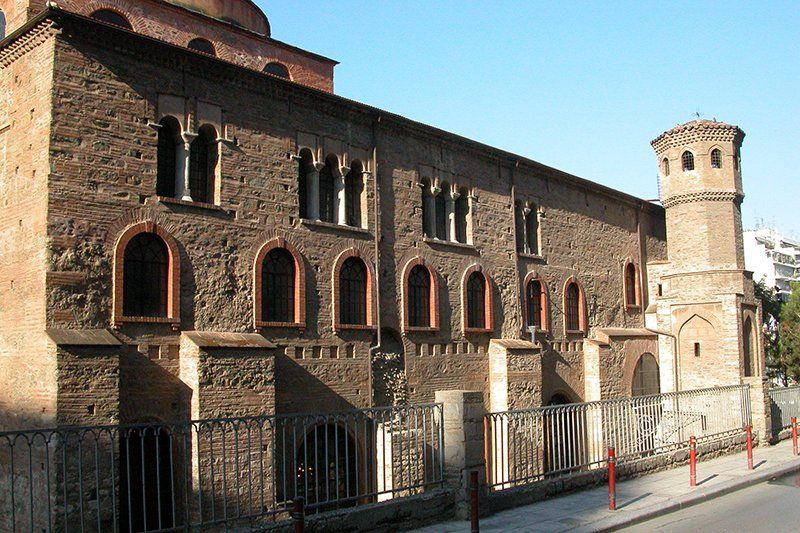
Basilica of Acheiropiitos
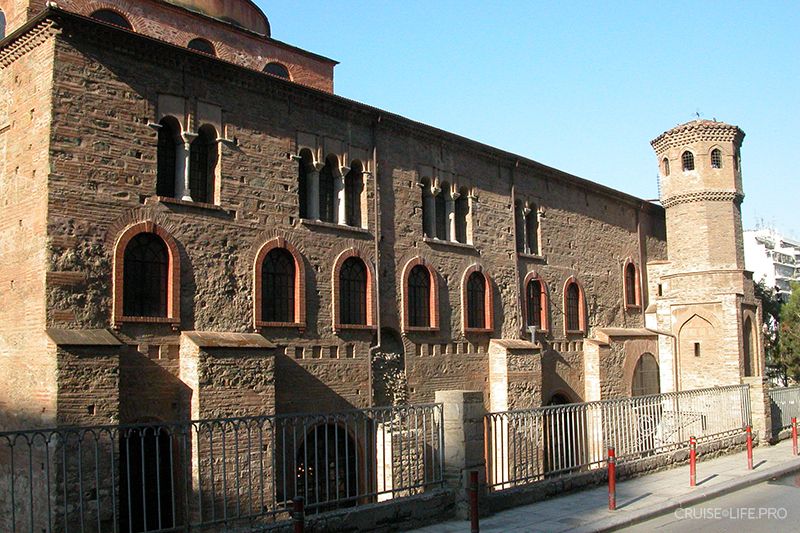
Basilica of Achiropiitos is an early Christian Orthodox church dating back to the 5th century. The basilica is one of the oldest early Christian buildings to have survived to the present day. The basilica’s name “Achiropiitos”, which translates from Greek as “Not Made by Hands”, became widely used starting in the 12th century. There is a view that this name is connected with a miraculous icon of the Mother of God that was believed to be not made by human hands and was located in the church. The structure is covered with a wooden roof with three slopes. The church’s apse is formed by an arch in the shape of a hemisphere, which ends the central slope. The interior of the vaults and the colonnade are adorned with beautiful mosaic patterns, and above the colonnade you can see frescoes from the early 13th century.