
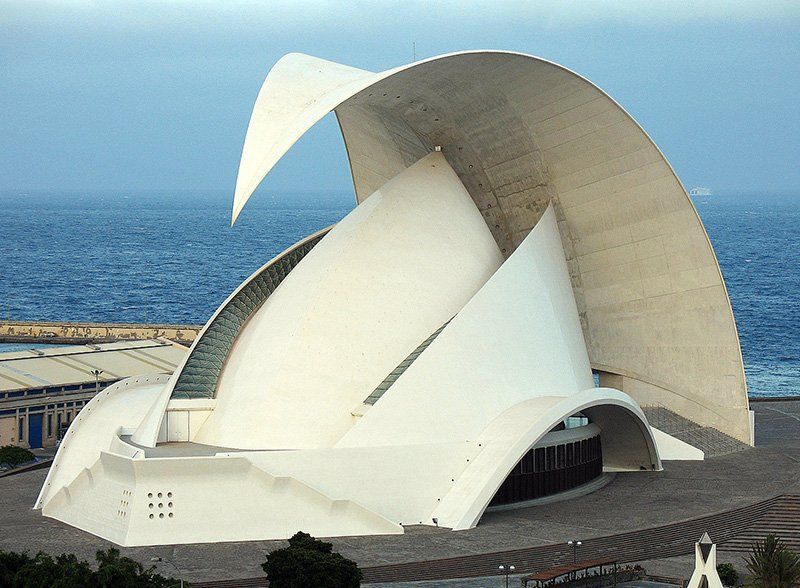
Auditorio de Tenerife
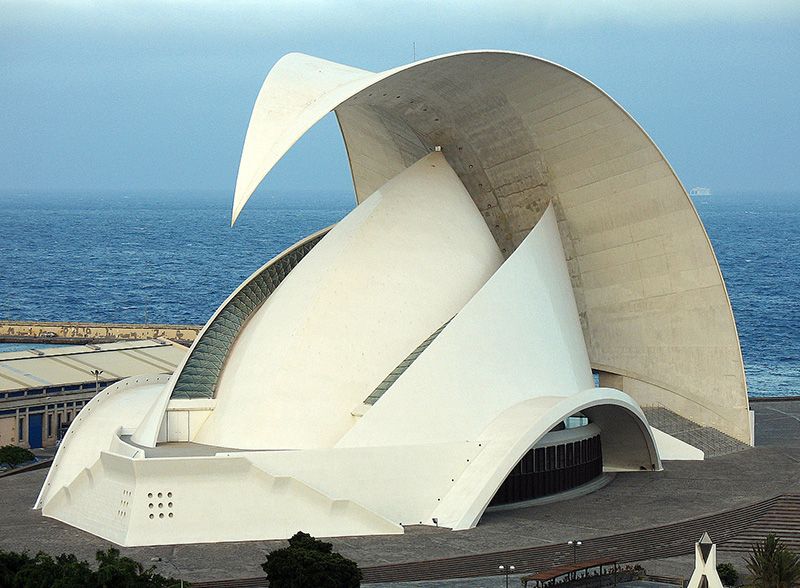
This futuristic dome is included among the most impressive buildings of Spanish architecture. A work of architecture made of concrete and metal is even depicted on national postage stamps. At the opening of the Auditorio, the heir to the Spanish royal throne was in attendance. Inside, there are two halls - a symphonic hall and a chamber hall. The main hall is impressive for its size: the stage is 17 meters high, and the depth of the orchestra pit is 14 meters. Music lovers will appreciate the “sound all around” effect. The small hall practically copies its “older brother” and differs only in its scale. Recently, the “Palmetum” was built nearby - a palm botanical garden with five hundred varieties of palms, which borders the complex of ocean-water pools built a little earlier on the coast.
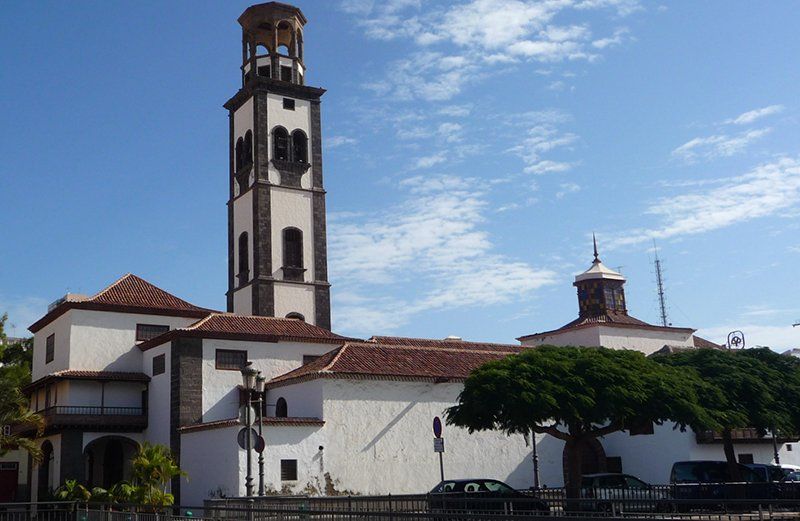
Iglesia de la Concepción Church
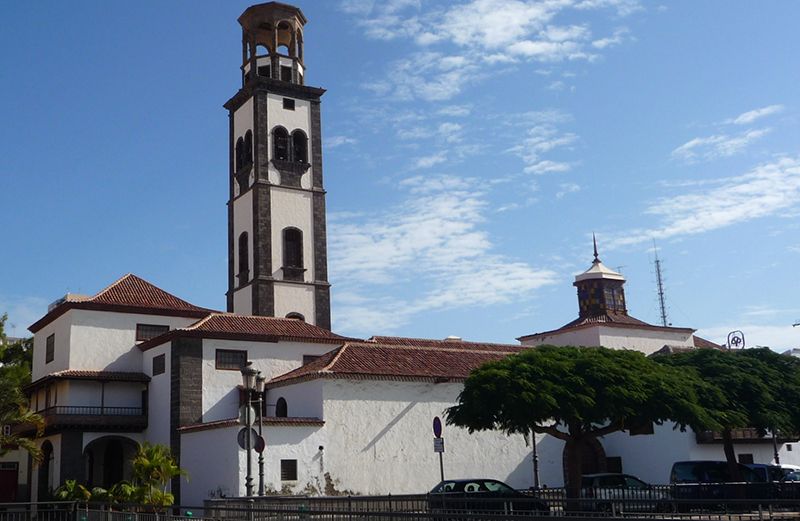
The only church in the Canary Islands that has five naves. The church was built on the site of the first chapel, which was erected by Spanish conquistadors after their landing in Tenerife. Its tall bell tower makes it visible from afar-well in advance. Although this goes against Catholic rules, the church is known among the people as the “Santa Cruz Cathedral.” After all, it is the main temple of the island’s capital, and it houses the eponymous relic-a cross that laid the foundations of the city. Architecturally, the church is considered a blend of Tuscan style and Baroque.
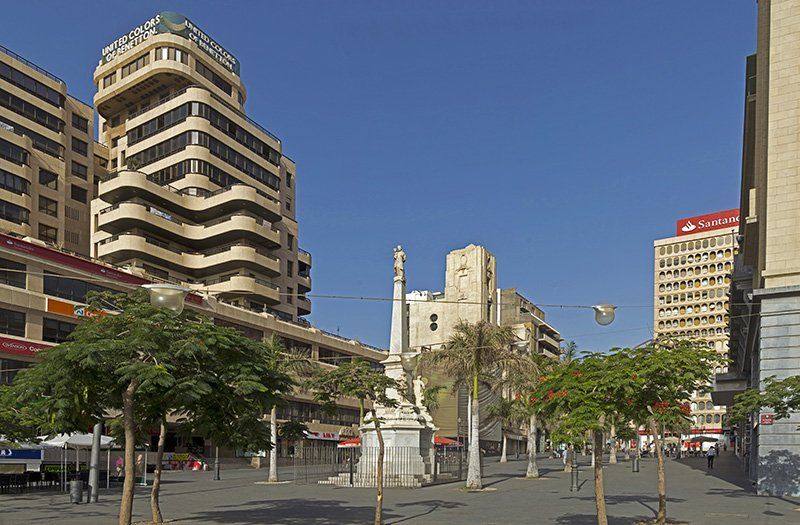
Plaza de la Candelaria
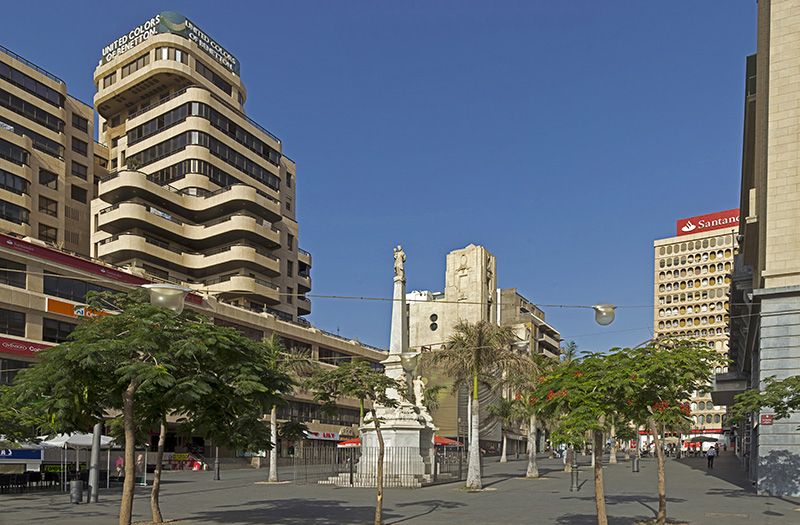
This is the grand square of the “light-bearing” patroness of the Canary Islands. On it stands a marble monument, “The Triumph of Candelaria,” depicting the Virgin Mary, in front of whose pedestal four Guanche chiefs bow (they sided with the Spaniards during the conquest of the islands). An interesting architectural ensemble around the square includes the Tenerife government building, the Museum of Archaeology and Anthropology, and the Church of the Immaculate Conception and Saint Francis, all built in the Baroque style. On the left stands the Palace of Rodríguez Cartas, built in the 17th century (today it houses a bank office). Be sure to pop into the palace building for at least five minutes to see the luxurious inner courtyard with staircases and dark-wood verandas.
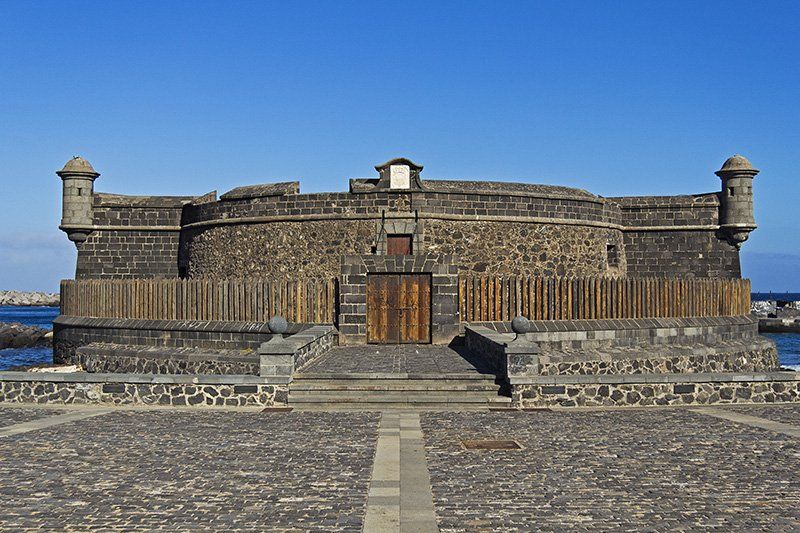
Black Castle
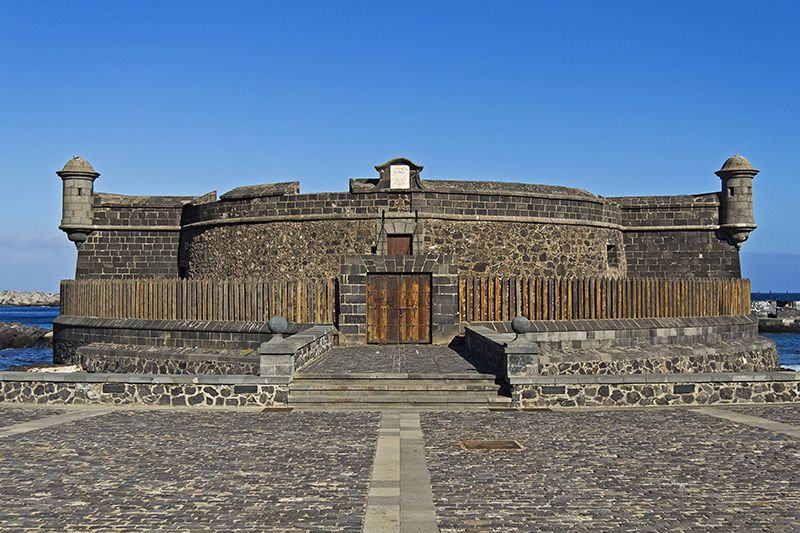
This is one of the oldest sights in Santa Cruz. The Castle of San Juan Bautista (named after John the Baptist), built in 1641, is also known as the Black Castle. Located in the very heart of the city, this powerful fortress with a massive round tower, parapets, and gun embrasures for five artillery pieces played a crucial role in defending against raids by invaders. Every year in July, a reconstruction of the Battle of Santa Cruz takes place here, during which the legendary British admiral Horatio Nelson suffered defeat in an attempt to invade the city.