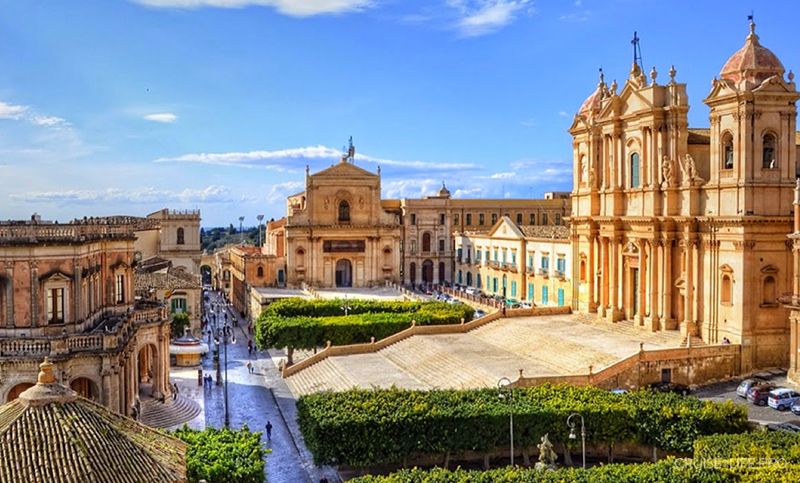
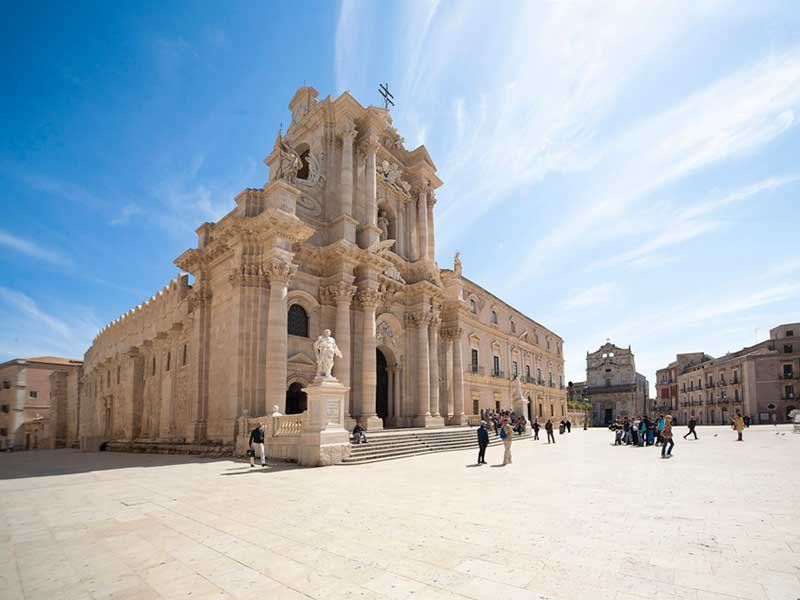
St. Dominic’s Cathedral
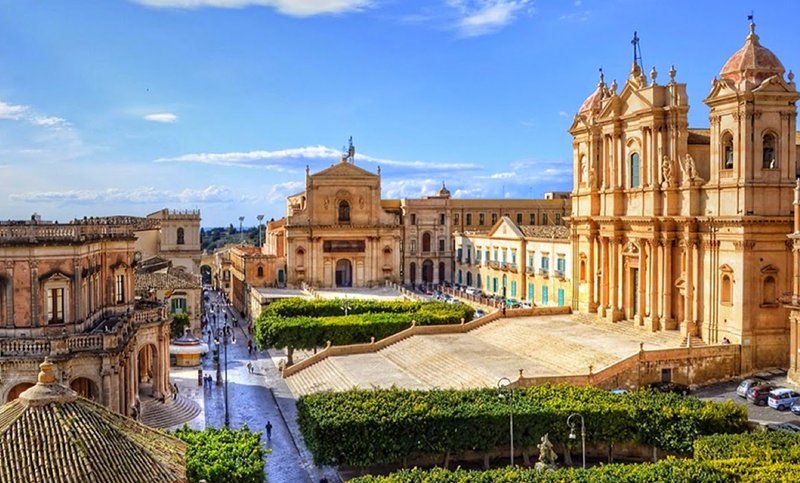
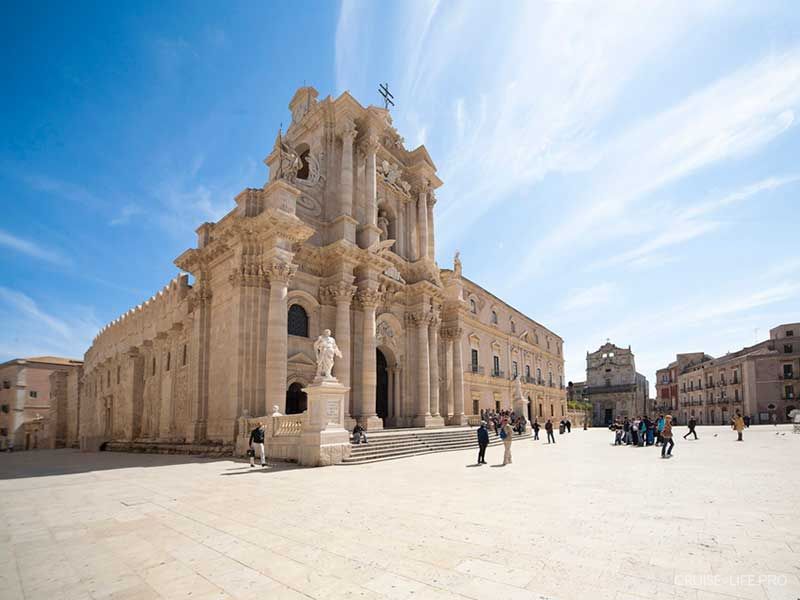
By longstanding Sicilian tradition, the Cathedral of Syracuse was built right on the site of an ancient Temple of Athena. And now the city’s main square is adorned with a true masterpiece of Sicilian Baroque. The tall building, supported by columns and complemented by statues of bishops and saints, seems to glow from within. Shaded arcades are decorated with floral ornaments and patterns, and inside you can see fragments of the columns of the Temple of Athena, which were used in the construction of the Cathedral.
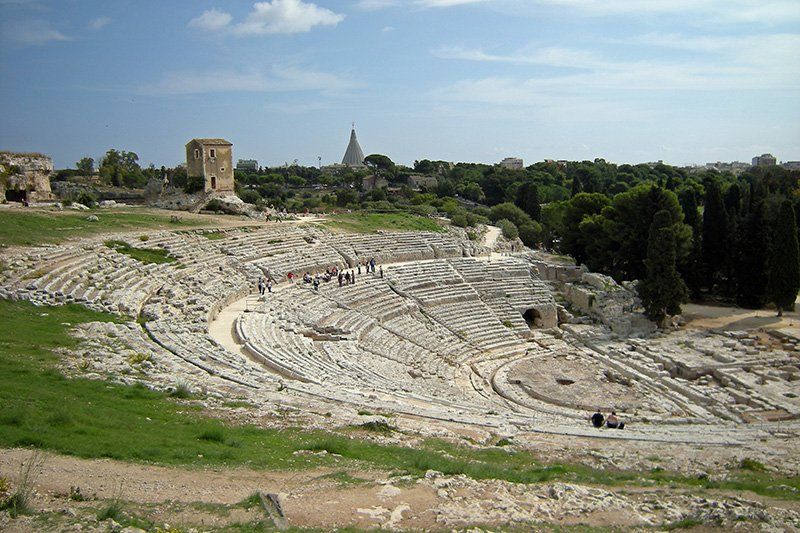
Greek theater
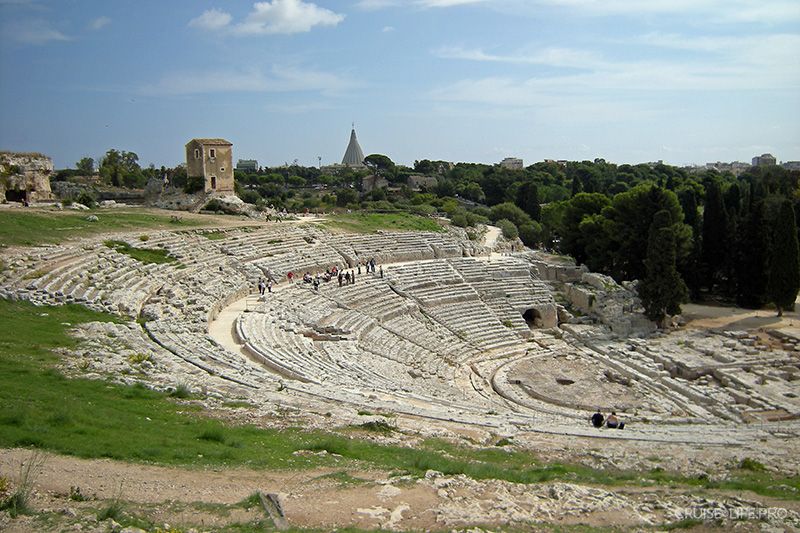
This ancient amphitheatre, dating back to the 5th century BC, is located on the grounds of the Archaeological Park of Syracuse-at the site of the former ancient city of Neapolis. It was built in such a way that its stone tiers, carved into the rock, face the sea. Against the backdrop of the sea horizon, the stage stood. The theatre could accommodate 15,000 people-one of the largest theatres of its time (its diameter is 138 m). After the Romans captured Syracuse, the theatre’s structure was heavily altered to make it convenient to hold gladiatorial combats here. In the mid-17th century, an eruption of Mount Etna severely destroyed the theatre. Today’s restorers have worked thoroughly to bring back its former grandeur, and performances and concerts are held here.
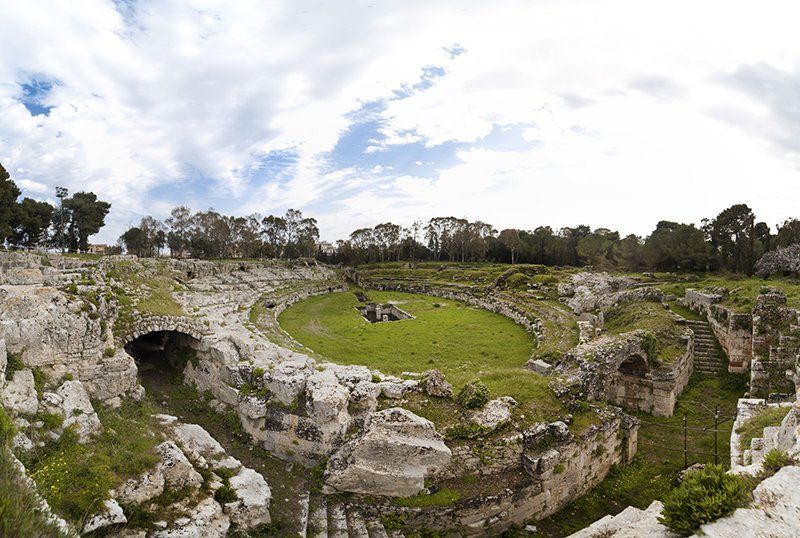
Roman Amphitheater
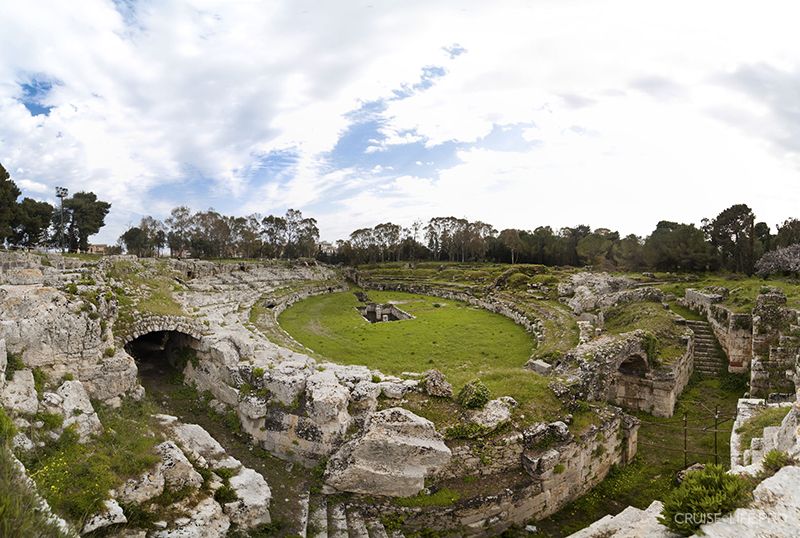
The ancient Roman amphitheater in Syracuse was the largest in Sicily; its dimensions are impressive: 140 by 119 meters. For its 22-century age, it has been preserved quite well: the internal corridors that gladiators and wild animals used to enter the arena have survived, as well as the seating for spectators and areas for high-ranking guests. Even ancient inscriptions remain, chiseled into the stone and mentioning one of the magistrates-the creators of the amphitheater. This secluded place is a must-visit, because the Roman theater in Syracuse is considered the third largest in all of Italy, coming only after the Colosseum and the Verona arena.
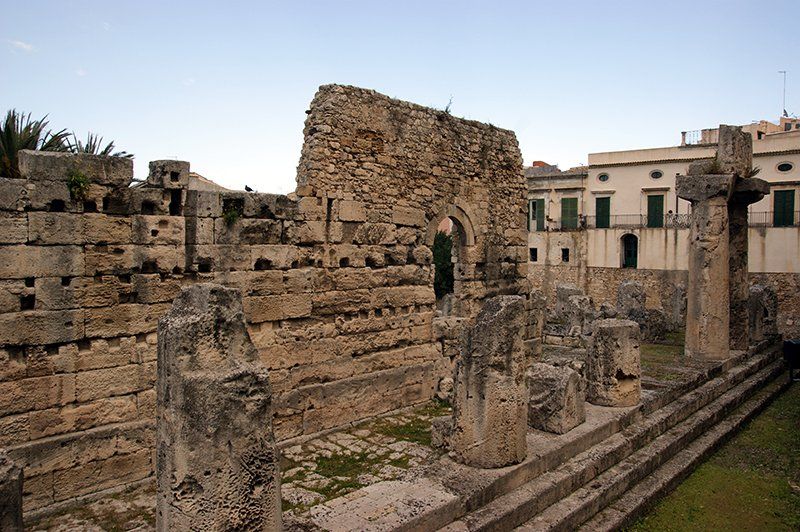
Ruins of the Temple of Apollo
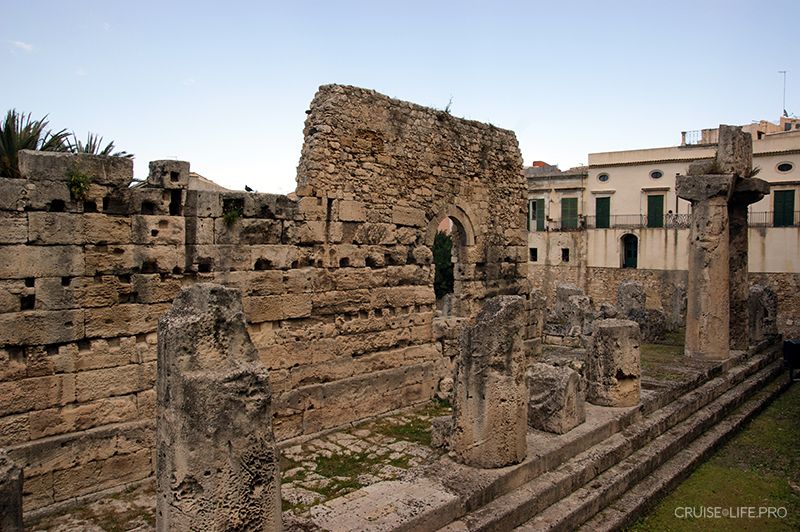
The Temple of Apollo is considered one of the earliest structures in Syracuse and dates back to the 6th century BC. This ancient site was modified over the course of different eras and even served as a Byzantine church-only the central staircase remains-then as a mosque, a Norman temple, and even Spanish barracks. Today, only a little of the Temple of Apollo has survived-a couple of walls, that very Christian staircase, and a low foundation. But nevertheless, the oldest religious building in Syracuse leaves a strong impression.
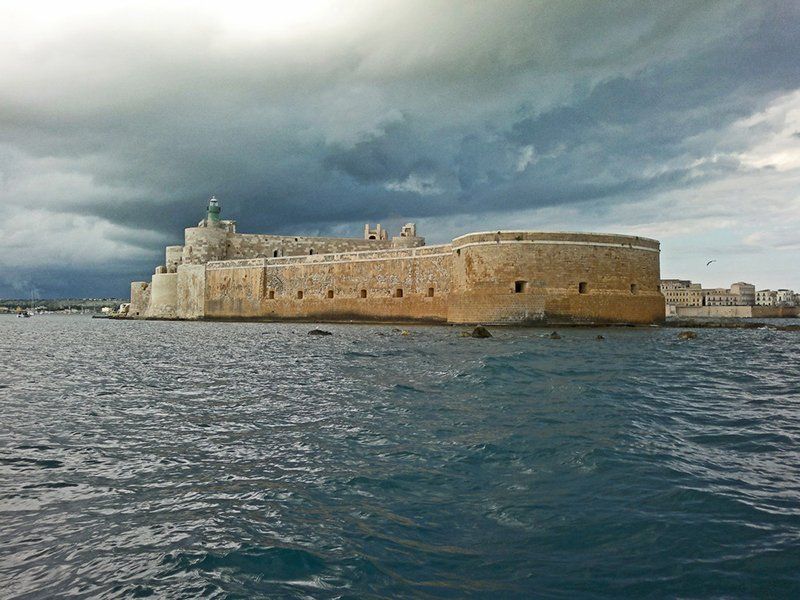
Castello Maniace
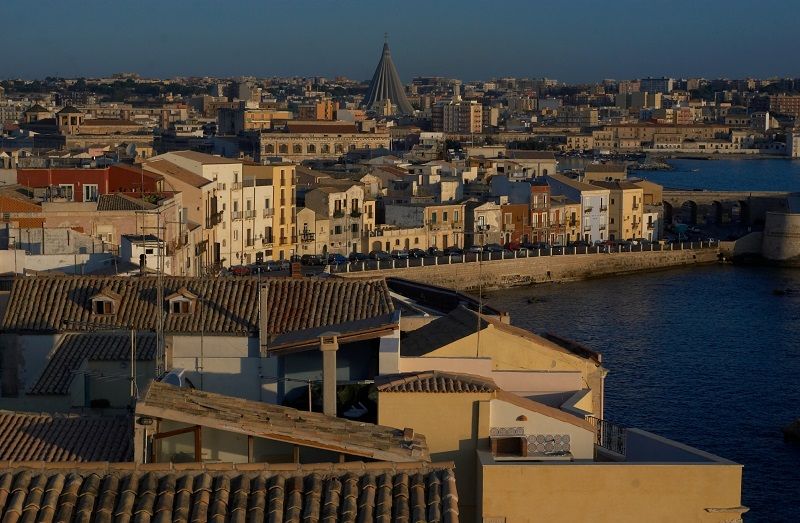
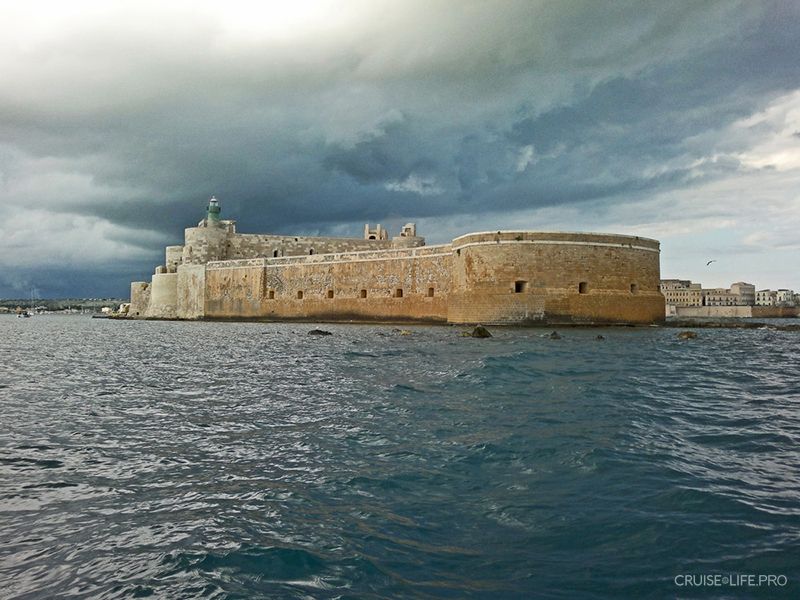
As in any respectable city on the water, Syracuse has its own fortress, rising above the entrance to the city harbor. Castello Maniace has stood here for eight centuries, serving the city both as an impregnable citadel and as a prison, rulers’ residence, and an arms store. Today, this impressive castle, thanks to its size, can be explored from the main gates all the way to the very last turret; you can stroll calmly along the cool arcades or race up the spiral staircases, making sure to take in the cozy bay from the upper bastions of the Castello. In short, the most fitting entertainment for a hot summer day.