Sydney Opera House
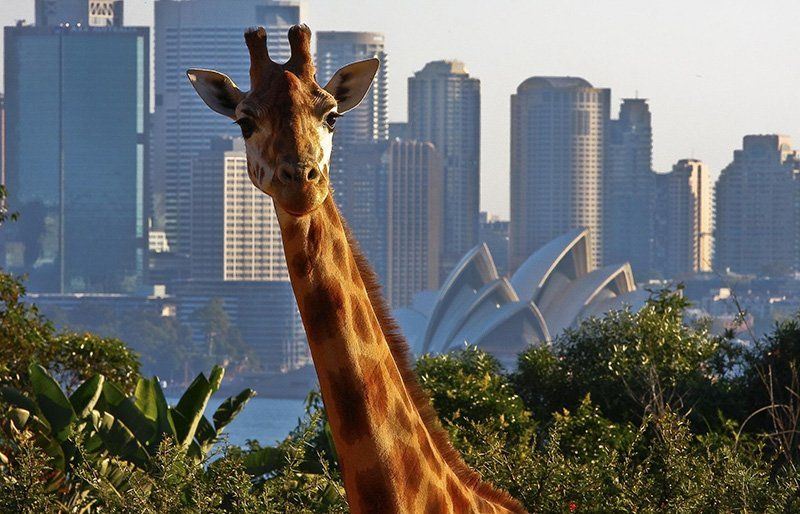
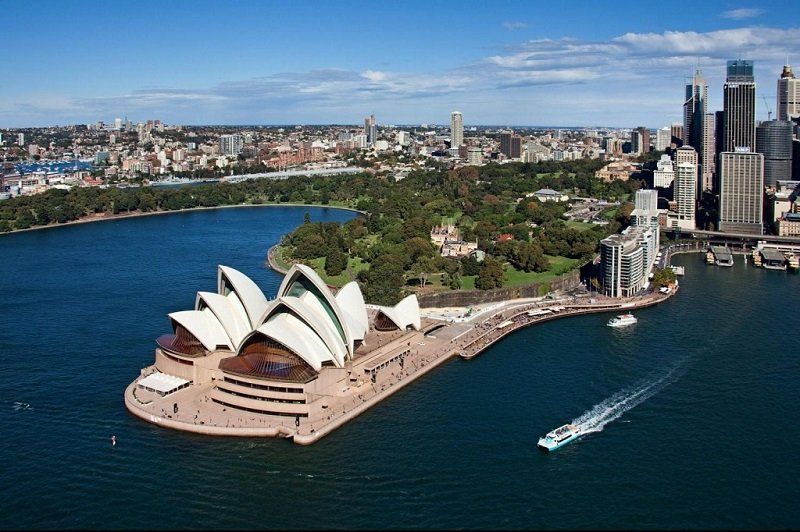
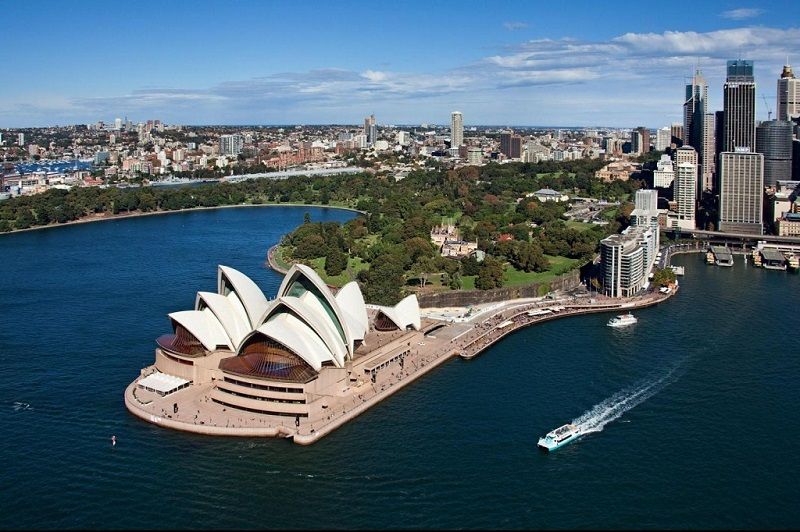
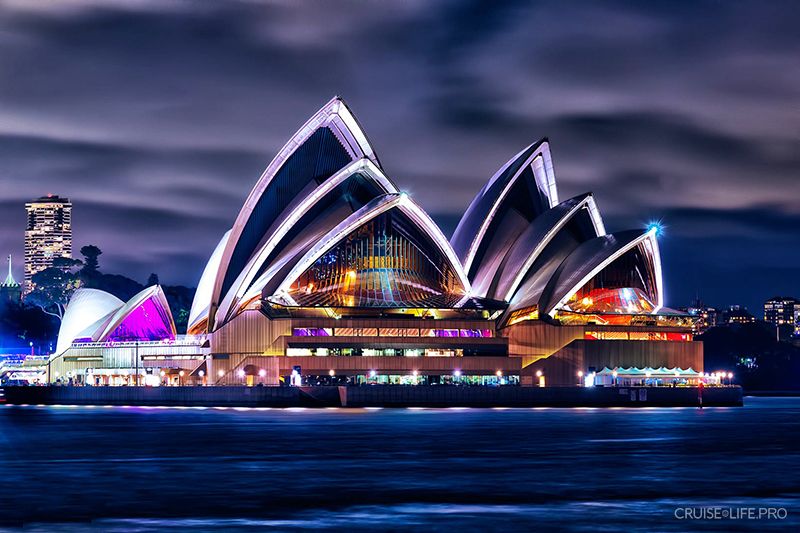
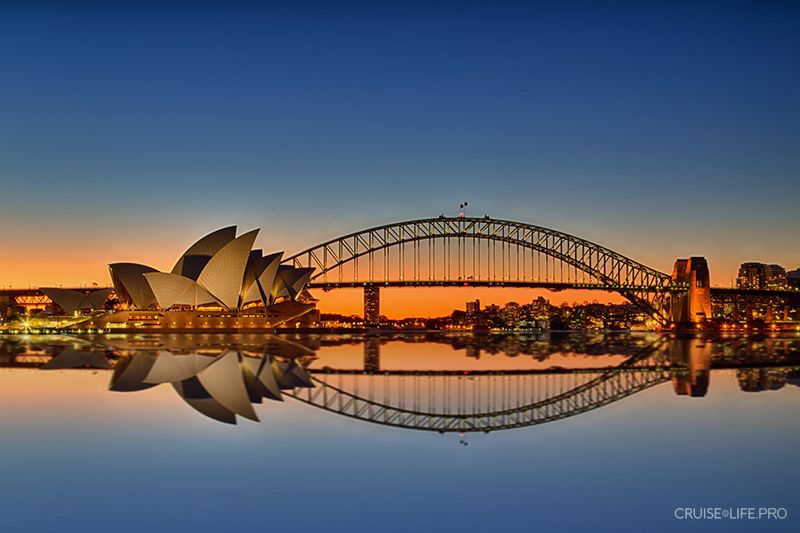
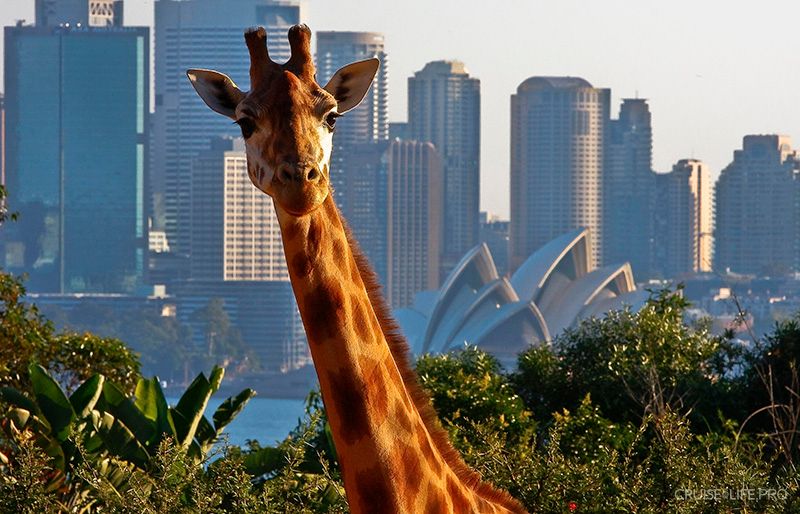
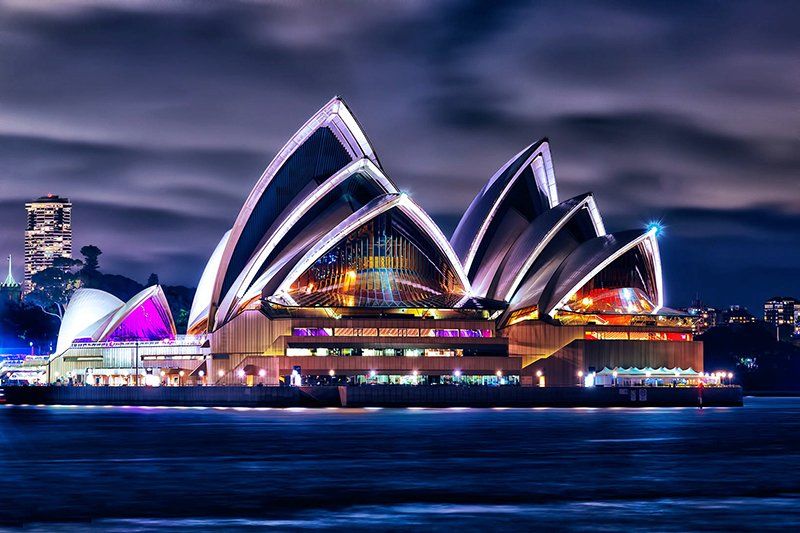
The famous opera in Sydney. The construction of the “Sydney Opera House” took around one and a half decades and over $100 million. A giant round shell-like house evokes mixed feelings not only among Sydney residents, but also among its many visitors. Many, for example, recommend never going inside so as not to be disappointed. Inside, the Sydney Opera looks more austere than its romantic exterior. But if you’re interested not in the form, but in the content, then besides opera there’s plenty of other interesting stuff there: dance and theatre festivals, concerts by all kinds of performers, and literary readings.
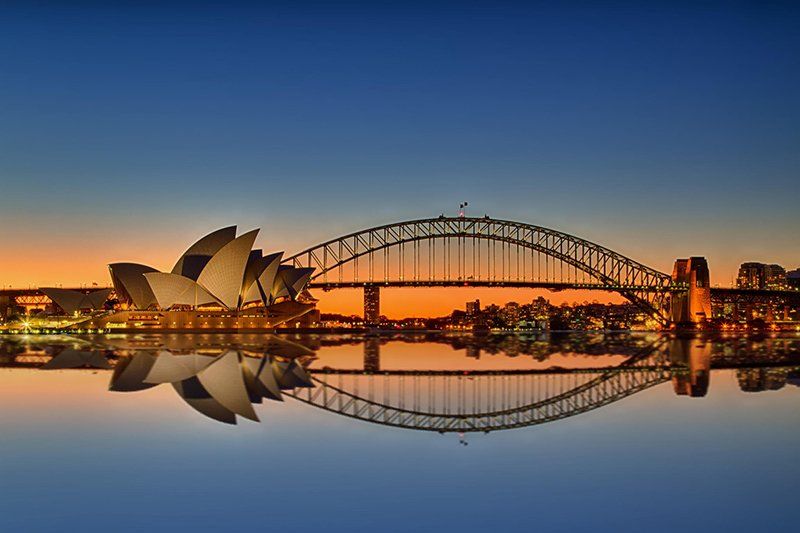
Harbour Bridge
Harbour Bridge, the arched bridge that connects the central part of Sydney with the North Shore, as the Australians like to boast - the largest in the world. Its total length is over a kilometer, and the arched section is about half a kilometer. Locals affectionately call it the “coat hanger.” The bridge’s main feature is that both cars and trains cross it-along with the two-legged kind. And there are also tours to the top of the bridge’s arch: you’re given a suit with a safety harness, headphones with a receiver, and you’re allowed-together with an instructor-to climb along the metal fixtures. The view from up there is simply magnificent. There is an express climb-about 2 hours, with no historical commentary-and the standard climb, which takes 3.5 hours.
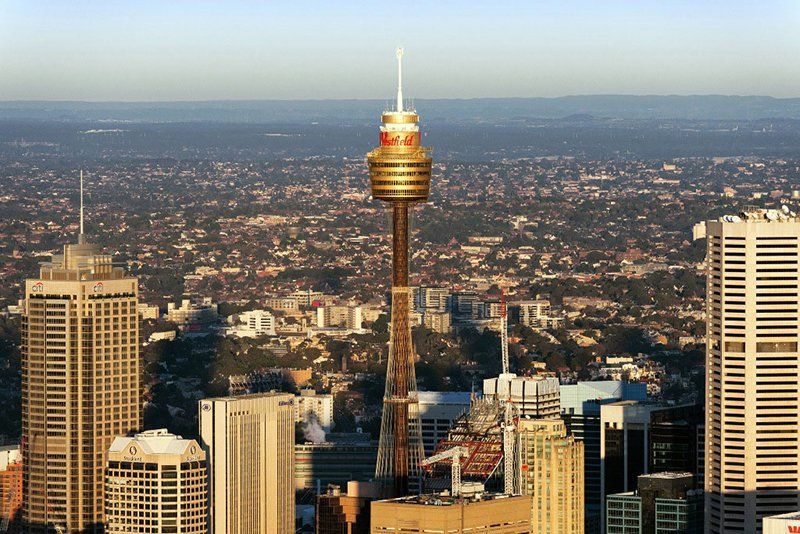
Sydney Tower
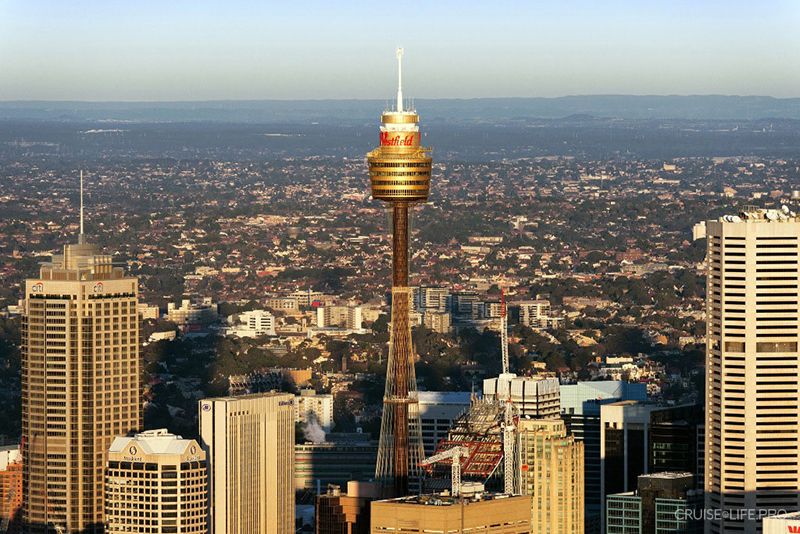
Only the New Zealand Sky Tower is taller than the Sydney Tower, making it the second-highest structure in the Southern Hemisphere. The tower’s total height is 305 meters. Several high-speed elevators inside the tower take tourists to the observation deck, located at a height of 250 meters. From this bird’s-eye viewpoint, visitors can enjoy a stunning panorama of Sydney and the surrounding area. Today, the Sydney Tower is a true entertainment hub. It features rotating restaurants, and your ticket to the observation deck includes a 15-minute OzTrek Ride-an Australia-themed film in a cinema with a 180-degree screen and swinging seats. And thrill-seekers can take the Skywalks attraction-a walk along an open platform at a height of 268 meters in a special jumpsuit with safety harness.
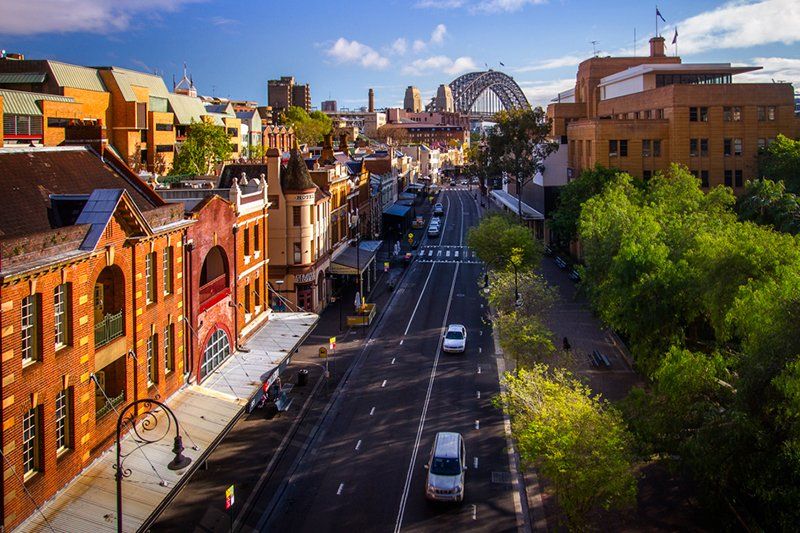
Historic District of The Rocks
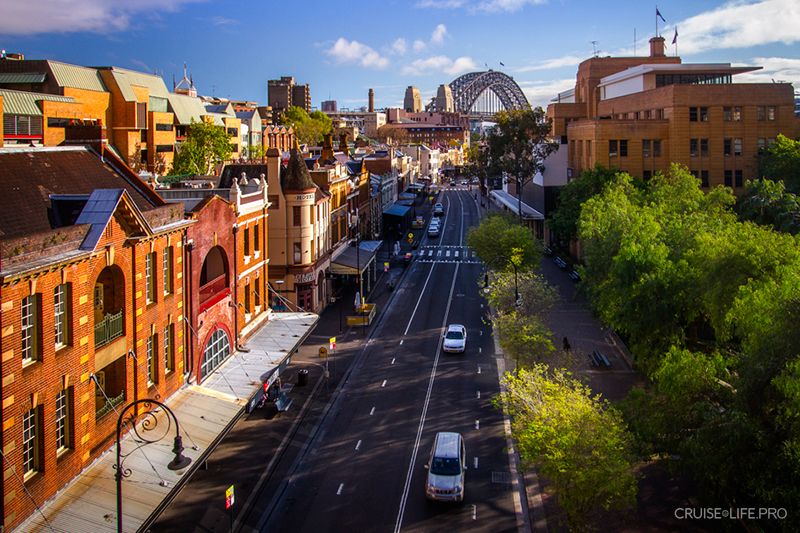
The historic district of The Rocks is one of the main centres for tourist pilgrimage in Sydney. Most of the buildings here have been preserved since the time of the first European settlers. Back then, it was an extremely disreputable area, filled with fishermen, criminals, and all sorts of adventurers. The most popular places were pubs, brothels, and cheap port-side hotels. In the 1970s, large-scale development of skyscrapers was underway in Sydney, and when the city expanded to The Rocks, all the old buildings were scheduled to be demolished. This was avoided only thanks to active citizens who were willing to part with invaluable architectural landmarks.
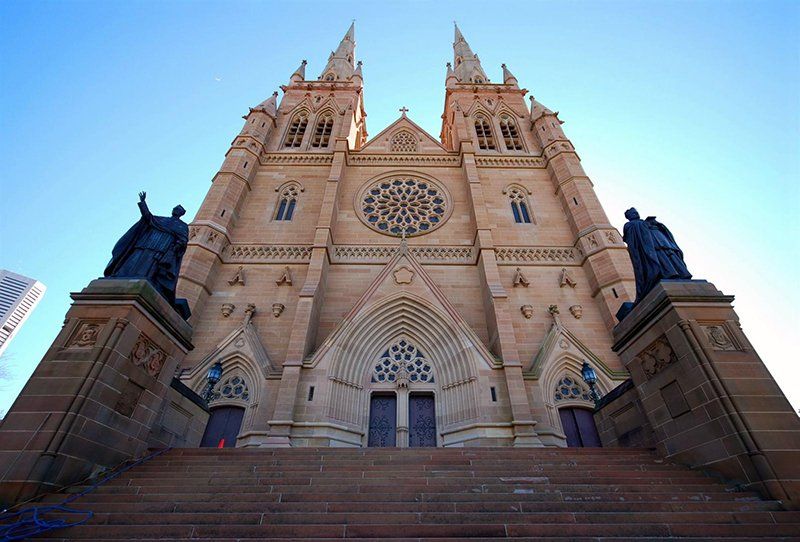
Cathedral of Our Lady of the Sea
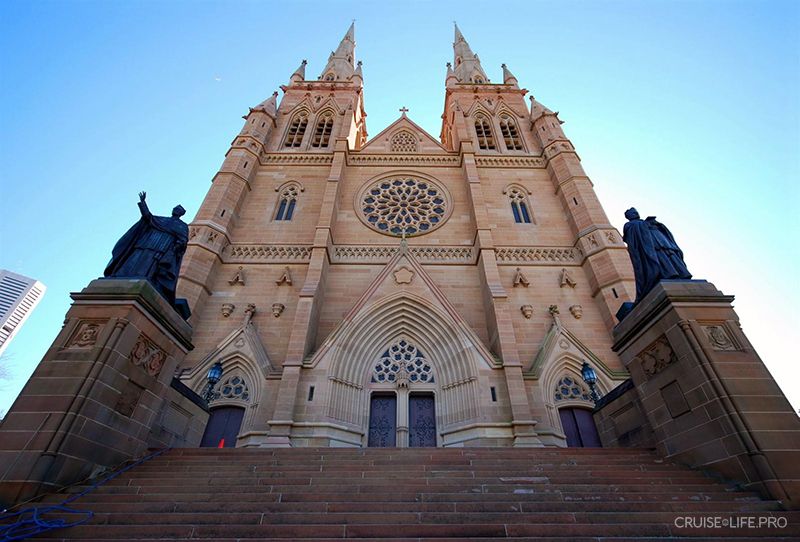
The Cathedral has been recognized as a national shrine. It is the Cathedral of the Sydney Archdiocese-Metropolitan. It is one of five Australian cathedrals bearing the honorary status of a “minor basilica.” The construction of the cathedral began in 1821, but by 1865 it was destroyed by fire. A new cathedral began to be built in 1868. It was constructed in stages over many years. In particular, the premises of the first phase of the building were consecrated in 1882, the creation of the main nave was completed by 1928, and the spires were added only in 2000. The architecture of the Cathedral of the Blessed Virgin Mary is typical of the 19th-century English Gothic Revival. The cathedral was built from golden sandstone. Inside, the building is adorned with beautiful stained-glass windows and paintings.