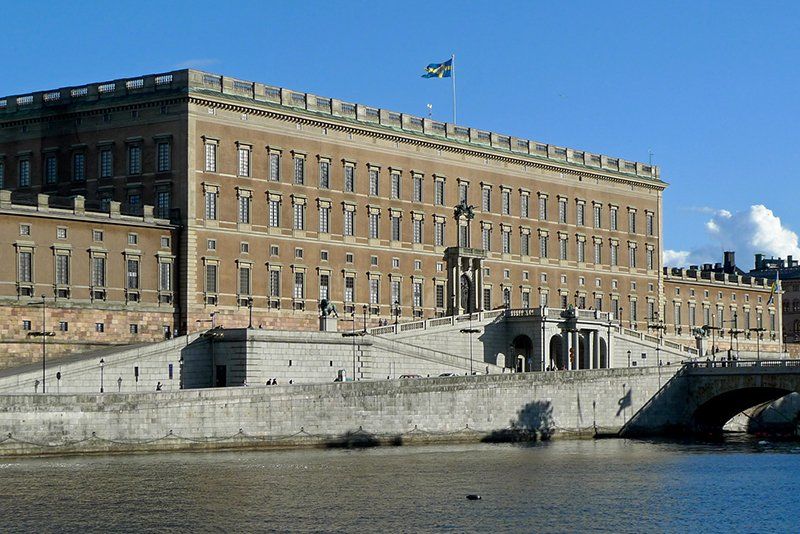
Royal Palace
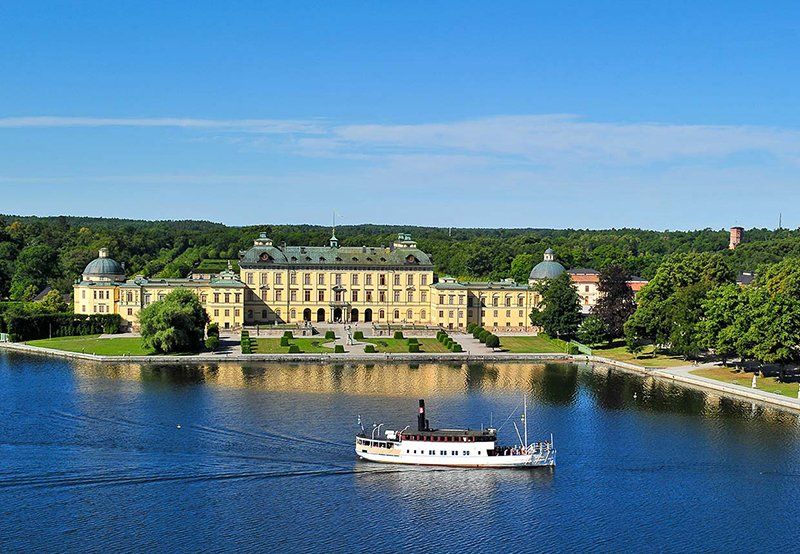
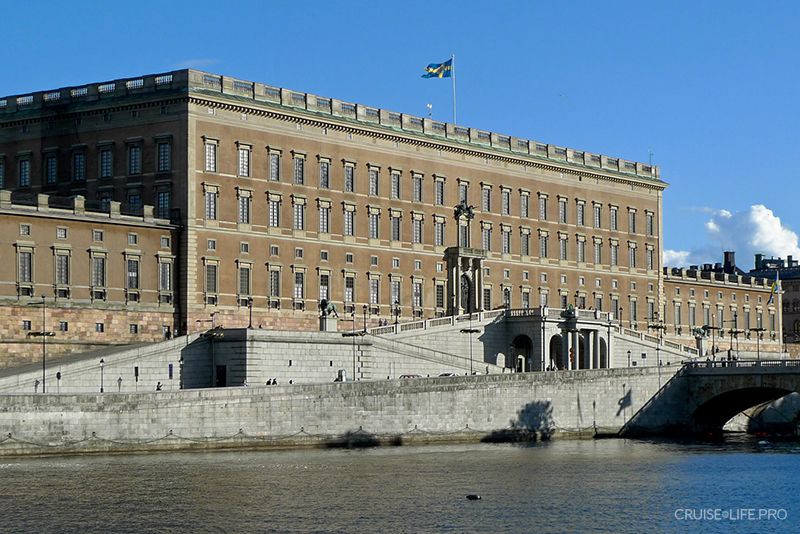
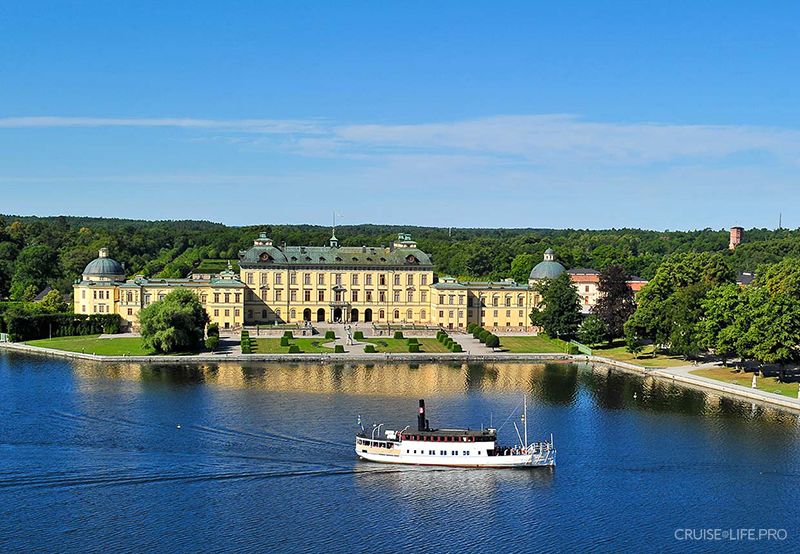
The current palace was built on the site of the medieval castle “Three Crowns”. The last one burned down in 1698. History has preserved information that the cause of the fire was a chimney stack that developed a crack. The new imposing building was not built quickly. And even when the royal family moved into its new home in 1754, it was still not ready. A total of ten monarchs of Sweden lived here, one after another. Today, it is one of the largest functioning palaces in the world, the official residence of King Carl XVI Gustaf. Inside there are royal and knightly chambers, an arms-and-carriage hall, and several museums. Among other things, visitors can see carriages in which Swedish monarchs traveled to their coronation, models of the old wooden palace, medieval household items, and other objects.
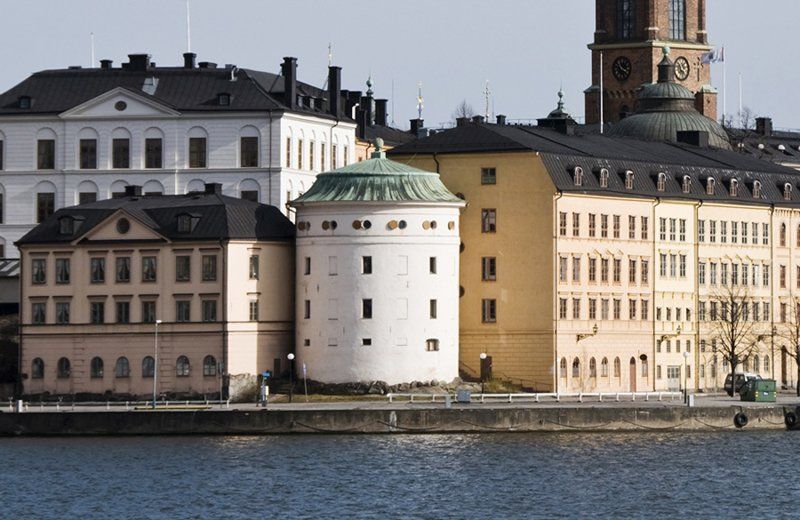
Birger Jarls Tower
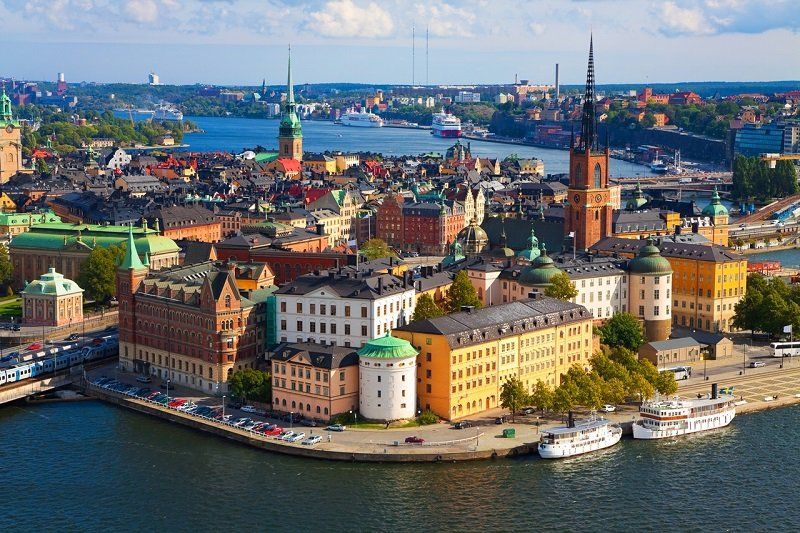
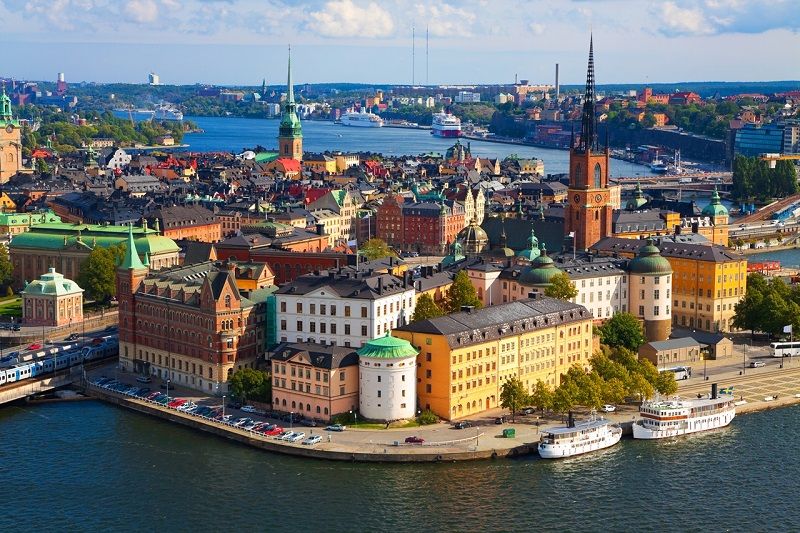
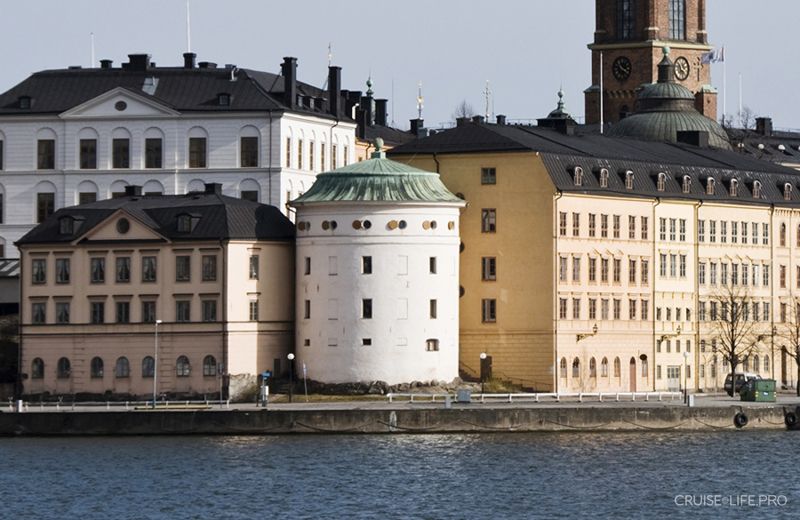
White-stone tower with narrow window slits and a green roof is the only thing left of the defensive fortifications from the 16th century, created during the reign of King Gustav Vasa. Under him, this tower-which formed part of the fortress wall-stood right by the water. But over the centuries the shoreline of Riddarholmen Island changed, the cultural deposits grew, and so today the tower is located quite a distance from the water. When the tower was built in 1530, an open platform was located on top as well, from which fire could be directed in all directions. To construct the defensive wall and tower, they dismantled the monastery of St. Clara, which had existed on the island before Gustav Vasa closed it and a number of other religious houses on the island.
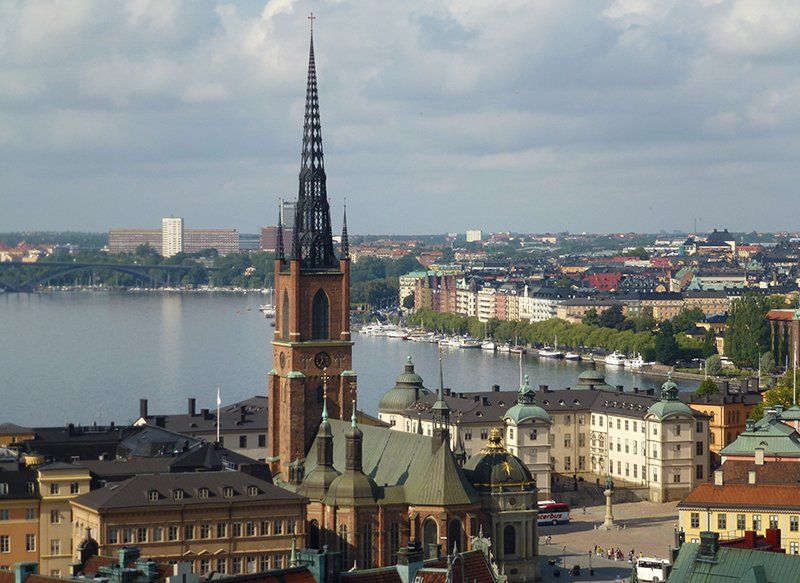
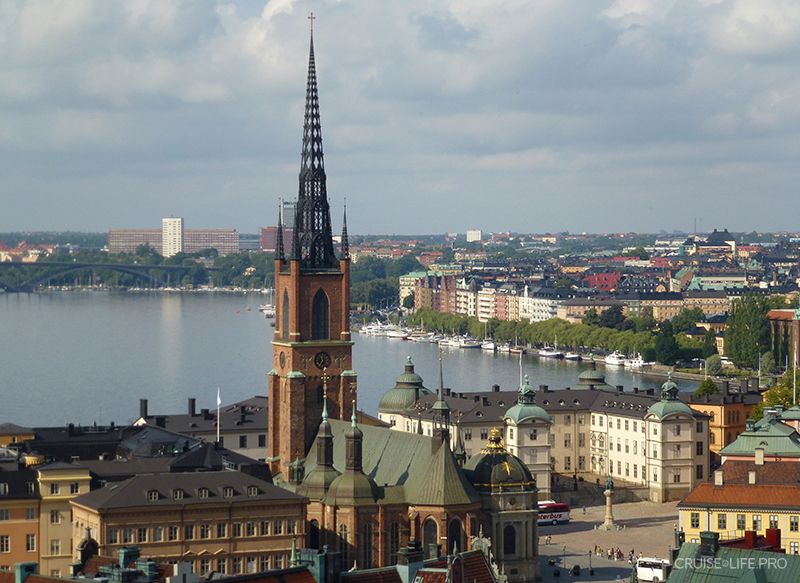
Riddarholmen Church
A church is the only thing that remains from the Franciscan monastery that existed here in the 13th century. However, the original church had no tower at the time: this was forbidden by the rule of the Franciscan friars. It is believed to be the oldest building in Stockholm that has survived to this day. The church’s appearance changed over time. For example, in the 15th century a nave was added to the south side, and paintings were made inside. The first tower was added to the church in the 16th century. The current lacy spire dates back to the 19th century. Over the past four centuries, the church has been the final resting place of Swedish kings. In addition, it is also home to the sarcophagi of outstanding Swedish commanders and nobility.
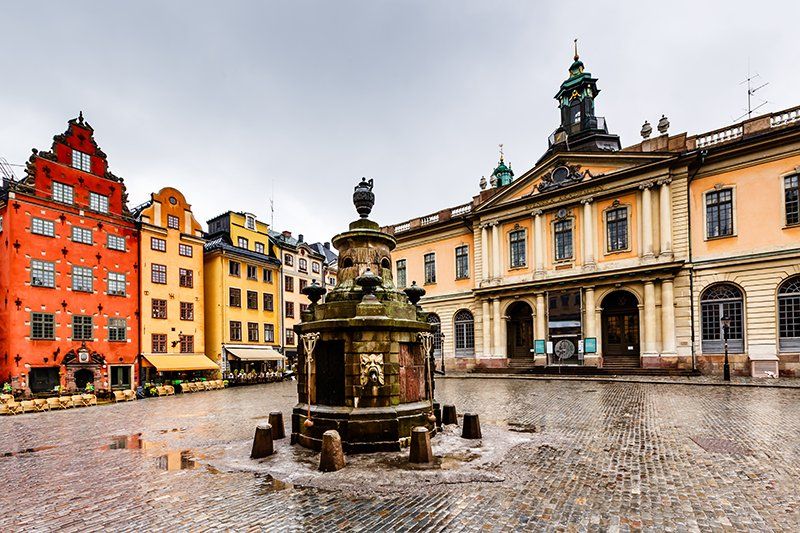
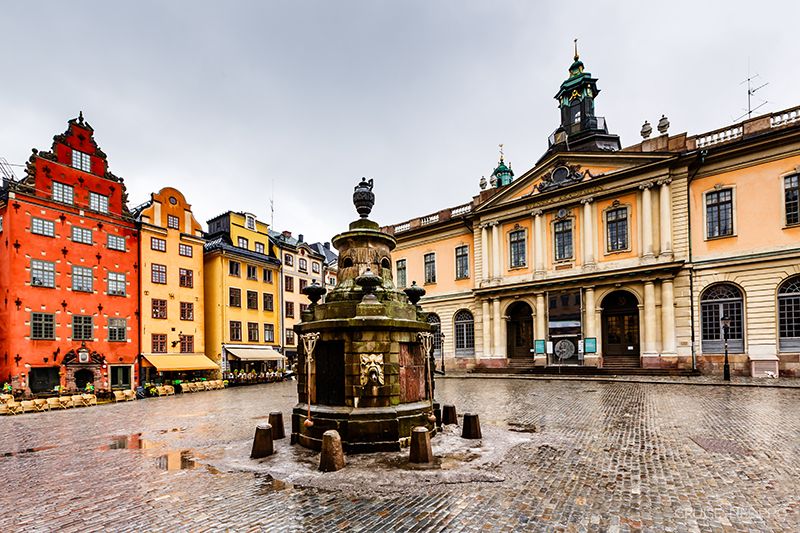
Stortorjret Square
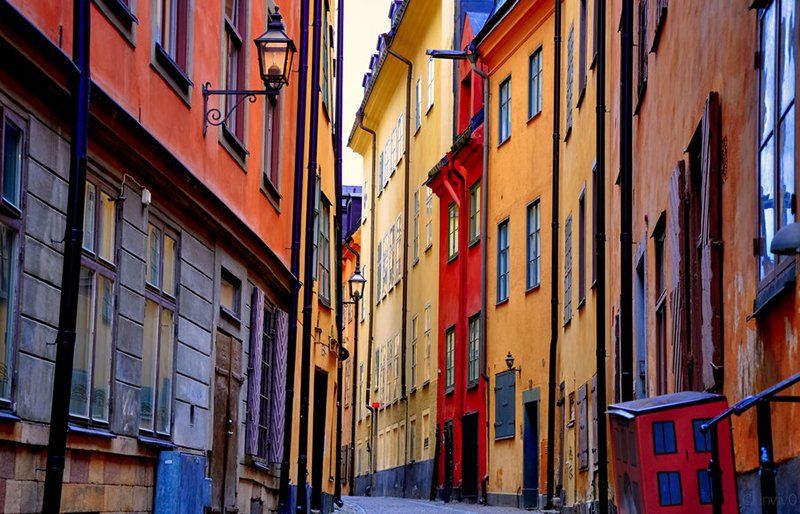
The square was the hub of life in old Stockholm since its founding. Trade took place here, and meetings were held. In addition to the large building of the Swedish Academy, the facades of 17th-century merchant houses open onto the square. Almost all of them have preserved their original appearance. In particular, to the left of the Academy building stand narrow, two- to three-window houses with distinctive openwork iron details on their facades. These are ankarslåut-iron brackets that serve as ties, thereby reinforcing the structure. Historians can identify the style of an era by such signs, because over different years the shapes of these decorative iron pieces looked different. For instance, a pattern in the form of an elaborate letter “X” is characteristic of the Middle Ages, while one shaped like scissors is typical of the mid-19th century.
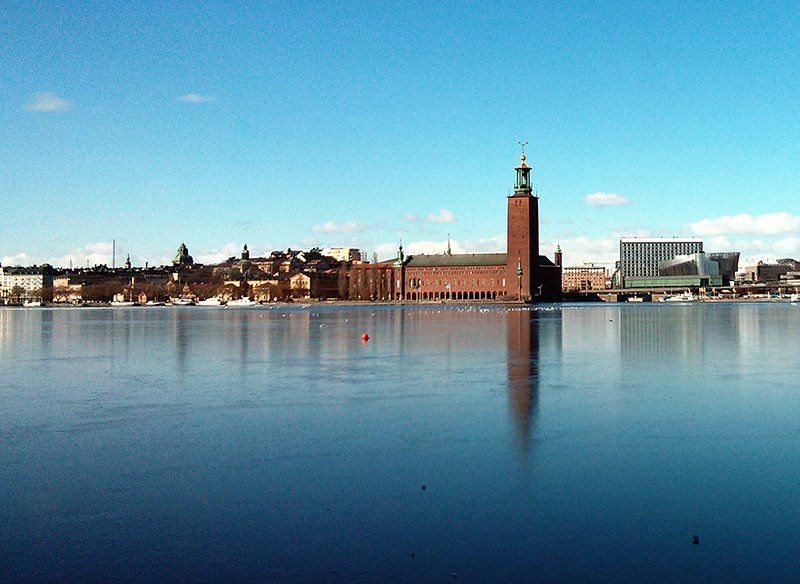
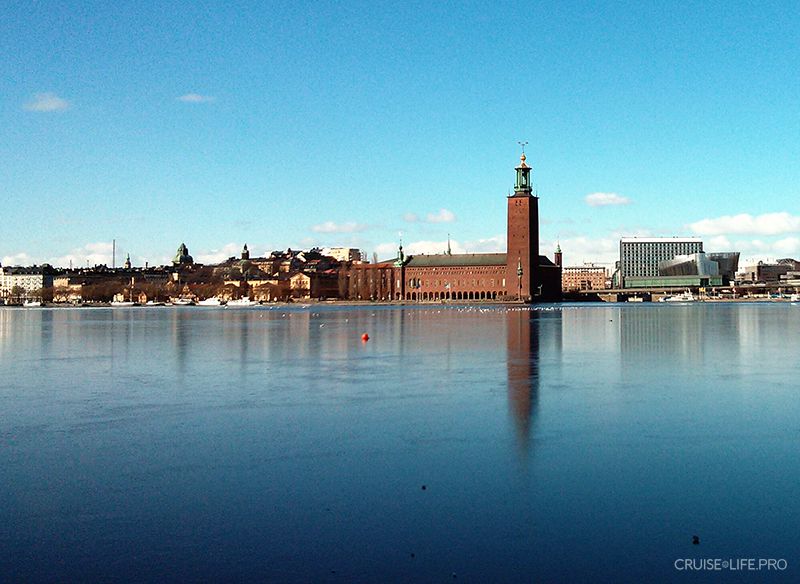
Town Hall
From above, Stockholm can be viewed from the bird’s-eye perspective by climbing the city hall tower. Up there, strong winds blow, so even in summer a warm hooded jacket won’t hurt. You can also visit the hall where the Nobel Prize banquet is held. However, getting into the town hall isn’t easy: there’s a long queue, and climbing to the top on foot through narrow corridors is a real test of endurance.