St. Lucia, West Indies

Port of call

St. Lucia, West Indies

Description — St. Lucia, West Indies

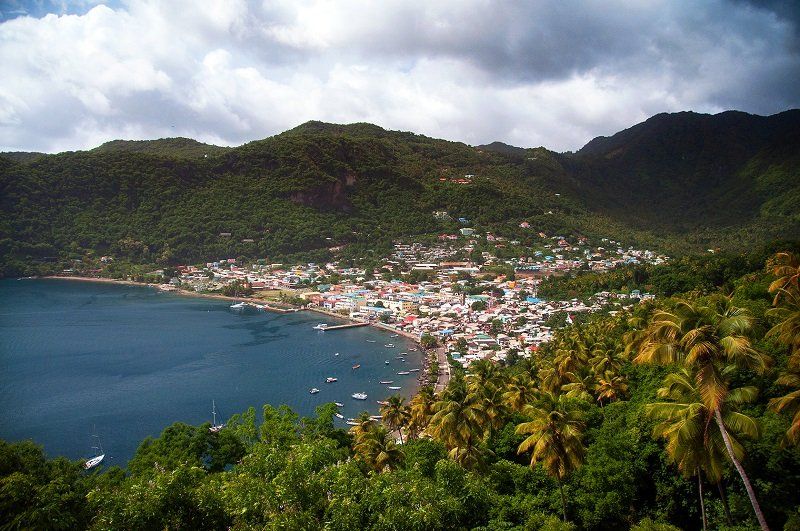
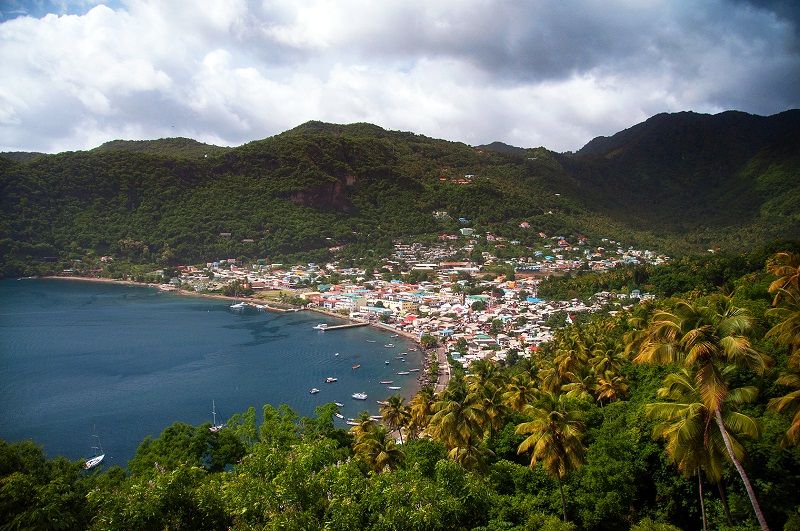
Soufrière is the oldest city on the island of Saint Lucia and its capital during the French period of rule. It is located on the western coast of the island. The city sits in a beautiful deep-water bay at the foothills of the dormant volcano of Petit Piton (750 m), which is currently within the boundaries of the Pitons Protected Area. The city was almost completely destroyed by hurricanes in 1780, 1817, 1831, 1898 and 1980, as well as by an earthquake in 1839; in 1955, almost half of its structures were destroyed by a major fire.

Nevertheless, the town is so beautiful that it is constantly used as a filming location for movies of the most diverse kinds (here, "Superman II", "Water" and "White Creek" were filmed), and its brightly colored buildings provide a picturesque contrast to the surrounding green slopes of ancient volcanoes and hills. Like other fishing settlements on the west coast, Soufrière is built with old houses featuring tiled roofs and with the obligatory balconies with wrought-iron railings (in the center); in the outskirts there are plenty of fully modern buildings made of glass and concrete. You can easily walk around the town in an hour and a half, and the abundance of narrow streets literally squeezed between the walls of houses makes guided walking tours here one of the most popular ways to explore its neighborhoods.

Saint Lucia is an island in the Windward Islands of the West Indies between the islands of Saint Vincent and Martinique. The island is washed to the north by the Saint Lucia Channel and to the south by the Saint Vincent Channel, which connect the Caribbean Sea with the waters of the Atlantic Ocean. The area is 616 km². The island is part of the Lesser Antilles archipelago. Saint Lucia is of volcanic origin, which is why it is more mountainous than most other islands of the Caribbean. In essence, it is the summit of an ancient volcanic group whose cones form the main mountain peaks of the country.

Climate

The climate is tropical trade-wind; sea breezes soften the heat. Average monthly temperatures are 18-26 °C, with precipitation from 1500 to 3000 mm per year. The dry season runs from January to April; the rainy season from May to August. At any time of year, strong but short-lived downpours may occur, usually toward the end of the day.


Location on the map

Sights

Church of Our Lady of the Assumption

Church of Our Lady of the Assumption

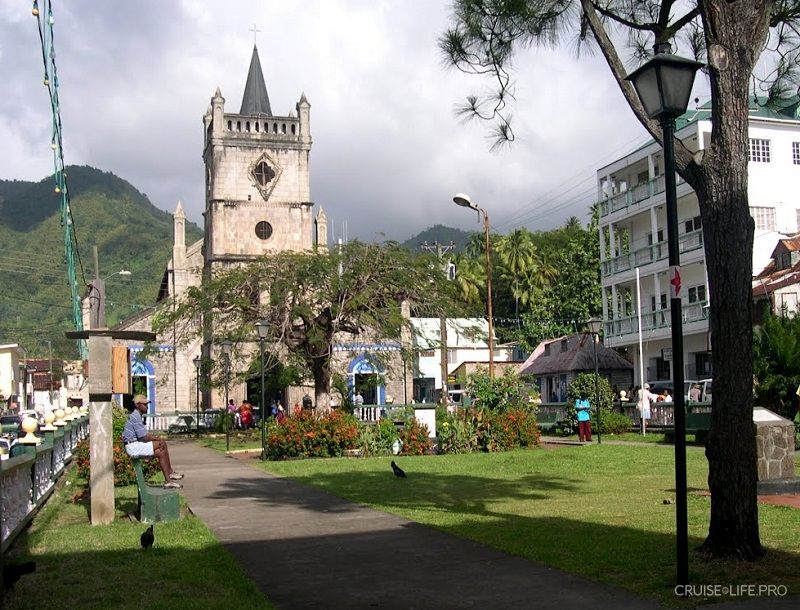
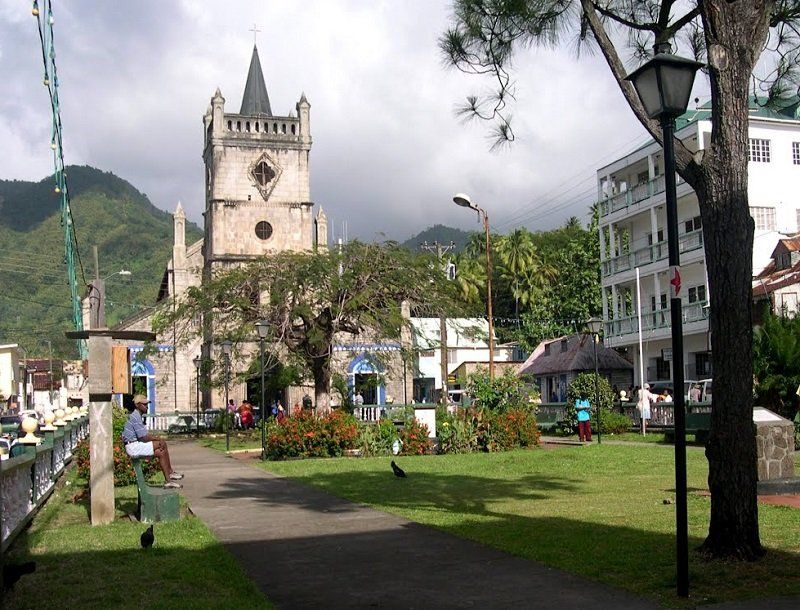
The city center is a peaceful, shady square between Bridge and Church streets. Surrounded by houses built in a classic French colonial style, with balconies and intricate decorative woodwork, it serves as a kind of setting for the Church of Our Lady of the Assumption, built in 1953 on the site of older churches that were destroyed by earthquakes and fire (the town was almost completely devastated by hurricanes in 1780, 1817, 1831, 1898 and 1980, as well as by an earthquake in 1839, and in 1955 almost half of its buildings were destroyed by a massive fire).

What to see

Mamiko’s Gardens

Mamiko’s Gardens

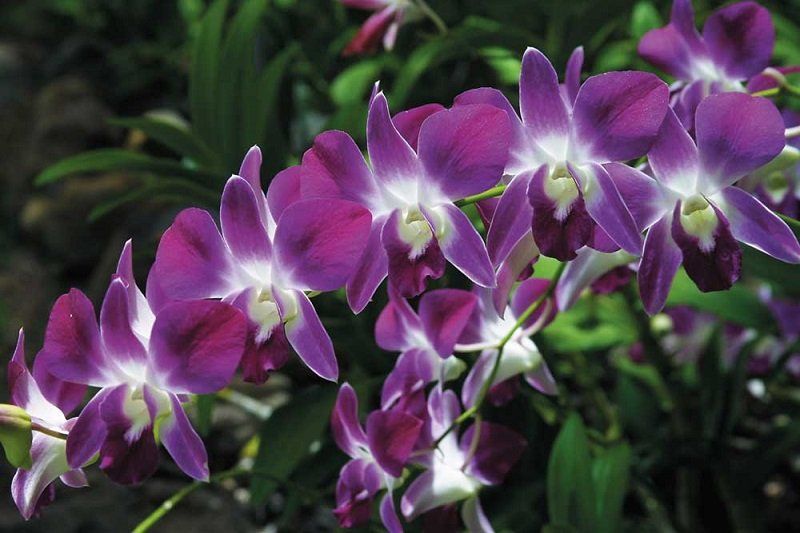
Momiku’s Gardens surround the ruins of the eponymous 18th-century estate, located along the road to Vieux Fort. The gardens cover an area of 5 hectares and are planted with tropical plants, flowers, and trees; medicinal shrubs also grow here, as well as rare trees on the brink of extinction. During archaeological excavations, fragments of 18th-century ceramic ware were found on site. The gardens are divided into several types: the Mystical Garden, the Secret Garden, Veronica’s Garden, and the Botanical Garden. Veronica’s Garden is named after the current owner of the estate. In the Botanical Garden, you can see all the rare plant species that are on the brink of extinction. Today, the estate has become an operating plantation for growing bananas, tropical flowers, and fruit.

Rainforest National Park

Rainforest National Park

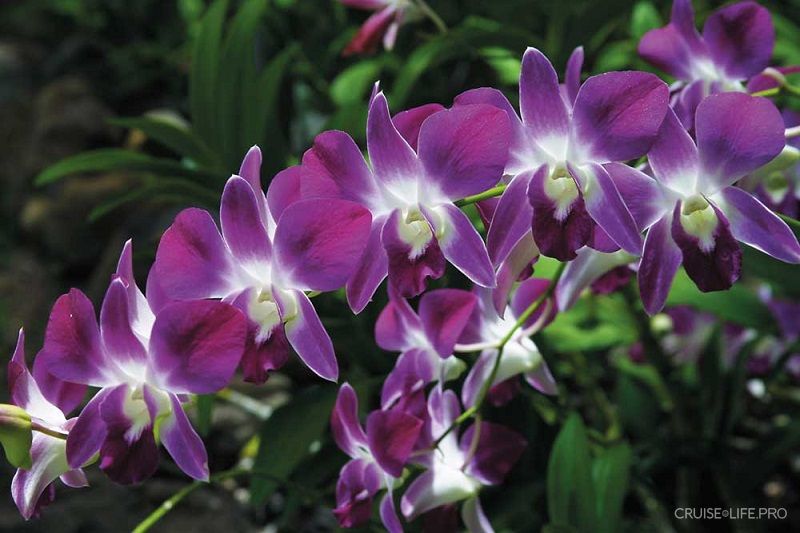
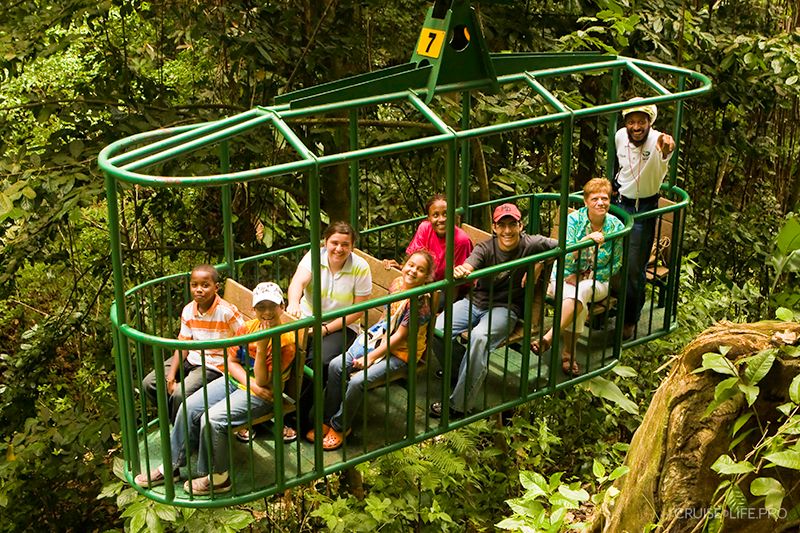
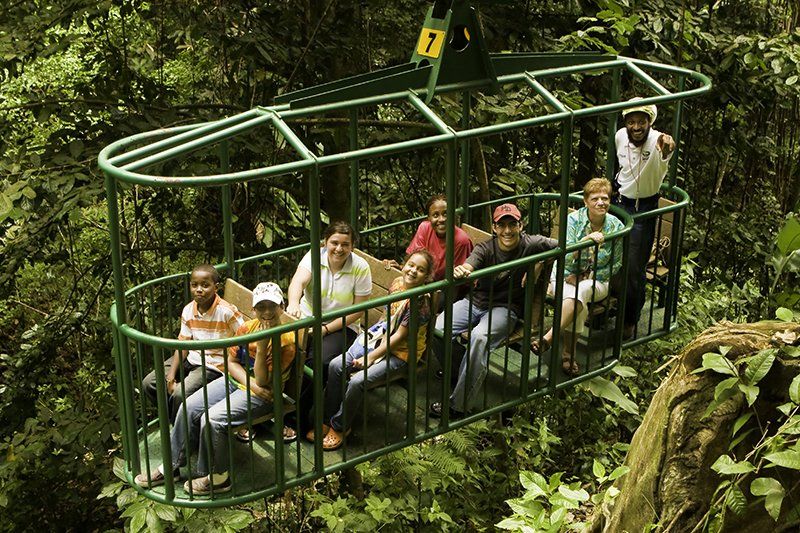
The territory of the Rainforest National Park stretches at the foot of the local Morn-Gimi mountain, which is the highest point in the country. About 300 plant species grow within the park, including: orchids, ferns, “birds of paradise” shrubs, palms, and other remarkable plant varieties. You can also see the exotic anthurium flower, also known as the “tail flower” for its spectacular tail-like appearance. The park’s fauna includes a variety of reptiles, among which you can find the ground lizard, as well as mammals, among which mostly rodents. Among the birds, the Amazon iridescent parrots stand out especially. The National Park attracts tourists with its evergreen forests and beautiful views.

Sulfur Springs of La Soufrière

Sulfur Springs of La Soufrière

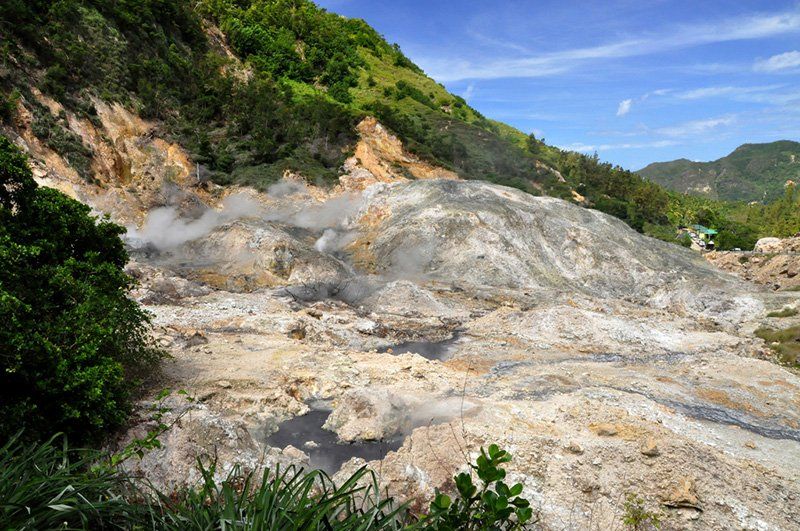
La-Soufrière is a series of sulfur springs located in the vicinity of the ancient Piton volcano, which erupts mineralized water and superheated steam. The road to the springs goes right through the volcano’s crater, which releases steam and sulfur along with boiling mud. The springs are not only worth admiring. Here, mud baths are available, which are very popular with tourists. The water in the pools contains mineral substances of volcanic origin and has healing properties that have a beneficial effect on the skin.

Pigeon Island National Park

Pigeon Island National Park

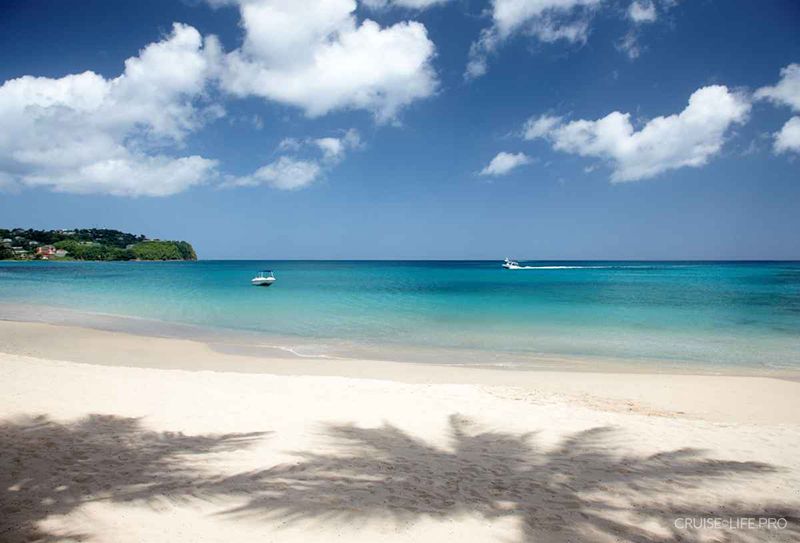
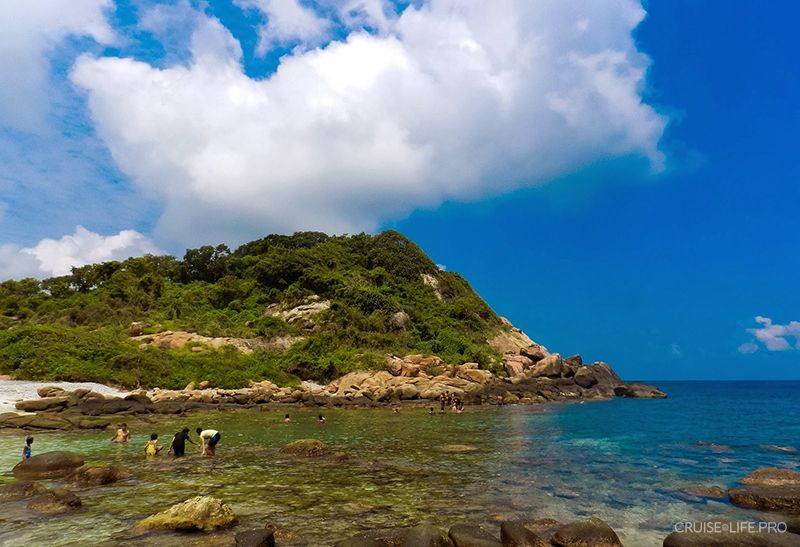
Pigeon Island National Park appeared on the island of Saint Lucia in 1979. The park is famous for its rich flora and birdlife, which includes such important species as Rémier’s doves, orioles, frigatebirds, herons and other feathered residents. In the XVI century, this island was a haven for pirates, and two centuries later, British Admiral George Rodney arrived here, having fortified the island and built a fort on it. In 1970, a sandy causeway was constructed, connecting Gros Islet and Pigeon Island, thus making the island a peninsula. Today the historic park includes the ruins of a fortress, barracks, and rusty cannons. Beyond the fort you can enjoy a stunning beach with the softest sand. There is also a great museum that reveals the history of the peninsula.

Pitons Volcanoes

Pitons Volcanoes

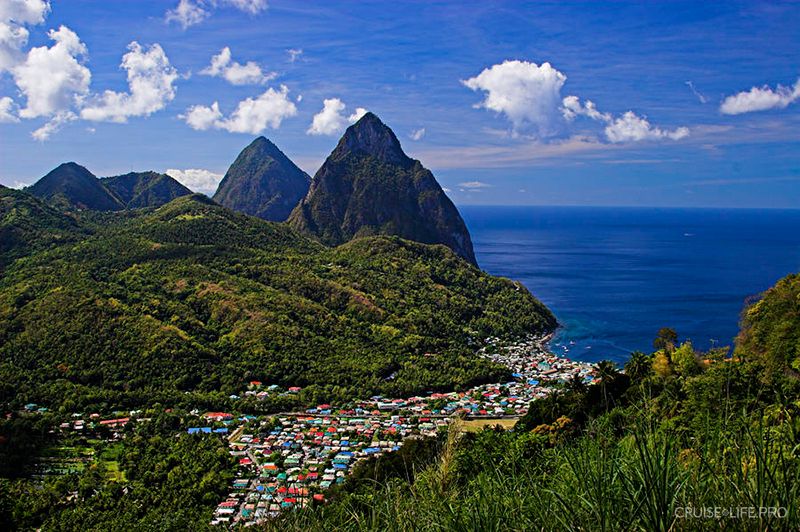
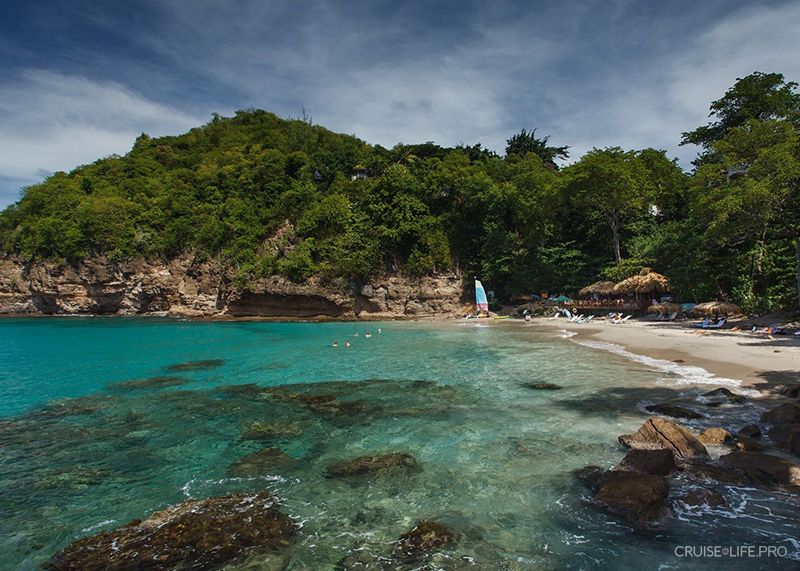
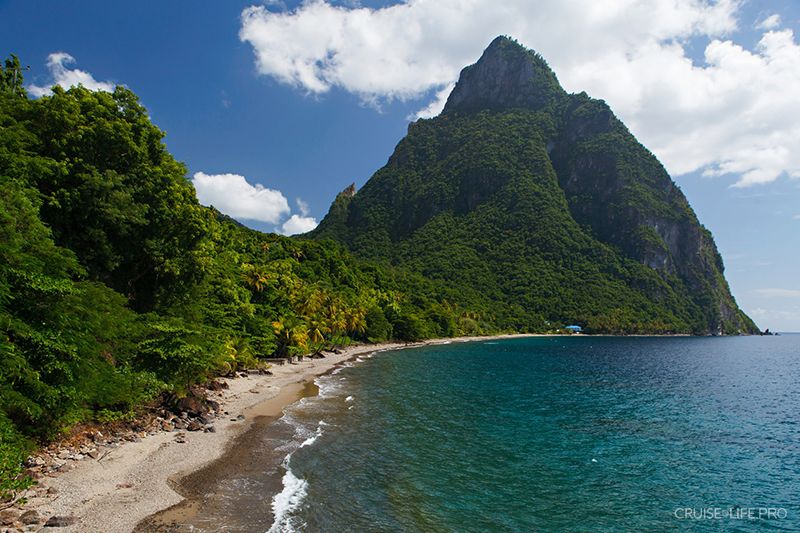
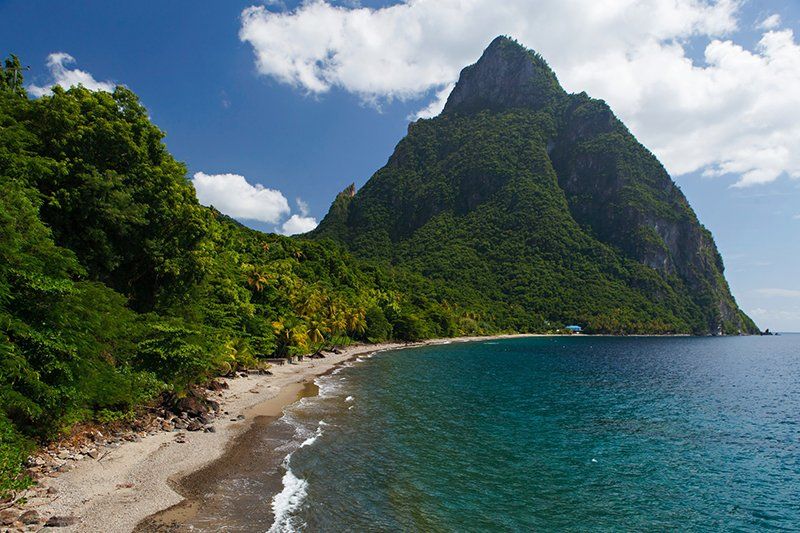
The main natural attraction of the country, listed by UNESCO, offers a great opportunity to trace the entire history of volcanic activity in Saint Lucia. From the ancient volcanic system that stirred up the West Indies 40 thousand years ago, only a couple of dormant vents remain-connected by a ridge and visible even from Martinique. To climb to the Pitons’ summits, from which you can enjoy an excellent panorama of Saint Lucia, you do not need professional equipment: all you need is a good mood and solid physical fitness. Just as interesting is the walk through the foothills of the volcanic peaks. Deep in the heart of tropical forests, filled with unique plants, hidden craters and frozen lava rivers can be found. Along the slopes of the volcanoes, there are excellent beaches.

Recommended excursions

Island sightseeing tour

Island sightseeing tour

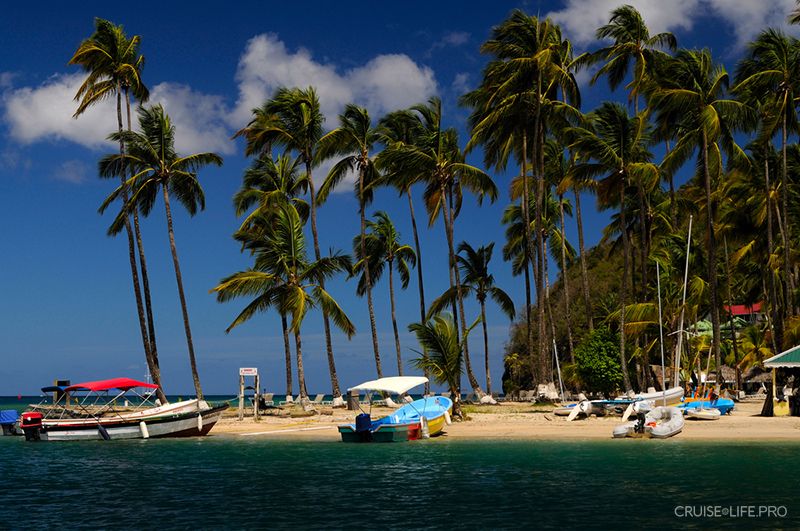
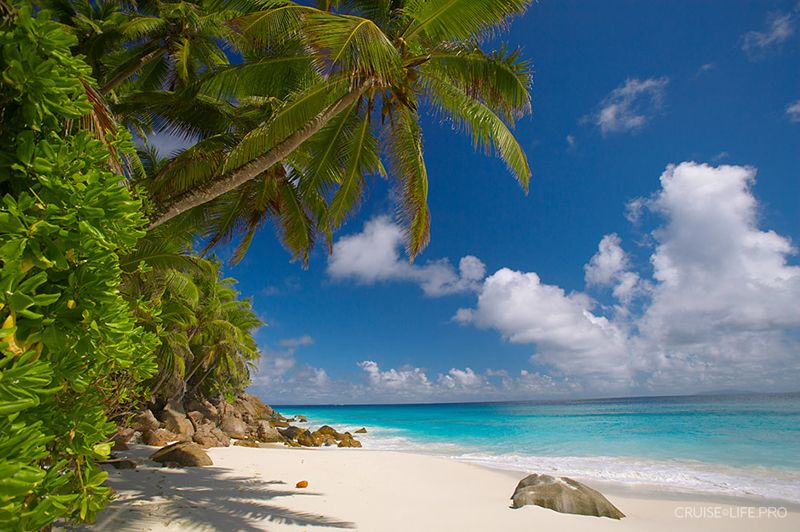
During the excursion, you will explore banana plantations, be amazed by the grandeur of the Pitons, visit healing springs bubbling up from the ground, and see steaming volcanoes. You will swim under the streams of the crystal-clear waterfall and find yourself in true paradise at Jalousie Beach, where you can relax, sunbathe, and swim to your heart’s content, including with a snorkel and mask. These and many other adventures await you on an unforgettable tour of the enchantingly beautiful island of Saint Lucia.

Frygat Island Wildlife Reserve

Frygat Island Wildlife Reserve

The reserve is known as a nesting place for countless birds. The most remarkable bird species are frigates due to their appearance. The males have huge inflatable red throat pouches, with a diameter of about 25 cm. The females, on the other hand, have a white throat. Frigates spend all their time in the air, while keeping their wings almost motionless for long periods. Frigates cannot swim and do not feel confident on the water, so they nest in tall trees. Reptiles are also of great interest in the reserve, including the boa constrictor and a fairly venomous pit viper, the "fer-de-lance." Boas can reach 3-4 meters in length, but females are larger than males. Boas live near water bodies, while vipers settle in the jungles.

For a more detailed list of excursions and their prices, you can view it after booking your cruise in your “Client Personal Account”.