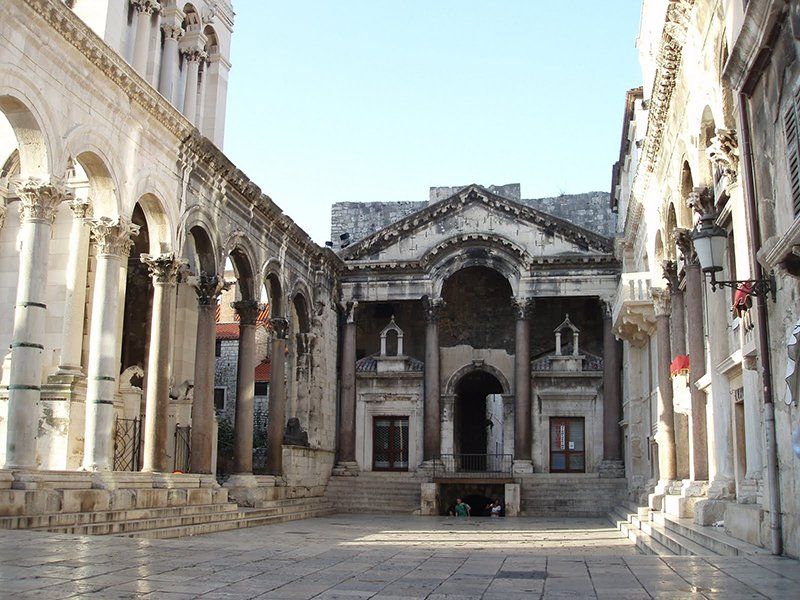
Diocletian's Palace
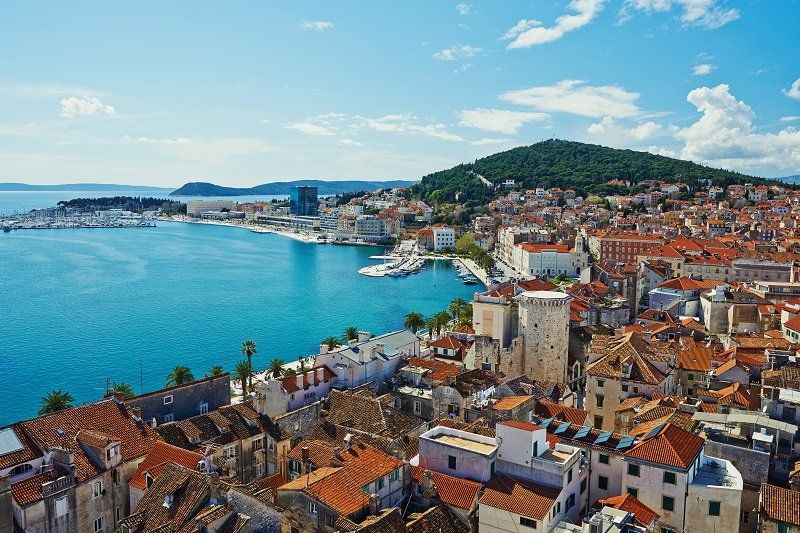
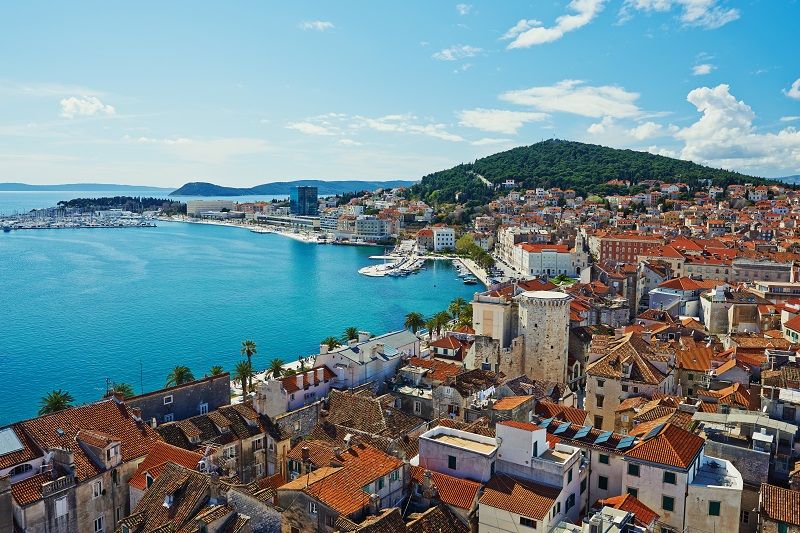
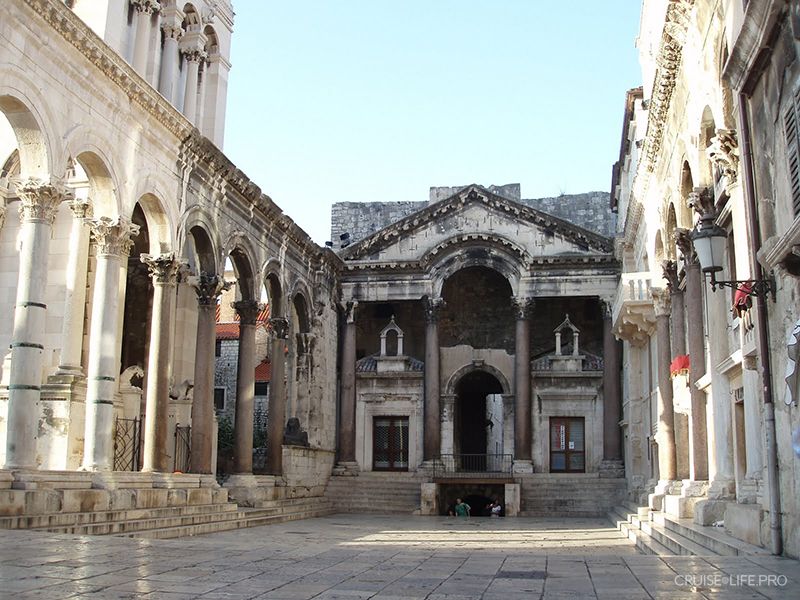
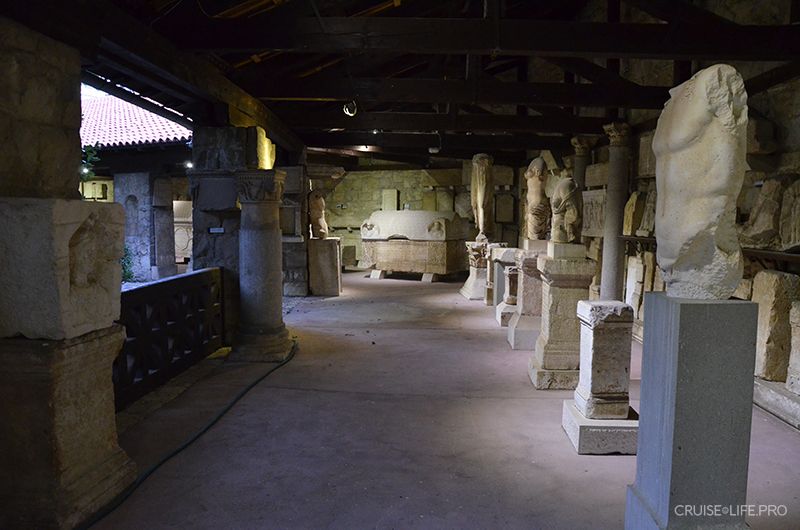
This wasn’t a palace built in Split; it was Split itself that grew around the palace, which the Roman emperor Diocletian had had built for himself in the 3rd century. Marble for the palace was brought from Turkey, granite columns and sphinxes-from Egypt. The square building was so enormous (area - three hectares) that over time it turned into a fortress, protecting local residents from barbarian attacks. Years later, a city emerged from the fortress. Diocletian’s Palace has been preserved quite well. To this day, the imperial mausoleum (now part of a large Catholic cathedral dedicated to Saint Domnius), the Temple of Jupiter, three watchtowers, and the Peristyle have survived - a four-sided open-air hall surrounded by marble columns, which today has been claimed by street musicians and amateur choirs.
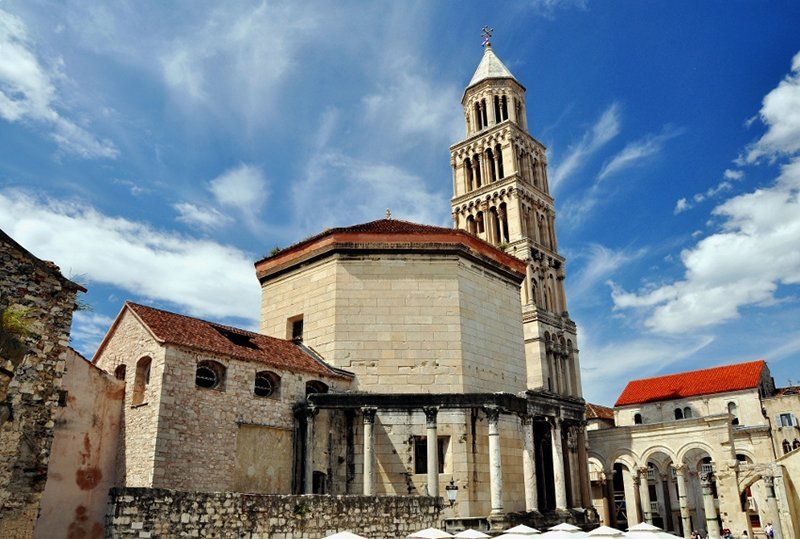
Cathedral of Saint Domnia
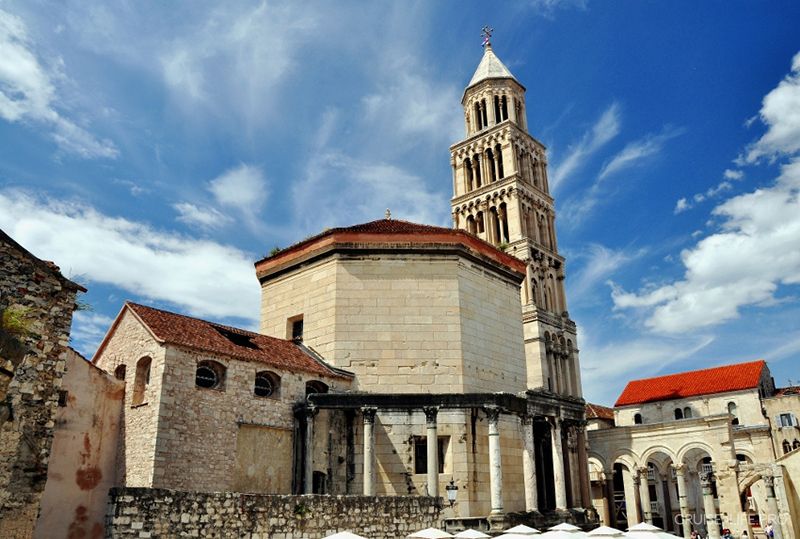
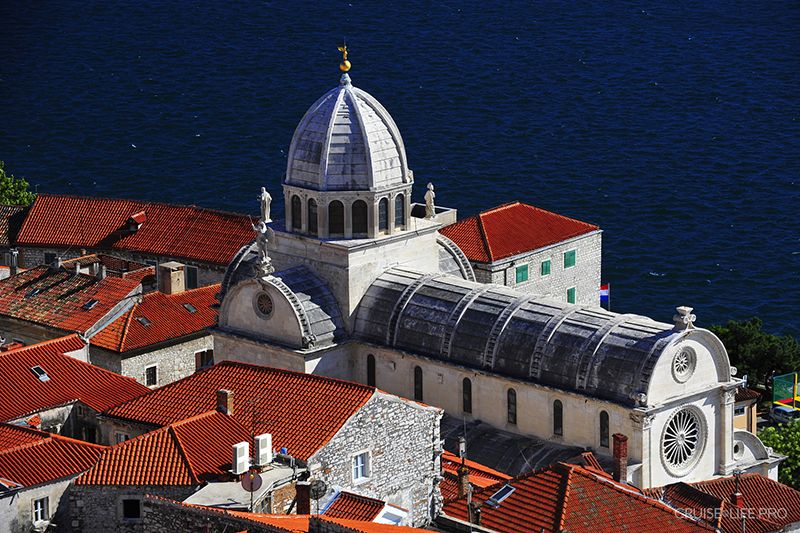
This temple is still in use. It is located in the center of the palace complex and consists of three parts, built in different eras. The main part of the temple, and the oldest, is Emperor Diocletian’s mausoleum. In the Middle Ages, a church was added to the mausoleum, and a tall bell tower was built. Later, the chancel (a special balcony for the church choir) was added as well. You can climb the bell tower and, from up high, enjoy a bird’s-eye view of the city. By the way, the Cathedral in Split is named after Saint Duje, or Domnius, the city’s patron saint, who was executed on Diocletian’s orders for spreading Christian doctrines in the Roman Empire. Very interesting is the tall wooden door at the entrance to the Cathedral: on its panels, 14 scenes from the life of Christ are carved.