Sicily, Taormina, Italy

Port of call

Sicily, Taormina, Italy

Description — Sicily, Taormina, Italy

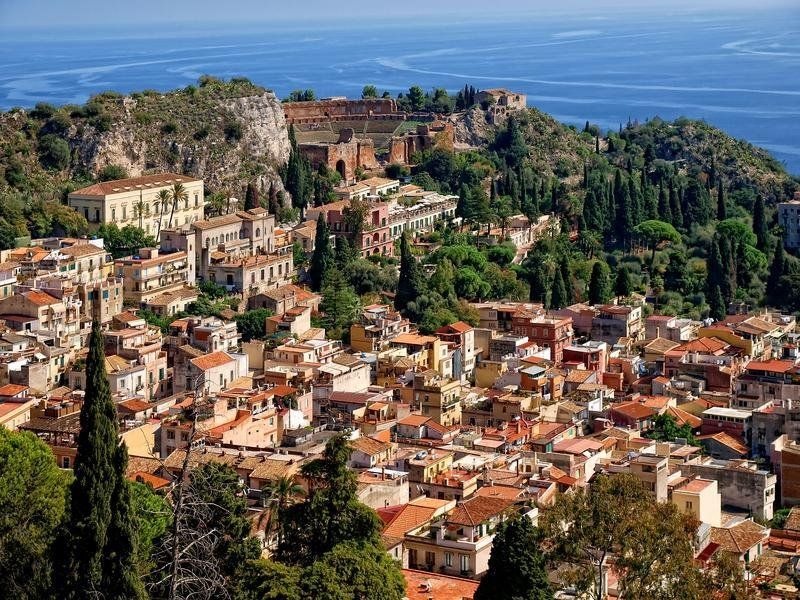
Taormina, the ancient Taurmenion, - a historic town on the eastern coast of Sicily (Italy), on the slopes of Mount Tauro, on a terrace, 206 m above sea level, and halfway between Messina and Catania.

Taormina was founded in the 4th century BC by the Greeks and was originally called Taurmenion. Later it came under Roman rule, and was then recaptured by the Arabs, who took away everything they could carry out of the city. With the arrival of the Normans, who drove the city back, calmer times began for Taormina. The Middle Ages with their internecine conflicts are reminiscent only of a few palazzoes - and even those are now perceived only as attractions that delight the eye. But at the beginning of the 19th century, life in Taormina changed dramatically-above all because of the ancient ruins and the Roman Odeon. First archaeologists and historians, and then the entire European well-to-do intelligentsia chose the town as a resort destination. Convenient beaches, excellent climate and luxurious nature of these places turned a small town into one of the most popular resorts of the upper class.

Not just a paradise, but a quiet paradise. That is what Nabokov, Dalí, Wagner, Dumas, Goethe and a dozen more classics of world art called Taormina. The town is incredibly beautiful and completely immersed in greenery and the vibrant colors of flowers. Lemons, grapefruits, coastal pines, almonds, palms and cypresses hardly ever leave their foliage to reveal the countless monuments of Greco-Roman culture and medieval palaces.

Sicily is the largest region by area among the regions of Italy. The whole territory consists of islands, with 98% belonging to the island of Sicily, which is separated from mainland Italy by the Strait of Messina. On the island of Sicily there is the active volcano Mount Etna, about 3329 meters high. On this island, there are also several inactive volcanoes. On the nearby Aeolian Islands, located to the north-east of Sicily, there is the active volcano Stromboli.

On the island of Sicily, a mountainous and hilly terrain predominates; there are several mountain ranges, the largest of which are the Sicilian Apennines. Plateaus and plains make up only 14% of the island’s total area. The coastline of the island of Sicily, which is predominantly rocky in the north and sandy in the south, has an extension of about 1000 km. The central part of Sicily, meanwhile, is characterized by hilly terrain.

Climate

The climate of Taormina is Mediterranean, characterized by mild winters and hot summers. High temperatures here are easy to bear thanks to the sea’s proximity. In summer, the average temperature is usually above +30°C. In winter, the average is around +15°C; in autumn it is hotter than in spring. In May, in Palermo, the bathing season already begins and lasts until the end of October. Summer is a dry period-there are practically no rainfall. The maximum amount of precipitation falls in autumn.

Location on the map

Sights

St. Giuseppe Church

St. Giuseppe Church

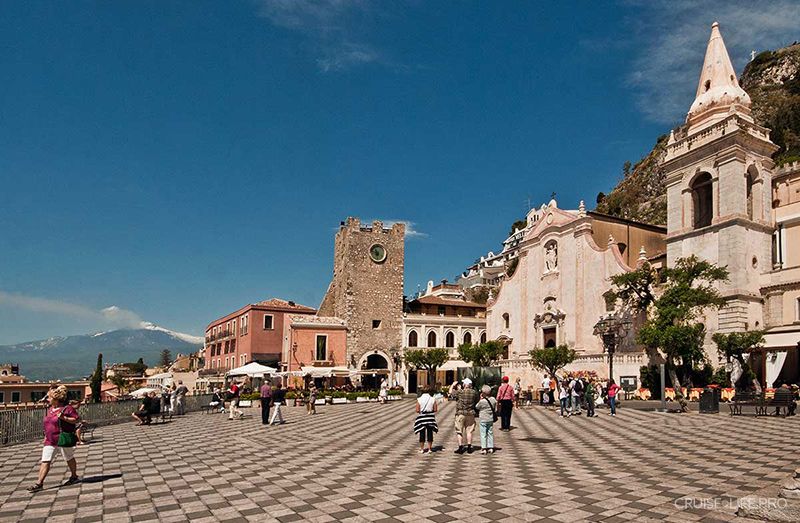
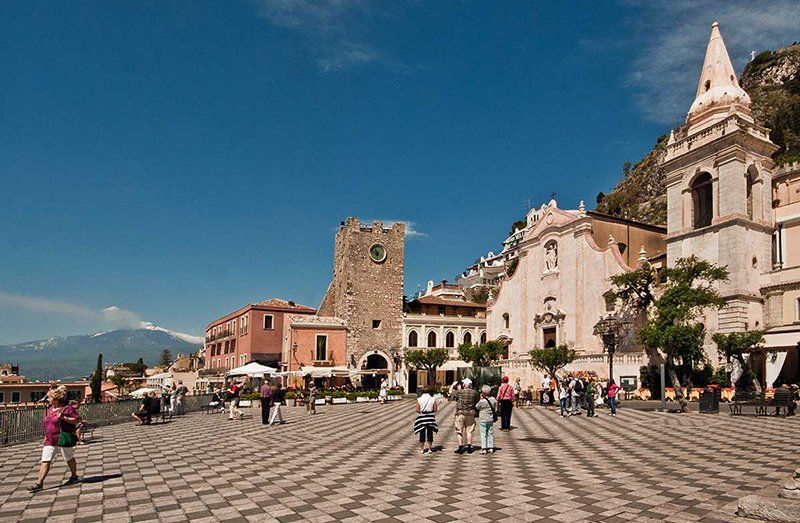
The Church of Saint Giuseppe is located in one of the most charming squares in Taormina - April 9 Square. This ancient temple was built in the style of Sicilian Baroque in the 17th century and still remains in use today. Its wonderful pale-white facade changes color from delicate pink at dawn to sandy hues at sunset. At the foot of the church, on the chessboard paving of the square, street musicians and local artists gather to paint delightful Taormina landscapes on canvas and paper. If you climb the church bell tower, one of these worthy scenes painted by an artist’s brush will present itself in all its glory: the waters of the cozy bay and the ruins of the ancient theater against the majestic Mount Etna.
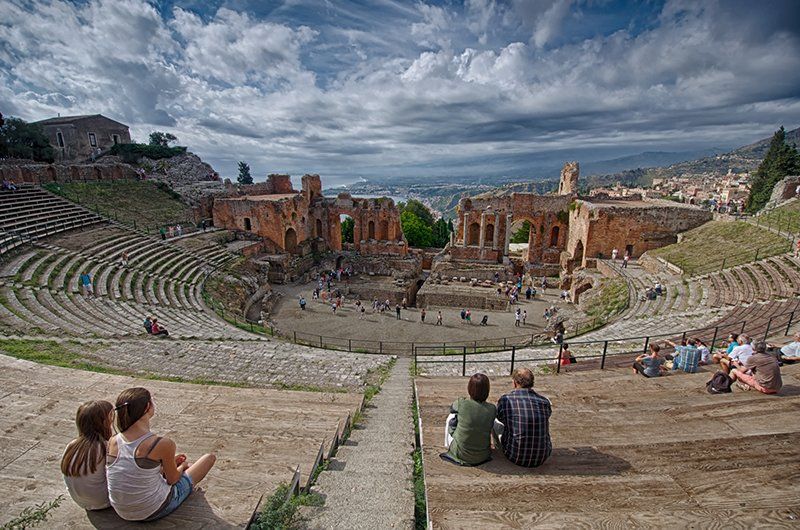
Greek Theatre

Greek Theatre

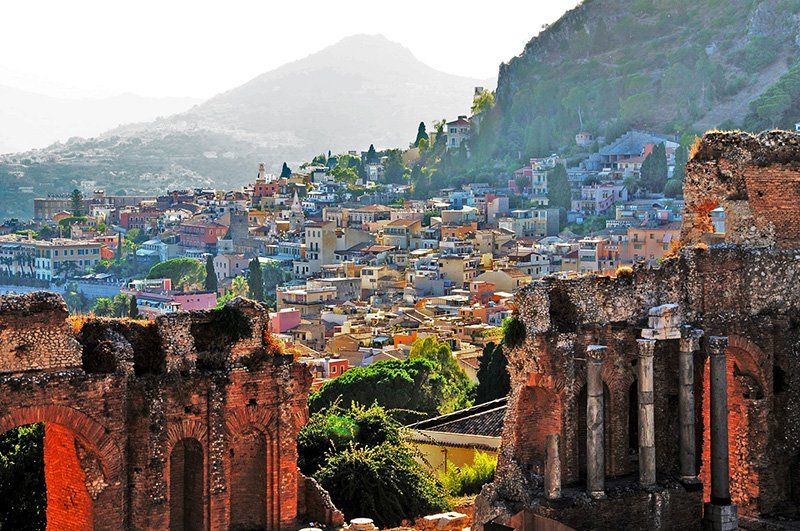
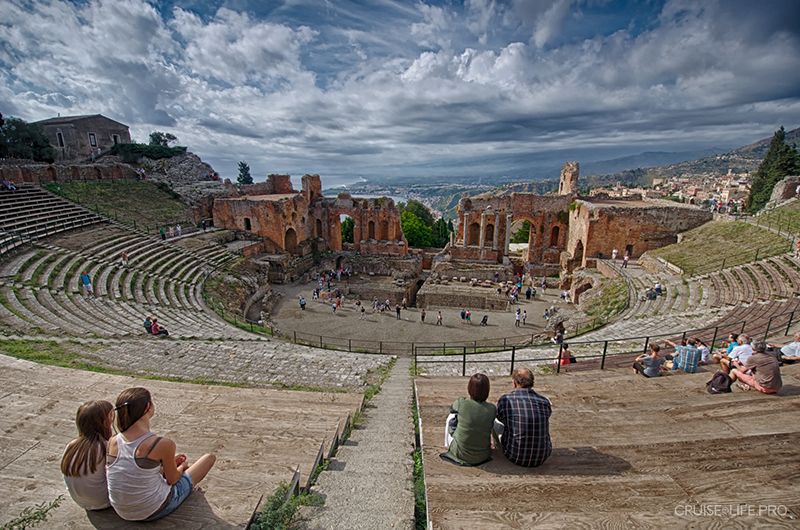
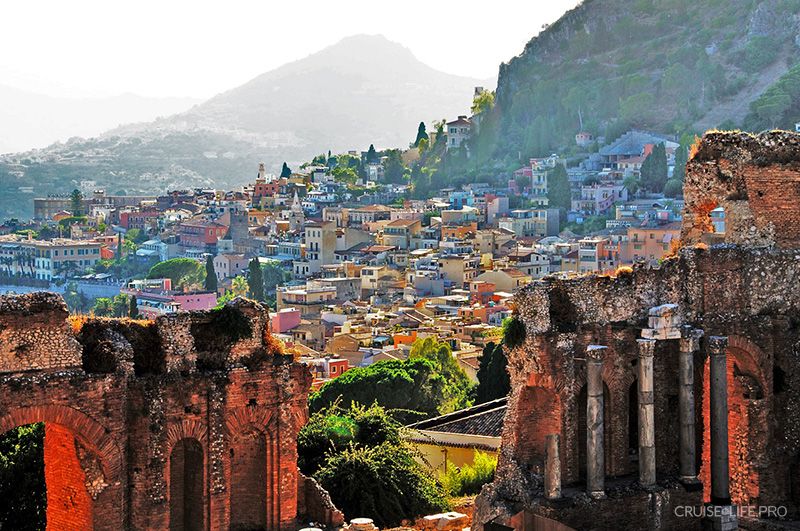
One of the most atmospheric places in Taormina is the Greek theatre, carved into the rocks in the 2nd century BC. The ancient arena with its tiers and stands, despite its venerable age, has been wonderfully preserved to this day. Both the stage with its remarkable acoustics and the rows of columns are still there, as well as the seating designed for 10,000 spectators. From the upper rows of the amphitheatre, you can enjoy a stunning view of the Gulf of the Ionian Sea and the majestic Mount Etna. The Greek Theatre of Taormina is still used for its intended purpose-numerous film festivals are held here, along with concerts and theatrical performances.
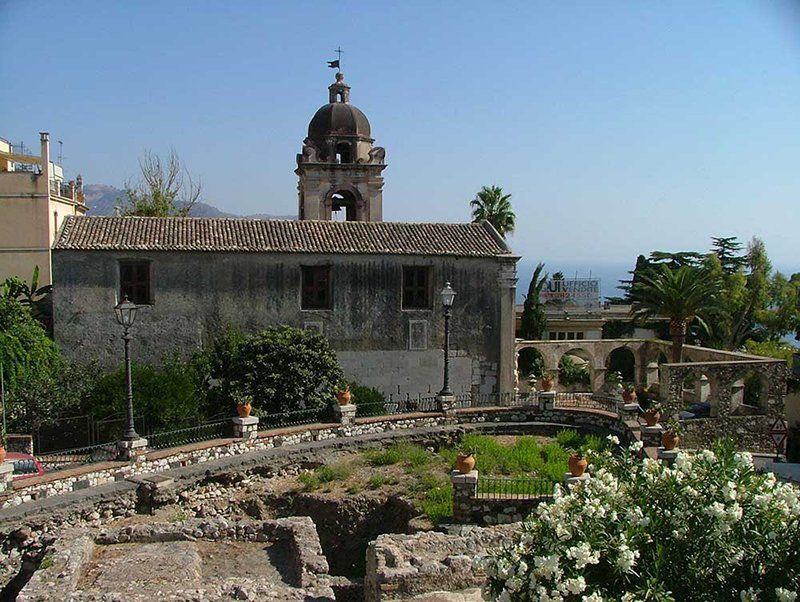
St. Pancras Church

St. Pancras Church

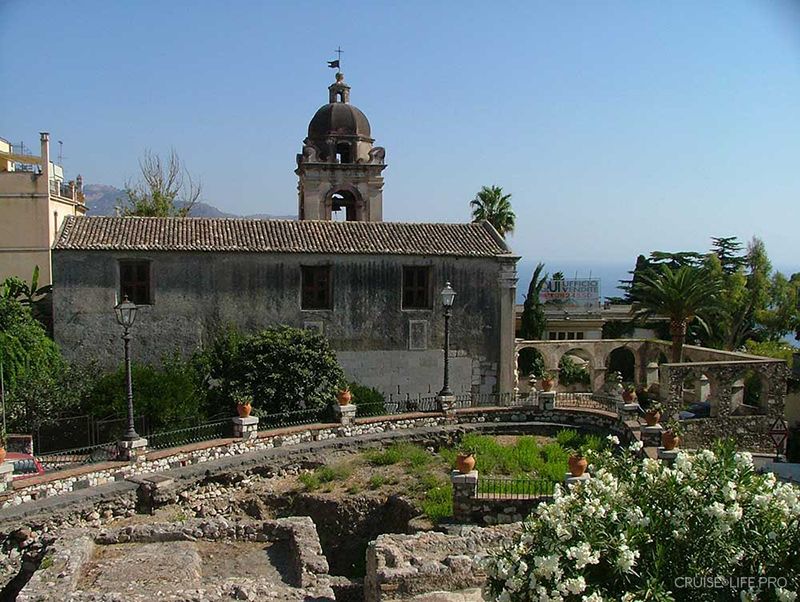
Bathed in sunlight, a basilica rising above the sea expanses was built in Taormina in the 17th century on the site of an ancient temple erected in honor of the Greco-Egyptian god Serapis (the remains of the foundation of the old structure can still be found near San Pancrazio). The new church was named after Saint Pancrazio, a native of Sicily and patron of Taormina, who converted many pagans to the Christian faith, for which he was put to death. The church’s interiors of marble and local stone, adorned with brilliantly executed frescoes depicting Saint Pancrazio’s ordeals, are not on public view every day. The basilica’s opening hours should be checked in advance, or you can simply enjoy its outdoor beauty and panoramic views.
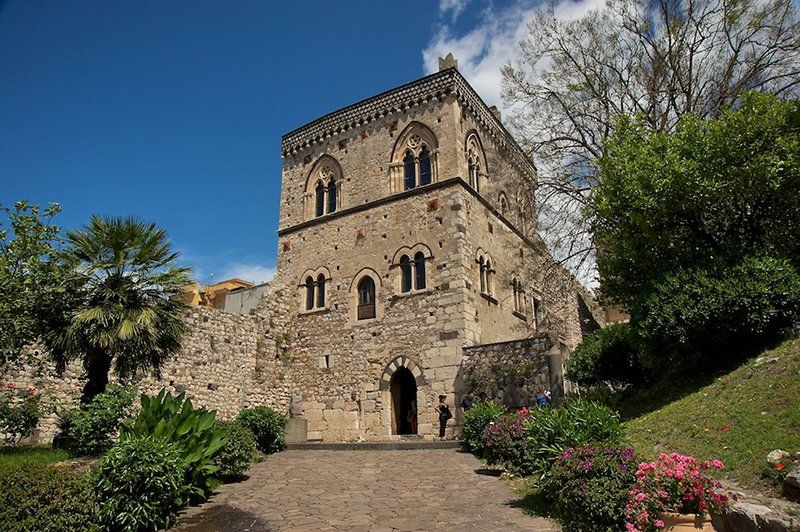
Coral Palace

Coral Palace

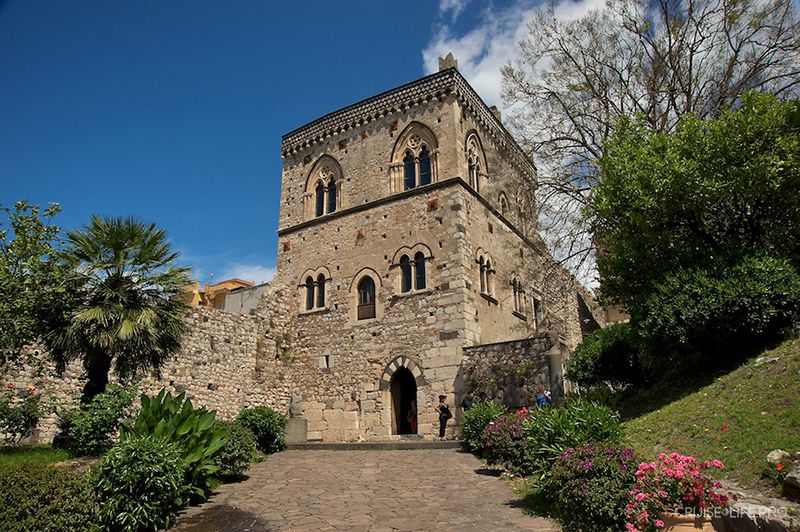
On one of the central squares of old Taormina, called Vittorio Emanuele, stands the city’s oldest palace of Corvaja. An old Arabian tower served as the foundation for this palazzo. In the 15th century, a beautiful building rose on its site, combining in its architecture Moorish and Norman styles: a trapezoidal shape, arched windows, and a staircase lined with sculptures. The façade is decorated with inscriptions in Latin, and a cozy inner courtyard brings the architectural ensemble together. At first, meetings of the Sicilian parliament were held within the palace walls. Today, it houses a fairly interesting museum of Sicilian folk art, as well as a tourist information center where you can get a detailed map of Taormina.
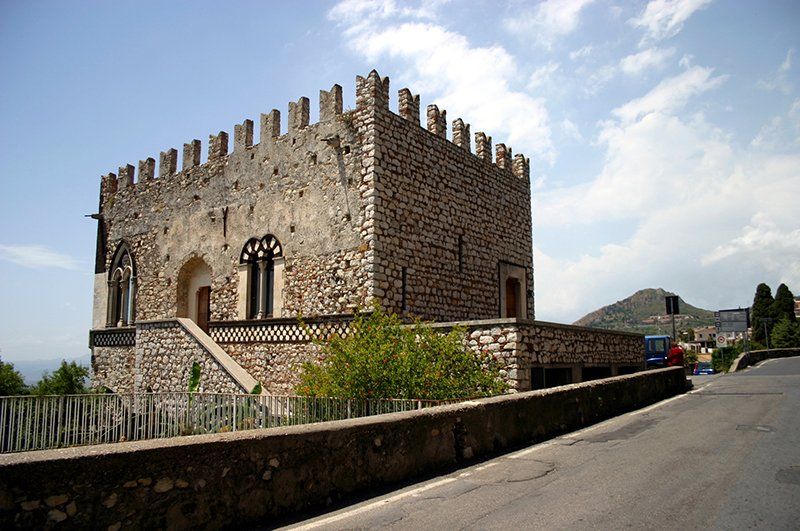
Badia Vecchia

Badia Vecchia

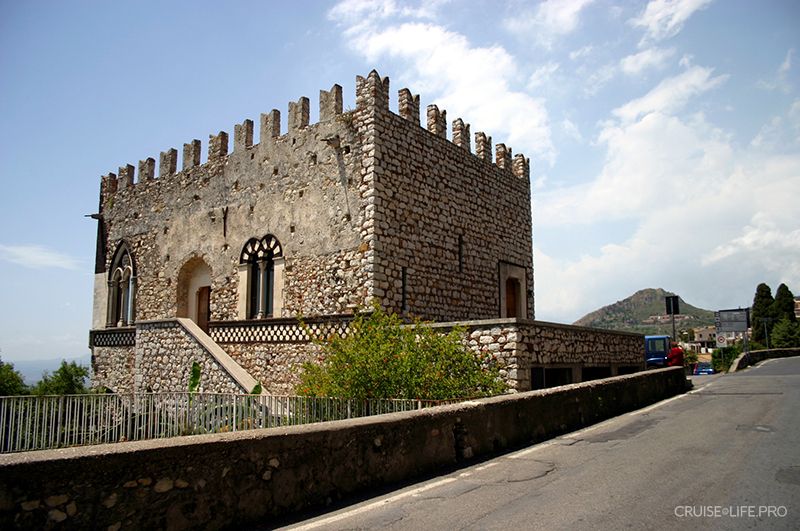
The massive Badia Vecchia tower, adorned with Ghibelline battlements, is reminiscent of the walls of the Moscow Kremlin. This powerful fortress was built in the 14th century by the Normans. But why the tower got this name and how it was used-Taormina’s residents can’t say. Perhaps a medieval abbey was located here, or maybe it served as a storage place for religious treasures. Today, visitors come to Badia Vecchia to admire its austere Norman style, the frieze made of lava stone, and its finishing with white Syracuse stone.
What to see

Gustav Humberto Course

Gustav Humberto Course

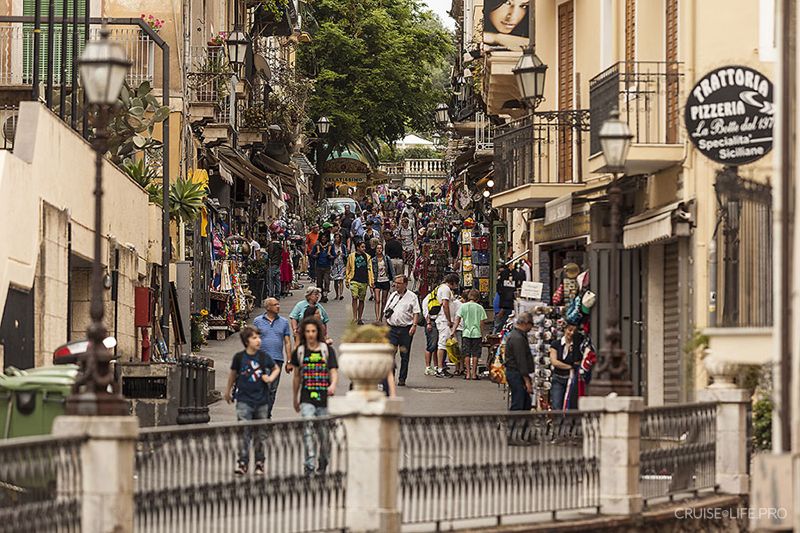
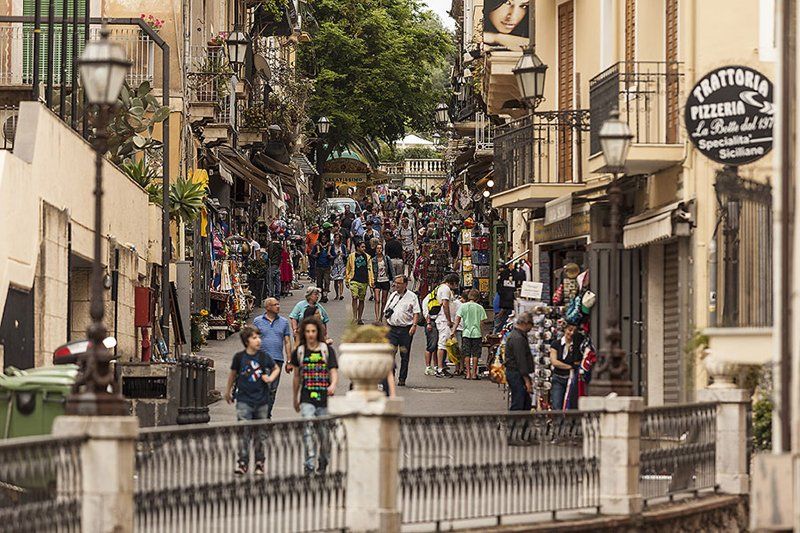
Passing through the ancient Messina Gate, the traveler enters the fairy-tale old town of Taormina. Here you’ll find nothing but three-story houses, whose first floors are filled with an incredible number of shops selling antiques and precious gemstones, souvenir stores with Venetian masks, lace umbrellas and painted vases, as well as cozy restaurants. And above the strolling public hover elegant balconies entwined with ivy and lined with flowerpots. On Corso Umberto, there are also historical attractions-for example, the ruins of Naumachia and the little churches of April 9th Square and Vittorio Emanuele.

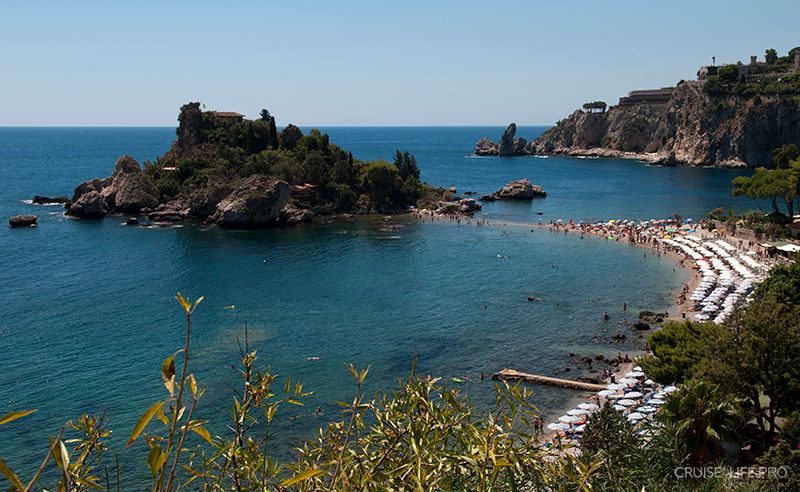
Isola Bella Island

Isola Bella Island

Beach in Mazzarò

Beach in Mazzarò

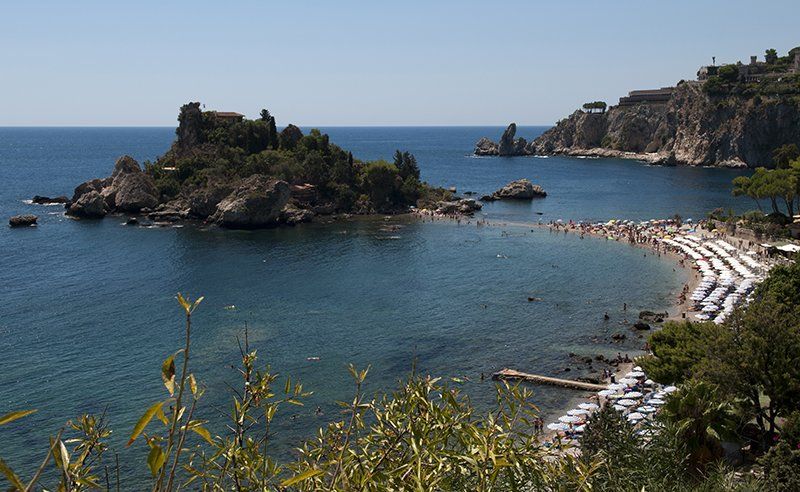
Between Taormina and the picturesque little island of Bella lies the Bay of Mazzaro-very beautiful and very beachy. No entrance fee, and the views are stunning: the water is crystal clear, and the depth allows you not only to swim, but also to do surfing and diving. The only downside is that the sand is rather coarse and often mixed with small pebbles; there are no shower cabins, and there are no sunbeds with umbrellas (except those from the restaurants), but you completely forget about that knowing you’re on one of the most beautiful beaches in Sicily. Getting here from Taormina is easy in several ways: by bus number 22, on foot along the narrow, winding streets, or while riding the gondola/ropeway car (about 10 minutes), which runs from the historic center straight to the Bay of Mazzaro.

Urban Garden

Urban Garden

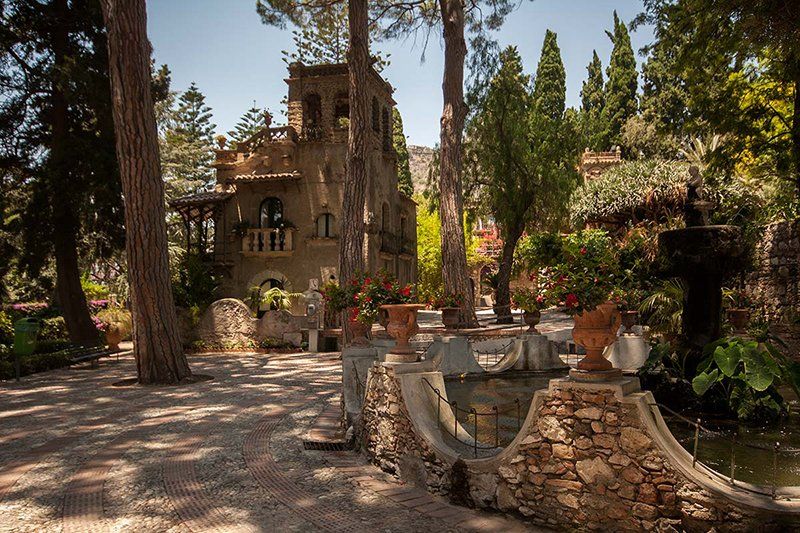
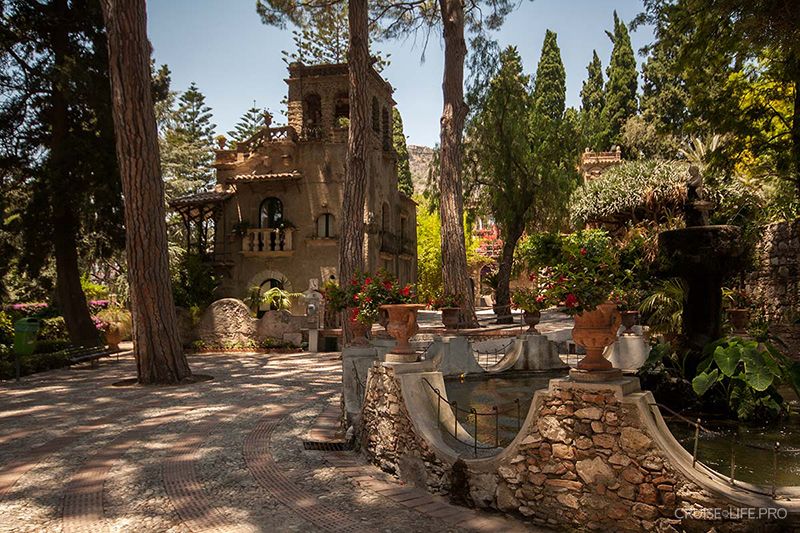
On a stuffy evening in Taormina, the best idea is to take a walk in the city garden on the mountainside. Open to the public since 1923, this park is steeped in countless legends and stories. One of them claims that the garden was designed by the eccentric Englishwoman Florence Trevelyan, who kept five dogs and adored going for walks. Following her instructions, stone steps were built in the park, whimsical bee-hive gazebos were added, terraces laid out and decorated with mosaics, classic statues placed throughout, and exotic plants and trees brought in. Today, the old city garden looks just as well kept and blooming as it did many years ago.

Giardini Naxos

Giardini Naxos

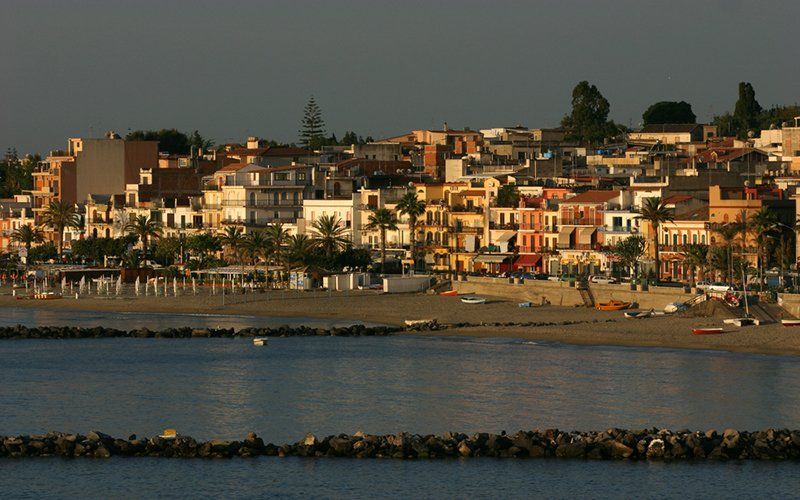
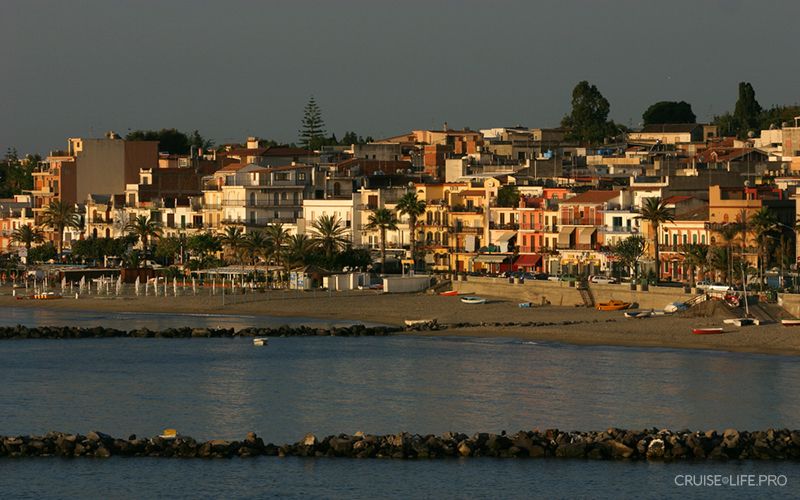
Four kilometers from Taormina, on the Ionian Sea coast, lies the best resort in Sicily-once a small fishing village and a Greek colony called Naxos. And while Taormina offers most of the area’s historical sights, Giardini is a top-class beach holiday spot, shaded by citrus groves and overlooking Mount Etna. It’s great for both little ones and adults: clean sea, soft sand, diving, plenty of restaurants, discos, water attractions, and other summer entertainment, including musical and theatrical festivals and celebrations. And if you feel like enriching your cultural knowledge, you can take a look at the remains of the stone walls from the prehistoric period, with gates and a tower, and the ruins of the Temple of Aphrodite.

Recommended excursions

Taormina - a pearl of Sicily

Taormina - a pearl of Sicily

It’s impossible to visit Sicily and not see the beautiful jewel of the Ionian Sea - Taormina, a small charming town. The town enchants with its romantic atmosphere; you want to forget everything and wander through its winding lanes, which feel more like a medieval labyrinth. Catania Gate and Messina Gate, and between them the historic Via Umberto, where you can find: the Greek paving, the Greek Theatre, the Roman Theatre and Baths-places that people of those times called “Battles on Water.” These are important details of those great eras and civilizations that fate kindly left for future generations. The Cathedral of St. Nicholas (11th century), the Clock Tower, the Church of St. Joseph, Vittorio Emanuele Square, the Corvaya Palace, the Church of St. Catherine of Alexandria-built on the ruins of the Roman Odeon-elegantly blend into modern-day Sicilian resort life.

Excursion to Mount Etna

Excursion to Mount Etna

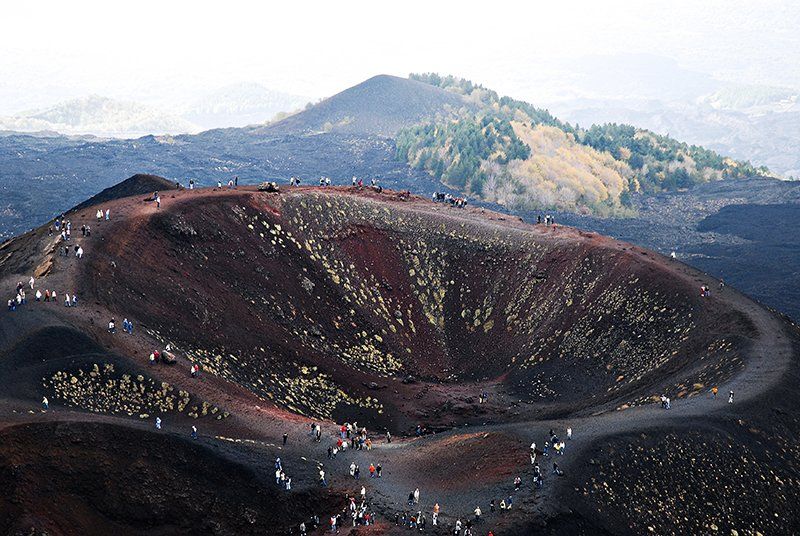
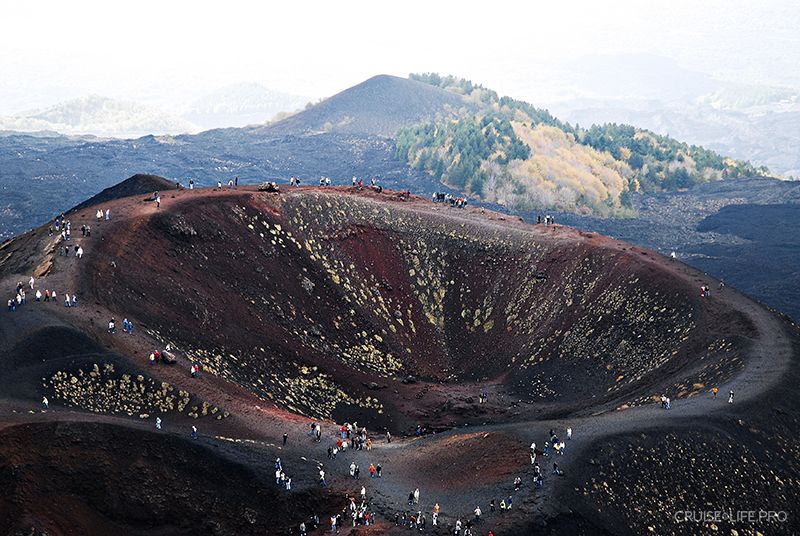
You can get acquainted with Etna by climbing up the southern slope to the 1980 m above sea level mark near Rifugio Sapienza and by viewing the Silvestri craters located there. Next, you can, for an additional fee, go higher to 2500 or even 3000 meters by funicular and by jeep. On the southern slope, you will encounter a “lunar” desert-like landscape. And from the northern slope near the town of Linguaglossa, you can see a frozen lava river and the destruction it has caused. The northern slope is more green; you can go deeper into the area on foot through the forest or on charming donkeys, see an ancient crater, the highest Etna pine, and enjoy beautiful views. From here, you can also go higher by buying a jeep ticket, which will take you to the 3000-meter mark. When descending from Etna, you are recommended to stop by one of the Etna wineries and sample local wine and products from the “zero-kilometer” area.

With a more detailed list of excursions and their prices, you can familiarize yourself after booking the cruise in your “Customer Personal Account”.