Cathedral of the Holy Spirit
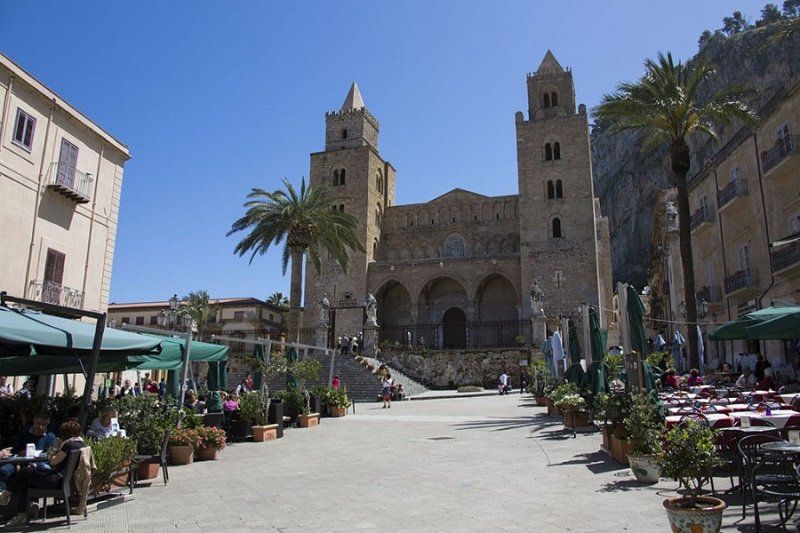
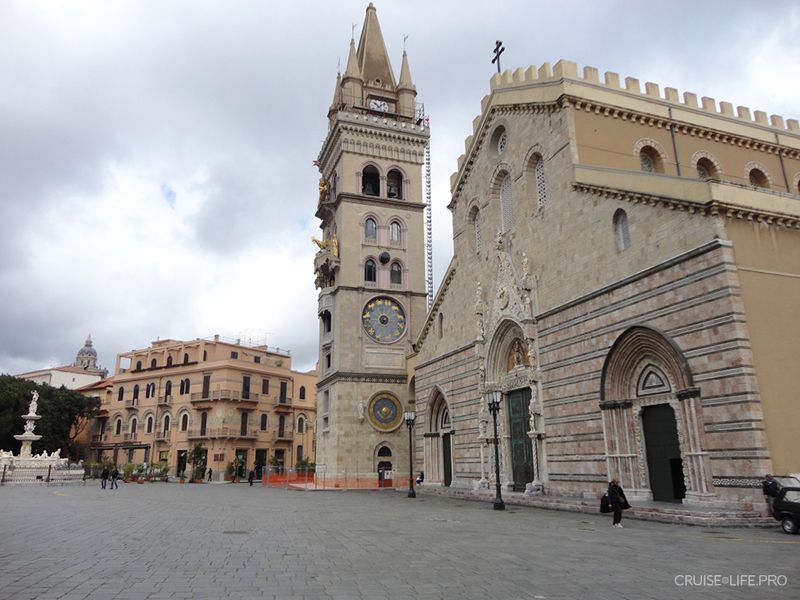
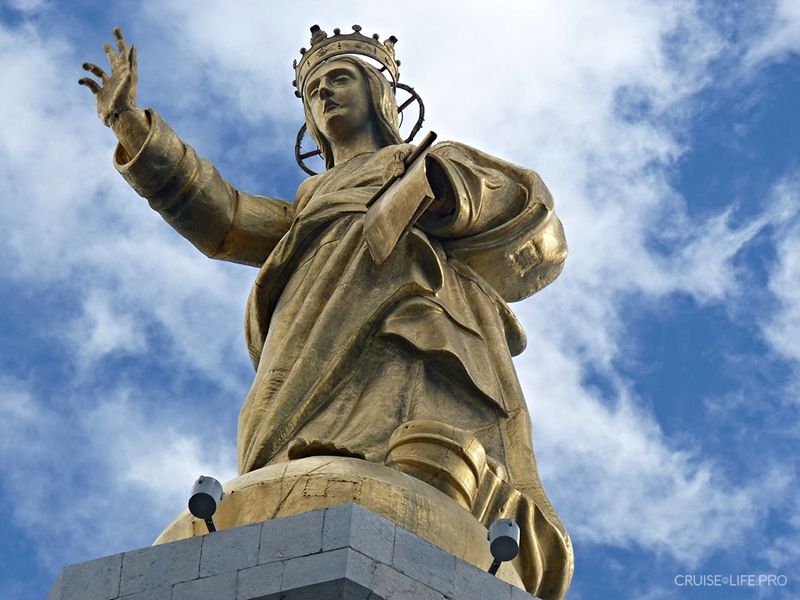
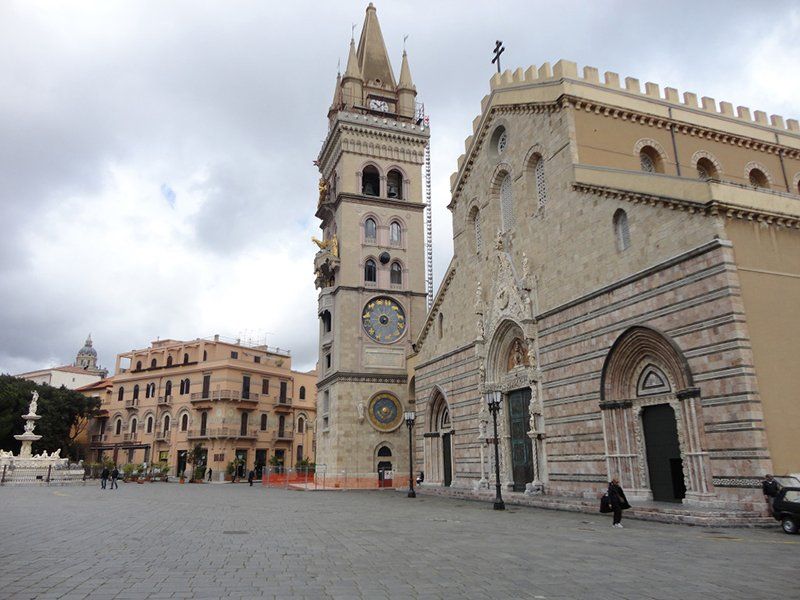
The architectural landmark of Messina and its main attraction - The Norman-style Cathedral is perhaps the most beautiful on the island. Built in 1150, it has survived a great many misfortunes - a fire in the 13th century, earthquakes in the 18th and 20th centuries, and finally a bomb strike during World War II, yet it has kept its grandeur. On the adjacent bell tower “campanile” you can see the world’s largest astronomical clock: at noon, a whole procession of figures emerges, including a roaring lion and a singing rooster. You can see the figures up close by climbing the bell tower. You should also definitely visit the cathedral’s treasury, where a magnificent 17th-century golden robe is on display, “belonging” to the statue of the Madonna della Lettera.
Church of Santa Maria Annunziata dei Catalani
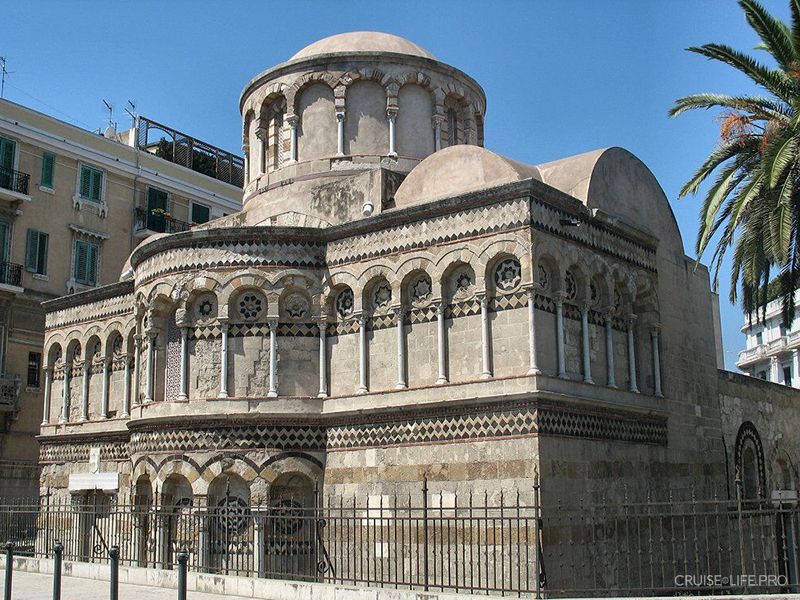
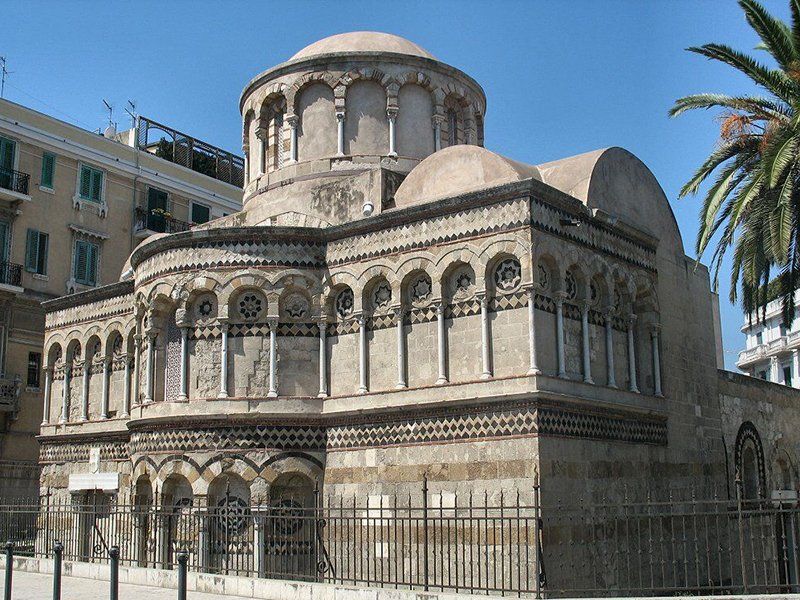
One of the oldest churches in Messina, built in the 12th century on the site of a pagan temple and consecrated in honor of Saint Mary. The architecture of this rather unusual structure is a true “mixed bag”: here you can find an Arabic dome, Norman forms, Byzantine blind arches with columns, and Eastern patterns. In short, an amazing blend of styles on Sicilian soil. Even more astonishing is that this temple was practically unscathed during the destructive earthquakes and air bombings of the Second World War.
Fountains of Orion and Neptune
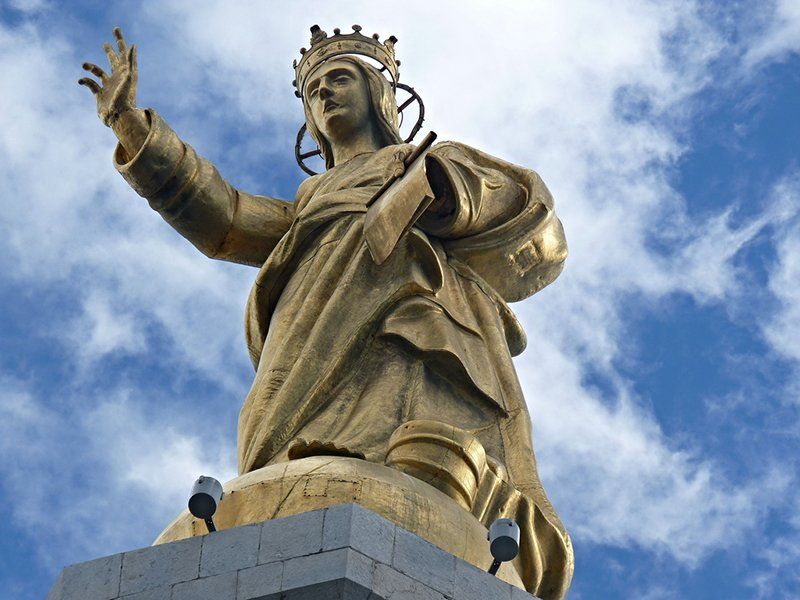
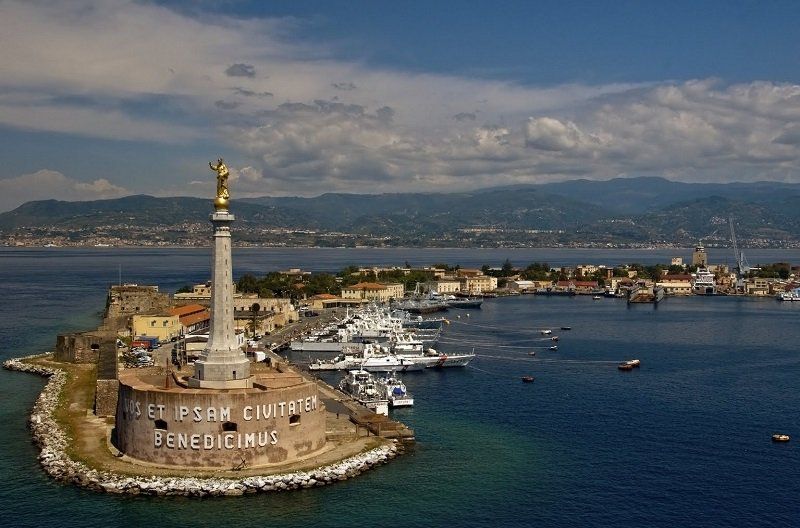
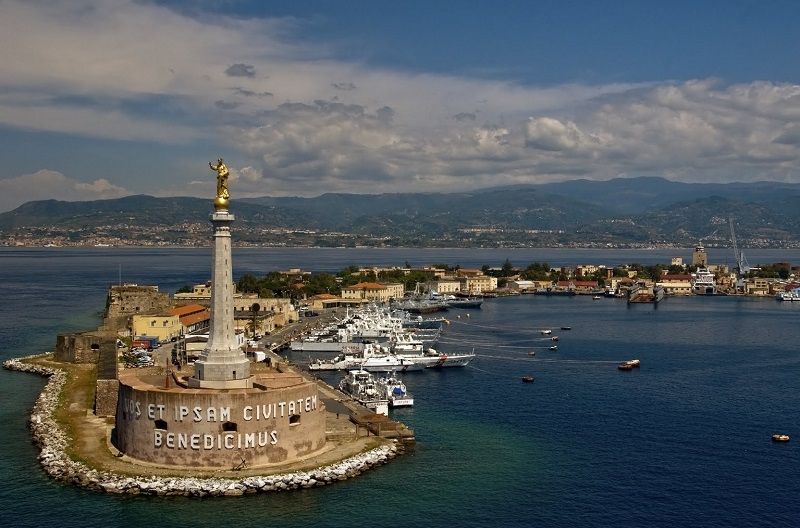
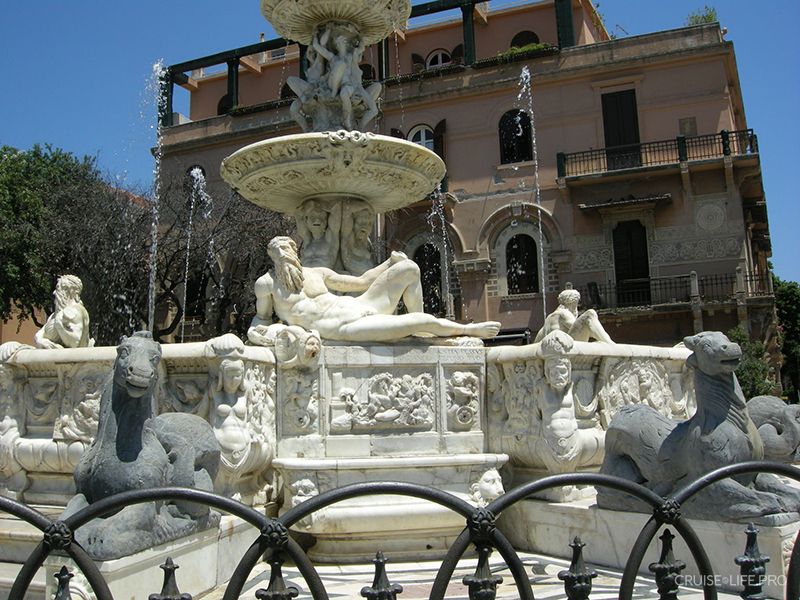
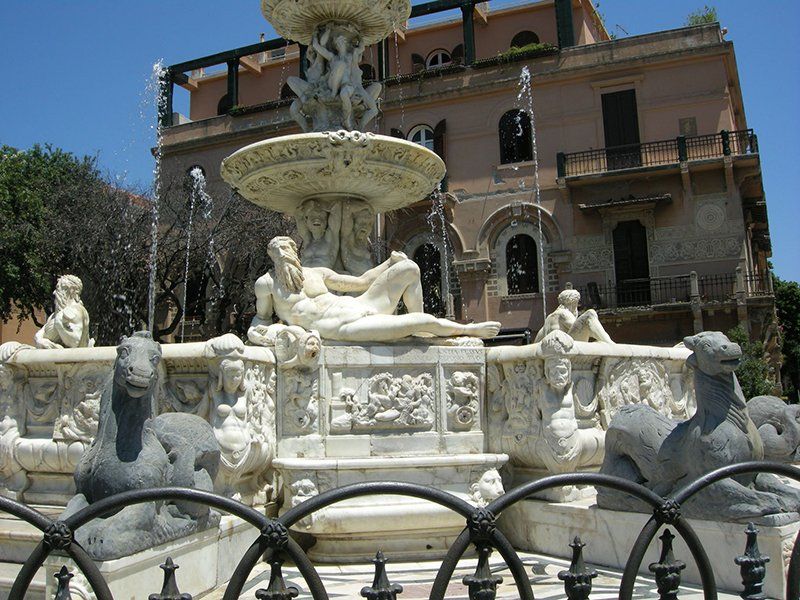
You can relax in the hot Sicilian midday on the benches by the Orion and Neptune fountains. The Orion Fountain is dedicated to the legendary founder of Messina, and its author is none other than Montorsoli himself, a student of Michelangelo. The Neptune Fountain was also sculpted by this master; it is the largest in the city and somehow resembles Trevi. And opposite it stands the gilded statue of the Madonna of Porta.
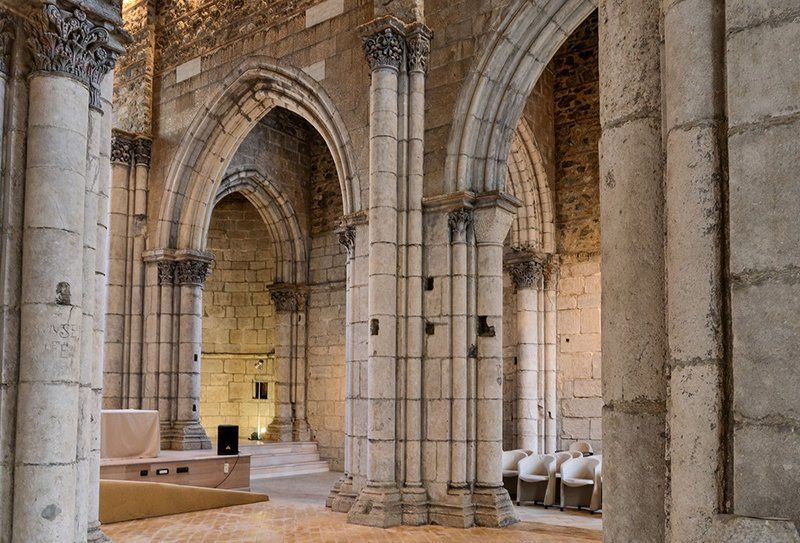
Church of Santa Maria Alemanna
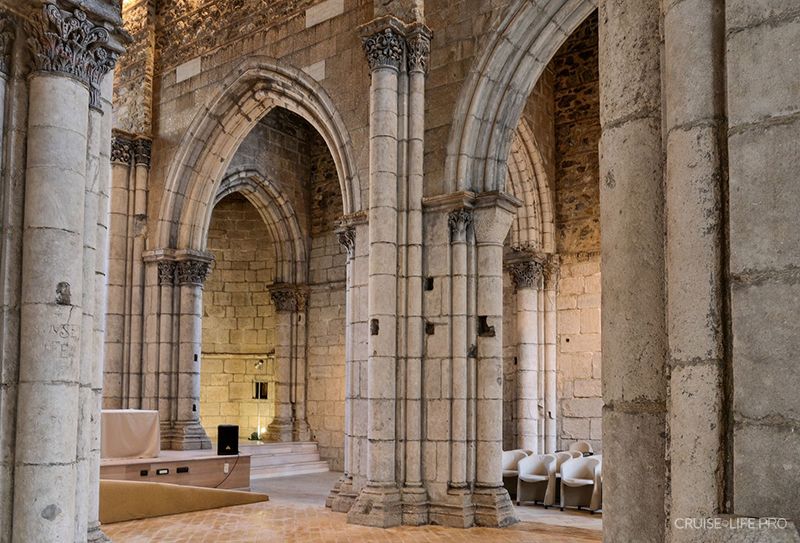
The Church of Santa Maria Alemanna is worth visiting, at least because it is the only Gothic church in Sicily. It was built in the 12th century by the Knights of the Teutonic Order and for several centuries was used as a hospital and an inn for those returning from campaigns to the Holy Land. There is evidence that in the 16th century, after the Battle of Lepanto, the local hospital held a wounded Cervantes. Today, the church has been restored after earthquakes and natural disasters and is used for concerts and exhibitions.