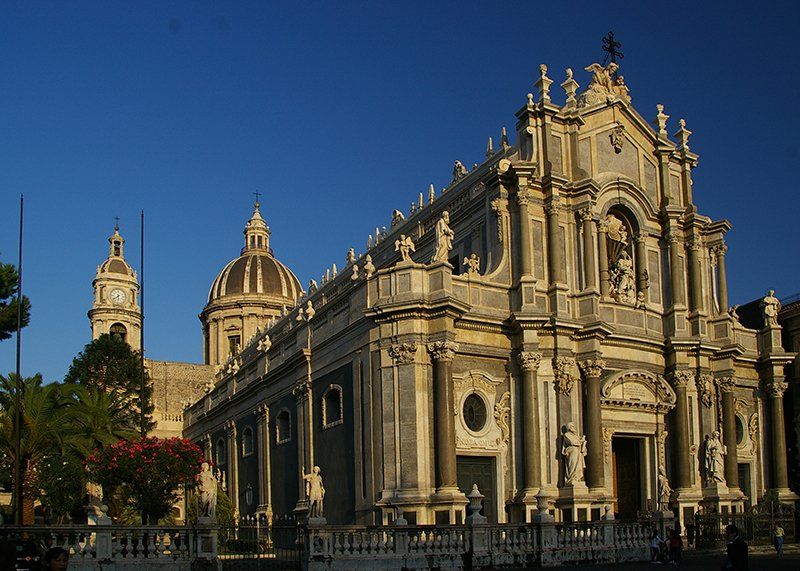
St. Agatha Cathedral
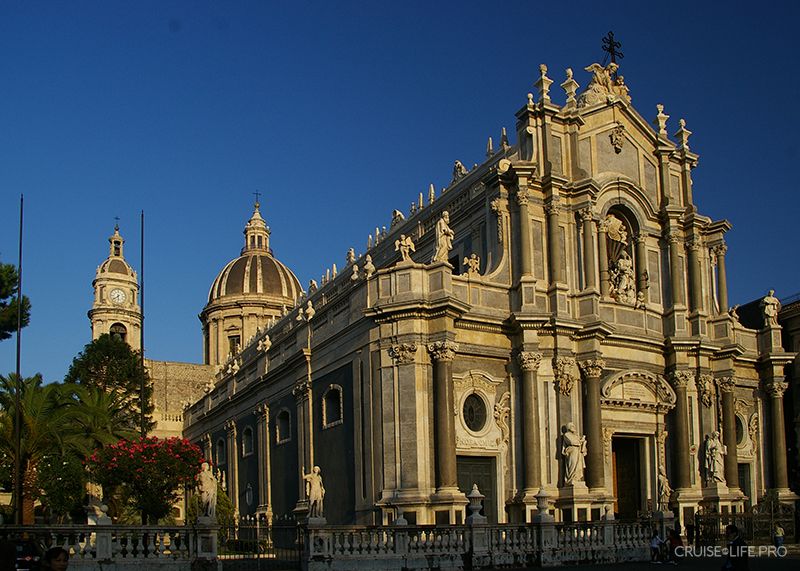
One of the most revered places in Catania is the cathedral, erected in the 11th century on the site of ancient thermal baths in honor of Sicily’s patron saint, Saint Agatha. There are several reasons why you simply must visit. First of all, inside this magnificent Baroque church you’ll find the tomb of the greatest Italian composer Vincenzo Bellini-a native of Catania. And, secondly, it would be a real crime to miss the 18th-century frescoes that adorn the Chapel of Saint Anne. What’s more, you should definitely pass through the tiny golden door by the chapel and descend into the crypt, where the bust of Catania’s patron saint and the reliquary containing her relics are kept.
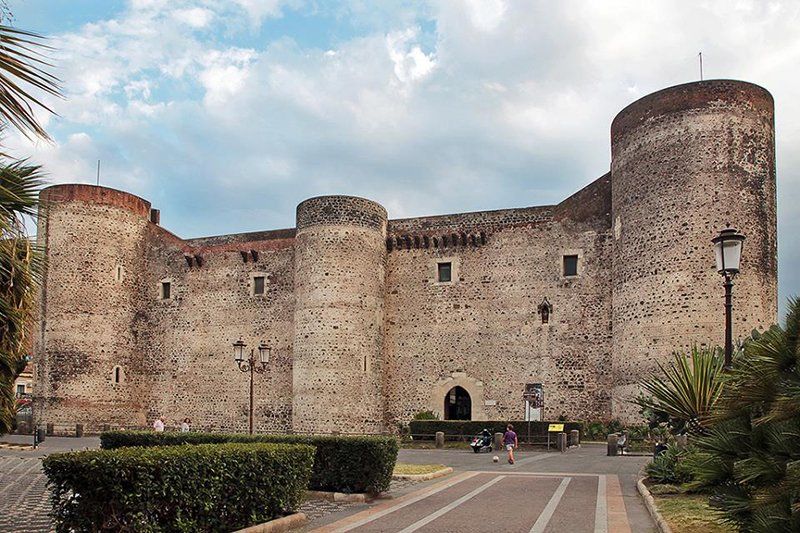
Ursino Fortress
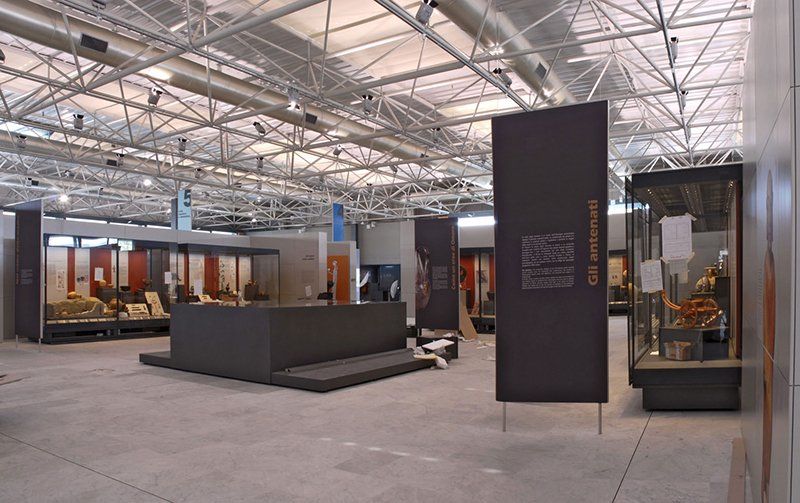
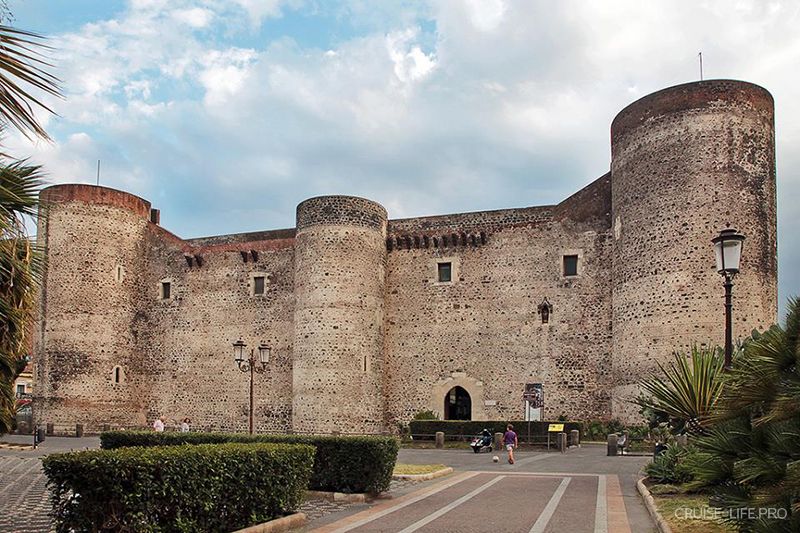
Ursino Castle, built by order of the Sicilian king Frederick II in the 13th century, stands atop a high hill by the sea. For a long time, this impregnable castle, surrounded by a deep moat, served not only as a defensive stronghold, but also as the king’s ceremonial palace. The eight towers crowning the fortress also found uses: for example, flags were raised over the northern one, and a torture chamber was installed in the southern tower. In the 16th century, the Ursino citadel lost its strategic importance and was turned into a prison, which remained here until the 19th century. Today, a city museum is located here. It features collections of archaeological artifacts, medieval works of art, as well as works by Italian and European artists of the Renaissance.
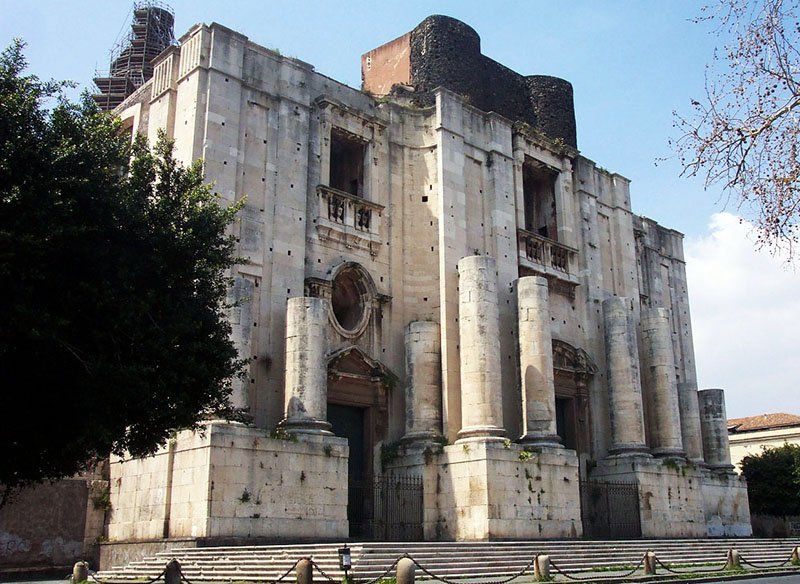
St. Nicholas Monastery
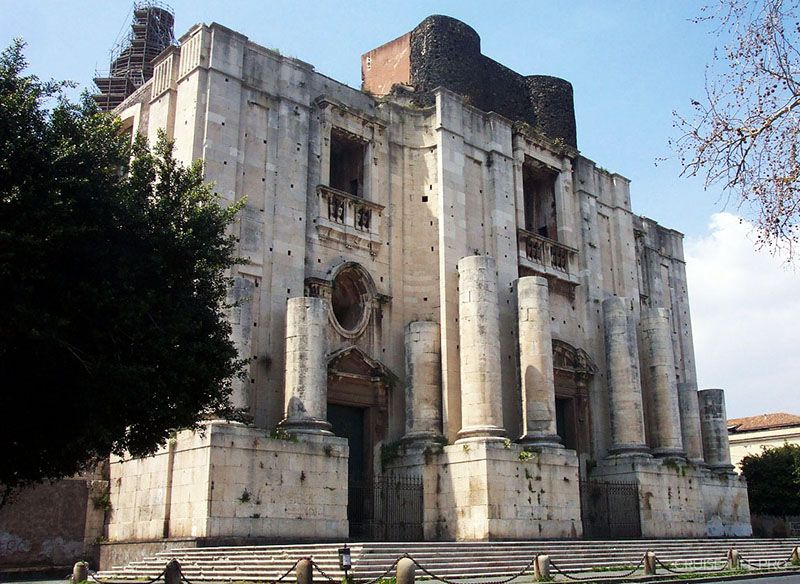
The Monastery of San Nicolò, founded in the 12th century and rebuilt after an earthquake in the early 18th century, is famous for its historic organ. People come here from all over Italy to hear the divine sounds of an instrument that is more than three centuries old. You can also admire the ancient altar-its niches are decorated by the greatest masters, invited from different regions of Italy. The monastery cathedral is still in operation; you should absolutely visit for the Sunday service and hear the organ here.
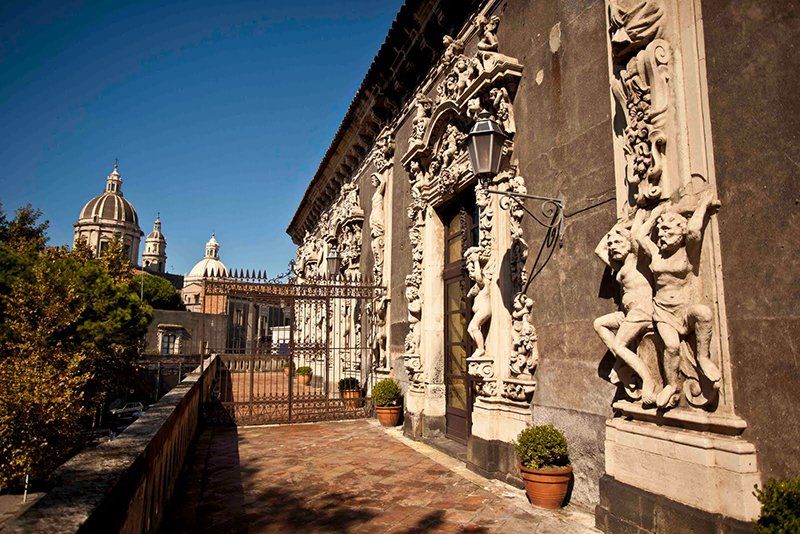
Palazzo Biscari
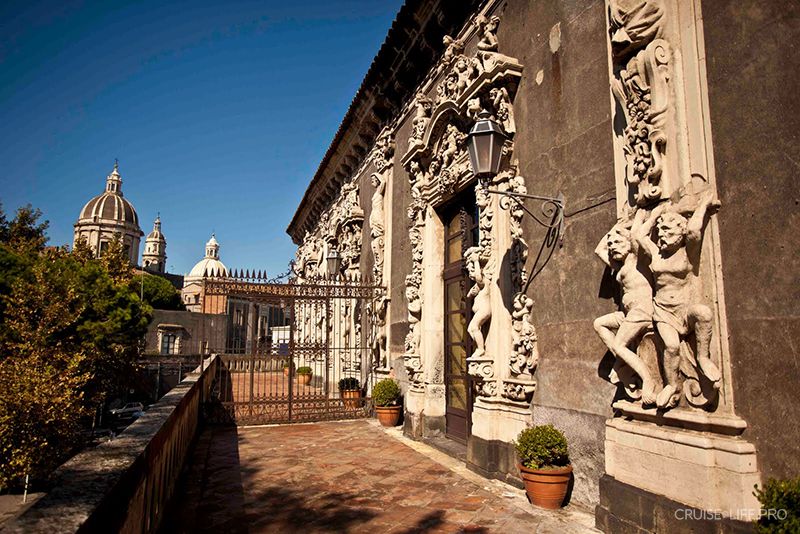
Palace of the Dukes of Biscari, built over almost a hundred years and completed by the end of the 17th century, is considered the true pinnacle of Sicilian Baroque. From the palace’s façade and interior décor alike, you can study the Baroque and Rococo styles. Pilasters, cherub figurines (putti), floral garlands, and the astonishing staircase adorned with a pattern reminiscent of whipped cream-these are only a small part of the many tricks and techniques used by the sculptors. Unfortunately, today the Palazzo Biscari is privately owned, so getting in is problematic. Sometimes exhibitions of contemporary art are held here, but most of the artifacts have been moved to the Ursino Fortress Museum.