Santorini, Greece

Port of call

Santorini, Greece

Cruise on the cruise ship Europe

Description — Santorini, Greece

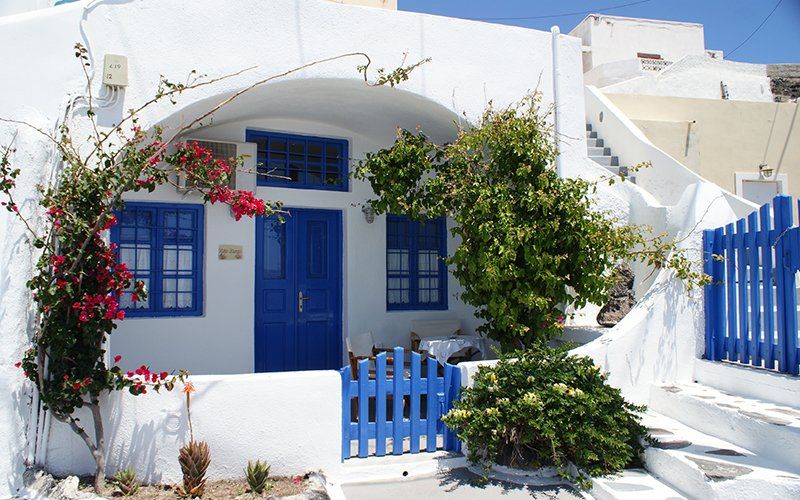
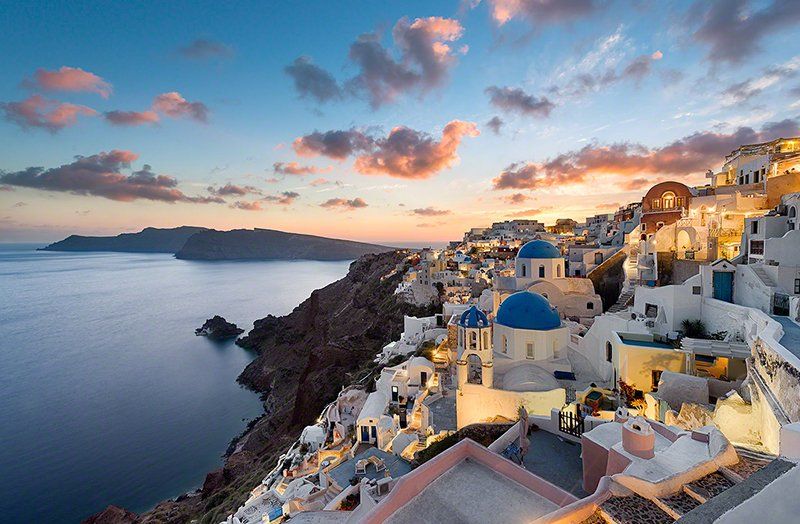
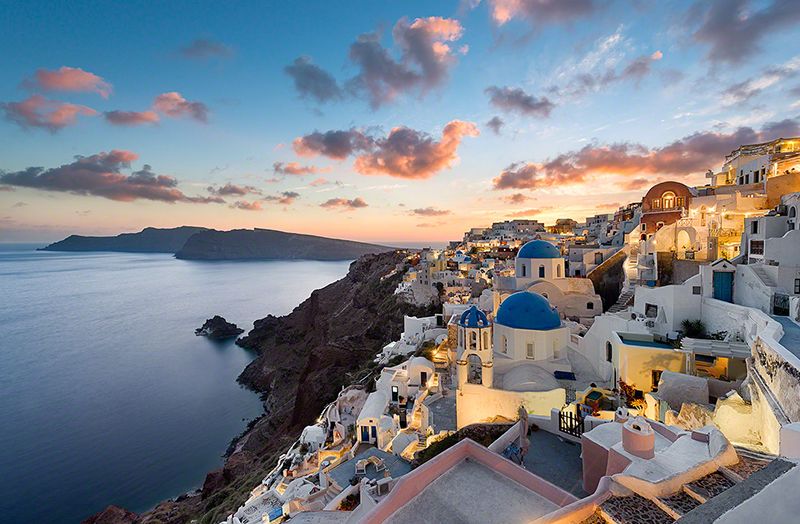
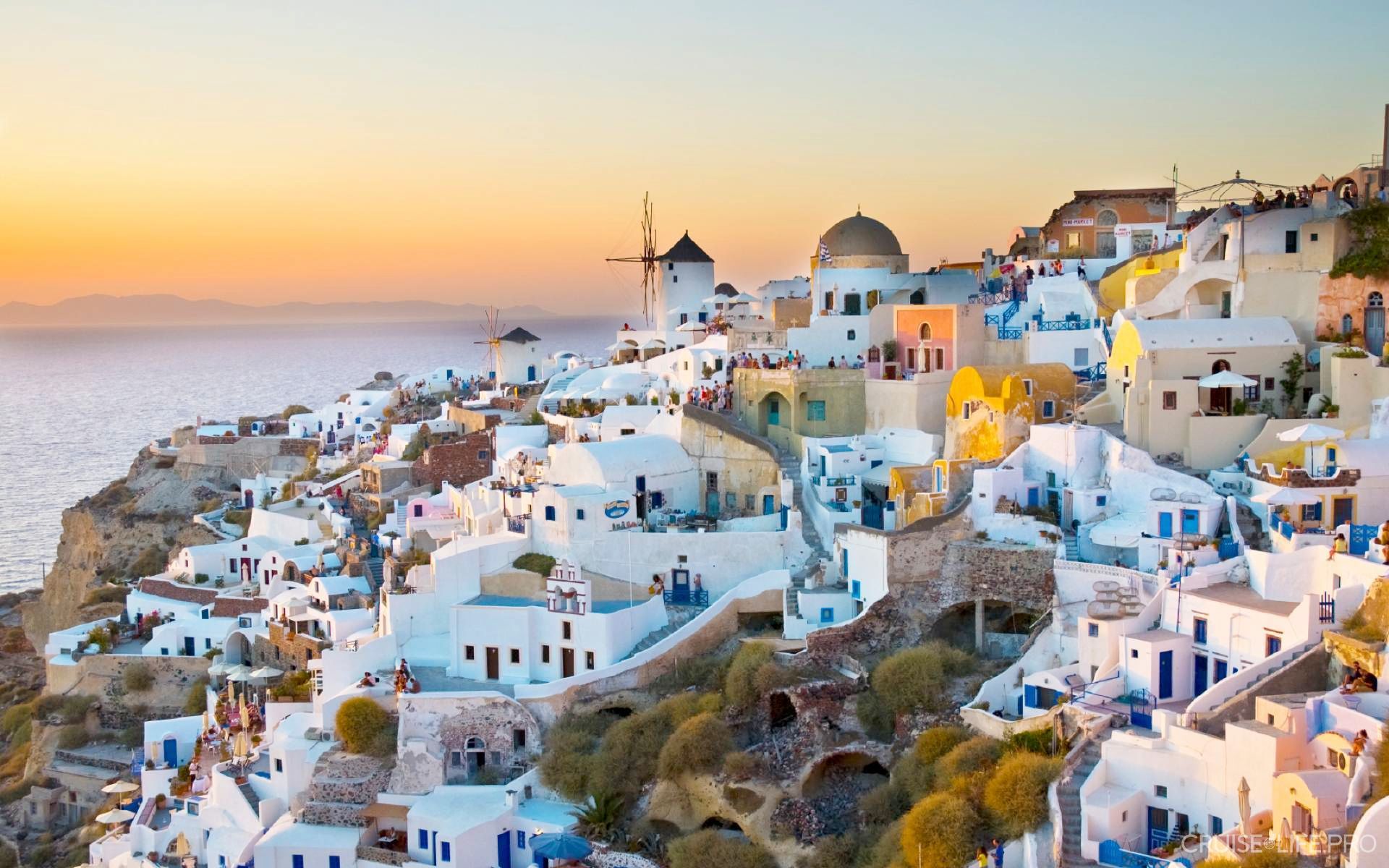
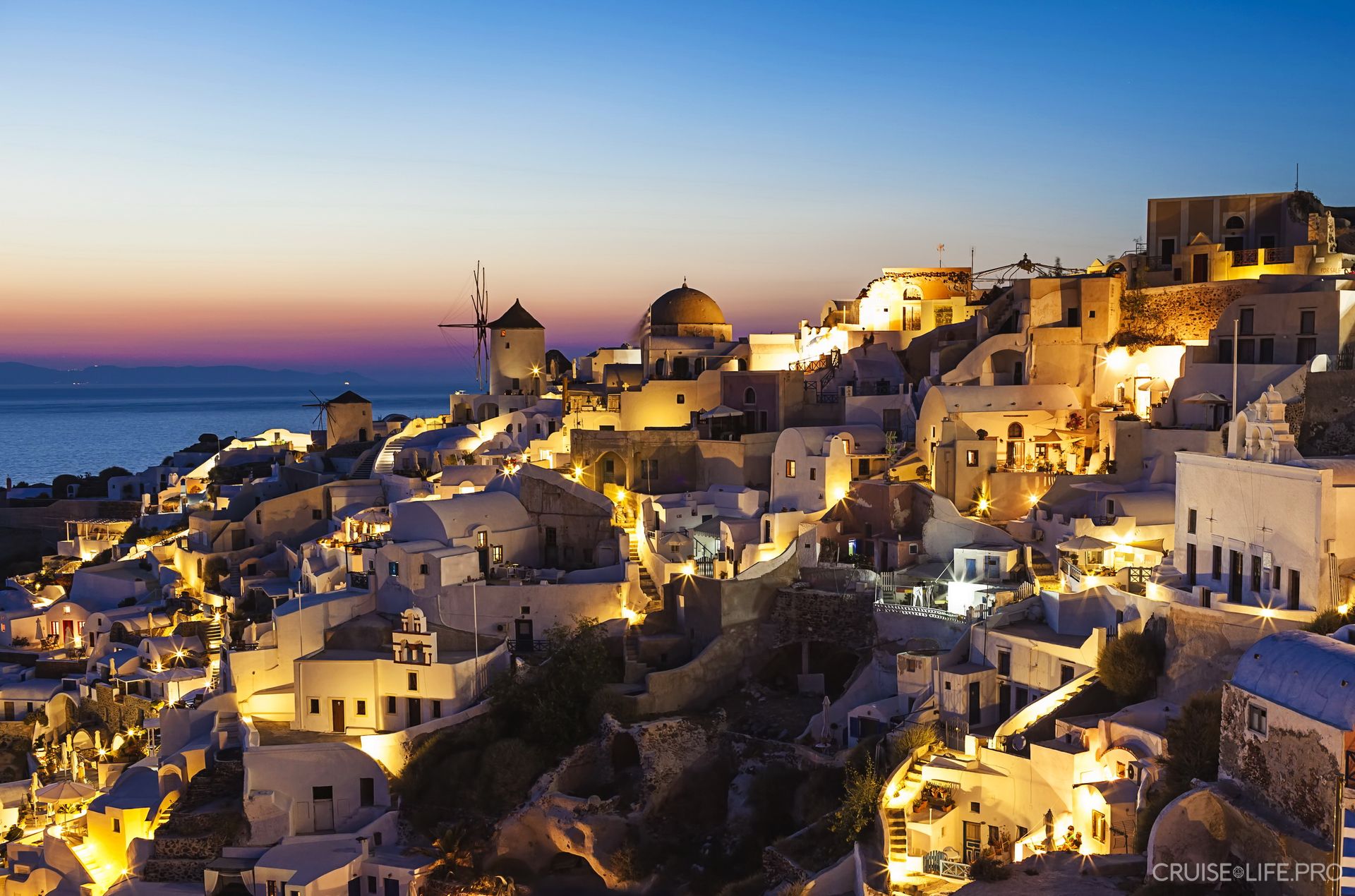
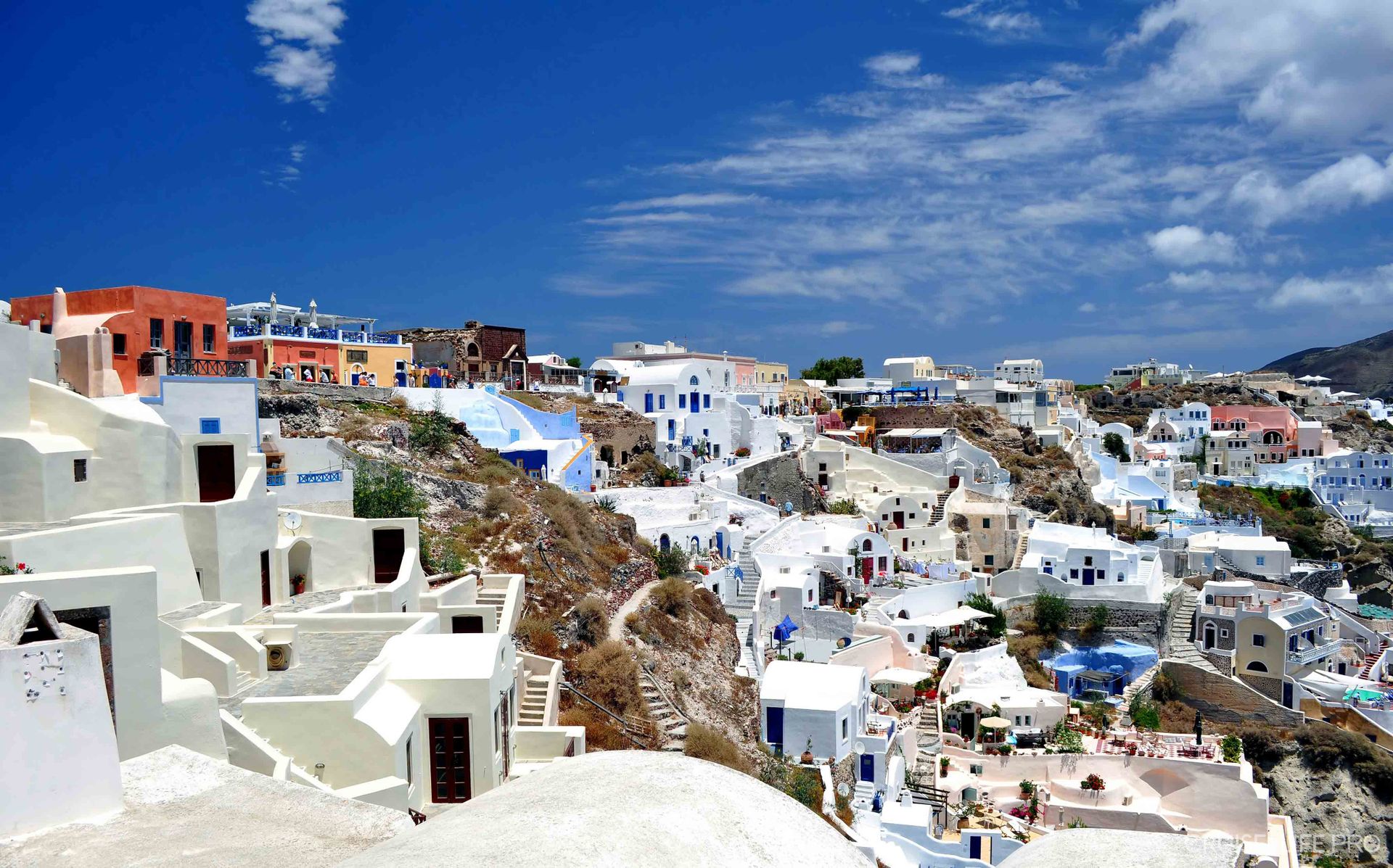
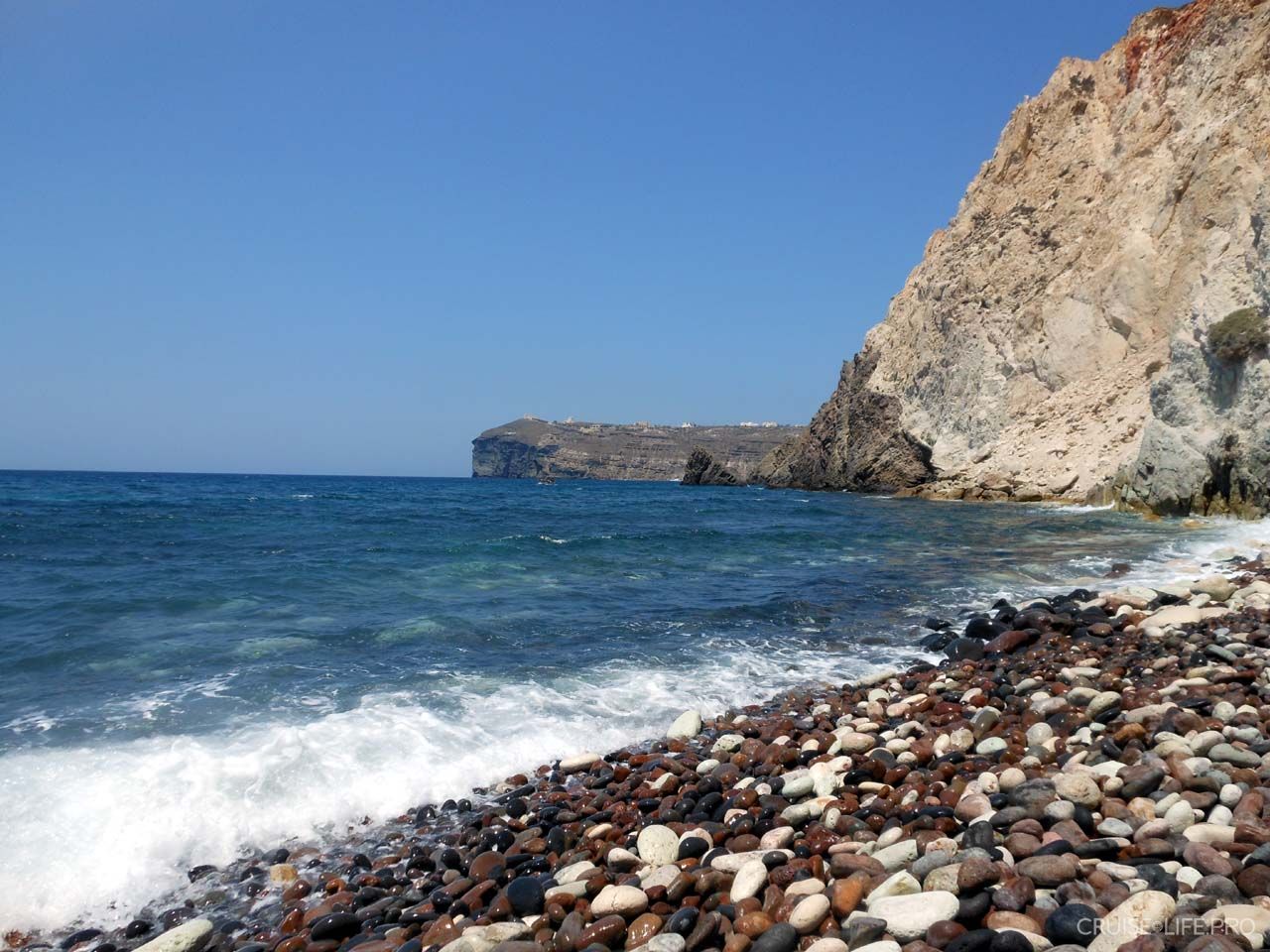
Thira (Santorini) is an island of volcanic origin in the Aegean Sea, part of the Cyclades archipelago. The area is 76 sq km, and the coastline stretches for 70 km. Thira, together with the islands of Thirasia, Palea Kameni, Nea Kameni, and Aspro, forms a ring-shaped group of islands known as Santorini, which also gave its second name to the island itself. The island’s population is about 13 402 people. The island’s administrative center is located in the city of Fira, with a population of about 1500 people. Major settlements: Oia, Foinikia, Firostefani, Kamari. Santorini is one of the most romantic places on Earth and the most popular resort among the Cyclades islands. Its distinctive feature is its geological structure, caused by the activity of the now-extinct volcano. In particular, in the 16th century BC, one of the strongest eruptions in history took place here, leading to the flooding of some parts of the island and the formation of a crater. Many scholars, when mentioning the island of Santorini, are transported to the times of the ancient Atlantis. It has a rugged coastline to the west and an countless number of beaches (pebble and sandy) along the east coast. Santorini is known for its spectacular landscapes, clear sea, magnificent “multicolored” beaches in red, white, and black, as well as small, “toy-like” towns and villages.

Climate

The climate in Santorini throughout the year can be divided into two seasons: the warm and dry season, lasting from April to November, and the cold and rainy season-from November to the end of March. However, rainy weather in Santorini does not last long, and even in winter the sky is clouded for no more than a few days in a row. The best time to visit Santorini is the second half of spring and the beginning of autumn. During the warm and dry season, the weather in Santorini is stable and, as a rule, dry. On a clear sky there is bright sunshine; daytime temperatures are not below +20C. Temperature fluctuations throughout the year are quite minor, and snow is an extremely rare occurrence.

Location on the map

Sights

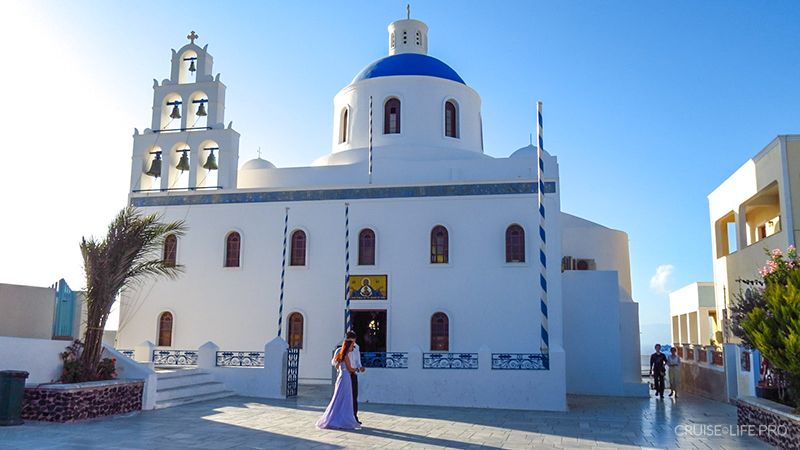
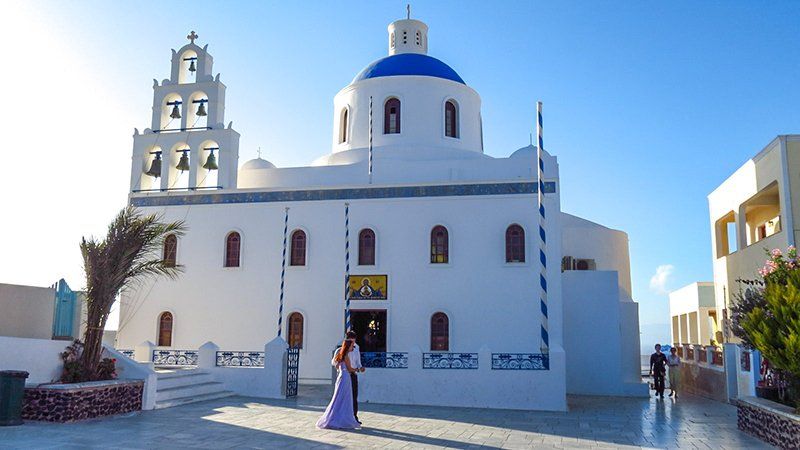
Santorini Cathedral

Santorini Cathedral

This blue-and-white church is a symbol of the island. Perched on a rock, it is visible from afar and appears in virtually all materials advertising a vacation on the island of Santorini. It’s worth noting that in real life it looks even more beautiful, brighter, and more picturesque than in the photographs.
Museum Ancient Thira

Museum Ancient Thira

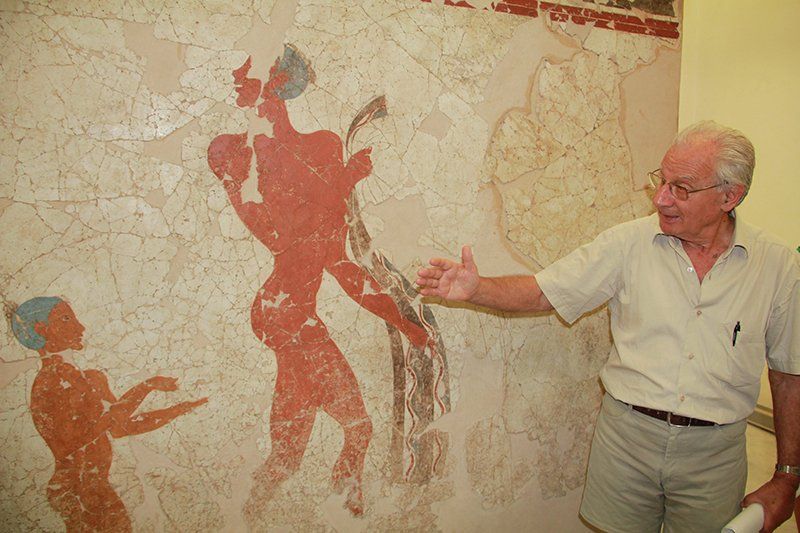
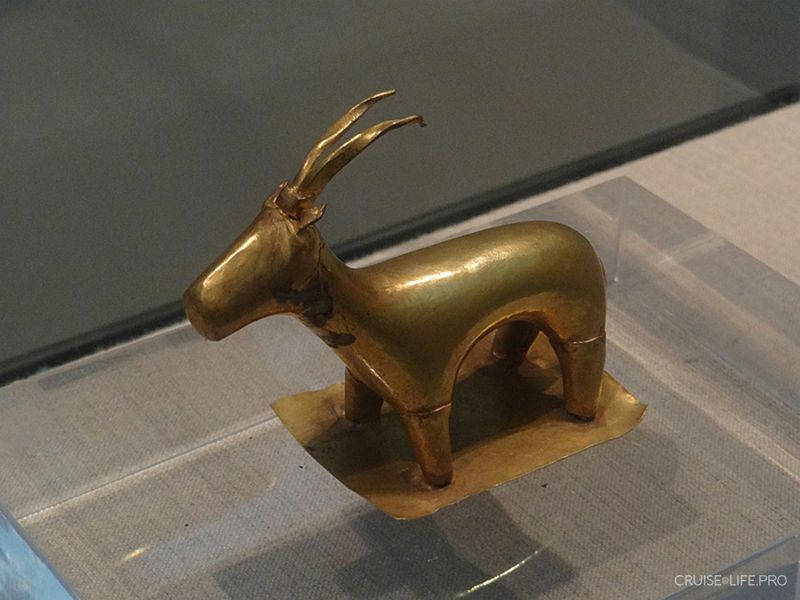
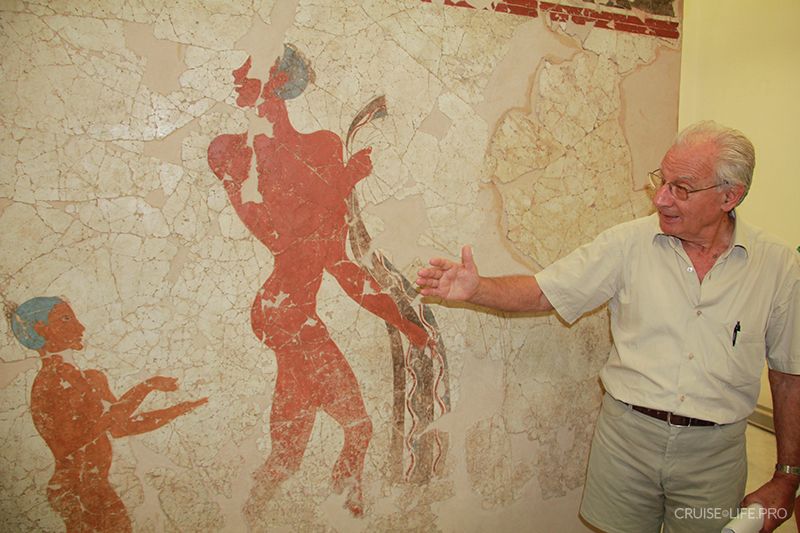
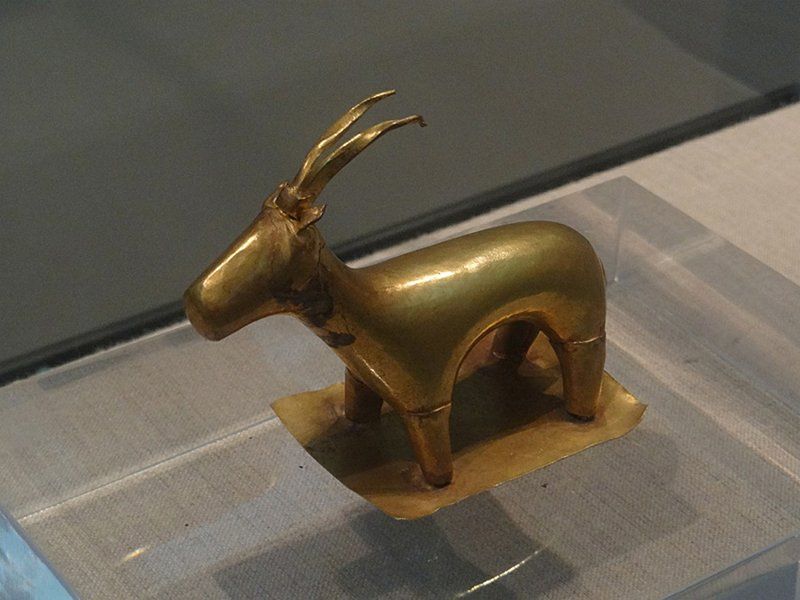
In terms of the historical value of the collection, this temple of history is comparable to the Acropolis Museum of Classical Greek Art. In the “Ancient Fira” museum, you can see masterpieces of applied art from prehistoric times, discovered during excavations on the island; the most famous of these is a gold miniature figurine depicting a mountain goat. The collection includes many items from the Neolithic era, marble figurines related to the Cycladic civilization, metal artifacts, frescoes, as well as objects found during excavations in Akrotiri-furniture, decorations, and tools.
Santorini Wine Museum

Santorini Wine Museum

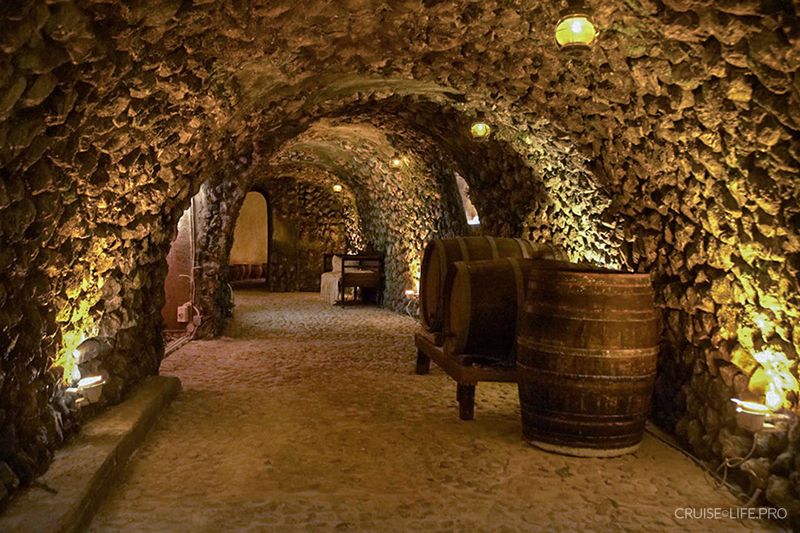
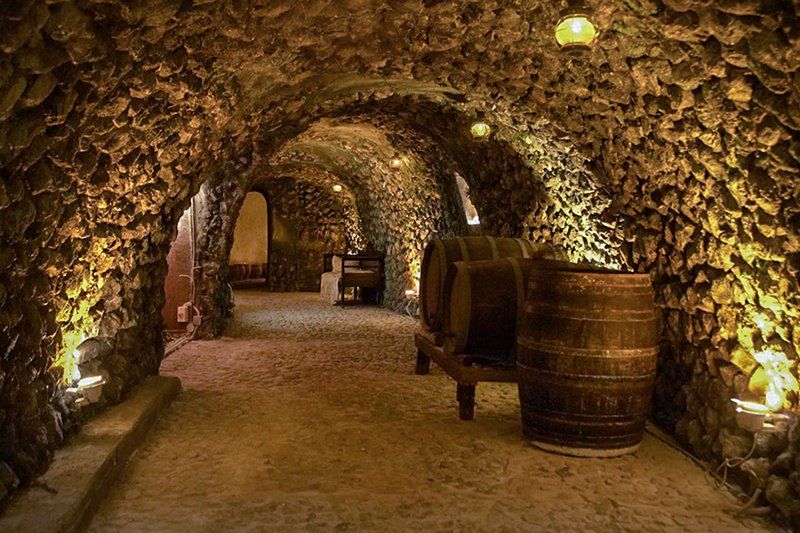
The underground museum operates at the private winery Volkan Wines and presents the history of winemaking on the island dating back to 1660. The museum tour feels like watching a puppet animation: figures of farmers slowly trim the grapevines, harvest the crop, crush the berries, and pour the wine into barrels. The museum exhibition features real winemaking tools from past centuries, as well as photographs of the winemaking process itself. At the end of the tour, you’ll watch a film devoted to the history of Santorini and the winemaking traditions in this region, followed by a tasting of several varieties of local wines.
Church of Panagia Episcopi

Church of Panagia Episcopi

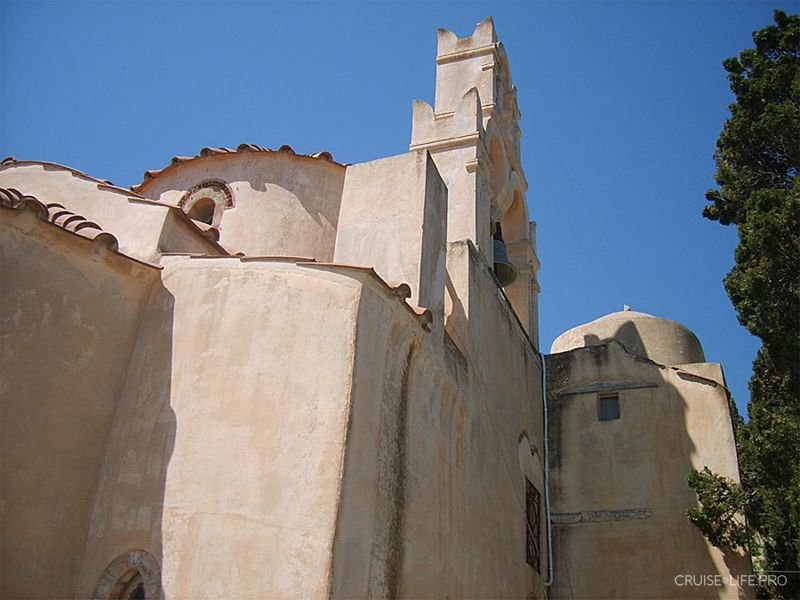
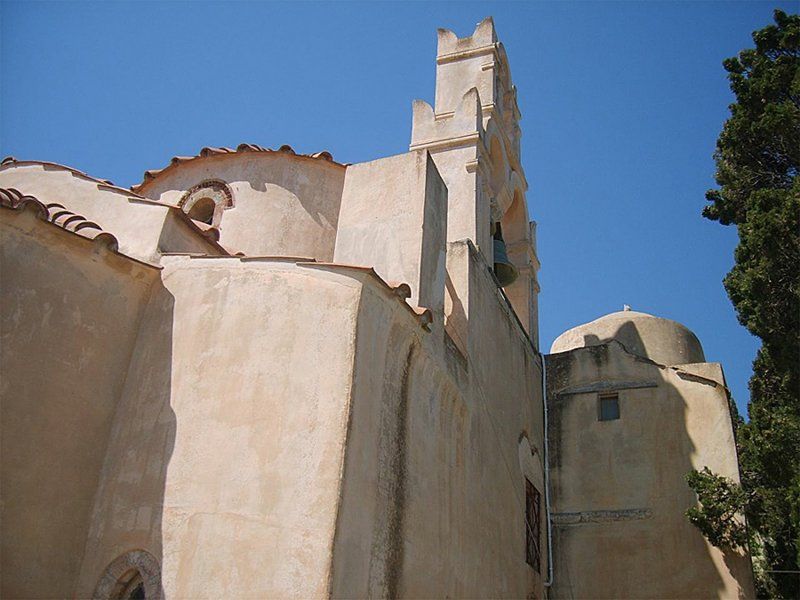
This church with an orange tile roof was built on the ruins of an early Christian basilica in 1100 by order of Byzantine Emperor Alexios I Komnenos. After withstanding raids by the Venetians, the Franks, and the Turks, several major earthquakes, and the terrible fire of 1915, it remains one of the best-preserved churches in Greece from the Byzantine Empire period. Beneath its painted vaults is an invaluable portable icon, “Sweet Kiss of the Mother of God,” regarded as miraculous and also dating to the Byzantine period, as well as a blue marble iconostasis.
What to see

Perissa Beach

Perissa Beach

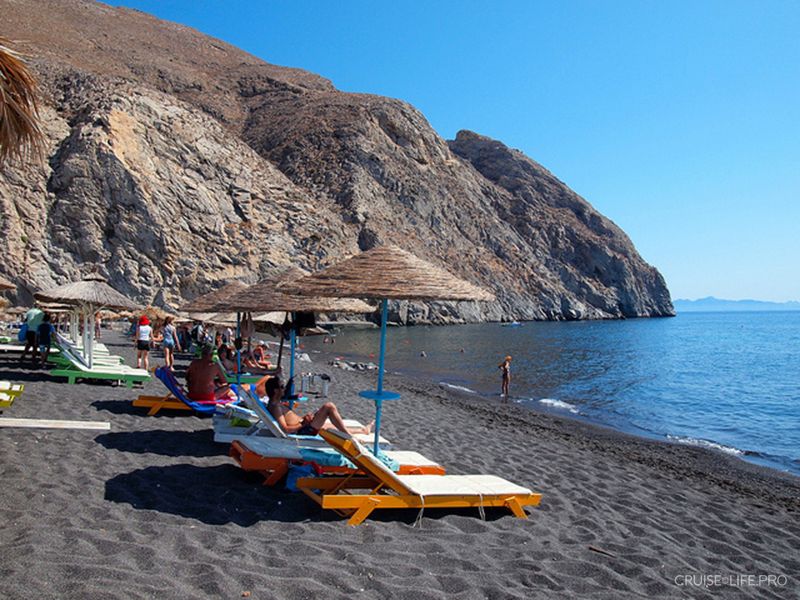
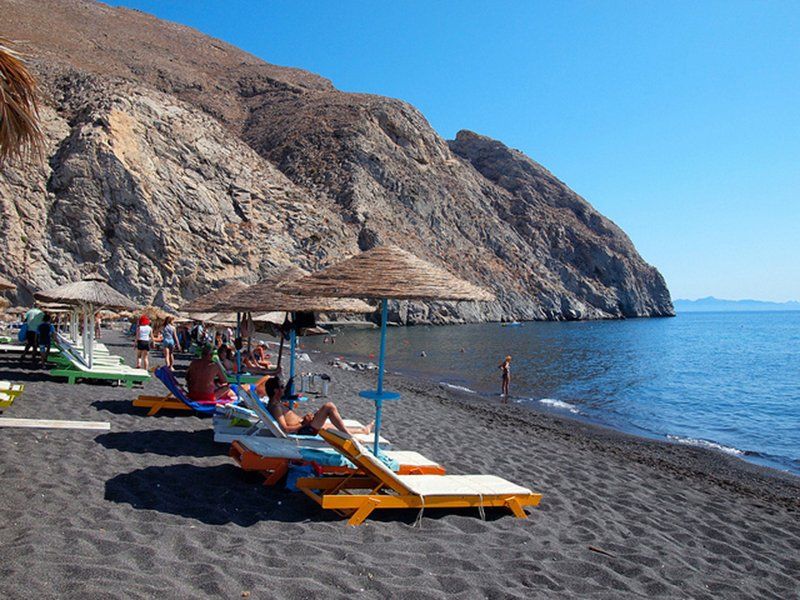
The black volcanic sand beach of Perissa, located in the town of the same name, 15 kilometers from Fira, runs along the shoreline for 7 kilometers, so even in the peak season it is not crowded. Eucalyptus groves stretch parallel to the beach, and in their shade you’ll find bars and nightclubs offering sun loungers to their guests for free. The water here is crystal clear-largely thanks to the rocky seabed-so diving into the sea headfirst can be dangerous. In addition, along almost the entire length of the beach, you’ll have to enter the water over stone tiles, which are often slippery due to algae.

The Ethno Village “Vanishing Santorini”

The Ethno Village “Vanishing Santorini”

This ethnographic complex was built back in the late 19th century, when a significant part of its collection was still relevant to the everyday life of Santorini’s residents. In the foreground of “The Vanishing Santorini” are detailed processes of winemaking and the production of tomato paste. Another part of the collection is devoted directly to daily life: rooms in village houses furnished with authentic furniture, cellars, and livestock sheds. In addition, there is a large collection of photographs taken at the beginning of the last century, capturing Santorini and its people.

Akrotiri Archaeological Site

Akrotiri Archaeological Site

Buried under layers of volcanic ash more than 35 centuries ago, the ancient town that existed on the site of Akrotiri was abandoned even before it met its fate. During excavations, archaeologists found two-story buildings with drainage systems, frescoes, furniture, and tableware, yet they found no human remains-except for the burials. Apparently, the local residents managed to leave the city long before the volcano erupted. In Akrotiri itself, you can admire the views of well-preserved residential buildings, craft workshops, and shops, while the frescoes and other artifacts unearthed here are displayed in the “Ancient Thira” museum.

Recommended excursions

Santarini Sightseeing Tour

Santarini Sightseeing Tour

The tour starts in Megalochori, one of the most traditional villages on the island. Next, the group will visit the archaeological excavations at Akrotiri. The ancient city of the Minoan civilization was buried by a volcanic eruption in 1600 BC and was discovered in 1967 near the modern village of Akrotiri. The next stop is Perissa Beach, a small and beautiful beach with black volcanic sand. After the beach, guests will visit the 16th-century Profitis Ilias monastery and the village of Pyrgos, which has preserved its natural beauty without any changes. In conclusion, there will be a visit to the traditional Santo Vino winery with a tasting of exclusive Santorini wines.

You can view a more detailed list of excursions and their prices after booking the cruise in your “Client Personal Account”.