Columbus Lighthouse
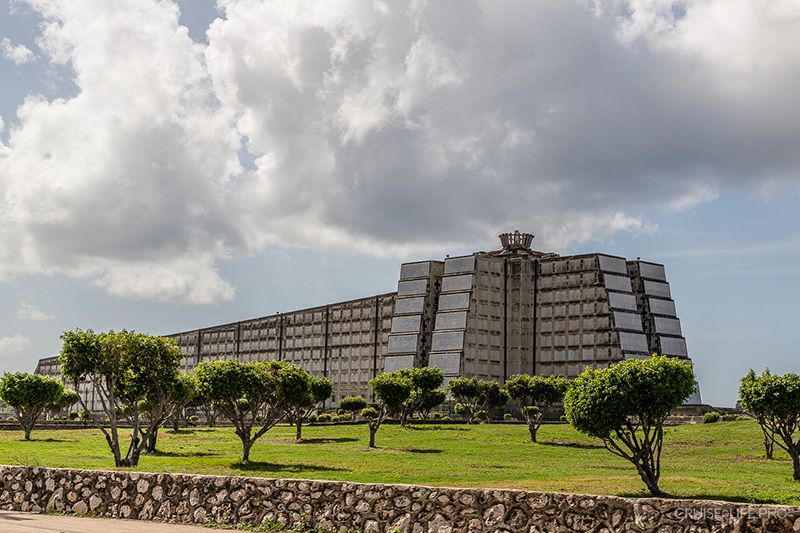
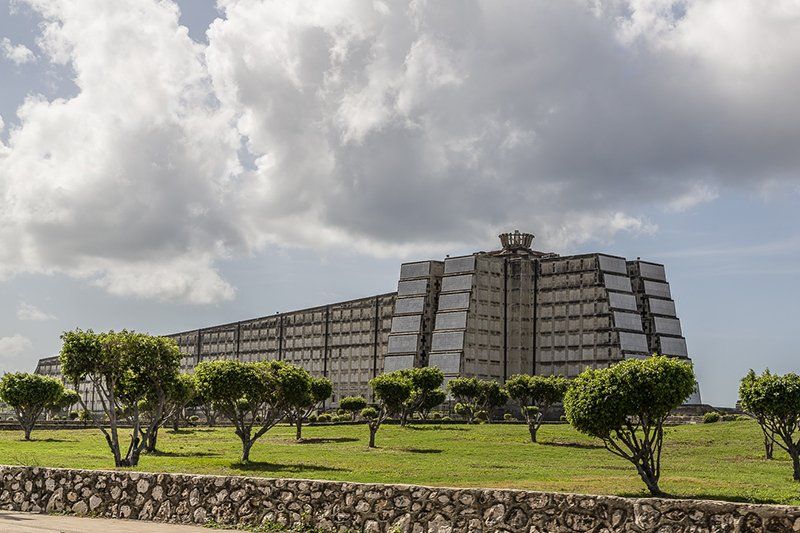
The country’s main attraction was built over 70 years, with tens of millions of dollars spent on it. The massive concrete structure (height - 33 meters, width - 44, length - 310) on the side looks like a stepped Indian pyramid, while from above it resembles a cross. On the roof, a multitude of spotlights beam into the sky and draw crosses in the clouds. A powerful column of light is visible from several dozen kilometers away. On the lighthouse walls, marble plaques are mounted with sayings by great travelers and quotes from a speech by Pope John Paul II, who inaugurated the lighthouse in 1992. But the main thing, of course, is inside the lighthouse: a marble mausoleum containing the remains of Christopher Columbus, where honor guards in beautiful white uniforms stand watch.
Diego Colón Palace
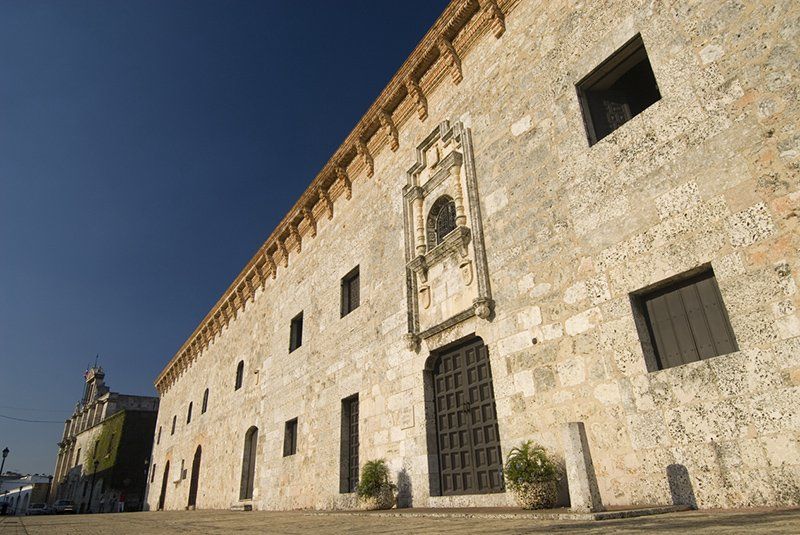
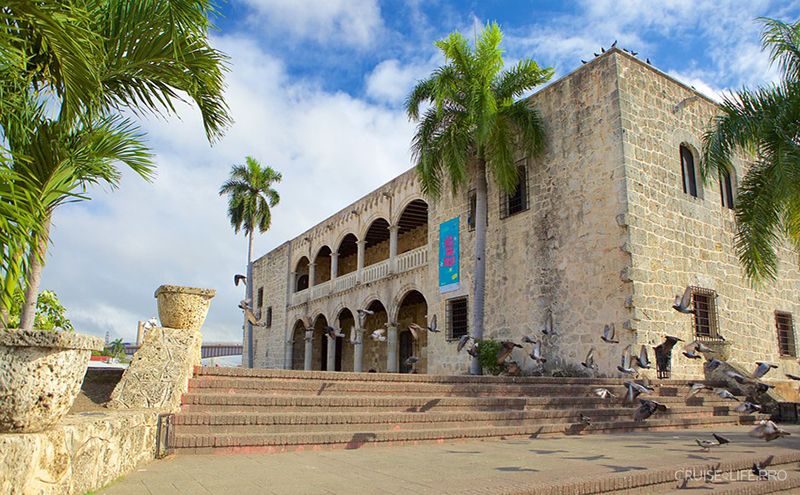
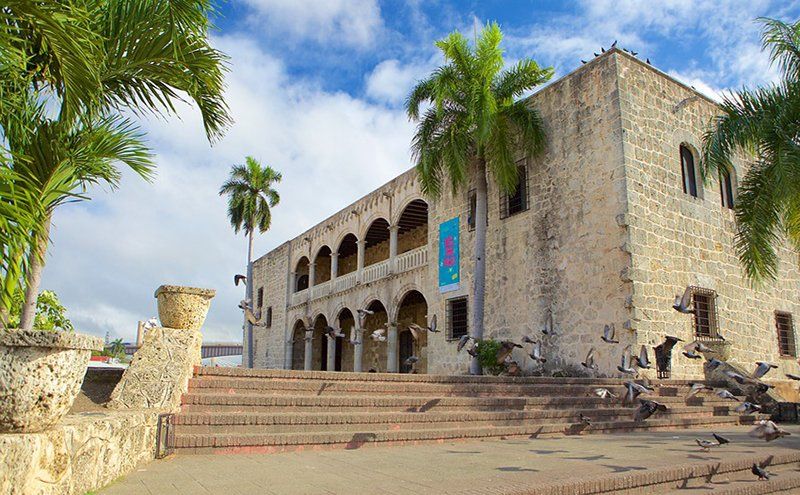
The two-story building (where Christopher Columbus’s son-Diego-lived) is called either a fortress or a palace, though the Alcázar looks more like a powerful mansion without any special extravagance. The house was built in 1514, but Diego Columbus-appointed Viceroy of New Spain-lived there for only seven years, until he was recalled back to Spain. Over the following years, the Alcázar slowly deteriorated and was plundered. 50 years ago, a major restoration was carried out: the mansion was brought back into proper condition and furnished (some items of household ware were sent from Spain). Today, it houses a museum featuring quite a number of interesting exhibits-such as a trunk made of elephant hide or an antique safe. The bedrooms, Diego’s office, the dining room, and other rooms are available for visiting.
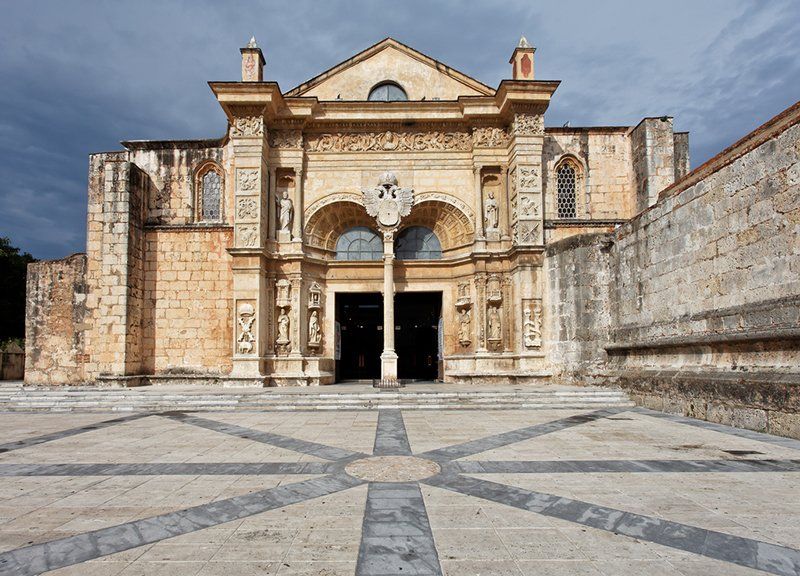
Cathedral
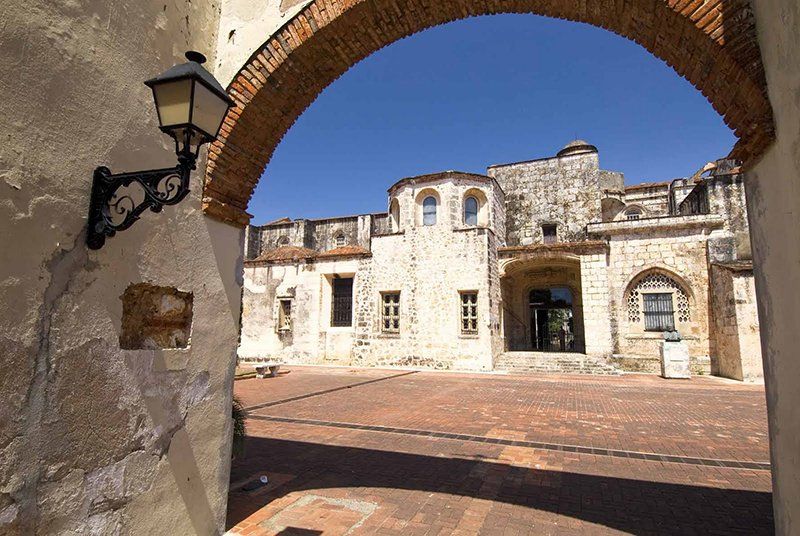
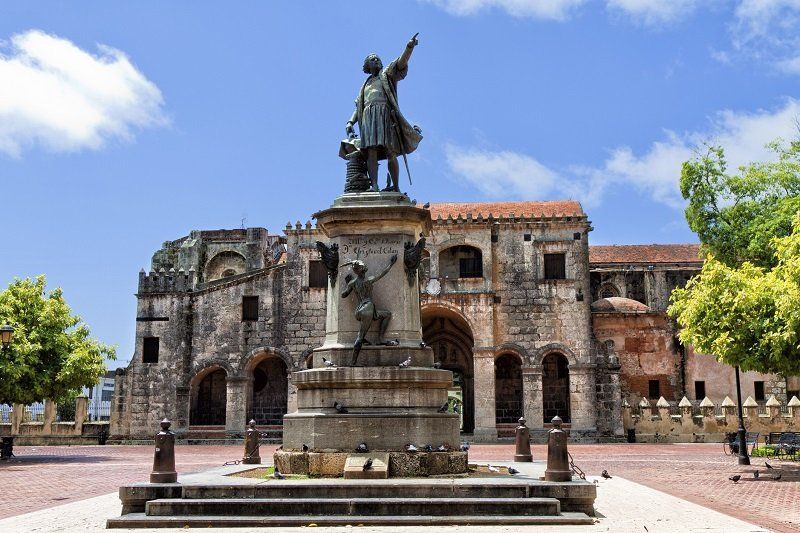
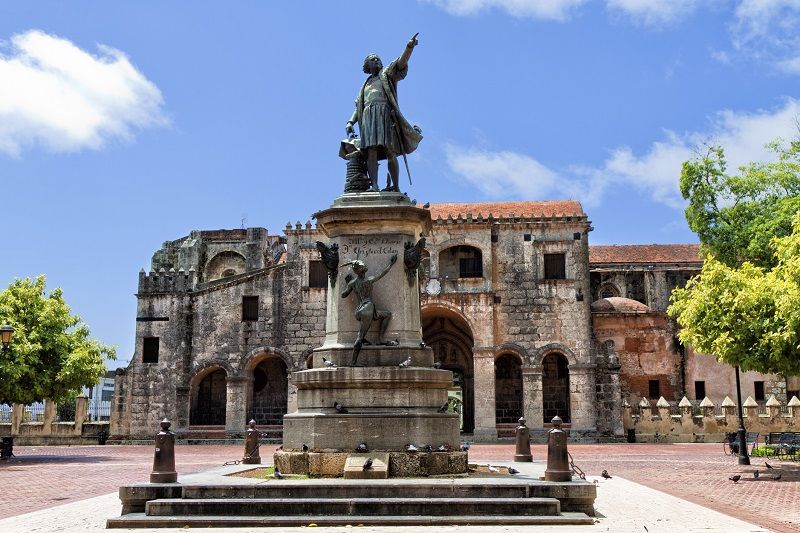
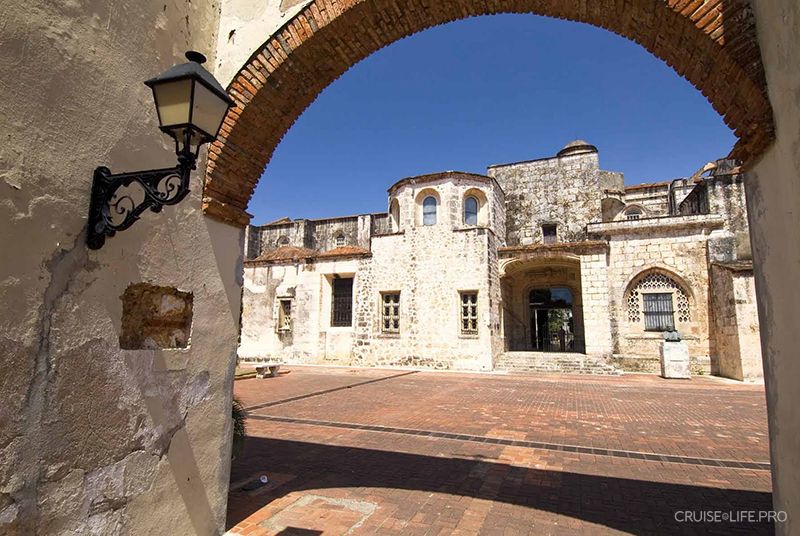
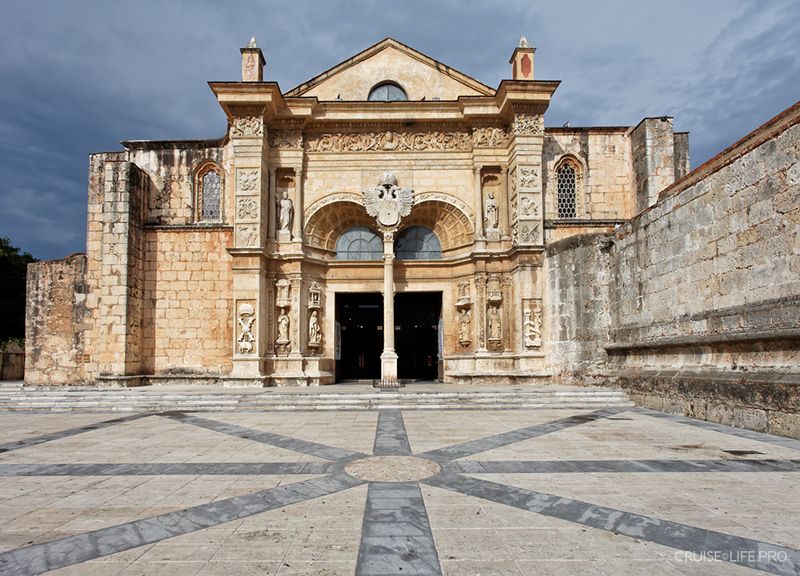
The Cathedral, or the Cathedral of Our Lady of Mary - the first functioning church in America. Santo Domingo was the capital of the New World, so it was decided to build the #1 Catholic temple here. The first stone was laid in 1514 by Diego Columbus himself, but construction did not begin because the architect who arrived on the island changed his mind and sailed to Mexico, where he started work on another cathedral (which was later destroyed by a severe earthquake). As a result, the first American church appeared in Santo Domingo only after a quarter of a century. But the magnificent building with altars, chapels, and statues of the evangelists did not stand for long: the English pirate Francis Drake noticed the church, looted and desecrated the cathedral, after which the temple building was practically rebuilt from scratch.
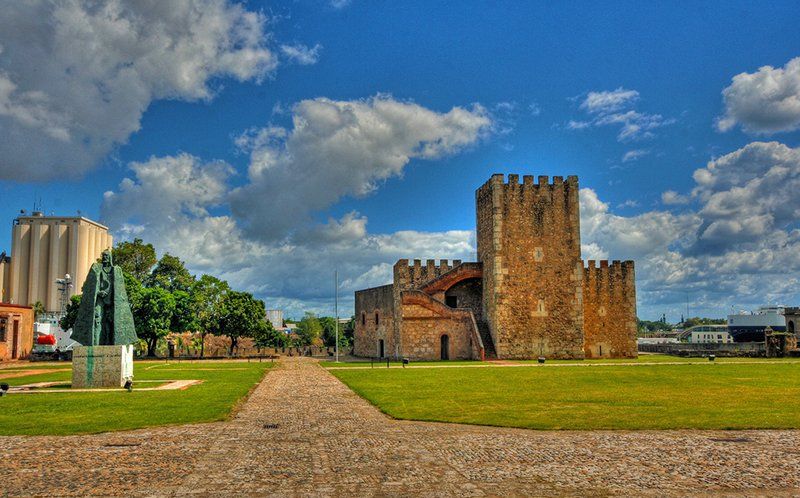
Osama Fortress
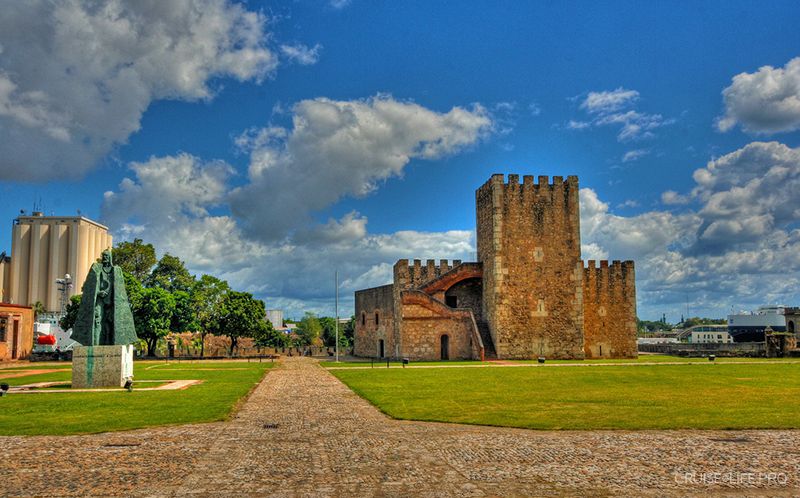
The Spanish seriously feared an invasion of their territories by the English, the Dutch, and the French, so they safeguarded themselves by building numerous fortresses. Osama was among the first to be erected, in the 15th century-on the site where the eponymous river flows into the Caribbean Sea, where a ship anchorage was located. The fortress consists of several powerful stone buildings surrounded by a crenellated wall. The most impressive structure is the Torre del Homenaje tower, with thick walls and embrasures. Its main advantage in the modern world is the fantastic view from the roof over the old part of Santo Domingo, so climbing up to the viewing platform with a camera is absolutely recommended for everyone.
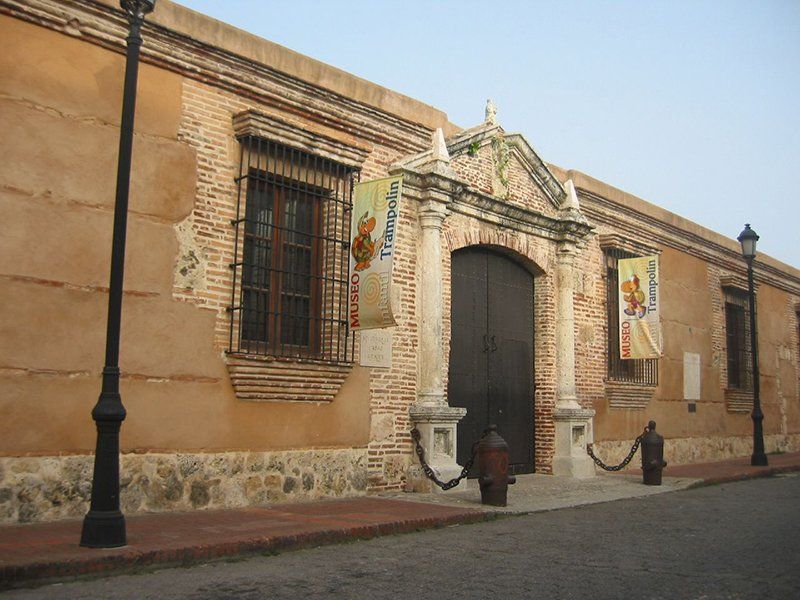
House of Bastidas
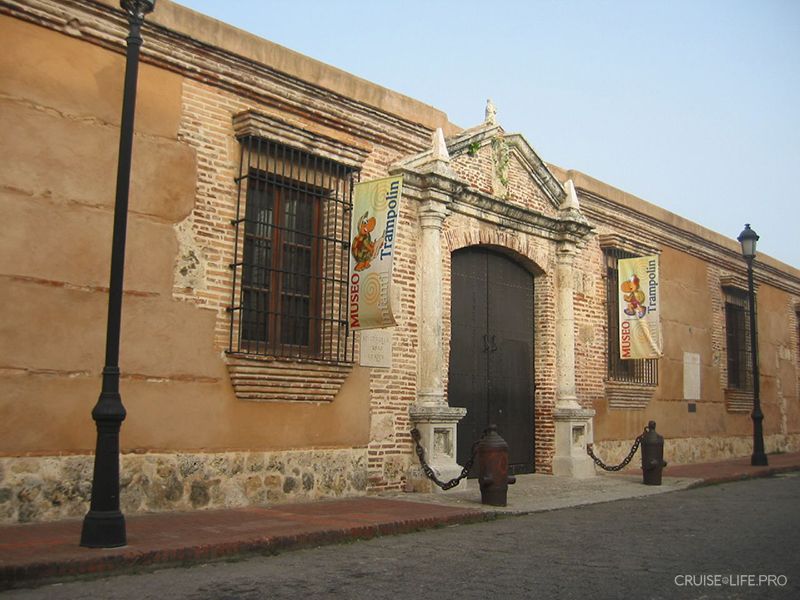
House of Bastidas is a manor house built by the brave Captain Rodrigo de Bastidas in the early 16th century. It is precisely this period that the oldest parts of the house belong to, facing Dam Street. Since then, the windows, doors, and inner courtyard have been preserved. The façade and the side galleries leading to the courtyard were built and finished much later - in the 18th century. Captain de Bastidas’s son was an influential man in Santo Domingo; he owned dozens of houses in the city and its surroundings, thousands of head of cattle, and nearly a hundred enslaved people. At the same time, he served as the dean of the city’s cathedral. When touring the House of Bastidas, remember that it is not typical of Dominican colonial architecture and looks more like a small piece of Spain right in the middle of Santo Domingo.