Santa Cruz, Virgin Islands

Port of call

Santa Cruz, Virgin Islands

Description — Santa Cruz, Virgin Islands

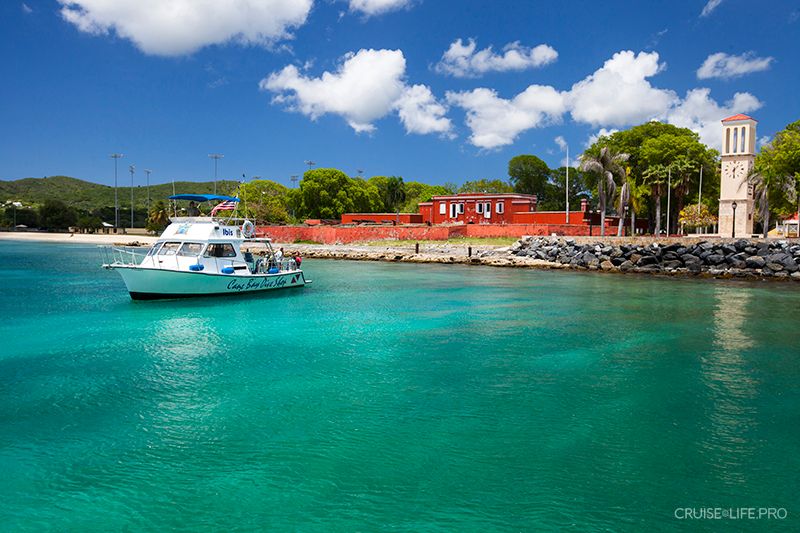
Christiansted - a city and port on the island of Saint Croix (U.S. Virgin Islands). 2,626 people live here.

Saint Croix - an island in the Caribbean Sea, a district and county of the U.S. Virgin Islands, a territory of the United States of America. The island's area is 214.66 km², and the population according to the 2010 census is 50,601 people. It is the largest of the U.S. Virgin Islands; however, the administrative center of the territory, Charlotte Amalie, is located on the island of Saint Thomas.

The first European to visit the island was Christopher Columbus on November 14, 1493, during his second voyage to the New World. Columbus named the island Santa Cruz, declaring it the property of the Spanish Crown. From 1650 to 1733, the island of Santa Cruz was under French rule. On June 13, 1733, France sold it to the Danish West India Company. For almost 200 years, the islands were known as the Danish West Indies. The island became part of the United States in 1917 by treaty, under which Denmark transferred to the United States all the islands of the Danish West Indies in exchange for the sum of 25,000,000 dollars in gold.

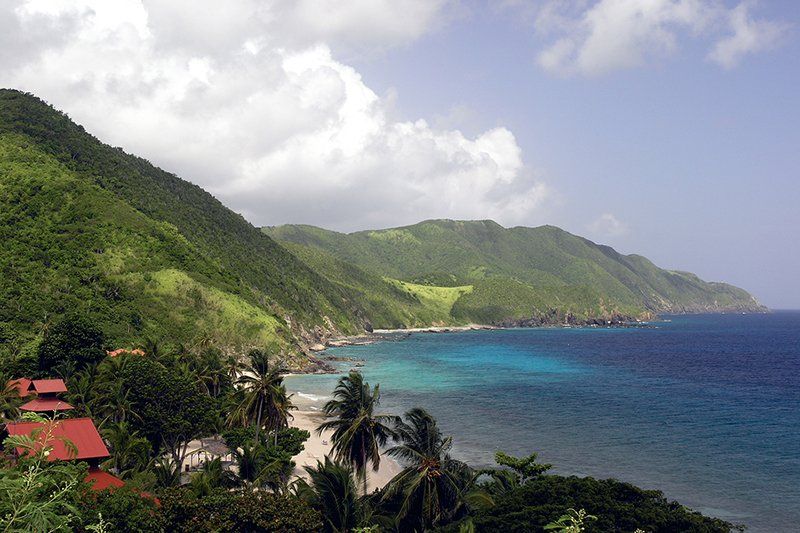
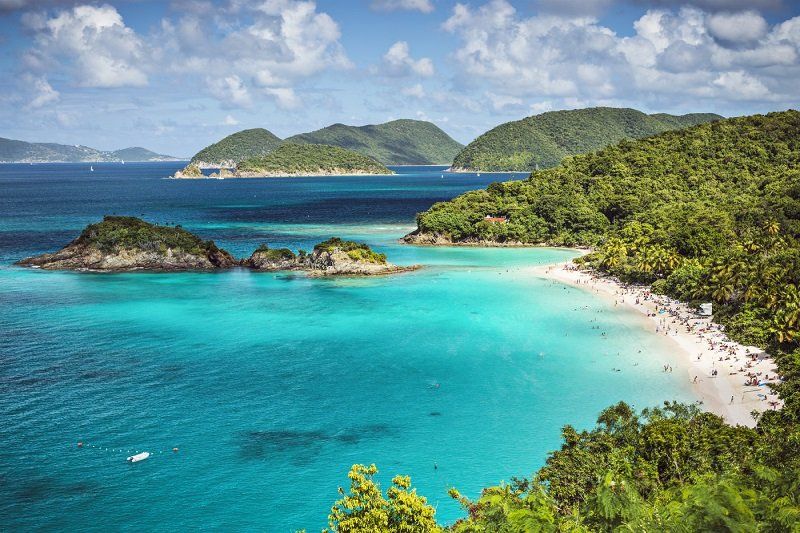
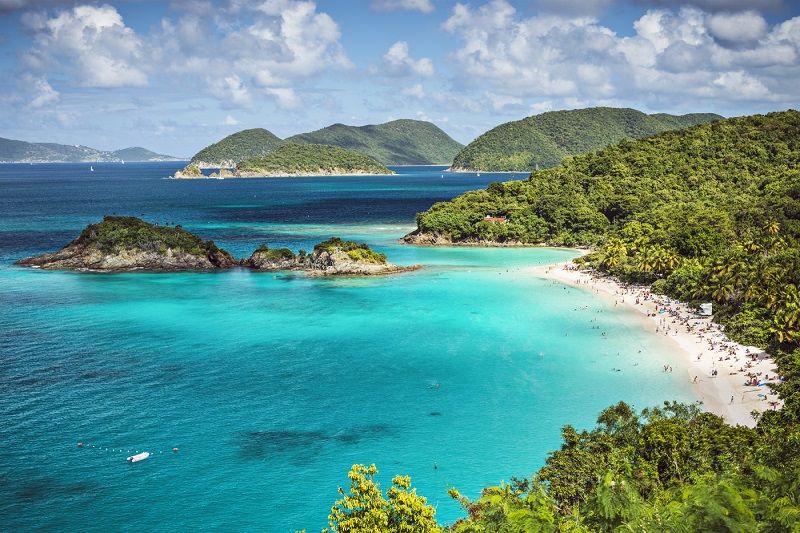
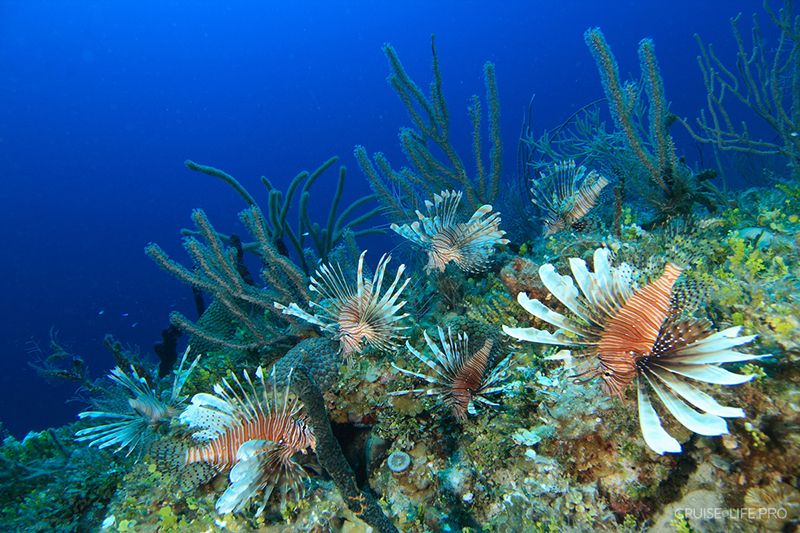
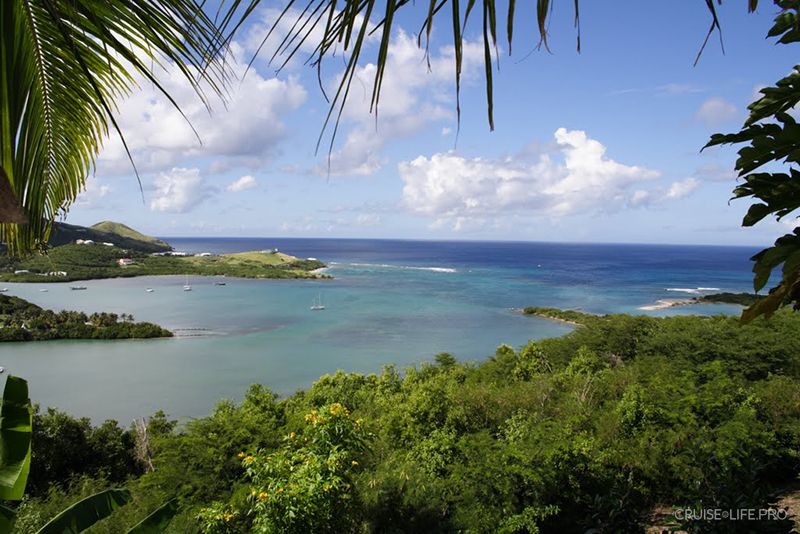
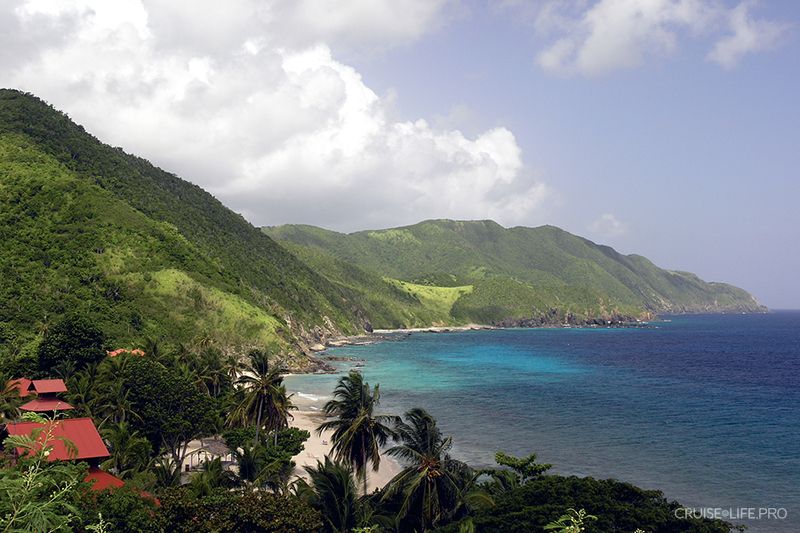
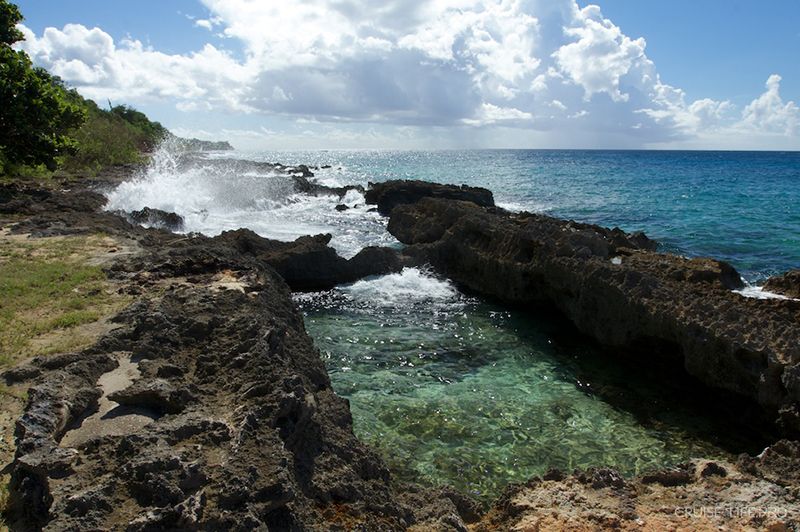
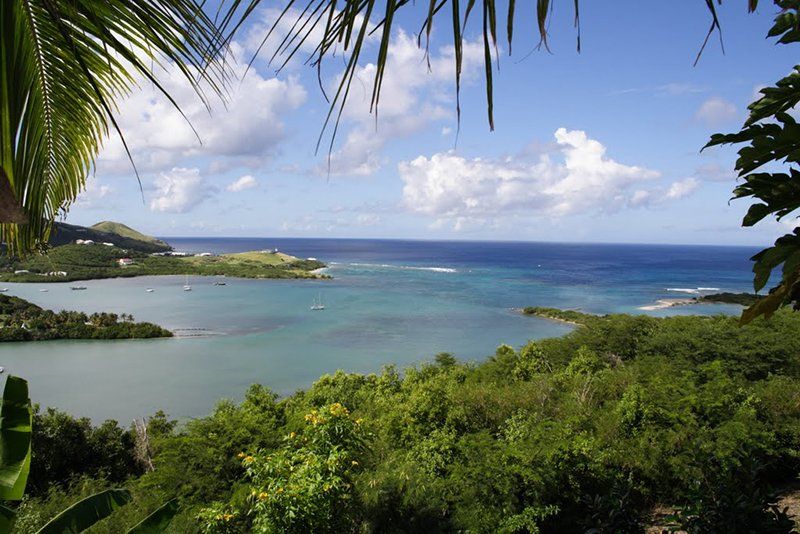
Saint Croix is surrounded by magnificent coral reefs, and around a hundred of its old sugar plantations and stone towers of numerous windmills noticeably diversify the fairly calm local landscape. The island's scenery is a blend of low, rocky hills (“sierras”) in the north, a vast fertile coastal plain in the south, tropical forest, and, of course, picturesque shores. Almost the entire area of the island, since 1948, has been under the administration of the National Park Service and has preserved its natural and historical charm.

Climate

The climate of the Virgin Islands is tropical; annual rainfall reaches 1000-1150 mm, and the average annual temperature is 26 °C. Average temperatures in summer are 24-29 °C, and in winter 30-35 °C.

Two types of seasons are distinguished: dry (winter and summer) and rainy (spring and autumn). The most favorable time to visit the islands is from mid-December to mid-May. Hurricanes occur in August-September.

Location on the map

Sights

Christiansted National Historic Landmark

Christiansted National Historic Landmark

The National Historic Site of Christiansted is an entire architectural and historical complex that includes a fort, company buildings that were located in the colonial town, the Danish House, the Schkall House, and Stipple Buildings. All these buildings were constructed in the 18th-19th centuries, when the islands belonged to Denmark and the town of Christiansted was the capital of the Danish West Indies. It is known that African slaves were brought here for work on sugarcane plantations. The historic site was created in 1952 and is of both cultural-historical and tourist interest today.
Fort Frederick

Fort Frederick

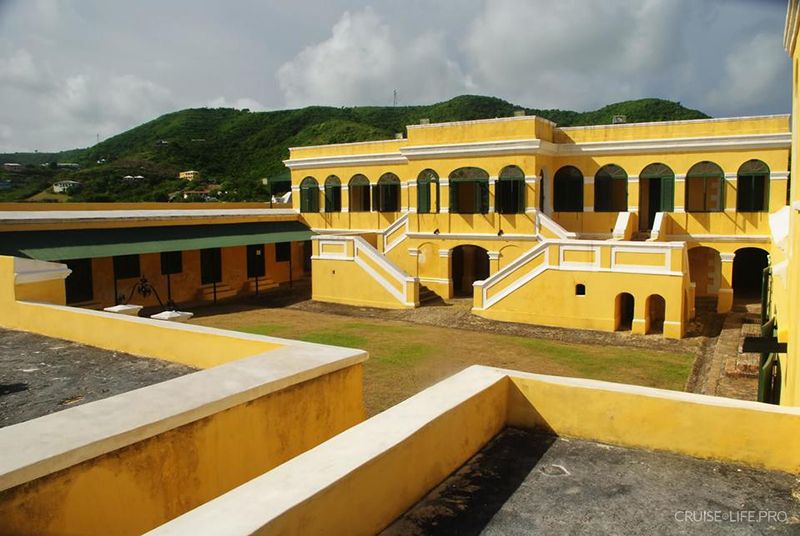
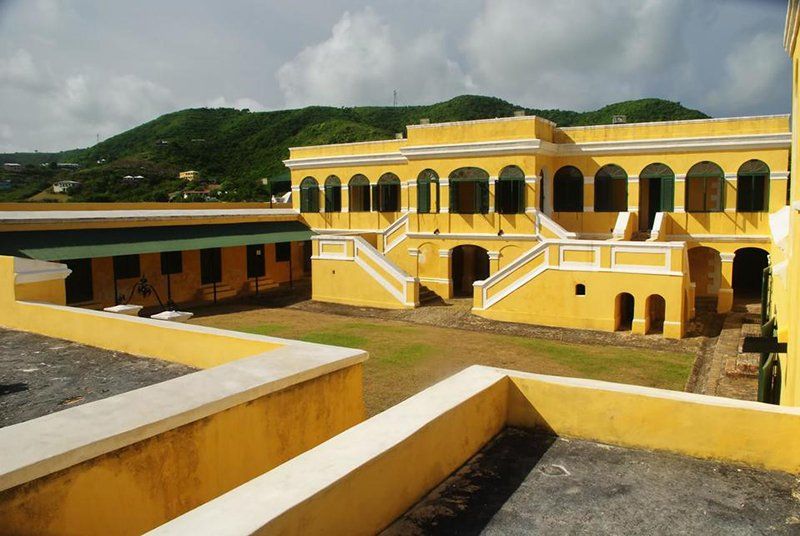
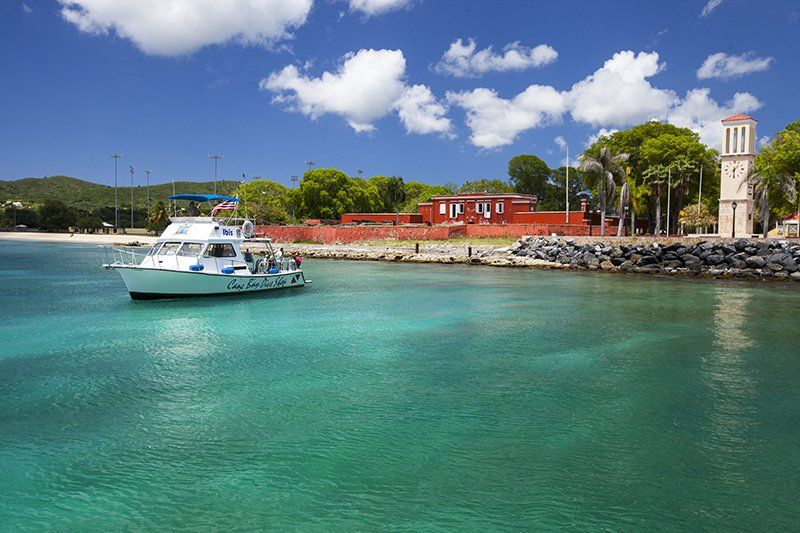
Fort Frederik was built in 1760 by the Dutch government in order to protect its interests in the Caribbean Sea. Fort Frederik witnessed important events that led to changes in the economy of the Virgin Islands: the Emancipation uprisings, which put an end to slavery in the Dutch West Indies, and then the labor revolt, which ended the system of labor contracts that placed workers in a state of near servitude. Over many years, Fort Frederik was used as: a military garrison, a police station, a library, a fire department, the city court, and a telephone exchange. Today, it is a listed architectural monument and one of the island’s main attractions.
What to see

East End Marine Park National Nature Reserve

East End Marine Park National Nature Reserve

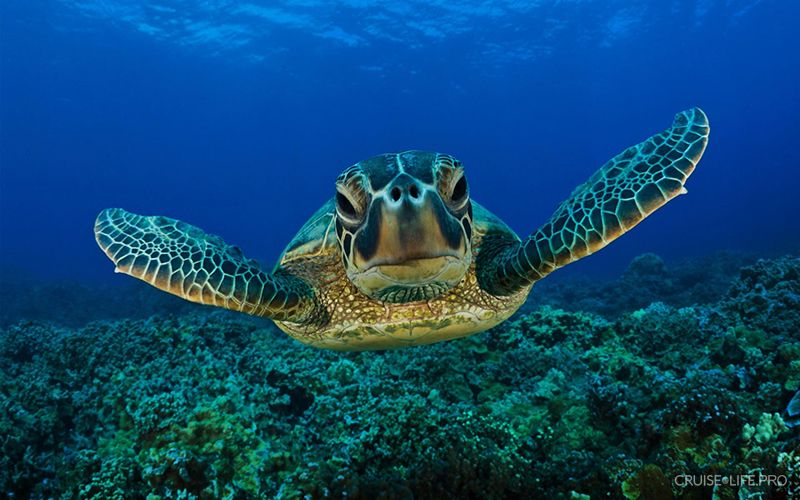
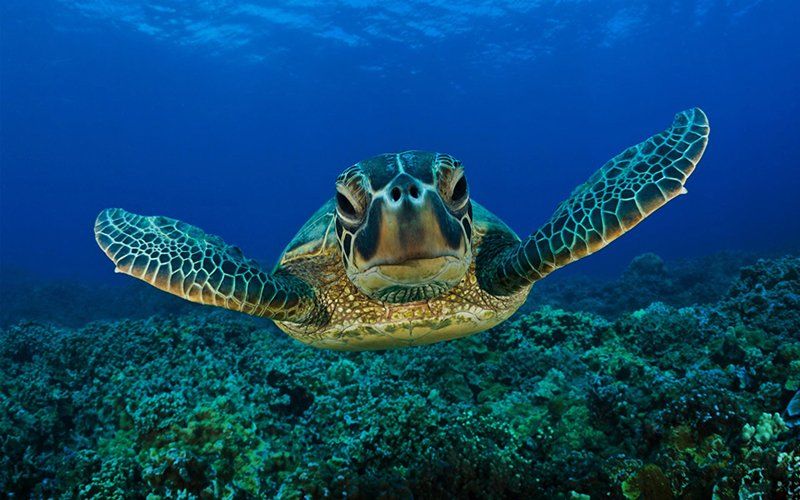
The East End Marine Park National Nature Reserve is a large area, including coral reefs, mangrove forests, vast colonies of seaweed and habitats of sea turtles. By creating the reserve, the island authorities aimed to preserve the remarkable nature of the island’s coastline and surrounding waters. The park rangers will gladly take you on a guided tour, during which they will tell you about and show all the island of Santa Cruz’s main natural attractions.

Salt River Bay Environmental Sanctuary

Salt River Bay Environmental Sanctuary

Salt River Bay is a national historical park and a well-known environmental reserve. The reserve covers an area of about four square kilometers. Salt River Bay Reserve was established in 1992. The national park-reserve of Salt River Bay is unique in that within its territory you can see very rare mangrove forests. There are also several watersheds and so-called estuaries-an uncommon form of river mouths that widen toward the sea-which contain species of plants and animals found very rarely on the planet.

Botanical Garden of Saint George

Botanical Garden of Saint George

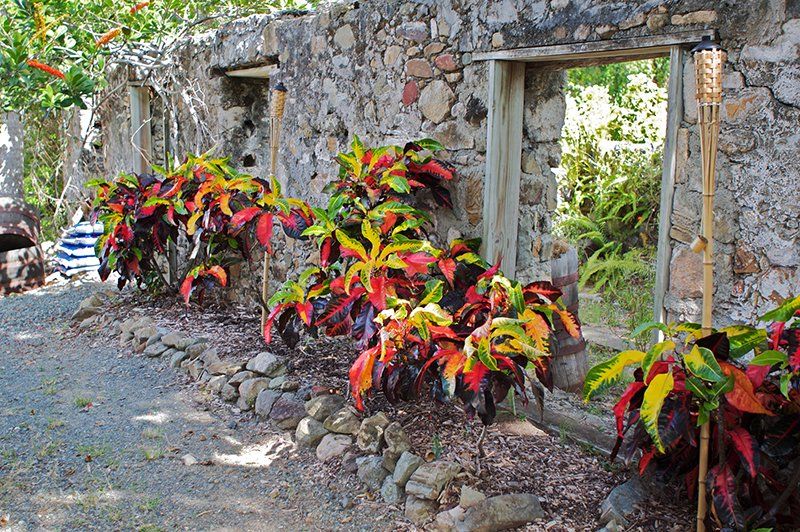
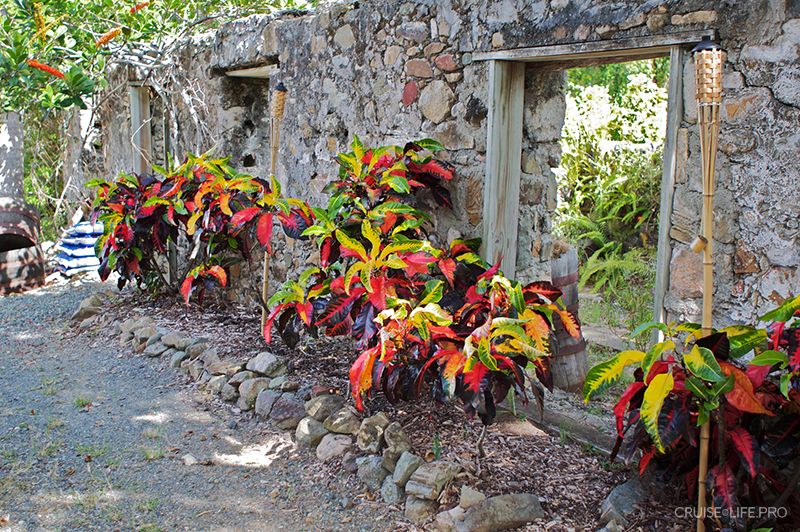
St. George’s Botanical Garden is located on an area of almost 65,000 sq. m. On its grounds, you can find more than 1,500 species of local and exotic plants. In addition, there are several historic buildings preserved from the time when this place was a sugarcane plantation. This unique site combines the island of Santa Cruz’s botanical, historical, and cultural heritage. Visitors to the botanical garden can enjoy beautiful views of the gardens and flowerbeds, visit the museum (a rich collection presents the history of the area), the souvenir shop (where you can buy gifts, books, home decor items, jewelry and other interesting things).

Beaches

Beaches

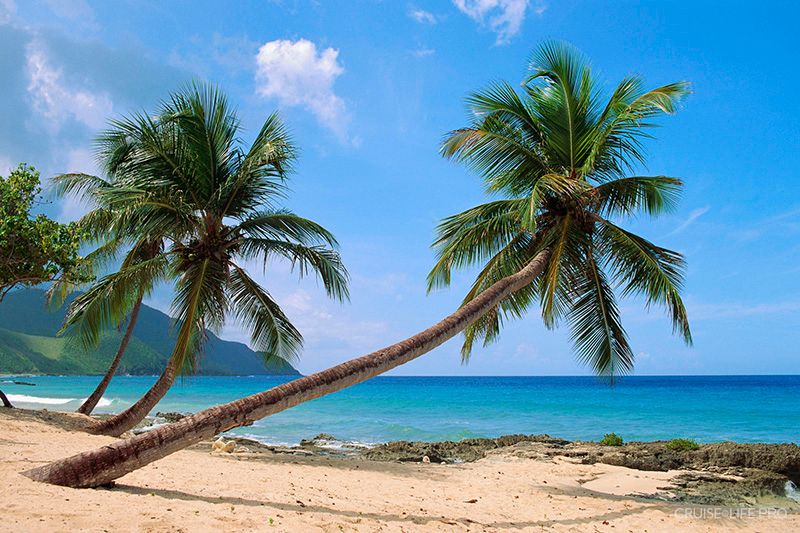
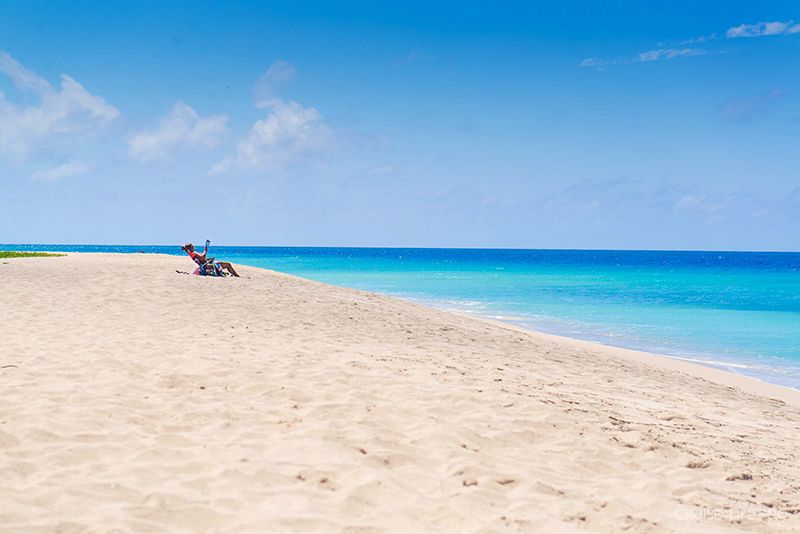
Despite the fact that there are fewer beaches on Santa Cruz than on other Virgin Islands, there are several very unusual and beautiful places here. Sandy Point Beach is a sandy beach on the island of Santa Cruz’s southwest coast, part of a national reserve. It is one of the longest beaches, consisting of more than three kilometers of soft white sand. Soft sand, turquoise water, and tropical greenery make this truly a paradise beach for a quiet, secluded getaway. From April to August, the beach is closed to visitors due to turtle nesting. Davis Bay Beach - a long beach with white sand, surrounded by mountains on the land side. This beach and its bay are a wonderful place for swimming, surfing, snorkeling, and scuba diving.

Recommended excursions

Bac Island Reef State Reserve

Bac Island Reef State Reserve

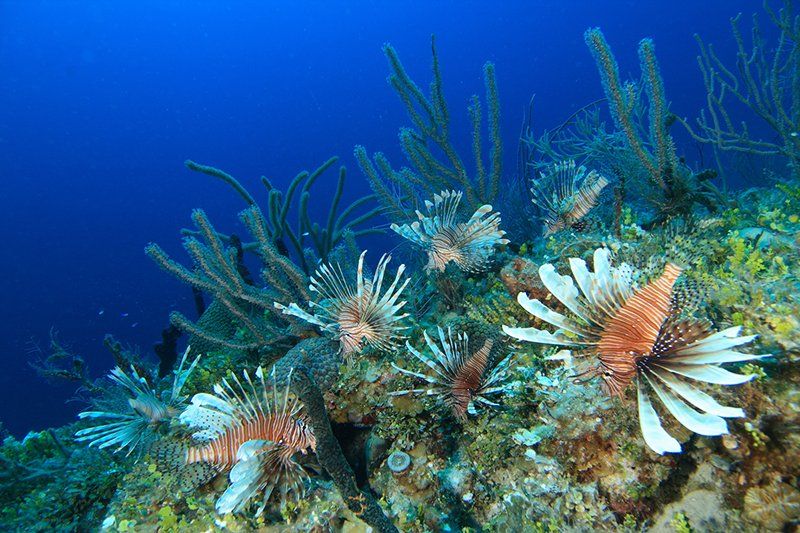
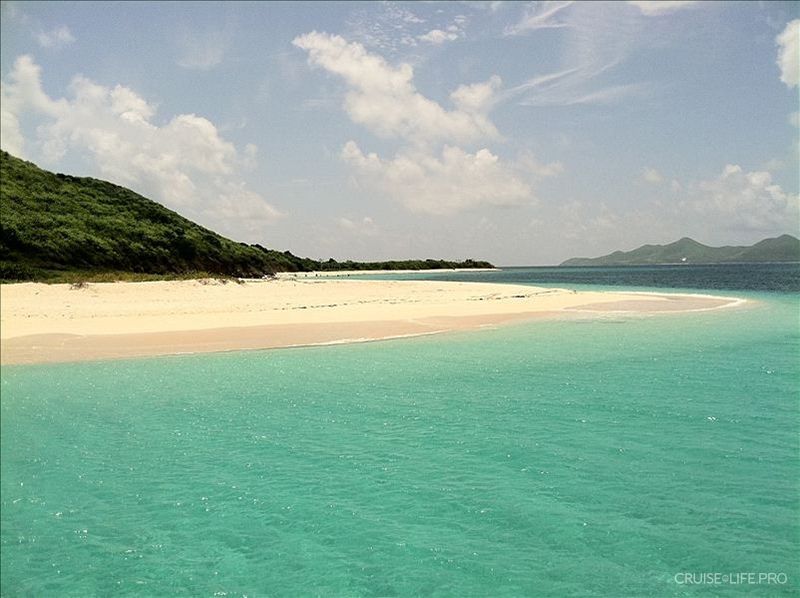
Buck Island Reef is a unique natural attraction that includes Buck Island and the entire nearby waters, which also encompass the picturesque reef. In 1961, the entire area was incorporated into a protected reserve. Buck Island Reef is distinguished not only by its beautiful white-sand beaches, but also by the coral reef, which covers half of the island. The reef is home to abundant fauna and marine flora, so this place has become appealing not only to tourists from around the world, but also to those who are into scuba diving. The area of the Buck Island Reef reserve is 3.6 square kilometers.

Captain Morgan Rum Distillery

Captain Morgan Rum Distillery

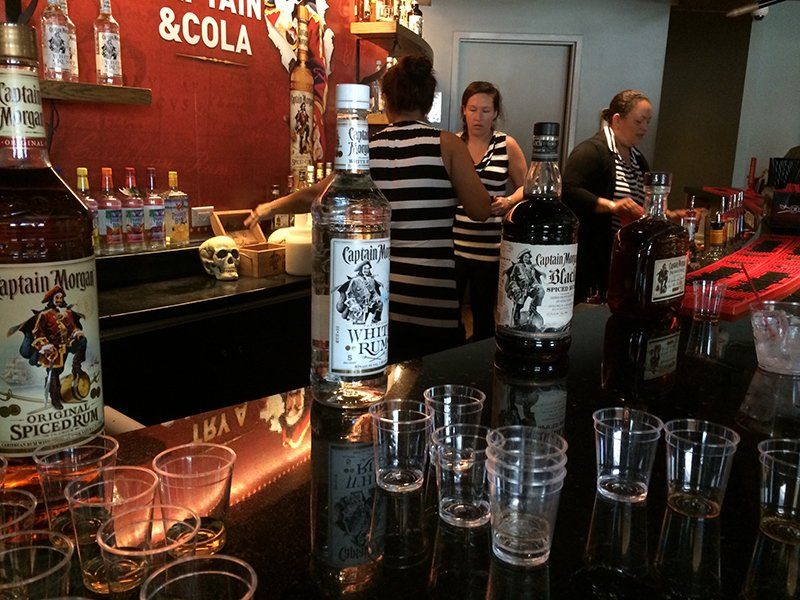
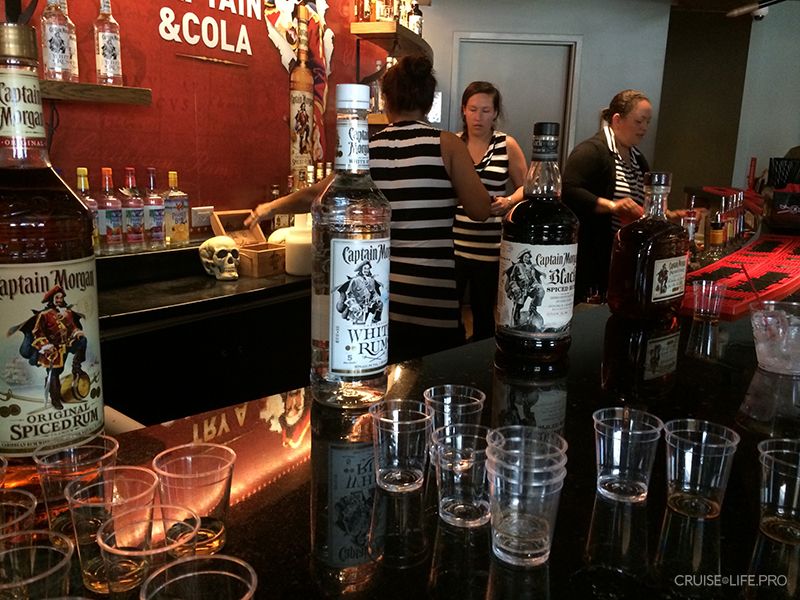
Visitors to the factory producing the world-famous rum Captain Morgan will learn the story of the island and the rum industry. In addition to the fascinating tales from your guide, you can look forward to films showing how this alcoholic beverage is made, interactive displays, and unusual exhibits. And after the tour, you can pleasantly spend time in the Captain's Quarters bar, buy souvenirs, and, of course, pick up a bottle of original rum.

For a more detailed list of excursions and their prices, you can check after booking your cruise in your “Client Personal Account”.