Saint Petersburg, Russia

Port of call

Saint Petersburg, Russia

Cruises to Northern Europe

Description — Saint Petersburg, Russia

St. Petersburg is a federal city of the Russian Federation, the administrative center of the Northwestern Federal District and of Leningrad Oblast. Located in the northwest of the Russian Federation, on the coast of the Gulf of Finland and at the mouth of the Neva River. In St. Petersburg are the Constitutional Court of the Russian Federation, the Heraldry Council under the President of the Russian Federation, the governing bodies of Leningrad Oblast, and the Interparliamentary Assembly of the CIS countries. The city is also home to the Main Command of the Russian Navy and the headquarters of the Western Military District of the Armed Forces of Russia.

The cultural capital of Russia, the Northern Venice, Peter’s brainchild-St. Petersburg is often called this way. The second-largest city in our vast country with a population of 4.8 million people. Few cities in the world can boast such a number of sights, museum collections, opera and drama theaters, estates and palaces, parks and monuments. St. Petersburg’s literary and musical heritage is no less remarkable-the number of writers, poets, and composers who created with inspiration on its misty shores is truly astonishing even for the most daring imagination. Along with Paris, Rome, and Venice, St. Petersburg is included in UNESCO’s list of cities where the entire historic center is placed under patronage. In addition, there are temples of 42 faiths here, including the amazing mosque with a porcelain dome, the only Buddhist monastery in Europe, and one of the most beautiful chapels of the Order of Malta. And there’s more: St. Petersburg is a “city of bridges.” Sixty-eight rivers, canals, and channels cross the city in different directions, forming forty-two islands within its boundaries. Today, St. Petersburg and its suburbs have 580 bridges, including 20 drawbridges.

But all descriptions of St. Petersburg are not the main thing. The atmosphere is what sets this city apart. A special atmosphere. People who visit often hear the following words: open your heart to the city and it will open itself to you and enter your heart forever. And if that happens-no matter when you arrive in St. Petersburg, no matter what time of year you find yourself here-in the rain or in scorching heat, in muddy slush or in frost-the city will always welcome you like its own child, warm you with its breath, soothe your soul, and instill hope. That’s the way it is.

Climate

The climate of St. Petersburg is moderate, transitional from a moderately continental to a moderately maritime climate. This type of climate is explained by the city’s geographical location and atmospheric circulation typical for Leningrad Oblast. This is due to the relatively small amount of solar warmth reaching the earth’s surface and entering the atmosphere. The total inflow of solar radiation here is 1.5 times less than in the south of Ukraine and twice less than in Central Asia. On average, St. Petersburg has 62 sunny days per year. Therefore, for most of the year, cloudy, overcast weather with diffused lighting predominates.

The length of day in St. Petersburg varies from 5 hours 51 minutes on 22 December to 18 hours 50 minutes on 22 June. The city experiences the so-called White Nights (it is generally considered that they begin on 25-26 May and end on 16-17 July), when the sun dips below the horizon by no more than 9° and evening twilight practically merges with morning twilight. In total, the White Nights last for more than 50 days. The annual range of the sums of direct solar radiation on a horizontal surface on clear days-from 25 MJ/m² in December to 686 MJ/m² in June. Cloudiness reduces, on average over the year, the incoming total solar radiation by 21%, and direct solar radiation by 60%. The annual total radiation is 3156 MJ/m².

The city is characterized by frequent changes of air masses, due largely to cyclonic activity. In summer, western and northwestern winds prevail, while in winter-western and southwesterly winds. St. Petersburg weather stations have data dating back to 1722. The highest temperature recorded in St. Petersburg over the entire observation period is +37.1 °C, and the lowest is −35.9 °C.

Location on the map

Sights

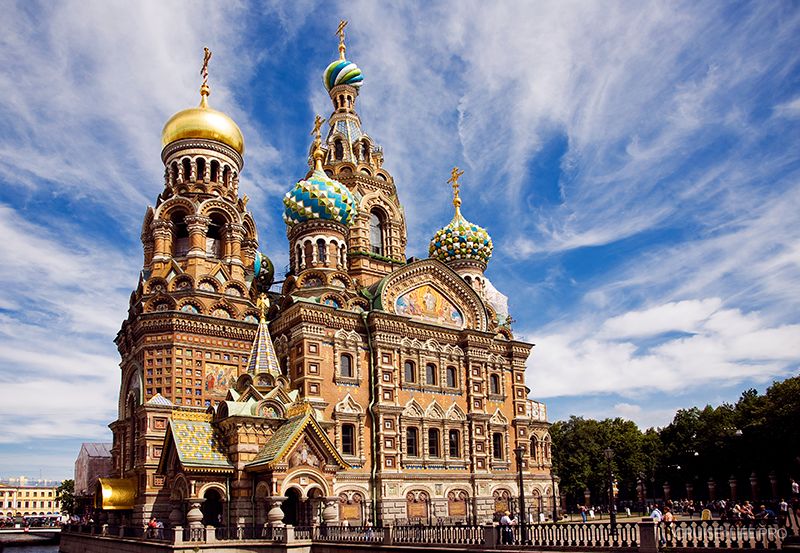
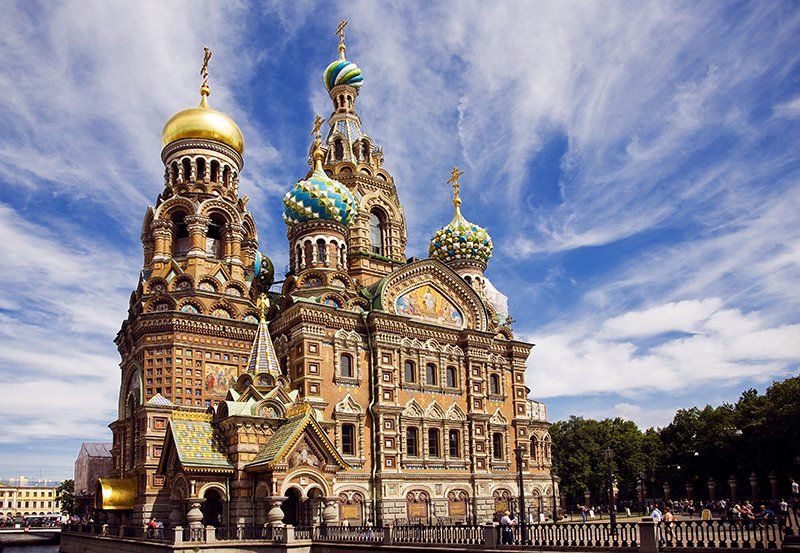
Church of the Savior on Spilled Blood

Church of the Savior on Spilled Blood

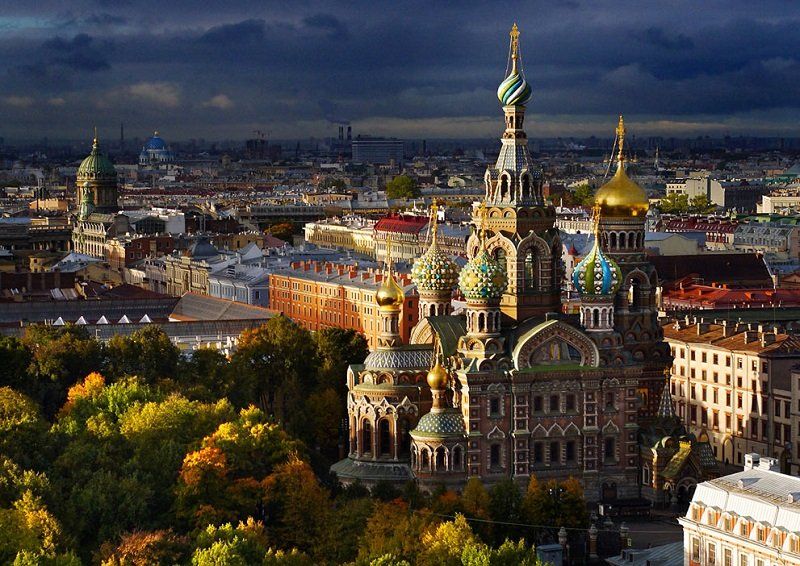
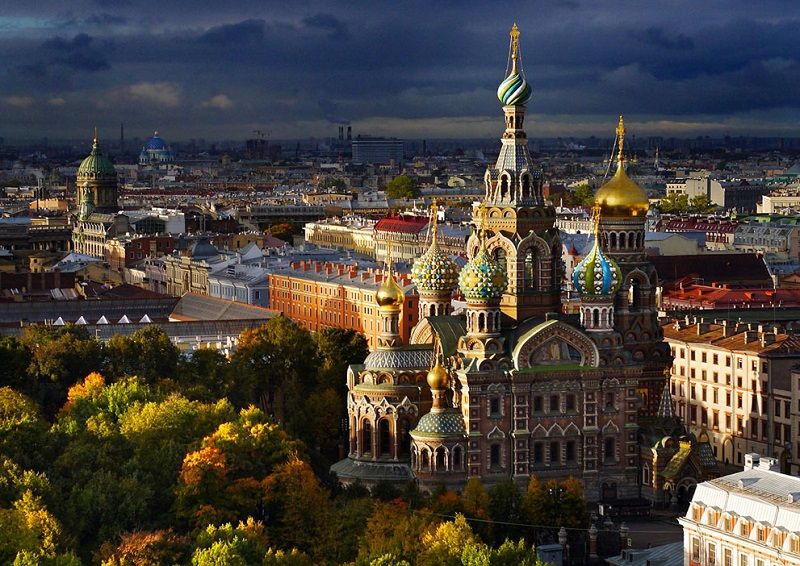
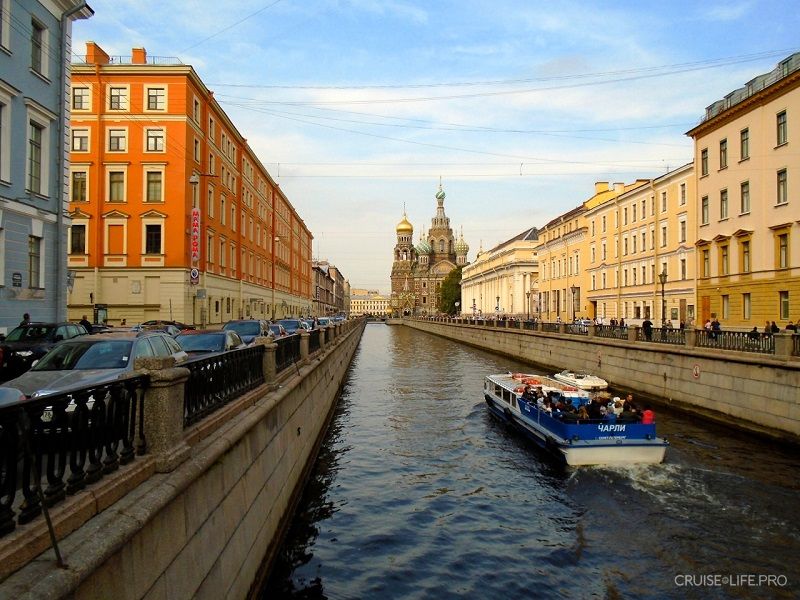
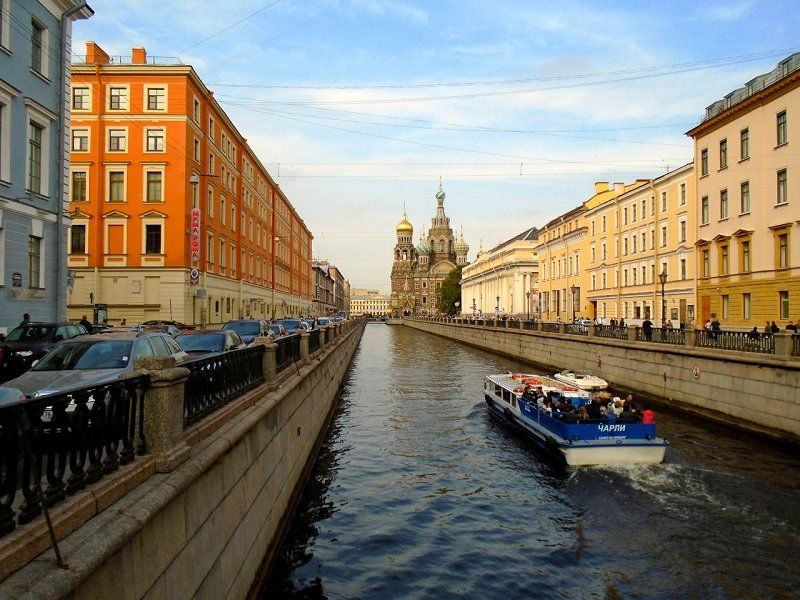
The Cathedral of the Resurrection of Christ on Blood is built on the very spot where, as a result of an assassination attempt, Alexander II was mortally wounded. On 1 March 1881, the Narodnaya Volya member Ignatius Grinevitsky threw a bomb at the emperor’s feet. It happened on the embankment of the Catherine Canal, when the “Tsar-Liberator” was returning from the Mikhailovsky Palace. Some compare Spas-na-Krovi with St. Basil’s Cathedral, while others believe that the five-domed structure resembles a manor house in the spirit of Torzhok or Yaroslavl: richly decorated with mosaics and stone, with colored domes in enamel and gold leaf. The interior decoration is entirely in mosaic style: it is one of the largest collections of mosaics in Europe. Everyone can see the place where the tsar was killed-the section of the roadway has been preserved and fenced off.
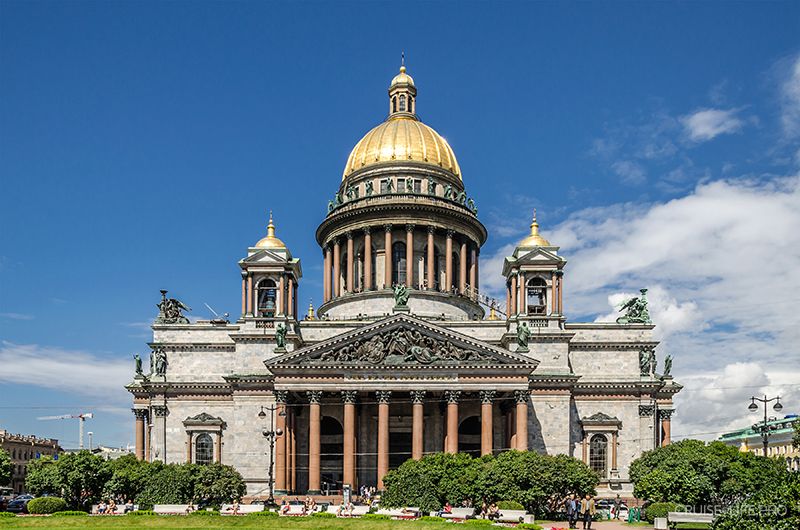
Isaac’s Cathedral

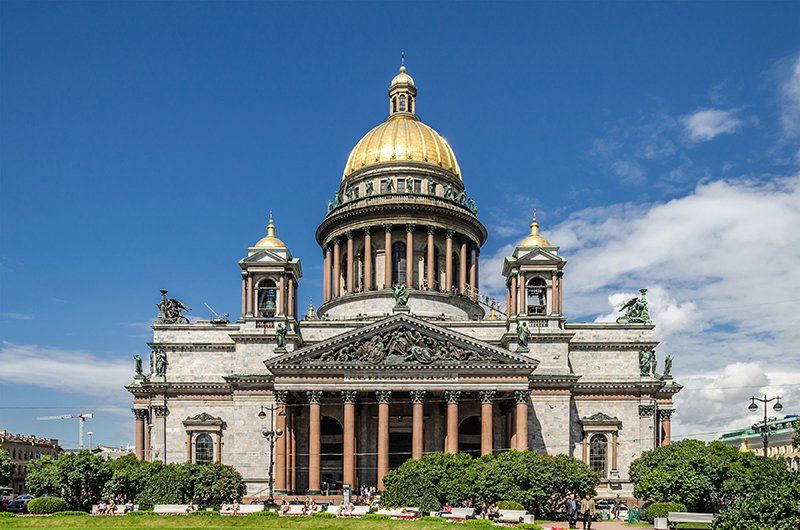
Isaac’s Cathedral

Seized between neighboring streets, Isaakiy always appears in your field of vision suddenly. Just a moment ago you were walking along Malaya Morskaya, and suddenly you’re blinded by the brilliance of the golden dome crowning the cathedral. The dome, made with more than 100 kg of gold, protected the building during World War II: the Germans used it as a landmark, so the cathedral-and with it the vast collection of valuables-survived the bombings. The church’s interior is all gilt and stone: lapis lazuli, malachite, and rare types of marble. The dome painting is especially impressive, recreating biblical scenes. And above all, the reason most people usually come to Isaakiy is its grand colonnade. By climbing the narrow spiral staircase, you reach a height of 43 meters: this is the best viewing platform in all of St. Petersburg.
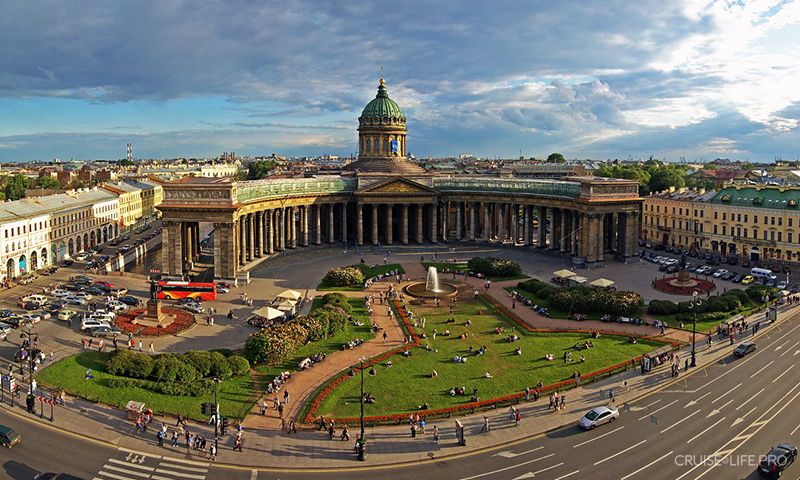
Kazan Cathedral

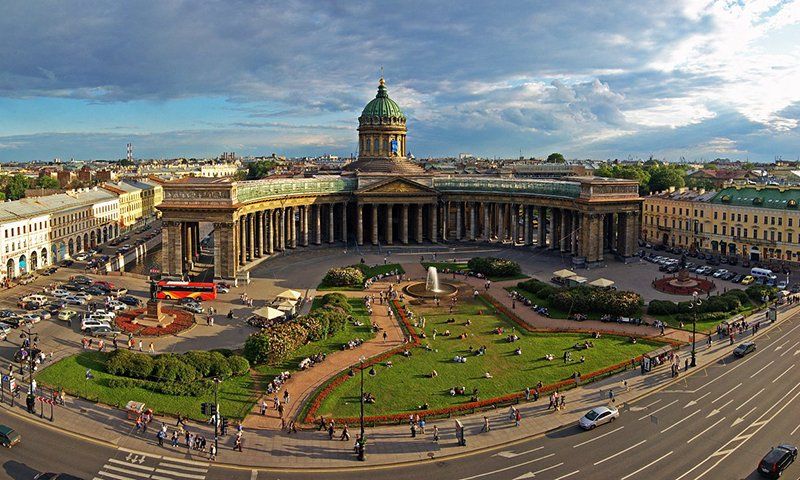
Kazan Cathedral

The stone bulk of St. Isaac’s Cathedral is the first thing guests of the city meet as they leave the “Nevsky Prospekt” metro station. Unlike other churches in Petersburg, it looks strict and gloomy-befitting its role in history. The cathedral is named after the icon of the Kazan Mother of God, which once belonged to Ivan the Terrible; she is considered the patroness of Russian warriors. When the Kazan Cathedral was built, the icon was brought to it from Moscow. In 1812, soldiers set out from the cathedral’s walls for the war with Napoleon. The cathedral is the burial place of Mikhail Kutuzov, the commander-in-chief of the Russian army in that war against the French.
Palace Bridge

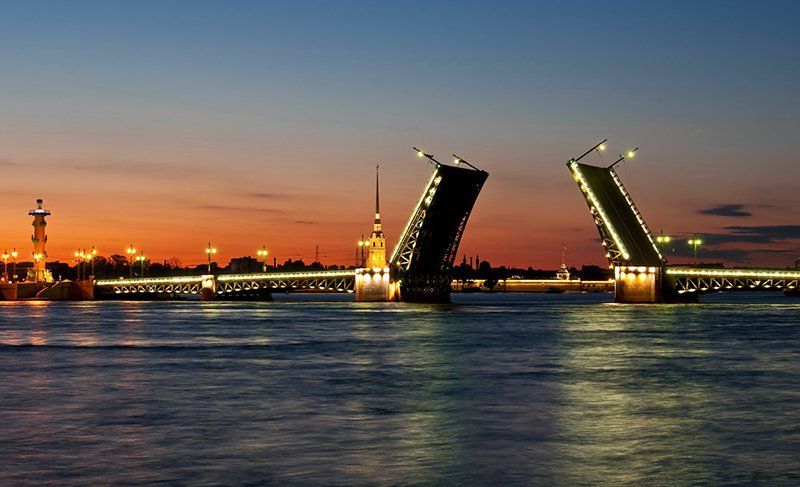
Palace Bridge

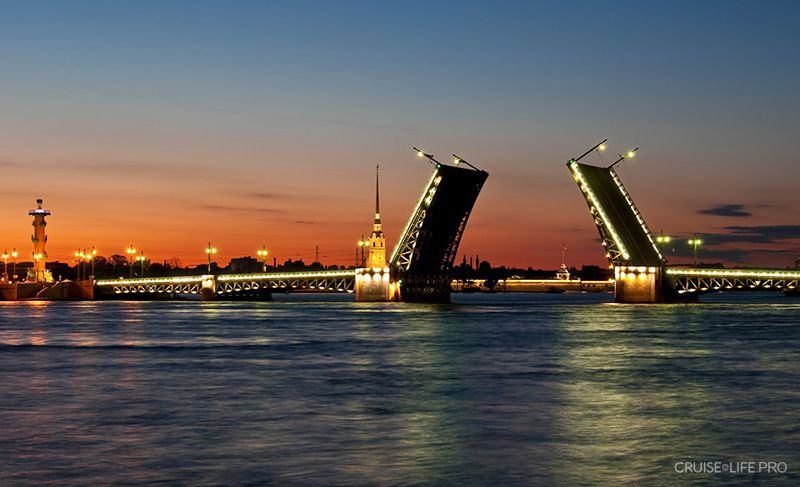
One of the main bridges in Saint Petersburg and its symbol, often seen on postcards. The Palace Bridge connects the central part of the city and Vasilievsky Island. It is still raised, so even today, late-night and carefree citizens still, much like nearly a hundred years ago, have to wait until morning to get back home.
What to see

Hermitage

Hermitage

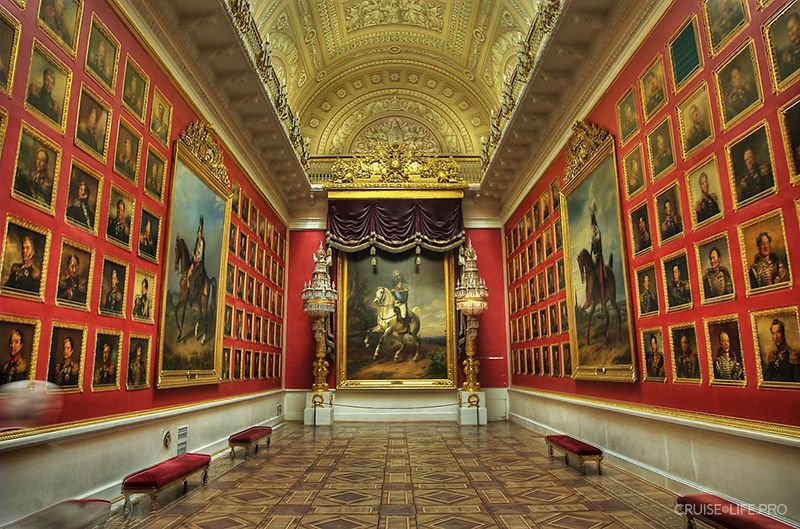
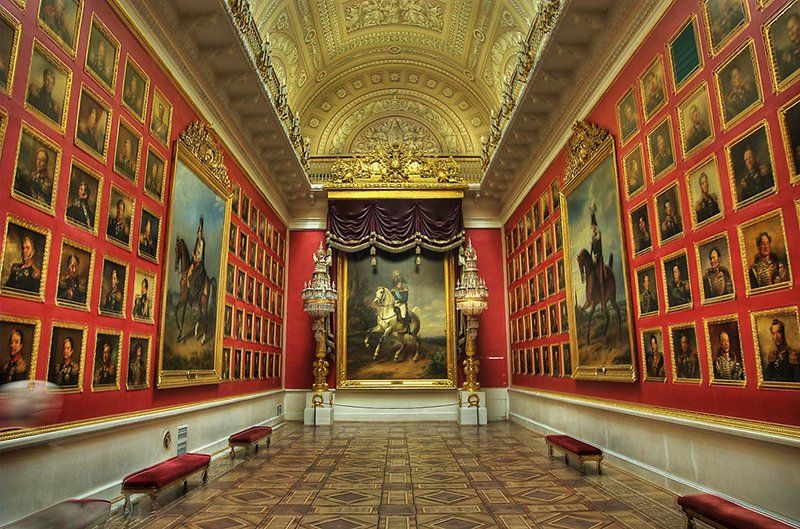
The name of this gigantic museum complex, surprisingly, translates to “a secluded corner.” Its history truly began with a small private collection belonging to Catherine the Great, but over two and a half centuries the museum has grown into one of the largest in the world. To study all of its halls thoroughly, you’ll need more than a week. The Hermitage complex consists of several buildings located close to one another along the Palace Embankment. The Winter Palace is the center of the museum. In the Small Hermitage, among other treasures, there are the “Peacock” clock by the London maker Cox: at a certain time, the gilded peacock, rooster, and owl not only sing convincingly, but also move as if they were real. The New Hermitage is famous for its sculptures of Atlantes holding a powerful stone portico on their shoulders.

Griboyedov Canal

Griboyedov Canal

Griboyedov Canal-a route through St. Petersburg in its own right, crossing half the city: from the center and almost all the way to the Gulf of Finland. A stroll along it on a small boat is an incredible pleasure: here, every building is a landmark. For example, Gogol lived in house No. 69, and Dostoevsky in house No. 61. Incidentally, the latter also placed some of his characters here. One of the canal’s main decorations is its two dozen bridges. The Bank Bridge with griffins-winged lions-is located opposite the former Assignation Bank (houses No. 30-32). The Lion Bridge is located not far from Theatre Square. The Demidov Bridge is also fascinating, with its astonishing, almost jewel-like latticework, as is the unique water crossing of the Griboyedov Canal with the Kryukov Canal.

Peter and Paul Fortress

Peter and Paul Fortress

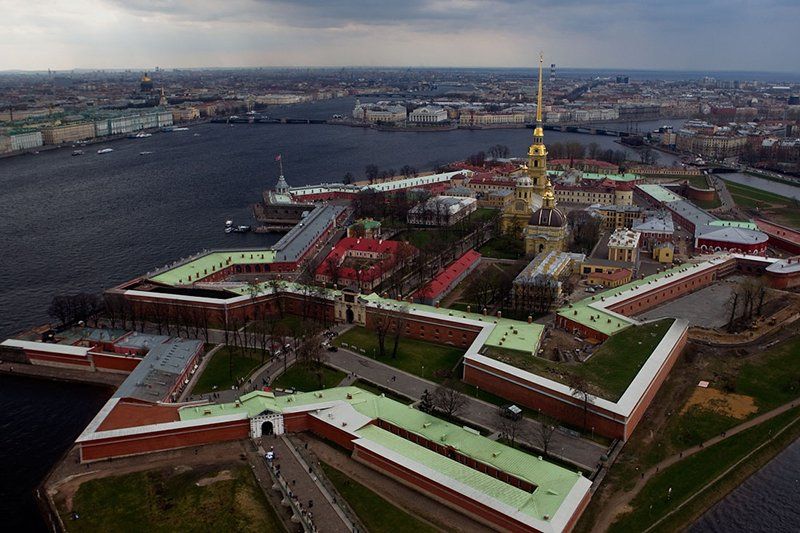
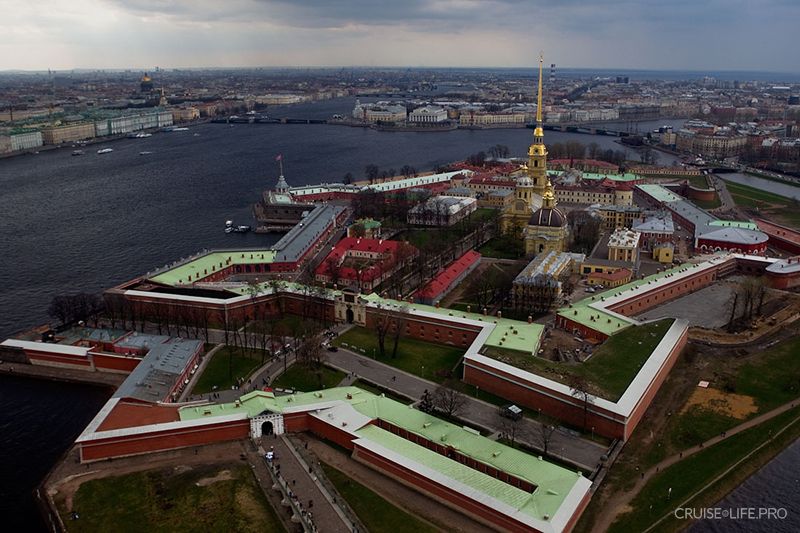
This is the heart of Peter, the structure from which the city’s construction began. The six bastions of the fortress are named after Peter the Great’s associates, who oversaw their construction. Arranged symmetrically, they look their best from the sky. The fortress was never involved in battles; instead, it served as a political prison-people were sent here without a court decision, but only by royal order. Today, the Trubetskoy Bastion houses a museum-prison. Other interesting places within the fortress include the Peter and Paul Cathedral, the Boat House, and the Mint, where, until the end of the 20th century, all Russian coins were struck. There is also the famous cannon that, from time immemorial, fires exactly at noon, marking the time.

Nevsky Prospekt

Nevsky Prospekt

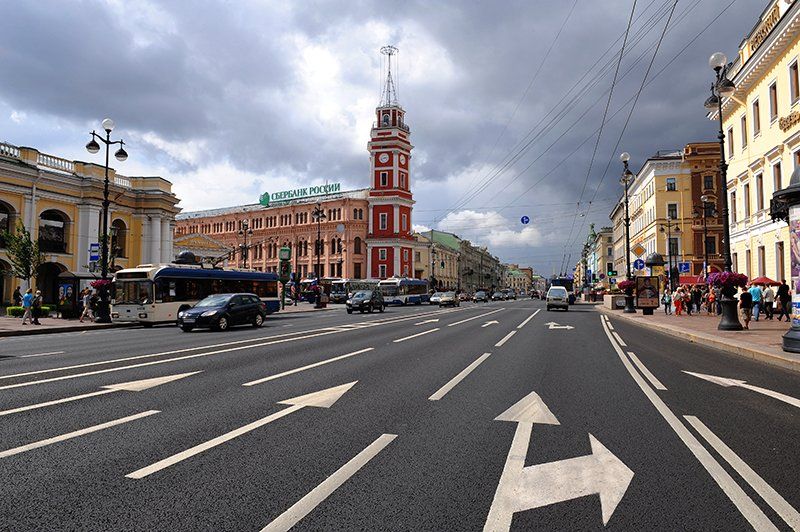
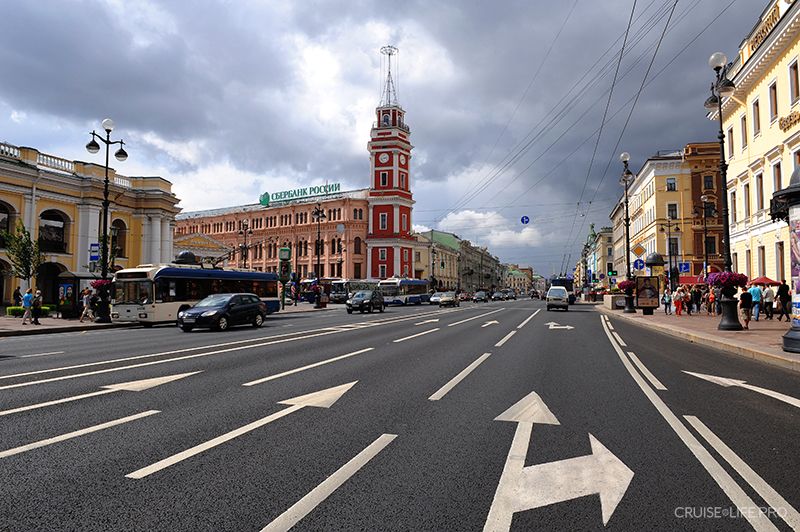
The city’s main thoroughfare is not a place for misanthropes: all day long, the traffic never stops. This is a smaller-scale model of the city, combining luxury and the unglamorous back side. Starting at Palace Square and crossing the Griboedov Canal, the Moika, and the Fontanka, it in turn showcases cathedrals, boutiques, upscale hotels, and stalls filled with Khokhloma souvenirs. In the former Singer company building-with a glass globe-there is the “House of the Book,” one of the city’s main cultural spots in St. Petersburg. Nearby are the “Gostiny Dvor” and “Passazh,” old-school department stores that once, during Soviet times, had total sway over the thoughts of fashion-conscious women. Fun statues standing on the sidewalk beckon you into museums of chocolate and wax figures.

Kunstkamera

Kunstkamera

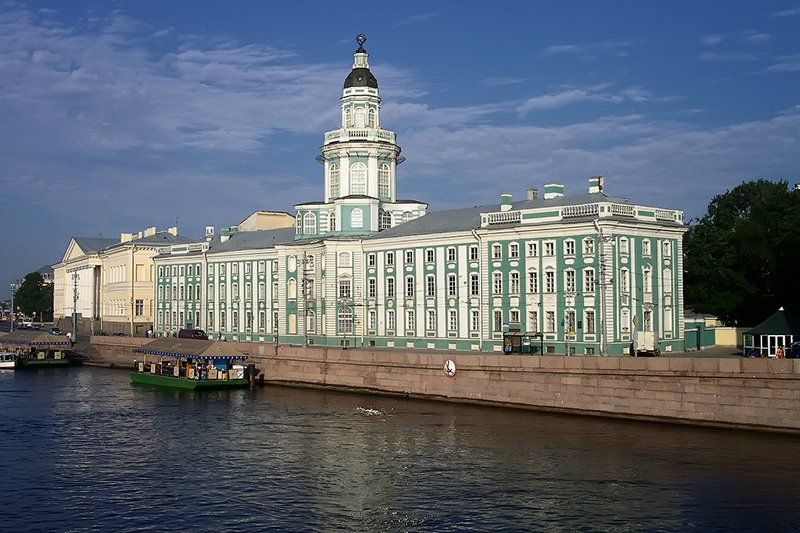
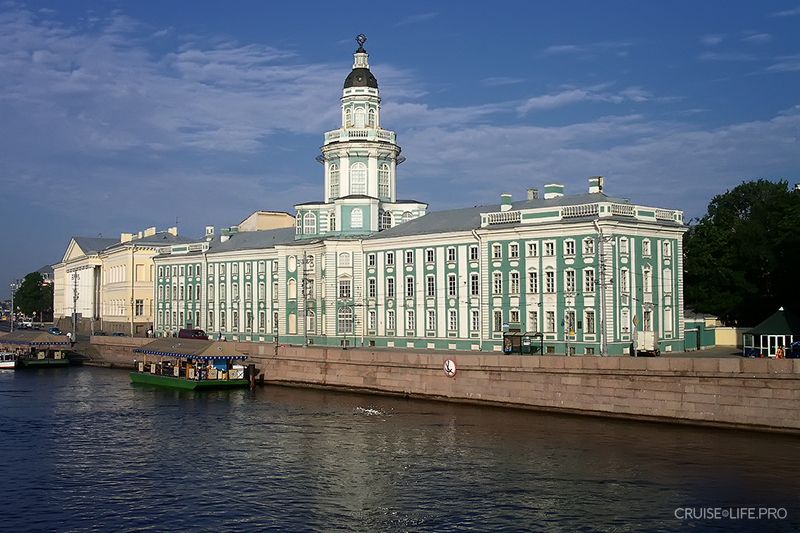
The St. Petersburg Museum of Anthropology and Ethnography is, as in olden times, called the Kunstkamera-meaning a “cabinet of curiosities.” The idea of creating the Kunstkamera belongs to Peter I, who, during one of his trips abroad, saw similar collections in Holland. It was during his reign that a collection of everyday items from different parts of the world began to be assembled. The museum also has samurai armor, tools used by African tribes, and a Mongolian yurt. However, above all, the Kunstkamera is known for its collection of “freaks”-anatomical anomalies. They appeared at the same time, under Peter, and were displayed to the public for the purpose of education.

Summer Garden

Summer Garden

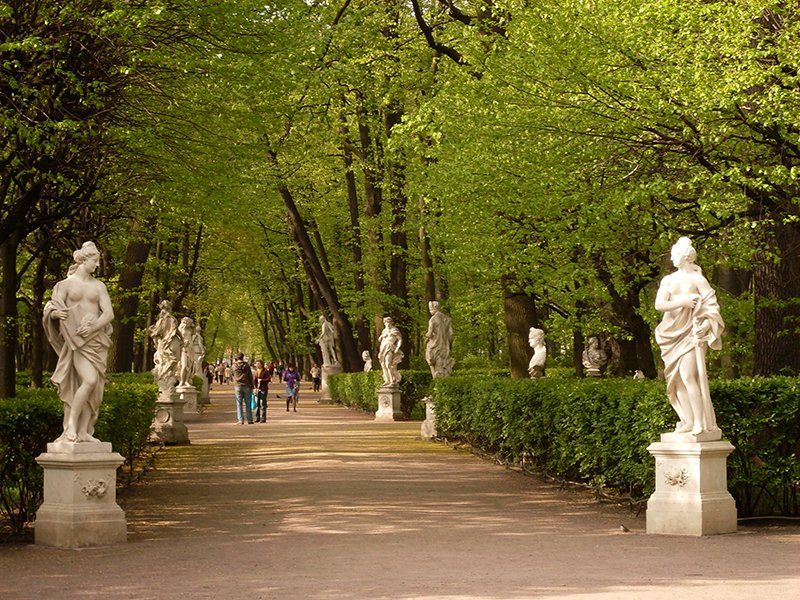
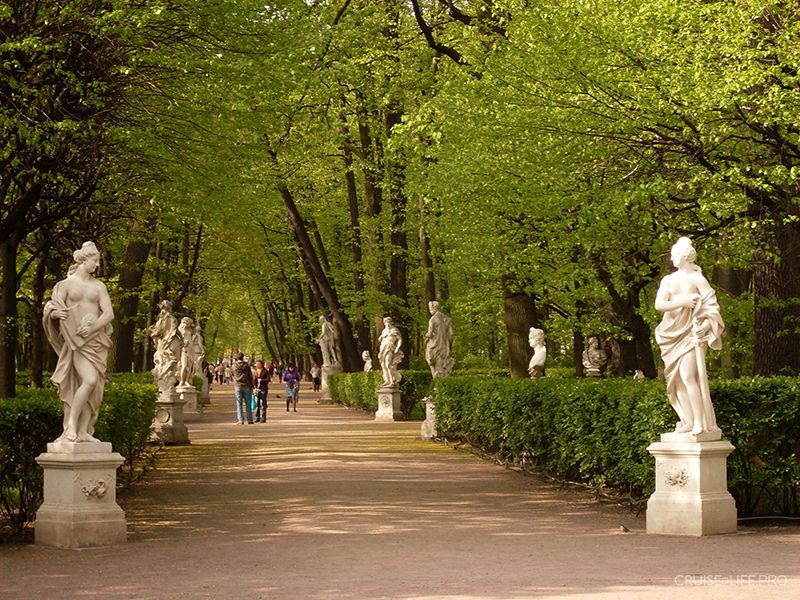
Akmatova’s lines about the best in the world from the fences aren’t just a tribute to her beloved city-they are an obvious truth: the Summer Garden’s wrought-iron railings are gilded lace, resting on granite columns-one of the most beautiful not only in St. Petersburg, but also all over the world. The Summer Garden was planned by Peter the Great as a place where respectable townspeople could take a cultured rest. In the early 18th century, the garden had aviaries, greenhouses, and fountains. The creators filled it with sculptures specially brought from Italy-some are still here today, bravely withstanding the harsh climate, while others have been replaced by copies. Today, the Summer Garden still remains one of the best places for a stroll, especially on sunny days of Indian summer.

Recommended excursions

Panoramic tour of Saint Petersburg

Panoramic tour of Saint Petersburg

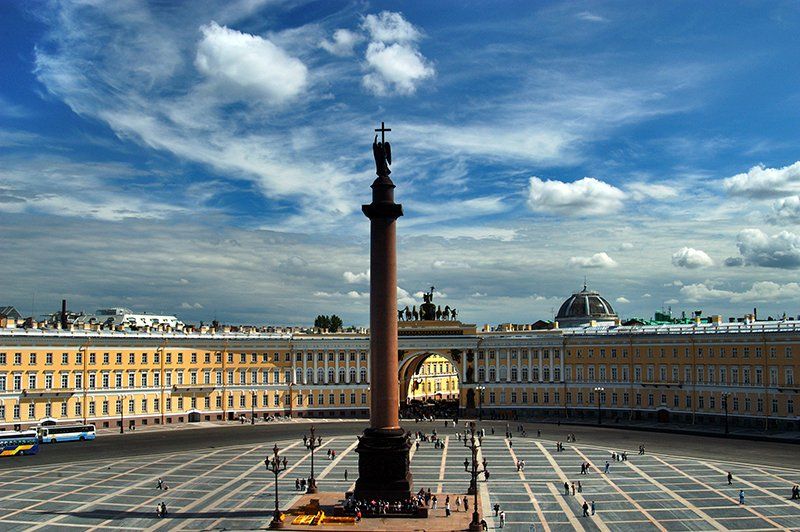
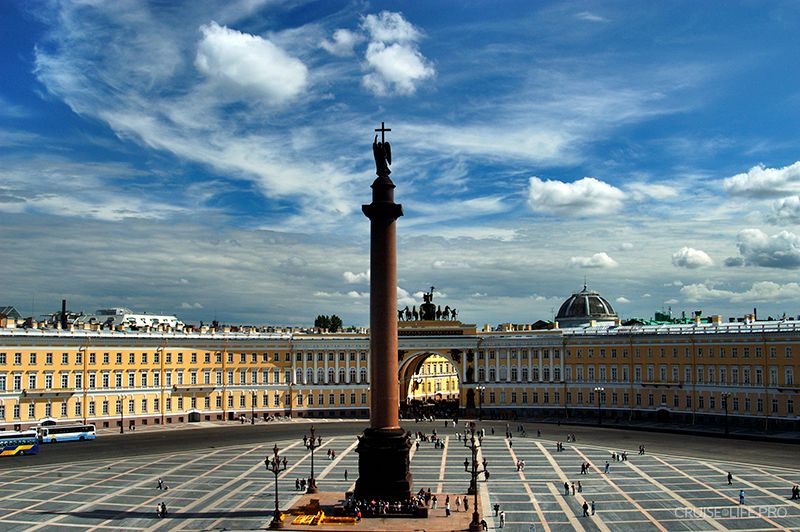
You will see all the main sights that have earned the city its reputation as an open-air museum: the Hermitage and Palace Square, St. Isaac’s Cathedral, the Admiralty, the Bronze Horseman, the Spit of Vasilyevsky Island, the Peter and Paul Fortress, Nevsky Prospekt, Kazan Cathedral, Church of the Savior on Spilled Blood... enjoy the harmony of the Northern Capital and take beautiful photos!

Peterhof. The Capital of Fountains

Peterhof. The Capital of Fountains

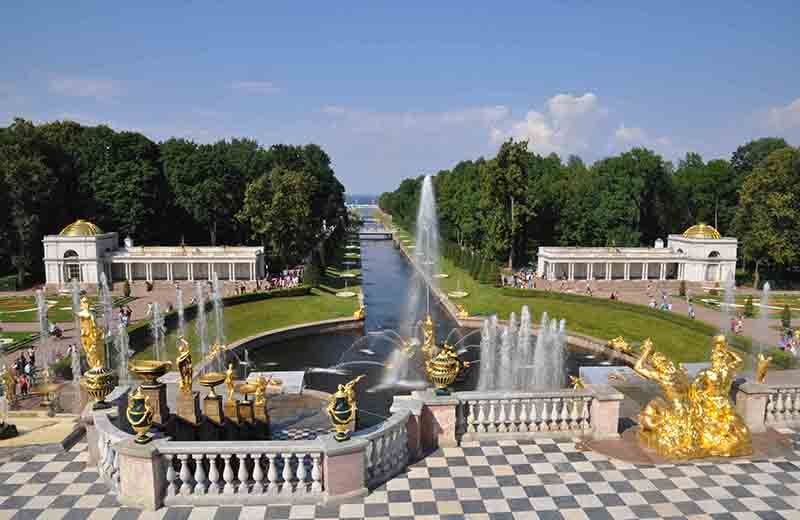
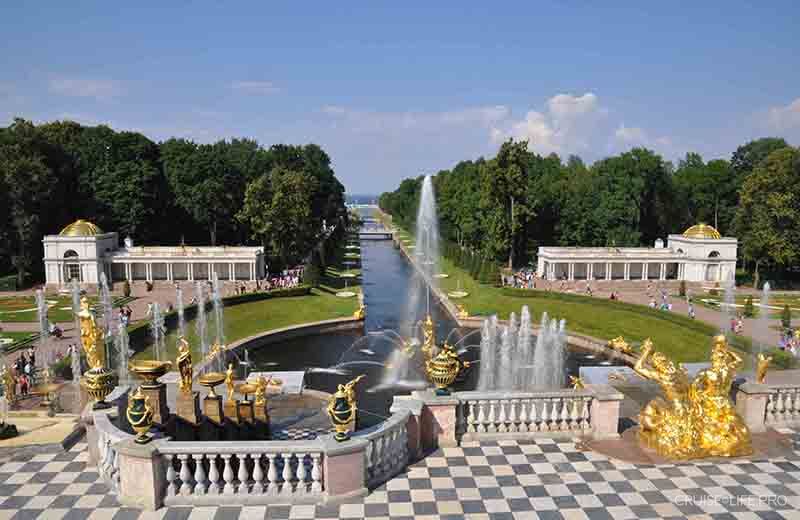
The excursion will begin even on the way- the route to Peterhof runs along the Old Peterhof Road, the ceremonial departure from the capital to the royal country residence, which is still rich in architectural and historical monuments, as well as palace-and-park ensembles of the 18th-19th centuries. These are the estates of the grand dukes, sons of Nicholas I, the Sheremetevs, the Naryshkins, E.R. Dashkova, etc. In the Lower Park of Peterhof there are several artistically complete architectural-and-park ensembles, each of which includes a palace, formal gardens, fountains, and so-called service corners. The central ensemble is the Grand Palace with a cascade, canal, and flowerbeds, the “Grand Greenhouse” with an orchard and hotbeds, the Monplaisir Palace with a garden and greenhouses “for culinary herbs,” and the Marly Palace with vegetable gardens, gardens, and fish ponds. Monplaisir is Peter the Great’s favorite palace. It was Peter I who determined the palace’s location-it stands just a few steps from the restless waters of the Gulf of Finland, as well as its interior layout and some elements of decorative finishes. If the soul of Peterhof is its magnificent fountains, then the heart of Peterhof can rightfully be called the “Monplaisir” Palace.

For a more detailed list of excursions and their prices, you can check it after booking the cruise in your “Client Personal Account”.