Château de Saint-Malo
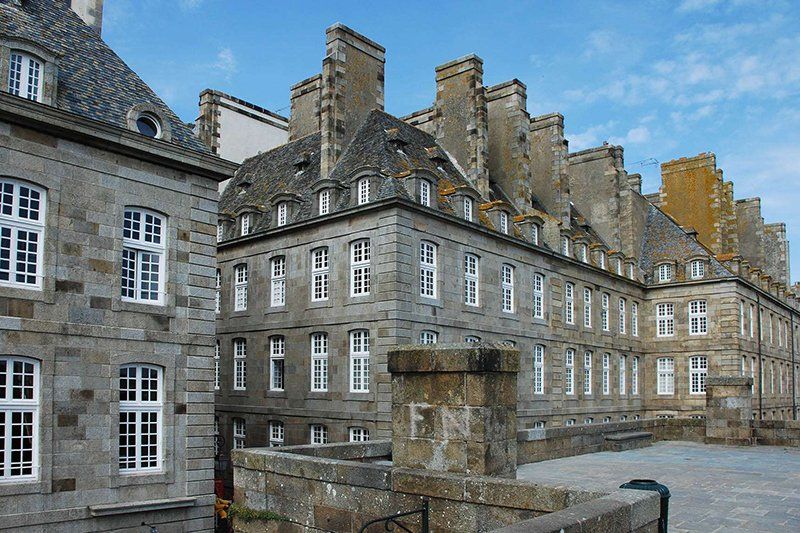
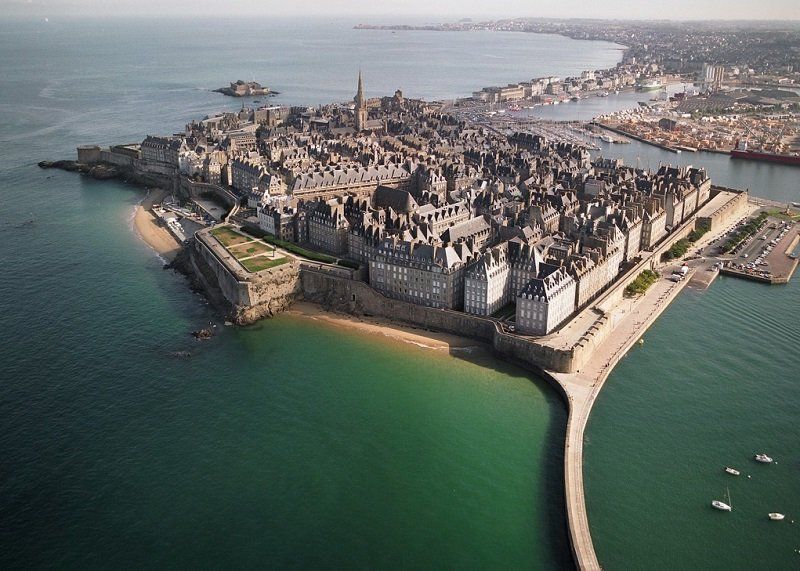
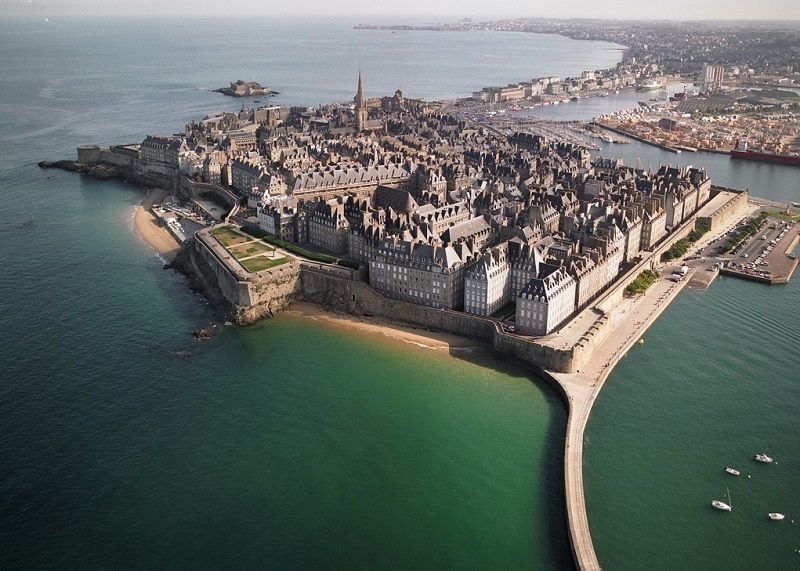
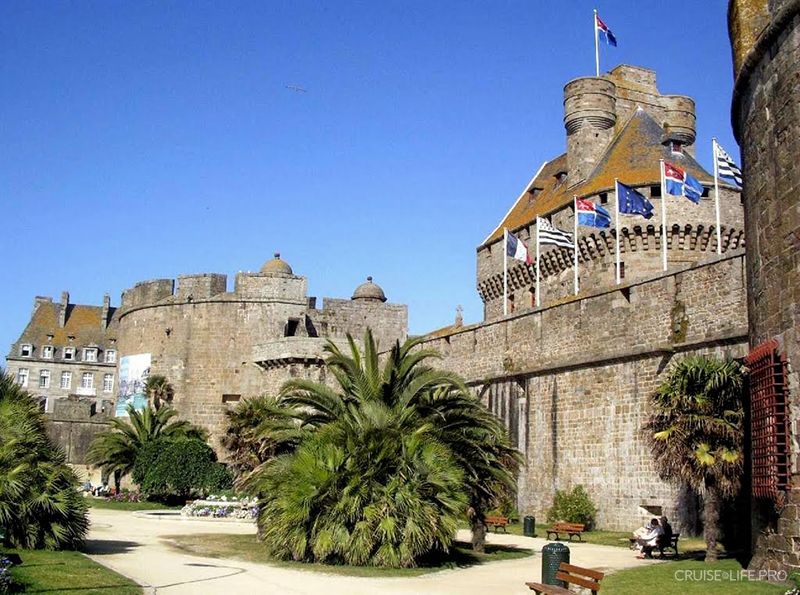
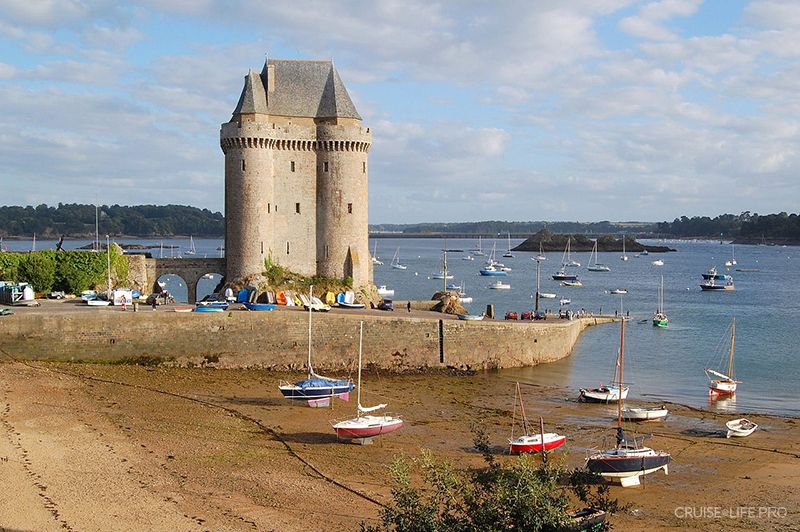
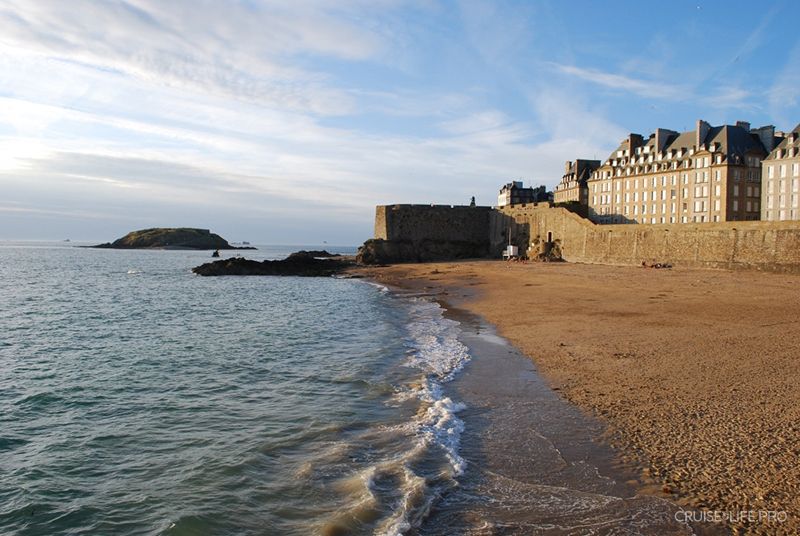
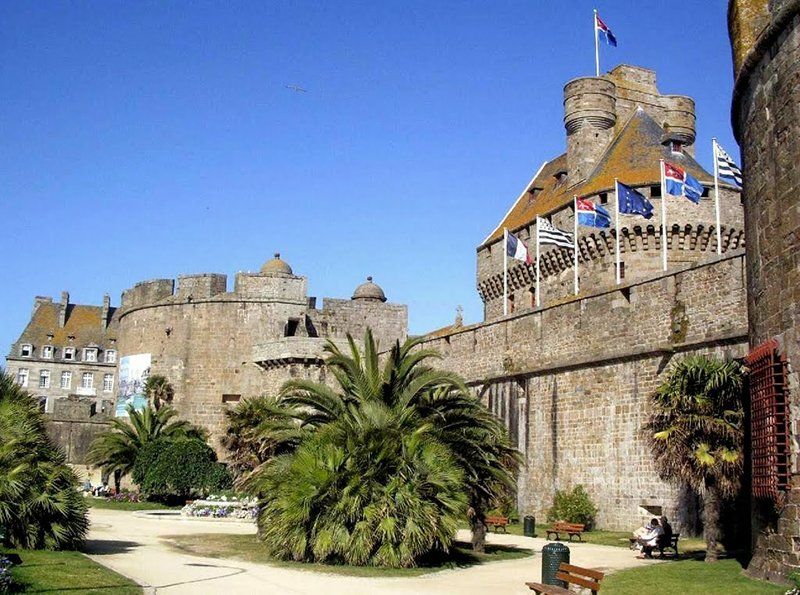
St. Malo Castle (15th-18th centuries), which “grew” on the remains of medieval walls, was built by the Dukes of Brittany to provide protection for the city. Before it became a museum in 1927, this place witnessed several historic events. In particular, in 1590 the castle was taken by storm by the people of St. Malo themselves, who wanted to prevent the governor from handing the city over to the supporters of the Protestant King Henry IV. In 1765, Louis XV imprisoned the Advocate General of the Parliament of Brittany in the castle. A painting titled “The Lamentation of Christ” (1704) is kept in the castle chapel. From the viewing platform of the Great Donjon, you can enjoy a magnificent view of the old town, the port’s waters, the beaches, and the vast expanses beyond the city walls.
St. Vincent Cathedral
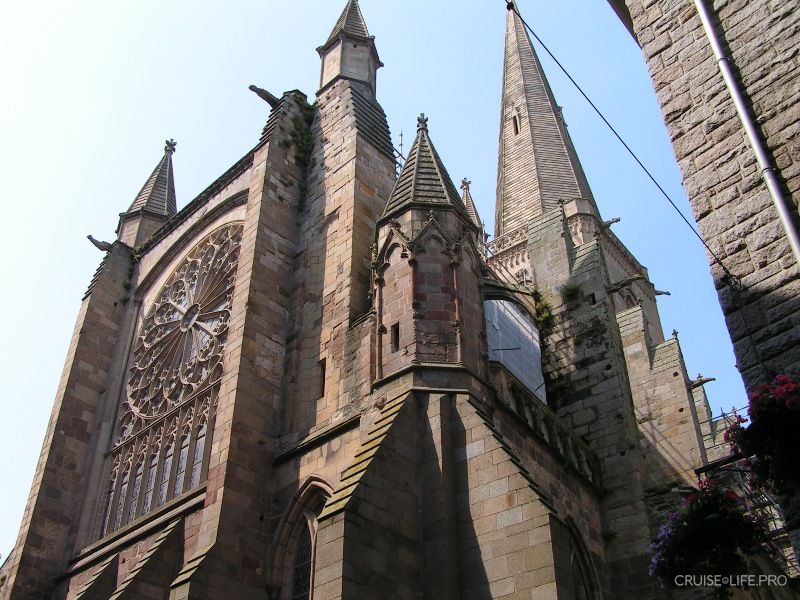
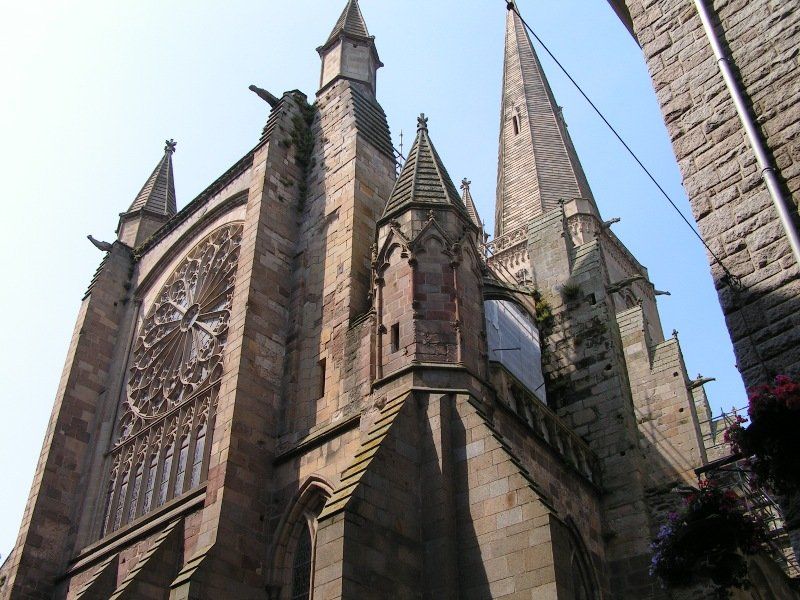
In the cathedral of Saint Vincent of Zaragoza, patron saint of winemakers, the bishop’s seat of Saint-Malo was located there from 1146 to 1801. The church architecture combines Romanesque and Gothic styles. The stained-glass windows depict scenes devoted to the most significant pages of the city’s religious history. In the chapels of the north gallery of the choir are the tombs of the renowned French explorers Jacques Cartier (1491 - 1557) and René Duguay-Trouin (1673 - 1736). The remains of the latter were found in 1973 in the Church of Saint Roch in Paris and returned to his hometown of the privateer to mark the 300th anniversary of his birth. Outside, in the south-west part of the cathedral, in 1945, remnants of an ancient Romanesque monastery were discovered.
Fortresses
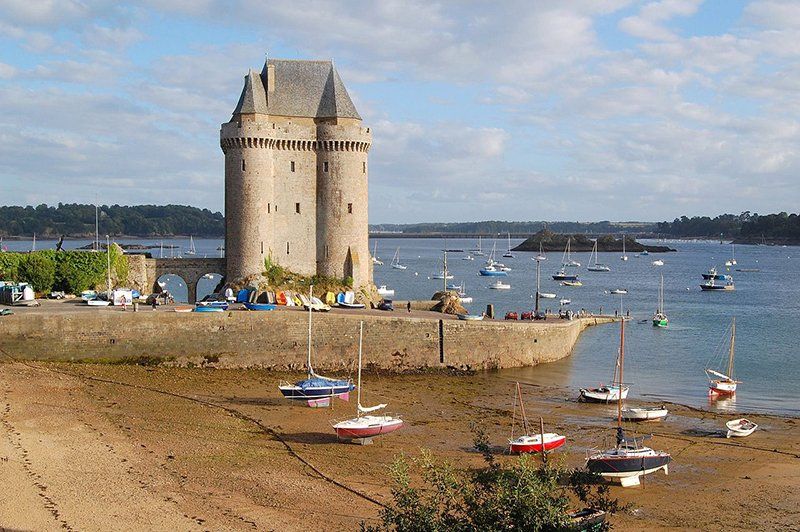
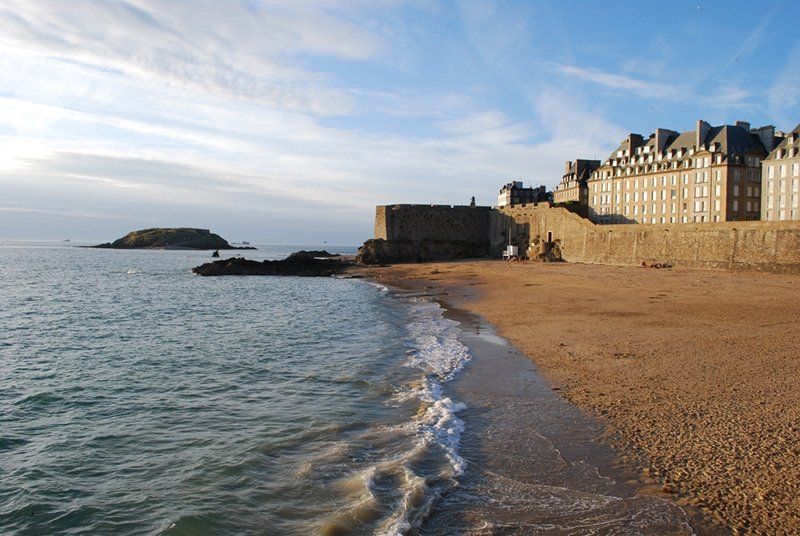
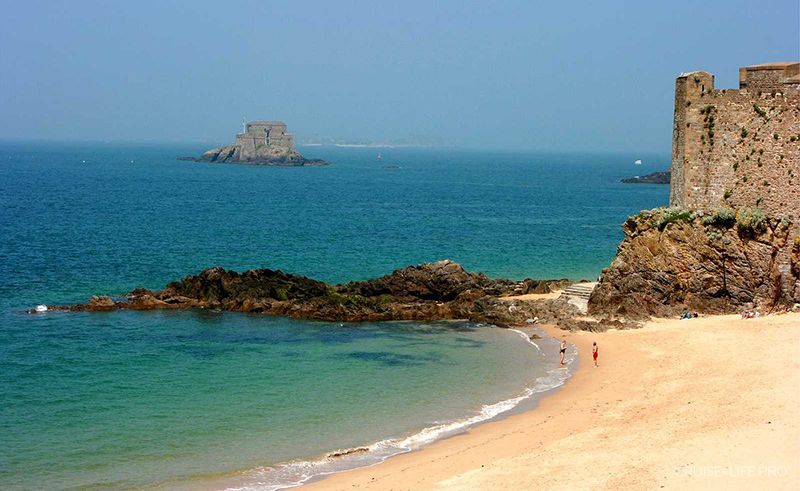
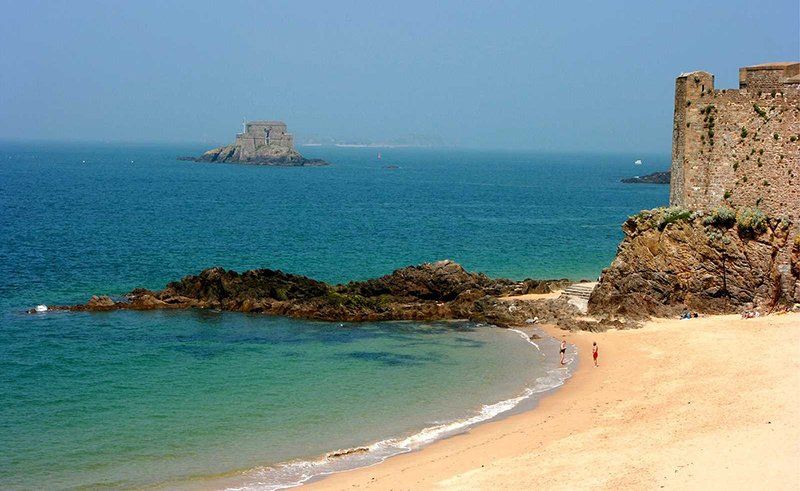
In the Bay of Saint-Malo there are the forts of Petit Bé, Nasjonal, Harbour and La Conche. Their construction was supervised by the famous military engineers Sébastien Le Prestre de Vauban (1633 - 1707) and Jean-Siméon Garangeau. (1647 - 1741). After the Seven Years’ War and the occupation of Saint-Servan by the English in 1759, a fort called Citadelle was built on the Île peninsula, offering the most beautiful view of the entire bay. The viewing platform is located at the top of the south-eastern bastion and at the 39/45 Memorial. All the forts can be visited during low tide, reaching them directly across the ocean floor.
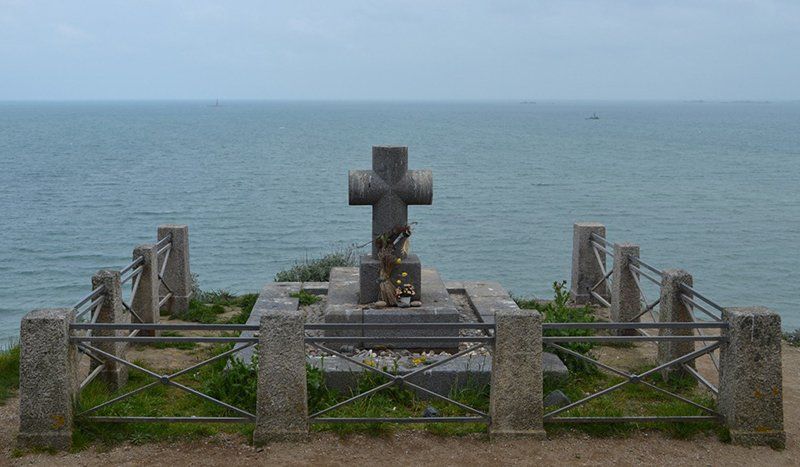
Chateaubriand’s Tomb
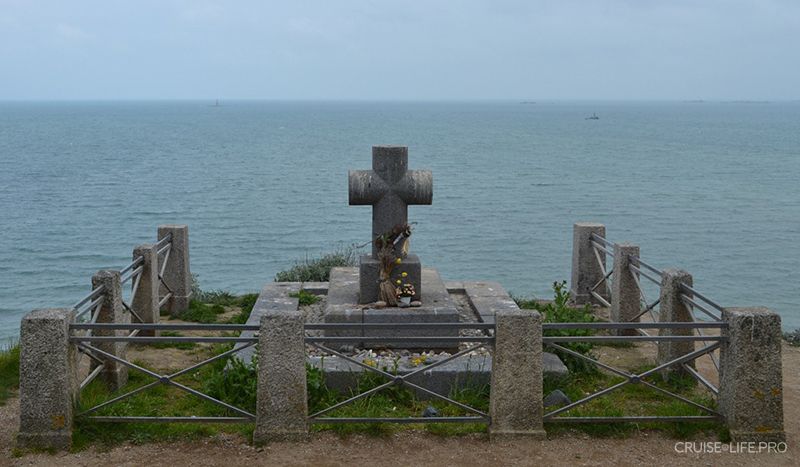
On the eve of his 60th birthday, François-René de Chateaubriand (1768 - 1848) addressed the mayor of Saint-Malo with a request that he be buried on the island of Grand-Bé. It is known that at first the writer was refused, as at that time this place was a military area. Nevertheless, in 1831, one of Chateaubriand’s admirers obtained permission for the burial from the new mayor. Ten years before the writer’s actual death in 1838, the grave was ready at the western tip of the island of Grand-Bé. In accordance with the deceased’s last wishes, there are no inscriptions on the headstone itself. However, on the wall behind the grave, there is a plaque with the words: “The great French writer wished to find peace here, to hear only the wind and the sea. With respect for his final wishes.”
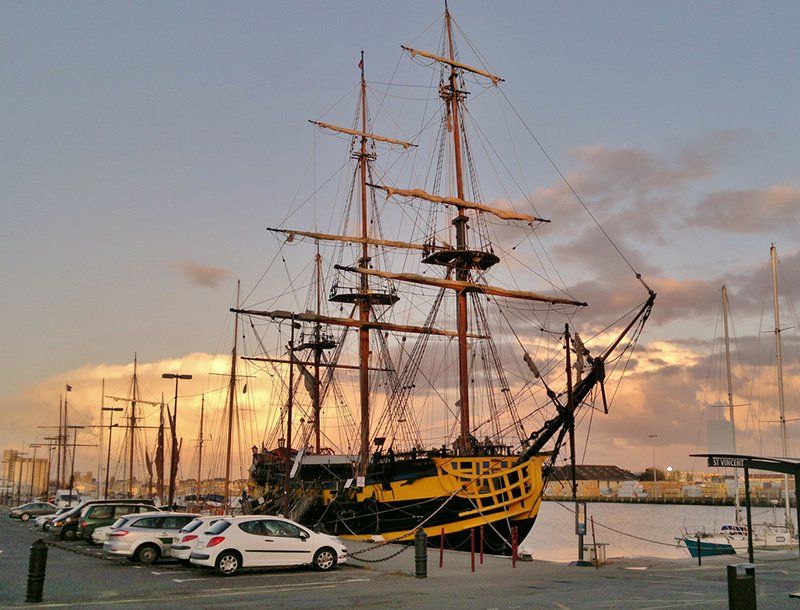
Frigate Museum Étoile du Roy (Étoile du Roi)
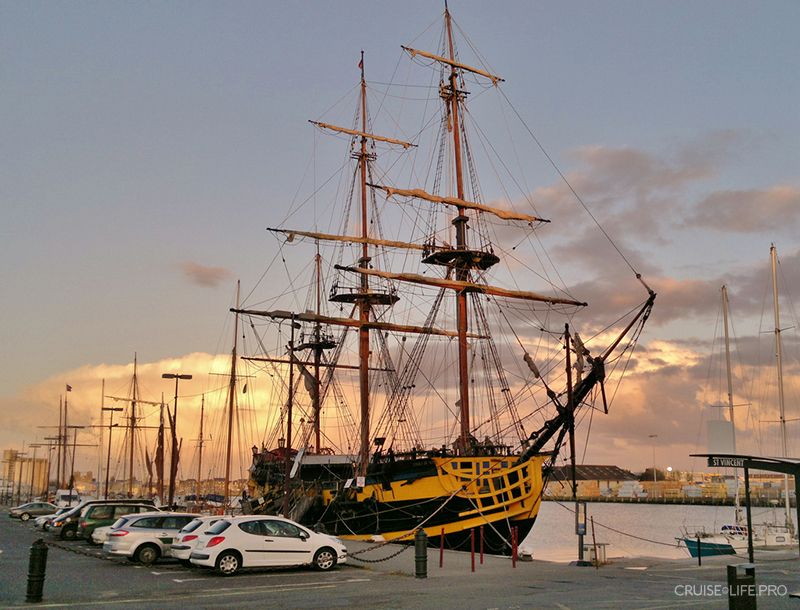
The museum frigate is moored at the pier, beneath the walls of the old town. Here, visitors to the city can see and feel how and in what living conditions the corsairs lived during long sea voyages. The frigate is an exact replica of a pirate ship built in 1745. It shows the cramped conditions in which sailors lived. The sleeping berths are stretched directly on the gun deck. During mealtimes, tables were set up here as well. The ship’s captain has his own tiny cabin. To fully experience the life and everyday routine of the sailors, this place is well worth a visit.